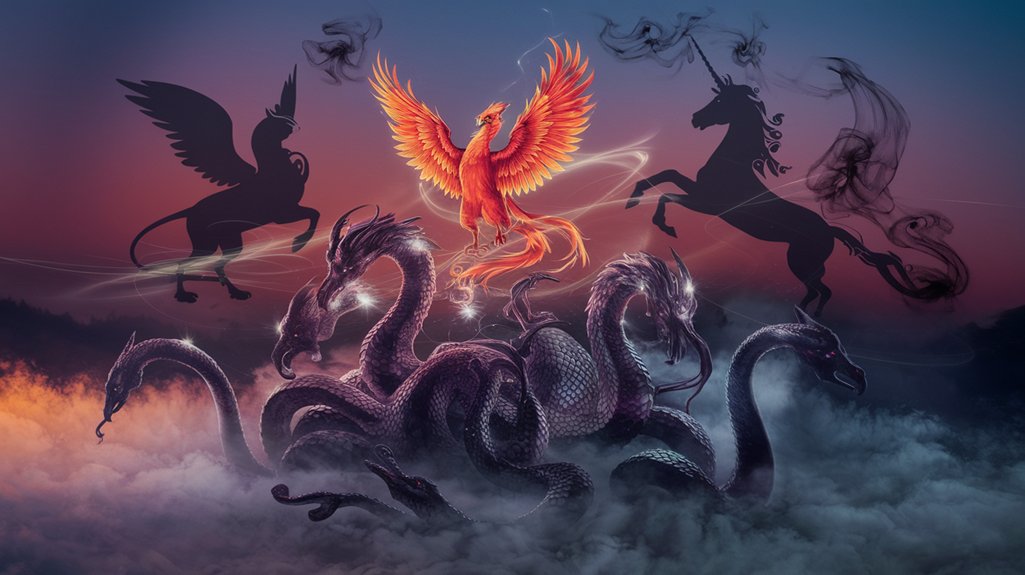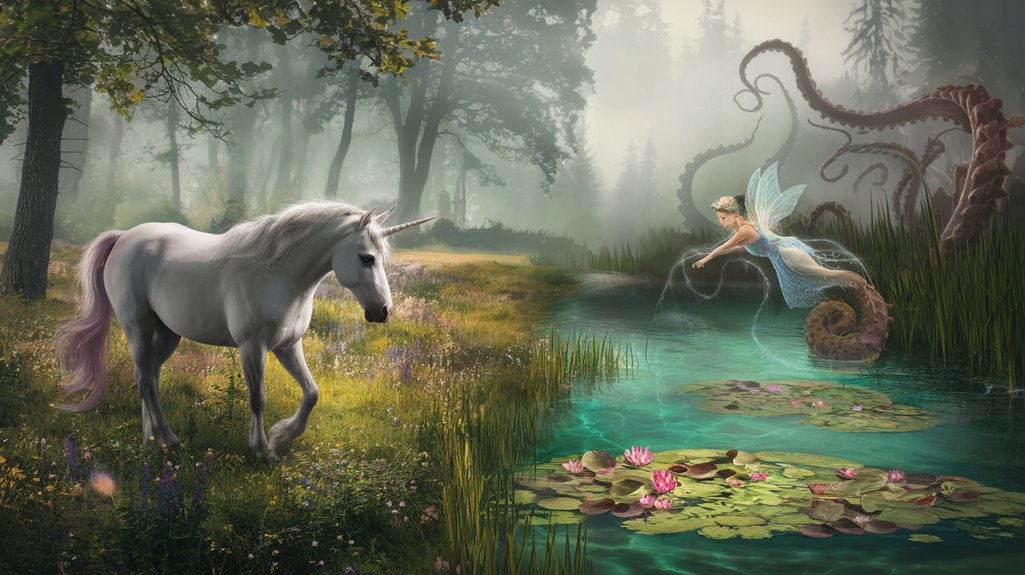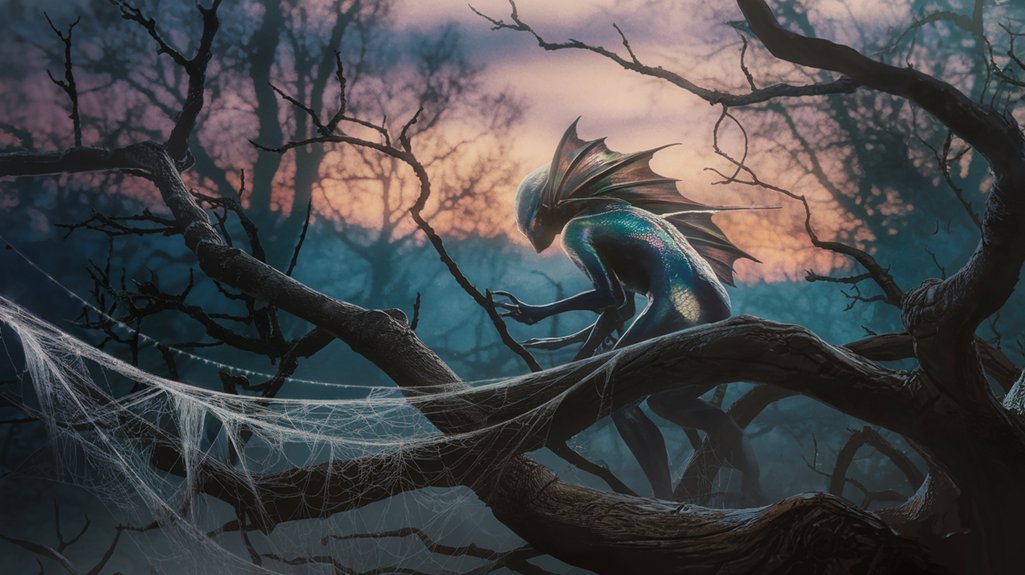


You’ll discover that ancient chimeric terrors—Medusa’s serpent-crowned visage that petrified Hellenic warriors, Norse Thor’s thunder-wielding divinity against frost giants, and Hercules’s twelve labors symbolizing redemptive excellence—directly transmute into contemporary superhero narratives through archetypal inheritance. Mediterranean Amazons birthed Wonder Woman’s warrior ethos, while Odysseus’s cunning intelligence manifests in Batman’s detective methodology. These mythological beings served as pedagogical vessels across generations, their monstrous forms embodying psychological anxieties: the Minotaur’s primal rage, vampires’ mortality fears, dragons representing destruction or wisdom depending upon cultural origin. The patterns established in Homer’s epics continue shaping sequential art’s foundational architecture, awaiting your deeper exploration.
Key Takeaways
- Medusa’s petrifying gaze inspired modern Gorgon villains who wield psychological weapons that paralyze victims in temporal stasis.
- Dragons like Fin Fang Foom merge ancient Chinese legends with comic narratives, symbolizing destruction or wisdom.
- The Kraken embodies oceanic terror, challenging heroes like Namor with primal fears of vast, unknowable forces.
- Cerberus guards underworld thresholds while Hydra’s regenerative heads force heroes to confront seemingly impossible challenges.
- The Minotaur’s struggle against base instincts translates to modern conflicts with chimeric adversaries like Dario Agger.
Ancient Heroes Meet Comic Books

When bronze-age poets first chronicled Hercules’s descent into the underworld to capture Cerberus, they couldn’t have envisioned that their hero’s archetypal journey would resurface millennia later in four-color panels, yet the mythopoeic resonance persists.
You’re witnessing ancient mythology transmuted into superhero origins through deliberate cultural inheritance. Thor channels Hercules’s raw strength, while Achilles’s fatal vulnerability becomes narrative DNA—every caped figure harbors their hidden weakness, their eldritch flaw.
Batman’s detective work echoes Odysseus’s polytropos cunning, that “many-turning” intelligence the Greeks revered. Iron Man calculates where gods once schemed.
The Amazons birthed Wonder Woman, their warrior ethos preserved through ink and pulp. You trace Perseus’s chimeric battles—Medusa, the Kraken—directly to modern monster-slaying narratives.
These aren’t mere borrowings. They’re psychic continuities, archetypal patterns your mind recognizes instinctively. The hero’s journey, forged in Mediterranean firelight, illuminates your contemporary mythology.
Even creatures from Inuit mythology like the Mahaha demonstrate how diverse folkloric traditions contribute terrorizing antagonists with supernatural attributes that echo in modern villain archetypes.
Ancient truths, reborn.
##
You stand at the threshold where ancient archetypes transcend their primordial origins, manifesting within sequential art’s inked panels as both homage and metamorphosis.
The chimeric fusion of mythological DNA with twentieth-century iconography—from scaled leviathans erupting through Kirby dots to Amazonian warriors bearing bronze-age armaments, from Asgardian deities wielding uru-forged hammers to eldritch abominations lurking beneath Gotham’s sewers—reveals how modern narratives resurrect ancestral fears and aspirations.
These transmutations illuminate the perpetual human need to clothe timeless archetypes in contemporary vestments, ensuring that gods, monsters, and heroes remain eternally present.
Just as the Wendigo legend taught the Algonquin tribe about the consequences of desperation through a man-eating monster, contemporary superhero narratives continue packaging moral lessons within fantastical beings that embody our deepest anxieties.
Dragons in Comic Universes
Since the dawn of sequential art, dragons have coiled themselves into the fabric of comic book mythology, their scaled forms bridging millennia of human storytelling with the modern pantheon of caped crusaders and cosmic entities.
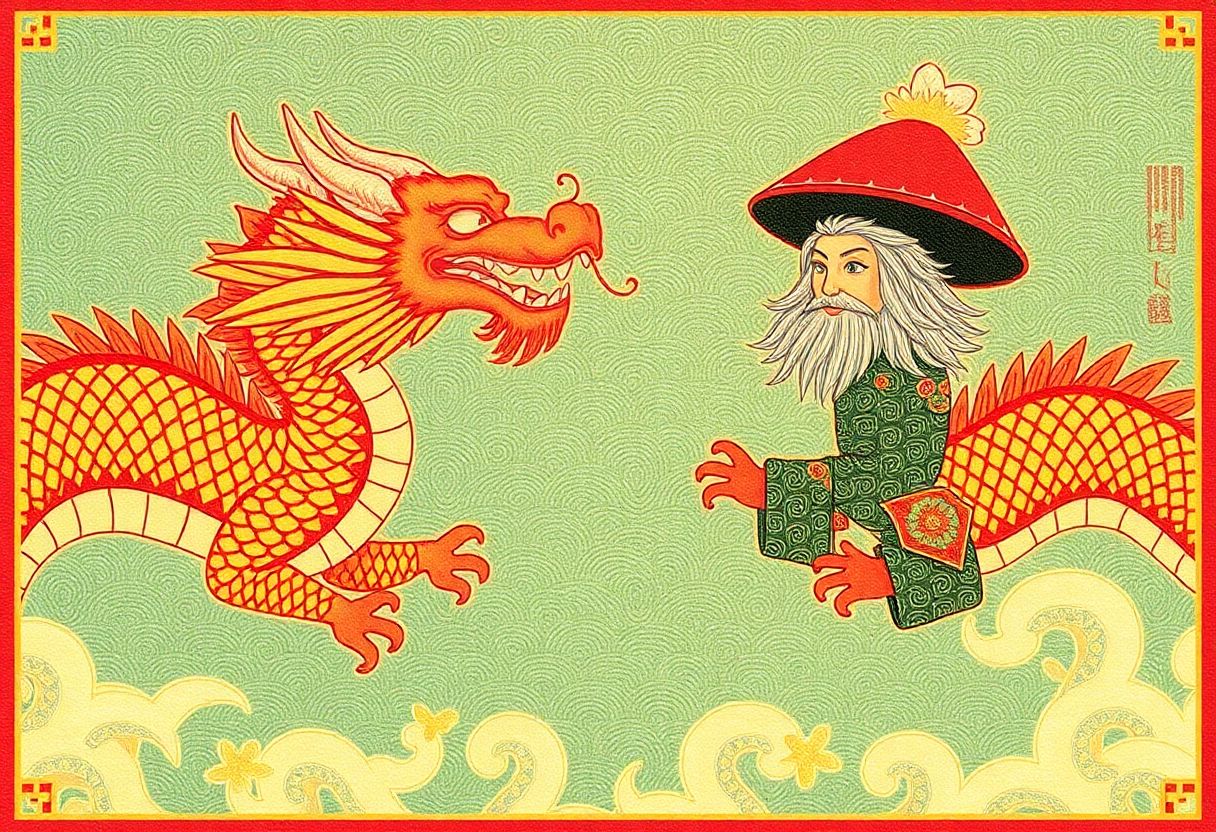
You’ll discover how dragon lore permeates comic adaptations through characters like Fin Fang Foom, Marvel’s chimeric alien-dragon hybrid who first emerged from ancient Chinese legends into sequential narratives.
When Captain America confronted that eldritch Chinese dragon in 1954’s issue #78, you witnessed the convergence of Eastern mysticism with Western heroism.
These creatures embody cultural dichotomies: Western dragons manifest as destructive antagonists guarding hoarded wealth, while Eastern serpents represent benevolent wisdom and cosmic balance.
Comic universes reshape these archetypal beings into living bridges, connecting you to humanity’s oldest myths while propelling you toward contemporary fantastic adventures.
Amazons and Wonder Woman
From the bronze-clad shores of Themyscira emerges Diana of the Amazons, a character whose 1941 debut under William Moulton Marston’s pen converted ancient Hellenic warrior women into twentieth-century iconography of female sovereignty.
You’ll discover how the Amazon Legacy transcends mere mythology—these fierce matriarchs, molded from divine clay by Hippolyta’s hands, wielded both sword and wisdom against patriarchal constraints.
The Warrior Ethos pulses through Diana’s golden lasso, that eldritch cord compelling truth from those it binds, while her chimeric heritage—part mortal craftsmanship, part Olympian blessing—manifests powers rivaling any pantheon’s champion.
Mount Olympus itself sanctified this synthesis of ancient valor and modern emancipation.
You witness female empowerment crystallized: not softened for palatability, but sharpened into something groundbreaking, dangerous, free.
Norse Gods Meet Marvel
Where Hellenic myth birthed warrior queens for America’s Golden Age, the frozen sagas of Scandinavia would wait two decades longer to crash upon comic shores with comparable force.
Norse mythology’s influence permeates Marvel’s Asgardian characters with eldritch authenticity—Thor wielding Mjolnir, that storm-summoning hammer forged in cosmic fires; Loki embodying the chimeric trickster archetype, simultaneously villain and victim.
You witness Ragnarok’s apocalyptic prophecies altered into serialized cosmic warfare, where ancient doom becomes narrative fuel.
Asgard itself transcends mere setting, manifesting as liminal domain where gods walk between worlds, their immortal politics mirroring your mortal struggles.
Valkyrie carries warrior-maiden traditions forward; Hela personifies death’s inexorable grip.
Marvel doesn’t simply borrow these northern deities—it resurrects them, granting you access to mysteries once whispered around longhouse fires, now amplified through sequential art’s modern medium.
Monsters Become Modern Villains
Though humanity once trembled before monsters as inexplicable forces of nature—tentacled leviathans surfacing from abyssal trenches, horned beasts stalking labyrinthine corridors—these primordial terrors now inhabit your serialized narratives as calculated antagonists, their chaos systematized into monthly publication schedules.
Mythological monster adaptations alter the Hydra’s regenerative flesh into persistent criminal organizations, each severed head spawning two replacements. You’ll recognize werewolves’ lunar transformations as explorations of duality, their villainous character traits emerging from humanity’s fractured psyche.
Dracula transcends mere bloodlust, becoming chimeric sophistication wrapped in predatory instinct. The Cyclops abandons Homeric shores for urban battlegrounds, his solitary rage channeled through brutish physicality.
These eldritch entities, once inexplicable cosmic accidents, now serve calculated purposes—embodying your darkest impulses, your rejection of imposed order, your understanding that monsters simply refuse civilization’s chains.
Greek Heroes Predated Modern Comics
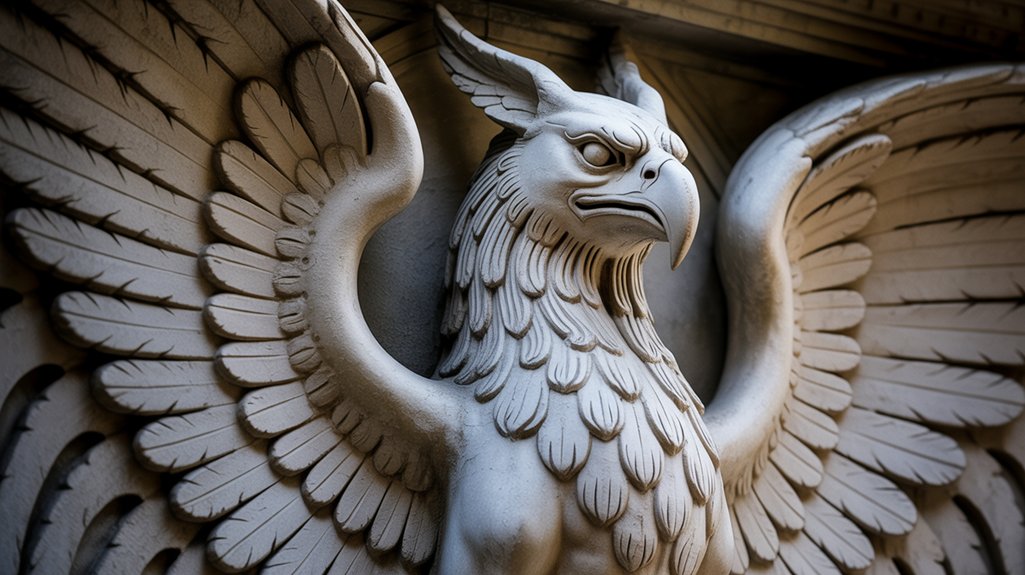
You’ll find the templates for today’s caped crusaders etched in ancient Mediterranean scrolls and Norse sagas, where heroes like Hercules and Odysseus grappled with chimeric beasts and eldritch prophecies centuries before the first comic panel.
These foundational texts—from Homer’s *Iliad* (circa 750 BCE) to Hesiod’s *Theogony*—didn’t merely entertain; they served as cultural mirrors, reflecting the values, fears, and aspirations of societies that understood heroism as both divine gift and mortal burden.
The distinction between Mediterranean cunning and Norse valor reveals how geographic homelands shaped heroic archetypes, each tradition forging its champions in the crucible of regional necessity.
Ancient Greek and Roman Texts
The archetype of the superhero—that chimeric fusion of extraordinary ability and moral purpose—finds its primordial expression not in twentieth-century American pulp magazines but in the epic poetry of ancient Greece, where Homer’s verses first breathed life into Achilles, the godlike warrior whose invulnerability and singular fatal weakness would echo through millennia of heroic narratives.
You’ll discover Odysseus maneuvering through epic battles against cyclopes and sirens, his cunning intellect proving as formidable as any physical power.
These ancient texts illuminate heroic flaws—Achilles’ rage, Odysseus’ pride—that humanize otherwise supernatural figures.
The “Iliad” and “Odyssey” established narrative patterns you recognize instantly: the chosen champion, the impossible quest, the moral reckoning.
Here lies the blueprint for every caped crusader you’ve encountered since.
Mediterranean and Norse Homelands
Long before Stan Lee’s pen conjured Marvel’s pantheon or DC’s artists rendered Superman’s impossible flight, the Aegean shores and Nordic fjords harbored their own prototypical champions—figures whose adventures through monster-haunted landscapes would establish the fundamental architecture of heroic mythology.
You’ll discover that Mediterranean myths and Norse legends birthed hero archetypes still commanding your imagination. Hercules exemplified raw strength; Odysseus wielded cunning intellect. The Amazons—those eldritch warrior women—carved pathways for contemporary female liberation. Thor’s divine attributes merged with mortal vulnerabilities, creating chimeric narratives where gods bled.
| Mythological Source | Defining Trait |
|---|---|
| Greek Heroes | Moral complexity |
| Norse Deities | Emotional depth |
| Amazon Warriors | Feminine power |
| Strategic Odysseus | Intellectual prowess |
These ancient narratives established cultural symbolism, their mythological influences permeating modern comics. Freedom-seeking audiences recognize these primordial patterns.
Heroes Reflected Societal Values
When Greek civilization etched its heroes into Mediterranean consciousness, these legendary figures functioned as crystallized embodiments of civic virtue—each champion bearing within their mythic corpus the ideological scaffolding that structured Hellenic society.
You’ll find Hercules wrestling through twelve labors that whispered of redemption’s possibility, while Achilles stood vulnerable despite godlike prowess—his infamous heel exposing how heroic virtues coexisted with mortal frailty.
Odysseus charted different territory entirely, wielding intellect as weapon, proving that cunning constituted legitimate power within the cultural reflections that shaped community identity.
These weren’t mere entertainments. They were pedagogical instruments, eldritch narratives that transmitted values across generations, establishing templates modern comics would resurrect millennia later.
Each tale carried prescriptive weight, demonstrating how individual excellence served collective survival in ways that transcended their chimeric origins.
Norse Thor Versus Greek Hercules

Across millennia and continental divides, two archetypal warriors have commanded the reverence of civilizations through their demonstrations of supernatural might and unwavering dedication to mortal protection. You’ll discover Thor’s Hammer, the eldritch Mjolnir, grants dominion over celestial lightning and aerial traversal, while Hercules’ Strength manifests through twelve impossible labors that transcend mortal limitation.
| Attribute | Thor (Norse) | Hercules (Greek) |
|---|---|---|
| Primary Power | Lightning control, flight via Mjolnir | Superhuman strength, endurance |
| Symbolic Connection | Storm phenomena, oak sanctity | Physical prowess, redemptive trials |
| Heroic Identity | Divine protector of Midgard | Champion of impossible quests |
These chimeric figures converge within Marvel’s modern pantheon, where thunder meets sinew in spectacular confrontations. Both champions embody freedom’s essence—Thor defending humanity from cosmic tyranny, Hercules breaking chains of impossible expectation. Their mythological lineages, though geographically distinct, share fundamental truths about courage transcending mortal boundaries.
Monsters Represent Human Fears
Dread manifests its most enduring forms through the monstrous embodiments that civilizations have conjured from their collective unconscious—each chimeric horror serving as psychological vessel for terrors too overwhelming to confront directly.
You’ll find that monstrous symbolism alters abstract anxieties into corporeal nightmares, granting you the power to name what haunts you.
These fearful representations crystallize your deepest vulnerabilities:
- The Kraken’s tentacles dragging ships into abyssal darkness—your terror of vast, unknowable forces beyond comprehension
- The Minotaur’s labyrinthine prison—your fear of surrendering to base instincts, becoming trapped within primal rage
- Vampire fangs piercing flesh—your anxiety surrounding mortality, intimacy’s dangerous vulnerability
- Werewolf transformations under lunar compulsion—your struggle against losing humanity to savage impulses
- Scylla and Charybdis flanking narrow straits—your paralysis when facing impossible choices, knowing destruction awaits regardless
Through confronting these eldritch manifestations, you reclaim autonomy over your fears, transmuting psychological shadows into narratives you control.
Perseus Slays Medusa’s Terror
You stand witness to perhaps antiquity’s most celebrated metamorphosis of terror into triumph, where Perseus, armed with divine implements—the adamantine blade forged in celestial fire, Athena’s polished aegis reflecting eldritch horror, and Hades’ shadowing cap—transforms Medusa’s petrifying gaze from insurmountable doom into strategic vulnerability.
His combat methodology reveals the essential heroic paradox: confronting the monstrous through indirection, perceiving death’s visage only through bronze-mirror mediation, thereby converting the Gorgon’s own terrible power into her singular weakness.
This ancient stratagem echoes through modern superhero narratives where chimeric antagonists wielding reality-warping abilities meet defeat not through brute force but through the hero’s intellectual recognition that every absolute power contains its antithesis.
Medusa’s Deadly Gaze Power
No creature in the ancient Mediterranean world embodied terror’s corporeal form more completely than Medusa, the Gorgon whose very countenance wielded death as an instantaneous, irrevocable alteration.
You’ll find in Medusa’s symbolism the primal fear of change without consent—gaze change that strips autonomy, renders flesh to stone, erases will itself. Her eldritch power transcended mere violence; it was existential annihilation.
The petrifying stare operated instantaneously, requiring no incantation, no ritual preparation. Just sight. Just connection.
Even after Perseus severed her serpent-crowned head with his adamantine blade, the power persisted, undiminished by mortality’s threshold. You can’t escape what you’ve witnessed.
Her legacy endures because she represents something chimeric, something that threatens the foundation of choice itself—the ultimate constraint upon human freedom.
Reflective Shield Combat Strategy
When confronted with annihilation incarnate, Perseus altered vulnerability into methodology—converting Medusa’s weapon against itself through metallurgic meditation.
You’ll recognize this shift in perspective: the Gorgon’s eldritch potency demanded not conventional warfare but cognitive subversion. Athena’s bronze aegis became instrumental—a mirror changing lethal directness into oblique advantage.
Combat intelligence superseded martial prowess. Perseus observed chimeric horror through refracted image, approaching the petrifying entity while maintaining existential safety. His reflective tactics embodied strategic brilliance: indirect engagement neutralizing absolute threat.
The adamantine blade struck decisively, guided by reflected truth rather than suicidal confrontation. Post-decapitation, Hermes’s Cap of Invisibility provided extraction advantage.
This ancient encounter demonstrates warfare’s cerebral dimension—how cunning, divine patronage, and technological adaptation triumph over overwhelming supernatural force, establishing foundational principles for heroic methodology across subsequent millennia.
Modern Gorgon-Inspired Villains
Perseus’s ancient victory reverberates through contemporary narrative architecture, where Medusa’s serpentine legacy evolves into a pantheon of modern antagonists embodying petrification’s primal terror.
You’ll encounter these chimeric villains wielding Gorgon symbolism across comics and cinema, their eldritch abilities transcending mere physical alteration. Petrification powers manifest as psychological weapons, freezing victims in temporal stasis—a fate echoing ancient stone gardens littered with marble warriors.
Modern creators excavate Medusa’s tragedy, crafting antagonists burdened by monstrous gifts they never sought. Beauty conceals venom. These figures channel transformation’s dual nature: destroyer and victim, perpetrator and casualty of divine curse.
You witness how contemporary storytelling preserves mythology’s liminal essence, where serpent-crowned adversaries embody society’s rejection while wielding devastating abilities. Their narrative descendants carry forward primordial fears, altered yet fundamentally unchanged.
Marvel’s Mythical Monster Adaptations
Within the vast tapestry of Marvel’s sequential art narratives, mythological entities transcend their archaic origins—they’re reimagined through chromatic panels and speech bubbles, converted into kinetic forces that clash against spandex-clad heroes.
You’ll witness how these ancient archetypes undergo change:
- The Marvel Kraken emerges from abyssal depths, its tentacled enormity challenging Namor’s sovereignty over Atlantean territories, embodying primordial oceanic terror.
- Minotaur Conflicts manifest through Dario Agger’s chimeric alteration, his bovine rage colliding with Thor’s lightning and Hulk’s gamma-fueled strength.
- The Cerberus Guardian stands sentinel at Hades’ threshold, its triple-mawed ferocity deterring mortal heroes who dare breach underworld boundaries.
- Hydra Resilience symbolizes regenerative defiance—each severed head spawning two more, forcing Hercules to confront impossibility itself.
- Greek and Norse pantheons interweave, granting Thor and Hercules their legendary attributes.
These eldritch adaptations liberate mythology from static antiquity, altering fossilized legends into vibrant narratives.
You’re witnessing cultural inheritance reimagined.
Jung’s Archetypal Hero Theory
Beyond these chromatic battlegrounds where ancient monsters clash with modern champions lies a psychological architecture—Carl Jung’s Archetypal Hero Theory reveals the skeletal framework beneath mythology’s flesh.
You’ll discover heroic archetypes emerging from humanity’s collective unconscious, manifesting across millennia in figures from Hercules to Spider-Man. The Hero confronts eldritch Shadows, receives wisdom from the Mentor, undergoes mythic alterations through trials that strip away illusion.
This sacred pattern—call, ordeal, apotheosis—functions as cultural DNA, transmitting ancient truths through chimeric vessels.
Jung identified universal characters dwelling in your psyche’s depths. The Hero faces inner demons externalized as Minotaurs, symbiotes, cosmic devourers. Each confrontation mirrors your own struggles against darkness, each alteration echoing personal evolution.
These archetypal structures grant you interpretive keys, revealing motivations behind Thor’s hammer-wielding righteousness and Medusa’s serpentine tragedy alike. The framework persists because truth transcends epochs—these patterns constitute your species’ psychological inheritance, freeing you to recognize yourself within every monster-slaying narrative.
Timeless Lessons Through Entertainment
When entertainment transcends mere spectacle, it becomes a vessel for primordial wisdom—mythical creatures and their superheroic descendants deliver philosophical frameworks disguised as action sequences, ethical quandaries wrapped in fantastic combat.
You witness timeless storytelling when the Hydra’s regenerative essence manifests in contemporary narratives of resilience, each severed head representing adversities that multiply yet strengthen resolve. The Minotaur’s labyrinth becomes your psychological maze. Inner demons demand confrontation.
Adversity multiplies like Hydra’s heads—each challenge severed births another, forging unbreakable resolve through regenerative struggle.
Cultural symbolism flows through Amazonian warriors into Wonder Woman’s embodiment of feminine sovereignty, their ancient battle-cries echoing across millennia.
Cerberus guards thresholds between worlds, his triple-crowned loyalty mirroring superheroic bonds of protection and duty. Dragons like Fin Fang Foom channel eldritch power, while werewolves embody chimeric duality—beast and human coexisting in perpetual tension.
These aren’t escapist fantasies but encoded teachings, ancestral knowledge preserved through narrative alchemy, inviting you to recognize universal struggles within fantastic frameworks, liberating consciousness through mythic immersion.
Mythology’s Enduring Cultural Impact
Ancient myths pulse through modern consciousness with undiminished energy, their archetypal frameworks establishing narrative DNA that replicates across generations, mediums, and continental boundaries. You witness this transmission when Hercules alters into Marvel’s champion, when Thor’s hammer electrifies cinema screens, when Wonder Woman channels Amazonian legacy into contemporary heroism.
These cultural narratives transcend their origins—Greek, Norse, African, Asian, Celtic—becoming vessels for universal truths about sacrifice, valor, and moral complexity.
The mythic symbolism embedded within these ancient tales operates as your collective unconscious, manifesting in chimeric characters who embody timeless struggles between chaos and order. Perseus’s journey mirrors every superhero’s origin story.
Eldritch creatures from forgotten pantheons resurface as antagonists, their symbolic weight intact despite millennia of alteration. You recognize these patterns because they’re encoded within human experience itself, threading through disparate cultures to create shared understanding.
Modern storytelling doesn’t merely borrow from mythology—it continues mythology’s essential function: illuminating humanity’s darkest fears and brightest aspirations through narratives that transcend temporal boundaries.
Frequently Asked Questions
Which Modern Superheroes Are Directly Based on Egyptian Mythological Creatures?
You’ll find Moon Knight channels Egyptian Deities through Khonshu’s lunar vengeance, while Black Adam draws eldritch strength from Amon-Ra himself.
These heroes wield Ankh Powers—that ancient symbol of eternal life—transforming chimeric divinity into contemporary justice.
Marvel’s pantheon includes the Ennead, those primordial gods of Heliopolis, circa 3100 BCE.
You’re witnessing sacred resurrection: falcon-headed protectors, jackal-masked guides.
Freedom flows through their veins like the Nile’s flood, ancient hieroglyphics reborn as super-powered iconography, liberating modern consciousness.
How Do Japanese Yokai Influence Contemporary Superhero Character Designs?
You’ll find yokai characteristics bleeding into superhero aesthetics like ink through water—consider how Spider-Man’s design echoes the Jorōgumo’s arachnid-human fusion.
Contemporary creators draw upon these Edo-period entities’ liminal forms: shapeshifting kitsune inspire metamorphic powers, tengu’s corvid features manifest in winged vigilantes, while oni’s horned ferocity shapes monstrous anti-heroes.
You’re witnessing chimeric traditions—where Japan’s spectral taxonomy, catalogued since the Muromachi period, offers liberation from Western superheroic conventions, birthing characters dwelling between human and eldritch.
What Celtic Mythical Beings Have Inspired Modern Comic Book Villains?
You’ll discover that Banshee Powers—those harbinger wails forecasting death—echo through Silver Banshee’s sonic devastation in DC Comics.
The Cailleach Influence manifests darkly; this ancient winter goddess’s tempestuous sovereignty over storms and seasonal destruction birthed characters wielding elemental chaos.
These eldritch Celtic entities, rooted in pre-Christian Ireland and Scotland’s liminal territories, offer villains primal ferocity—untamed forces beyond mortal comprehension.
Their mythic essence grants antagonists that chimeric quality: part-human, part-otherworldly menace, forever dwelling in shadow.
Are There Copyright Issues When Adapting Ancient Mythological Characters?
You’ll find ancient myths breathe freely in public domain—no shackles bind Zeus, Loki, or the Morrigan.
Mythology copyright doesn’t restrict these primordial archetypes passed through millennia of oral tradition. Your character adaptation gains unfettered access to eldritch beings predating legal frameworks by centuries.
However, tread carefully: specific modern interpretations, like Marvel’s Thor or DC’s Wonder Woman, remain protected.
The chimeric essence belongs to humanity’s collective heritage, but contemporary reimaginings carry proprietary claims requiring navigation.
Which Lesser-Known Folklore Creatures Deserve Their Own Superhero Adaptation?
You’ll find untapped potential in Latin America’s Chupacabra Champion, whose nocturnal essence channels eldritch predation into vigilante justice.
The Irish Banshee Avenger deserves resurrection—her keening prophecy, documented since medieval manuscripts, converts ancestral mourning into prescient power.
Consider Slavic folklore’s Leshy, forest guardian whose chimeric shapeshifting predates modern eco-warriors by centuries.
Japan’s Noppera-bō offers psychological horror: faceless dread manifesting identity’s dissolution.
These aren’t mere monsters—they’re cultural repositories, liminal beings awaiting your creative liberation from obscurity’s chains.
Conclusion
You’ve witnessed mythology’s alteration into modern heroism—yet consider this: superhero films generate over $13 billion annually, proving ancient archetypes remain commercially potent. These chimeric narratives aren’t mere entertainment; they’re cultural vessels carrying primordial truths across millennia. As you consume each blockbuster, you’re participating in humanity’s oldest tradition: seeking meaning through archetypal figures who traverse liminal spaces between mortal vulnerability and divine power. The ancient gods haven’t died—they’ve merely donned capes, changed yet eternal.