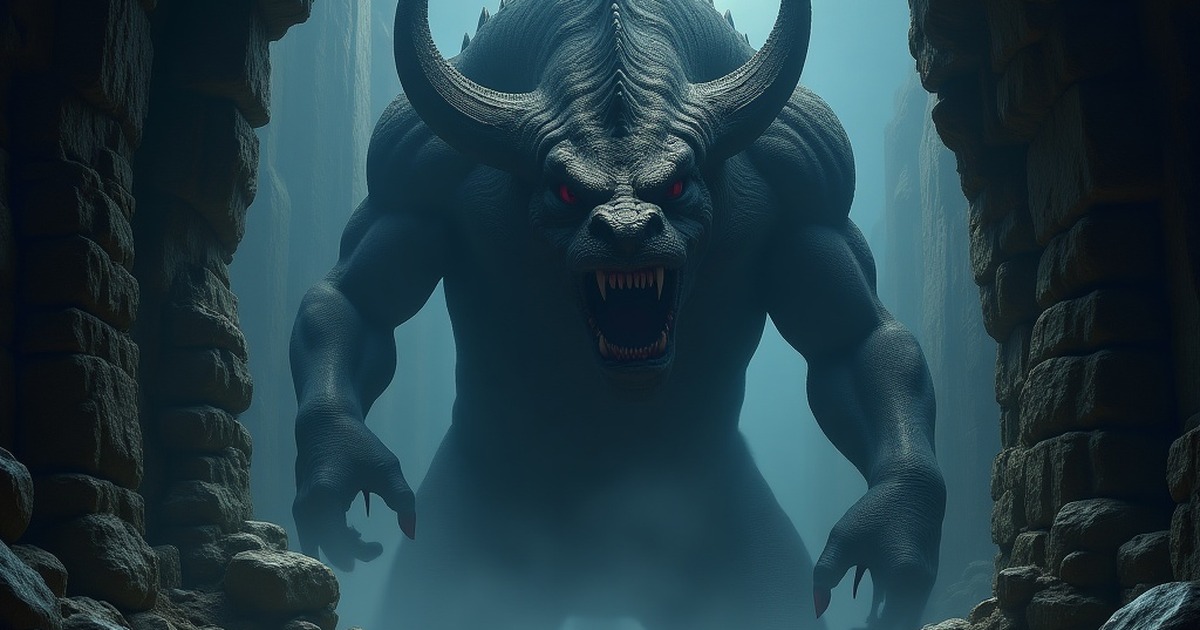
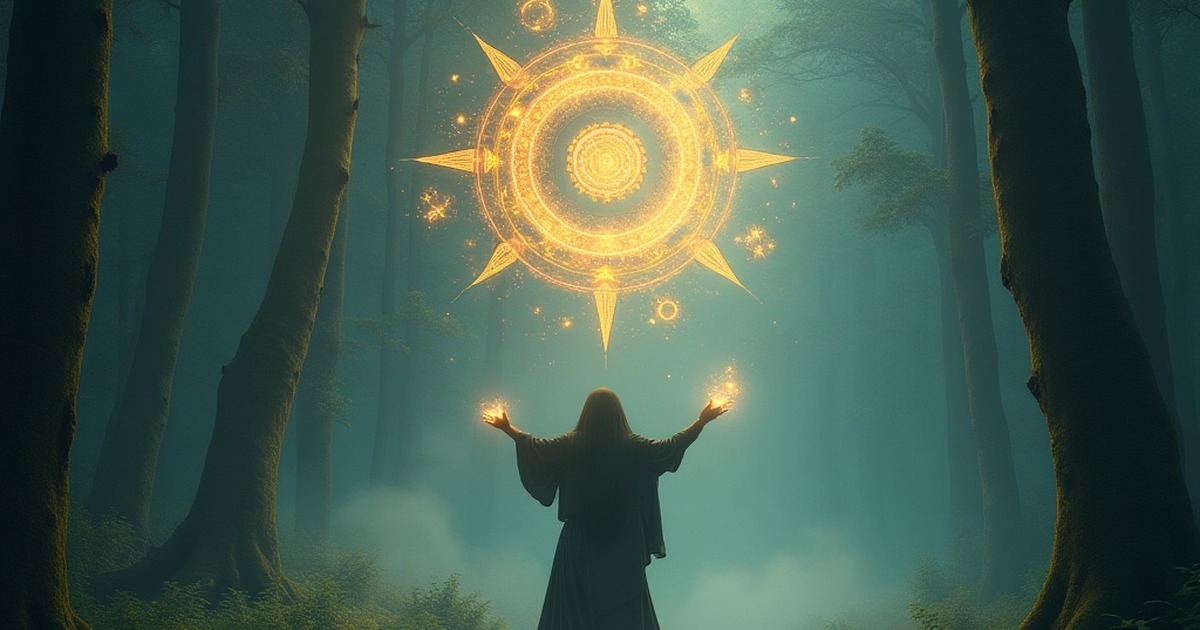
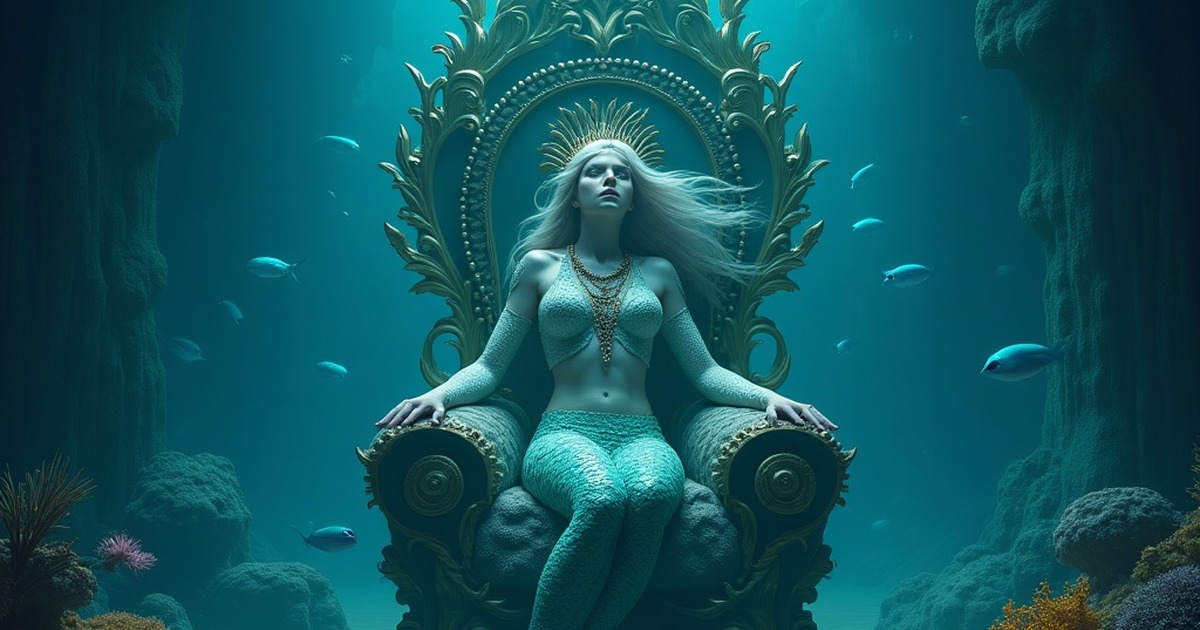
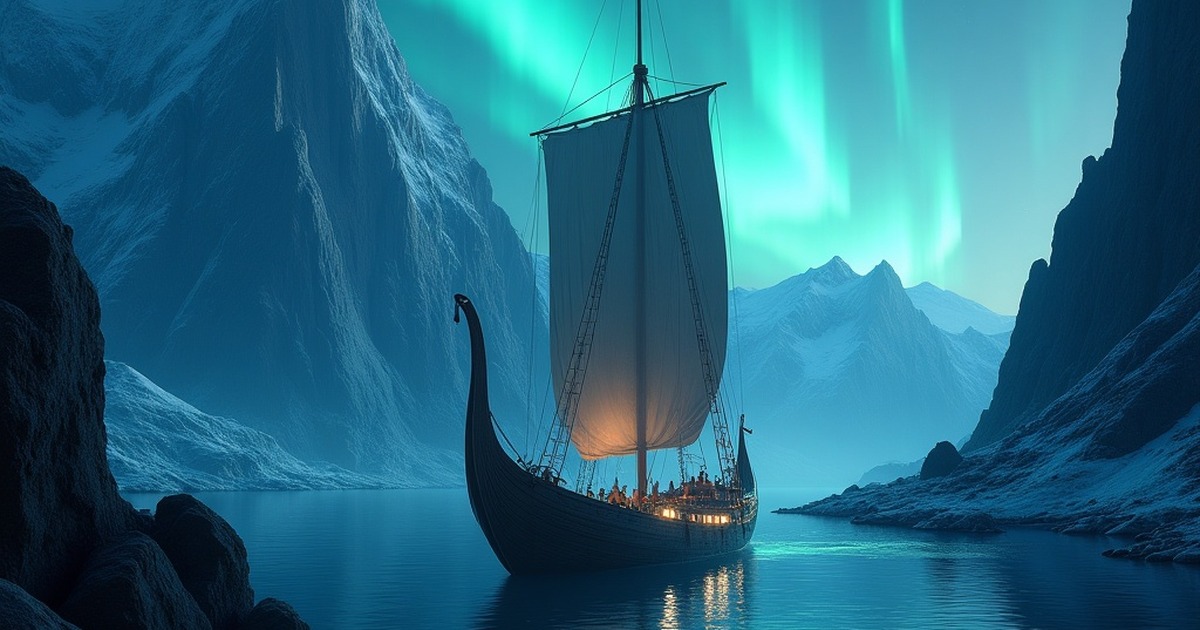
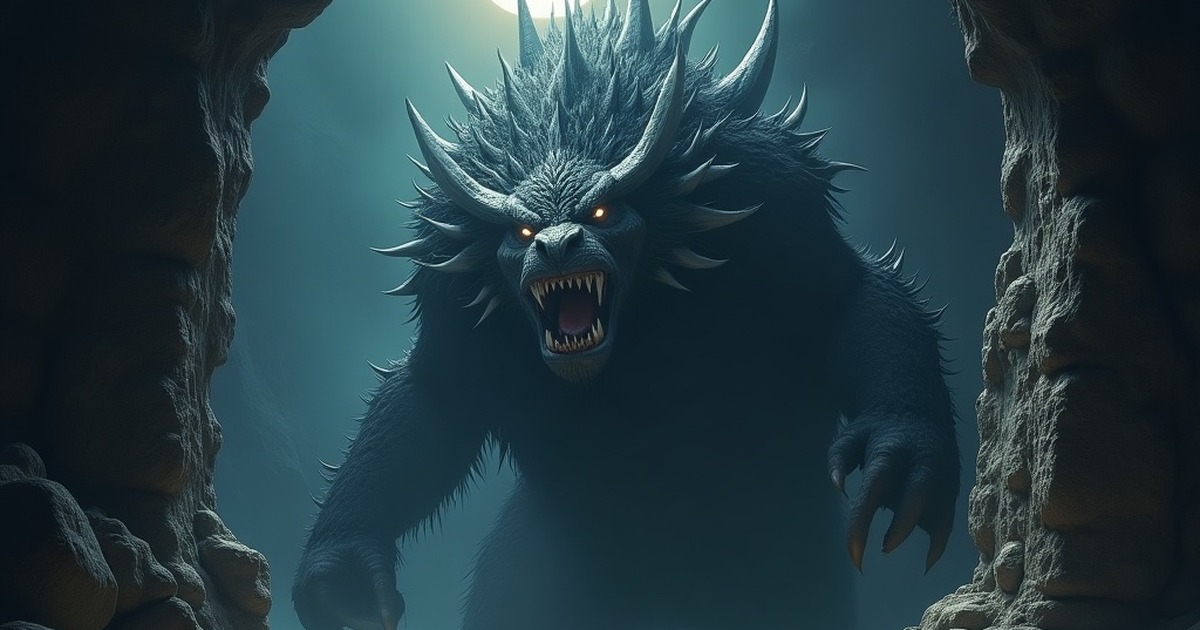
The mist-shrouded landscapes of ancient Ireland and Wales still echo with tales of gods, heroes, and magical beings. You walk through an Irish bog at twilight? Stand among the standing stones of Scotland? You can almost hear the whispers of stories that have captivated humanity for over two millennia.
Celtic mythology represents one of Europe's richest storytelling traditions. A vast collection of myths, legends, and folklore from Celtic-speaking peoples who once dominated much of the continent. These weren't just bedtime stories. They were the foundation of entire worldviews, explaining everything from seasonal changes to the mysteries of death and rebirth.
The Celtic world stretched far beyond what we might expect. From the emerald hills of Ireland to the rugged highlands of Scotland, from the valleys of Wales to the forests of ancient Gaul (modern-day France), Celtic culture flourished across Europe. Even today, Celtic languages survive in Ireland, Scotland, Wales, Cornwall, and Brittany—each region preserving its own mythological treasures.
What strikes me most about Celtic mythology? Its profound influence on modern culture. Every time you read about King Arthur, watch a fantasy film featuring druids, or see a Celtic knot tattoo, you're witnessing the enduring power of these ancient tales. They've shaped everything from Tolkien's Middle-earth to Marvel's Thor. Some stories are simply too powerful to fade away.
Origins and Historical Context of Celtic Mythology
The Celtic Peoples and Their Spread Across Europe
The Celts emerged as a distinct cultural group around the 8th century BCE, though their roots stretch back much further. Picture this: while Rome was still a collection of hilltop villages, Celtic tribes were already creating sophisticated societies across Europe. They weren't a single people but rather a complex network of related tribes sharing similar languages, customs, and beliefs.
These tribes spread like wildfire across the continent.
The Gauls dominated France. The Celtiberians held parts of Spain. Celtic influence reached as far east as modern-day Turkey, where the Galatians—yes, the same ones Paul wrote to—maintained their Celtic identity for centuries. It's fascinating how a culture could spread so widely while maintaining core mythological themes.
But here's what makes Celtic expansion different from Roman conquest: they spread through migration, trade, and cultural exchange rather than pure military domination. This organic growth explains why Celtic mythology shows such remarkable consistency across vast distances. Plus, it maintained regional flavors.
Oral Tradition and the Role of Druids
If you want to understand Celtic mythology, you absolutely must understand the druids. These weren't the bearded tree-huggers of popular imagination—they were the intellectual elite of Celtic society. Think of them as university professors, supreme court justices, and priests all rolled into one.
Druids underwent training that lasted up to twenty years. Twenty years. They memorized thousands of verses, legal precedents, genealogies, and mythological tales. Julius Caesar wrote that they could recite so much poetry it would take decades to learn it all. This wasn't showing off—it was cultural preservation at its most sophisticated.
The oral tradition served a crucial purpose beyond mere storytelling. These myths encoded legal principles, historical memories, seasonal observations, and spiritual beliefs. When a druid recited the tale of Brigid, listeners weren't just hearing entertainment. They were receiving instruction about poetry, metalworking, healing, and the sacred nature of creativity.
What's remarkable is how accurately these oral traditions preserved details. When scholars compare Irish mythological texts written centuries apart, they find consistent character names, plot elements, and even specific phrases. The human memory, properly trained, rivals any library.
Written Sources and Medieval Manuscripts
The transition from oral to written tradition created both opportunities and challenges for Celtic mythology. Christian monks, ironically, became the primary preservers of pagan tales. They recognized the literary and cultural value of these stories, even when they didn't share their religious worldview.
Key manuscripts emerged from this unlikely collaboration. The Lebor Gabála Érenn (Book of Invasions) attempted to create a mythological history of Ireland from creation to the arrival of the Gaels. The Welsh Mabinogion preserved tales that scholars believe date back to pre-Christian times. The Ulster Cycle, centered around the hero Cú Chulainn, provides our most detailed portrait of Celtic warrior culture.
But here's the challenge: these Christian scribes couldn't help but filter the stories through their own worldview.
Gods became kings or heroes. Religious rituals transformed into quaint customs. Sometimes, though, the pagan elements shine through so clearly that we can almost glimpse the original tales.
Archaeological evidence supports many mythological themes. Ritual deposits in water, elaborate burial practices, and the remains of sacred groves confirm that the myths reflected real religious practices. The famous Gundestrup Cauldron, discovered in Denmark, depicts scenes that could have come straight from Irish mythology.
Major Celtic Pantheons and Divine Figures
Irish Tuatha Dé Danann
The Tuatha Dé Danann—literally “People of the Goddess Danu”—represent the most fully developed Celtic pantheon we possess. These weren't distant, marble-statue gods but vibrant, complex beings with very human personalities. And decidedly superhuman abilities.
The Dagda stands as the archetypal father figure of this divine family. He's often called the “Good God,” not because he's morally perfect, but because he's good at everything. Master of magic, protector of his people, and possessor of a cauldron that never empties—the Dagda embodies the ideal Celtic chieftain. His club could kill nine men with one stroke, but flip it around and it could restore life. That duality runs through all Celtic divine figures.
Brigid captured the Celtic reverence for creativity and craft. As goddess of poetry, smithwork, and healing, she represents the sacred nature of human skill. Her cult was so strong that Christianity couldn't eliminate her—she simply transformed into Saint Brigid, one of Ireland's patron saints. I've always found it fascinating how she bridges the gap between inspiration and practical skill, reminding us that the Celts saw no separation between art and utility.
Lugh, the master of all arts, embodies excellence itself. He gained admission to the divine halls by proving he could do everything better than anyone else. But Lugh isn't just about showing off. He represents the Celtic ideal of the complete person, skilled in warfare, crafts, poetry, and wisdom. His festival, Lughnasadh, still survives as Lammas in some traditions.
The Morrígan presents Celtic mythology's most complex divine figure. She's simultaneously one goddess and three, appearing as both battle-crow and beautiful woman. She doesn't just witness war—she shapes its outcome through prophecy and magic. Her relationship with heroes like Cú Chulainn shows how the Celts understood fate: not as predetermined destiny, but as the outcome of choices made in relationship with divine powers.
Welsh Mythological Figures
Welsh mythology preserved in the Mabinogion presents figures that feel both familiar and alien to those versed in Irish tales. Llyr, the sea god, clearly relates to the Irish Lir, but his stories take different turns. His children's tragic transformation into swans speaks to themes of sacrifice and endurance that run through Celtic thought.
Rhiannon emerges as one of mythology's most compelling female figures.
Wrongly accused of killing her own child, she bears her punishment with supernatural grace. Her connection to horses and her otherworldly origin mark her as a goddess figure, but her very human struggles make her deeply relatable. When she finally receives vindication? It feels earned rather than arbitrary.
The Welsh tales preserve some of the earliest Arthurian material, showing how Celtic mythology provided the foundation for later medieval romance. Arthur appears not as the chivalric king of later legend but as a warrior-chieftain leading supernatural raids into the otherworld.
Gaulish and Continental Celtic Deities
Continental Celtic religion, known primarily through Roman sources and archaeological evidence, reveals the diversity of Celtic divine concepts. Cernunnos, the horned god depicted on the Gundestrup Cauldron, embodies the wild aspect of nature and fertility. His antlers mark him as lord of the animals, while his cross-legged posture suggests meditative wisdom.
Epona, the horse goddess, became so popular that even Roman cavalry units adopted her worship. Her cult spread from Gaul throughout the empire. This proves that Celtic religious ideas could compete successfully with Mediterranean traditions.
Taranis, the thunder god, parallels Thor and Jupiter but maintains distinctly Celtic characteristics. His wheel symbol connects him to solar imagery and the turning of seasons—a reminder that Celtic religion was deeply tied to natural cycles.
What emerges from studying these various pantheons? A consistent worldview: the divine isn't separate from the natural world but intimately connected to it. Celtic gods don't rule from distant mountaintops—they inhabit the landscape itself.
Legendary Heroes and Epic Tales
Cú Chulainn and the Ulster Cycle
If you want to understand Celtic heroic ideals, look no further than Cú Chulainn, the Hound of Ulster. His story reads like something Stan Lee might have created if he'd lived in Iron Age Ireland. Born Sétanta, he gained his famous name by killing the fierce hound of Culann the smith—then offering to take the dog's place as guardian.
But Cú Chulainn isn't just strong. He's supernaturally gifted. When his battle-fury descends, his body transforms. One eye recedes into his skull while the other bulges out. His hair stands on end with sparks flying from each strand. A “hero-light” blazes from his forehead. This isn't just literary exaggeration—it's a mythological representation of the warrior's altered state of consciousness.
The Táin Bó Cúailnge (Cattle Raid of Cooley) represents Celtic epic at its finest. When Queen Medb of Connacht invades Ulster to steal the magnificent brown bull, she finds the province's warriors incapacitated by a curse. Only Cú Chulainn, not fully Ulster-born, remains able to fight. What follows? An extended single combat as he holds off the entire Connacht army.
The tragedy of Cú Chulainn lies in his geas—magical obligations that both empower and constrain him. He cannot refuse a challenge, cannot refuse hospitality, and cannot eat dog meat (ironic, given his name). When enemies manipulate these obligations against him, they engineer his downfall. It's a sophisticated exploration of how our greatest strengths can become our greatest weaknesses.
Finn MacCool and the Fianna
Finn MacCool (Fionn mac Cumhaill) represents a different type of heroism. Where Cú Chulainn burns bright and dies young, Finn embodies wisdom, leadership, and longevity. As leader of the Fianna, a band of elite warriors, he combines martial prowess with supernatural knowledge.
Finn's wisdom comes literally from the Salmon of Knowledge. As a youth apprenticed to a poet, he accidentally tasted this magical fish and gained access to divine wisdom. Throughout the Fenian Cycle, Finn demonstrates this knowledge by solving complex problems and seeing through deceptions.
The Fianna themselves represent an interesting social institution. These weren't just warriors but poet-warriors who lived outside normal society during certain seasons. They had to meet rigorous standards: compose poetry, demonstrate courage, and show skill with weapons. It's a romantic ideal that influenced later concepts of chivalry.
What I find most compelling about Finn? His relationship with the otherworld. His wife Sadb is transformed into a deer by a jealous druid. His son Oisín travels to Tír na nÓg and returns centuries later to find a changed world. These stories explore the tension between the heroic life and ordinary human connections.
King Arthur and Celtic Influence
Arthur's Celtic roots run deeper than many realize. The earliest Welsh sources present him not as a king but as a war leader (dux bellorum) fighting against Saxon invaders. The Mabinogion tale “Culhwch and Olwen” shows Arthur leading supernatural hunts and battling otherworldly opponents—distinctly Celtic themes.
Celtic elements permeate even the later romance tradition. The Round Table echoes Celtic concepts of warrior-bands united by personal loyalty rather than feudal obligation. The Grail quest draws from Celtic cauldron myths, particularly the regenerative vessels of gods like the Dagda.
Merlin himself derives from the Welsh figure Myrddin, a mad prophet living wild in the forest after a devastating battle. This connects to a broader Celtic tradition of inspired madness as a source of supernatural knowledge—think of the “divine frenzy” that granted poets their power.
The tragic love story of Tristan and Isolde has clear Celtic parallels in tales like “The Pursuit of Diarmuid and Gráinne.” These stories explore the conflict between personal desire and social obligation. A theme that runs throughout Celtic heroic literature.
Mystical Creatures and Supernatural Beings
The Sídhe and Fairy Folk
When most people think “fairy,” they picture Tinker Bell. The Celtic sídhe (pronounced “shee”) are something altogether more formidable. These are the fallen gods of Ireland, the Tuatha Dé Danann after they retreated underground following their defeat by the mortal Milesians.
The sídhe inhabit fairy mounds scattered across the Irish landscape. These aren't cute toadstool houses but elaborate underground palaces where time moves differently than in our world. A night of dancing with the sídhe might mean decades have passed in the mortal realm—a theme that influenced everything from “Rip Van Winkle” to modern urban fantasy.
Celtic fairies aren't necessarily benevolent.
They're powerful, capricious, and operate by their own moral code. They'll reward kindness and punish rudeness, but their definitions don't always match human expectations. The key to dealing with them lies in understanding proper protocol: accept their hospitality but don't eat their food (unless you want to stay forever), answer their questions truthfully, and never break a promise made to them.
The bean sídhe (banshee) deserves special attention. She's not exactly a fairy but rather a supernatural guardian attached to specific Irish families. Her keen (mourning wail) announces impending death, making her both feared and oddly comforting. At least someone cares enough about your family to mourn properly.
Shapeshifters and Magical Animals
Celtic mythology teems with beings who move fluidly between forms. This shapeshifting isn't just magical ability—it reflects the Celtic understanding that identity isn't fixed. The boundary between human and animal, mortal and divine, remains permeable.
Selkies represent this fluidity perfectly. These seal-people shed their seal skins to walk on land in human form. Stories often tell of fishermen stealing a selkie's skin to force her into marriage. But the sea always calls back its children—when she recovers her skin, she returns to the waves, sometimes taking her half-human children with her.
Swan maidens appear in similar tales throughout Celtic lands. The Mabinogion tells of Branwen, transformed into a starling to carry messages. These transformations aren't punishments but revelations of deeper nature. The ability to fly often represents spiritual transcendence. Or prophetic power.
Celtic dragons differ markedly from their fire-breathing Germanic cousins. They're often guardians of sacred wells or repositories of wisdom. The red dragon of Wales doesn't terrorize the countryside—it represents the enduring spirit of the Welsh people in their struggle against Saxon invasion.
Animals in Celtic mythology possess supernatural intelligence and often prophetic abilities. Ravens and crows serve as messengers for the Morrígan. Salmon carry wisdom (remember Finn's story). Stags lead heroes into the otherworld. This isn't anthropomorphism but recognition that animals possess their own forms of consciousness and knowledge.
Banshees, Selkies, and Regional Spirits
Each region of the Celtic world developed its own supernatural inhabitants, shaped by local landscape and culture. Irish banshees wail for the great families. Scottish bean charrán (washing women) appear at fords, cleaning the armor of those about to die in battle—a grim preview of fate.
The leprechaun, probably Ireland's most famous export, represents a degraded form of more ancient spirits. Originally craftsmen of the Tuatha Dé Danann, they've dwindled in modern imagination to pot-of-gold hoarders. But even in diminished form? They retain their supernatural craftmanship and trickster nature.
Highland Scotland gave us kelpies—water horses that appear beautiful and tame until an unwary rider mounts them. Then their skin becomes adhesive, and they dive into the depths to devour their victim. These stories served practical purposes, warning children away from dangerous waters while encoding deeper truths about deceptive appearances.
The thin boundary between human and otherworld means supernatural encounters can happen anywhere, anytime.
A chance meeting at a crossroads might be with a god in disguise. A beautiful stranger might be a fairy testing your courtesy. This uncertainty keeps the world magical but also dangerous—exactly as the Celts experienced it.
Sacred Landscapes and the Otherworld
Tír na nÓg and Celtic Paradises
Celtic concepts of the afterlife differ radically from Christian heaven or Greek Hades. Tír na nÓg (Land of the Young) isn't a reward for virtue but a parallel realm where different rules apply. Time moves differently. Sorrow doesn't exist. Death is unknown. It's not better than our world—it's simply other.
The Welsh called their otherworld Annwn, ruled by Arawn, a surprisingly honorable death-god. The Irish knew Mag Mell (Plain of Delight) and Tech Duinn (House of Donn). These aren't destinations for souls but places the living might visit under special circumstances. Oisín traveled to Tír na nÓg with Niamh of the Golden Hair, living there for what seemed like years before homesickness drew him back.
What strikes me about these otherworlds? Their accessibility. You don't need to die to reach them. The right guide, the proper season (especially Samhain), or simply stumbling upon the correct fairy mound might grant access. This suggests the Celts understood these realms as states of consciousness as much as physical places.
The otherworld serves multiple functions in Celtic mythology. It's a source of wisdom—heroes journey there to gain knowledge or magical items. It's a testing ground—supernatural challenges prove worthiness. It's a refuge—wounded warriors heal in otherworldly halls. But it's also dangerous—many who enter never return, or return fundamentally changed.
Sacred Sites and Natural Features
The Celtic world was thick with sacred sites. Every significant landscape feature—hill, grove, well, or stone circle—potentially housed divine presence. This wasn't nature worship in the abstract but recognition of specific spirits inhabiting specific places.
Newgrange in Ireland predates Stonehenge and the Egyptian pyramids. This massive passage tomb aligns with the winter solstice, allowing sunlight to penetrate its inner chamber only on the year's darkest days. Celtic mythology identifies it as Brú na Bóinne, home of Aengus, god of love and youth. Archaeological evidence suggests it remained ritually significant for thousands of years.
Sacred groves (nemeton in Gaulish) served as outdoor temples throughout the Celtic world. The Romans' horror at discovering human sacrifices in these groves might be propaganda, but the reverence Celts felt for certain trees is undeniable. Individual trees could be sacred—the bile (sacred tree) often stood at the heart of tribal territories, representing the connection between earth and sky. Between mortal and divine.
Holy wells dot the Celtic landscape, many still venerated after Christian saints replaced pagan guardians. The practice of leaving offerings—originally weapons or jewelry, later coins or cloth—continues to this day. These wells often promise healing, fertility, or prophetic dreams to those who approach them properly.
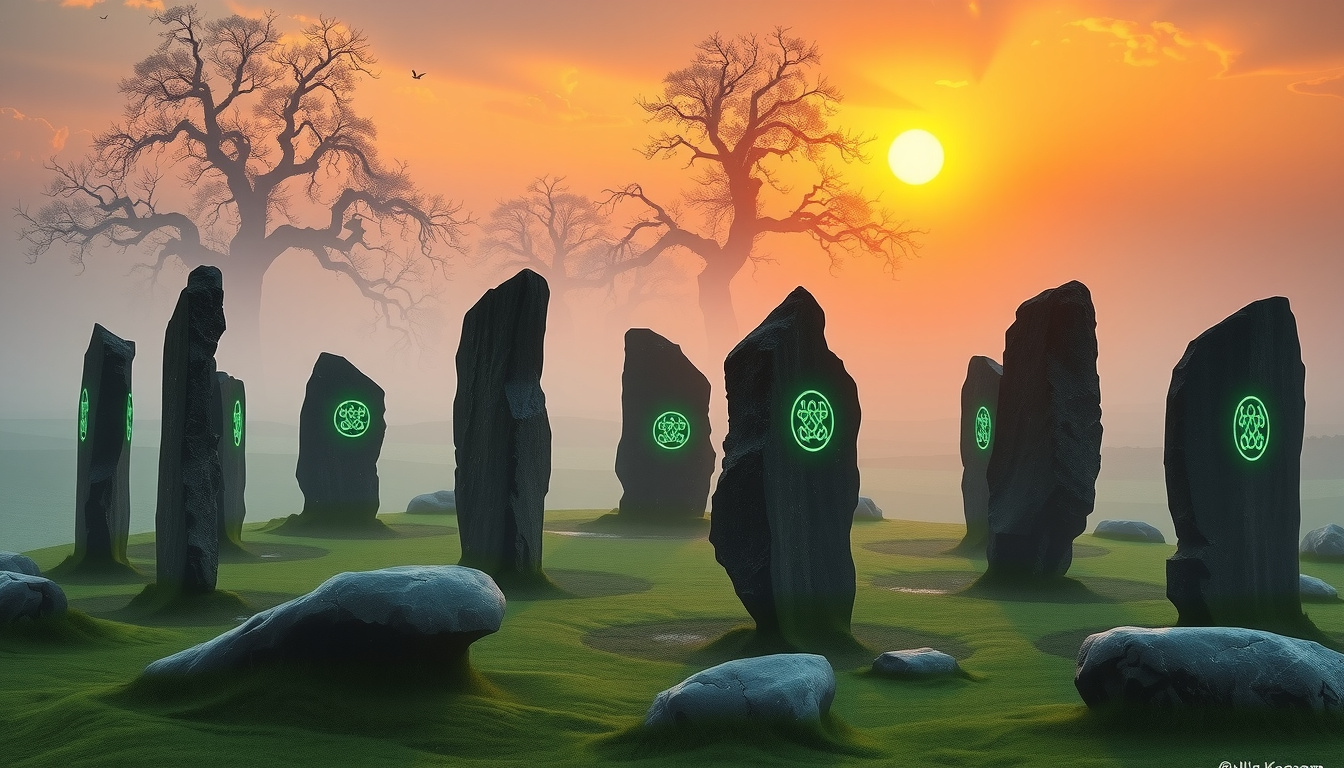
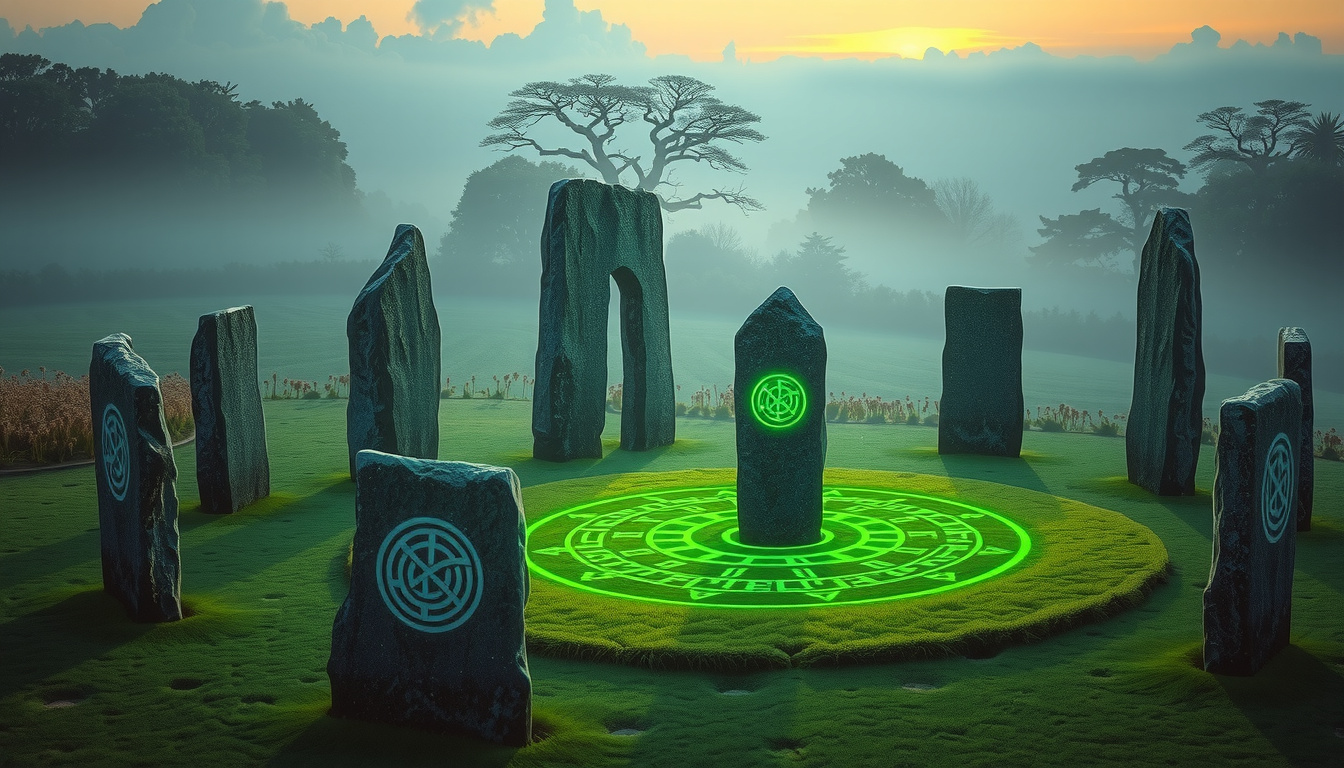
Stone circles and standing stones mark ritual landscapes whose purposes we can only guess. Celtic mythology suggests they're gathering places for gods and spirits, gateways to the otherworld, or monuments to great deeds. What's certain? They remain powerful symbols of Celtic spiritual imagination.
Samhain and the Thinning of Veils
Samhain (pronounced “SOW-in”) represents the most significant date in the Celtic calendar—the night when the boundary between worlds grows thin. Modern Halloween preserves only faint echoes of this powerful season of supernatural activity.
Beginning at sunset on October 31st, Samhain marks the Celtic New Year and the beginning of winter. Cattle are brought in from pasture. The harvest is complete. The year dies and is reborn. In this liminal time, the dead can return to visit the living, spirits roam freely, and prophecies come easily.
Celtic mythology places many crucial events on Samhain night. The Dagda and the Morrígan meet and mate by the river Unius, ensuring the land's fertility for the coming year. The gods hold assembly in their otherworldly halls. Heroes embark on supernatural adventures. It's a night when anything can happen. And often does.
But Samhain isn't just about supernatural visitors. It's about acknowledging the reality of death while celebrating the continuity of life. Families prepare feasts for deceased relatives, leaving places set at table. Stories are told of those who've passed on. The community gathers to face the dark season together.
Other seasonal festivals maintain similar significance. Imbolc (February 1st) honors Brigid and the first stirrings of spring. Beltane (May 1st) celebrates fertility and new growth. Lughnasadh (August 1st) marks the first harvest and honors Lugh's foster-mother. Together, these festivals create a rhythm that connects human life to natural cycles.
Symbols, Magic, and Ritual Practices
Celtic Knots and Sacred Geometry
Celtic knotwork represents more than decorative art—it embodies a sophisticated understanding of interconnection and eternity. These endless patterns, with no beginning or end, suggest the eternal nature of spirit and the interconnection of all existence.
The triskelion (three-armed spiral) appears throughout Celtic art, from the entrance stone at Newgrange to modern Celtic jewelry. The number three held special significance. It represented the triple aspects of deity (maiden, mother, crone), the realms of existence (land, sea, sky), or the dimensions of time (past, present, future).
Celtic spirals encode sophisticated astronomical observations. The entrance to Newgrange features spirals that may represent the sun's path throughout the year. These aren't primitive decorations but complex symbolic systems that integrate spiritual insight with practical knowledge.
The endless knot patterns suggest Celtic understanding of cycles—seasonal, generational, spiritual. Life doesn't move in straight lines but in spirals, returning to familiar themes at deeper levels. Death isn't an ending but a transition to another phase of existence.
Tree symbolism permeated Celtic thought. The ogham alphabet assigned letters to different trees, creating a writing system that was simultaneously practical and magical. Druids read omens from the behavior of tree branches. Certain trees—oak, ash, thorn—held special significance as dwelling places for spirits.
Druids and Magical Practices
Druidic magic, as preserved in Irish sources, bears little resemblance to modern fantasy portrayals. It's practical, knowledge-based, and deeply connected to natural observation. A druid's power came from understanding—of law, of nature, of the intricate relationships between all things.
Satirical poetry represented one of the druids' most feared weapons. A properly composed satire could literally cause physical harm. Even death. This wasn't superstition but recognition of the power of words to shape reality. A druid's curse or blessing carried weight because the community believed in that power—and belief itself becomes reality.
Weather magic appears frequently in Celtic sources. Druids could raise fog to confuse enemies, call storms to sink ships, or bring drought to devastate crops. Whether these abilities were literal or metaphorical, they reflect the Celtic understanding that mind and nature aren't separate but intimately connected.
Shape-shifting represents the ultimate druidic skill. The ability to take animal form suggests complete mastery over the boundaries of identity. It's both practical (escaping enemies) and spiritual (understanding non-human consciousness). The legendary druids Cathbad and Amergin both possessed this ability.
Divination took many forms in Celtic practice. Flight patterns of birds, the behavior of sacrificial animals, the movement of clouds—all carried prophetic significance to trained observers. This wasn't fortune-telling but ecological awareness raised to spiritual art.
Prophecy and Divination Methods
Celtic divination methods reveal sophisticated understanding of pattern and probability. The druids didn't predict fixed futures but identified trends and possibilities based on current conditions. This pragmatic approach to prophecy makes more sense than fantasy portrayals of inevitable destiny.
Ogham sticks served as both alphabet and divination system.
Carved with various tree symbols, they could be cast like runes to reveal insights about current situations. Each tree carried its own symbolic associations—oak for strength, willow for intuition, yew for transformation.
Water scrying appears throughout Celtic sources. Sacred wells, still pools, and ritual cauldrons served as windows into otherworldly knowledge. The Morrígan often appears washing weapons or armor in streams—revealing through her actions which warriors will fall in coming battles.
Dream incubation at sacred sites could grant prophetic visions. Seekers would sleep at holy wells, stone circles, or fairy mounds, hoping for divine guidance. The quality of received visions often depended on proper ritual preparation and respect for the site's guardian spirits.
Celtic prophecy often came through inspired madness—the “divine frenzy” that granted poets their power. This isn't mental illness but controlled alteration of consciousness. The prophet or poet opens themselves to otherworldly influence. Becoming a conduit for divine knowledge.
What distinguishes Celtic divination? Its integration with practical decision-making. These weren't parlor games but serious consultations before important choices. The survival of the community might depend on correctly interpreting supernatural signs.
Celtic Mythology in Modern Culture
Literature and Folklore Revival
The 19th and early 20th centuries saw an extraordinary revival of Celtic mythological themes in literature. This wasn't just academic interest but a conscious effort to preserve and reimagine Celtic cultural identity. Writers like W.B. Yeats didn't simply retell old stories. They transformed them into modern literary art while preserving their essential spirit.
Yeats's poetry brims with Celtic mythological imagery. His “The Wanderings of Oisin” retells the Fenian hero's journey to Tír na nÓg in gorgeous verse. “The Celtic Twilight” collects folklore from Irish peasants, preserving beliefs that were rapidly disappearing. Yeats understood that mythology isn't dead history but living tradition that must evolve to survive.
Lady Augusta Gregory's work in collecting and translating Irish myths made them accessible to English-speaking audiences. Her versions of the Ulster Cycle and other mythological tales became foundation texts for the Irish Literary Revival. She demonstrated that Celtic mythology could compete with Greek and Roman classics for literary sophistication.
The influence extends far beyond Ireland. Scottish writers like Fiona Macleod (pen name of William Sharp) reimagined Highland folklore for modern readers. Welsh writers drew from the Mabinogion to create new literary works. Breton writers preserved continental Celtic traditions through literary revival.
Modern fantasy literature owes an enormous debt to Celtic mythology. Tolkien, though primarily influenced by Germanic and Scandinavian sources, incorporated Celtic elements throughout Middle-earth. The Elves of Rivendell and Lothlórien reflect Irish concepts of the Tuatha Dé Danann. The Grey Havens echo tales of departures to Tír na nÓg.
Contemporary Media and Entertainment
Celtic mythology has found new life in film, television, and video games. Movies like “The Secret of Kells” and “Song of the Sea” draw directly from Irish mythological traditions while crafting original stories. These aren't just entertainment but cultural preservation through new media.
Television series increasingly mine Celtic sources for content. Shows like “American Gods” bring Celtic deities into modern settings. “The Witcher” draws heavily from Slavic folklore but includes Celtic-influenced elements. Even Marvel's Thor, despite being Nordic, incorporates Celtic mythological themes about gods living among mortals.
Video games offer immersive experiences of Celtic mythology. “Celtic Kings” and “Celtic Heroes” allow players to explore mythological worlds directly. “Hellblade: Senua's Sacrifice” powerfully retells Celtic psychological and spiritual themes. These interactive media create new ways to experience ancient stories.
Music continues the Celtic mythological tradition. Bands like Clannad, Loreena McKennitt, and Damh the Bard create contemporary interpretations of ancient themes. Celtic music festivals worldwide celebrate not just musical traditions but the mythological stories that inspired them.
Tourism to Celtic sites has exploded as people seek connection with mythological landscapes.
Newgrange, Glastonbury, Stonehenge (technically pre-Celtic but adopted by Celtic culture)—these sites attract millions of visitors annually. Many come seeking spiritual experience, not just historical education.
Neo-Pagan and Spiritual Movements
Modern Celtic spirituality attempts to reconstruct or reinterpret ancient religious practices for contemporary practitioners. These movements range from scholarly attempts at historical accuracy to creative adaptations that prioritize personal experience over historical authenticity.
Wiccan traditions often incorporate Celtic deities and seasonal celebrations. The Wheel of the Year, celebrating eight seasonal festivals, draws heavily from Celtic calendar traditions. Brigid, Cernunnos, and the Morrígan appear frequently in modern pagan practice, though often interpreted through contemporary spiritual frameworks.
Modern Druidry exists in several forms, from the ceremonial traditions of groups like the Order of Bards, Ovates and Druids to more eclectic personal practices. These movements attempt to recreate druidic wisdom traditions while acknowledging that much ancient knowledge has been irretrievably lost.
Celtic shamanism adapts mythological themes for contemporary spiritual healing. Practitioners draw from stories of otherworld journeys, animal guides, and plant medicine to create modern therapeutic practices. While historically questionable, these adaptations demonstrate mythology's continued relevance for personal transformation.
Environmental movements find inspiration in Celtic reverence for natural sites. The concept of sacred groves influences modern forest conservation efforts. Celtic understanding of landscape as alive and conscious provides alternatives to purely mechanistic worldviews.
Academic Celtic Studies continues discovering and reinterpreting ancient sources. New archaeological finds regularly illuminate previously unknown aspects of Celtic culture. Linguistic scholarship recovers ancient meanings lost through centuries of transmission. This scholarly work provides foundation for both popular entertainment and spiritual movements.
The challenge facing all these modern adaptations? Balancing respect for ancient traditions with contemporary relevance. Celtic mythology can't be preserved in amber—it must continue evolving to remain alive. But evolution shouldn't become complete transformation that loses essential character.
The Eternal Dance of Ancient and Modern
Celtic mythology endures because it addresses timeless human concerns through stories that feel both ancient and immediate. These tales of gods and heroes, magic and mundane life, speak to something fundamental in human experience—our need to find meaning in a world that can seem chaotic and unpredictable.
What continues to captivate us about Celtic mythology?
Perhaps it's the recognition that the boundary between ordinary and extraordinary is thinner than we usually imagine. Celtic stories suggest that magic isn't separate from daily life but woven through it. Any encounter might prove significant. Any place might be sacred. Any person might be more than they seem.
The Celtic understanding of heroism offers an alternative to purely individualistic models. Celtic heroes succeed not through isolated achievement but through proper relationships—with their communities, with the natural world, with the supernatural realm. This interconnected view of success feels increasingly relevant in our globalized, environmentally challenged world.
Celtic mythology's treatment of death and otherworlds provides comfort without denying life's difficulties. The otherworld isn't escape from this world but its complement—a realm that gives meaning to mortal existence precisely because it operates by different rules. This perspective offers hope without requiring us to devalue present experience.
The tradition reminds us that landscapes carry memory and meaning. In our increasingly urbanized world, Celtic reverence for sacred sites calls us back to relationship with the natural world. Every hill, stream, and grove potentially houses its own spirit—its own story waiting to be discovered or honored.
Perhaps most importantly? Celtic mythology preserves the understanding that stories themselves possess power. In a culture that often treats narrative as mere entertainment, these ancient tales insist that the stories we tell about ourselves and our world actively shape reality. Choose your stories carefully—they're creating the world you'll inhabit.
The mist-shrouded landscapes of Ireland and Wales still echo with these ancient tales, waiting for anyone willing to listen with both critical mind and open heart. Whether you encounter them through scholarly study, spiritual practice, artistic inspiration, or simple enjoyment, Celtic myths offer gifts that our ancestors considered essential: wonder, wisdom, and the recognition that this ordinary world pulses with extraordinary possibilities.