Walking through the Egyptian wing of the British Museum last year, I found myself transfixed by a small golden amulet barely three inches tall. The ankh pendant, dating to the Middle Kingdom, seemed to pulse with ancient power despite its delicate size. This moment crystallized something I'd been studying for decades: Egyptian symbols aren't merely decorative artifacts. They're windows into humanity's most sophisticated early understanding of life, death, and cosmic order.
This post contains affiliate links. If you purchase through these links, we may earn a commission at no extra cost to you.
For over three millennia, ancient Egyptians developed a visual language so powerful that we still recognize its symbols today. The Eye of Horus adorns jewelry, the ankh appears in graphic design, and hieroglyphs inspire everything from architecture to tattoo art. Yet You probably encounter these symbols divorced from their original meanings-sacred tools that ancient Egyptians believed could literally protect, heal, and guide souls through existence.
Each Egyptian symbol operated on multiple levels simultaneously. A single image might represent a deity, convey a hieroglyphic meaning, serve as a protective amulet, and encode astronomical knowledge. The sophistication of this symbolic system rivals any religious or philosophical tradition in human history.
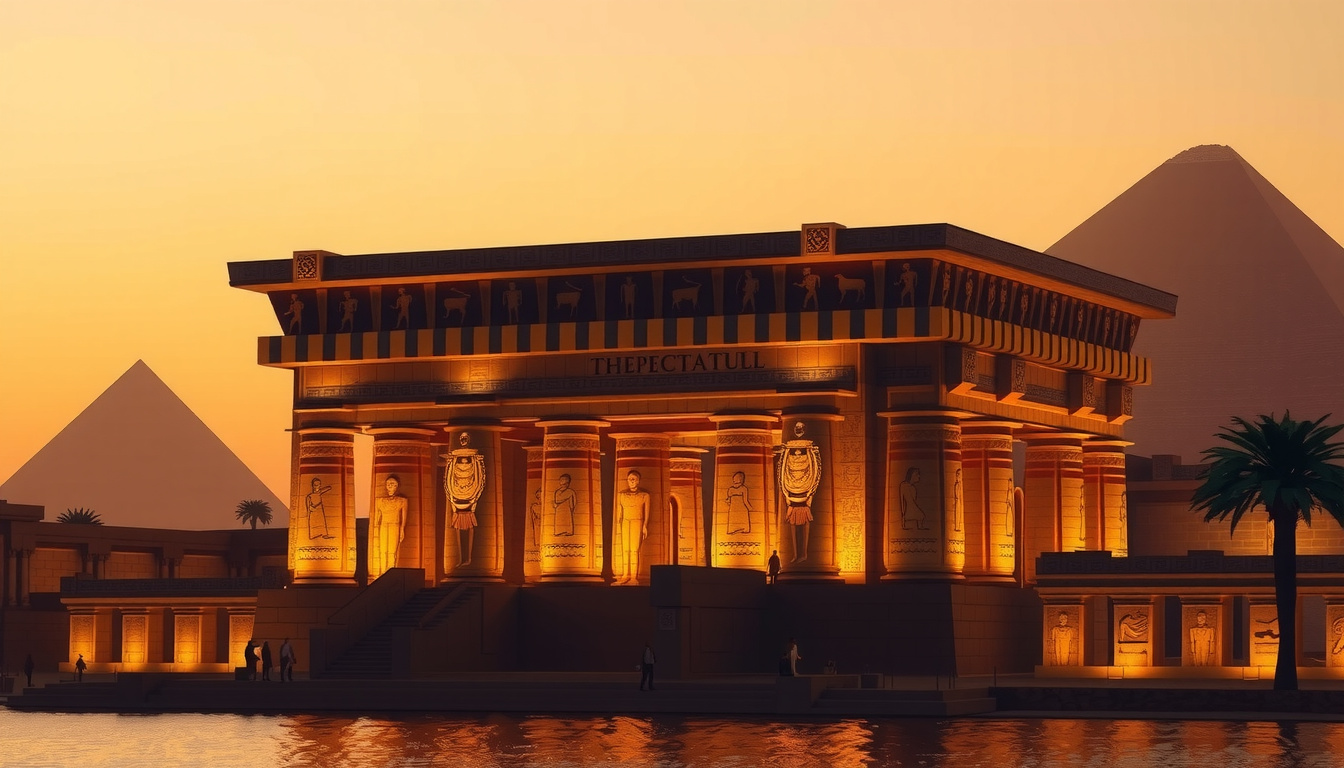
Essential Symbols of Life and Death in Egyptian Mythology
The ankh stands as ancient Egypt's most recognizable symbol, yet its true power extends far beyond modern popular culture's superficial adoption. Shaped like a cross with a loop at the top, the ankh literally meant “life” in ancient Egyptian.
Key functions of the ankh:
- Deities held ankhs when bestowing life upon mortals
- Pharaohs carried them as symbols of divine authority
- Placed on sarcophagi as functional magic for resurrection
- Appeared at crucial moments: childbirth, coronations, death rituals
In my research examining tomb paintings across eighteen dynasties, I've observed consistent placement of ankhs at crucial moments. The symbol appeared on sarcophagi not as decoration, but as functional magic intended to ensure successful resurrection in the afterlife.
The Sacred Scarab Beetle
The scarab beetle symbol emerged from ancient Egyptians' careful observation of dung beetles rolling balls of waste across the desert. To Egyptian minds, this behavior perfectly mirrored how the sun god Khepri pushed the solar disc across the heavens each day.
Scarab amulets became essential burial goods, placed over the heart to ensure the deceased's rebirth just as beetles emerged from underground chambers. Archaeological evidence from the Valley of the Kings reveals that even poor burials included at least one scarab amulet, often carved from simple stone when families couldn't afford precious materials.
The Djed Pillar of Stability
The djed pillar, resembling a column with four horizontal bars, represented stability and endurance. Associated with Osiris's backbone, the djed appeared in foundation ceremonies for temples and tombs.
During the annual “Raising of the Djed” festival, Egyptians would literally erect djed pillars while chanting prayers for cosmic stability. This ceremony continued for over two thousand years, demonstrating the symbol's central importance to Egyptian civilization.
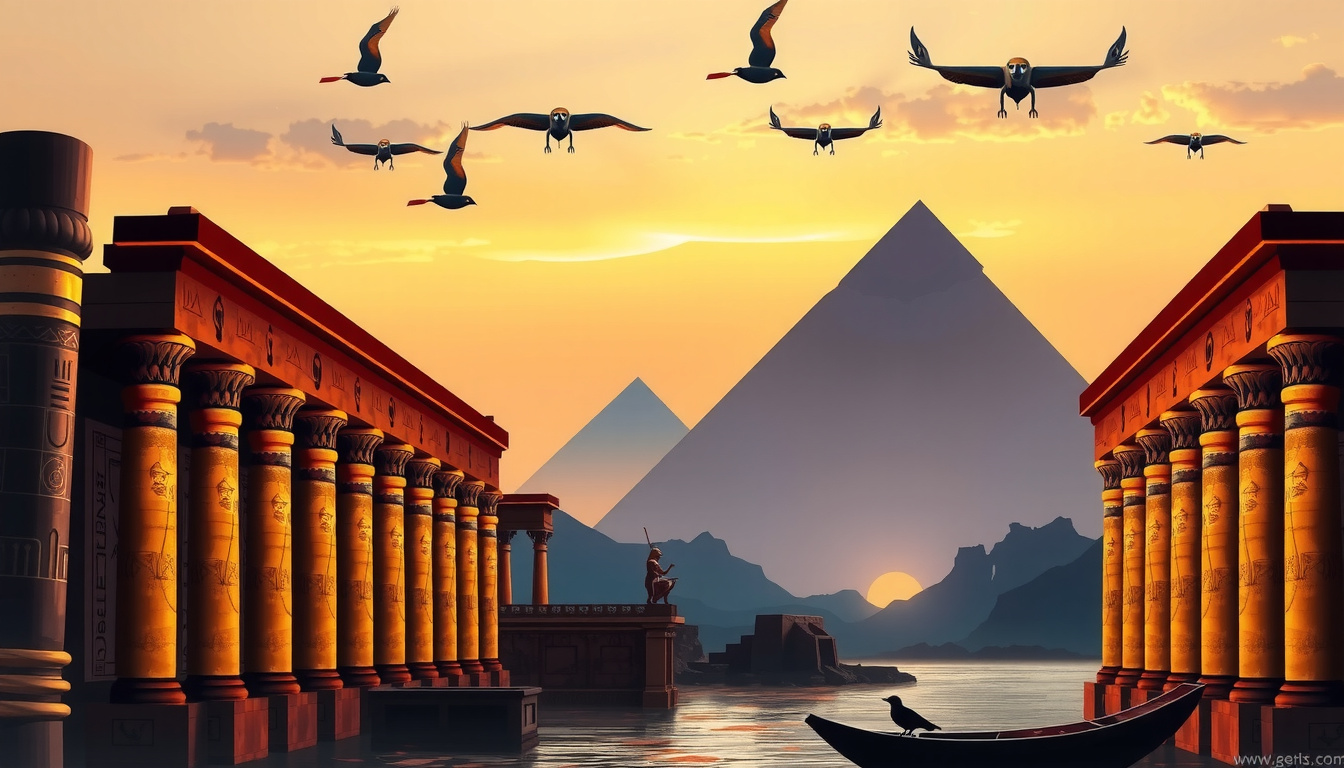
Protective Egyptian Symbols and Sacred Amulets
The Mathematical Precision of the Eye of Horus
The Eye of Horus (wedjat) combines mythology with precise mathematical knowledge in ways that continue to astonish researchers. According to legend, the god Seth tore out Horus's left eye during their battle for Egypt's throne. The god Thoth restored the eye, making it a symbol of healing and protection.
Each part of the Eye of Horus represented a fraction used in ancient mathematics:
- Pupil: 1/4
- Eyebrow: 1/8
- Left side: 1/16
- Right side: 1/32
- Curved tail: 1/64
- Teardrop: 1/128
These fractions total 63/64, with the missing 1/64 representing the magical element only gods could provide. I've examined hundreds of Eye of Horus amulets in museum collections, and the mathematical precision remains constant across centuries.
The Sa Symbol for Divine Protection
The sa symbol, often overlooked in popular discussions, provided crucial protection for ancient Egyptians. Resembling a looped rope or life preserver, the sa symbolized protection and magical defense.
Recent analysis of mummy wrappings has revealed sa symbols woven into burial cloths at precise anatomical points-over the heart, throat, and solar plexus. This placement followed specific instructions from the Book of the Dead for maximizing protective power during the soul's dangerous journey through the underworld.
The Tyet (Isis Knot)
The tyet provided protection specifically associated with the goddess Isis. Resembling an ankh with folded arms, the tyet often appeared in red jasper or red glass, colors associated with Isis's life-giving blood. Women especially wore tyet amulets during childbirth, believing Isis would protect both mother and child during this vulnerable time.
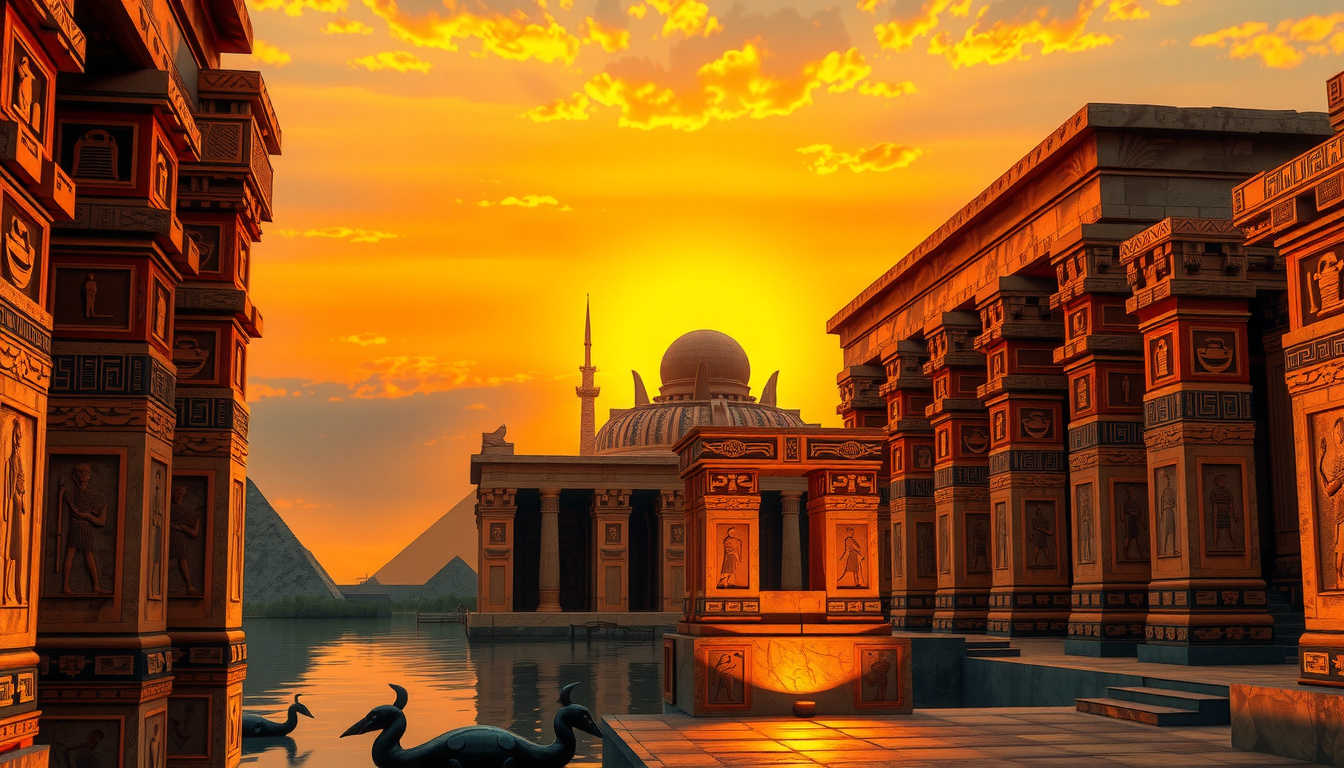
Divine Animal Symbols in Egyptian Mythology
Egyptian animal symbolism operated on sophisticated levels that modern minds sometimes struggle to grasp. Animals weren't worshipped for themselves, but as living manifestations of divine principles. Each creature embodied specific qualities that Egyptians sought to understand and emulate.
Sacred Birds and Their Divine Connections
The Falcon (Horus)
- Represented the sky god whose eyes were the sun and moon
- Living temple falcons served as physical anchors for divine presence
- Mummified with same care given to pharaohs upon death
The Ibis (Thoth)
- Embodied wisdom and writing
- Long, curved beak resembled a reed pen
- Patient hunting style reflected careful thought and precise action
Sacred Land Animals
Cats (Bastet)
- Symbolized protective goddess defending homes
- Ability to see in darkness made them symbols of divine protection
- Cat mummies at Bubastis number in hundreds of thousands
Bulls (Multiple Deities)
- Apis bull lived in luxury at Memphis as manifestation of Ptah
- Identified by specific sacred markings
- Kingdom mourned for seventy days when sacred bulls died
Hieroglyphic Symbols and Their Religious Power
Egyptian mythology symbols explained through hieroglyphs reveal how these ancient people viewed writing as magical practice. Scribes didn't simply record information-they believed properly written hieroglyphs could manifest reality through divine power. This explains why tomb inscriptions weren't mere historical records, but active spells ensuring the deceased's successful afterlife.
The Protective Power of Cartouches
The cartouche, an oval rope encircling royal names, provided magical protection for pharaohs. The rope shape, symbolizing eternal enclosure, prevented the ruler's name from being destroyed by enemies or time itself.
During political upheavals, conquering pharaohs systematically erased predecessors' cartouches from monuments-a practice called damnatio memoriae. Without their names preserved in stone, previous rulers faced spiritual annihilation in the afterlife.
The Feather of Maat
The feather of Maat represented truth, justice, and cosmic order. During afterlife judgment, the deceased's heart was weighed against Maat's feather. If the heart proved heavier than the feather (burdened by sin), the soul faced destruction.
This symbol appeared throughout Egyptian law courts and administrative buildings as a reminder that divine justice watched all human actions.
Cosmic Symbols and Celestial Bodies
Ancient Egyptians viewed the sky as a vast body of the goddess Nut, who swallowed the sun each evening and birthed it again each dawn. This cosmic perspective infused their symbols with astronomical precision that continues to impress modern scientists.
The Winged Solar Disc
The winged solar disc represented the sun's daily journey across Nut's body. Temple ceilings across Egypt featured detailed maps of this celestial voyage, showing the sun's boat handling cosmic waters while fighting the chaos serpent Apophis.
Nut's Star-Covered Body
The goddess Nut herself appeared stretched across sarcophagi lids, her star-covered body forming a protective canopy over the deceased. Each star on her body corresponded to actual constellations, creating functional star maps for souls handling the afterlife.
Recent computer analysis has confirmed that many Nut depictions accurately reflect ancient Egyptian sky observations.
The Ben-Ben Stone
The ben-ben stone symbolized the primordial mound from which creation began. Pyramid shapes derived from the ben-ben, making these monuments symbolic representations of creation itself. The pyramidion (capstone) of each pyramid was called a ben-benet, connecting earthly architecture to cosmic origins.
Temple Architecture as Sacred Symbolism
Egyptian temple architecture functioned as three-related symbolic language, with every structural element carrying specific sacred meanings. Walking through a temple wasn't simply moving through space-it was journeying through layers of cosmic reality.
Structural Elements and Their Meanings
Temple Pylons
- Represented the horizon where earth meets sky
- Narrow doorways forced transition from mundane to sacred space
- Often decorated with scenes of pharaonic victory over chaos
Sacred Columns
- Lotus columns: rebirth and emergence from chaos
- Papyrus columns: marshlands of Lower Egypt
- Palm columns: eternal life
- Each type appeared in specific temple areas according to symbolic function
Hypostyle Halls
- Created a forest of columns supporting star-painted roofs
- Represented primordial swamp where creation began
- Sunlight filtering between columns symbolized divine explanation
Inner Sanctuaries
- Housed god's statue in complete darkness
- Sacred darkness represented mystery of divine presence
- Accessible only to purified priests
Modern Legacy and Contemporary Use
Egyptian symbols maintain notable power in contemporary culture, though often stripped of their original sacred context. The ankh appears on countless jewelry pieces, but few wearers understand its original function as a divine tool for bestowing life force.
Influence on Modern Movements
Masonic Symbolism
- Heavily borrowed from Egyptian tradition
- Incorporated pyramids, all-seeing eye, and architectural motifs
- Helped preserve Egyptian symbolic knowledge through centuries
Psychological Applications
- Carl Jung studied Egyptian symbols as archetypal images
- Influenced theories about universal symbolic patterns
- Recognized symbols as emerging from collective unconscious
Medical and Healing Practices
- Eye of Horus used as protective emblem in alternative medicine
- Ancient connection between symbols and healing continues
- Demonstrates enduring belief in symbolic power
Digital Age Preservation
The digital age has democratized access to Egyptian symbols through fonts, emojis, and graphic design elements. Hieroglyphic-style fonts allow modern people to create text with ancient aesthetic appeal, though without the magical intention ancient scribes brought to their writing.
Museums worldwide house Egyptian artifacts, making these symbols visible to millions annually. Each viewing creates new connections between ancient meanings and contemporary understanding, ensuring Egyptian symbolic wisdom continues evolving rather than merely surviving as historical curiosity.
Conclusion: The Enduring Power of Egyptian Mythology Symbols Explained
Egyptian mythology symbols explained through their original context reveal why these ancient images continue to captivate modern minds. These symbols endure because they address fundamental human concerns: protection from harm, understanding of death, connection to divine power, and cosmic order.
These needs haven't disappeared from human experience-they've simply found new expressions while ancient symbols continue offering their timeless wisdom to those willing to understand their depths. The sophisticated symbolic system developed by ancient Egyptians over three millennia remains one of humanity's most powerful visual languages, encoding knowledge that spans astronomy, mathematics, medicine, and spiritual practice.
Whether encountered in museums, jewelry, or digital media, Egyptian symbols carry echoes of their original sacred power, connecting modern observers to humanity's earliest attempts to understand and handle the mysteries of existence.