High in the remote mountain forests of Japan dwell the Tengu—supernatural beings of immense power who have transformed over centuries from feared demons to revered protectors of the sacred peaks. With their distinctive long noses or bird-like features, mastery of martial arts, and legendary pride, Tengu occupy a unique place in Japanese folklore as creatures both dangerous and enlightened, monstrous yet capable of profound wisdom.
Quick Facts About Tengu
| Origin | Japanese folklore (Buddhist/Shinto influences) |
| Also Known As | Kotengu, Daitengu, Karasu Tengu |
| Type | Yokai / Mountain deity / Supernatural being |
| Domain | Mountains, forests, sacred peaks |
| Associated With | Martial arts, Buddhism, yamabushi ascetics |
| Symbol | Feathered fan (hauchiwa), long nose |
Origins and Evolution
The Tengu's origins trace to China, where the term “tiangou” (celestial dog) referred to a meteor or comet-like demon. When this concept arrived in Japan, it merged with indigenous mountain spirit beliefs and Buddhist teachings to create something uniquely Japanese.
Early Period (7th-12th Century): Tengu first appear in Japanese texts as dangerous demons who disrupt Buddhism, possess people, and cause disasters. They were depicted as bird-like creatures—essentially demonic raptors—who kidnapped monks and corrupted spiritual practice.
Medieval Period (12th-16th Century): Tengu gradually became associated with yamabushi (mountain ascetic) practices. Their image split into two types: the crow-like Kotengu (lesser Tengu) and the more human Daitengu (greater Tengu) with long noses. Stories began portraying some Tengu as protectors rather than purely malevolent beings.
Edo Period (17th-19th Century): Tengu completed their transformation into complex figures—still dangerous and prideful, but also capable of teaching martial arts, protecting sacred spaces, and punishing the wicked. The long-nosed Daitengu became the dominant image.
Modern Era: Today, Tengu are celebrated as mountain guardians and symbols of martial prowess. They appear as protective figures at temples and shrines throughout Japan's mountainous regions.
The Two Types of Tengu
Japanese tradition distinguishes between two main categories of Tengu:
Daitengu (Greater Tengu):
- Human-like appearance with an extremely long nose
- Red face, often depicted with fierce expression
- Wearing the robes and small cap of yamabushi mountain monks
- Carries a feathered fan (hauchiwa) and sometimes a staff
- Possesses great supernatural power and wisdom
- Associated with specific mountains (named Tengu)
- Can teach martial arts to worthy students
Kotengu (Lesser Tengu) / Karasu Tengu (Crow Tengu):
- Bird-like appearance with beak and wings
- Often depicted as crow or raptor hybrids
- More animalistic and less intelligent than Daitengu
- Serves as retainers or servants to greater Tengu
- More likely to engage in random mischief
- Sometimes shown carrying weapons
Physical Appearance
The iconic Daitengu appearance includes:
The Long Nose: The most recognizable feature—a nose that can extend several inches, sometimes depicted as phallic or as a symbol of pride and arrogance. The nose may be the evolved form of the earlier bird beak.
Red Face: The face is typically depicted as bright red, suggesting anger, supernatural nature, or the flushed complexion of mountain ascetics.
Yamabushi Garb: Daitengu wear the distinctive outfit of mountain monks: small black caps (tokin), checkered robes, and wooden clogs (geta) with single high platforms called tengu-geta.
Feathered Fan: Many Tengu carry the hauchiwa, a fan made of feathers (often seven) that can generate powerful winds or control the weather.
Wings: While Daitengu may appear fully humanoid, they can sprout wings for flight. Kotengu are permanently winged and bird-like.
Powers and Abilities
Tengu possess formidable supernatural capabilities:
- Flight: All Tengu can fly, either through wings or supernatural power.
- Wind Control: Using their fans, Tengu can summon storms, create powerful gusts, or control weather patterns.
- Shapeshifting: Tengu can assume human form to interact with people, often appearing as yamabushi monks.
- Martial Mastery: Tengu are legendary swordsmen and martial artists, capable of teaching secret techniques to worthy humans.
- Illusions: They can create elaborate illusions to confuse or mislead travelers.
- Teleportation: Tengu can transport themselves—and sometimes humans—instantly across great distances.
- Mind Manipulation: They can possess humans or influence their thoughts, particularly those prone to pride or spiritual corruption.
- Prophecy: Some Tengu possess knowledge of future events.
Tengu and the Warrior Tradition
Perhaps no aspect of Tengu lore is more famous than their connection to martial arts. Several legendary warriors were said to have received training from Tengu:
Minamoto no Yoshitsune: The most famous student of the Tengu. As a child named Ushiwakamaru, the future general supposedly trained with the Tengu king Sojobo on Mount Kurama, learning supernatural swordsmanship that would make him Japan's greatest warrior. This legend has inspired countless plays, films, and stories.
The Kurama Tradition: Mount Kurama near Kyoto became associated with Tengu martial arts transmission. The mountain's Tengu, led by Sojobo, were considered the greatest teachers of combat techniques.
Tengu-geijutsu: Various martial arts schools claimed Tengu origins for their techniques, lending supernatural authority to their methods. The “art of the Tengu” became synonymous with superhuman martial skill.
Famous Named Tengu
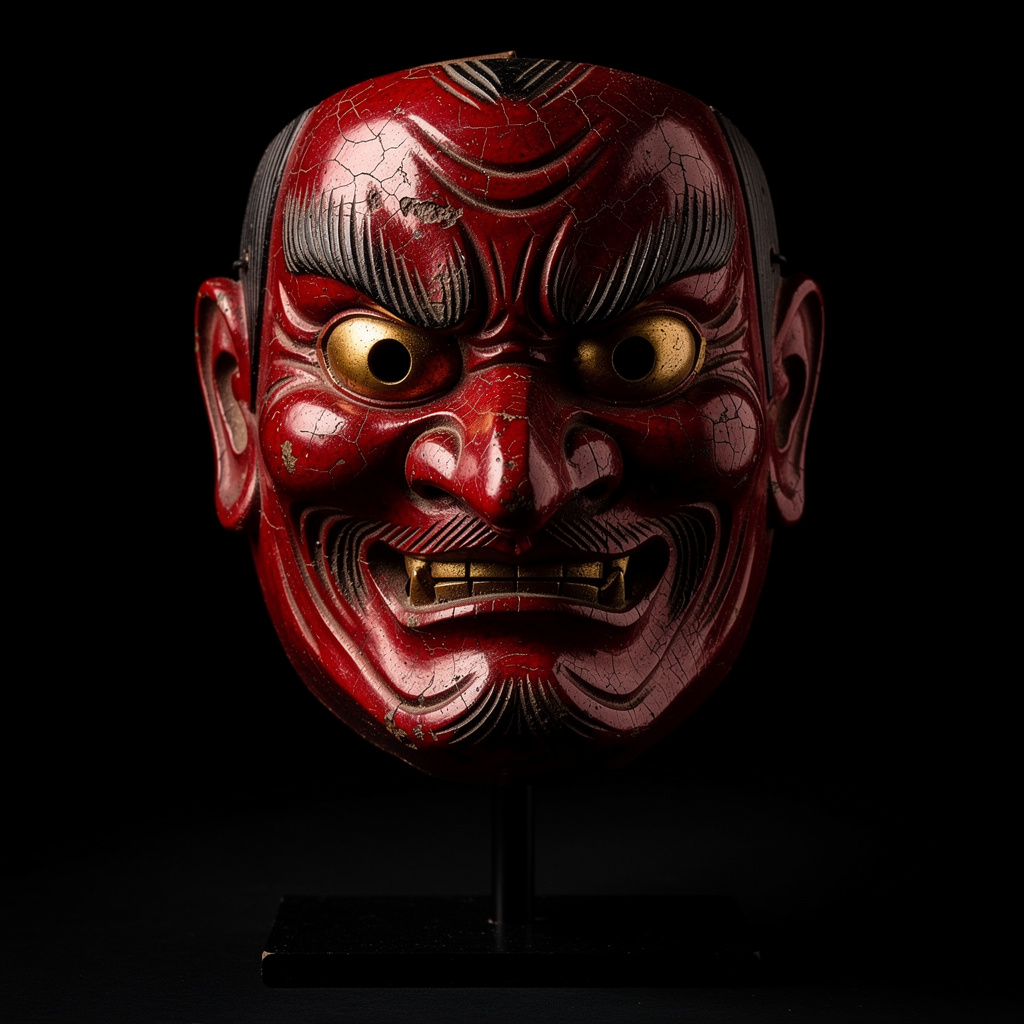
Japanese tradition names several specific Tengu who rule over particular mountains:
- Sojobo: The king of Tengu, residing on Mount Kurama. White-haired and immensely powerful, he trained Yoshitsune.
- Tarobo: The Tengu of Mount Atago near Kyoto, associated with fire prevention.
- Jirobo: The Tengu of Mount Hira, considered second only to Sojobo.
- Saburobo: Associated with Mount Iizuna, connected to fox magic and esoteric practices.
- Buzenbō: The Tengu of Mount Hiko in Kyushu.
These named Tengu have their own shrines and followings, blurring the line between yokai and kami (gods).
Tengu and Buddhism
The relationship between Tengu and Buddhism is complex and evolved over time:
As Enemies of Buddhism: Early texts portrayed Tengu as demons who attacked Buddhist institutions, kidnapped monks, and disrupted religious practice. They represented the spiritual dangers facing practitioners.
As Fallen Monks: Later traditions held that prideful monks who corrupted their practice became Tengu after death. The long nose symbolized their arrogance. This served as a warning against spiritual pride.
As Protectors: Eventually, some Tengu became protectors of Buddhism and Buddhist sites, particularly mountain temples. Their fierce nature made them effective guardians against evil.
Tengu Realm: Buddhist cosmology sometimes placed Tengu in their own realm of existence—beings too proud for enlightenment but not entirely evil.
Tengu in Japanese Culture
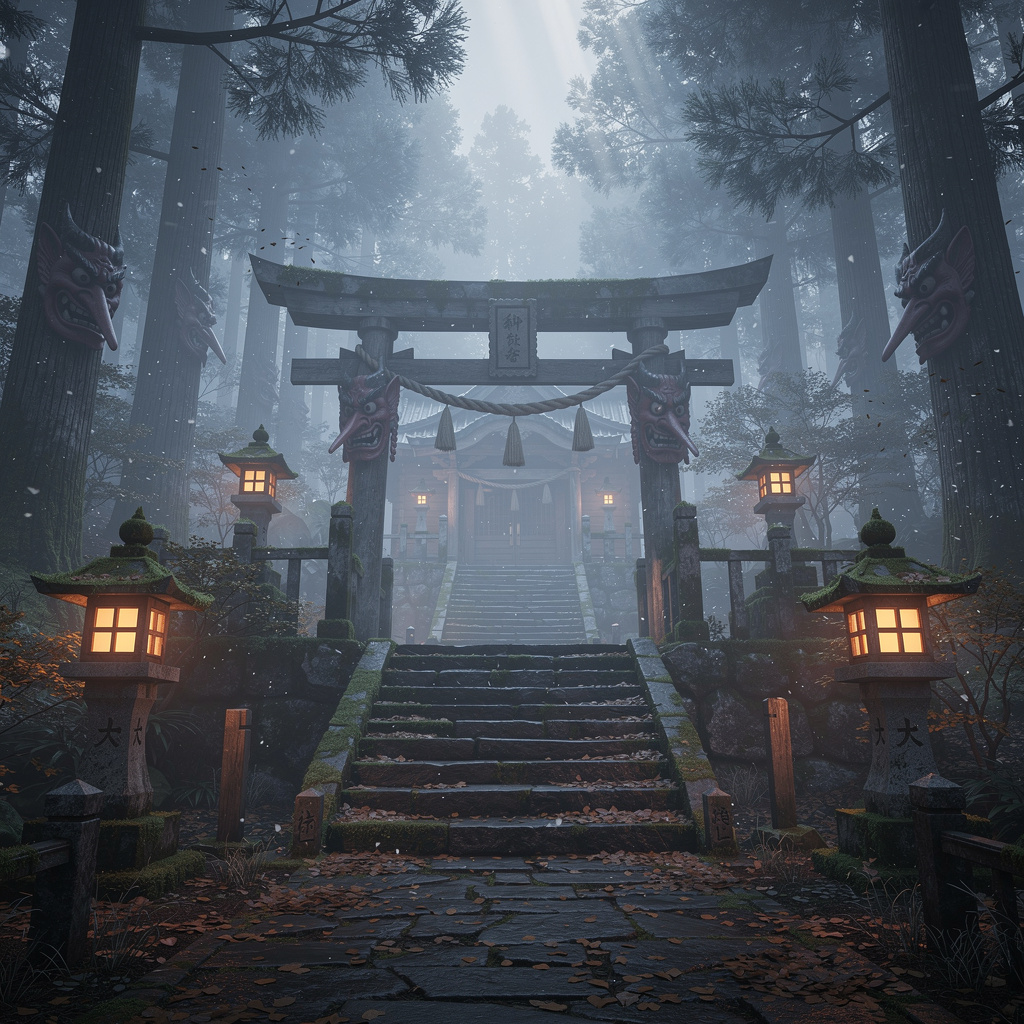
Tengu imagery permeates Japanese culture:
Masks: Tengu masks with their distinctive long noses are used in festivals, Noh theater, and as decorative items. They're considered protective and are displayed in homes and businesses.
Festivals: Numerous matsuri (festivals) feature Tengu performers, particularly in mountain communities. The Tengu Festival at Mount Takao is particularly famous.
Shrines and Temples: Many mountain religious sites incorporate Tengu veneration. Yakuo-in on Mount Takao prominently features Tengu imagery.
Martial Arts: The association with swordsmanship and combat training continues to influence martial arts culture. “Training with the Tengu” remains a metaphor for intensive practice.
Proverbs: “Tengu ni naru” (to become a Tengu) means to become conceited or boastful, referencing their legendary pride.
Tengu Compared to Other Mythical Beings
| Being | Culture | Key Difference |
|---|---|---|
| Tengu | Japanese | Mountain-dwelling, martial arts masters, pride symbolism |
| Garuda | Hindu/Buddhist | Divine mount, anti-serpent role, more purely divine |
| Harpy | Greek | Punitive role, more monstrous, less wisdom |
| Thunderbird | Native American | Weather control, more elemental, less humanoid |
| Roc | Arabian | Giant size, less intelligent, primarily predatory |
Tengu in Modern Media
- Anime/Manga: “Demon Slayer” features Tengu masks prominently; “Nurarihyon no Mago,” “Nura: Rise of the Yokai Clan,” “Tactics”
- Video Games: “Nioh” series, “Sekiro: Shadows Die Twice,” “Ghostwire: Tokyo,” “Okami”
- Film: Numerous jidaigeki (period dramas) feature Tengu, often in Yoshitsune-related stories
- Literature: Feature prominently in Japanese fantasy and folklore collections
- Tabletop: “Dungeons & Dragons” Tengu race, various Japanese-themed RPGs
Frequently Asked Questions About Tengu
Are Tengu gods or demons?
Tengu occupy a middle ground. Originally considered demons, they evolved into beings that can be either harmful or helpful. Some are worshipped as protective deities at shrines, while folklore still acknowledges their dangerous potential. They're best understood as powerful spirits who exist outside simple moral categories.
Why do Tengu have long noses?
The long nose likely evolved from the earlier bird-beak depiction. It became associated with pride and arrogance—a visual representation of being “stuck up.” In Buddhist context, it represents the spiritual pride that prevents enlightenment.
Can Tengu teach martial arts to humans?
According to legend, yes—but only to worthy students. The most famous example is Minamoto no Yoshitsune learning swordsmanship from Sojobo. However, Tengu are selective and dangerous; attempting to force their teaching or approaching unworthily could result in death or madness.
What's the difference between Tengu and Oni?
Oni are ogre-like demons, typically depicted as large, brutish, and straightforwardly malevolent. Tengu are more complex beings associated with mountains, wisdom, and martial arts. While Oni are almost always antagonistic, Tengu can be protectors or teachers.
Masters of the Mountain Winds
The Tengu represent something profound in Japanese spiritual imagination: the idea that power and danger can coexist with wisdom and protection. These proud mountain spirits have evolved from feared demons into complex beings worthy of respect—but never to be approached carelessly.
On the remote peaks of Japan, where mountain mists swirl and ancient forests stand watch, the Tengu endure. They are the keepers of martial secrets, the punishers of the arrogant, and the guardians of sacred heights. Their long-nosed masks gaze down from temple gates, reminding visitors that the mountains belong to powers older and stranger than humanity—and that sometimes, those powers might choose to teach.
Sources and Further Reading
- De Visser, M.W. “The Tengu.” Transactions of the Asiatic Society of Japan, 1908.
- Knutsen, Roald. “Tengu: The Shamanic and Esoteric Origins of Japanese Martial Arts.” Global Oriental, 2011.
- Foster, Michael Dylan. “The Book of Yokai.” University of California Press, 2015.
- Ashkenazi, Michael. Handbook of Japanese Mythology.” ABC-CLIO, 2003.