The flickering oil lamps cast dancing shadows across the temple walls as ancient Egyptian priests performed their nightly rituals, invoking egyptian gods and their powers that could literally move mountains, control the Nile's floods, or guide souls through the treacherous underworld. I've spent decades studying these notable deities, and their abilities continue to astound me with their complexity and scope.
This post contains affiliate links. If you purchase through these links, we may earn a commission at no extra cost to you.
The Egyptian pantheon wasn't just a collection of supernatural beings-it was a sophisticated system of divine administrators, each wielding specific powers that governed every aspect of existence. From Ra's ability to pilot the sun across the sky to Thoth's mastery over time itself, these egyptian gods and their powers reflected humanity's deepest understanding of cosmic forces.
The Great Ennead: Nine Supreme Egyptian Deities
The Heliopolitan Ennead represented the most powerful tier of Egyptian divinity, with each member controlling fundamental aspects of reality. Understanding their powers requires grasping their interconnected nature-these weren't isolated deities but components of a cosmic machine.
Atum: The Self-Created God
Atum emerged from the primordial waters with the extraordinary power of self-creation. He literally spoke himself into existence, then masturbated the first divine pair into being. This might sound crude to modern ears, but it represented the ultimate creative force-the ability to generate life from pure will.
Shu and Tefnut: Air and Moisture Controllers
Shu and Tefnut controlled air and moisture respectively:
- Shu's powers: Weather manipulation, separating heaven from earth, holding up the sky with divine strength
- Tefnut's abilities: Regulating rain, controlling moisture in human breath, sustaining life itself
Geb and Nut: Earth and Sky Rulers
Geb and Nut governed earth and sky with world-shaping powers:
- Geb: Could trigger earthquakes by laughing
- Nut: Swallowed the sun each evening and gave birth to it each dawn
Their eternal separation by Shu created the space where human life could flourish.
Osiris: Master of Death and Resurrection
Osiris wielded dominion over death, resurrection, and vegetation. His power to judge souls wasn't merely punitive-he could grant eternal life or condemn spirits to oblivion. After his own resurrection, he gained the unique ability to transform death into rebirth, making him the ultimate symbol of renewal.
Isis: The Great Magician
Isis possessed perhaps the most versatile powers in the pantheon:
- Resurrect the dead
- Heal any wound
- Transform reality through magic
- Shapeshift into any necessary form
- Invent mummification techniques
- Discover life-saving medical procedures
Set: Lord of Chaos and Storms
Set controlled chaos, storms, and the desert's harsh power. His abilities included commanding sandstorms, summoning typhoons, and wielding superhuman strength-he once lifted a hippopotamus above his head. Despite his reputation for evil, his powers were essential for protecting Ra's solar barque from the serpent Apep.
Nephthys: Guardian of the Dead
Nephthys served as guardian of the dead and protector of the home:
- Make herself invisible
- Communicate with spirits
- Provide divine protection during childbirth
- Track souls through the afterlife
Sun Gods and Celestial Powers
The solar deities commanded forces that literally kept the world functioning. Without their daily interventions, creation itself would collapse back into primordial chaos.
Ra: The Supreme Solar Deity
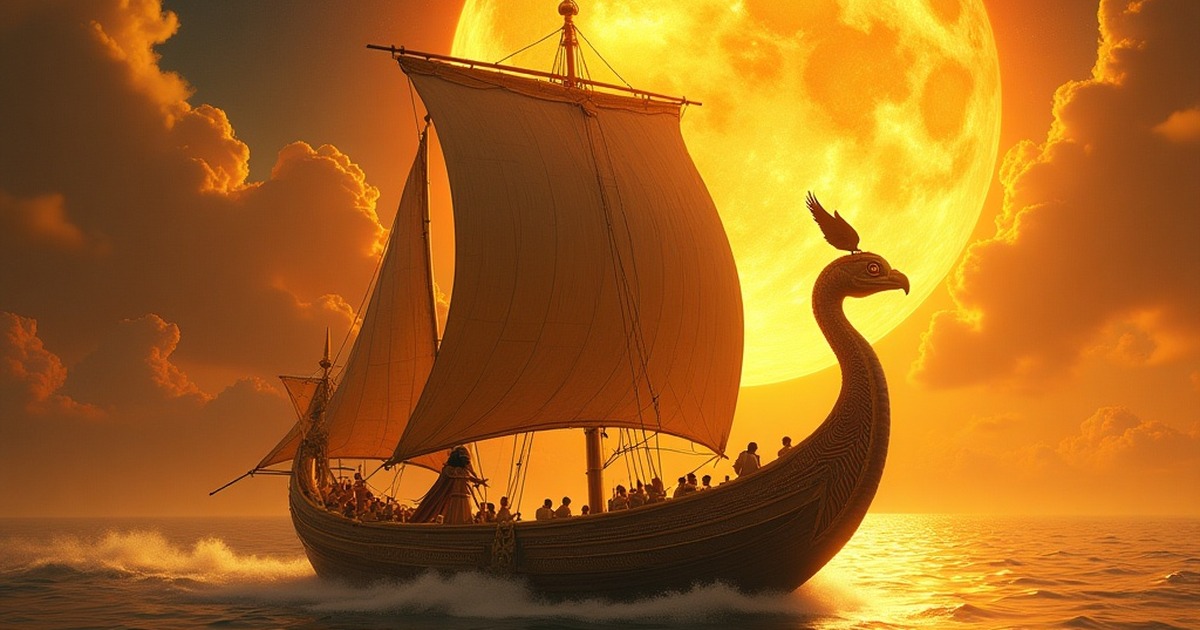
Ra piloted the Mandjet and Mesektet boats across the sky and through the underworld, carrying the sun on his 24-hour journey. His powers extended far beyond transportation:
- See everything under his light
- Judge human actions
- Provide life-sustaining energy
- Battle the chaos serpent Apep using magical spears
- Command the protective coils of Mehen
Khepera: The Morning Transformer
Khepera manifested as the morning sun, possessing the power of transformation and renewal. He could take the form of a scarab beetle, rolling the sun across the sky. This represented deep magical abilities-transforming death into life, waste into nourishment.
Hathor: The Dual-Natured Goddess
Hathor controlled joy, music, and maternal love while serving as the “Eye of Ra”:
- Nurturing aspect: Produce divine milk for pharaohs
- Wrathful form: Send or heal plagues as Sekhmet
Death and Afterlife Deities
The gods who governed death wielded powers over humanity's greatest mystery-the transition from life to whatever lay beyond.
Anubis: The Mummification Master
Anubis mastered the arts of mummification and soul guidance:
- Perfect preservation of human remains
- Handle underworld dangers
- Weigh hearts against Ma'at's feather
- Shapeshift between human and jackal forms
Thoth: The Divine Scribe
Thoth recorded heart-weighing ceremonies with perfect accuracy, using his power over writing and measurement to maintain cosmic justice. He could manipulate time itself, adding extra days to the calendar when you need it.
Ammit: The Soul Devourer
Ammit possessed the terrifying power to devour souls completely, erasing them from existence. Part crocodile, part lion, part hippopotamus, she represented the ultimate consequence of cosmic injustice-total spiritual annihilation.
Nature and Fertility Gods
These deities controlled the natural forces that sustained Egyptian civilization, particularly the crucial Nile flood cycle.
Khnum: The Divine Potter
Khnum molded human bodies on his potter's wheel, giving him direct power over human formation and health. He controlled the Nile's source at the First Cataract, regulating the floods that brought life to Egypt.
Sobek: The Crocodile Lord
Sobek commanded the Nile's crocodiles and possessed incredible physical strength:
- Control water flow
- Protect fishermen
- Grant military victory
- Save or take lives with equal ease
Min: The Fertility God
Min wielded powers over fertility, harvest, and male virility:
- Ensure abundant crops
- Grant successful reproduction
- Provide sexual potency
Renenutet: The Harvest Protector
Renenutet controlled the harvest as the cobra goddess of granaries. She could protect stored grain from pests, ensure abundant harvests, and provide nourishment during difficult times.
War and Protection Deities
Military deities possessed powers essential for defending Egypt against both earthly and supernatural threats.
Sekhmet: The Lioness of War
Sekhmet commanded disease and healing with equal facility:
- Send devastating plagues to enemies
- Withdraw plagues to save the faithful
- Create desert winds with her breath
- Kill thousands of enemies in single battles
- Roar across vast distances
Nekhbet and Wadjet: The Protective Goddesses
Nekhbet protected Upper Egypt as a vulture goddess:
- Divine surveillance from impossible heights
- Shield entire armies with her wings
- Dive at incredible speeds to defend pharaohs
Wadjet defended Lower Egypt as a cobra goddess:
- Spit poison that could blind or kill instantly
- Rear up to enormous, intimidating size
- Grant protective abilities through royal crowns
Knowledge and Wisdom Gods
These deities governed the intellectual and magical arts that separated civilization from chaos.
Thoth: The Master of All Knowledge
Thoth mastered writing, mathematics, astronomy, and magic:
- Invented hieroglyphs
- Established the calendar
- Added five extra days to the 360-day year
- Heal with words alone using magical formulae
- Record divine wisdom
Ptah: The Creator Through Speech
Ptah spoke creation into existence through divine words. His power over craftsmanship extended to all human arts-metallurgy, sculpture, architecture, and tool-making. He could imbue objects with magical properties beyond natural limitations.
Ma'at: The Cosmic Balance
Ma'at maintained cosmic order through truth and justice. Her feather could reveal the spiritual weight of human souls, and her presence ensured natural laws continued functioning. Without her influence, creation would collapse into primordial chaos.
Lesser-Known Gods with Unique Powers
The Egyptian pantheon included hundreds of specialized deities with fascinating abilities often overlooked in popular accounts.
Protective Household Deities
Meretseger protected the Valley of the Kings:
- Instantly blind or kill tomb robbers
- Sense evil intent
- Protect workers from accidents
Bes defended households despite his dwarf-like appearance:
- Possess tremendous strength
- Terrify supernatural threats
- Assist in childbirth protection
Taweret safeguarded pregnant women and newborns:
- Devour demons threatening children
- Grant easy labor and healthy births
- Protect during vulnerable early months
Specialized Divine Powers
Khonsu traveled the night sky as a moon god:
- Drive away evil spirits
- Cure diseases other gods couldn't heal
- Provide lunar calendar for festivals
Wepwawet served as “Opener of the Ways”:
- Scout dangerous territory
- Find safe passages through enemy lands
- Guide spirits through underworld obstacles
How Egyptian Gods Acquired and Used Their Powers
The mechanisms behind divine power in Egyptian mythology reveal sophisticated theological thinking about supernatural ability.
Methods of Power Acquisition
Gods acquired powers through multiple methods:
Inheritance: Powers passed from divine parents to children-Horus gained sky powers from Osiris and Isis.
Experience: Gods earned abilities through significant actions-Osiris gained death dominion by experiencing and conquering it.
Absorption: Consuming other gods transferred their abilities. Ra absorbed numerous solar deities throughout Egyptian history.
Sacred Names: Knowing a god's true name granted significant influence over their actions-Isis gained magical supremacy by learning Ra's secret name.
Power Expression and Amplification
Shapeshifting: Physical forms determined power expression. Gods could transform to access different abilities-Isis became a kite to search for Osiris, gaining flight and keen vision.
Divine Objects: Sacred tools increased powers beyond natural limits:
- Ra's solar barque enabled travel between worlds
- Thoth's writing materials recorded binding cosmic laws
Worship Energy: Gods grew stronger through human devotion, temple rituals, and proper offerings, creating a symbiotic relationship with mortals.
The Egyptian understanding of egyptian gods and their powers reflected sophisticated cosmic principles. These weren't arbitrary magical abilities but systematic powers governing natural forces, human behavior, and spiritual development. Each god's unique combination of abilities served specific cosmic functions, creating a divine bureaucracy that maintained universal order.
Through millennia of worship, these powers shaped not just Egyptian civilization but human understanding of the divine itself. Their influence continues today, testament to the enduring appeal of gods who wielded powers both terrible and wonderful, destructive and creative, as complex and contradictory as existence itself.