From the multi-headed Hydra lurking in swamps to the mesmerizing Sirens luring sailors to their doom, ancient Greek mythology creatures have captivated imaginations for millennia. These legendary beings, ranging from terrifying monsters to divine guardians, played crucial roles in shaping the rich mix of Greek mythological narratives.
This post contains affiliate links. If you purchase through these links, we may earn a commission at no extra cost to you.
In my decades studying comparative mythology, I've found that ancient Greek mythology creatures represent some of humanity's most vivid attempts to explain the unexplainable-natural disasters, psychological fears, and moral lessons wrapped in scales, wings, and claws. Each creature emerged from specific cultural contexts, often reflecting ancient Greek anxieties about chaos, divine punishment, and the boundaries between civilization and wilderness.
The Most Fearsome Legendary Monsters
The most formidable ancient Greek mythology creatures weren't just random monsters-they were carefully crafted embodiments of specific fears and divine retribution.
The Minotaur: Symbol of Hubris
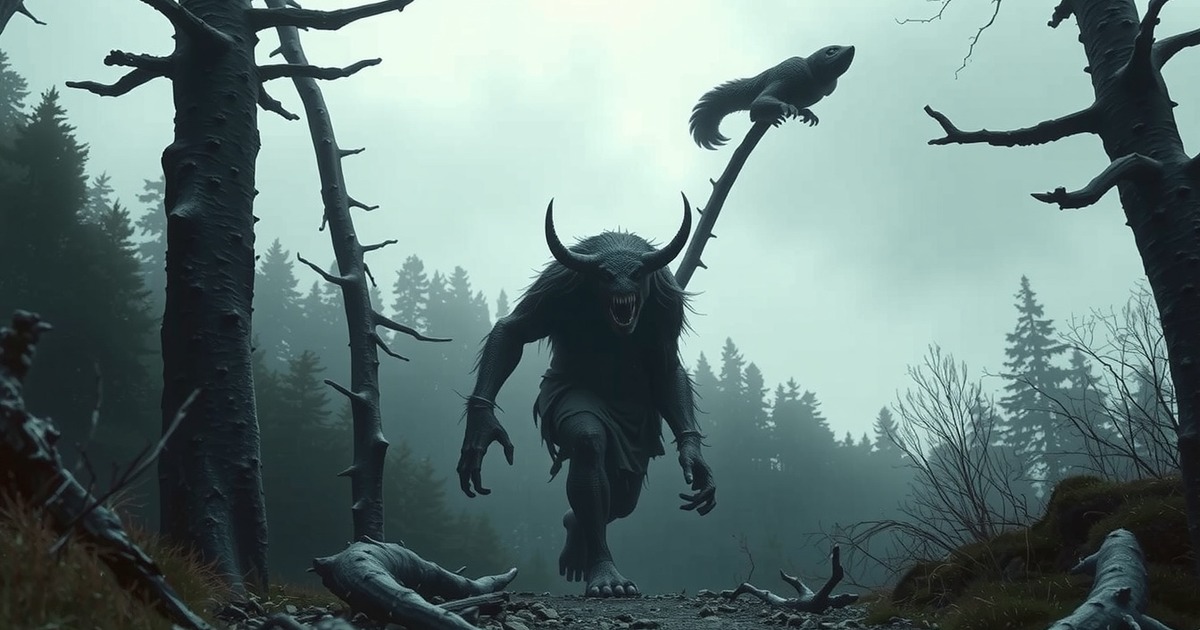
The Minotaur, perhaps the most psychologically complex of all Greek monsters, represented the consequence of hubris and unnatural desires. Born from Queen Pasiphaë's curse-induced union with a bull, this half-man, half-bull creature haunted the labyrinth beneath Crete's palace.
Archaeological evidence suggests the Minotaur myth may have originated from actual bull-leaping ceremonies in Minoan Crete, where young athletes performed dangerous acrobatic feats with sacred bulls. The creature's maze prison reflects the actual labyrinthine palace complex at Knossos, discovered by Sir Arthur Evans in 1900.
Medusa: Victim and Monster
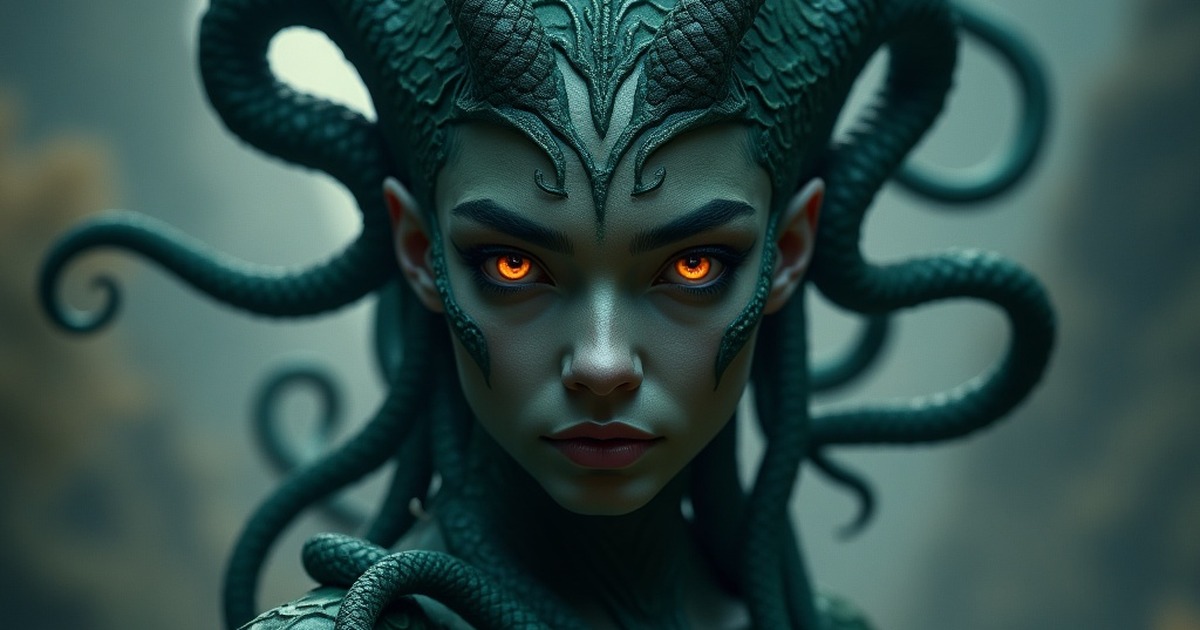
Medusa stands as mythology's most tragic monster transformation. Originally one of three beautiful Gorgon sisters, she alone remained mortal-a detail that sealed her fate.
Cursed by Athena after being assaulted in the goddess's temple, Medusa's hair transformed into writhing serpents, and her gaze turned viewers to stone. The psychological depth of her story is notable: she becomes both victim and villain, her monstrous appearance serving as protection and punishment simultaneously.
The Lernaean Hydra: Regenerative Terror
The Lernaean Hydra embodied regeneration's dark side. This serpentine water monster, dwelling in Lake Lerna's poisonous marshes, sprouted two heads for every one severed.
Key characteristics:
- Multiple serpentine heads that regenerated when cut
- Poisonous breath and venomous blood
- Dwelt in toxic marshlands
- Required fire cauterization to defeat
Hercules's battle with the Hydra during his second labor required first strategy-cauterizing neck stumps with fire to prevent regrowth. The creature's venomous blood later served as arrow poison, making the Hydra's death as dangerous as its life.
The Chimera: Chaos Incarnate
The Chimera represented chaos incarnate with its lion's head, goat's body emerging from its back, and serpent's tail. Breathing fire and terrorizing Lycia, this creature could only be defeated from above-leading to Bellerophon's famous aerial assault while riding Pegasus. The Chimera's tripartite nature likely symbolized the three aspects of time or the three areas of existence in ancient Indo-European thought.
Hybrid Creatures of Land and Sky
Ancient Greek mythology creatures that crossed boundaries fascinated the Greeks, reflecting their interest in transformation and the blending of different natures.
The Sphinx: Riddle of Intelligence
The Sphinx, though Egyptian in origin, became deeply embedded in Greek lore through the Oedipus myth. This creature combined:
- A woman's head (human intelligence)
- A lion's body (terrestrial power)
- Eagle's wings (celestial authority)
Centaurs: Civilization vs. Barbarism
Centaurs embodied the eternal struggle between civilization and barbarism. These horse-human hybrids lived in wild mountain regions, representing untamed nature and primitive instincts. Yet individual centaurs like Chiron transcended their species' reputation, becoming wise teachers and healers. This duality made centaurs complex symbols of humanity's dual nature.
Satyrs: Uninhibited Nature
Satyrs, the goat-legged companions of Dionysus, represented uninhibited natural impulses and fertility. Their constant state of arousal and perpetual pursuit of pleasure made them both comedic and slightly threatening figures. Pan, their most famous representative, could inspire sudden, inexplicable fear-giving us the word “panic.”
The Harpies: Wind Turned Malevolent
The Harpies evolved from wind spirits into monstrous bird-women who tormented mortals. Originally depicted as beautiful winged women, they gradually became hideous creatures with sharp claws and insatiable hunger. Their persecution of the blind prophet Phineus demonstrated divine punishment's relentless nature.
Sea Monsters and Aquatic Beings
Greek maritime culture produced some of the most terrifying aquatic creatures among ancient Greek mythology creatures.
Scylla and Charybdis: The Ultimate Dilemma
These monsters guarded the narrow strait between Sicily and mainland Italy, creating the ultimate maritime dilemma.
Scylla:
- Six dog-like heads on serpentine necks
- Three rows of teeth in each mouth
- Originally a beautiful nymph transformed by jealous Circe
Charybdis:
- Massive whirlpool or sea monster
- Created deadly vortexes three times daily
- Threatened to destroy entire ships
Sailors faced an impossible choice: risk losing six crew members to Scylla or potentially lose their entire ship to Charybdis. This scenario gave birth to the phrase “between Scylla and Charybdis,” meaning caught between two equally dangerous options.
The Sirens: Deadly Temptation
The Sirens represented temptation's deadly allure. These half-bird, half-woman creatures (later depicted as mermaids) possessed voices of supernatural beauty that compelled sailors to crash their ships on rocky shores. Their song promised knowledge of all things past and future-an irresistible lure for curious mortals.
Other Marine Creatures
Tritons served as Poseidon's messengers and heralds. These mermen possessed human torsos and fish tails, wielding conch shells that could calm or agitate the seas.
Ketos encompassed various large marine creatures sent by angry gods. The most famous ketos threatened Andromeda before Perseus's heroic rescue, representing the sea's unpredictable and potentially vengeful nature.
Dragons and Serpentine Creatures
Greek dragons differed significantly from their modern fantasy counterparts. The word “drakon” originally meant “sharp-sighted” and referred to giant serpents rather than winged, fire-breathing lizards.
Python: Ancient Earth Power
Python, the primordial serpent guarding Delphi's oracle, represented earth's ancient power before Apollo's conquest established new divine order.
Ladon: The Sleepless Guardian
Ladon, the hundred-headed dragon guarding the golden apples in the Hesperides' garden, never slept-each head taking turns at vigilance. This creature's defeat by Hercules during his eleventh labor required not strength but cunning, as the hero enlisted Atlas's help rather than facing Ladon directly.
The Colchian Dragon
This beast protected the Golden Fleece in Ares's sacred grove. Jason couldn't defeat this sleepless guardian through conventional means-only Medea's magical herbs could induce the slumber necessary for the fleece's theft.
Echidna: Mother of Monsters
Echidna possessed a woman's beautiful upper body and serpent's lower half. Living in a cave beneath the earth, she mated with Typhon to produce many famous creatures:
Divine and Semi-Divine Creatures
Some ancient Greek mythology creatures occupied the boundary between mortal monsters and divine beings.
Pegasus: Divine Inspiration
Born from Medusa's blood after Perseus beheaded her, Pegasus represented poetic inspiration and divine favor. This winged horse could only be tamed by heroes with pure intentions-Bellerophon's eventual hubris led to his fall and Pegasus's return to the gods.
Griffins: Divine Guardians
With eagle heads and lion bodies, griffins served as divine guardians and symbols of divine power. These creatures guarded treasures and sacred places, combining the king of beasts with the king of birds. Their association with Apollo linked them to prophecy and divine knowledge.
The Phoenix: Symbol of Renewal
Though more associated with Egyptian mythology, the Phoenix appeared in Greek sources as a symbol of renewal and resurrection. This magnificent bird lived for 500 years before building a nest of aromatic spices and precious woods, then burning itself to death only to rise again from its own ashes.
Underworld Guardians and Spirits
The Greek underworld teemed with specialized creatures maintaining cosmic order.
Cerberus: Guardian of the Dead
Hades's three-headed hound prevented the living from entering the area of the dead and the dead from escaping. Each head represented past, present, and future, while the creature's serpentine tail and mane reinforced its chthonic associations.
The Furies: Divine Justice
The Furies (Erinyes) pursued you who committed crimes against family, particularly matricide and patricide. These ancient goddesses, depicted with snake hair and bat wings, represented conscience and divine justice. Their relentless pursuit drove criminals to madness-as experienced by Orestes after killing his mother Clytemnestra.
Empusa: Deceptive Seduction
One of Hecate's servants, Empusa appeared as a beautiful woman to seduce young men before revealing her true form-bronze leg, donkey leg, and vampiric nature. These shape-shifting demons represented seduction's dangers and the deceptive nature of evil.
Lamia: Transformed by Grief
Originally a Libyan queen beloved by Zeus, Lamia became a child-devouring monster after Hera's jealous curse killed her children. This transformation from loving mother to infant-killer reflected ancient anxieties about maternal loss and protective rage turned destructive.
Lesser-Known Creatures and Regional Variants
Beyond famous monsters lay hundreds of lesser-known creatures reflecting local traditions and specific fears.
The Stymphalian Birds
These metallic-feathered creatures with bronze beaks and claws terrorized the marshes around Lake Stymphalia. Their arrow-like feathers and man-eating habits made them formidable opponents during Hercules's sixth labor.
Divine Paradoxes
The Teumessian Fox, destined never to be caught, created a divine paradox when set against Laelaps, the hound destined to catch whatever it hunted. Zeus resolved this impossible situation by turning both creatures into stone, demonstrating that even fate could create contradictions requiring divine intervention.
Symbols of Divine Punishment
The Caucasian Eagle, sent by Zeus to torment Prometheus, tore out the Titan's liver daily for millennia. This creature represented divine punishment's relentless nature and the price of defying Olympic authority. Its eventual death by Hercules's arrow symbolized humanity's gradual liberation from divine tyranny.
Arachne's transformation into the first spider reflected divine punishment for hubris. Her weaving skills rivaled Athena's, leading to a contest that Arachne won through technical perfection but lost through subject matter-depicting the gods' cruelties too accurately for divine tolerance.
Regional Variations
Regional variations of familiar creatures reflected local concerns and traditions:
- Thessalian centaurs differed from their Arcadian cousins in temperament and appearance
- Island variants of sea monsters adapted to specific geographical features
- Mountain creatures reflected the unique challenges of highland life
The Enduring Legacy of Ancient Greek Mythology Creatures
These diverse beings demonstrate how Greek mythology served as both entertainment and education-thrilling narratives that taught moral lessons, explained natural phenomena, and provided structures for understanding humanity's place in a cosmos filled with wonder and terror. Each creature, from the most famous to the most obscure, contributed to a mythological system that continues influencing storytelling, psychology, and popular culture today.
The enduring appeal of ancient Greek mythology creatures lies not just in their fantastic appearances but in their psychological complexity and symbolic richness. They represent our deepest fears and highest aspirations, serving as mirrors reflecting human nature in all its contradictory glory. From the tragic transformation of Medusa to the heroic inspiration of Pegasus, these creatures continue to captivate modern audiences just as they did the ancient Greeks who first imagined them into existence.