Nordic Mythology vs Greek Mythology: Complete Guide 2025
Ever wondered why Thor swings a hammer while Zeus hurls thunderbolts? Or why Greek gods live forever on Mount Olympus while Norse gods face inevitable doom at Ragnarök?
The main differences between Nordic and Greek mythology stem from their cultural origins: Norse myths reflect harsh Scandinavian survival and warrior culture with gods who are mortal and flawed, while Greek mythology emphasizes idealized human traits and immortal gods who embody specific virtues. Norse mythology focuses on fate and endings, whereas Greek mythology celebrates heroism and eternal glory.
Disclosure: This article contains affiliate links. We may earn a commission at no extra cost to you.
The Prose Edda by Snorri Sturluson
The definitive primary source for Norse mythology, written in 13th century Iceland
What Are the Main Differences Between Norse and Greek Gods?
The gods themselves tell the whole story. Norse deities like Odin and Thor are fundamentally different creatures than their Greek counterparts Zeus and Athena.
Mortality vs Immortality: This is the big one. Greek gods are immortal — they can't die, period. Zeus has ruled Olympus for eons and will continue forever. But Norse gods? They're on borrowed time. The Prose Edda explicitly states that Odin knows he'll die at Ragnarök, devoured by the wolf Fenrir.
Perfection vs Flaws: Greek gods embody idealized traits. Athena represents perfect wisdom, Apollo perfect beauty and art. Sure, they have personality conflicts, but they're fundamentally magnificent beings. Norse gods are hot messes. Odin sacrifices his eye for wisdom, Thor gets tricked by giants regularly, and don't get me started on Loki's shapeshifting shenanigans.
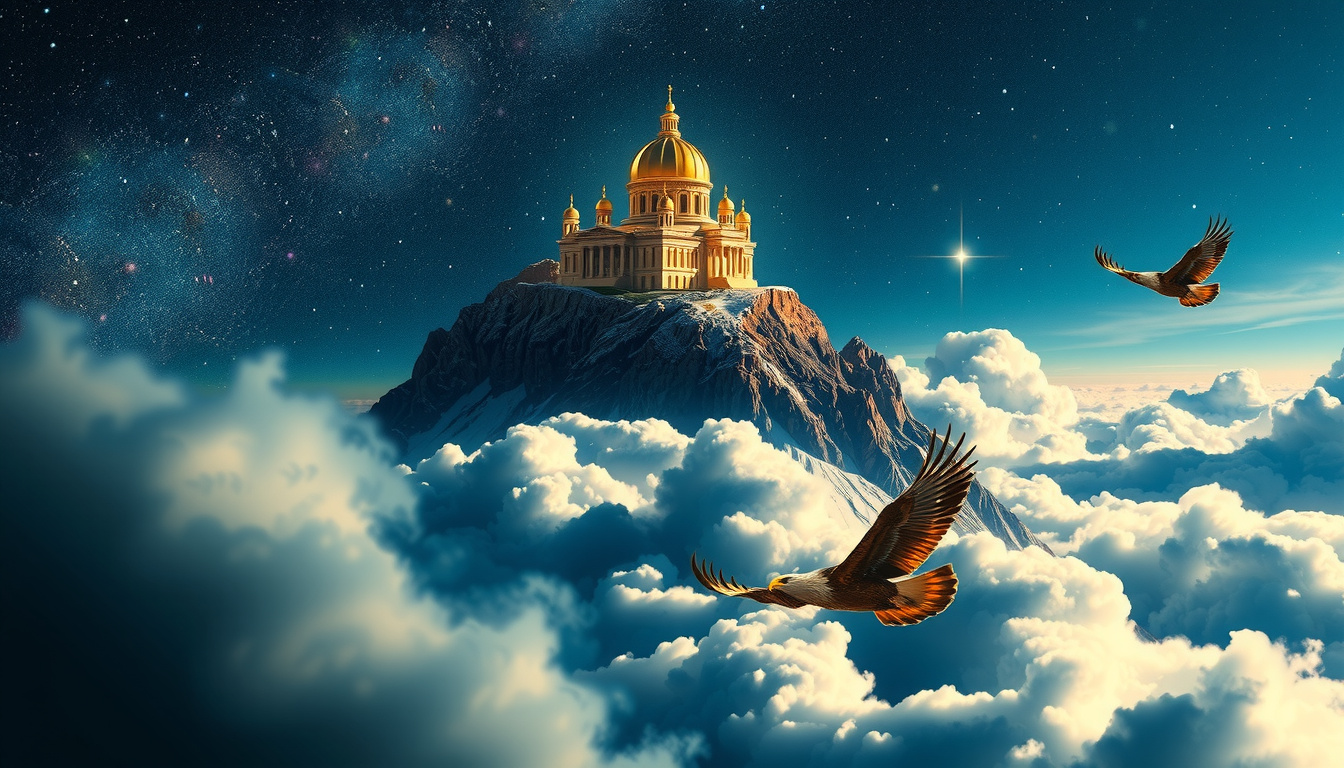
Physical Appearance: Greek gods look like perfect humans — think classical marble statues come to life. Norse gods are more… practical. Odin's missing an eye, Thor's got massive hands from hammer-wielding, and many bear scars from constant battles.
Norse Mythology by Neil Gaiman
Gaiman's masterful retelling makes Norse myths accessible without losing their dark beauty
Which Mythology Is Older: Norse or Greek?
Greek mythology wins the age contest, but it's not as simple as you'd think.
Greek mythology's written sources date back to Homer's Iliad and Odyssey (8th century BCE), while our primary Norse sources come much later — Snorri Sturluson's Prose Edda wasn't written until around 1220 CE. That's roughly 2,000 years difference in written records.
But here's the catch: oral traditions are way older than written ones. Archaeological evidence suggests Germanic and Proto-Norse religious practices existed as early as the 2nd century CE, and some scholars trace elements back even further.
The real issue is that Norse culture prioritized oral storytelling. Vikings didn't write down their myths — they performed them around fires, embedding them in memory through alliterative verse. Christianity's arrival in Scandinavia nearly wiped out these traditions. We're lucky Snorri preserved what he could, even if he was writing centuries after the culture's peak.
Greek mythology, meanwhile, emerged from a literate society that valued written records. Plus, Greek culture spread through Alexander's conquests and Roman adoption, ensuring preservation.
How Do Norse and Greek Creation Myths Compare?
Both mythologies start with chaos, but they take dramatically different paths from there.
Greek Creation: The Greeks begin with Chaos — a formless void. From this emerges Gaia (Earth), who gives birth to Uranus (Sky). Their children, the Titans, overthrow Uranus, then get overthrown by Zeus and the Olympians. It's a story of progressive improvement — each generation of gods is more civilized than the last.
Norse Creation: The Norse start with Ginnungagap — another void, but bounded by fire (Muspelheim) and ice (Niflheim). When fire and ice meet, they create the first being: Ymir, a primordial giant. The gods later kill Ymir and create the world from his corpse. His blood becomes the oceans, his bones the mountains, his skull the sky.
See the difference? Greeks move from chaos to order through divine evolution. Norse creation requires cosmic murder — literally building the world from a corpse. It's darker, more violent, and sets the tone for everything that follows.
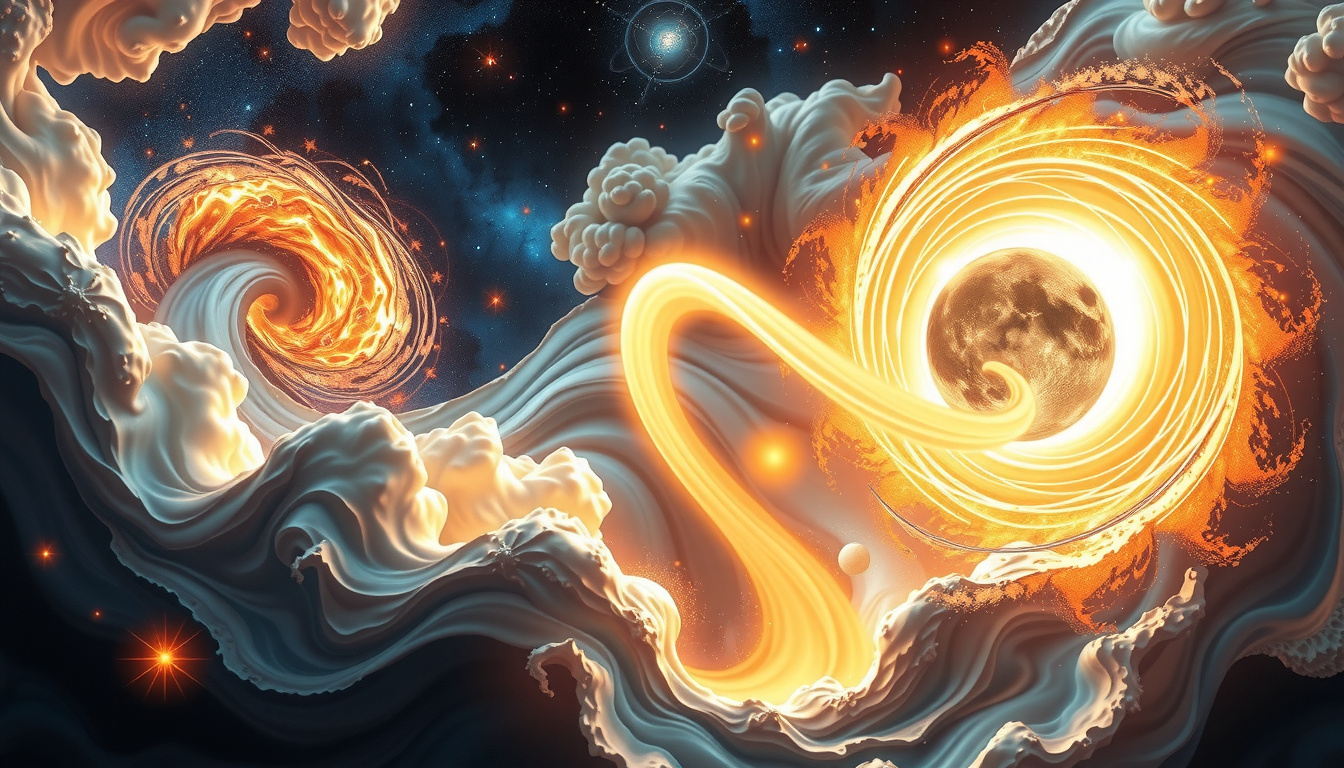
The Greek creation myth reflects Mediterranean values — civilization, progress, beauty emerging from primitive chaos. The Norse version reflects Scandinavian realities — survival requires taking life, even divine life. Nothing comes without sacrifice.
Cultural Origins and Historical Context
Geography is destiny, and that's never more true than with mythology.
Greek Environment: Picture the Mediterranean — warm sunshine, olive groves, marble cliffs rising from azure seas. This is a land where humans could contemplate beauty, philosophy, and eternal ideals. Greek city-states valued intellectual achievement, artistic expression, and democratic discourse (well, among citizens). Their gods reflect these values.
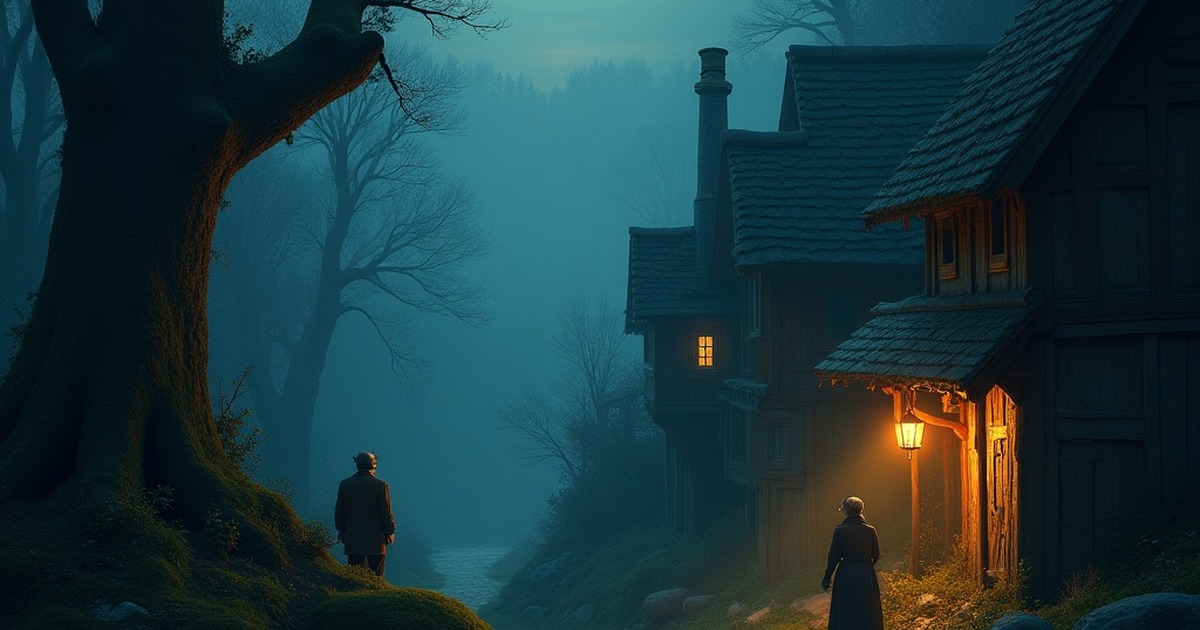
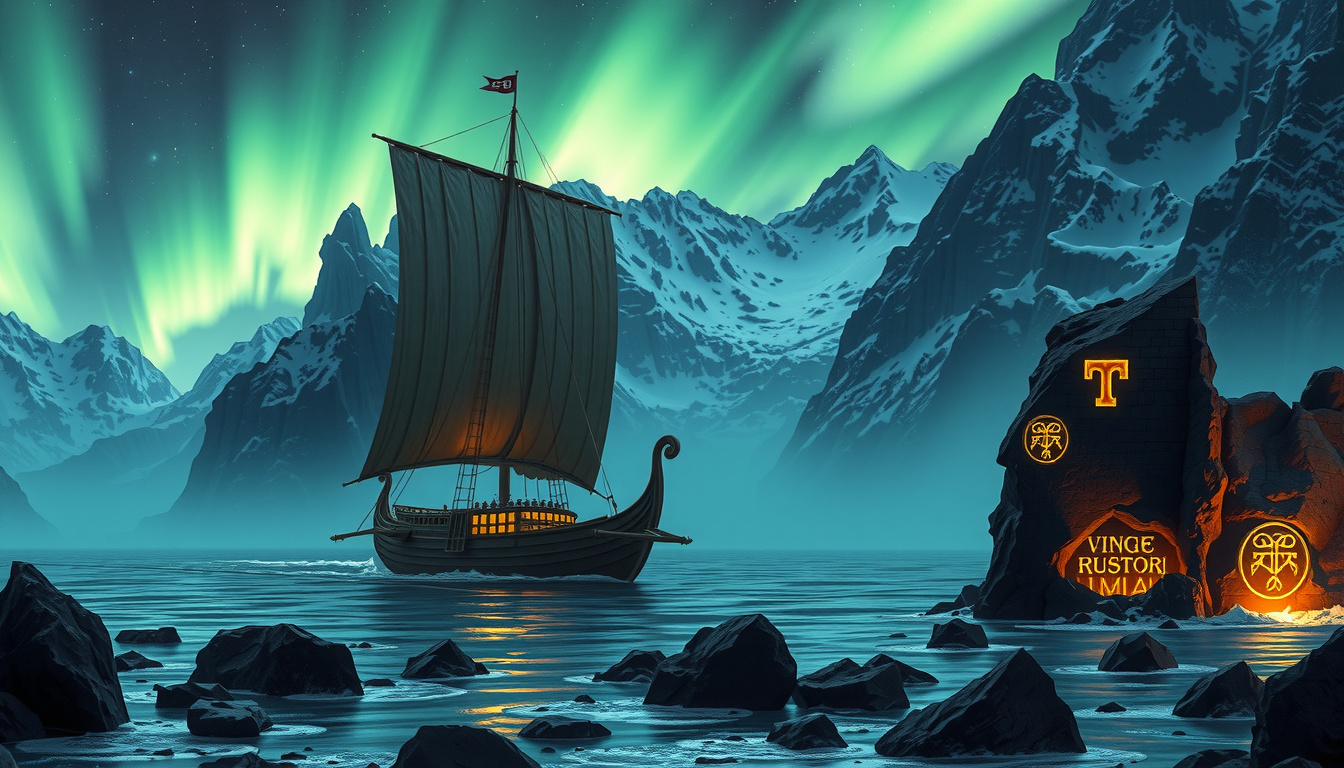
Norse Environment: Now imagine Scandinavia during the Little Ice Age — harsh winters, brutal storms, limited growing seasons. Survival meant raiding, trading, and constant warfare. Viking society honored courage, loyalty, and practical skill over philosophical contemplation. Their gods are warriors first, philosophers never.
Mythology by Edith Hamilton
The classic introduction to Greek and Roman mythology, trusted by educators for decades
These environmental differences shaped everything. Greek heroes like Perseus or Theseus triumph through cleverness and divine favor, then get rewarded with eternal glory. Norse heroes like Sigurd or Beowulf fight knowing they'll probably die — glory comes from facing doom courageously, not from winning.
Even the afterlife reflects this. Greek heroes might join the gods on Olympus or enjoy eternal feasting in the Elysian Fields. Norse warriors get Valhalla — but it's not eternal paradise. It's a barracks where they train for the final battle they know they'll lose.
Divine Hierarchies and Power Structures
Both pantheons have kings, but they rule very differently.
Zeus's Olympus: Think of it as divine constitutional monarchy. Zeus is the king, but he shares power with his siblings — Poseidon rules the seas, Hades the underworld. Other gods have specific domains: Athena governs wisdom, Apollo handles music and prophecy, Artemis oversees the hunt. There's order, specialization, and (mostly) stable hierarchy.
Odin's Asgard: This is more like a warrior clan with Odin as the chieftain. Sure, other gods have roles — Thor fights giants, Freyr ensures fertility, Tyr handles justice — but it's less formal. Odin doesn't rule through divine right; he rules through wisdom, cunning, and sometimes outright trickery. He's constantly scheming to delay Ragnarök.
The Greek pantheon mirrors human political systems — kings with advisors, specialized ministers, formal protocols. The Norse pantheon mirrors tribal society — strong leaders, blood loyalty, and the constant threat of outside enemies (giants) who want to destroy everything.
Heroic Ideals and Values
What makes a hero? Greeks and Norse had radically different answers.
Greek Heroes: Excellence (arete) in all things. Achilles is the perfect warrior, Odysseus the perfect strategist, Heracles the perfect strongman. Greek heroes strive for immortal fame (kleos) through great deeds. They want their names remembered forever, their stories told across generations.
Norse Heroes: Courage in the face of certain doom. Sigurd knows killing the dragon will bring his downfall but does it anyway. The gods themselves embody this — they know Ragnarök is coming, know they'll lose, but keep fighting. It's not about winning; it's about how you face defeat.
This creates completely different story arcs. Greek myths often end with transformation or reward — heroes becoming constellations, joining the gods, or founding great cities. Norse stories end with death and glory — heroes dying well, gods meeting their fate with dignity.
Concepts of Fate and Destiny
Here's where the mythologies really diverge: their relationship with fate itself.
Greek Fate: The Moirai (Fates) spin, measure, and cut the threads of mortal lives. But gods are generally exempt. Even when prophecies affect gods, they often find ways around them. Zeus overthrows his father Kronos despite prophecy. Humans can sometimes change their fate through divine intervention or heroic action.
Norse Fate: The Norns control fate for everyone — gods included. They sit by the Well of Urd, weaving destinies that even Odin can't change. He knows exactly how he'll die, who'll kill him, and when. This knowledge drives his constant quest for wisdom and power, but he can't escape his fate.
The Old Norse concept of wyrd (fate) is darker than the Greek moira. Wyrd isn't just individual destiny — it's cosmic inevitability. Everything leads to Ragnarök. Every action, good or evil, speeds the approach of universal ending.
Mythological Creatures and Monsters
Both mythologies teem with monsters, but they serve different narrative purposes.
Greek Monsters: Usually represent chaos that heroes must overcome to prove their worth. The Hydra grows new heads when you cut one off — representing problems that multiply if not handled correctly. The Minotaur in its labyrinth symbolizes the beast within civilization. Medusa turns people to stone — literally petrifying fear.
Norse Monsters: Represent existential threats to cosmic order. Jörmungandr, the World Serpent, will poison the sky during Ragnarök. Fenrir the wolf will devour Odin. These aren't obstacles to overcome — they're apocalyptic forces that will eventually win.
Greek heroes slay monsters and make the world safer. Norse gods bind monsters and delay cosmic destruction. It's the difference between solving problems and managing inevitable catastrophe.
✅ Greek Mythology Strengths
- Inspiring heroic ideals
- Rich philosophical themes
- Detailed written sources
- Influenced Western literature
✅ Norse Mythology Strengths
- Psychologically complex characters
- Honest about life's struggles
- Unique eschatological focus
- Influenced modern fantasy
What Are the Best Books to Learn About Norse vs Greek Mythology?
Starting your mythological journey? You need the right guides for both traditions.
For Norse Mythology:
Start with The Prose Edda by Snorri Sturluson. Yes, it's a primary source from 1220 CE, but it's surprisingly readable. Snorri was writing for an audience that was losing touch with the old stories, so he explains everything clearly.
For modern accessibility, Neil Gaiman's Norse Mythology is unmatched. Gaiman captures the dark humor and fatalistic beauty of the originals while making them completely accessible to contemporary readers.
For Greek Mythology:
Edith Hamilton's Mythology remains the gold standard introduction. She focuses on the greatest stories told by the greatest ancient writers — Homer, Aeschylus, Sophocles. Her prose is elegant and her organization logical.
For deeper scholarship, Robert Graves' The Greek Myths is comprehensive but dense. It's more reference work than casual reading, perfect for when you want to understand variant stories and historical context.
Modern Influence and Pop Culture
Both mythologies shape contemporary culture, but in different ways.
Greek Mythology in Modern Media: DC's Wonder Woman draws from Greek myth. Disney's Hercules (even if it mangles the stories). Rick Riordan's Percy Jackson series introduces millions of kids to Greek gods. The influence tends toward heroic fantasy — good triumphing over evil through courage and cleverness.
Norse Mythology in Modern Media: Marvel's Thor (though heavily modified). Tolkien drew extensively from Norse sources for Middle-earth. Modern fantasy from Game of Thrones to The Witcher shows Norse influence in its moral ambiguity and fascination with doom. The influence tends toward dark fantasy — complex characters facing impossible odds.
Video games particularly love Norse mythology. God of War (2018), Assassin's Creed Valhalla, and countless others mine Norse sources for their combination of brutal action and psychological depth.
FAQ: Common Questions About Norse vs Greek Mythology
Q: Are Thor and Zeus equivalent gods?
A: Not really. Both control thunder, but their roles differ significantly. Zeus is a sky father and king of gods, focused on ruling and maintaining cosmic order. Thor is primarily a giant-slayer and protector, focused on defending Asgard and Midgard from chaos. Zeus rules; Thor fights.
Q: Why are Greek gods more famous than Norse gods?
A: Greek mythology survived better due to continuous literary tradition, Roman adoption, and Renaissance revival. Norse mythology nearly disappeared with Christianization and wasn't seriously studied until the 19th century romantic movement. Plus, Greek myths had 2,000 more years to influence Western literature.
Q: Which mythology is more accurate to ancient beliefs?
A: Both are filtered through later writers. Homer was composing centuries after the Mycenaean period he describes. Snorri was a Christian writing about pagan beliefs 200 years after Iceland's conversion. Neither represents “pure” ancient religion — they're literary interpretations of earlier oral traditions.
Q: Can you worship Greek or Norse gods today?
A: Some people do practice modern versions — Hellenism for Greek gods, Heathenry or Asatru for Norse. These are reconstructionist religions attempting to revive ancient practices, though they necessarily differ from historical forms. They're small but growing movements.
Q: Which mythology influenced English more?
A: Greek mythology gave us more learned vocabulary (psychology, chaos, nemesis), while Norse mythology gave us basic concepts (berserk, skull, husband, wife). English days of the week are mostly Norse: Tuesday (Tyr), Wednesday (Odin), Thursday (Thor), Friday (Frigg).
Final Verdict: Which Mythology Speaks to You?
Greek and Norse mythologies aren't competing — they're complementary. Greek myths inspire us to reach for excellence, to create beauty, to seek wisdom. Norse myths prepare us for hardship, teach us dignity in defeat, remind us that all things end.
Choose Greek mythology if you want to explore human potential, philosophical themes, and heroic idealism. The stories celebrate what we might become at our best.
Choose Norse mythology if you want psychological complexity, honest confrontation with mortality, and wisdom about endurance. The stories acknowledge what we actually are — flawed beings facing an uncertain future.
Better yet? Study both. Greek mythology shows us the heights of human aspiration. Norse mythology shows us the depths of human courage. Together, they provide a complete picture of what it means to be human in a cosmos that's both beautiful and terrible.