Norse vs Greek Creation Myths: Complete Comparison 2025
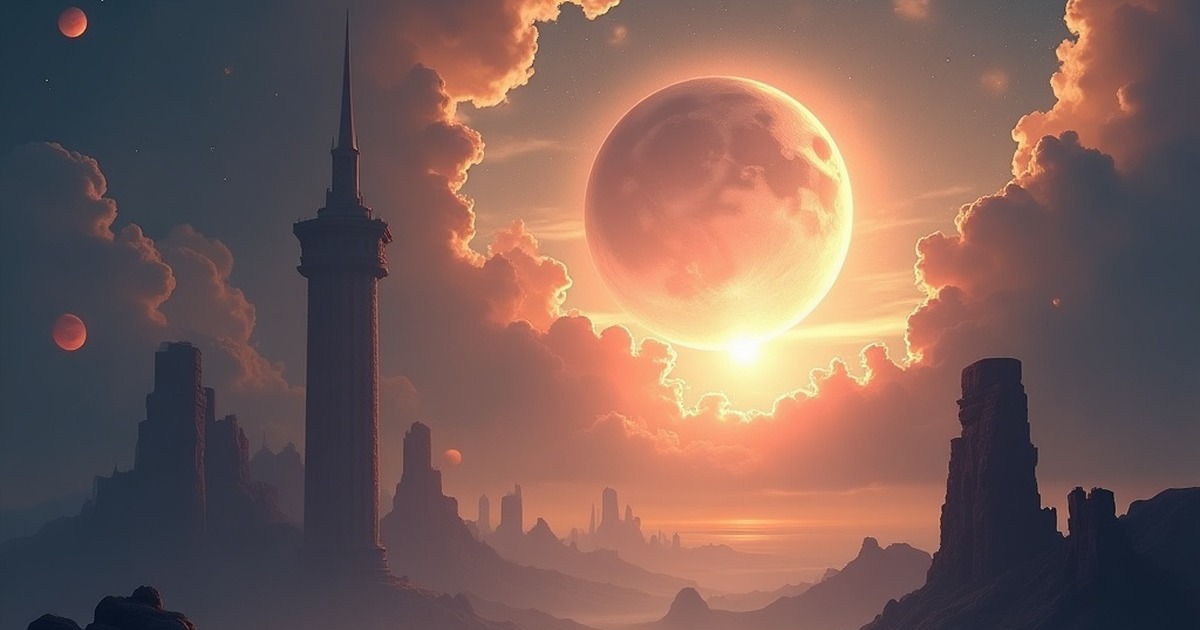
Ever wondered how the ancient Norse and Greeks explained the birth of everything? While both cultures spun magnificent tales of cosmic origins, their creation stories couldn't be more different — one begins in ice and fire, the other emerges from primordial chaos.
The main differences between Norse and Greek creation myths lie in their fundamental elements and processes. Norse mythology begins with Ginnungagap (the void) bridged by ice and fire, leading to the birth of the giant Ymir, while Greek creation starts with Chaos giving birth to primordial deities who then shape the cosmos through divine succession and conflict.
Disclosure: This article contains affiliate links. We may earn a commission at no extra cost to you.
Norse Mythology by Neil Gaiman
Essential reading for understanding Norse creation stories in accessible, masterful prose
What Are the Main Differences Between Norse and Greek Creation Myths?
The Norse and Greek creation myths represent two fundamentally different approaches to explaining cosmic origins. Where Greek mythology emphasizes divine genealogy and succession, Norse cosmogony focuses on elemental forces and cyclical destruction.
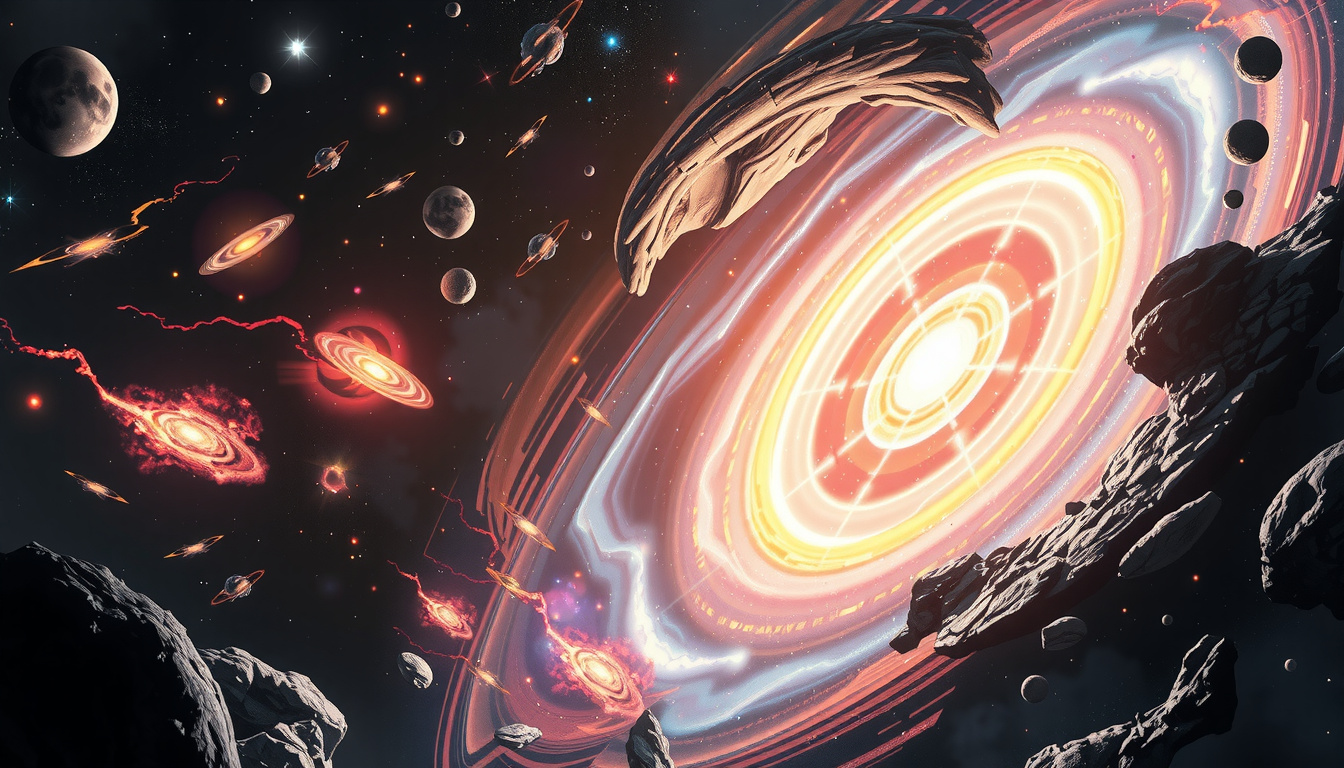
Elemental Origins: Norse creation begins with extreme temperatures — Muspelheim's fire and Niflheim's ice meeting in the void of Ginnungagap. Greek creation starts with Chaos, an abstract concept of primordial emptiness from which order gradually emerges.
Creative Processes: The Norse cosmos forms through violence and sacrifice. Odin and his brothers kill Ymir to create Midgard from his body parts. Greek creation unfolds through birth, sexual union, and divine conflict across generations — Chaos births Gaia, who births the Titans, who birth the Olympians.
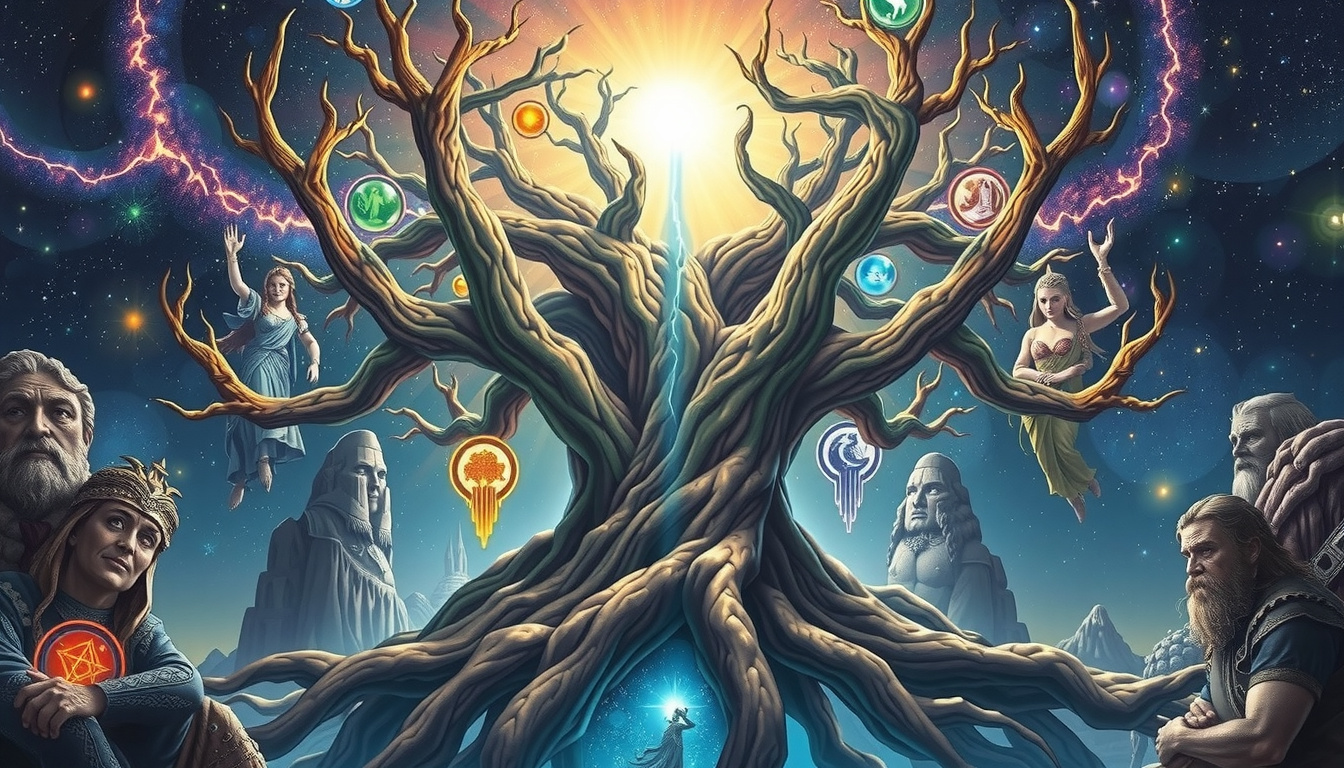
Cosmic Structure: Norse cosmology presents nine interconnected realms held together by Yggdrasil, the World Tree. Greek cosmology centers around a hierarchical structure with Mount Olympus at the apex, ruling over earth, sea, and underworld.
The Prose Edda by Snorri Sturluson
Primary source for Norse creation myths, compiled in 13th-century Iceland from oral traditions
Who Created the World in Norse Mythology?
In Norse mythology, world creation is a collaborative yet violent process involving multiple beings across different stages. It's not a single creator but a series of generative and destructive acts.
The First Beings: Before gods existed, the void Ginnungagap separated the realms of fire and ice. When Muspelheim's heat met Niflheim's cold, the melting ice gave birth to Ymir, the primordial frost giant, and Audhumbla, the primeval cow.
The Birth of Gods: Audhumbla's licking freed Búri from ice, who fathered Bor, who in turn fathered Odin, Vili, and Vé. These three brothers represent the first generation of the Æsir gods.
World Formation: The brothers killed Ymir and fashioned the world from his corpse. His flesh became the earth, his blood the seas, his bones the mountains, his skull the sky. Ymir's brains were cast into the air to form clouds — a starkly physical creation process that contrasts sharply with other mythologies.
Human Creation: Finding two ash trees on the beach, the brothers carved the first humans — Ask and Embla — and breathed life into them. Odin gave breath and life, Vili gave consciousness and movement, Vé gave appearance and speech.
How Did the Greek Gods Come Into Existence?
Greek divine genealogy unfolds through generations of cosmic rulers, each overthrowing their predecessors in violent succession. This pattern — known as the succession myth — appears in many Indo-European cultures.
The Primordial Generation: From Chaos emerged the first beings: Gaia (Earth), Tartarus (the Abyss), Eros (Love), Erebus (Darkness), and Nyx (Night). These weren't anthropomorphic deities but fundamental cosmic forces.
The Titan Generation: Gaia bore Uranus (Sky), then united with him to produce the Titans — twelve powerful deities including Kronos and Rhea. Uranus imprisoned his children in Tartarus, leading Gaia to orchestrate his overthrow by Kronos.
The Olympian Generation: Kronos, fearing a prophecy that his son would overthrow him, devoured each child at birth. Rhea saved Zeus by substituting a stone wrapped in swaddling clothes. Zeus eventually freed his siblings and led the Titanomachy — a ten-year war establishing Olympian supremacy.
Divine Roles: Unlike Norse gods who face inevitable destruction at Ragnarök, the Greek Olympians achieved permanent cosmic order. Zeus rules the sky, Poseidon the seas, Hades the underworld — a stable hierarchy that reflects Greek political ideals.
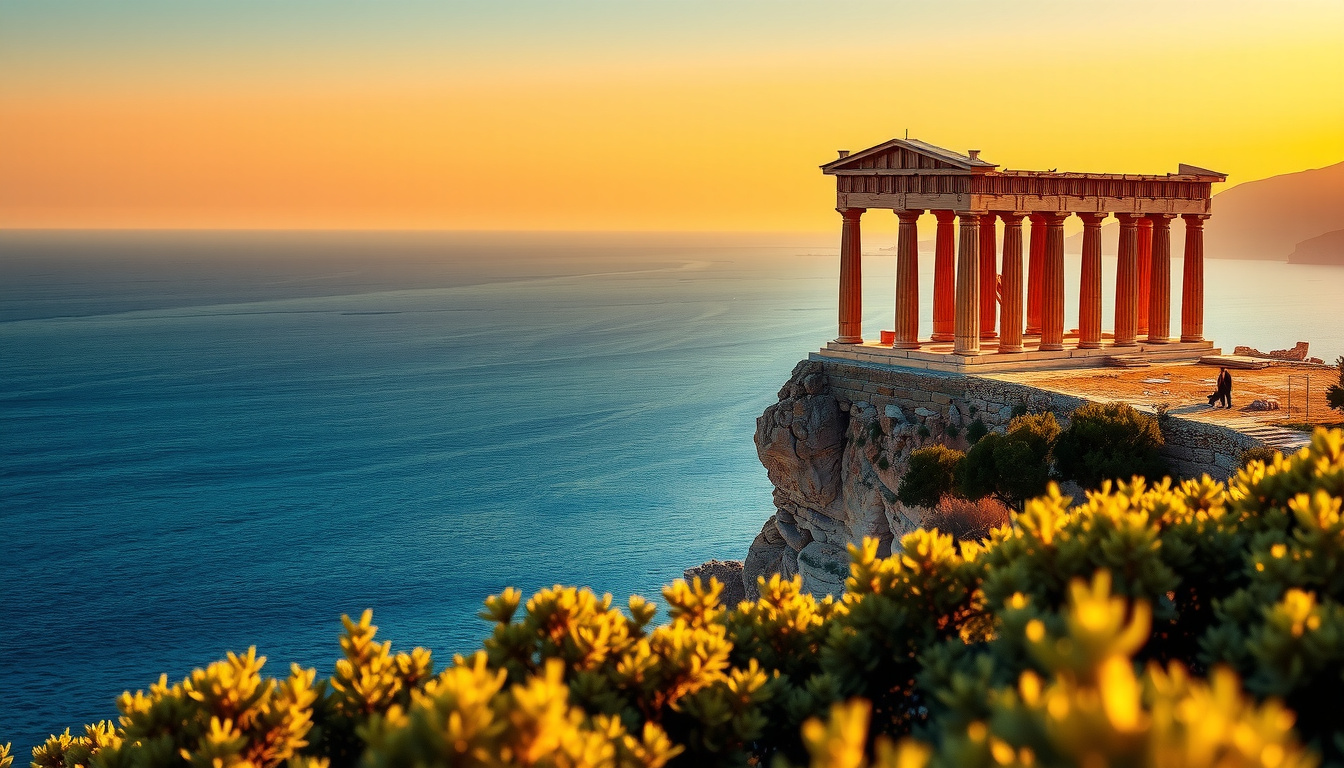
Which Creation Myth Is Older — Norse or Greek?
Greek creation myths significantly predate their Norse counterparts in written form, though both traditions have complex oral histories that complicate direct comparison.
Greek Literary Origins: Hesiod's Theogony, composed around 700 BCE, provides our earliest comprehensive Greek creation account. However, Mycenaean Linear B tablets from 1450-1200 BCE mention Zeus and other Olympian deities, suggesting much earlier oral traditions.
Norse Literary Sources: Our primary Norse creation sources — Snorri's Prose Edda and the Poetic Edda — date to 13th-century Iceland. While containing much older material, the written tradition emerged over a millennium after Greek sources.
Archaeological Evidence: Greek religious artifacts and temple foundations extend back to the Bronze Age. Norse religious sites like Gamla Uppsala show continuous use from the 6th century CE, but archaeological evidence for specific creation beliefs remains limited.
Indo-European Connections: Both mythologies derive from Proto-Indo-European traditions dating to 3500-2500 BCE. The Greek succession myth parallels Hittite and Mesopotamian stories, while Norse cosmogony shares elements with Indo-Iranian traditions — suggesting both preserve ancient common themes.
Theogony by Hesiod
The original Greek creation epic detailing divine genealogy from Chaos to Zeus's rule
What Role Do Primordial Beings Play in Both Mythologies?
Primordial beings serve as the foundation from which ordered cosmos emerges, but their roles and fates differ dramatically between Norse and Greek traditions.
Norse Primordial Forces: Ymir represents raw, undifferentiated matter — neither good nor evil, simply existing. His death enables creation, making sacrifice central to Norse cosmogony. The World Tree Yggdrasil, though not strictly primordial, serves as the cosmos's living foundation.
Greek Primordial Deities: Chaos, Gaia, and other first-generation beings remain active throughout Greek mythology. Gaia continues influencing events, supporting Zeus against the Titans but later opposing him by mothering Typhon. They're not sacrificed but integrated into cosmic order.
Ongoing Influence: Norse primordial forces threaten cosmic stability. Giants — Ymir's descendants — constantly menace the gods, culminating in Ragnarök's universal destruction. Greek primordial beings, once defeated or appeased, generally maintain cosmic stability.
Symbolic Meanings: Norse primordial beings represent cyclical time and inevitable entropy. Greek primordials embody the transition from chaos to order, suggesting human civilization's triumph over natural forces.
✅ Norse Mythology by Neil Gaiman – Pros
- Accessible prose style for modern readers
- Faithful to original sources
- Excellent for understanding Norse worldview
- Engaging narrative flow
❌ Cons
- Lacks scholarly apparatus
- Limited to most famous stories
- Doesn't explore variant versions
Cultural Context and Worldview Differences
The contrasting creation myths reflect fundamentally different cultural values and environmental influences that shaped Norse and Greek civilizations.
Environmental Influences: Norse mythology's ice-and-fire cosmogony mirrors Scandinavia's harsh winters and volcanic activity. The emphasis on inevitable destruction — Ragnarök — reflects survival challenges in northern climates. Greek mythology's stable cosmic order mirrors the Mediterranean's relatively predictable seasons and agricultural cycles.
Social Structure: Greek creation myths justify hierarchical society through divine succession. Zeus's rule over other gods parallels aristocratic rule over citizens. Norse creation emphasizes kinship bonds — gods are literally brothers — and collective responsibility against external threats.
Temporal Concepts: Greeks viewed time cyclically but with progressive improvement — the Golden Age followed by decline, yet Zeus's reign represents achieved perfection. Norse time is truly cyclical — Ragnarök destroys everything, but the world regenerates for new gods and humans.
Death and Heroism: Norse creation's violent origin (Ymir's death) prefigures the culture's emphasis on heroic death in battle. Greek creation's emphasis on divine cunning and succession reflects competitive political culture where intelligence trumps mere strength.
Modern Interpretations and Influence
Contemporary scholars and creators continue finding relevance in these ancient creation stories, though their interpretations vary significantly.
Psychological Readings: Carl Jung identified archetypal patterns in both mythologies. The Norse creation reflects the senex archetype — wisdom through sacrifice — while Greek creation embodies the puer — eternal youth and divine perfection.
Environmental Metaphors: Some modern interpreters read Norse creation as prefiguring ecological awareness. Yggdrasil connects all realms, while Ragnarök serves as warning about environmental destruction. Greek creation's emphasis on imposed order resonates less with contemporary environmental thinking.
Popular Culture Impact: Marvel's Thor films draw heavily from Norse creation elements, though simplified for mass audiences. Disney's Hercules adapts Greek divine succession, while Rick Riordan's Percy Jackson series makes Greek cosmogony accessible to young readers.
Academic Research: 2025 scholarship increasingly examines these myths' gender dynamics. Norse creation involves both male gods (Odin's brothers) and female forces (the cow Audhumbla), while early Greek creation features powerful female primordials like Gaia who later become subordinated.
Frequently Asked Questions
Q: Do Norse and Greek creation myths share any common elements?
A: Yes, both feature initial void or chaos, primordial beings preceding gods, and establishment of cosmic order through divine conflict. These similarities likely stem from shared Indo-European heritage dating back 5,000 years.
Q: Why are there multiple versions of these creation stories?
A: Ancient cultures transmitted myths orally across centuries, with different regions and time periods developing variations. Greek sources like Hesiod, Homer, and later Roman writers offer different details. Norse myths, recorded later, preserve fewer variants but still show regional differences.
Q: How do these creation myths compare to scientific cosmology?
A: While scientifically inaccurate, these myths address similar fundamental questions about cosmic origins, order emerging from chaos, and humanity's place in the universe. They serve psychological and cultural functions that scientific explanation alone cannot fulfill.
Q: Which mythology influenced Western culture more significantly?
A: Greek mythology had greater historical influence through Roman adoption and Renaissance revival. However, Norse mythology experiences renewed popularity in contemporary culture through fantasy literature, films, and video games appealing to modern sensibilities.
Q: Are there any archaeological evidences supporting these creation beliefs?
A: Archaeological evidence shows worship practices and religious sites but rarely confirms specific mythological details. Greek temple foundations and Norse religious artifacts demonstrate cultural importance but don't validate cosmological claims.
Final Verdict: Understanding Our Mythological Heritage
Norse and Greek creation myths offer complementary windows into how ancient peoples understood cosmic origins and human purpose. The Norse tradition's emphasis on sacrifice, cyclical time, and inevitable destruction speaks to cultures facing existential challenges. Greek mythology's divine succession and stable cosmic order reflects civilizations achieving political sophistication and cultural confidence.
Neither tradition is “superior” — they serve different psychological and cultural needs. Norse creation myths resonate with contemporary environmental concerns and existential philosophy. Greek creation stories align with political science and psychological development theories.
For modern readers seeking to understand these rich traditions, starting with accessible retellings before approaching primary sources proves most rewarding.
Whether you're drawn to the cosmic violence of Ymir's sacrifice or the political intrigue of divine succession, these creation myths continue offering profound insights into human nature and our relationship with the cosmos. They remind us that every culture seeks to answer the fundamental question: how did everything begin?