Norse vs Greek Creation Myths: 9 Key Differences Explained
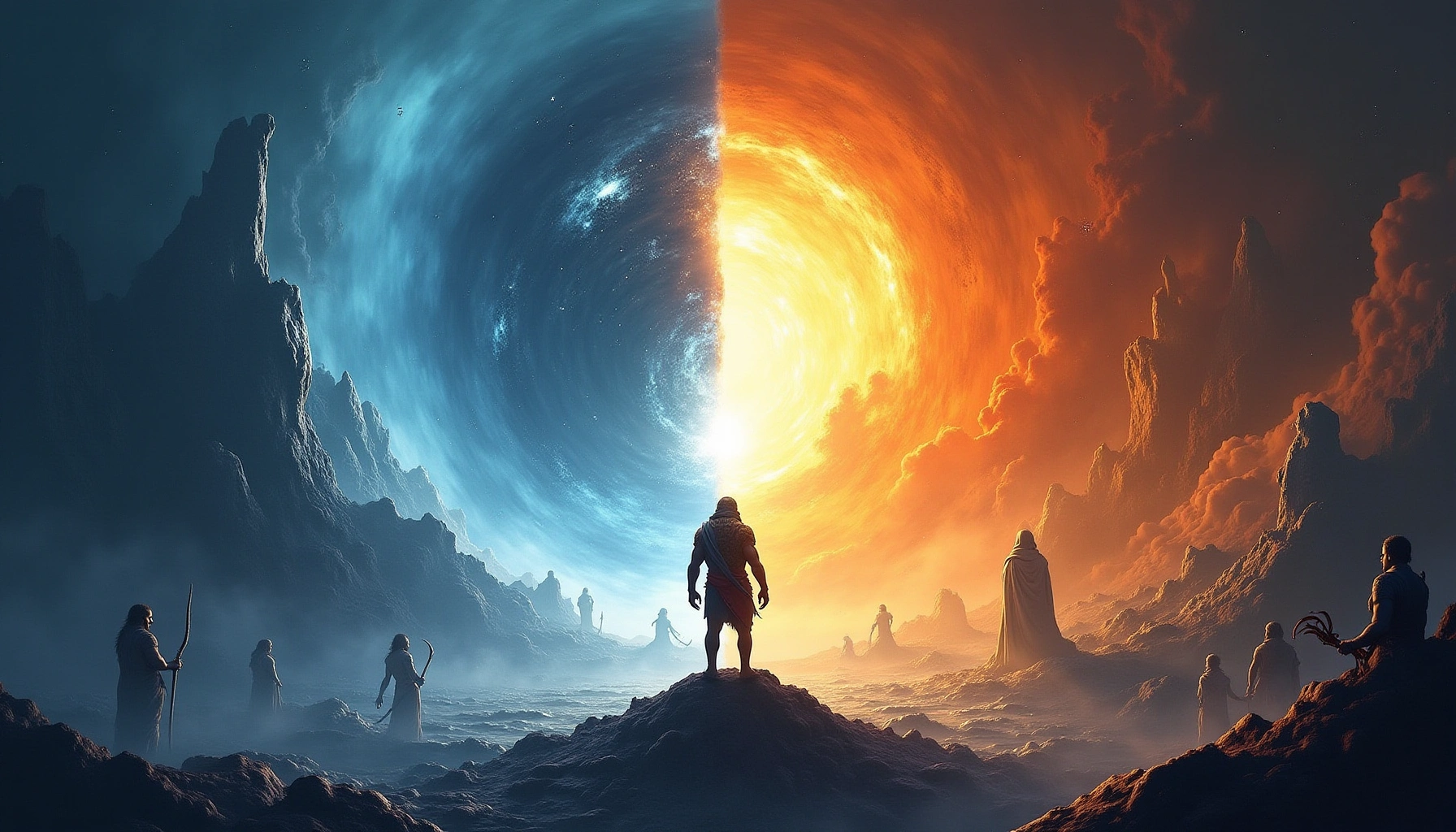
Picture this: one mythology starts with ice and fire colliding in an endless void, while the other begins with primordial gods emerging from Chaos itself. The Norse and Greek creation stories couldn't be more different in their approach to explaining how our world came to be.
The main difference between Norse and Greek creation myths lies in their fundamental nature — Norse mythology emphasizes cycles of destruction and rebirth through Ragnarök, while Greek mythology focuses on generational succession of divine rulers. Norse creation emerges from Ginnungagap (the void between ice and fire), whereas Greek creation springs from Chaos and primordial deities.
Disclosure: This article contains affiliate links. We may earn a commission at no extra cost to you.
The Norse Mythology Book by DK
Comprehensive visual guide with detailed creation story analysis
What is the main difference between Norse and Greek creation myths?
The core philosophical difference between these mythologies runs deeper than just different gods with different names. Norse creation mythology operates on a cyclical worldview — everything that begins must end, only to begin again. Greek mythology, conversely, follows a linear progression where each generation of gods represents an evolutionary step toward divine perfection.
Norse Creation Fundamentals: The world emerges from Ginnungagap, a primordial void where the cold realm of Niflheim meets the fiery realm of Muspelheim. When ice and fire interact, they create Ymir, the first giant, whose body becomes the raw material for Midgard (Earth).
Greek Creation Fundamentals: Chaos exists first — not as destruction, but as a formless void. From Chaos emerge Gaia (Earth), Tartarus (the underworld), and Eros (creative force). These primordial forces then generate subsequent generations of increasingly anthropomorphic deities.
Here's where it gets fascinating: Norse mythology doesn't shy away from the fact that the current world will end. Ragnarök isn't just an apocalypse — it's a necessary reset button. Greek mythology, however, culminates in Zeus's eternal reign, suggesting a final, stable cosmic order.
Mythology by Edith Hamilton
The definitive introduction to Greek creation stories and primordial gods
The Void: Ginnungagap vs Chaos
Both mythologies start with nothingness, but their interpretation of “nothing” reveals cultural values. Ginnungagap literally translates to “gaping abyss” or “yawning void.” It's not empty space — it's a tension-filled gap between opposing forces.
Imagine standing on the edge of a frozen fjord while a volcano erupts in the distance. That's Ginnungagap — the meeting place where Niflheim's ice streams encounter Muspelheim's sparks. The Norse saw creation as emerging from conflict between extremes.
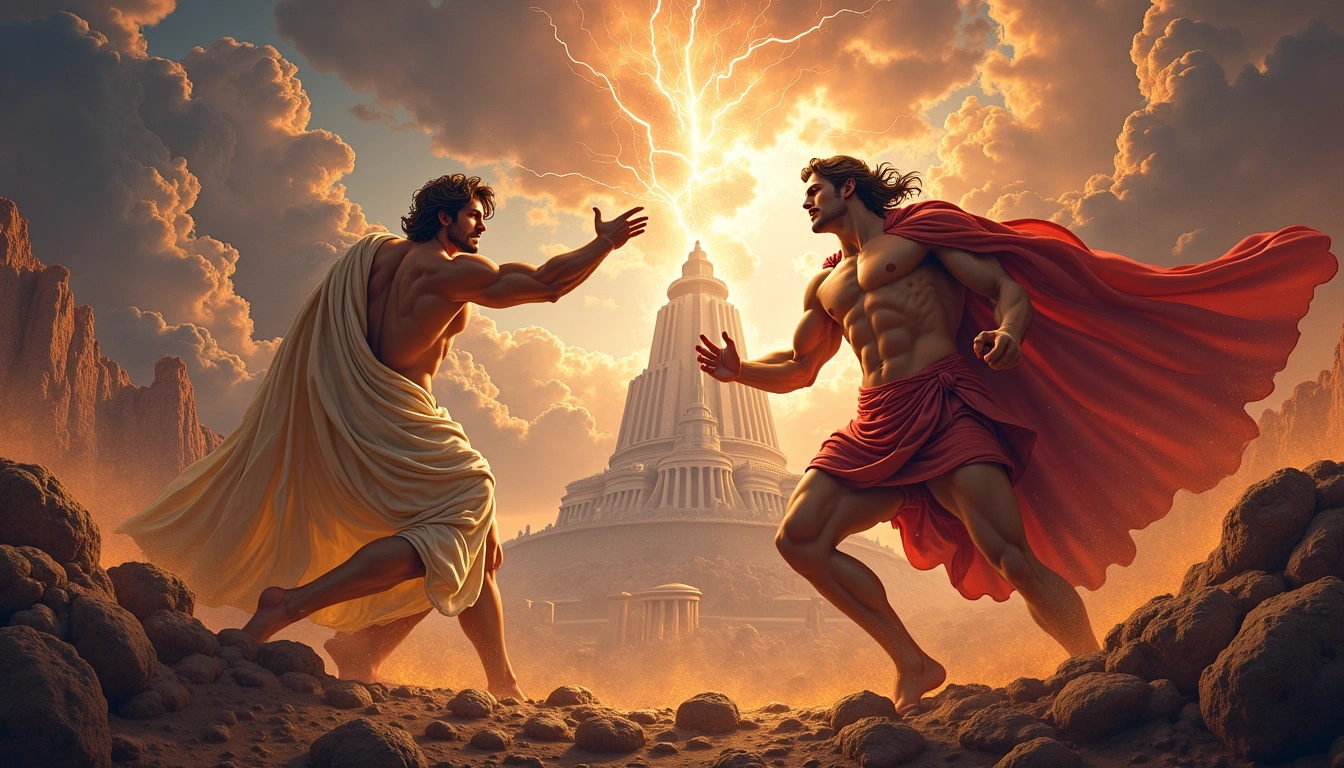
Greek Chaos, meanwhile, represents pure potentiality. It's not characterized by conflict but by infinite possibility. From this formless state emerge the fundamental building blocks of reality — not through violence, but through natural generation.
Cultural Insight: The Norse lived in a landscape of environmental extremes where survival meant navigating between ice and fire, literally and figuratively. Greeks, particularly in their city-states, valued order emerging from disorder through reason and structure.
Creator Figures: Multiple vs Single Divine Authority
Norse creation involves a team effort — and not always a cooperative one. Odin, Vili, and Vé (Odin's brothers) kill the giant Ymir and use his body parts to create the world. His blood becomes the seas, his bones the mountains, his skull the sky. It's gruesome, practical, and decidedly Norse.
Greek creation follows a more hierarchical model. While multiple primordial beings exist (Gaia, Uranus, Cronus), there's usually one dominant figure per generation who shapes reality according to their vision. Zeus ultimately becomes the supreme cosmic authority.
This difference reflects social structures. Norse society, with its thing (assemblies) and emphasis on warrior bands, valued collective decision-making — even in their creation myths. Greek city-states, despite their democratic experiments, often looked to strong individual leaders.
Which mythology came first Norse or Greek?
Greek mythology, in its recorded form, predates written Norse sources by centuries. Homer's epics (8th century BCE) and Hesiod's Theogony (c. 700 BCE) established Greek creation narratives long before the Prose Edda was compiled in 13th-century Iceland.
However — and this is crucial — oral Norse traditions likely stretch back just as far. The problem is that Scandinavian cultures didn't develop writing systems for their native languages until much later. Most of what we know about Norse creation comes from Snorri Sturluson's efforts to preserve ancient stories that were already centuries old when he wrote them down.
Archaeological evidence suggests both mythological systems developed independently, drawing from shared Indo-European roots but evolving in isolation. The similarities we see (sky gods, world trees, generational conflicts) likely stem from common ancestral traditions rather than direct influence.
Cosmic Structure: Nine Realms vs Mount Olympus
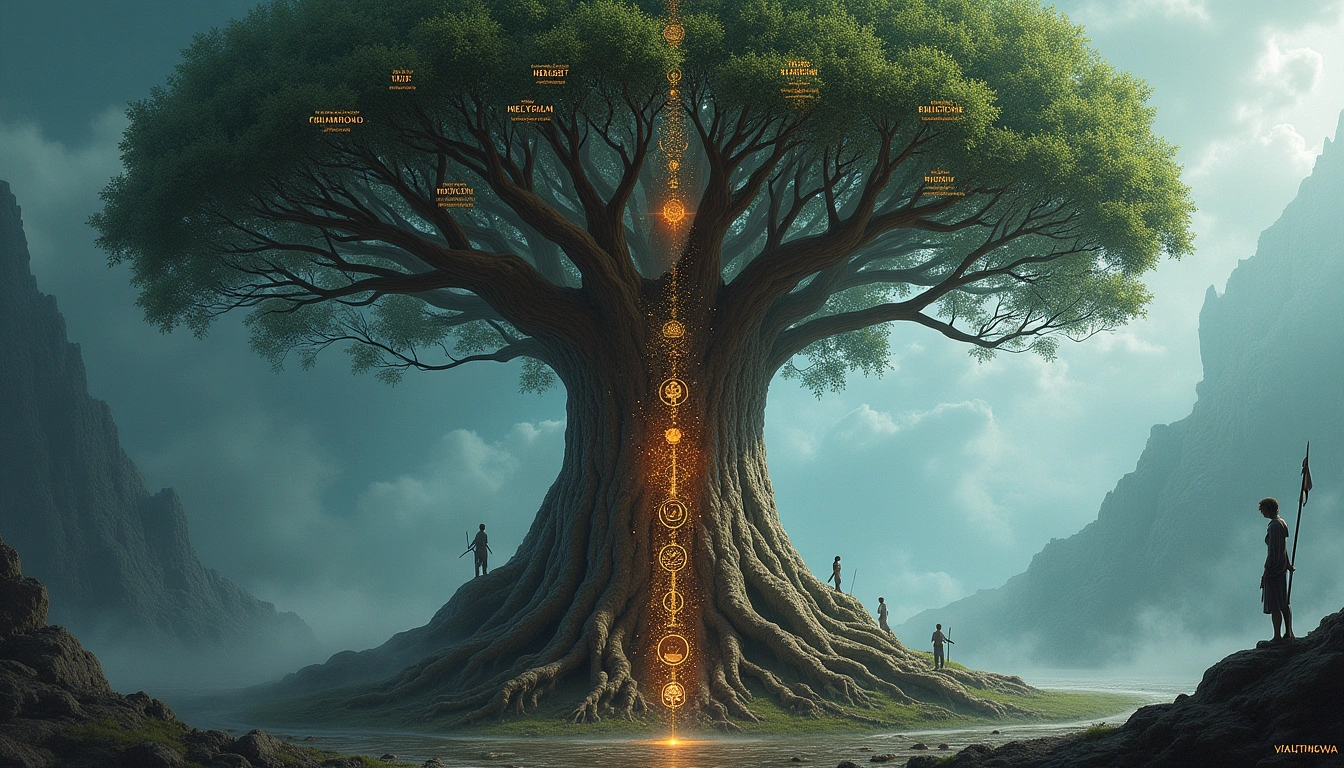
The Norse cosmos operates on a vertical axis centered around Yggdrasil, the World Tree. Nine realms exist within this structure, each serving specific functions in the cosmic order.
What are the 9 realms in Norse mythology? They include Asgard (home of the Aesir gods), Midgard (humans), Jotunheim (giants), Alfheim (light elves), Svartalfheim (dark elves/dwarves), Vanaheim (Vanir gods), Helheim (the dead), Muspelheim (fire), and Niflheim (ice).
This isn't just cosmic geography — it's a social map. Each realm has its own inhabitants with distinct roles in maintaining (or threatening) cosmic balance. The World Tree connects everything, but also makes everything interdependent.
Greek cosmology is more stratified. Mount Olympus sits above the mortal world, with various locations (the underworld, distant lands of monsters) existing on the periphery. It's a more hierarchical arrangement that mirrors Greek social structures.
The Role of Giants and Titans
Both mythologies feature older, primordial beings who predate the current generation of gods, but their relationships with divine authority differ significantly.
Norse giants (jötnar) aren't inherently evil — they're necessary opponents in an ongoing cosmic drama. Giants and gods intermarry, form alliances, and maintain complex relationships. Even Odin's mother was a giantess. The tension between order (gods) and chaos (giants) drives the universe forward.
Greek Titans, by contrast, represent a defeated past. After the Titanomachy (war between Titans and Olympians), most Titans are imprisoned in Tartarus. They're not ongoing participants in cosmic affairs — they're fallen predecessors whose time has passed.
This reflects different cultural attitudes toward change and tradition. Norse society valued ongoing negotiation between opposing forces. Greek culture, especially in its classical period, preferred clear victories and established hierarchies.
Fate and Prophecy: Ragnarök vs Eternal Order
Perhaps the most striking difference between these mythologies lies in their treatment of endings. Ragnarök isn't just mentioned in Norse mythology — it's the driving force behind everything. The gods know their fate, know they'll lose, and fight anyway.
This concept of predetermined doom creates a mythology obsessed with honor, courage, and making the right choices even when victory is impossible. It's a warrior culture's ultimate expression of values.
Greek mythology, while containing prophecies and fate (the Moirai), generally works toward stability. Zeus's reign represents the achievement of cosmic order. Prophecies might threaten individual heroes or cities, but the fundamental cosmic structure remains secure.
✅ Norse Mythology Pros
❌ Norse Mythology Cons
- Fatalistic elements can feel discouraging
- Complex relationships require significant background
- Limited written sources create gaps in stories
- Violent imagery may not appeal to all readers
Creation Materials: Body vs Elements
The Norse creation process is remarkably physical and visceral. When Odin and his brothers slay Ymir, they're not performing abstract magic — they're butchering a giant and repurposing the materials.
Ymir's Body Becomes:
- Blood → oceans and rivers
- Flesh → soil and earth
- Bones → mountains
- Teeth → stones and rocks
- Hair → trees and vegetation
- Skull → the sky dome
- Brain → clouds
- Eyebrows → walls protecting Midgard
Greek creation tends toward more abstract processes. Gaia gives birth to Uranus (sky), who then fertilizes her to create mountains, seas, and the Titans. It's generative rather than destructive, organic rather than mechanical.
This difference reveals distinct cultural relationships with the natural world. Norse mythology sees creation as transformation of existing materials through skilled craft — very much a smithing culture's worldview. Greek mythology emphasizes natural generation and birth processes.
Did Norse mythology influence Greek mythology?
Direct influence between Norse and Greek mythologies is unlikely due to geographical and temporal separation during their formative periods. However, both drew from shared Indo-European mythological traditions, which explains certain parallel elements.
Common Indo-European themes include:
- Sky gods wielding thunder weapons (Zeus's thunderbolt, Thor's hammer)
- World trees or cosmic axes
- Generational conflicts between older and younger divine beings
- Flood narratives and world renewal
What's more likely is that both mythological systems represent different cultural adaptations of ancient shared stories. The Norse emphasized themes relevant to their environment and social structure, while Greeks developed elements that reflected their own cultural priorities.
D'Aulaires Book of Greek Myths
Beautiful illustrated introduction to Greek creation stories for all ages
Divine Relationships and Family Dynamics
Norse gods function more like an extended family or clan — they argue, make mistakes, and face consequences for their actions. Odin regularly disguises himself to gather intelligence, Loki's pranks create ongoing problems, and Thor's straightforward approach doesn't always work.
These gods are powerful, but not omnipotent. They age (thanks to Idunn's apples), they can be tricked, and they're vulnerable to forces beyond their control. It's a mythology that acknowledges the limitations of power.
Greek Olympians, particularly in their classical representations, tend toward more idealized perfection. While they have flaws and engage in conflicts, they represent aspirational qualities — wisdom (Athena), beauty (Aphrodite), artistry (Apollo).
Who created the world in Greek mythology? No single creator exists — instead, creation emerges through generational succession. Chaos births the primordial forces, Gaia and Uranus create the Titans, and the Olympians represent the current cosmic order under Zeus's leadership.
Frequently Asked Questions
Q: What happens to humans in Norse vs Greek creation stories?
A: Norse humans (Ask and Embla) are created by Odin, Vili, and Vé from ash and elm trees, given breath, intelligence, and physical form by the three gods. Greek humans have multiple creation accounts — sometimes formed from clay by Prometheus, other times arising from different ages (Golden, Silver, Bronze, Iron). Norse humans are destined to fight alongside gods at Ragnarök, while Greek humans exist in a more hierarchical relationship with immortal deities.
Q: Are there flood myths in both traditions?
A: Yes, but they serve different purposes. The Greek flood (Deucalion's flood) punishes human wickedness and allows for a fresh start with better humans. Norse mythology incorporates flooding as part of Ragnarök — Jormungandr's emergence from the sea causes massive floods, but this destruction is part of the cosmic cycle leading to renewal.
Q: How do these creation myths view women and feminine power?
A: Both mythologies include powerful feminine figures, but with different emphases. Norse mythology features the Norns (fate goddesses), Frigg (Odin's wise wife), and numerous strong goddesses who actively participate in cosmic affairs. Greek mythology includes powerful goddesses like Gaia (Earth mother) and Athena, but often emphasizes male authority through Zeus's supreme rule.
Q: What role do serpents play in each mythology?
A: Serpents represent cosmic forces in both traditions. Jormungandr, the World Serpent, encircles Midgard and will fight Thor at Ragnarök — representing the cyclical nature of destruction and renewal. Python, the serpent killed by Apollo, represents chaotic forces that must be overcome to establish divine order, reflecting the Greek emphasis on civilization triumphing over primordial chaos.
Q: How do these myths explain natural phenomena?
A: Norse mythology integrates natural phenomena into ongoing cosmic drama — thunder comes from Thor's journeys, earthquakes from Loki's punishment, seasons from the eternal struggle between different realms. Greek mythology tends to assign specific deities to natural forces (Helios for the sun, Poseidon for earthquakes) with more stable, hierarchical control over their domains.
Modern Relevance and Cultural Impact
These ancient creation stories continue influencing contemporary culture in different ways. Norse mythology's cyclical worldview resonates with modern environmental concerns and sustainability thinking. The idea that current systems must end to be renewed speaks to climate change discussions and social transformation movements.
Greek mythology's emphasis on order emerging from chaos appeals to those seeking rational frameworks for understanding complex systems. Its hierarchical divine structure has influenced Western concepts of authority and governance for millennia.
Both mythologies offer valuable perspectives on humanity's relationship with power, nature, and destiny. Norse stories encourage accepting uncertainty while maintaining honor and courage. Greek stories promote using reason and virtue to create stable, just societies.
For modern readers, these creation myths aren't just ancient curiosities — they're different approaches to fundamental questions about existence, purpose, and how to live meaningfully in an uncertain world.
Whether you're drawn to the Norse emphasis on courage in the face of inevitable doom or the Greek focus on achieving lasting order through wisdom and justice, both mythological systems offer rich material for understanding how humans have always grappled with life's biggest questions. The key difference isn't which mythology is “better” — it's recognizing how each reflects the values and experiences of the cultures that created them.
As we face our own uncertain future in 2025, these ancient stories remind us that humans have always found ways to create meaning, purpose, and hope, regardless of whether they believed in eternal order or inevitable cycles of destruction and renewal.