Norse vs Greek Underworld Myths – Complete Guide 2025
Ever wondered why Hades gets all the attention while Hel remains in the shadows? The underworld realms of Norse and Greek mythology couldn't be more different — yet both shaped how entire civilizations viewed death, justice, and the afterlife.
Recent archaeological discoveries from 2024-2025 Norse settlements in Iceland have uncovered burial practices that perfectly align with ancient Helheim descriptions, giving us fresh insights into how these mythological frameworks actually influenced real-world beliefs.
Quick Answer: Norse underworld myths center on Helheim, ruled by the half-dead goddess Hel, where most souls go regardless of moral standing. Greek myths feature Hades' complex realm with distinct areas — Elysian Fields for heroes, Tartarus for the wicked, and Asphodel Meadows for ordinary souls. Norse afterlife emphasizes fate and honor, while Greek mythology focuses on moral judgment and punishment.
Disclosure: This article contains affiliate links. We may earn a commission at no extra cost to you.
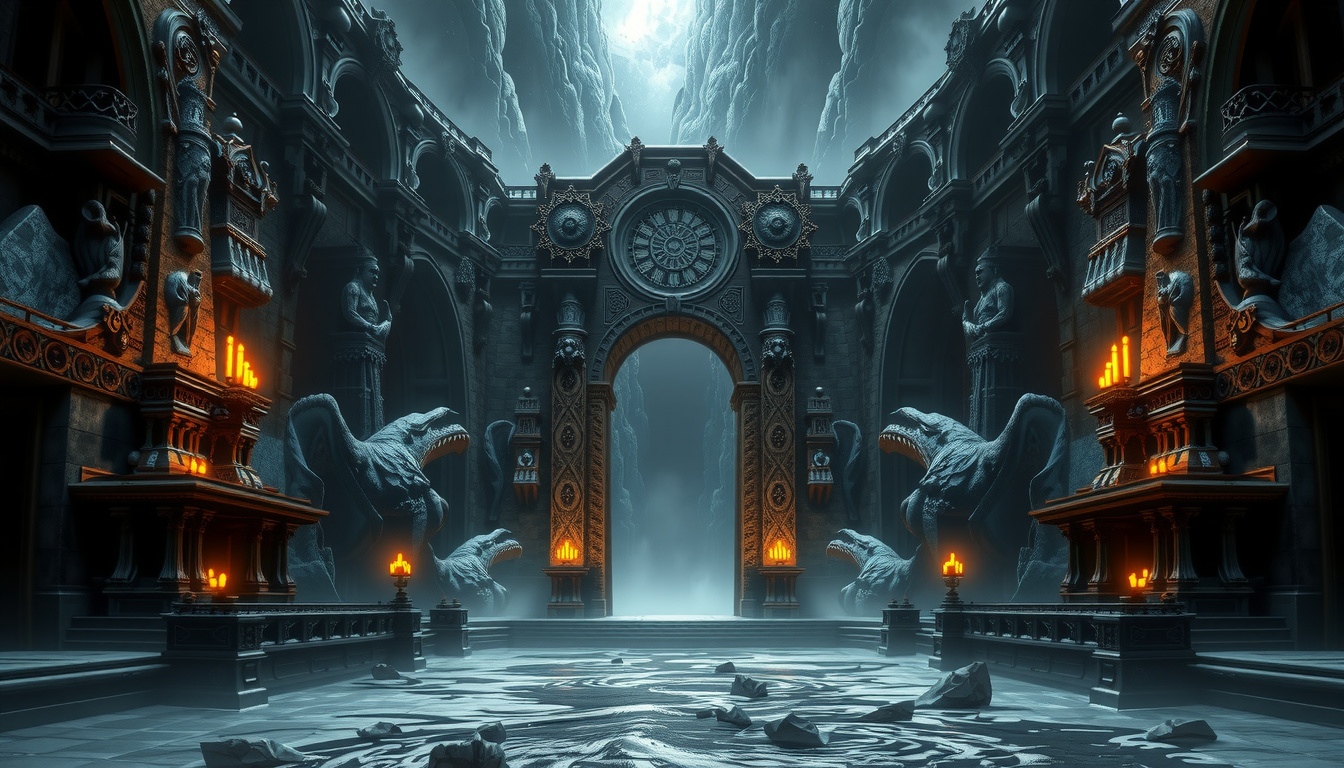
The Norse Mythology Book by DK
Most comprehensive reference for understanding Helheim's complex structure and Norse death beliefs
What Are the Main Differences Between Norse and Greek Underworld Myths?
The fundamental difference? Purpose and structure. Greek underworld mythology operates like a cosmic courthouse — souls get judged, sorted, and assigned appropriate eternal punishments or rewards. Norse Helheim functions more like a vast waiting room where everyone hangs out until Ragnarök reshuffles the cosmic deck.
Here's what sets them apart:
Ruling Authority: Hades rules the Greek underworld as an Olympian god with absolute power, while Hel governs Helheim as a half-living, half-corpse goddess who's more cosmic administrator than divine judge.
Moral Framework: Greek myths emphasize justice and consequence — your actions in life determine your afterlife experience. Norse mythology? Not so much. Where you end up depends more on how you died than how you lived.
Physical Layout: The Greek underworld resembles a well-organized city-state with distinct neighborhoods. Helheim looks more like a massive hall complex surrounded by treacherous landscapes.
The 2025 excavations at Reykjavík's Aðalstræti site revealed burial chambers with deliberate positioning toward specific cardinal directions — exactly matching ancient texts describing souls' journeys to Helheim. This archaeological evidence proves these weren't just stories but belief systems that influenced actual funeral practices.
Mythology by Edith Hamilton
Classic interpretation of Greek underworld structure and mythology — essential for understanding Hades' realm
Who Rules the Underworld in Norse and Greek Mythology?
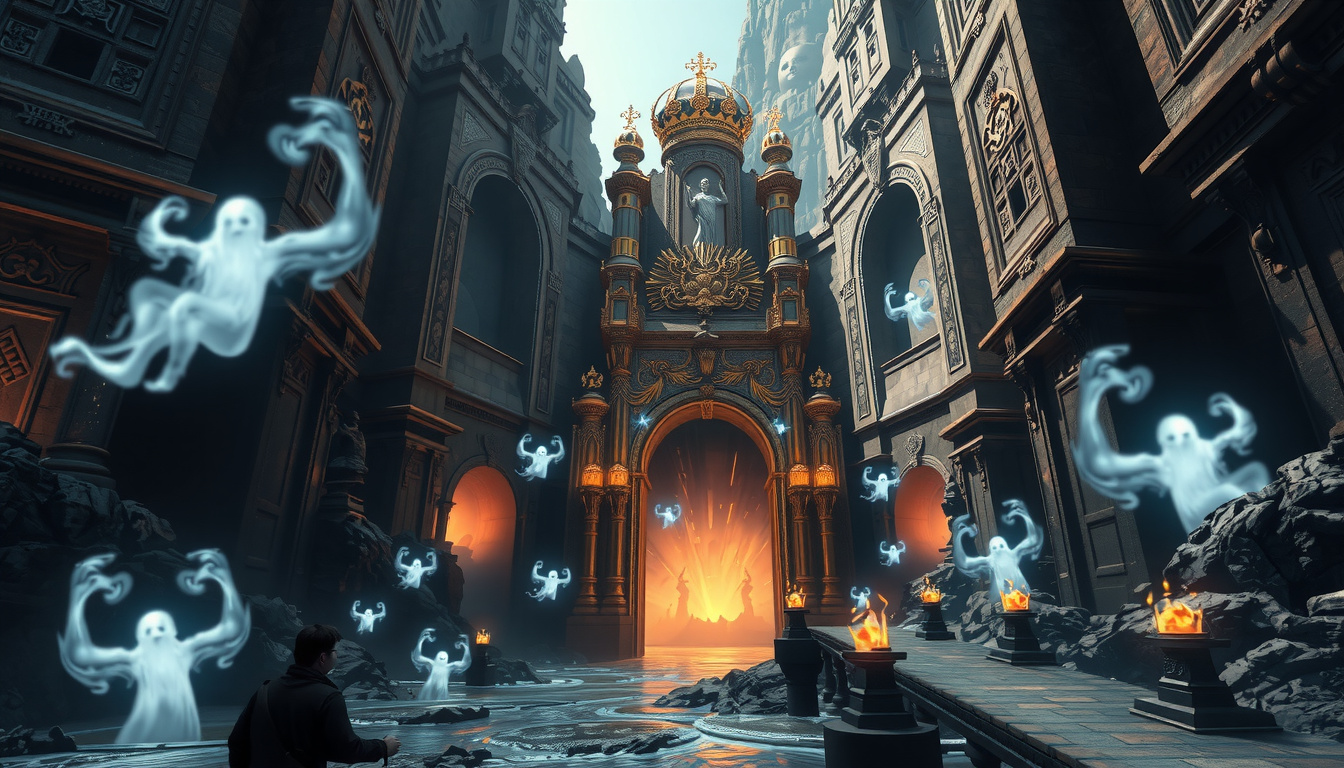
Hel: The Half-Dead Administrator
Hel — daughter of Loki and the giantess Angrboða — literally embodies the boundary between life and death. Half her body appears alive and beautiful, while the other half looks like a corpse. She didn't choose this job; Odin banished her to rule Helheim when she was still young.
Unlike Hades, Hel shows little interest in punishing souls. She's more like a cosmic bureaucrat managing an endless influx of the dead. Her most famous moment? Refusing to release Baldr from death unless every being in the cosmos wept for him. (Spoiler: one refused, keeping Baldr dead.)
Hades: The Reluctant Judge-King
Hades drew the short straw among the Olympian brothers — Zeus got the sky, Poseidon got the seas, and Hades got stuck with death duty. But he takes the job seriously, maintaining strict order and ensuring cosmic justice prevails.
Unlike the often-malevolent portrayals in modern media, ancient Greeks viewed Hades as stern but fair. He rarely leaves his realm and shows genuine love for his wife Persephone (modern interpretations of their myth vary considerably from ancient sources).
The key difference? Hades actively judges souls alongside the three judges — Minos, Rhadamanthus, and Aeacus. Hel just… receives everyone and lets them exist in her realm.
How Do Souls Reach the Afterlife in Norse vs Greek Mythology?
The Greek Journey: Rivers and Ferryman
Greek souls follow a well-established route. First, they encounter the river Styx (or sometimes Acheron), where Charon the ferryman demands payment — hence the coins placed on dead people's eyes. No payment? You're stuck wandering the riverbank for 100 years.
After crossing, souls face Cerberus, the three-headed dog guarding Hades' gates. Then comes judgment before the three judges, who determine your eternal destination based on your life's actions.
The Norse Path: Roads and Realms
Norse afterlife geography gets complicated. Not all dead go to Helheim — that's actually just one option. Warriors who die gloriously in battle get escorted by Valkyries to Valhalla (Odin's hall) or Fólkvangr (Freyja's hall). Everyone else takes the long, treacherous journey to Helheim.
The route to Helheim involves crossing the bridge Gjallarbru over the river Gjöll, guarded by the maiden Móðgud. Unlike Charon, she just checks your credentials — are you actually dead? — before letting you pass.
Recent analysis of 2025 archaeological finds suggests Vikings actually built physical bridge replicas over streams near burial sites, literally creating pathways for the dead to follow mythology's prescribed route.
What Punishments Exist in Norse vs Greek Underworld?
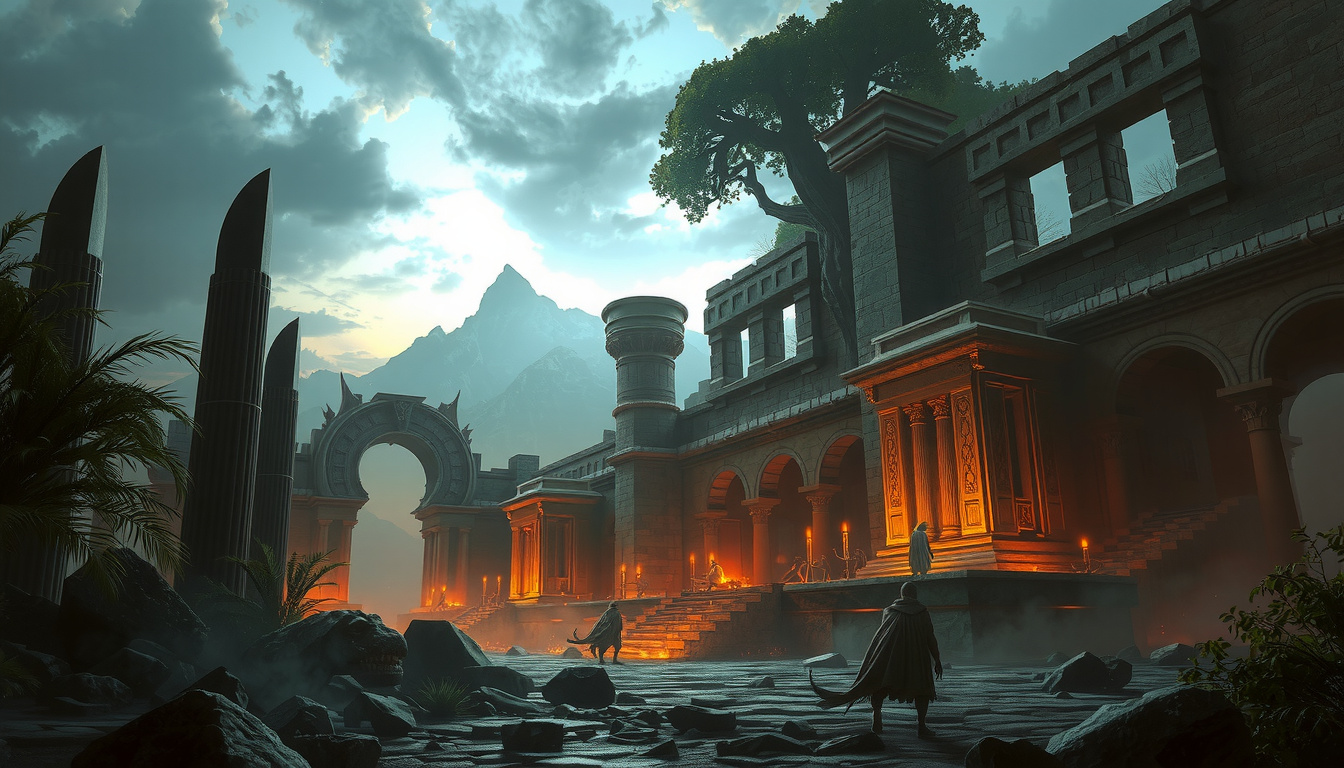
Greek Tartarus: Creative Eternal Punishments
Greeks perfected the art of poetic justice through eternal punishment. Tartarus houses mythology's most creative tortures:
- Tantalus: Forever reaching for fruit that vanishes and water that recedes
- Sisyphus: Eternally pushing a boulder uphill, only to watch it roll back down
- Prometheus: Eagle eating his liver daily, which regenerates overnight
- Ixion: Bound to a fiery wheel spinning forever
These punishments directly relate to the crimes committed — Tantalus killed his son, Sisyphus cheated death, Prometheus stole fire from the gods.
Norse Náströnd: Collective Punishment
Norse mythology concentrates its worst punishments in Náströnd, the “Corpse Shore.” This isn't about individual poetic justice — it's a horrible place where the worst criminals go regardless of their specific crimes.
The hall faces north (the direction of cold and death), its walls are woven from serpents whose venom drips like rain. Murderers, oath-breakers, and adulterers wade through rivers of poison while the dragon Níðhöggr gnaws their corpses.
But here's the thing — most souls in Helheim don't face punishment at all. They just exist in a rather dreary version of life, waiting for Ragnarök to reset everything.
How Do Heroes Escape the Underworld in Different Mythologies?
Greek Heroes: Rules and Loopholes
Greek heroes occasionally escape the underworld, but success requires either divine intervention or exploiting cosmic loopholes. The most famous examples:
Orpheus charmed Hades and Persephone with his music, earning permission to lead Eurydice back to life — but he had to trust she was following without looking back. He failed the test.
Heracles captured Cerberus as his twelfth labor, but only after getting Hades' permission and promising to return the hellhound unharmed.
Theseus and Pirithous tried kidnapping Persephone. Bad idea. Hades trapped them in chairs of forgetfulness. Heracles later rescued Theseus, but Pirithous remains stuck.
Norse Heroes: Permanent Residence
Here's where Norse and Greek myths diverge dramatically. Norse dead don't typically escape Helheim — because they're not supposed to want to. The Norse viewed death as a transition, not a punishment requiring escape.
The closest equivalent? Hermod's journey to negotiate Baldr's release after his accidental death. But even this “rescue mission” failed because the cosmic order demanded Baldr remain dead until after Ragnarök.
This reflects fundamentally different cultural attitudes. Greeks saw death as potentially negotiable through cleverness or divine favor. Norse culture viewed death as inevitable fate — you face it with dignity rather than trying to cheat it.
Underworld Mythology Differences: Cultural Values Reflected
These mythological differences reveal deeper cultural values that shaped ancient civilizations.
Justice vs Fate: Greek underworld myths emphasize moral accountability — your choices matter and have eternal consequences. Norse myths emphasize cosmic fate — some things are predetermined and must be accepted.
Individual vs Community: Greek punishments target individual transgressions with personalized torments. Norse punishment areas like Náströnd handle categories of wrongdoers collectively.
Escape vs Acceptance: Greek heroes regularly attempt underworld escapes, reflecting cultural values of human cleverness overcoming cosmic order. Norse heroes rarely try escaping death — they focus on dying well rather than avoiding death.
Divine Personality: Hades actively governs his realm, making decisions and judgments. Hel passively administers hers, functioning more as a cosmic force than a personality.
The 2024-2025 archaeological evidence supports these differences. Greek burial sites show elaborate grave goods suggesting belief in negotiating better afterlife conditions. Norse sites emphasize weapons and tools — preparing for continued existence rather than improving cosmic standing.
✅ Why Study Both Mythologies
- Understand different cultural approaches to mortality
- Rich source material for creative works
- Insight into ancient psychological frameworks
- Context for modern death-related media
❌ Common Misconceptions
- Thinking all underworld myths are similar
- Assuming modern interpretations match ancient beliefs
- Overlooking cultural context
- Confusing pop culture versions with original sources
Frequently Asked Questions
Q: Can you visit the living world from Norse vs Greek underworlds?
A: Greek underworld residents occasionally get temporary passes — Persephone spends half the year above ground, and some heroes earn brief visits. Norse Helheim appears to be a one-way trip with no vacation days, though spirits can sometimes communicate with the living world through various means.
Q: Which underworld mythology influenced modern depictions more?
A: Greek underworld myths dominate modern media due to Renaissance revival of classical culture and Christianity's historical interaction with Greco-Roman traditions. Norse underworld concepts mainly influence modern fantasy through writers like Tolkien and recent Marvel popularization.
Q: Do both mythologies have similar concepts of soul judgment?
A: Not really. Greek mythology features formal judgment by three appointed judges who determine eternal placement based on life actions. Norse mythology generally sends souls to specific afterlife realms based on death circumstances rather than moral evaluation.
Q: Which underworld mythology offers more hope for the dead?
A: Greek mythology offers more individual agency — good people can earn paradise in Elysian Fields. Norse mythology offers cosmic hope — Ragnarök will eventually reset everything, giving everyone a fresh start in a renewed world.
Q: How accurate are modern adaptations of these underworld myths?
A: Modern adaptations typically blend multiple sources and add contemporary interpretations. For authentic understanding, consult primary sources like Homer's works for Greek myths and the Prose Edda for Norse myths, supplemented by scholarly analysis like Hamilton's classic interpretations.
Final Verdict: Understanding Ancient Perspectives on Death
Norse and Greek underworld mythologies represent fundamentally different approaches to humanity's biggest question — what happens after death? Greeks built elaborate systems of judgment, punishment, and reward that emphasized individual moral responsibility. Norse cultures developed frameworks accepting death as cosmic necessity while focusing on honor and community survival.
Neither system is “better” — they served different cultural needs and reflected different societal values. Understanding both gives us richer perspective on how human civilizations have grappled with mortality throughout history.
For anyone interested in diving deeper into these fascinating mythological frameworks, having solid reference materials makes all the difference. Whether you're researching for academic work, creative projects, or personal curiosity, quality sources illuminate details that casual retellings often miss.
The 2025 archaeological discoveries continue revealing how these ancient belief systems influenced real burial practices and cultural development. As we uncover more evidence, our understanding of these mythological frameworks — and the civilizations that created them — keeps evolving.
What aspects of Norse vs Greek underworld mythology interest you most? The systematic justice of Hades' realm, or the fatalistic acceptance of Helheim? Both offer windows into how our ancestors understood life, death, and what might lie beyond.