- What Makes a Mythical Creature?
- Dragons and Serpents (1-15)
- Hybrid Creatures (16-35)
- Undead and Spirits (36-50)
- Giants and Titans (51-60)
- Fairy Folk and Nature Spirits (61-75)
- Sea Creatures (76-85)
- Mythical Birds (86-95)
- Tricksters and Shape-Shifters (96-100)
- Why These Creatures Endure
- Explore More Mythology
- Related Posts
- Related Posts
- Related Reading
- Related Posts
Explore the ultimate list of 100 mythical creatures from cultures around the world. From fearsome dragons and cunning tricksters to benevolent spirits and terrifying monsters, this comprehensive guide covers the most fascinating legendary beings ever imagined.
What Makes a Mythical Creature?
Mythical creatures are supernatural beings that appear in the folklore, legends, and mythology of cultures worldwide. These legendary entities often embody human fears, desires, and moral lessons, serving as powerful symbols that have captivated imaginations for thousands of years.
Dragons and Serpents (1-15)
- Dragon (European) – Fire-breathing reptilian creatures that guard treasure and terrorize kingdoms
- Chinese Dragon (Long) – Benevolent serpentine creatures symbolizing power and good fortune
- Imugi – Korean serpent dragons that must survive 1,000 years to become true dragons
- Wyvern – Two-legged dragons with venomous tails from medieval European heraldry
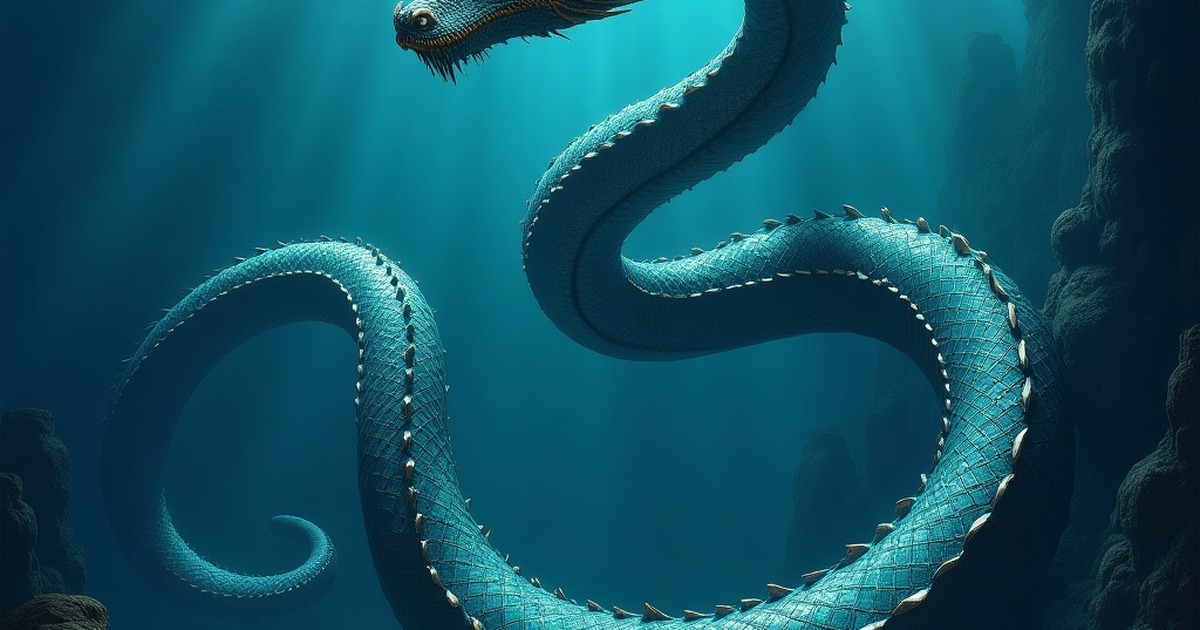
- Hydra – Multi-headed Greek serpent that grows two heads when one is severed
- Basilisk – King of serpents whose gaze can kill
- Jormungandr – The World Serpent from Norse mythology that encircles Midgard
- Quetzalcoatl – The feathered serpent god of Aztec mythology
- Naga – Divine serpent beings from Hindu and Buddhist traditions
- Lindworm – Wingless Scandinavian dragons with serpentine bodies
- Amphisbaena – Two-headed serpent from Greek and Roman mythology
- Cockatrice – Half-rooster, half-serpent with deadly powers
- Tatzelwurm – Cat-headed serpent from Alpine folklore
- Zilant – Winged serpent symbol of Kazan, Russia
- Orochi – Eight-headed Japanese dragon slain by Susanoo
Hybrid Creatures (16-35)
- Griffin – Eagle head and wings with lion body, guardian of treasures
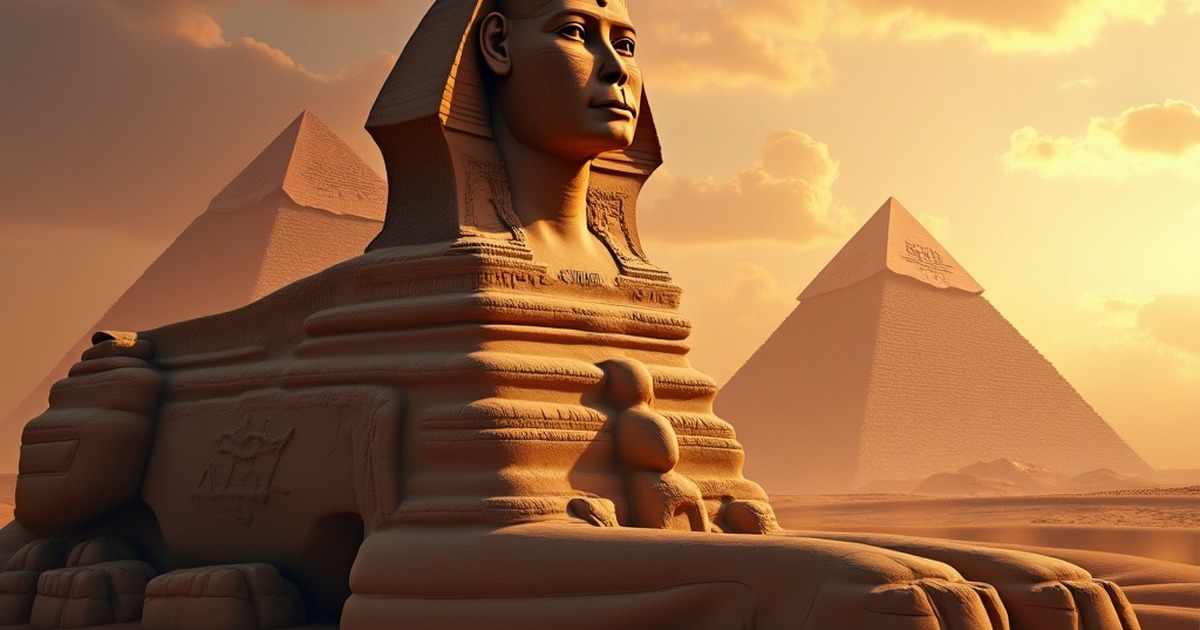
- Sphinx – Human head on lion body, riddler of ancient Egypt and Greece
- Chimera – Fire-breathing monster with lion, goat, and serpent parts
- Centaur – Half-human, half-horse beings of Greek mythology
- Minotaur – Bull-headed man imprisoned in the Labyrinth
- Satyr – Goat-legged nature spirits of Greek mythology
- Harpy – Bird-women who snatch souls and food
- Pegasus – Divine winged horse born from Medusa's blood
- Hippogriff – Eagle and horse hybrid, symbol of impossible love
- Manticore – Lion with human face and scorpion tail
- Peryton – Winged deer with eagle wings casting human shadows
- Tikbalang – Filipino horse-headed creature that confuses travelers
- Kirin/Qilin – Benevolent Chinese chimera that appears to wise rulers
- Ammit – Egyptian devourer with crocodile, lion, and hippo parts
- Lamassu – Assyrian protective deities with human heads and winged bull bodies
- Makara – Sea creature from Hindu mythology, vehicle of Varuna
- Echidna – Mother of monsters, half-woman half-serpent
- Bicorn – Two-horned beast that devours faithful husbands
- Yale – Antelope-like creature with rotating horns
- Bonnacon – Bull that defends itself with acidic dung
Undead and Spirits (36-50)
- Vampire – Blood-drinking undead from Eastern European folklore
- Werewolf – Humans who transform into wolves
- Ghost/Spirit – Souls of the deceased that linger on Earth
- Banshee – Irish spirit whose wail foretells death
- Draugr – Undead Vikings who guard their burial mounds
- Lich – Undead sorcerers who preserved themselves through dark magic
- Revenant – Corpses that return from death seeking revenge
- Jiangshi – Chinese hopping vampires that drain life force
- Churel – South Asian vengeful female spirits
- Dybbuk – Possessing spirits from Jewish folklore
- Gashadokuro – Giant Japanese skeletons from war dead
- Strigoi – Romanian troubled souls that become vampires
- Nachzehrer – German vampires that consume their own shrouds
- Penanggalan – Malaysian flying head with trailing entrails
- Pontianak – Indonesian vengeful spirit of women who died in childbirth
Giants and Titans (51-60)
- Cyclops – One-eyed giants from Greek mythology
- Titan – Primordial Greek deities who preceded the Olympians
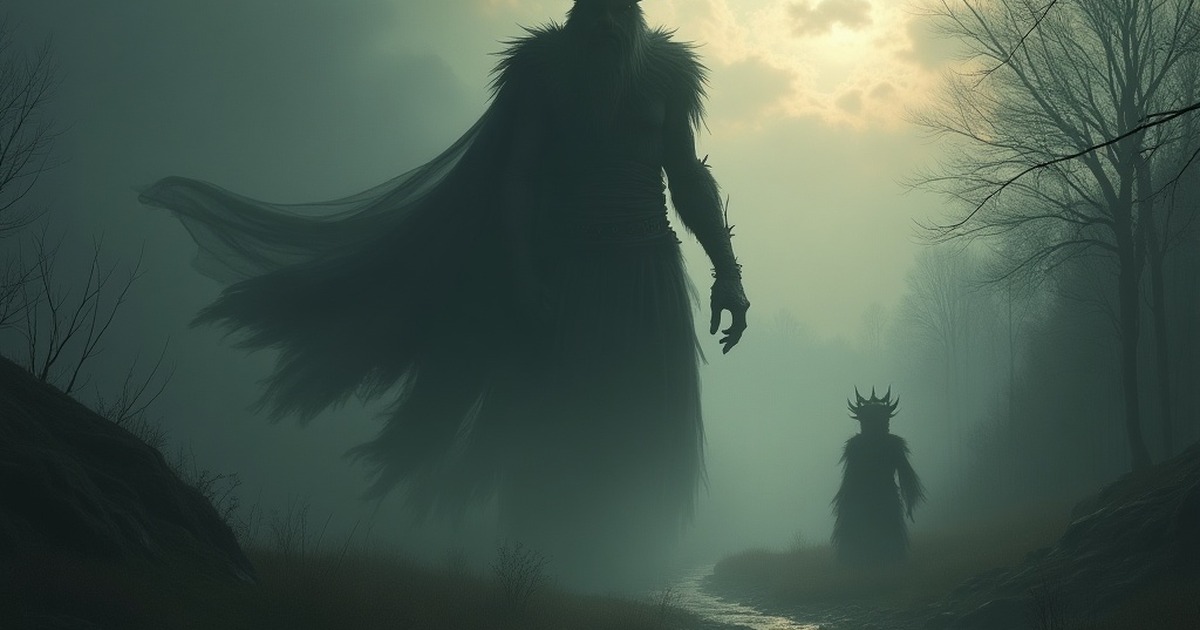
- Jotunn (Frost Giant) – Norse giants representing chaos and nature
- Nephilim – Biblical giants born from angels and humans
- Golem – Clay giant animated through Hebrew mysticism
- Oni – Japanese ogre demons with horns and clubs
- Troll – Scandinavian cave-dwelling giants who turn to stone in sunlight
- Ogre – Giant humanoid monsters that eat human flesh
- Hecatoncheires – Greek hundred-handed giants
- Daitya – Giant demons from Hindu mythology
Fairy Folk and Nature Spirits (61-75)
- Fairy – Magical beings from Celtic and European folklore
- Elf – Immortal beings with magical powers from Germanic mythology
- Dwarf – Master craftsmen who live underground in Norse mythology
- Gnome – Earth elementals and garden protectors
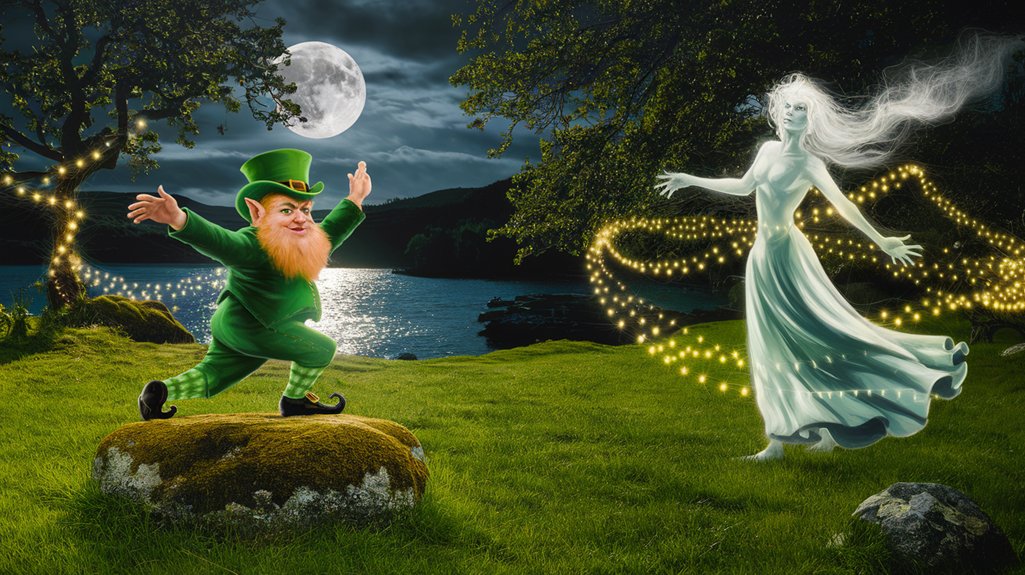
- Leprechaun – Irish fairy shoemakers with hidden gold
- Brownie – Helpful household spirits from Scottish folklore
- Pixie – Mischievous sprites from Cornish tradition
- Nymph – Greek nature spirits tied to specific locations
- Dryad – Tree spirits from Greek mythology
- Sylph – Air elementals from alchemical tradition
- Selkie – Seal people from Scottish and Irish folklore
- Kappa – Japanese river spirits with water-filled head cavities
- Tengu – Japanese mountain spirits, originally bird-like demons
- Leshy – Slavic forest spirit who protects animals
- Domovoi – Russian household protective spirits
Sea Creatures (76-85)
- Mermaid/Merman – Half-human, half-fish beings of ocean folklore
- Kraken – Giant squid or octopus that sinks ships
- Leviathan – Biblical sea monster of enormous size
- Charybdis – Greek sea monster creating deadly whirlpools
- Scylla – Six-headed monster guarding the Strait of Messina
- Sirens – Creatures whose songs lure sailors to death
- Hippocampus – Fish-tailed horses that pull Poseidon's chariot
- Cetus – Greek sea monster sent by Poseidon
- Aspidochelone – Giant turtle or whale mistaken for islands
- Vodyanoy – Slavic water spirit with frog-like features
Mythical Birds (86-95)
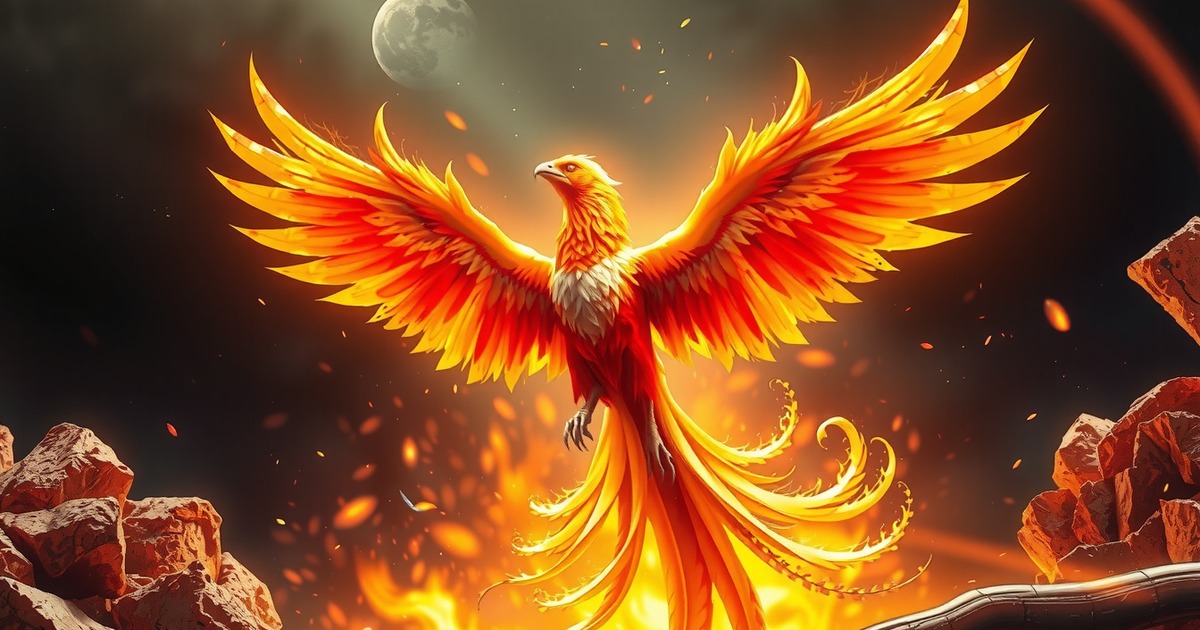
- Phoenix – Firebird that dies and is reborn from ashes
- Thunderbird – Native American spirit bird that creates storms
- Roc – Enormous bird from Arabian mythology
- Simurgh – Persian bird of knowledge that raised Zal
- Garuda – Divine eagle mount of Vishnu in Hindu mythology
- Firebird (Zhar-Ptitsa) – Slavic magical bird with glowing feathers
- Fenghuang – Chinese phoenix symbolizing virtue
- Caladrius – White bird that heals by absorbing sickness
- Stymphalian Birds – Bronze-feathered man-eating birds of Greek myth
- Huma – Persian bird that grants kingship to whoever it shadows
Tricksters and Shape-Shifters (96-100)
- Kitsune – Japanese fox spirits with magical powers
- Tanuki – Japanese raccoon dogs known for shapeshifting
- Skinwalker – Navajo witches who transform into animals
- Puca – Irish shapeshifting trickster spirit
- Doppelganger – Ghostly double of a living person
Why These Creatures Endure
These 100 mythical creatures have survived for centuries because they speak to fundamental human experiences: our fear of the unknown, our awe of nature, and our desire to explain the unexplainable. Whether as warnings, wish-fulfillment, or simply entertainment, these legendary beings continue to captivate us today.
Explore More Mythology
Discover detailed articles about each of these fascinating creatures in our mythology archives. Learn about their origins, cultural significance, and the stories that have kept them alive for generations.