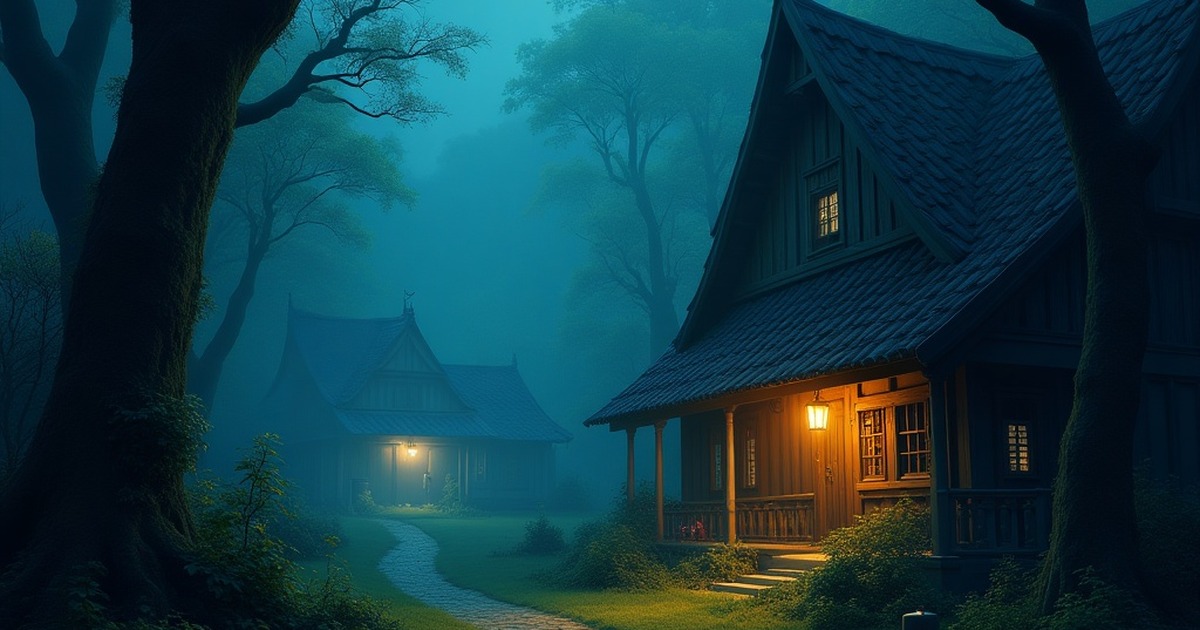
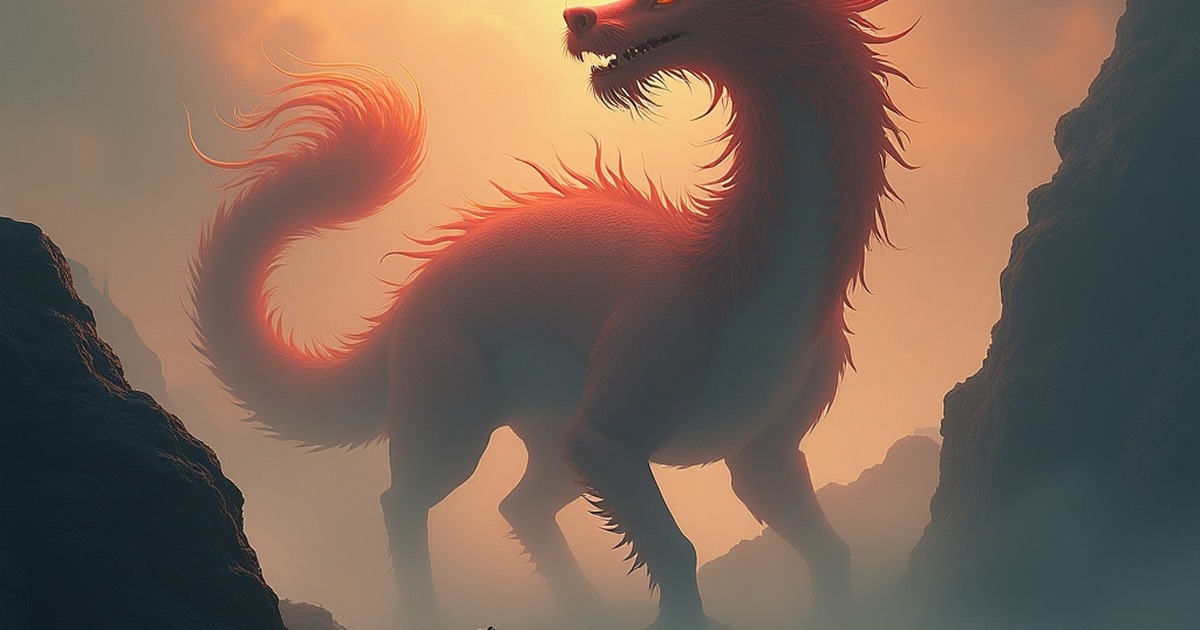
Picture this: you're walking through a misty Japanese mountain path at dusk. The shadows seem to shift. With a life of their own.
The rustling leaves might be wind—or perhaps something far more mysterious. Welcome to the enchanting world of yokai, Japan's supernatural spirits that have captivated imaginations for over a thousand years.
As someone who's spent decades studying mythological traditions across cultures, I've found Japanese yokai to be uniquely fascinating. Unlike Western monsters that typically inspire pure fear, yokai occupy a complex spectrum of human interaction. They're teachers, tricksters, protectors, and punishers all rolled into one diverse supernatural family.
These aren't just dusty folklore tales gathering cobwebs in ancient texts. Yokai remain vibrantly alive in Japanese culture, influencing everything from blockbuster anime to everyday expressions. They've shaped how Japanese people understand nature, morality, and the thin veil between our world and the supernatural realm.
What makes yokai particularly intriguing is how they differ from Western supernatural concepts. While European folklore often presents clear divisions between good and evil spirits, yokai exist in moral gray areas. They respond to human behavior, reward respect, punish arrogance, and sometimes act on pure whim.
They're remarkably… human-like in their complexity.
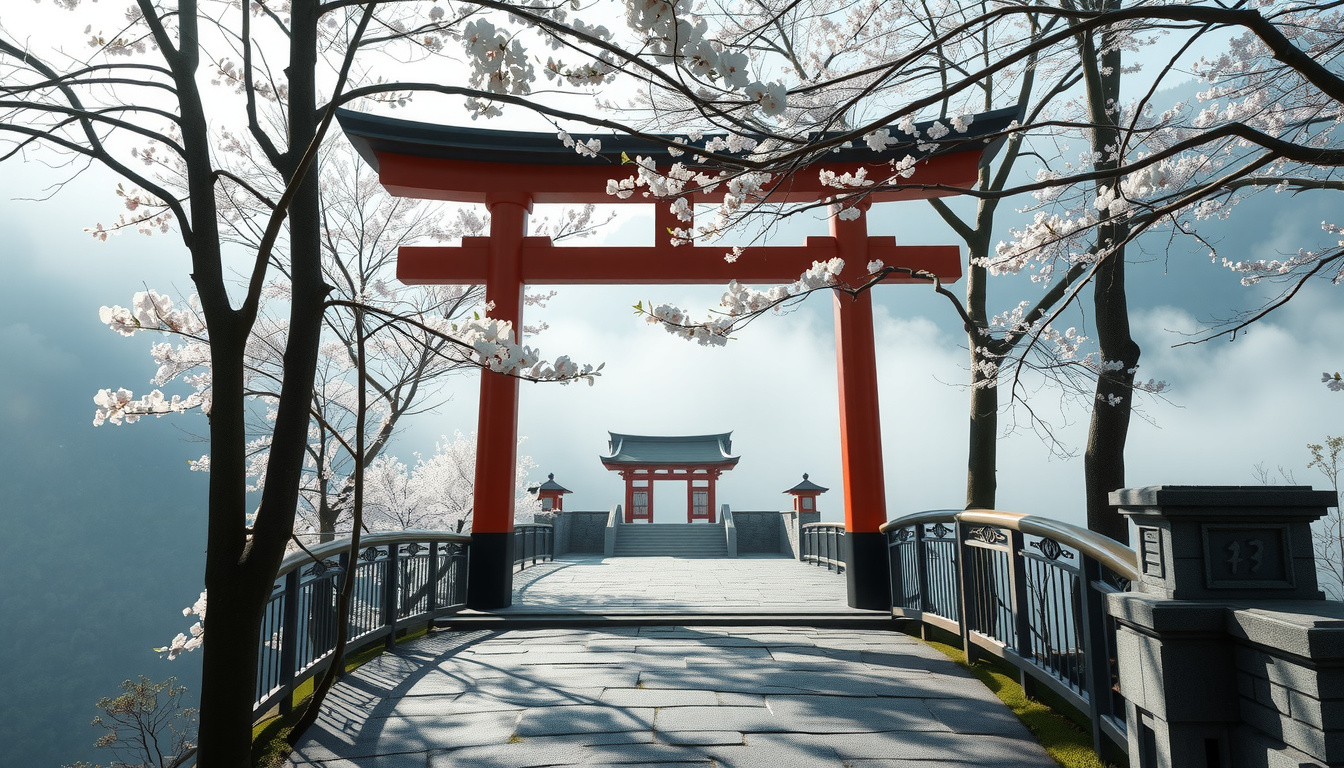
What Are Yokai? Understanding Japanese Supernatural Spirits
Etymology and Historical Origins
The word “yokai” literally translates to “strange” or “mysterious phenomena.” Break it down: “yo” means bewitching or calamitous, while “kai” refers to mystery or apparition.
That's already telling us something important—these aren't necessarily evil entities. Just… otherworldly.
Yokai emerged from Japan's ancient animistic traditions, where every natural object possessed a spirit or soul. When Buddhism arrived in the 6th century, it didn't replace these beliefs but rather merged with them, creating an even richer tapestry of supernatural lore. Shinto's reverence for nature spirits combined beautifully with Buddhist concepts of karma and spiritual transformation.
What's remarkable is how these beliefs evolved organically within communities. Unlike centralized religious mythologies, yokai folklore developed locally, reflecting specific regional concerns, landscapes, and social dynamics.
A fishing village would have different yokai than a mountain community. Each addressing local fears and phenomena.
Categories and Classifications
Here's where it gets fascinating—yokai defy simple categorization, but scholars generally organize them into several broad groups:
Oni represent the closest thing to Western demons. Though even they're more nuanced. These ogre-like beings often punish wrongdoers or test human virtue.
Yurei are ghostly spirits of deceased humans with unfinished business—similar to Western ghosts but with distinctly Japanese characteristics and motivations.
Tsukumogami are objects that gain spiritual life after existing for 100 years. Your grandmother's tea kettle might become conscious and develop its own personality!
Nature spirits inhabit specific locations—mountains, rivers, trees, rocks. They're the original inhabitants of the landscape, deserving respect from human newcomers.
The diversity is staggering. Some yokai are shape-shifters, others are invisible. Some help humans, others cause mischief, and many simply exist parallel to our world without much interest in human affairs.
Cultural Context and Beliefs
Understanding yokai requires grasping their function in Japanese society. They weren't just scary stories told around campfires (though they certainly served that purpose too).
Yokai explained the unexplainable. Why did crops fail? Yokai. What caused that strange illness? Probably yokai involvement. Why did someone hear voices in the forest? You guessed it.
But here's the crucial part—this wasn't primitive superstition. It was sophisticated psychological and social technology. Yokai stories taught proper behavior, respect for nature, and community values. They provided frameworks for understanding misfortune and coping with uncertainty.
Regional variations reveal local priorities and concerns. Coastal areas developed rich traditions of water-dwelling yokai, while mountain regions focused on forest spirits and tengu. Each community's yokai reflected their unique relationship with their environment.
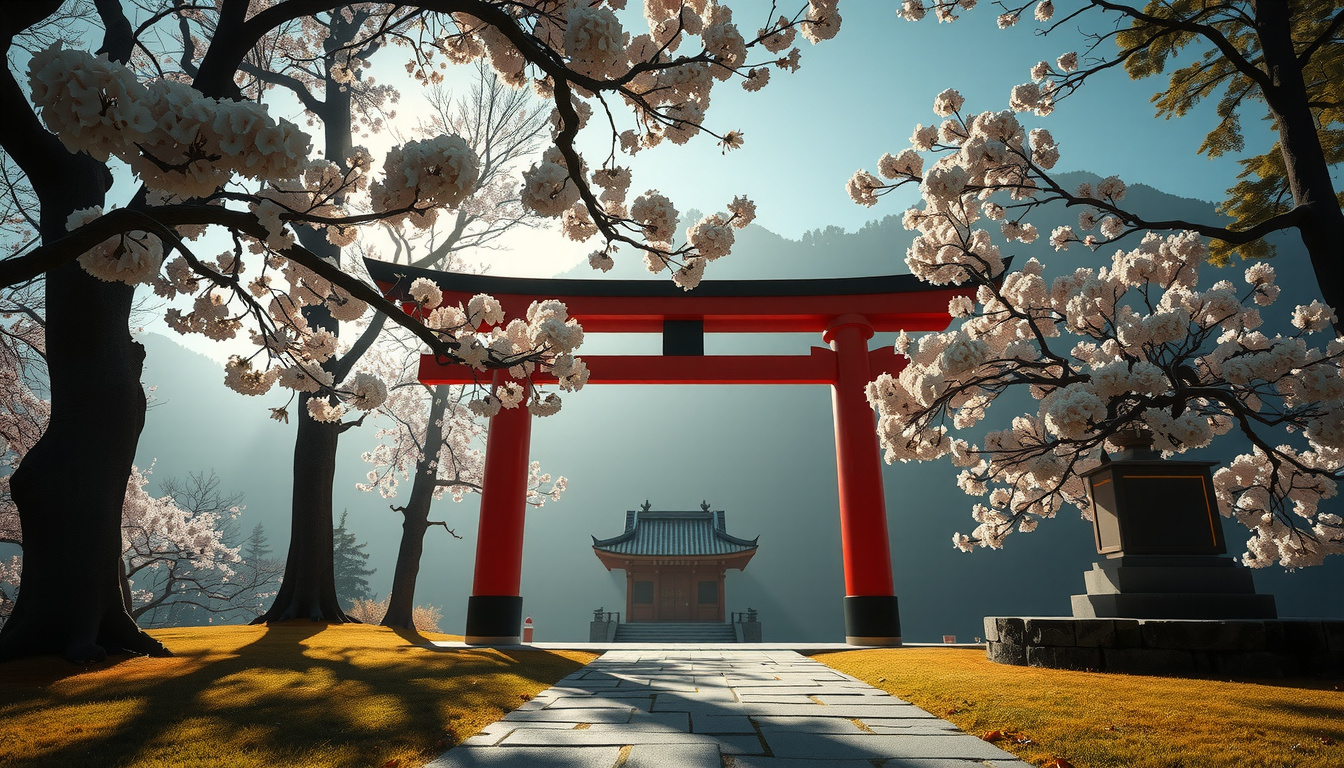
Famous Japanese Yokai: The Most Iconic Supernatural Beings
Oni: The Demonic Forces
When most people think “Japanese demon,” they're picturing oni. These massive, horned creatures with wild hair and fierce expressions have become Japan's most recognizable supernatural export.
But calling them simply “demons” misses their complexity.
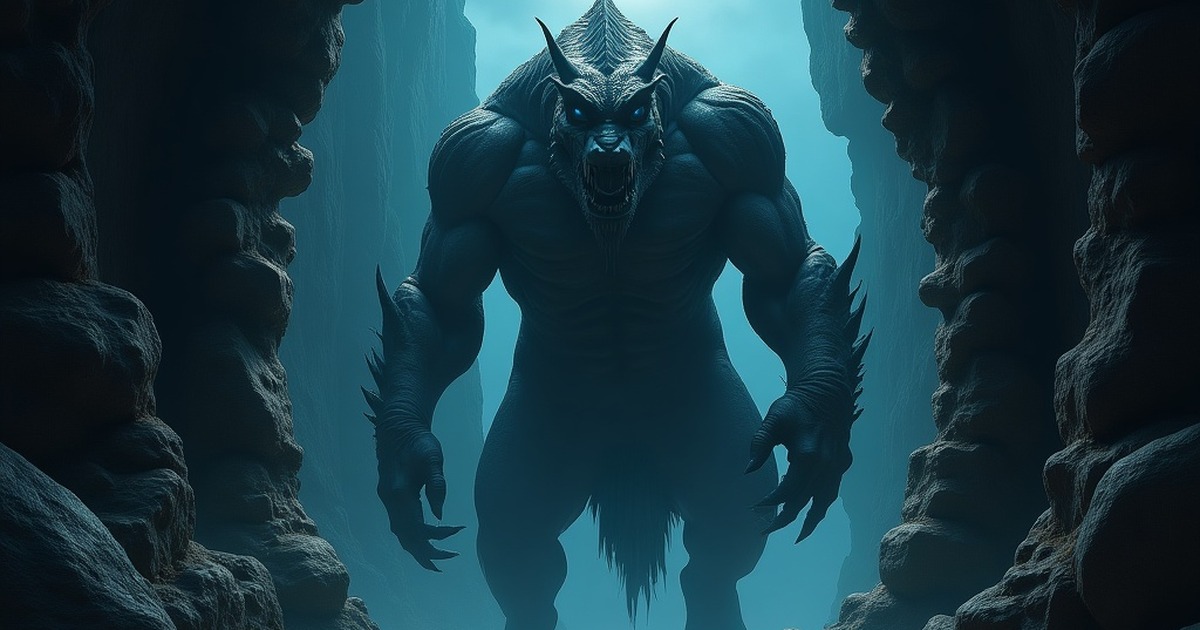
Oni typically appear as hulking humanoids with red or blue skin, wild hair, prominent horns, and fearsome tusks. They carry massive clubs called kanabo and possess supernatural strength. Sounds terrifying, right?
Well, yes and no.
Many oni stories feature them as agents of cosmic justice, punishing those who've committed serious moral transgressions. The famous tale of Momotaro (Peach Boy) depicts oni as villains, but other stories present them as misunderstood beings or even reformed characters who become protectors.
I've always found oni fascinating because they embody humanity's shadow side—our capacity for violence, anger, and destruction. But also our potential for redemption and transformation. They're not irredeemably evil; they're complex beings capable of change.
Kitsune: The Fox Spirits
Kitsune might be the most sophisticated yokai in terms of mythology and symbolism. These fox spirits possess intelligence that increases with age, developing additional tails as they grow more powerful.
A nine-tailed kitsune represents peak wisdom and supernatural ability.
Shape-shifting is their signature ability, with kitsune often appearing as beautiful women to interact with humans. But here's what's fascinating—their motivations vary wildly. Some kitsune are benevolent messengers of the Shinto deity Inari, bringing prosperity and good fortune. Others are mischievous tricksters who delight in confusing travelers or playing elaborate pranks.
The most complex kitsune stories involve romantic relationships with humans. These tales explore themes of love transcending species barriers, the pain of deception, and the tragedy of impossible relationships. They're surprisingly nuanced examinations of trust, identity, and acceptance.
What makes kitsune particularly compelling is their moral ambiguity. They're neither good nor evil by default—they're individuals with their own motivations, desires, and moral codes.
Tengu: The Mountain Dwellers
Tengu are perhaps the most martial of the major yokai categories. These bird-like or humanoid creatures inhabit mountain regions and possess incredible fighting skills. Originally depicted as bird-men with beaks and wings, tengu evolved into more human-like forms with distinctive red faces and prominent noses.
These aren't just random monsters—tengu are master swordsmen, martial artists, and teachers. Many legends describe famous samurai learning secret techniques from tengu masters. They represent the pinnacle of martial skill combined with supernatural wisdom.
But tengu demand respect. Approaching their mountain domains without proper reverence can result in anything from harmless misdirection to serious punishment.
They're protectors of sacred spaces who don't tolerate human arrogance or environmental destruction.
I've always appreciated how tengu embody the Japanese concept of mentorship and mastery. They're not just powerful—they're skilled teachers who can elevate worthy students to incredible heights.
Kappa: The Water Creatures
Kappa occupy a special place in Japanese folklore as both feared and beloved water spirits. These turtle-like humanoids inhabit rivers, ponds, and marshes, possessing incredible strength when in water but becoming vulnerable if the water-filled depression on their heads is emptied.
What's endearing about kappa is their very human-like personality quirks. They're obsessed with politeness and can be defeated by exploiting their compulsive need to return bows. This creates wonderfully absurd scenarios where humans escape danger through elaborate courtesy exchanges.
Kappa stories often serve as cautionary tales about water safety, particularly for children. But they're not purely malevolent—many kappa become helpful allies after being shown proper respect or kindness.
They're excellent physicians and can teach humans valuable skills.
The kappa's dual nature—dangerous yet polite, powerful yet vulnerable—reflects Japanese cultural values around respect, reciprocity, and the importance of proper behavior even in threatening situations.
Lesser-Known Yokai Spirits Worth Discovering
Household and Everyday Yokai
Beyond the famous names, Japanese folklore teems with yokai that inhabit domestic spaces and everyday objects. Take zashiki-warashi, child-like house spirits that bring good fortune to homes they choose to inhabit.
Families blessed with zashiki-warashi experience prosperity. But if the spirits leave? Misfortune often follows.
These household yokai reveal how Japanese culture viewed the home as a living ecosystem where humans coexisted with supernatural residents. Respecting these invisible housemates was crucial for family wellbeing.
Tsukumogami represent one of folklore's most charming concepts—everyday objects gaining consciousness after a century of existence. Your old umbrella, cooking pot, or sandals might develop personality and agency. Some tsukumogami feel neglected and cause mischief, while others become helpful household companions.
This belief system encouraged people to treat possessions with care and respect, knowing that objects might eventually develop feelings. It's early recycling psychology wrapped in supernatural tradition!
Nature and Seasonal Spirits
Yuki-onna, the snow woman, embodies winter's beauty and danger. Appearing as a pale, ethereal woman in white kimono, she represents the season's dual nature—breathtaking yet potentially deadly.
Some stories depict her as purely malevolent, freezing travelers to death. Others present her as lonely and seeking companionship, with tragic consequences when her true nature is revealed.
Seasonal yokai like yuki-onna helped people psychologically process nature's changing moods. They personified environmental dangers while acknowledging nature's inherent beauty and power.
Bakeneko and nekomata are cat spirits that demonstrate Japanese beliefs about animal intelligence and supernatural potential. These feline yokai can shapeshift, speak human language, and manipulate fire. They often appear in stories about the consequences of mistreating animals or the mysterious behavior of beloved pets.
What strikes me about these cat spirits is how they reflect genuine observations about feline behavior. Cats are mysterious, independent, and seem to possess knowledge beyond their apparent capabilities.
Yokai folklore simply took these observations to their logical supernatural conclusion.
Vengeful and Protective Yokai
Rokurokubi appear completely human during daylight but reveal their supernatural nature at night when their necks stretch to incredible lengths. They represent the hidden duality within seemingly ordinary people—we all contain mysterious depths beneath normal appearances.
Some rokurokubi use their abilities for mischief or to spy on others. Others struggle with their supernatural nature, trying to live normal human lives despite their yokai traits. These stories explore themes of identity, acceptance, and the challenge of living with hidden differences.
Protective yokai guard specific communities, families, or sacred locations. They're not inherently benevolent—their protection extends only to those who show proper respect and maintain traditional relationships with the supernatural realm.
These guardian spirits reveal how Japanese communities viewed themselves as part of larger supernatural ecosystems. Humans weren't separate from or superior to the spirit world—they were participants in complex relationships requiring mutual respect and understanding.
The Cultural Significance of Yokai in Japanese Society
Historical Role in Japanese Communities
Yokai served crucial functions beyond simple entertainment or fear. They were sophisticated tools for community education, psychological processing, and cultural transmission.
When someone behaved badly, suffering “yokai consequences” provided face-saving explanations that avoided direct confrontation while still delivering moral lessons.
Consider how yokai stories addressed social taboos and dangerous behaviors. Children learned water safety through kappa tales, respect for nature through encounters with forest spirits, and proper manners through various supernatural interactions.
These weren't just stories—they were behavioral technology.
Yokai also helped communities process trauma and uncertainty. When disasters struck or unexplained events occurred, yokai provided frameworks for understanding and coping. They transformed chaotic, meaningless suffering into comprehensible supernatural encounters with their own logic and resolution possibilities.
Moral Lessons and Social Functions
The genius of yokai folklore lies in its moral complexity. Unlike simple good-versus-evil narratives, yokai stories present nuanced ethical scenarios where consequences follow naturally from human choices and attitudes.
Respect yields protection or assistance. Arrogance invites punishment. Kindness transforms enemies into allies.
These aren't arbitrary rules—they reflect sophisticated understanding of human psychology and social dynamics.
Yokai stories also provided safe spaces for exploring forbidden topics. Romantic relationships, social criticism, and challenging authority could all be addressed indirectly through supernatural allegories. The stories created psychological distance that allowed for honest examination of difficult subjects.
Religious and Spiritual Connections
Yokai beliefs interweave seamlessly with Shinto animism and Buddhist philosophy. Shinto's reverence for natural spirits provided the foundation, while Buddhism added concepts of karma, transformation, and spiritual evolution.
This synthesis created uniquely Japanese supernatural concepts. Yokai aren't static entities—they evolve, learn, and change based on their interactions with humans and their spiritual development. Some yokai achieve enlightenment and become benevolent protectors, while others remain trapped in cycles of mischief or malevolence.
The religious dimension also emphasizes reciprocity. Humans and yokai exist in ongoing relationships requiring mutual respect and understanding. Shrines and festivals maintain these connections, ensuring continued harmony between human communities and supernatural neighbors.
Yokai in Modern Japanese Culture and Media
Contemporary Literature and Manga
Modern Japanese creators haven't abandoned yokai—they've reimagined them for contemporary audiences. Manga series like “GeGeGe no Kitaro” and “Natsume's Book of Friends” present yokai as complex characters dealing with modern world challenges alongside traditional supernatural concerns.
These contemporary works often explore themes of environmental destruction, urban alienation, and cultural loss through yokai perspectives. Ancient spirits struggling to survive in concrete jungles become metaphors for preserving traditional values in rapidly changing societies.
What's particularly interesting is how modern yokai stories address psychological themes. Yokai become manifestations of mental health struggles, social anxiety, or childhood trauma. Providing frameworks for understanding and healing contemporary problems through traditional wisdom.
Film and Television Adaptations
Studio Ghibli films showcase yokai-inspired creatures that blend traditional folklore with modern environmental and social concerns. “Princess Mononoke” features forest spirits defending their realm against human encroachment, while “Spirited Away” populates a supernatural bathhouse with yokai-like entities.
These films successfully translate yokai concepts for global audiences while maintaining their essential Japanese cultural DNA. They demonstrate how traditional supernatural wisdom remains relevant for addressing contemporary challenges like environmental destruction and loss of cultural identity.
Japanese horror cinema also continues drawing from yokai traditions. Creating modern interpretations that explore technological fears through supernatural frameworks. Traditional yokai concepts adapt remarkably well to contemporary anxiety sources.
Video Games and Digital Media
Video game franchises like “Yo-kai Watch” and “Nioh” introduce international audiences to yokai through interactive experiences. These games often include extensive databases explaining traditional folklore alongside their creative interpretations.
Digital media allows for unprecedented yokai diversity and complexity. Games can include hundreds of different yokai types, each with detailed backstories and unique abilities. This preservation and expansion of traditional knowledge through modern technology ensures yokai culture continues evolving and reaching new generations.
Online communities of yokai enthusiasts share stories, artwork, and research. Creating global networks of people passionate about Japanese supernatural folklore. This international interest helps preserve and celebrate yokai culture while fostering cross-cultural understanding and appreciation.
How to Learn More About Japanese Yokai Spirits
Essential Books and Academic Resources
For serious yokai study, I recommend starting with “The Book of Yokai” by Michael Dylan Foster, which provides excellent academic grounding in yokai studies. Shigeru Mizuki's illustrated guides offer authentic Japanese perspectives with beautiful traditional artwork.
“Pandemonium and Parade” by the same author explores yokai's social and cultural functions in depth. For primary sources, seek out translations of classical Japanese texts like the “Konjaku Monogatarishu” and various regional folklore collections.
Academic databases contain extensive research on specific yokai types and regional variations. University libraries often provide access to scholarly articles examining yokai from anthropological, literary, and religious studies perspectives.
Museums and Cultural Sites
Japan offers numerous museums dedicated to yokai and folklore studies. The Mizuki Shigeru Museum in Tottori Prefecture provides comprehensive yokai education through interactive exhibits and historical displays.
Various regions maintain yokai-themed cultural sites, festivals, and tourist attractions that blend education with entertainment. These locations offer immersive experiences while supporting local communities and preserving traditional knowledge.
Visiting actual locations associated with famous yokai legends—particular mountains, rivers, or temples—provides deeper understanding of how geography and culture intertwine in supernatural folklore.
Online Communities and Digital Resources
Digital archives preserve vast collections of yokai artwork, stories, and academic research. Many Japanese institutions provide online access to historical documents and illustrations.
International yokai communities share translations, discussions, and contemporary interpretations through social media and specialized forums. These communities welcome newcomers and provide supportive environments for learning and exploration.
Language learning resources specifically focused on folklore and supernatural terminology help serious students access original Japanese sources. And participate in native-language discussions about yokai culture.
Understanding Eternal Mysteries
Yokai represent far more than supernatural curiosities—they're windows into Japanese cultural psychology, environmental philosophy, and social wisdom accumulated over centuries. These spirits embody humanity's eternal need to understand our place in a mysterious, complex world where the boundaries between natural and supernatural remain beautifully blurred.
Their enduring popularity reveals universal human experiences: our need for meaning, our fascination with the unknown, and our desire for connection with forces greater than ourselves. Yokai stories remind us that mystery and wonder enrich life in ways that pure rational explanation cannot.
Whether you're drawn to their artistic beauty, cultural significance, or psychological depth, yokai offer endless opportunities for exploration and discovery. They invite us to approach the world with humility, respect, and openness to possibilities beyond our immediate understanding.
So the next time you hear an unexplained sound or glimpse something mysterious in your peripheral vision, consider the yokai perspective.
Maybe the world contains more magic than we typically acknowledge. And maybe that's exactly as it should be.