Have you ever wondered what lurks in the shadows of Japanese folklore? Picture ancient Japan, where every rustling bamboo grove, every creaking wooden beam, every ripple on a moonlit pond held the possibility of supernatural encounter. This wasn't just imagination—it was a deeply held belief that spirits, known as yokai, inhabited every corner of the natural and human world.
This post contains affiliate links. If you purchase through these links, we may earn a commission at no extra cost to you.
As someone who's spent decades studying comparative mythology, I find Japanese yokai absolutely fascinating. They're not just monsters or ghosts in the Western sense. These supernatural beings represent something far more complex: a nuanced understanding of the world where the boundary between natural and supernatural remains beautifully blurred.
From ancient folklore passed down through generations to modern anime and video games, yokai have evolved while maintaining their essential character. They've captured imaginations worldwide, but their true depth often gets lost in translation. Whether you're a mythology enthusiast, anime fan, or simply curious about Japanese culture, understanding yokai opens a window into the Japanese soul itself.
This guide will take you on a comprehensive journey through the mystical realm of yokai. We'll explore their origins, meet famous spirits, discover hidden creatures, and examine how these ancient beliefs continue shaping modern culture.
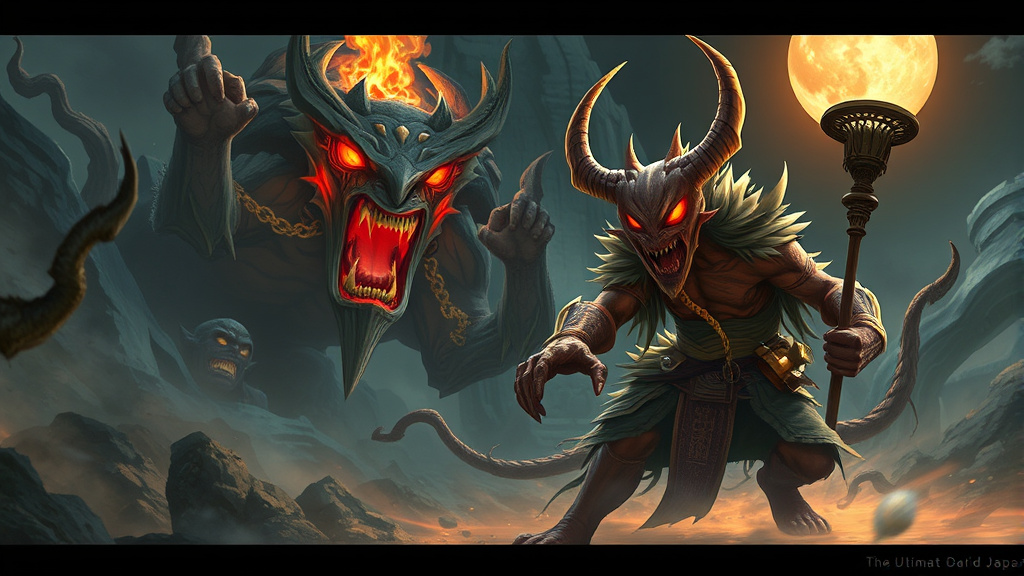
Understanding Japanese Yokai: Origins and Cultural Context
The Etymology and Meaning of ‘Yokai'
The word “yokai” (妖怪) combines two characters: “yo” meaning bewitching or attractive, and “kai” meaning mysterious or suspicious. But this literal translation barely scratches the surface.
I've learned that yokai encompasses a worldview where supernatural phenomena aren't necessarily evil or good—they simply are. Think of them as manifestations of the inexplicable, the uncanny moments that make you pause and wonder “what was that?”
Unlike the clear-cut angels and demons of Western traditions, yokai exist in moral gray areas. They can be helpful one day, mischievous the next. This reflects a distinctly Japanese understanding of nature and spirituality that predates Western influence.
Historical Development of Yokai Beliefs
The roots of yokai beliefs stretch back to Japan's animistic Shinto traditions. Before Buddhism arrived in the 6th century, Japanese people already believed that kami (spirits) inhabited natural objects, animals, and places. Every mountain had its guardian spirit. Every ancient tree housed a supernatural presence.
Buddhism added new layers to this foundation. The concept of rebirth and karma introduced the idea that strong emotions—anger, jealousy, love—could bind spirits to the earthly realm. Chinese folklore, arriving through Buddhist texts, brought shape-shifting animals and vengeful ghosts that merged with existing Japanese beliefs.
During the Heian period (794-1185), court literature began documenting yokai encounters. The famous “Tale of Genji” mentions supernatural occurrences that would become standard yokai tropes. By the Edo period (1603-1868), yokai had become popular entertainment subjects, appearing in art, theater, and literature.
What strikes me most about this evolution is how yokai beliefs adapted without losing their core essence. They absorbed foreign influences while remaining distinctly Japanese.
Yokai vs. Other Supernatural Beings
Here's where things get interesting for comparative mythology. Yokai differ significantly from kami, oni, and yurei, though the boundaries aren't always clear-cut.
Kami are divine spirits deserving worship and respect. They're generally benevolent, though they can become wrathful if offended. Oni are more like demons—powerful, often malevolent beings that punish wrongdoers. Yurei are specifically human ghosts bound by strong emotions or unfinished business.
Yokai? They're the wild cards. Some were never human. Others transformed from animals, objects, or natural phenomena. They don't fit neat categories, which is precisely their appeal. A yokai might help you find your way home, then steal your lunch money tomorrow.
Regional variations add another layer of complexity. What's considered a benevolent house spirit in one prefecture might be a dangerous trickster in another. This regionalism reflects Japan's historical fragmentation and diverse local traditions.
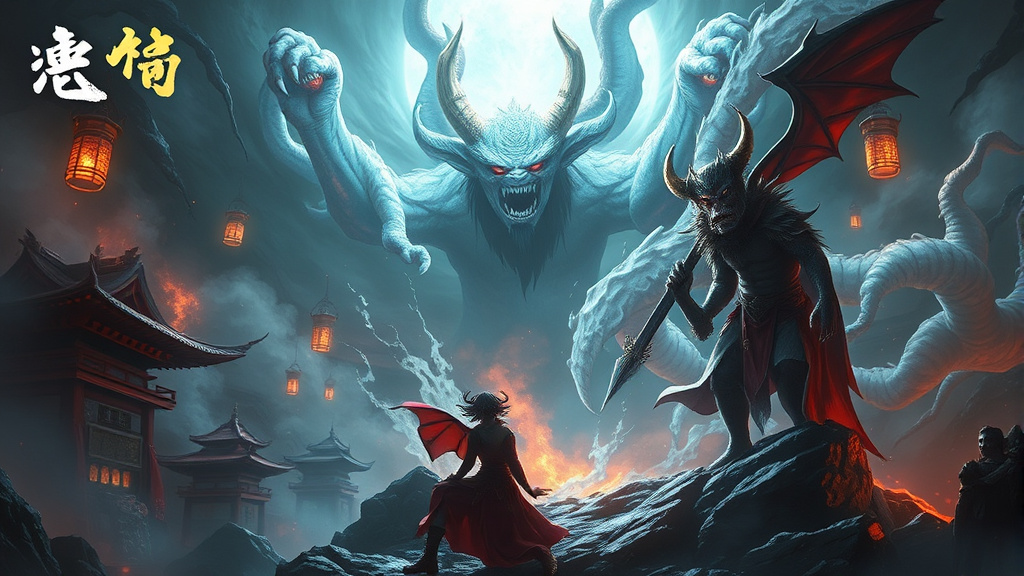
Classification of Japanese Yokai Spirits
Organizing yokai is like trying to categorize dreams—possible, but you'll always have outliers that defy classification. Still, folklorists have developed useful frameworks that help us understand these diverse beings.
Tsukumogami: Tool and Object Spirits
One of my favorite yokai concepts is tsukumogami—the belief that objects gain souls after serving humans for 100 years. Your grandmother's sewing scissors, that old teapot in the back of the cupboard, even discarded umbrellas can develop consciousness and supernatural powers.
This isn't random animism. Tsukumogami reflect Buddhist concepts about consciousness and the interconnectedness of all things. They also embody Japanese values of respect for tools and objects that serve humans faithfully. When you treat your possessions well, they might reward your care. Neglect or discard them carelessly, and they might cause mischief.
Common tsukumogami include:
- Karakasa – one-eyed, one-legged umbrella spirits that hop around at night
- Biwa-bokuboku – musical instruments that play haunting melodies alone
- Ittan-momen – rolls of cotton cloth that fly through the air, sometimes wrapping around people's heads
Animal-Based Yokai
Animals feature prominently in yokai lore, often as shape-shifters with intelligence rivaling or exceeding humans. These aren't just magical animals—they're complex beings with their own motivations and social structures.
Kitsune (foxes) top this category. They can live for centuries, growing additional tails as they age and gain wisdom. Nine-tailed foxes possess near-divine powers. Some serve Inari, the rice deity, while others pursue their own mysterious agendas.
Tanuki (raccoon dogs) serve as kitsune's mischievous counterparts. Master shape-shifters and illusionists, they love pranks but rarely cause real harm. Traditional art often depicts tanuki with comically enlarged testicles—a symbol of luck and prosperity that makes many Western viewers do double-takes.
Bakeneko and nekomata prove that cats were mysterious long before the internet. These feline yokai can walk on hind legs, manipulate the dead, and shapeshift into human form. Large cats or those who've lived unusually long lives are most likely to develop supernatural powers.
Humanoid and Shapeshifting Yokai
Some yokai appear fundamentally human but possess uncanny characteristics that mark them as supernatural. Others can shift between human and non-human forms at will.
Yuki-onna (snow women) embody winter's dual nature—beautiful but deadly. These pale spirits appear as gorgeous women in white kimono, leading travelers astray in snowstorms. Some versions portray them as tragic figures seeking warmth and companionship they can never truly attain.
Rokurokubi look like ordinary humans during the day. At night, their necks stretch to impossible lengths, allowing their heads to float freely. They often spy on people or consume oil from lamps. The transformation might be voluntary or an involuntary curse.
Jorogumo (spider women) use beauty to lure victims. Ancient spiders that have gained supernatural powers, they appear as attractive women but reveal their true nature when prey comes close. Their stories often serve as warnings about deceptive beauty and predatory behavior.
Nature and Elemental Spirits
Japan's dramatic landscape—mountains, forests, rivers, coastlines—provides homes for countless nature spirits. These yokai embody specific locations or natural phenomena.
Yamamba (mountain witches) dwell in remote peaks and deep forests. Sometimes helpful guides, sometimes cannibalistic threats, they represent the mountains' dual nature as sources of resources and danger.
Mizuchi and other water dragons control rivers and lakes. They demand respect from humans who depend on their waters. Offend a water dragon, and floods or droughts might follow.
Tengu deserve special mention as mountain-dwelling warrior spirits. They possess incredible martial arts skills and can teach worthy humans, but they're also proud and easily offended. Traditional Japanese martial arts schools often trace their techniques to tengu teachers.
Famous Japanese Yokai Spirits: Legendary Creatures
Let's meet some of Japan's most celebrated supernatural residents. These four yokai have transcended folklore to become cultural icons, appearing in everything from ancient art to modern video games.
Kitsune: The Nine-Tailed Fox
Kitsune occupy a unique position in Japanese spirituality—they're simultaneously yokai, messengers of the Inari deity, and independent supernatural beings. This complexity makes them endlessly fascinating.
Young kitsune start with single tails, growing additional ones as they age and gain wisdom. The progression isn't automatic; it requires spiritual development. Nine-tailed foxes are essentially minor deities with vast powers including shape-shifting, illusion-casting, and possession.
White or golden kitsune typically serve Inari and are considered benevolent. Red foxes might be helpful or mischievous depending on their mood and how humans treat them. Black kitsune often harbor grudges against humanity.
I find their intelligence particularly intriguing. Kitsune don't just react instinctively—they plan, scheme, and pursue long-term goals. Some stories describe kitsune marrying humans and living as devoted wives for decades before revealing their true nature.
Thousands of Inari shrines across Japan honor these fox spirits. The famous Fushimi Inari shrine in Kyoto features thousands of orange torii gates winding up a mountainside—each gate a prayer for prosperity from businesses and individuals.
Tengu: Mountain Dwelling Warriors
Tengu embody the warrior spirit taken to supernatural extremes. These mountain-dwelling spirits possess unmatched martial arts skills and can teach humans who earn their respect.
Two main tengu types exist: karasu-tengu with crow-like features including beaks and black feathers, and yamabushi-tengu with red faces, long noses, and more human appearance. Both types are incredibly proud and quick to anger.
Classical stories often feature warriors seeking tengu masters to improve their skills. The legendary Minamoto no Yoshitsune supposedly learned swordsmanship from tengu, explaining his nearly supernatural combat abilities.
But tengu aren't just martial arts teachers. They're complex beings with their own society and codes of honor. They protect sacred mountains from those who would desecrate them. Loggers who cut sacred trees or hunters who kill wantonly might find themselves hopelessly lost in familiar forests—classic tengu punishment.
Modern martial arts schools sometimes reference tengu in their lineages, acknowledging that true mastery transcends ordinary human limitations.
Kappa: Water-Dwelling Tricksters
Kappa might be Japan's most recognizable yokai internationally, thanks partly to their distinctive appearance and quirky legends. These turtle-like water spirits stand about child-height with webbed hands and feet, beaked mouths, and water-filled depressions atop their heads.
That head-depression is crucial—it's the source of their supernatural strength. Empty the depression, and kappa become weak and helpless. Clever humans exploit this weakness by bowing politely to kappa, who are compelled to return the courtesy, spilling their head-water in the process.
Kappa love sumo wrestling and cucumber—sometimes both simultaneously. Many kappa stories involve wrestling challenges, with the outcome determining whether the human lives or becomes kappa dinner. Their cucumber obsession is so well-known that cucumber sushi rolls are called “kappa-maki.”
Despite their threatening reputation, kappa sometimes help humans. They're excellent swimmers who might rescue drowning victims. They also possess medical knowledge, particularly about setting bones and treating injuries.
The darker side of kappa lore involves their taste for human entrails, particularly a mysterious organ called the “shirikodama” supposedly located near the anus. Parents traditionally used kappa stories to keep children away from dangerous waterways.
Oni: The Fearsome Demon Spirits
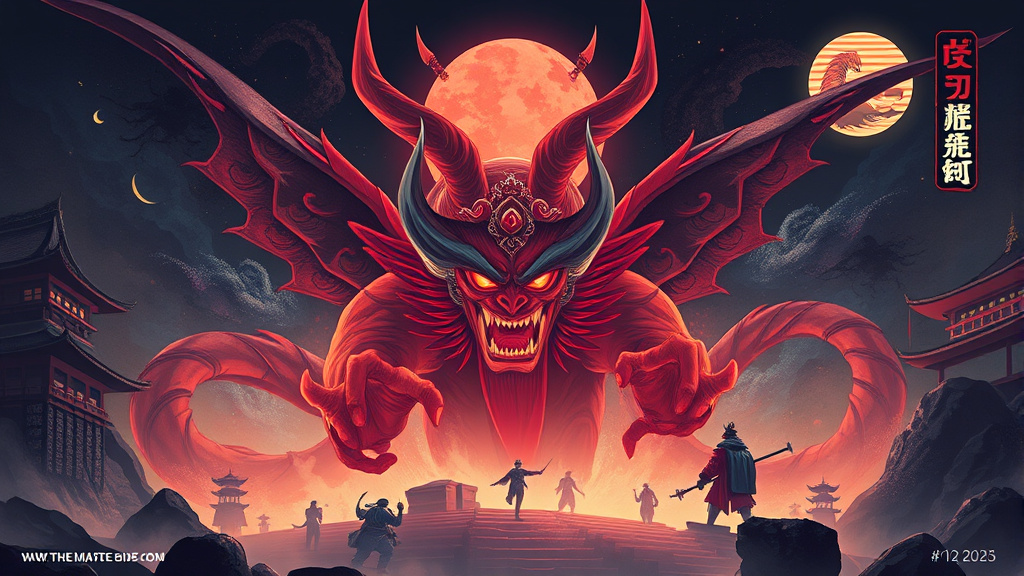
Oni represent supernatural punishment incarnate. These fearsome beings appear as giant humanoids with wild hair, sharp claws, prominent fangs, and often multiple horns. Red and blue oni are most common, though other colors exist.
Unlike many yokai that exist in moral gray areas, oni are generally malevolent. They punish evildoers, torment the wicked in Buddhist hell, and sometimes rampage through human settlements. Their strength is legendary—oni can tear apart buildings and crush boulders.
The famous story “Momotaro” features oni as villains who terrorize villages until defeated by the brave peach boy and his animal companions. This tale reflects oni's role as obstacles to be overcome rather than beings to negotiate with.
Setsubun, the seasonal festival marking spring's approach, features ritual oni-banishing. People throw roasted soybeans while chanting “Oni wa soto! Fuku wa uchi!” (Oni out! Luck in!). Someone dressed as an oni is symbolically driven away, ensuring good fortune for the coming year.
Yet even oni have complexity. Some stories feature oni who reform or reveal tragic backstories explaining their malevolence. Buddhist teachings suggest that even oni can achieve enlightenment and escape their demonic existence.
Lesser-Known but Fascinating Japanese Yokai
While famous yokai get most of the attention, Japan's supernatural bestiary includes countless lesser-known creatures that are equally intriguing. These beings offer glimpses into specific aspects of Japanese life and imagination.
Household and Domestic Yokai
Japanese homes traditionally housed numerous supernatural residents alongside human families. These domestic yokai reflected the animistic belief that spiritual activity concentrated wherever humans lived and worked.
Zashiki-warashi are perhaps the most beloved house spirits. These child-like yokai bring good fortune to homes they inhabit, ensuring prosperity and happiness for human residents. They're invisible to most adults but sometimes play with human children. Families hosting zashiki-warashi traditionally prospered; their departure meant economic ruin.
What fascinates me about zashiki-warashi is how they embody Japanese concepts of reciprocal relationships. They're not servants or pets—they're spiritual partners who choose worthy households. Maintaining their favor requires treating your home and family with respect.
Baku serve as benevolent dream protectors. These tapir-like creatures eat nightmares, transforming terror into peace. Children traditionally called upon baku after bad dreams, reciting “Baku-san, kono yume wo tabete kudasai” (Mr. Baku, please eat this dream). Parents encouraged this practice, understanding that belief in protection helps children cope with fear.
Sunakake-baba are elderly women spirits who throw sand at people passing through their territories. They're more annoying than dangerous, representing how even minor supernatural encounters can disrupt daily routines.
Bizarre and Unusual Creatures
Some yokai defy easy categorization, existing purely to embody the weird and wonderful extremes of supernatural imagination.
Nuppeppo appear as animated lumps of rotting flesh that shamble aimlessly through graveyards and abandoned areas. They smell terrible but are essentially harmless—perhaps representing fears of decay and death made manifest.
Shirime might be history's strangest yokai. This creature appears as a normal man until revealing that his anus contains a large eye instead of his face. The revelation usually sends witnesses fleeing in confusion rather than terror. Some scholars interpret shirime as commentary on social deception or the gap between appearance and reality.
Betobeto-san creates the sound of footsteps following travelers at night. You hear the steps but never see their source. The solution is simple politeness: step aside and say “Betobeto-san, please go first.” The footsteps will pass you by harmlessly.
These bizarre yokai demonstrate how supernatural folklore can address universal human experiences—fear of being followed, anxiety about deception, disgust at decay—through uniquely creative imagery.
Regional Specialty Yokai
Japan's regional diversity extends to its yokai. Local geography, history, and culture shaped unique supernatural beings that exist nowhere else.
Amabie gained renewed fame during the COVID-19 pandemic. This mermaid-like creature from Kumamoto Prefecture emerged from the sea in 1846 to prophesy good harvests and plague. She instructed people to draw her image and share it to ward off disease. The parallels to modern social media sharing seemed perfect for pandemic times.
Hibagon represents Japan's version of Bigfoot, allegedly inhabiting the mountains of Hiroshima Prefecture. Sightings peaked in the 1970s, making hibagon one of the few modern additions to traditional yokai catalogs.
Okinawan yokai reflect the islands' unique history and environment. Kijimuna are tree spirits with bright red hair who love fishing. They're generally friendly but become dangerous enemies if offended. These spirits embody Okinawan connections to both forest and sea environments.
Yamachichi from Kyushu mountains are ape-like creatures that cry like human babies to lure travelers. Parents traditionally used yamachichi stories to explain why children shouldn't investigate crying sounds in the wilderness—practical safety advice wrapped in supernatural warning.
Yokai in Japanese Literature and Art
Yokai have inspired Japanese artists and writers for over a millennium. Their artistic evolution reflects changing cultural attitudes while preserving essential supernatural elements.
Classical Literature and Poetry
The “Tale of Genji,” often considered the world's first novel, includes supernatural elements that would later be classified as yokai encounters. Lady Rokuja's jealous spirit attacking rival women established patterns for vengeful female spirits that persist throughout Japanese literature.
The “Konjaku Monogatarishu” (Tales of Times Now Past) from the Heian period compiled hundreds of supernatural stories, many featuring creatures we now recognize as classical yokai. These tales served multiple purposes: entertainment, moral instruction, and preservation of oral traditions.
Medieval poetry collections include numerous references to supernatural beings, often using yokai imagery to express complex emotions. The seasonal associations of different spirits—snow women for winter, water spirits for summer—created rich metaphorical vocabularies that poets exploited skillfully.
Buddhist literature contributed stories of karma and spiritual transformation that influenced yokai development. The concept that strong emotions could create supernatural beings provided theological framework for understanding why yokai exist.
Edo Period Art and Illustrations
The Edo period marked yokai's golden age in visual arts. Improved printing technology made illustrated books accessible to common people, creating demand for yokai entertainment.
Toriyama Sekien revolutionized yokai culture through his illustrated encyclopedias beginning in 1776. His “Gazu Hyakki Yagyo” (Illustrated Parade of a Hundred Demons) and subsequent volumes documented traditional yokai while creating new ones. Sekien didn't just illustrate—he innovated, designing yokai that became part of standard folklore.
I'm constantly amazed by Sekien's creativity. He created yokai from puns, wordplay, and visual jokes that demonstrated both deep cultural knowledge and playful imagination. His “hitotsume-kozo” (one-eyed boy) became so popular that many people assume it's ancient folklore rather than 18th-century invention.
Ukiyo-e masters like Hokusai and Kuniyoshi created famous yokai prints that combined artistic excellence with popular appeal. Their ghost and monster series satisfied public appetite for supernatural thrills while showcasing technical virtuosity.
Woodblock prints made yokai imagery affordable and portable. Travelers could buy yokai pictures as souvenirs, spreading regional supernatural beings beyond their original territories.
Modern Artistic Interpretations
Mizuki Shigeru single-handedly revived yokai for modern audiences through his “GeGeGe no Kitaro” manga series beginning in the 1960s. Mizuki combined traditional folklore research with contemporary storytelling, creating works that educated while entertaining.
Mizuki's approach balanced respect for tradition with creative innovation. He designed new yokai while remaining faithful to classical characteristics. His influence on subsequent yokai media cannot be overstated—virtually every modern anime or manga featuring supernatural beings shows Mizuki's impact.
Contemporary artists continue reimagining yokai through various media. Digital artists create stunning modern interpretations that maintain classical essence while incorporating current aesthetic sensibilities. Art galleries increasingly feature yokai-themed exhibitions that attract both traditional culture enthusiasts and pop culture fans.
The Mizuki Shigeru Museum in Sakaiminato showcases how traditional folklore can become tourist attractions that preserve culture while generating economic benefits. The entire town has embraced yokai identity, with bronze statues lining the streets and local businesses adopting supernatural themes.
Yokai in Modern Japanese Culture and Media
Ancient yokai have adapted remarkably well to modern media, proving that fundamental human fascination with the supernatural transcends technological changes.
Anime and Manga Representations
Studio Ghibli films demonstrate yokai's continued relevance in contemporary Japanese cinema. “Spirited Away” features a bathhouse serving supernatural beings that includes recognizable yokai alongside Miyazaki's original creations. The film's success worldwide proved that yokai stories could captivate international audiences.
“Princess Mononoke” explores the conflict between industrial progress and spiritual tradition through forest spirits that embody classical yokai concepts. The film's environmental message gains power through supernatural elements that make abstract concepts tangible.
Manga series like “Natsume Yuujinchou” present nuanced yokai relationships that reflect traditional folklore complexity. Rather than simple monster-fighting narratives, these stories explore coexistence, understanding, and mutual respect between human and supernatural realms.
“InuYasha” blends historical settings with traditional yokai in adventure narratives that introduced many Western fans to Japanese supernatural beings. The series' popularity demonstrated international appetite for authentically Japanese supernatural content.
Video Games and Digital Media
The “Pokemon” franchise, while not explicitly yokai-focused, draws heavily from traditional Japanese supernatural beings. Many Pokemon designs show clear yokai influence, introducing global audiences to traditional Japanese spiritual concepts through modern gaming.
“Yo-kai Watch” more directly adapts traditional folklore for contemporary gaming. The series updates classical yokai for modern urban settings while maintaining their essential characteristics. Children collect and befriend supernatural beings that cause everyday problems—a perfect fusion of ancient beliefs and current technology.
“Nioh” and similar action games feature yokai as challenging opponents in historical settings. These games often include detailed databases explaining traditional folklore behind each creature, serving educational functions alongside entertainment.
Mobile gaming has created new platforms for yokai content, with numerous apps featuring collection, battle, and story elements centered on traditional supernatural beings.
Tourism and Cultural Products
Yokai tourism has become significant economic force in Japan. The aforementioned Sakaiminato leads this trend, but many regions now promote local yokai traditions to attract visitors.
Gegege no Yokai Yokocho (GeGeGe Yokai Alley) near Chofu Station in Tokyo showcases Mizuki Shigeru's legacy while providing commercial space for yokai-themed businesses. Visitors can purchase traditional crafts, modern merchandise, and food products inspired by supernatural beings.
Regional governments increasingly recognize yokai as cultural assets worthy of preservation and promotion. Local festivals celebrating specific yokai attract tourists while maintaining traditional customs.
Yokai mascots have become popular municipal representatives. Hikonyan from Shiga Prefecture, while technically a cat character rather than yokai, demonstrates how supernatural-inspired mascots can generate substantial tourism revenue.
The Global Influence of Japanese Yokai
Japanese yokai have transcended cultural boundaries to influence global supernatural media and academic research.
International Recognition and Adaptation
Western fantasy and horror increasingly incorporate yokai-inspired elements. Writers and game designers recognize that Japanese supernatural beings offer fresh alternatives to European-derived monsters that dominate Western media.
Translation challenges persist, however. Many yokai concepts lack direct English equivalents, requiring translators to choose between accuracy and accessibility. The word “yokai” itself has entered English usage, much like “tsunami” or “karaoke,” because no English term captures its full meaning.
International anime and manga popularity has created global familiarity with basic yokai types. Young people worldwide can often identify kitsune, oni, and kappa even if they don't know specific folklore details.
Comparative Mythology Studies
Academic interest in yokai studies has grown substantially in recent decades. Universities worldwide offer courses examining Japanese folklore, often in comparative mythology contexts that explore similarities between Japanese and other cultural supernatural beliefs.
Researchers find fascinating parallels between yokai and supernatural beings from other cultures. Shape-shifting fox spirits appear in Chinese, Korean, and Native American traditions. House spirits exist in European folklore. Water monsters inhabit legends worldwide.
These comparative studies reveal both universal human psychological patterns and specific cultural variations that make each tradition unique. Yokai research contributes to broader understanding of how humans process and express supernatural experiences.
Educational and Research Value
Digital archives preserve traditional yokai knowledge while making it accessible to global researchers. Projects like the Nichibunken (International Research Center for Japanese Studies) database compile historical sources that might otherwise remain in obscurity.
Academic conferences dedicated to yokai studies bring together scholars from multiple disciplines—anthropology, literature, religious studies, psychology—demonstrating these supernatural beings' relevance across academic fields.
Educational programs in Japanese cultural centers worldwide use yokai as engaging entry points for broader cultural education. Children and adults find supernatural beings more immediately interesting than abstract cultural concepts.
Experiencing Yokai Culture: A Practical Guide
Want to explore yokai culture beyond books and media? Here are concrete ways to engage with Japanese supernatural traditions.
Yokai-Related Destinations in Japan
Mizuki Shigeru Museum in Sakaiminato offers the most comprehensive yokai experience available. The museum combines traditional folklore with modern manga history, showing how ancient beliefs evolved into contemporary entertainment.
Tokyo's Fukagawa Edo Museum recreates Edo period neighborhoods where many traditional yokai stories originated. Walking through historical settings helps visitors understand the environmental and social contexts that produced specific supernatural beliefs.
Mount Takao near Tokyo provides opportunities to visit tengu-associated sites. Yakuo-in Temple on the mountain honors tengu spirits, and hiking trails pass locations featured in traditional stories.
Inari shrines throughout Japan offer chances to experience kitsune spirituality firsthand. Fushimi Inari in Kyoto is most famous, but smaller local shrines often provide more intimate spiritual encounters.
Festivals and Cultural Events
Setsubun celebrations in early February include oni-banishing rituals that visitors can participate in or observe. Many temples and shrines welcome foreign visitors to join traditional bean-throwing ceremonies.
Hyakki Yagyo (Night Parade of One Hundred Demons) festivals occur in various locations throughout summer. Participants dress as different yokai and parade through streets, recreating traditional beliefs about supernatural processions.
Local summer festivals often feature yokai elements, particularly in regions with strong supernatural traditions. These events provide opportunities to experience living folklore rather than museum displays.
Books and Resources for Further Learning
English-language resources include Zack Davisson's “Yokai Stories” series, which provides accurate translations and cultural context for traditional tales. Michael Dylan Foster's academic works offer scholarly perspectives on yokai's cultural significance.
Japanese-language resources for advanced students include original Toriyama Sekien works and academic folklore collections. The Yanagita Kunio collection remains the foundation for serious yokai research.
Documentary films like “Mysteries of the Spirit World” provide visual introductions to traditional beliefs and their modern manifestations. These resources help bridge the gap between academic study and popular understanding.
Online databases and digital archives offer access to historical sources that were previously available only to specialized researchers. Many include English translations or summaries that make content accessible to international audiences.
The Enduring Legacy of Japanese Yokai Spirits
After decades studying supernatural folklore across cultures, I'm continually struck by yokai's unique ability to remain relevant while preserving ancient wisdom. These supernatural beings aren't museum pieces—they're living aspects of Japanese culture that continue evolving with changing times.
What makes yokai special isn't their age or exoticism. It's their embodiment of a worldview that sees supernatural and natural as interconnected rather than separate. In our increasingly digital world, this perspective offers valuable insights about maintaining spiritual connections to our environment and communities.
Yokai teach us that mystery enhances rather than threatens human experience. Not everything needs scientific explanation. Some phenomena deserve wonder, respect, and careful attention rather than immediate categorization or dismissal.
These ancient spirits bridge past and present Japanese society in remarkable ways. Traditional festivals preserve communal practices that strengthen social bonds. Modern media introduces young people to cultural values through entertaining narratives. Tourist attractions generate economic benefits while maintaining cultural knowledge.
The global appreciation for yokai reflects humanity's universal need for mystery and magic. Different cultures express these needs through different supernatural beings, but the underlying psychological patterns remain consistent across time and geography.
Whether you're drawn to yokai through anime, academic interest, or simple curiosity, remember that these beings represent more than entertainment or historical artifacts. They're expressions of human creativity, wisdom, and spiritual insight that remain as relevant now as when they first emerged from Japan's sacred mountains and mysterious forests.
The next time you hear unexplained footsteps behind you at night, or glimpse movement in your peripheral vision, or feel an uncanny presence in familiar places, remember the yokai. Not as literal supernatural entities, but as reminders that the world contains more mystery and wonder than our daily routines typically acknowledge.
That's the true gift of yokai culture: permission to experience wonder in ordinary moments and recognition that the supernatural might be closer than we think. In a world increasingly focused on measurable, quantifiable experience, yokai preserve space for the immeasurable, the unexplainable, and the beautifully mysterious.