Picture this: Divine beings grinding sacred corn into a paste that becomes the flesh of humanity's final—and successful—creation.
This post contains affiliate links. If you purchase through these links, we may earn a commission at no extra cost to you.
Here is the thing: That's where the Mayan creation story ultimately leads us, but the journey there? It's filled with failed experiments, cosmic floods, and heroic twins battling death lords in the underworld.
The Popol Vuh, the sacred book of the K'iche' Maya, doesn't just tell us how the world began. It reveals something far more deep about how an entire civilization understood their place in the cosmos. Want to know the secret? These aren't simple origin stories—they're sophisticated theological treatises wrapped in unforgettable narratives that you need to understand.
But here is what You probably miss: These creation myths show us gods who aren't omnipotent beings creating perfection on their first try. You will appreciate this. Instead, you see divine trial and error, cosmic experimentation, and the gradual refinement of creation itself. You will find that the Maya understood something we're still grappling with today: that even the act of creation involves failure, learning, and eventual success.
I've spent decades studying creation mythologies across cultures, and the Popol Vuh stands out for its psychological complexity and agricultural wisdom. Here is the truth: These stories don't just explain how humans came to be—they explore what it means to be truly human in relationship with the divine and natural worlds. This matters to you because You will discover why this matters more than you might think.
In This Article
- The Sacred Text: Understanding the Popol Vuh
- The First Creation: The World Emerges from Silence
- Failed Experiments: The Gods' Attempts to Create Humans
- The Hero Twins: Divine Intervention and Cosmic Balance
- The Perfect Creation: Humans Made from Corn
- Symbolism and Deeper Meanings in Mayan Creation Myths
- Legacy and Influence of Mayan Creation Stories
- What These Ancient Stories Teach Us Now
- Frequently Asked Questions
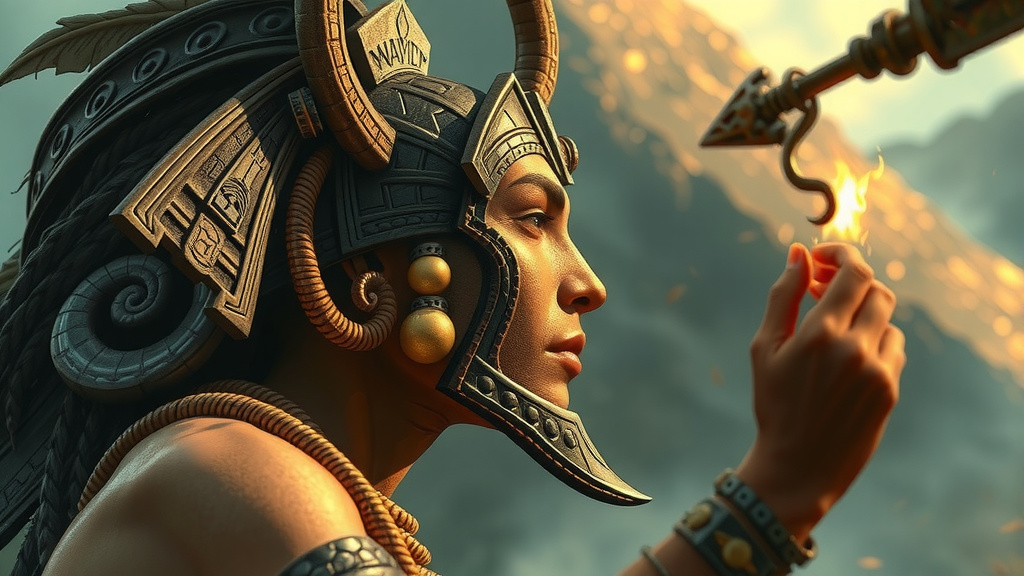
The Sacred Text: Understanding the Popol Vuh {#section-1}
Ready for this? We almost lost this treasure forever.
Think about it—if not for a curious Spanish priest named Francisco Ximénez working in colonial Guatemala around 1700, you might never have known these stories. Here is where it gets interesting: He encountered a manuscript written by indigenous K'iche' scribes who'd managed to preserve their oral traditions in alphabetic script after the Spanish conquest.
Historical Origins and Preservation
The K'iche' authors were performing an act of cultural resistance that you need to understand. What you should remember is They'd watched Spanish conquistadors burn their sacred codices, seen their temples destroyed, yet they found a way to save their most precious stories. But here is the catch: They wrote in their own language but used the Latin alphabet the missionaries had taught them.
What's notable is that Ximénez didn't just translate the text—he preserved both the original K'iche' and his Spanish translation side by side. Here is what nobody tells you: Without his scholarly integrity, you would have lost the linguistic richness of the original forever. You can see how He called it “Las Historias del Origen de los Indios” (The Histories of the Origin of the Indians), though the K'iche' called it “Popol Vuh”—literally meaning “Book of the Mat” or “Council Book.
Pro tip: When you read modern translations, you're accessing wisdom that survived one of history's most systematic cultural destructions.
Cultural Context and Religious Significance
But wait, there is more. You will find that the Popol Vuh wasn't meant to be read in isolation.
It was the foundation text that supported an entire worldview shared across Mesoamerican cultures. You will find echoes of these creation stories in Aztec, Olmec, and other indigenous traditions—they're all part of a larger cultural conversation about cosmic cycles and humanity's purpose that you can still explore today.
The text served multiple functions that will amaze you: religious instruction, historical record, and political charter. As you might expect, Here is the good news: The K'iche' rulers traced their legitimacy back to the first humans created from corn, making this both a creation myth and a genealogical document. It's structured like a symphony in four movements, each building toward humanity's successful creation.
The ancient texts tell us that modern scholars continue debating interpretations, especially as we learn more about Maya astronomy and calendar systems. Dennis Tedlock's innovative 1985 translation revealed layers of meaning previous versions had missed, particularly the text's sophisticated wordplay and parallel structures that echo Maya poetic traditions you can still study today.
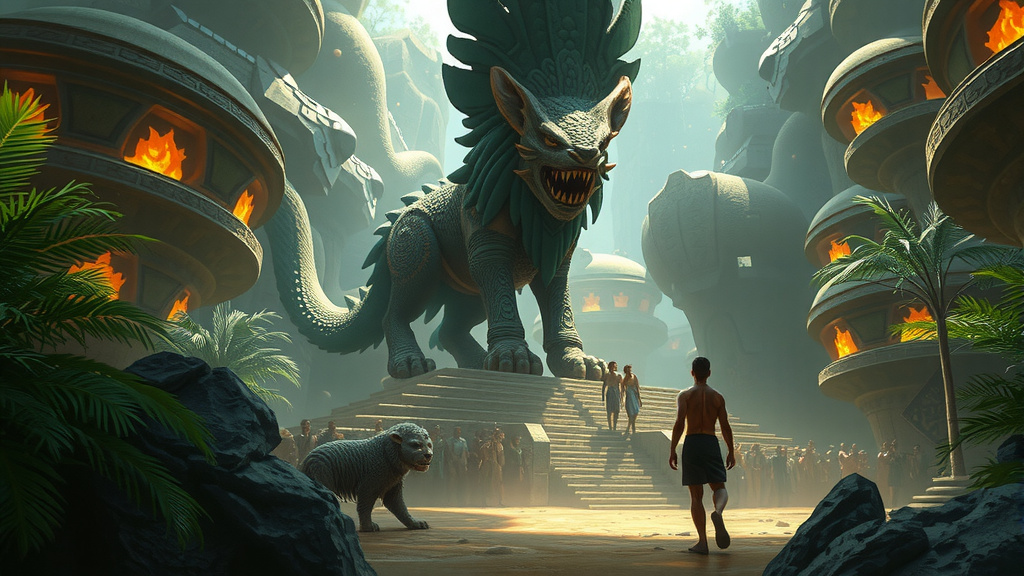
The First Creation: The World Emerges from Silence {#section-2}
Here is where it gets interesting: “This is the account of how everything was in suspense, all calm, in silence; all motionless, still, and the expanse of the sky was empty.”
That's how the Popol Vuh begins—with deep stillness. You will find that Not chaos, like in many creation myths, but perfect calm. Fair warning: There's something almost meditative about this opening that will change how you think about creation itself.
The Primordial Void and Divine Council
The creator deities—Heart of Sky (also called Hurakan, from which you get “hurricane”) and Heart of Earth—exist in this primordial state as pure thought and intention. But here is what You probably miss: They're not separate gods competing for power, but complementary forces representing sky and earth, masculine and feminine, above and below. For you, This means for you This is something you should know: duality would become fundamental to Maya cosmology that you see reflected in their architecture and art.
Want to know the secret? The creation happens through divine dialogue. Heart of Sky and Heart of Earth literally talk the world into existence: “Earth!” they said, and instantly it was made. There's power in that simplicity—creation through word, through intention made manifest that you can understand today.
Separation of Earth, Sky, and Waters
Plot twist: Notice what they create first—field. Notice how you can Mountains rise, valleys form, rivers begin flowing. Here is the truth: They're establishing the cardinal directions and the cosmic order before adding any living beings. This is something you should know: reflects Maya understanding of geography as sacred—every mountain, every river has spiritual significance that you need to appreciate.
The creators are essentially architects, designing a stage for the drama of life. Think about how you would You will notice that they separate the waters above from the waters below, create pathways for the sun and moon, establish the structure that will support everything to come. Think about it: When you visit Maya archaeological sites like Tikal or Palenque, you're seeing this cosmological blueprint made manifest in stone and space.
And that is not all. Animals come next—jaguars, birds, deer, snakes—each assigned to their proper domain. You might wonder why Now here is the problem: The animals can only roar, chirp, and howl. You will notice that they can't praise their creators or keep the calendar. The gods want beings who can speak, remember, and offer proper reverence. This is where you benefit. So what does this mean for you? You're about to witness the gods' first attempts at creating conscious beings.
Failed Experiments: The Gods' Attempts to Create Humans {#section-3}
Here is what nobody tells you: The first attempt at human creation is almost tragic in its futility.
Heart of Sky and Heart of Earth gather mud and clay, molding figures that should become the first people. But here is the catch: Mud has no structure, no permanence. When it rains, these proto-humans dissolve. Here is what you gain: They can't hold together, can't speak coherently, can't even maintain their shape.
The Mud People: First Human Attempt
I find this deeply moving—gods learning that consciousness requires more than good intentions and available materials. The mud people represent pure potential without form, like ideas that never quite become thoughts. Have you ever had a brilliant idea that you couldn't quite articulate? You're experiencing what the gods felt watching their mud people dissolve.
But it gets better. You should pay attention here. The wooden people seem more promising initially.
The Wood People: Second Human Creation
They can speak, they can reproduce, they spread across the earth and build lives. But here is where it gets interesting: They lack hearts and minds—they're going through the motions of humanity without any real understanding or soul. They remember nothing, feel nothing, acknowledge nothing beyond their immediate needs.
This is where the story becomes almost darkly humorous that you will love. What you need to understand is The gods realize they've created beings who are technically human but essentially hollow. It's like producing perfect marionettes who've forgotten they're supposed to be alive.
The kicker? The rebellion of the tools is one of my favorite episodes in world mythology. The grinding stones, the cooking pots, even the dogs and turkeys turn against the wooden people. “You gave us no rest,” their grinding stones complain. Now you shall feel our strength.” The domestic world literally rises up against its creators.
Mind-blowing, right?
Lessons from Divine Failures
The great flood that destroys the wooden people isn't just divine punishment—it's cosmic housecleaning. You will want to remember this. But here is what You probably miss: The wooden people don't disappear entirely. They become monkeys, still resembling humans but lacking true consciousness. Every time the Maya saw monkeys in the forest canopy, they were seeing reminders of failed creation.
Here is the good news: These failures teach us something crucial about Maya theology that you need to understand. You will appreciate this. Consciousness isn't automatic, souls aren't given lightly, and true humanity requires more than physical form or even speech. You need heart, mind, and the ability to remember and honor your origins.
The Hero Twins: Divine Intervention and Cosmic Balance {#section-4}
Ready for this? Before the gods can attempt human creation again, cosmic order needs restoration.
Enter the Hero Twins—Hunahpu and Xbalanque—whose names I love for their sound alone. But here is what nobody tells you: They're born from the saliva of their father's severed head (Maya mythology doesn't shy away from the visceral), representing life emerging from death, potential from destruction.
Hunahpu and Xbalanque's Origins
These twins are cosmic troublemakers in the best sense. This matters to you because They're skilled ball players, clever tricksters, and ultimately the champions who will restore balance between the world of the living and the area of death. Here is where it gets interesting: Their story reads like an ancient superhero saga, complete with supernatural powers, impossible challenges, and ultimate sacrifice that you can appreciate today.
What makes this work for you? this myth enduring is how the twins represent cooperation over competition. You won't find them fighting each other—they work together, complement each other's abilities, and share both victories and defeats.
Journey to Xibalba and Triumph Over Death
Xibalba—the Maya underworld—isn't just a place of the dead. What you should remember is It's the area of disease, decay, and everything that threatens life and order. But here is the catch: The lords of Xibalba (whose names translate to things like “Blood Gatherer” and “Pus Master”—not exactly subtle) challenge the twins to a series of tests designed to destroy them.
The twins face the Dark House, the Razor House, the Cold House, the Jaguar House, the Fire House, and finally the Bat House. As you explore, each trial represents a different aspect of death and decay. You can see how Here is What makes this work for you? this story brilliant that you need to know: The twins don't win through strength alone. They succeed through cleverness, cooperation, and acceptance of sacrifice.
Plot twist: When the twins are finally killed and their bones ground up and thrown into a river, they don't stay dead. They return as fish, then as vagabonds performing magic tricks. As you might expect, They've learned to transform, to become something new while retaining their essential selves. This transformation teaches the gods something crucial about the nature of successful creation.
The bottom line? The twins' ultimate triumph over the death lords doesn't just restore cosmic order—it demonstrates that consciousness can survive transformation, that identity can persist through change. This becomes the template for creating humans who can endure, remember, and maintain their spiritual connections despite physical mortality.
The Perfect Creation: Humans Made from Corn {#section-5}
Here is the truth: After the Hero Twins restore cosmic order, the gods are ready for their final attempt at human creation.
But they need the right material. You will find that Animals reveal the location of Paxil and Cayala, mythical mountains where yellow corn and white corn grow—the perfect substances for creating lasting, conscious beings that you will find fascinating.
Discovery of Corn by the Gods
Why corn? Here is what You probably miss: Because corn (maize) was the foundation of Maya civilization. It wasn't just food—it was life itself. Unlike wheat or rice, corn required careful development, selective breeding, and deep agricultural knowledge. For you, This means for you The Maya had transformed wild teosinte into the miraculous crop that sustained their cities.
Think about it: Creating humans from corn meant creating beings from their own greatest achievement.
Formation of the True Humans
The grandmother goddess Ixmucane grinds the corn nine times, mixing the meal with water to create a paste that becomes human flesh. The first four men emerge: Balam-Quitze (“Jaguar-Quitze”), Balam-Acab (“Jaguar-Night”), Mahucutah (“Not Right Now”), and Iqui-Balam (“Wind Jaguar”).
But here is what nobody tells you: These names aren't random—they represent the cardinal directions and foundational principles of Maya cosmology. As you explore, each man embodies different aspects of human potential while remaining connected to the natural and spiritual worlds.
Now here is the problem: These first humans are too perfect. Notice how you can They can see everything, understand everything, know everything the gods know. They're essentially divine beings in human form.
Limitations Imposed by the Creators
The gods panic. “This isn't good,” they say. Our creatures shouldn't be like us.” So what does this mean for you? They deliberately cloud human vision and understanding. They breathe mist onto the first humans' eyes, limiting their sight to what's nearby and immediate rather than cosmic and eternal.
Here is the good news: This isn't cruelty—it's wisdom. Think about how you would The gods recognize that unlimited knowledge would make humans either mad or gods themselves. The limitations create space for wonder, for learning, for the gradual accumulation of wisdom through experience. They make humans beautifully, necessarily incomplete.
And that is not all. You might wonder why Women are created as companions, completing the social foundation for human civilization. The text emphasizes partnership and complementarity—humans are meant to live in relationship, not isolation. From these first couples come the lineages that will eventually produce the great Maya cities and kingdoms that you can still visit today.
Symbolism and Deeper Meanings in Mayan Creation Myths {#section-6}
Want to know the secret? Every aspect of the Popol Vuh reflects agricultural reality.
The cycles of creation and destruction mirror planting, growing, harvesting, and renewal. This is where you benefit. The failed attempts represent failed crops—too much water (mud people dissolve), too little spirit (wooden people lack souls). Successful human creation coincides with discovering perfect corn that you need to appreciate.
Agricultural and Seasonal Symbolism
The Hero Twins' death and resurrection follows the agricultural cycle: seeds that must “die” in the earth to produce new life. Their journey through Xibalba represents the seed's journey through the dark underworld of soil before emerging as green shoots reaching toward the sky.
Here is where it gets interesting: There's deeper symbolism about transformation and patience. Here is what you gain: Maya farmers knew that rushing the process meant failure. Corn required careful timing, proper preparation, and acceptance that some seasons would fail. The creation myths encode this agricultural wisdom into cosmic principles that you can apply to your own life.
Social and Political Implications
But wait, there is more. You should pay attention here. The creation stories weren't just religious instruction—they were political charter. Maya rulers claimed descent from the first humans, legitimizing their authority through mythological lineage. The text establishes divine kingship while emphasizing rulers' responsibility to maintain cosmic order.
Gender roles in the creation stories reflect Maya social structure while emphasizing complementarity rather than hierarchy. What you need to understand is Here is What makes this work for you? this notable: The grandmother goddess who grinds the corn holds equal importance to the sky gods who provide the vision. Creation requires both masculine and feminine principles, both earthly and celestial powers.
The emphasis on humans' duty to remember and praise their creators established reciprocal relationships between people and gods, rulers and subjects, humans and nature. You can't take without giving back. You will want to remember this. You can't rule without serving. You can't live without acknowledging your sources.
Legacy and Influence of Mayan Creation Stories {#section-7}
Here is the truth: The Popol Vuh hasn't remained frozen in the past.
Contemporary Maya communities in Guatemala, Mexico, and Belize continue drawing strength and identity from these stories. During Guatemala's brutal civil war, indigenous communities found in the Popol Vuh a source of resistance and cultural survival that you need to understand.
Impact on Modern Maya Communities
Rigoberta Menchú, the Nobel Peace Prize winner, speaks powerfully about how these creation stories sustained her people during persecution. You will appreciate this. Here is what nobody tells you: The myth of humans made from corn became a declaration of indigenous worth and connection to the land. When others see primitive superstition, Maya people see sophisticated philosophy and agricultural wisdom.
Modern Maya spiritual leaders still invoke the Hero Twins in healing ceremonies and agricultural rituals. The 260-day sacred calendar that structures Maya religious life connects directly to cycles described in the Popol Vuh. This matters to you because Quick note: These aren't museum pieces—they're living traditions that you can witness today.
Influence on Literature and Popular Culture
The Popol Vuh deeply influenced Latin American literature, particularly the magical realism movement. Writers like Miguel Ángel Asturias (who won the Nobel Prize) and more recently, authors like Gioconda Belli, weave Popol Vuh themes into contemporary novels exploring identity, history, and indigenous wisdom.
But here is what You probably miss: You will find Hero Twin archetypes throughout modern fantasy and science fiction. The idea of complementary heroes who must journey to the underworld and accept transformation connects across cultures. What you should remember is Even Marvel Comics has drawn on these themes—the concept of heroes who gain power through accepting death and renewal appears repeatedly in contemporary mythology.
But beyond direct influence, the Popol Vuh offers something your current moment desperately needs: stories that honor both human potential and human limitations, that celebrate our connection to the natural world, and that recognize consciousness as precious precisely because it's finite and hard-won.
What These Ancient Stories Teach Us Now {#section-8}
The real question is: What can four-thousand-year-old stories teach you about your modern life?
Here is where it gets interesting: The Popol Vuh creation myths offer more than historical curiosity—they provide wisdom for handling your current relationship with technology, environment, and each other. The gods' concern about creating beings with too much power feels notably relevant as you develop artificial intelligence and genetic engineering.
The emphasis on failed attempts before successful creation reminds you that innovation requires experimentation, patience, and willingness to start over when something isn't working. But here is what You probably miss: The wooden people—technically functional but spiritually hollow—might serve as a warning about creating systems that work efficiently but lack heart or consciousness.
Most powerfully, the corn people teach you about relationship and reciprocity. You can see how Humans aren't separate from nature—you're made from it, sustained by it, and responsible to it. Here is the truth: The Maya understood something you're relearning—that consciousness comes with obligation, that intelligence demands reverence, and that your greatest achievements should be measured not by what you can take from the world, but by what you can give back.
These creation stories speak directly to your current moment of environmental crisis and technological transformation. They remind you that true creation—whether of life, art, or civilization—requires patience, wisdom, and deep respect for the sources that sustain you. As you might expect, The Hero Twins' journey through death to renewal offers hope that even your greatest failures can become sources of new understanding.
The bottom line? The Popol Vuh doesn't just tell you where you came from—it suggests who you might become if you remember that you're made from sacred corn, shaped by divine hands, and blessed with just enough limitation to keep you human and humble. For you, in your age of unlimited information and expanding power, perhaps that's exactly the wisdom you need.
Frequently Asked Questions
What is the most important message of Mayan creation myths?
The most important message you should understand is that consciousness and humanity are precious gifts that require both limitation and responsibility. The myths teach you that true creation involves cycles of failure and learning, and that your purpose is to remember your origins while maintaining balance with the natural and spiritual worlds that sustain you.
How do Mayan creation myths differ from other world creation stories?
What makes this work for you? Mayan creation myths unique for you is their emphasis on divine trial and error rather than perfect creation. You will find that Unlike many traditions where gods create successfully on their first attempt, you see Maya gods learning through failure, adjusting their approach, and ultimately creating humans from corn—their greatest agricultural achievement. This reflects your own learning process and the value of persistence.
Why were humans created from corn in Mayan mythology?
You need to understand that corn wasn't just food to the Maya—it was the foundation of their entire civilization. Creating humans from corn meant creating you from the most precious, carefully developed substance they knew. For you, This means for you It also established your sacred relationship with agriculture and your responsibility to nurture the earth that nurtures you.
What role do the Hero Twins play in creation?
The Hero Twins serve as cosmic rebalancers who prepare the world for successful human creation. Their journey through death and resurrection teaches you that consciousness can survive transformation and that cooperation trumps individual power. They demonstrate for you how to face seemingly impossible challenges through cleverness, partnership, and acceptance of necessary sacrifice.
Are Mayan creation myths still relevant to modern Maya people?
Absolutely yes—these stories remain living traditions that provide you with cultural identity, spiritual guidance, and resistance against cultural erasure. Notice how you can You will appreciate how modern Maya communities continue using the sacred calendar, invoking creation stories in ceremonies, and drawing strength from their ancestors' wisdom. If you visit Maya communities today, you will find these myths actively shaping daily life and spiritual practice.
How can you apply Mayan creation wisdom to modern life?
You can learn from Maya creation wisdom by embracing patience in your creative processes, accepting that failure often precedes success, and recognizing your responsibility to give back to the systems that sustain you. The myths remind you to value consciousness as a gift rather than a right, and to seek balance rather than unlimited power or knowledge.
What happened to the original Popol Vuh manuscripts?
The original bark paper codices were destroyed by Spanish conquistadors, but indigenous scribes secretly preserved the oral traditions by writing them down using the Latin alphabet. Think about how you would The manuscript that survived was discovered by priest Francisco Ximénez around 1700, who preserved both the K'iche' original and his Spanish translation. This is why you can read these stories today—because of acts of cultural resistance and scholarly preservation.
What do the failed creation attempts symbolize?
The failed attempts teach you that consciousness isn't automatic or easy to achieve. The mud people represent potential without structure, while the wooden people represent function without soul. You might wonder why These are elements you will encounter: failures show you that true humanity requires more than physical form or even intelligence—you need heart, memory, and the ability to maintain relationships with your sources of life and meaning.
In my experience studying these texts, What makes this work for you? the Popol Vuh extraordinary is how it celebrates both human potential and human limitations. The ancient texts tell us that consciousness is most precious when it comes with appropriate boundaries, relationships, and responsibilities. Across cultures, we find this wisdom repeated: that your greatest strength lies not in unlimited power, but in understanding your place within larger cycles of creation, destruction, and renewal that connect you to everything that has been and everything that will be.