The Beast Within
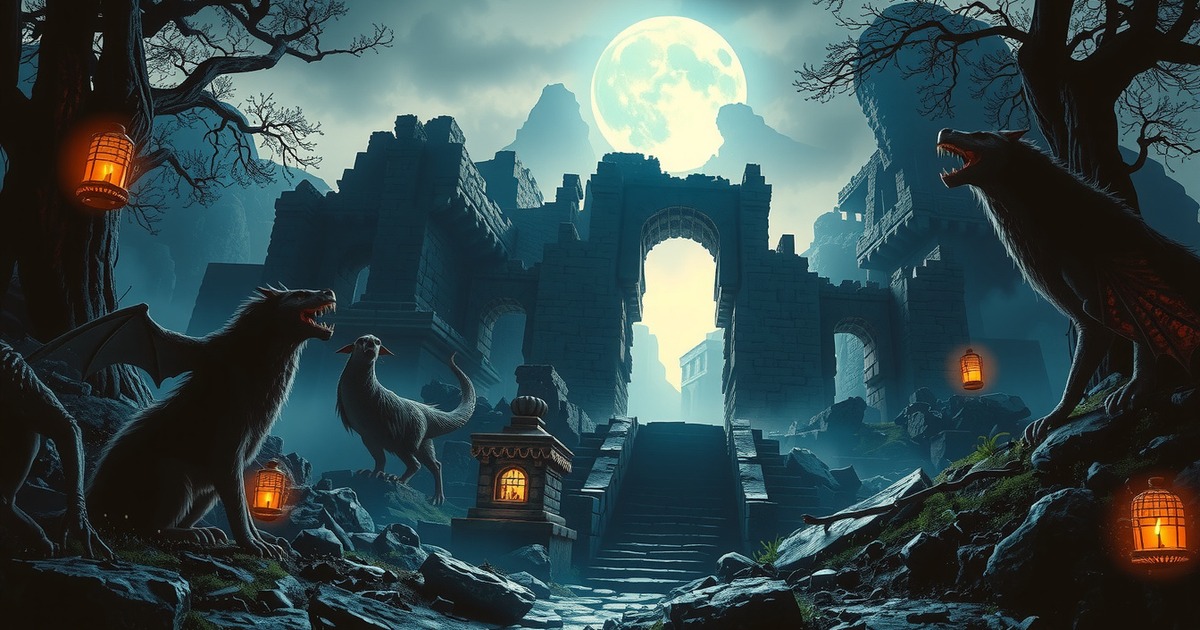
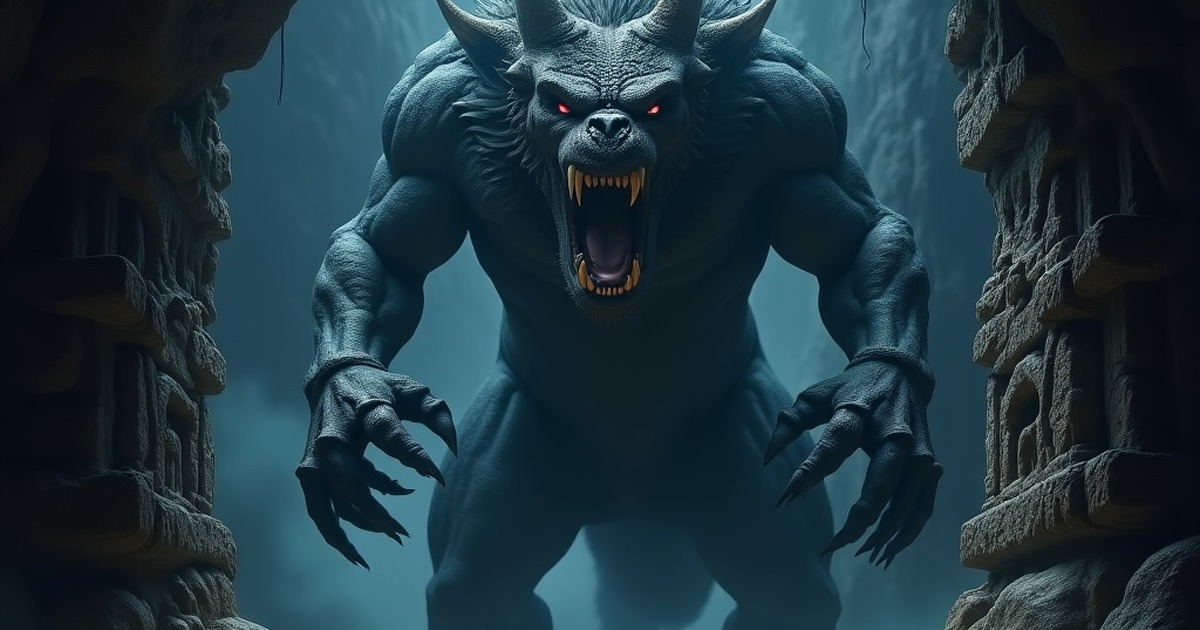
The Werewolf prowls through folklore worldwide – a human cursed or blessed with the ability to transform into a wolf or wolf-human hybrid. This shapeshifter embodies primal fears about the beast lurking within civilization, the thin line between human and animal nature.
Ancient Origins
Werewolf legends span cultures and millennia. The Greek myth of Lycaon, transformed into a wolf by Zeus for serving human flesh, gave us the term lycanthropy. Norse berserkers wore wolf skins and channeled lupine fury in battle. Medieval Europe saw werewolf trials alongside witch hunts.
Methods of Transformation
Becoming a werewolf varies by tradition. Some inherit the condition through bloodline. Others contract it through a werewolf bite. Curses, magic belts, or deals with dark powers grant the change. The full moon triggers transformation in modern tellings, though this connection is relatively recent.
Physical Transformation
Accounts describe agonizing transformations – bones snapping, muscles tearing, skin splitting as the human form gives way to beast. The result ranges from ordinary wolf to massive bipedal monster. Most retain some human intelligence; others become pure animal.
Vulnerabilities
Silver harms werewolves in post-medieval tradition, possibly connected to the moons silver light. Wolfsbane repels them. Some can be cured through silver, exorcism, or completing specific rituals. Others remain werewolves until death.
Modern Werewolf
Contemporary media explores werewolves as both monsters and antiheroes. They appear in countless films, novels, and games, often contrasted with vampires. The werewolf continues to represent the struggle between civilized restraint and primal instinct.
✦ Similar Creatures Across Cultures
Explore similar mythological beings: Werewolves Vs Skinwalkers: Comparing Shapeshifter Legends
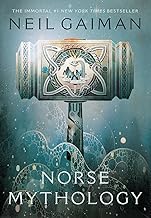
Recommended Mythology & Folklore Books
Explore the dark legends and folklore that have shaped our understanding of werewolves and other shape-shifting creatures:
The Penguin Book of Witches
A fascinating historical collection of witch trial documents and folklore.
Claim This Deal