Mythical creatures have colonized contemporary tattoo culture as corporeal manifestations of archetypal power, with dragons, phoenixes, and chimeric guardians comprising nearly 40% of large-scale body art commissions. These eldritch symbols alter flesh into sacred text, embodying Jung's collective unconscious through needle and ink—Eastern dragons coiling with benevolent wisdom, Western phoenixes blazing in crimson rebirth, griffins bridging strength and transcendence. From Mesopotamian protective wards to neo-traditional adaptations, each puncture seals personal metamorphosis into the dermis, rejecting societal constraints while inscribing spiritual reclamation upon the body's canvas, where ancient mythology converges with digital-age identity expression.
Key Takeaways
- Mythical creatures like dragons, phoenixes, and unicorns symbolize personal transformation, spiritual reclamation, and rejection of societal constraints through tattoo art.
- Dragons carry distinct meanings across cultures: Eastern dragons represent wisdom and water, while Western dragons symbolize fear and destruction.
- Contemporary tattoo styles blend neo-traditional bold lines, watercolor techniques, and digital influences from gaming franchises like Dark Souls.
- Celebrity tattoos featuring mythical creatures serve as autobiographical expressions, with dragons symbolizing strength and phoenixes representing renewal and rebirth.
- Future tattoo trends may incorporate biometric implants and augmented reality interfaces, transforming static mythical designs into animated, interactive experiences.
The Timeless Allure Unveiled
While civilizations have risen and fallen across millennia, the chimeric forms that once populated humanity's earliest mythologies continue to manifest upon living skin, changed from oral tradition into permanent ink.
These eldritch beings—dragons coiling through Eastern cosmologies, phoenixes ascending from Mediterranean flames, unicorns wandering Celtic forests—forge mythical connections between ancient worldviews and contemporary bodily autonomy.
The design evolution reflects not mere aesthetic preference but profound spiritual reclamation. Individuals choose these symbols to embody personal metamorphosis, rejecting societal constraints through permanent declarations of belief.
Neo-traditional techniques breathe new life into archaic iconography, while watercolor methods capture ethereal qualities once reserved for illuminated manuscripts. Realism renders scales and feathers with anatomical precision.
Each placement—shoulder blade becoming dragon's perch, spine shifting into phoenix's ascent—transforms flesh into sacred text. The phoenix motif particularly resonates with those embracing renewal, as this creature symbolizes immortality through its legendary cycle of death and rebirth from ashes every 500 years. This convergence of antiquity and modernity enables wearers to inscribe their own mythologies, claiming sovereignty over both body and narrative in defiance of conformity.
##
Modern tattoo artists summon forth an ancient bestiary upon living canvas, channeling the eldritch power of dragons whose serpentine forms coil across flesh in scales of shadow and flame, phoenixes that rise from pigmented ash with wings spread wide in eternal resurrection, and unicorns whose horn-crowned majesty speaks to primordial notions of untainted virtue.
These chimeric figures transcend mere decorative impulse—each creature emerges from distinct cultural cosmologies, bearing encoded wisdom from Norse longships to Himalayan temples, their meanings evolving through centuries of cross-cultural transmission and artistic reinterpretation.
Contemporary practitioners now fuse traditional symbolism with neo-traditional boldness, watercolor ethereality, and hyperrealistic precision, altering age-old archetypes into intimate declarations of personal mythology inked permanently into the body's architecture.
Among the most enduring sources of tattoo inspiration are the creatures from Norse mythology, where gods like Odin and Thor shared their cosmos with serpents, wolves, and ravens that embodied both cosmic forces and cultural values of the Viking Age.
Popular Mythical Creature Motifs
The dermis becomes canvas for humanity's oldest dreams, where mythical creatures find resurrection through needle and ink—transforming ancient archetypes into permanent symbols of personal mythology.
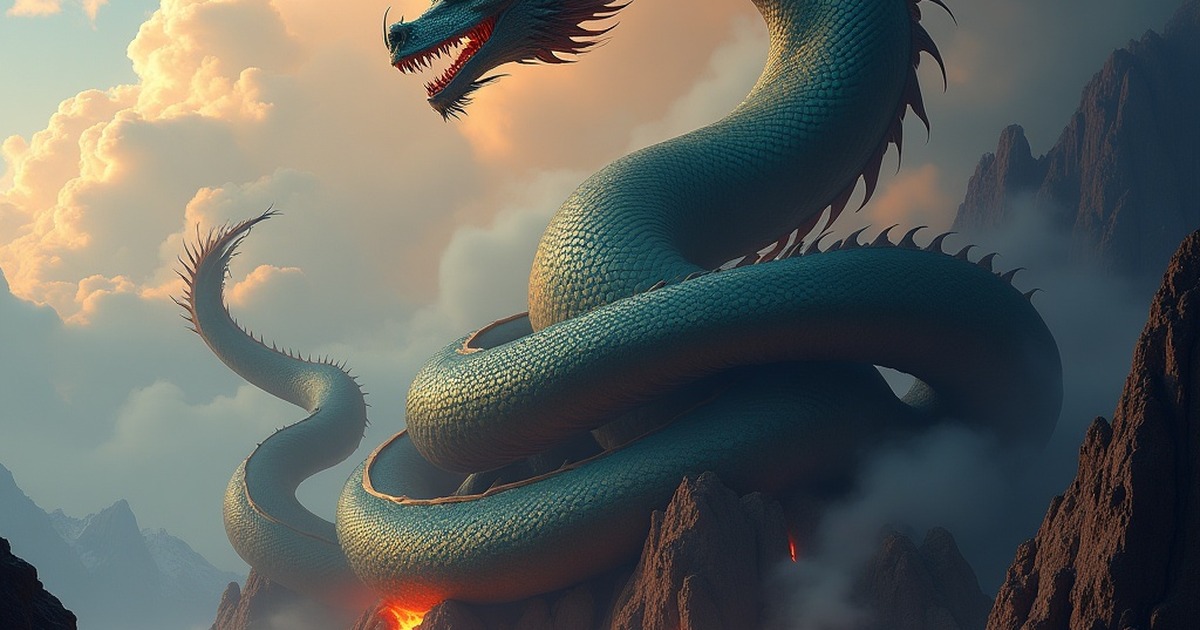
Dragons emerge most frequently, their serpentine forms coiling across shoulders and spines, embodying mythical symbolism rooted in Eastern wisdom and Western power.
The phoenix rises next, feathers rendered in crimson and gold, marking survivors who've walked through their own funeral pyres.
Unicorns pierce the veil with horn and mane, eldritch purity captured in flowing linework.
Mermaids swim through ribcages, scales catching light like water itself.
Griffins spread chimeric wings, lion-eagle hybrids guarding modern seekers.
Each creature evolution represents liberation from mundane existence—ancient iconography reborn as declarations of personal sovereignty, permanent affirmations to humanity's refusal of ordinary narratives.
Cultural Origins and Meanings
Across millennia and continents, these creatures've carried meanings as varied as the civilizations that birthed them—each culture inscribing distinct philosophies into serpentine scales and ethereal wings.
Eastern dragons embody wisdom, benevolence, divine protection—their cultural symbolism intertwined with water's life-giving essence.
Western wyrms? Fear incarnate. Destruction personified.
The phoenix's mythical representation spans Greek and Chinese traditions, its flames signifying rebirth through dissolution.
Japanese koi ascend impossible currents, their upstream struggle manifesting perseverance against entropy's pull.
Griffins merge leonine strength with avian transcendence, their chimeric forms bridging Persian and Hellenic worldviews—courage crystallized in eldritch geometry.
Each motif carries ancestral knowledge, converting flesh into living grimoire.
Modern ink artists channel these ancient repositories of cultural symbolism, rendering primordial archetypes onto contemporary skin.
Contemporary Tattoo Style Adaptations
Ink technologies reshape these ancestral forms through contemporary aesthetic lenses—neo-traditional bold lines reimagine phoenix plumage with calculated weight and shadow play, while watercolor techniques dissolve dragon scales into chromatic bleeding that defies classical boundaries.
These mythical adaptations emerge through eldritch precision, where artists wield advanced pigments to capture chimeric essence with unprecedented vibrancy.
Pop culture's influence liberates personal narratives—cinematic dragons and game-spawned beasts become vessels for individual evolution.
Intricate linework traces ancient power through modern compositions, each stroke embodying rebellion against convention.
Artistic reinterpretations honor ancestral symbolism while claiming autonomy through fluid arrangements that speak to contemporary seekers.
Technology serves vision.
The bearer claims mythical resonance as personal manifesto, wearing strength and transformation upon liberated skin—permanent declarations of resilience that transcend temporal constraints.
Symbolic Transformation Through Ink
When flesh becomes canvas for mythological iconography, alteration transcends mere aesthetic choice—it manifests as corporeal pact between bearer and archetype. These ink stories document symbolic journeys through chimeric imagery, where Eastern dragons inscribe benevolence upon skin while their Western counterparts embody primal terror.
The phoenix's eldritch flames mark rebirth narratives, permanent affirmations to personal metamorphosis. Each needle puncture seals change into dermis—dragons conferring strength and wisdom, phoenixes guaranteeing immortality through cycles of destruction and renewal.
Placement matters profoundly. Expansive designs across backs or chests proclaim major life upheavals; diminutive creatures nestled on wrists whisper quiet reminders of resilience.
Realism and watercolor techniques amplify these beings‘ numinous qualities, rendering ancient archetypes as contemporary talismans. The wearer becomes living grimoire, embodying chosen mythologies as declarations of autonomy and self-determination.
Ancient Tattoo Mythology Connection
The ancient Mesopotamians, as early as 3000 BCE, etched chimeric guardians—winged bulls and serpentine deities—into their flesh through rudimentary tattooing practices that would echo across millennia, reaching the Polynesian islands where elaborate geometric patterns invoked ancestral protection.
These permanent markings weren't mere decoration but rather eldritch contracts between mortal and myth, altering skin into sacred parchment where protective powers manifested through symbolic representation.
Tribal identity became inextricably woven with these mythological embodiments, as warriors and shamans alike bore the weight of divine imagery, their bodies serving as thresholds between the terrestrial domain and the numinous realms of legend.
Ancient Mesopotamian Tattoo Evidence
Cuneiform tablets and burial grounds across ancient Mesopotamia reveal a civilization that understood the body as sacred canvas, where needle and pigment converged with divine purpose.
Archaeological evidence from 2000 BC demonstrates how Mesopotamian artistry altered flesh into protective wards against eldritch forces lurking beyond mortal perception. The Lamassu—that chimeric fusion of human intellect, leonine strength, and bull-like endurance—dominated tattoo rituals, each inked guardian serving both spiritual significance and social identity.
The Epic of Gilgamesh chronicles these permanent inscriptions as markers of divine covenant and earthly hierarchy. Warriors bore protective symbols; priests carried sacred geometries; merchants displayed clan affiliations.
These weren't mere decorations. They were existential declarations, boundary markers between chaos and civilization, mortality and transcendence.
Mesopotamia to Polynesian Islands
As maritime currents carried humanity across vast oceanic expanses, the sacred practice of inscribing mythical guardians onto human skin traveled with them—transforming, adapting, evolving across millennia and geography. Mesopotamian symbolism, with its chimeric Lamassu protectors, established fundamental archetypes that would echo through subsequent civilizations. These eldritch guardians—part human, part beast—embodied protective power that transcended cultural boundaries.
| Cultural Origin | Mythical Guardian | Symbolic Purpose |
|---|---|---|
| Mesopotamia | Lamassu (lion-human) | Strength, protection |
| Ancient Egypt | Scarab beetle deity | Rebirth, afterlife |
| Polynesian Islands | Ancestral spirits | Spiritual connection |
| Americas (Indigenous) | Thunderbird | Divine power |
| Cross-cultural | Chimeric beings | Universal guardianship |
Polynesian spirituality independently developed tatau practices that similarly encoded mythological protection, demonstrating humanity's universal impulse toward sacred body inscription. Ancient wisdom persists.
Protective Powers and Tribal Identity
When ancient practitioners pressed obsidian blades, sharpened bone awls, and natural pigments into living flesh, they weren't merely decorating bodies—they enacted transmutative rituals that bound mythological power directly into human dermis.
Polynesian warriors bore Taniwha across their skin—eldritch water beings promising dominion over adversity. Mythical symbolism became armor. Native American tribes inscribed chimeric guardians that proclaimed spiritual rank, each mark reinforcing tribal significance through ancestral bloodlines.
These weren't aesthetic choices. They were declarations of belonging, shields against malevolent forces prowling beyond firelight. The wearer absorbed protective essence, becoming conduit between earthly vulnerability and supernatural defense.
Modern artists resurrect these primordial contracts, understanding that certain symbols still pulse with ancient authority, still offer sanctuary to those seeking connection with forces older than empires.
Greek Vs Norse Symbolism
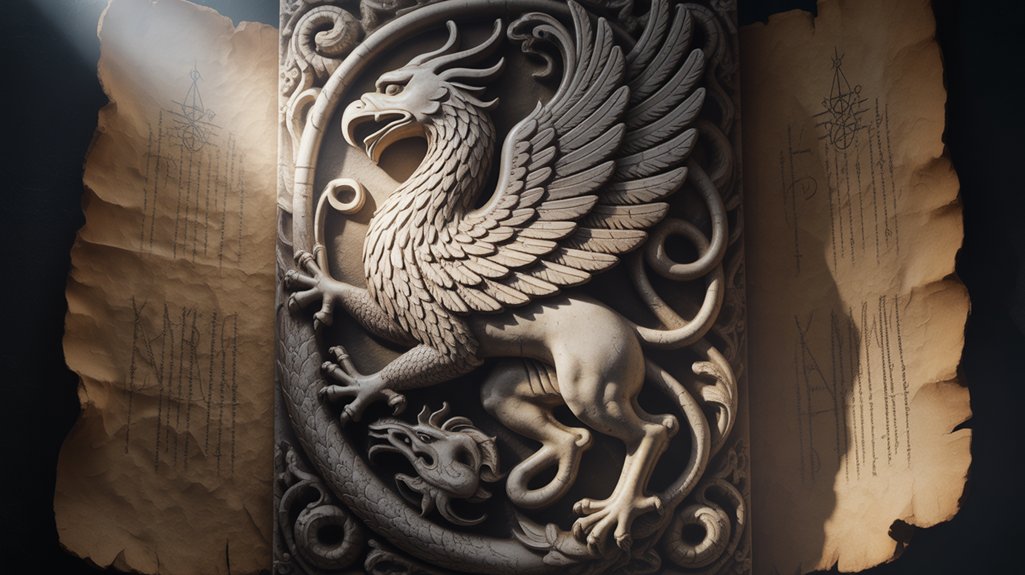
Within the ancient tapestries of Mediterranean and Scandinavian cosmology, two distinct philosophical approaches to mythical creatures emerge—each reflecting the fundamental values, fears, and aspirations of its originating culture. Greek Harpies embody beauty's dangerous duality, while courage symbolism permeates Griffin imagery—creatures standing sentinel over heroism valor. Norse Jörmungandr, the eldritch serpent encircling Midgard, manifests chaos representation through its apocalyptic presence. The dichotomy deepens when examining draconic entities.
| Aspect | Greek Tradition | Norse Tradition |
|---|---|---|
| Dragon Symbolism | Greek Dragons as adversaries to overcome | Norse Fafnir embodying greed alteration |
| Aesthetic Approach | Harmonious, idealized proportions | Rugged, fierce chimeric forms |
| Core Philosophy | Balanced virtue through conquest | Raw power, cyclical destruction |
These cosmological frameworks liberate modern tattoo enthusiasts, offering pathways toward self-definition through ancient archetypal resonance. Mediterranean idealism versus Scandinavian fatalism. Both traditions endure, inscribed upon willing flesh.
Personal Transformation Through Mythical Imagery
Beneath layers of dermis and deliberate pigment, mythical creatures function as cartographic markers—charting voyages through psychospiritual alteration that defy linear chronology.
These eldritch emblems crystallize personal narratives into permanent hieroglyphs, altering epidermis into sacred text. The phoenix ascending through ash-laden smoke mirrors the wearer's resurrection from dissolution, while chimeric dragons embody sovereignty reclaimed through adversity.
Transformative journeys manifest through calculated iconography:
- Koi fish swimming upstream: Perseverance through tumultuous currents, honoring Japanese folklore where these creatures achieve draconic apotheosis after scaling waterfalls
- Unicorn spirals: Aspirational purity maintained despite corrupting forces, representing untarnished autonomy
- Griffin amalgamations: Divine protection merging terrestrial strength with celestial wisdom
- Serpent ouroboros: Cyclical renewal consuming and regenerating identity perpetually
Such imagery transcends aesthetic preference—it becomes rebellion against stagnation.
Each needle puncture inscribes liberation theology upon flesh, ancestral wisdom channeled through contemporary artistry. These permanent declarations refuse societal conformity, instead celebrating autonomous evolution through mythological communion.
Celebrity Mythical Creature Tattoos
Within contemporary celebrity culture, mythical creature tattoos serve as permanent representations of personal mythology, their eldritch symbolism etched into famous flesh as both armor and autobiography.
Dragons coil around Rihanna's shoulders as protective sigils while Emilia Clarke's wrist bears the serpentine mark of Targaryen ambition, and David Bowie's phoenix emerged from his skin as prophetic emblem of his continual artistic evolution.
These chimeric inscriptions alter celebrity bodies into sacred texts, each creature—whether dragon, phoenix, or unicorn—functioning as threshold guardian between public persona and private change.
Famous Dragon Tattoo Owners
Dragons—those eldritch serpents of antiquity whose coiled forms have adorned cave walls, temple facades, and imperial banners for millennia—now find permanent residence upon the skin of contemporary celebrities, altering mortal flesh into living canvases of mythological power.
Dragon tattoo significance manifests through Angelina Jolie's intricate left-arm design, embodying personal strength and resilience. Jason Momoa's prominent wyrm speaks to protection and dominance, mirroring his fantasy-realm personas. Ed Sheeran's interpretation captures transformation's essence—the shedding of scales as metamorphosis.
Cara Delevingne's thigh-mounted beast channels adventurous spirit through chimeric imagery. Lil Wayne's chest piece declares dominance, resonating with pan-cultural representations of draconic supremacy.
These celebrity tattoo inspirations demonstrate how ancient symbolism transcends temporal boundaries, embedding primordial power into contemporary identity. Each bearer becomes custodian of mythological heritage.
Phoenix Ink Among Stars
While dragons embody primal ferocity and dominion, the phoenix—that cyclical creature of conflagration and renewal—offers contemporary celebrities an entirely different mythological vernacular through which to articulate their changes.
Miley Cyrus and Rihanna have inscribed this eldritch avian upon their skin, its vibrant plumage rendered in watercolor cascades and neo-traditional precision.
Phoenix symbolism resonates profoundly within public trajectories marked by scrutiny, scandal, resurrection. These stars broadcast their inked narratives across social platforms, normalizing mythical iconography for millions.
Celebrity influence catalyzes demand. Fans seek identical chimeric designs, craving alteration emblazoned in crimson and gold.
The phoenix's intricate feathers, each stroke deliberate, become vessels for personal rebirth—ancient Egyptian Bennu bird reimagined through modern needles.
What was once occult knowledge now adorns flesh freely chosen, each tattoo a declaration of autonomy over one's narrative arc.
Pop Culture Icon Choices
Three distinct mythological archetypes—unicorns, mermaids, dragons—dominate the dermis of contemporary luminaries, each creature selected not arbitrarily but through deliberate alignment between personal mythology and public persona.
Miley Cyrus and Ariana Grande's unicorn selections channel ancient European symbolism of purity converted through celebrity influences into declarations of magical autonomy.
Tom Hardy's draconian imagery, etched across muscled flesh, evokes eldritch power narratives spanning Chinese dynasties to Celtic manuscripts, the tattoo significance residing in change's promise.
Rihanna's mermaid-goddess fusion resurrects Phoenician Atargatis worship, beauty weaponized through oceanic mystery.
Emilia Clarke's triple-dragon commemoration transcends mere fandom; it channels chimeric sovereignty, her epidermis becoming parchment where fictional Valyrian bloodlines intersect with performer identity.
David Bowie's phoenix—that ancient Egyptian Bennu bird reborn from Heliopolis flames—manifested artistic reinvention through permanent pigment, death eternally conquered.
Gaming and Film Influences
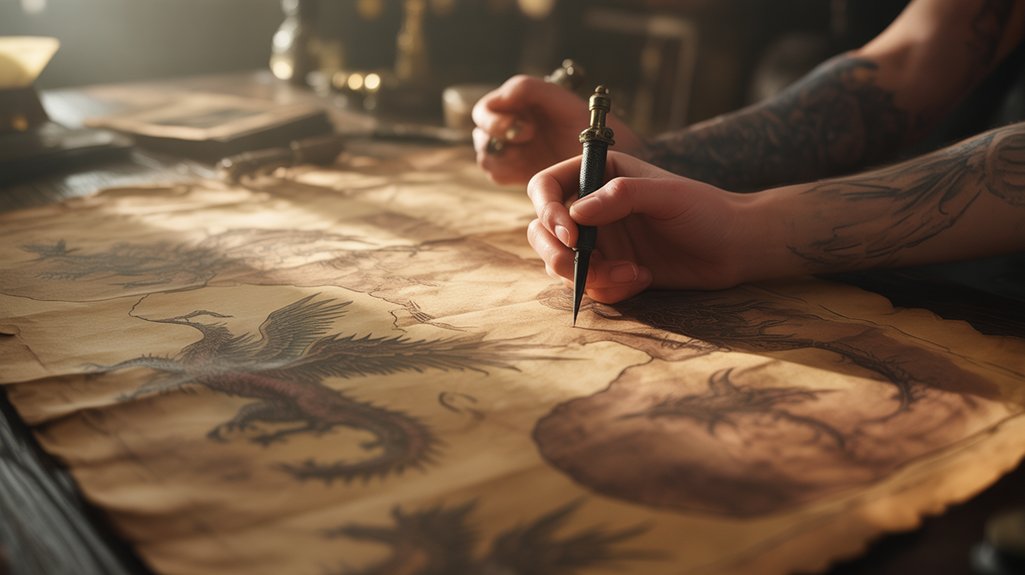
As interactive digital media alters contemporary aesthetic consciousness, video games and cinematic narratives have emerged as primary wellsprings for mythical tattoo iconography—displacing, yet simultaneously reviving, ancient folkloric traditions through their hybrid visual languages.
Gaming tattoos drawn from Dark Souls and The Witcher translate eldritch encounters into permanent flesh chronicles, their intricate armor designs and chimeric beasts embodying digital pilgrimages through virtual underworlds.
Gaming ink transforms virtual conquests into corporeal monuments, etching pixelated odysseys onto skin as modern hieroglyphs of digital devotion.
Film tattoos likewise resurrect archetypal imagery: The Lord of the Rings' Witch-king materializes ancient wraith-lord aesthetics, while Pan's Labyrinth channels Iberian folklore through del Toro's haunting visual lexicon.
Essential manifestations include:
- Mythical weaponry rendered with smithing precision, honoring both craftsmanship traditions and narrative significance
- Character portraits functioning as talismanic guardians, binding wearer to protagonist's life-changing journey
- Symbolic glyphs and runes that encode game lore into esoteric personal language
- Dark fantasy creatures bridging medieval bestiaries with contemporary digital mythology
These transmedia narratives democratize mythological access, enabling individuals to curate personal pantheons.
Jung's Archetypal Symbolism Analysis
Jung's archetypal framework illuminates why mythical creatures persist across millennia and mediums—these beings aren't mere decorative fantasies but psychic structures embedded within humanity's collective unconscious, manifesting through tattoo art as visible cartographies of invisible change.
Through archetypal interpretation, dragons emerge as threshold guardians embodying primordial terror and sovereignty, their serpentine forms etched onto flesh mapping the psyche's confrontation with shadow elements.
The phoenix becomes alchemical cipher, its flames consuming and regenerating identity through cyclical death-rebirth patterns tattooed as proof of change's sacred violence.
Unicorns channel eldritch purity, their chimeric singularity representing humanity's eternal reach toward transcendence, needle-inscribed upon seekers who refuse mundane existence.
These totemic marks function as psychological anchors, each creature serving as navigational star through personal metamorphosis.
The collective unconscious speaks through ink and blood, ancient symbols resurrected on modern skin, bridging temporal divides where mythic wisdom guides contemporary pilgrims toward self-realization's luminous horizon.
Modern Identity Expression Tool
Beyond Jung's collective unconscious lies another truth: mythical creatures inscribed upon contemporary skin function as deliberate identity architecture, each inked beast claiming autonomy over self-definition in an era demanding personal narrative control.
Dragons spiraling across shoulders declare metamorphosis earned through personal crucibles, while phoenixes rising from sternum to throat announce rebirth claimed, not granted. These identity narratives transcend mere decoration—they constitute embodied manifestos.
Tattoo symbolism draws power from ancient reservoirs. The eldritch serpent of Norse mythology channels völva wisdom; Japanese kitsune masks hold shape-shifting autonomy; Greek chimeric forms blend multiple selves into singular truth.
Contemporary artists merge watercolor fluidity with photorealistic precision, creating liminal compositions that honor ancestral traditions while asserting modern individualism. Each needle puncture becomes ritual scarification for the twenty-first century, marking flesh as sovereign territory where cultural heritage intersects with radical self-determination, where the mythical becomes irrevocably, defiantly personal.
Future Trends and Innovations
While ancient mythologies once transmitted wisdom through oral traditions and illuminated manuscripts, tomorrow's mythical creatures will materialize through biometric implants and photonic overlays—AR interfaces already convert static ink into animated serpents that coil across flesh when viewed through smartphone lenses, their scales shimmering with programmed iridescence impossible in traditional pigment.
These future innovations merge eldritch symbolism with state-of-the-art tattoo technology, liberating artists from conventional constraints.
Advanced tattoo innovations fuse ancient mythological symbols with cutting-edge technology, freeing contemporary artists from traditional artistic limitations.
Plant-based inks extracted from sacred botanicals now replace petroleum derivatives, honoring both earth and epidermis. Watercolor phoenixes dissolve into abstract geometries.
Chimeric beasts born from collaborative digital-physical partnerships transcend traditional boundaries, their narratives unfolding across multiple dimensions. Social media algorithms propagate viral interpretations—a qilin reimagined through cyberpunk aesthetics, Nordic draugr rendered in stippled minimalism.
The tattooed body becomes palimpsest, archive, living canvas. Each innovation amplifies personal sovereignty over symbolic expression, democratizing access to ancestral wisdom while pushing artistic frontiers into uncharted territories where myth and technology converge.
Frequently Asked Questions
How Much Does a Mythical Creature Tattoo Typically Cost?
Mythical creature pricing varies considerably, bound to tattoo size factors and the chimeric complexity of one's chosen design.
Small, eldritch symbols—perhaps a modest phoenix or serpent—begin around $150, while elaborate full-back renderings of Japanese dragons or Nordic beasts can demand $3,000 or more.
Each artist's mastery, the design's intricacy, color saturation, and session duration shape the final cost.
Those seeking bodily alteration through ancient iconography must invest accordingly, honoring both craft and timeless symbolism.
What Is the Healing Time for Detailed Mythical Creature Tattoos?
Like ancient wounds evolving into sacred scars, detailed mythical creature tattoos require two to four weeks for surface healing, though complete dermal restoration spans three months.
Healing factors prove multifaceted: intricate chimeric designs demand meticulous aftercare, while individual skin types—whether resilient or delicate—dictate recovery velocity.
Those who choose draconic sleeves or eldritch serpents must honor their body's regenerative wisdom, understanding that complex linework, dense shading, and vibrant pigments necessitate extended cellular renewal periods before the artwork fully manifests.
Which Tattoo Artists Specialize in Mythical Creature Designs?
Contemporary practitioners like Dmitriy Samohin weave chimeric visions through blackwork mastery, while Haewall alters creature symbolism into geometric revelations.
Mike Moses channels eldritch dragons with prismatic intensity, his needles translating ancient Oriental manuscripts into living skin.
Ryan Ashley Malarkey explores Gothic bestiary traditions through delicate linework—each artist commanding distinct mythical styles rooted in cross-cultural research.
These modern shamans don't merely replicate folklore; they resurrect it, honoring ancestral archetypes while liberating them from temporal constraints, creating talismans for those who refuse conventional boundaries.
Are Certain Mythical Creatures Inappropriate for Specific Body Placements?
Dragons sprawling across entire backs could rival the Sistine Chapel's majesty.
However, practitioners must honor cultural significance when positioning mythical imagery—placing a sacred phoenix on one's feet disrespects its celestial nature in Eastern traditions, while Polynesian taniwha demand specific body symbolism aligned with ancestral protocols.
The chimeric griffin's solar associations make lower placements spiritually discordant. Each eldritch being carries ancient codes, liminal boundaries between sacred and profane.
True freedom emerges through understanding these unwritten laws, not violating them.
Can Mythical Creature Tattoos Be Easily Covered or Removed Later?
Mythical creature tattoos resist easy erasure, their eldritch forms demanding extensive removal techniques—laser sessions numbering ten to twenty, depending on ink depth and chimeric complexity.
Cover up options exist, altering phoenixes into dragons, kelpies into serpents, yet larger specimens require strategic artistic alchemy.
The seeker of such permanent markings must understand: these ancient symbols, once inscribed upon flesh, claim their territory with stubborn permanence.
Liberation lies not in removal, but in conscious, reverent selection from mythology's vast pantheon.
Conclusion
In this eternal dance between antiquity and innovation, mythical creature tattoos transcend mere aesthetic choice—they've become the single most powerful medium for human self-expression in millennia. These chimeric forms, etched upon skin, weave together Jungian archetypes, cultural reverence, and contemporary identity. As technological advancement meets ancient symbolism, the dermis becomes sacred parchment. The future promises even deeper synthesis: eldritch imagery channeling primordial truths through evolving artistic methodologies, ensuring mythology's immortal resonance.