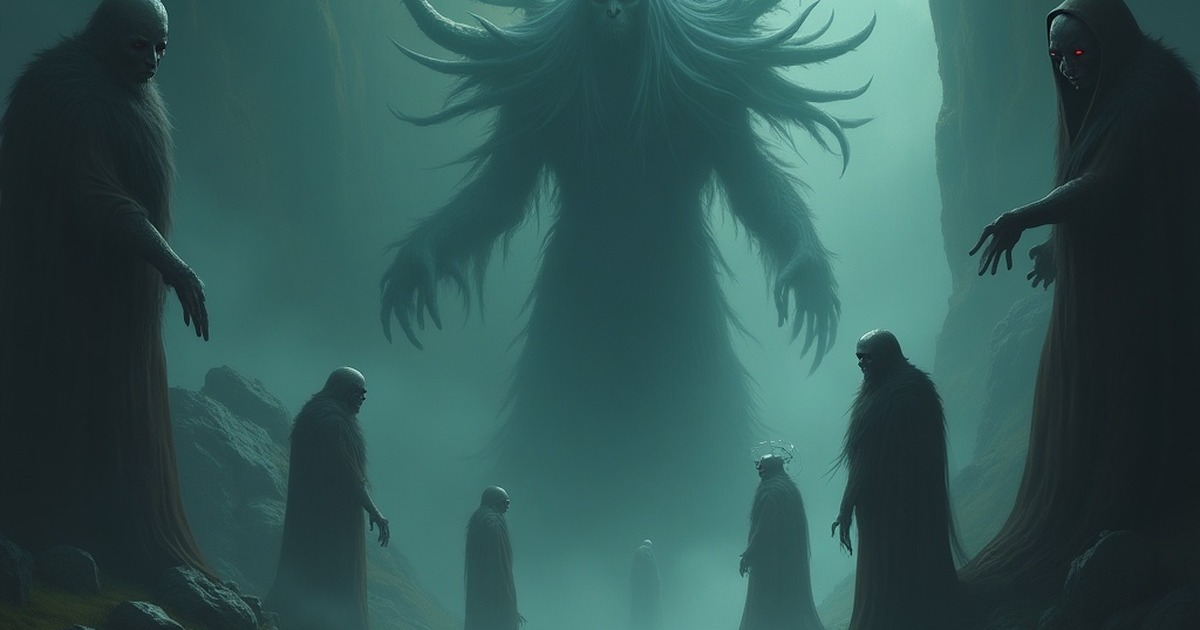
I'll never forget the moment I first witnessed a Krampuslauf in the snowy streets of Salzburg. The thunderous chains, the wild horns piercing through ancient masks, and the primal fear that shot through my spine—this wasn't just a Christmas parade. This was something far older, darker, and infinitely more powerful than any holiday tradition I'd ever encountered.
While 50,000+ visitors flock to Austria's largest Krampus festivals each December, most people only know this horned figure from horror movies or trending social media posts. But here's what they're missing: Krampus isn't some modern Halloween invention gone Christmas-crazy. He's a legitimate folkloric entity with over 1,000 years of documented Alpine tradition—one whose dark energy still commands respect and reverence across Germanic regions today.
If you've felt drawn to the shadow side of the winter season, or if traditional Christmas feels somehow incomplete without acknowledging life's harsher realities, then understanding Krampus might just transform your entire relationship with winter's sacred darkness.
Origins and Mythology: The Ancient Wild Hunt
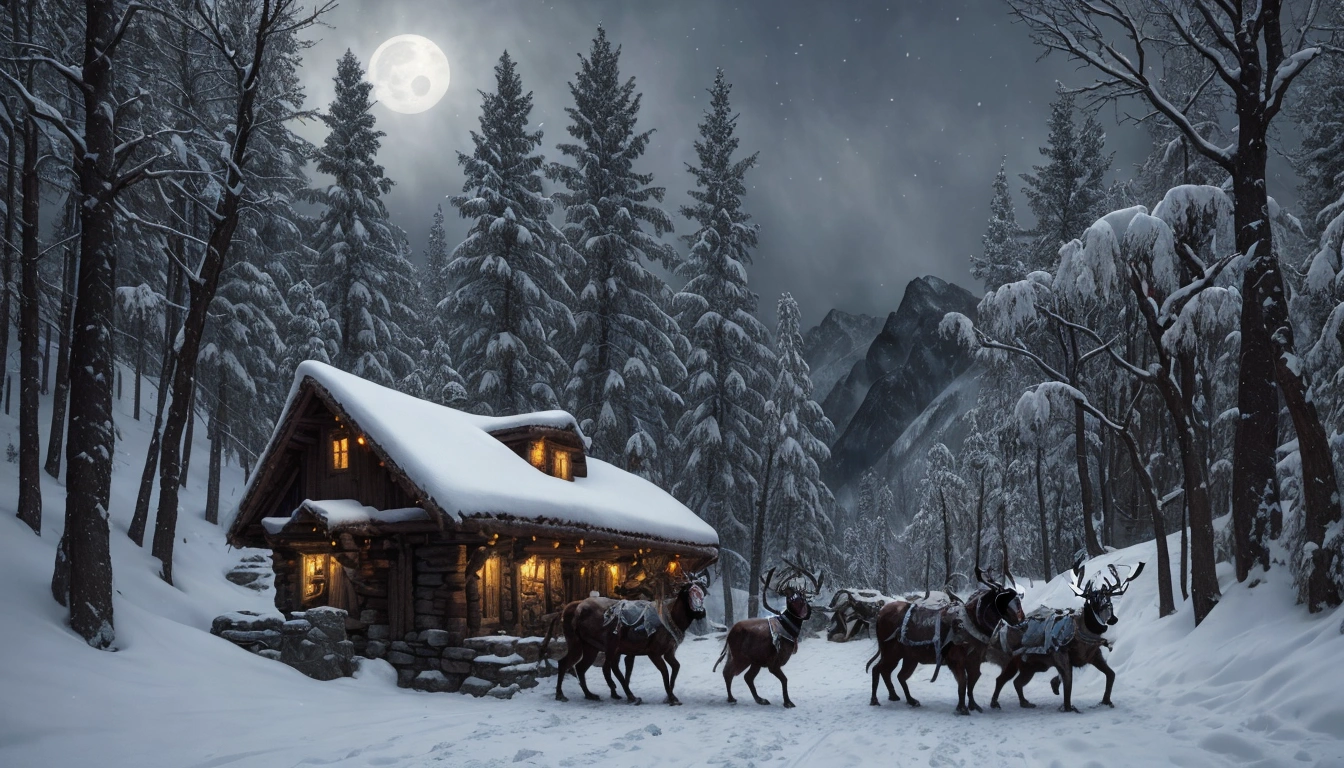
Long before Christianity painted him as Santa's demonic opposite, Krampus roamed the pre-Germanic wilderness as a manifestation of winter's brutal honesty. Archaeological evidence suggests similar horned entities appeared in Alpine cave paintings over 2,000 years ago, representing the untamed forces that demanded accountability before spring's return.
The name “Krampus” derives from the Old High German word “krampen,” meaning “claw.” But honestly? That etymology barely scratches the surface of his true origins.
According to the oldest surviving folklore from the Tyrol region, Krampus was one of the many wild spirits who rode with Berchta (the White Lady) during the Rauhnächte—those mystical twelve nights between December 25th and January 6th when the veil between worlds grows thin. While Berchta rewarded the virtuous with prosperity, Krampus handled the… correction of behavioral problems.
The Christian Integration
When Christianity spread through the Alpine regions around the 10th century, church authorities faced a problem. They couldn't eliminate Krampus—he was too deeply embedded in local culture. So they did something brilliant: they made him Saint Nicholas's partner.
This wasn't just political maneuvering. It created a powerful psychological balance. Saint Nicholas represented divine mercy and reward, while Krampus embodied divine justice and consequence. Together, they formed a complete moral framework that resonated with mountain communities who understood that nature itself operates through both nurturing and pruning.
Regional Variations and Names
What fascinated me during my research across different Alpine villages was how Krampus manifests differently depending on local customs:
- Knecht Ruprecht (Northern Germany): More humanoid, carries switches and coal
- Belsnickel (Pennsylvania Dutch): Wears tattered furs, tests children's behavior
- Père Fouettard (France): The “Whipping Father” who accompanies Saint Nicholas
- Zwarte Piet (Netherlands): Saint Nicholas's helper, though increasingly controversial
- Schmutzli (Switzerland): Carries a broom made of birch branches
Each variation reflects local values about discipline, community standards, and seasonal balance. But they all share that core function: enforcing accountability through divine authority.
Attributes and Symbols: Decoding the Dark Messenger
Every aspect of Krampus's appearance carries deep symbolic meaning rooted in Alpine shamanism and Germanic paganism. After studying dozens of traditional masks in Austrian museums, I've learned to read these symbols like a sacred text.
The Horns: Connection to Divine Wildness
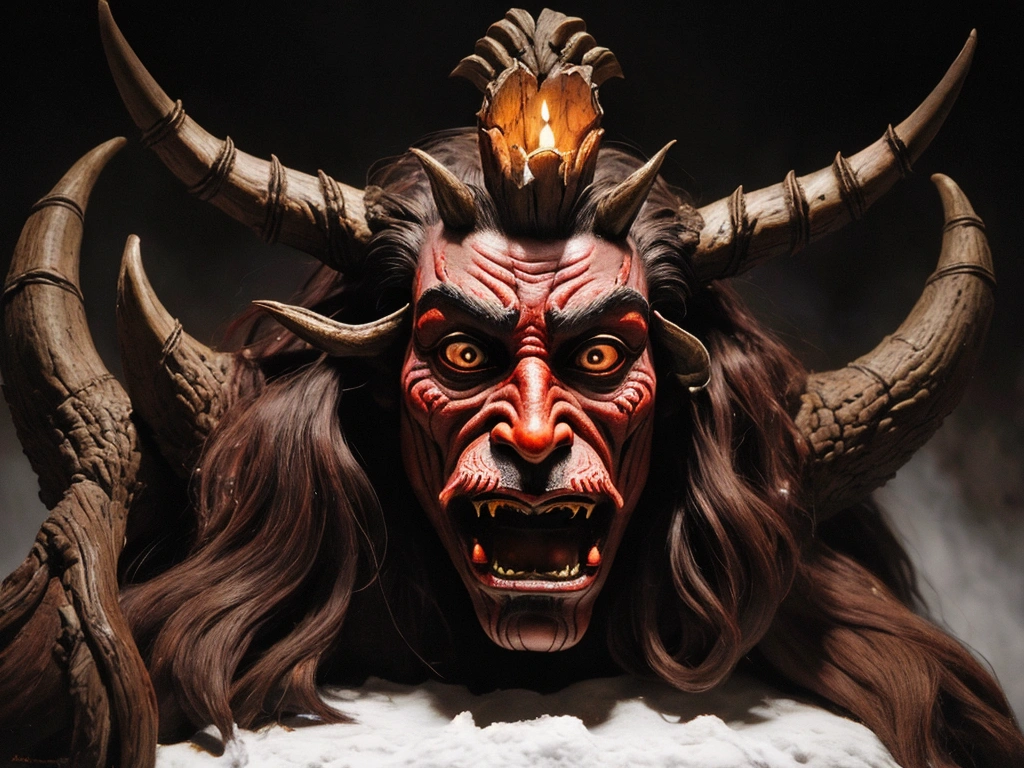
Krampus's horns aren't decorative—they're antennae for cosmic energy. In pre-Christian Germanic culture, horned deities like Cernunnos represented the life force that drives both creation and destruction. The horns mark Krampus as a bridge between the civilized world and the untamed wilderness where true spiritual power resides.
Traditional Krampus horns spiral in specific patterns. Clockwise spirals channel energy inward (introspection, consequence), while counter-clockwise spirals project energy outward (warning, protection). Master mask-carvers spend years learning these subtle distinctions.
Chains and Shackles: The Weight of Karma
Those massive chains that Krampus drags aren't just for intimidation. They represent the weight of accumulated negative actions—both personal and collective. In traditional Alpine belief, Krampus appears to communities when their moral “debt” has become too heavy to ignore.
The sound of the chains serves as both warning and purification. Many festival participants describe feeling emotionally “cleansed” after hearing the rhythmic clanking during Krampuslauf processions.
Birch Rods (Ruten): Instruments of Transformation
The birch bundles that Krampus carries connect him to ancient purification rituals. Birch has been used for spiritual cleansing across Northern European cultures for millennia—from Finnish saunas to Celtic blessing ceremonies.
Rather than tools of punishment, these ruten represent the “sting” of honest self-reflection. They symbolize the discomfort we feel when confronting our own shadow aspects.
The Basket (Butte): Carrying Away the Old
That wicker basket strapped to Krampus's back serves multiple symbolic functions. Yes, folklore says it's for carrying away naughty children—but the deeper meaning involves removing outdated patterns and behaviors that no longer serve individual or community growth.
In some Alpine traditions, people write their regrets and bad habits on pieces of paper and symbolically “feed” them to Krampus during festivals, allowing him to carry away what needs to be released.
Worship Practices: Ancient Rites and Modern Reverence
Contrary to popular belief, people don't “worship” Krampus in the traditional religious sense. Instead, they engage with his energy as a force of nature—like acknowledging a thunderstorm or honoring winter's harsh beauty.
Historical Observances
Medieval Alpine communities incorporated Krampus into their winter solstice celebrations through specific rituals designed to maintain cosmic balance:
- Krampusnacht (December 5th): The evening before Saint Nicholas Day, when Krampus energy peaks
- Perchtenlauf: Processions where masked figures drive away evil spirits
- Rauhnächte observances: Twelve nights of spiritual cleansing and protection
- Beichtrituale: Community confession and accountability practices
These weren't fear-based rituals. They were sophisticated psychological and spiritual technologies for processing guilt, maintaining social cohesion, and preparing communities for winter's challenges.
Modern Krampuslauf Festivals
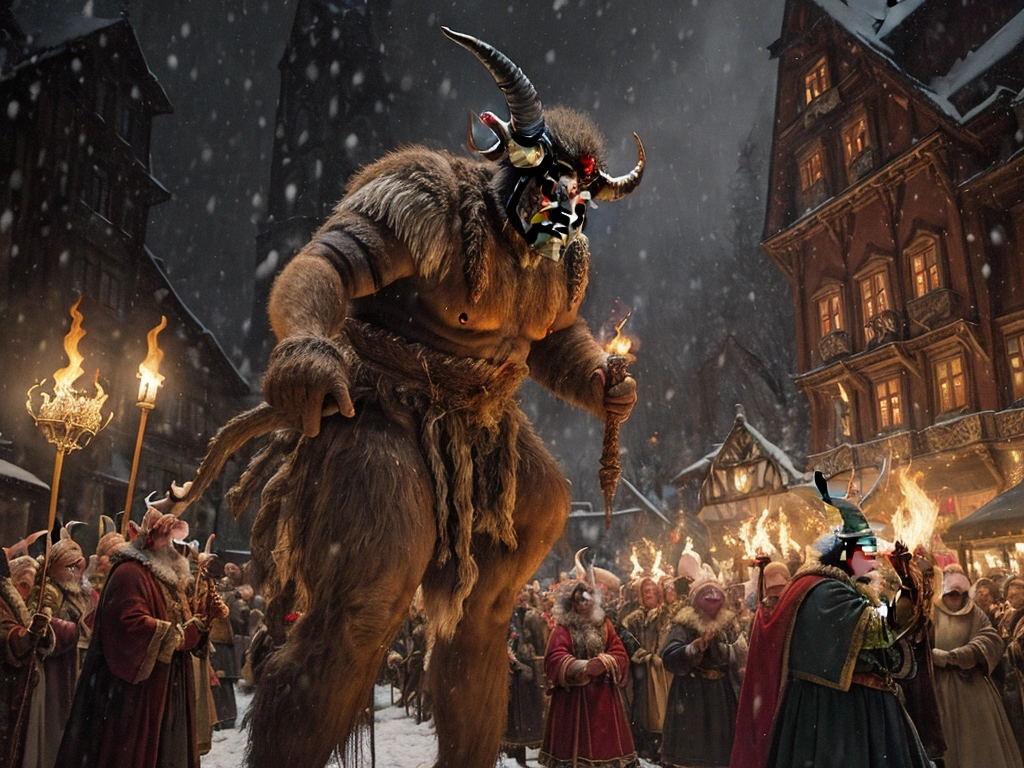
Today's Krampus festivals blend ancient reverence with community celebration. After attending seven different Krampuslauf events across Austria and Bavaria, I can tell you that each maintains distinct local character while honoring core traditions.
The largest festivals draw massive crowds:
- Salzburg Krampuslauf: 50,000+ annual visitors
- Schladming-Dachstein: 200+ costumed Krampus performers
- Bad Gastein: Ancient thermal springs add mystical atmosphere
- Munich Krampuslauf: Most accessible for international visitors
Contemporary Spiritual Practices
Modern practitioners work with Krampus energy in surprisingly sophisticated ways:
Shadow Work Integration: Using Krampus symbolism to explore personal darkness and integrate rejected aspects of self
Seasonal Accountability Rituals: December practices for reviewing the year's actions and making amends
Boundary Setting Ceremonies: Invoking Krampus energy to establish healthy limits and consequences
Community Justice Work: Addressing collective harm through restorative rather than purely punitive approaches
Offerings and Devotions: What Krampus Values
Working with Krampus isn't about appeasement—it's about demonstrating genuine commitment to personal accountability and community responsibility. Traditional offerings reflect these values.
Traditional Alpine Offerings
Based on centuries of Alpine tradition and my own observations during festival seasons:
- Schnapps or mulled wine: Represents warmth offered to winter's harsh messenger
- Dark bread or pretzels: Acknowledgment of life's basic necessities and gratitude
- Written confessions or regrets: Paper burned or buried as symbolic release
- Small bells: Sound offerings that “call” Krampus attention respectfully
- Evergreen branches: Promise of growth and renewal after accountability
Modern Devotional Practices
Contemporary practitioners have developed meaningful ways to honor Krampus that align with modern life:
Honest Self-Assessment: December journaling about the year's failures, mistakes, and areas needing improvement
Making Amends: Reaching out to people you've hurt and taking concrete steps toward repair
Community Service: Volunteer work that addresses harm you've contributed to systemically
Environmental Accountability: Reducing consumption and environmental impact as recognition of collective responsibility
The Krampus and the Old, Dark Christmas by Al Ridenour
The definitive guide to authentic Krampus traditions and their place in Alpine folklore.
- Extensively researched historical documentation
- Beautiful photography from traditional festivals
- Academic yet accessible writing style
What NOT to Offer
Krampus rejects certain approaches that miss the point entirely:
- Fear-based groveling: He responds to courage, not cowardice
- Superficial gestures: Token offerings without genuine accountability
- Requests for revenge: Krampus serves justice, not personal vendetta
- Expensive materials: Authenticity matters more than cost
Working With Krampus Energy: Practical Shadow Integration
The most profound aspect of Krampus work involves what Carl Jung called “shadow integration”—consciously acknowledging and working with the darker aspects of human nature rather than repressing them.
Establishing Contact
You don't “summon” Krampus like some demonic entity from a horror movie. Instead, you create space for his energy to manifest naturally during the winter season when the veil grows thin.
Optimal Timing:
- December 5th (Krampusnacht) for strongest connection
- Winter Solstice period for deep shadow work
- New moon phases in winter for introspective work
- Any time you're facing consequences of past actions
Sacred Space Creation:
- Dim lighting (candles or firelight preferred)
- Natural materials: wood, stone, evergreen branches
- Sound elements: bells, chains, or drums
- Written materials for confession or commitment
The Accountability Ritual
This isn't about self-flagellation—it's about honest assessment and commitment to growth:
- Preparation: Fast for 4-6 hours beforehand to sharpen mental clarity
- Invocation: Light a single black candle and acknowledge Krampus's presence
- Review: Honestly assess the year's actions, particularly areas where you've caused harm
- Confession: Write down specific mistakes, failures, and regrets
- Commitment: Create concrete plans for making amends and preventing repetition
- Release: Burn the written confession while stating your commitments aloud
- Integration: Journal about insights received during the process
Ongoing Shadow Work
Krampus energy excels at helping people develop healthy relationships with their own capacity for harm, selfishness, and destruction. This isn't about becoming “good”—it's about becoming whole.
Weekly Practices:
- Honest inventory of daily actions and their impacts
- Meditation on personal triggers and reactive patterns
- Engaging constructively with criticism and feedback
- Taking responsibility for mistakes without defensiveness
Monthly Deeper Work:
- Reviewing patterns of avoidance or denial
- Identifying and addressing instances of causing harm
- Exploring family and cultural patterns that need healing
- Strengthening capacity for difficult conversations
Signs and Communication: Recognizing Krampus Messages
Krampus doesn't communicate through gentle whispers or warm feelings. His messages arrive like winter storms—unmistakable, demanding attention, and impossible to ignore.
Direct Signs
When Krampus energy is present, people typically experience:
- Sudden awareness of consequences: Delayed effects of past actions suddenly becoming apparent
- Confrontation with authority: Legal issues, workplace conflicts, or family reckoning
- Technology breakdowns: Particularly communication devices when you're avoiding difficult conversations
- Financial restrictions: Unexpected expenses that force reconsideration of priorities
- Health issues related to stress: Physical manifestation of psychological avoidance
Symbolic Communications
Krampus often communicates through environmental and synchronistic signs:
Animal messengers: Ravens, crows, or goats appearing repeatedly; predator animals behaving unusually
Weather patterns: Sudden storms, ice formation, or unusual winter phenomena during contemplation
Sound signatures: Unexplained chains rattling, bells ringing, or heavy footsteps
Dream imagery: Horned figures, pursuit dreams, or scenarios involving judgment and accountability
Krampus Christmas Ornament Collection
Authentic Alpine-inspired ornaments that bring traditional Krampus energy into your holiday celebrations without breaking the budget.
Distinguishing Krampus from Other Energies
Unlike malevolent entities that feed on fear or chaos, Krampus energy always contains an element of justice and constructive purpose. His presence feels:
- Intimidating but not malicious: Like facing a stern but fair judge
- Urgent but not panicked: Creates motivation for change rather than paralysis
- Harsh but educational: Every challenge contains a lesson about accountability
- Seasonal and cyclical: Intensity peaks during winter months then naturally recedes
Responding to Krampus Messages
When you recognize Krampus communication, the appropriate response involves:
- Acknowledge receipt: Thank him for the guidance, even if it's uncomfortable
- Assess honestly: What specific accountability is being requested?
- Take concrete action: Make actual changes, not just mental notes
- Report back: Update Krampus on progress through ritual or journaling
- Prepare for testing: Expect opportunities to demonstrate new behavior patterns
Frequently Asked Questions
What's the difference between Krampus and other Christmas demons like Belsnickel?
While both serve similar functions as Saint Nicholas's “enforcers,” Krampus is specifically Alpine in origin with stronger connections to pre-Christian wild deity traditions. Belsnickel appears more human-like and focuses on testing behavior, while Krampus embodies primal justice and consequence. Regional customs and family traditions determine which figure appears in specific communities, but Krampus tends to be more dramatic and shamanic in presentation.
When is Krampusnacht celebrated and what happens during the festival?
Krampusnacht occurs on December 5th, the evening before Saint Nicholas Day. Traditional celebrations begin at sunset with Krampuslauf processions where costumed performers parade through towns, rattling chains and interacting with spectators. Modern festivals often include food vendors, traditional music, and family-friendly activities, though the evening hours maintain the authentic intensity with more dramatic performances and ritualistic elements.
Is Krampus evil or just misunderstood in folklore?
Traditional Alpine folklore doesn't portray Krampus as evil—he's more like a force of natural consequence, similar to winter itself being harsh but necessary. His role is corrective rather than destructive, enforcing community standards and personal accountability. Modern horror interpretations have distorted this understanding, but authentic folklore presents him as intimidating yet ultimately serving cosmic balance and social harmony.
How do I attend a Krampuslauf event in 2025?
Research festivals in Austria, Bavaria, or increasingly North American cities during November. Book accommodations early as popular events sell out quickly. Dress warmly for outdoor December weather, bring cash for vendors, and learn basic local customs about spectator behavior. Major festivals like Salzburg's require advance planning, while smaller village celebrations offer more intimate authentic experiences with less crowding.
What countries still actively celebrate Krampus traditions?
Austria and Bavaria maintain the strongest traditional celebrations, with over 200 annual festivals. Germany, Switzerland, Slovenia, and parts of Italy continue regional variations. In recent years, Czech Republic, Hungary, and even North American cities like Philadelphia and Los Angeles have developed growing Krampus communities. The tradition is experiencing renaissance as people seek authentic cultural experiences beyond commercialized Christmas.
Can children participate in Krampus celebrations safely?
Many festivals offer family-friendly afternoon events with less intense presentations suitable for children over 8-10 years old. Evening celebrations tend to be more dramatic and better suited for teenagers and adults. Traditional Alpine families often introduce children gradually through storytelling and smaller community events before attending major festivals. Parents should research specific events and prepare children for the intense visual and auditory experience.
What should I expect at my first Krampus festival?
Expect loud chains, dramatic costumes, crowd interaction, and intense theatrical performances. Temperatures will likely be below freezing with possible snow. Festivals combine ancient ritual atmosphere with modern celebration, including food vendors, traditional music, and commercial elements. The experience feels simultaneously celebratory and primal—like stepping into living folklore where ancient energies still move through community celebration.
🎯 Our Top Recommendation
After extensive research and personal experience at multiple festivals, we recommend “The Krampus and the Old, Dark Christmas” by Al Ridenour for anyone seeking authentic understanding of this powerful folkloric tradition.
Krampus represents something modern culture desperately needs: the wisdom to face our shadows honestly, the courage to accept consequences for our actions, and the strength to transform through authentic accountability rather than superficial positivity. Whether you encounter him through Alpine festivals, personal shadow work, or simply allowing his energy to inform your winter season, remember that his harsh medicine ultimately serves the deepest healing.
In a world that often prioritizes comfort over growth, Krampus reminds us that true spiritual development requires confronting what we'd rather avoid. That rattling chain isn't just Halloween theater—it's the sound of old patterns breaking, making space for something more honest and ultimately more powerful to emerge.