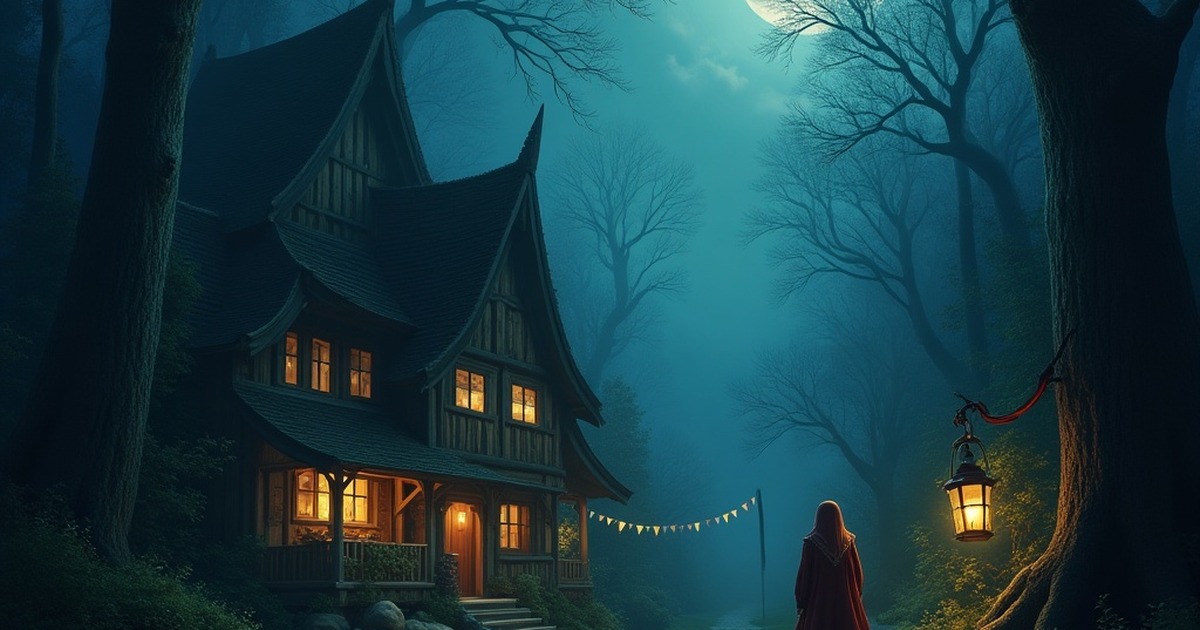
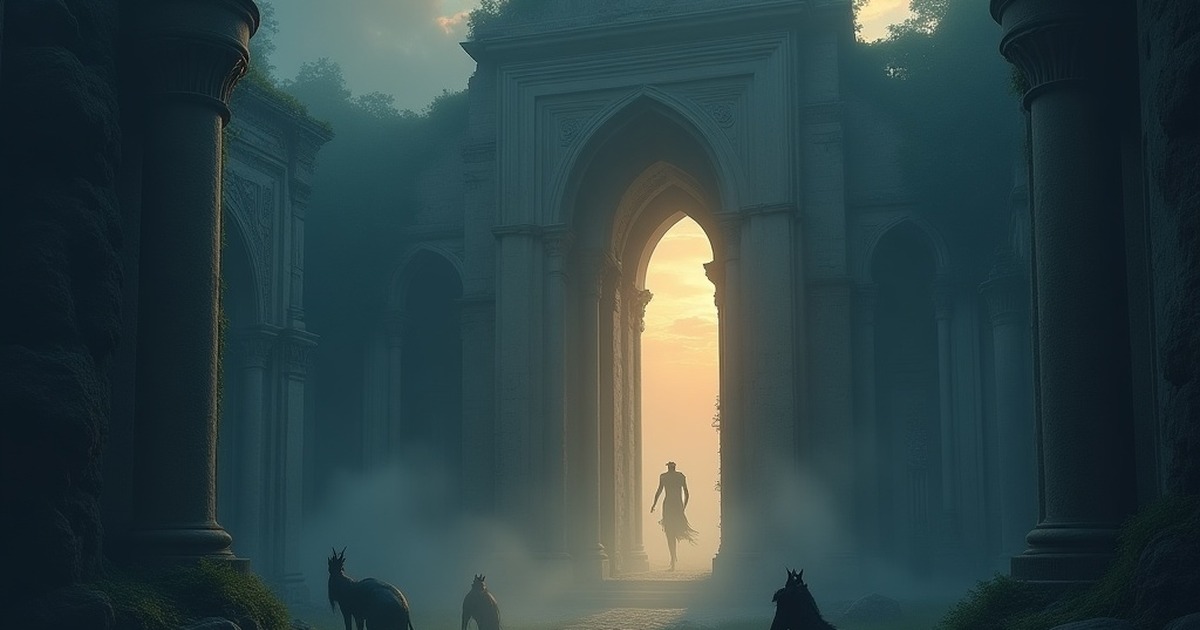
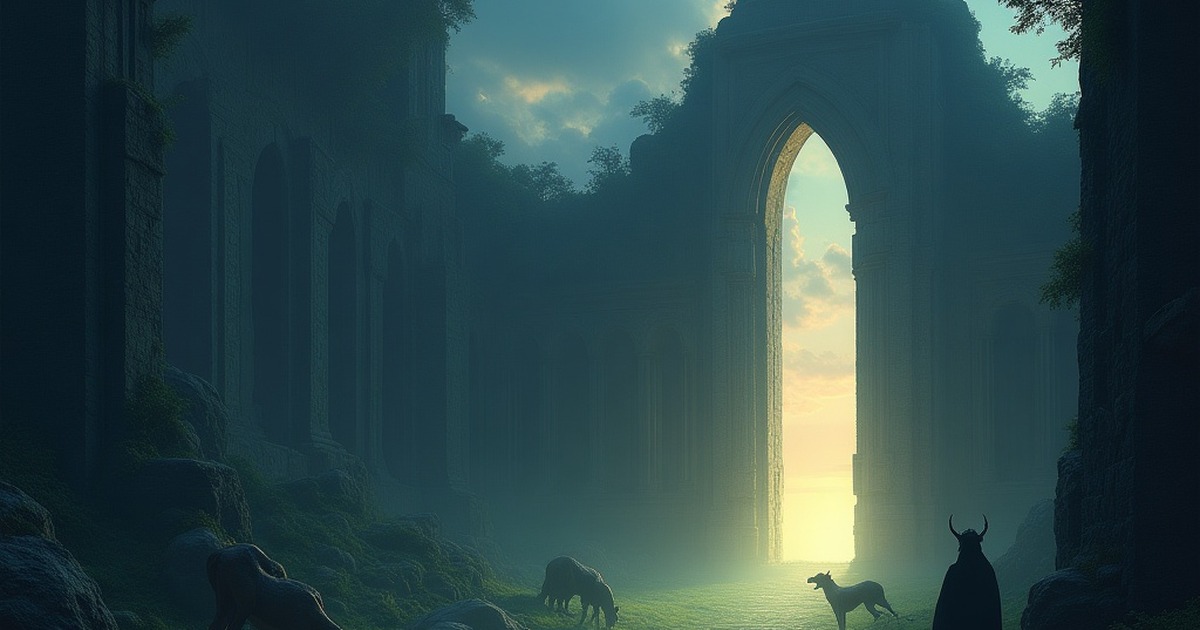
In the vibrant tapestry of Mexican folklore, alebrijes stand as symbols of the boundless imagination that intertwines reality with the surreal. You'll find these fantastical creatures, meticulously crafted from copal wood, adorned with intricate patterns, embodying a blend of animal traits. They invite you to explore a realm where creativity knows no limits. As you discover these magical beings and other enchanting creatures in Mexican culture, you'll uncover stories that transcend the ordinary.
Key Takeaways
- Alebrijes originated from Pedro Linares's dream, blending fantastical elements into Mexican folklore.
- Crafted from copal wood, alebrijes showcase traditional techniques and cultural heritage.
- Alebrijes' vibrant colors symbolize Mexican cultural narratives and emotions.
- They combine animal traits, representing strength, freedom, and subconscious exploration.
- Modern Mexican culture embraces alebrijes, highlighting creativity and heritage through diverse forms.
The Origins of Alebrijes: A Dreamlike Beginning

When you delve into the origins of alebrijes, you're stepping into a world where dreams and reality intertwine. Born from the imagination of Mexican artist Pedro Linares, alebrijes first emerged in the vibrant landscapes of his mind during a feverish dream. In this dream, fantastical creatures with surreal visions danced in vivid colors, embodying a sense of freedom unbound by earthly constraints. It's these dream inspirations that fuel the cultural tapestry of alebrijes, transforming them into symbols of creativity and liberation.
As you explore the cultural significance of these mystical creatures, you'll notice their vivid colors and intricate designs are more than mere aesthetics; they reflect a deeper connection to the subconscious. In a society often bound by tradition, alebrijes offer a pathway to unleash the boundless possibilities of the imagination. Embrace the spirit of these creations, and you'll find a world where the impossible becomes reality, and freedom reigns supreme.
The Artistic Process: Crafting Alebrijes
When crafting alebrijes, you begin with selecting the right materials, often using copal wood for its ease in carving and vibrant finish. Techniques passed down through generations guide your hands, shaping fantastical creatures that are rich in cultural heritage. Each brushstroke of color holds symbolic meaning, infusing life and personality into these magical creations, making them a vivid tapestry of Mexican folklore.
Materials and Techniques
The vibrant world of alebrijes comes to life through a meticulous artistic process that combines traditional techniques with modern ingenuity. You'll find artisans beginning with wood carving, often using copal wood, a favored medium for its pliability and fine grain. This stage requires precision, as each cut shapes the creature's fantastical form. Once the carving is complete, paint application transforms these figures into vivid dreamscapes. Artists use bright, bold colors to enhance the mythical aura of alebrijes, layering hues to create depth and texture.
This artistry is more than a craft; it's a celebration of cultural heritage. As you explore this process, you're not just witnessing skillful technique, but embracing a tradition that invites boundless imagination and creative freedom.
Color and Symbolism
Although color serves as more than mere decoration in alebrijes, it acts as a language of its own, conveying rich symbolism and cultural narratives. Each hue holds a unique power, revealing the spirit of these mystical creatures. You'll find that color meanings in alebrijes reflect profound symbolic interpretations.
- Red often symbolizes passion and vitality, igniting the creature's energy.
- Blue can represent tranquility or protection, enveloping the alebrije in calm.
- Green is linked to fertility and growth, suggesting a connection with nature.
- Yellow signifies happiness and light, casting a cheerful aura.
These vibrant colors don't just decorate—they breathe life into each piece, inviting you to explore the freedom found within their vivid stories. Embrace the journey of discovery through color.
The Symbolism Behind Alebrijes

Even if you're not familiar with alebrijes, their vibrant colors and fantastical forms are sure to spark your imagination. These mythical creatures, born from the dreams of artist Pedro Linares, hold deep spiritual significance. Each alebrije combines elements from different animals, symbolizing a fusion of strengths and qualities. They represent a unique cultural representation of Mexico's rich history and diverse beliefs.
You'll find that the symbolism behind these creatures is as varied as their designs. An alebrije might blend an eagle's wings with a jaguar's body, evoking freedom and power. Such combinations invite you to explore the endless possibilities of your own spirit, breaking free from constraints. Alebrijes are not just art; they're a journey into the subconscious, challenging you to question reality and embrace the mystical. Their symbolism encourages a connection with the unknown, urging you to discover the magic within yourself.
Alebrijes in Modern Mexican Culture
As you stroll through the bustling streets of any Mexican city, you'll notice alebrijes prominently displayed in markets and shops, embodying the vibrant spirit of modern Mexican culture. These fantastical creatures, with their intricate designs and bold colors, hold significant cultural importance, bridging the past with the present. Contemporary artists infuse them with new life, using their creativity to push boundaries and express individuality.
- Vivid colors: Bright hues and striking patterns capture attention, symbolizing the indomitable Mexican spirit.
- Diverse forms: Each alebrije combines elements from various animals, reflecting the rich biodiversity of Mexico.
- Artistic innovation: Contemporary artists experiment with materials, adding personal flair while honoring tradition.
- Cultural pride: Alebrijes celebrate Mexican heritage, inviting you to explore a world where imagination knows no limits.
In this dynamic fusion of past and present, alebrijes remind you of the freedom to dream, create, and connect with culture.
Other Enchanting Creatures in Mexican Folklore

How do the mystical creatures of Mexican folklore continue to captivate and inspire? By offering a glimpse into a world where imagination knows no bounds and stories breathe life into legendary creatures. As you delve into these tales, you encounter mystical beings like La Llorona, whose mournful cries echo through winding rivers, reminding you of love's power and tragedy. Then there's El Chupacabra, a creature of the night, prowling rural landscapes, challenging you to question what lurks in the shadows.
These beings aren't just stories but cultural reflections, weaving together myth and reality. They serve as reminders of life's mysteries and the human desire to uncover the unknown. The vibrant narratives surrounding these creatures allow you to step into a realm where freedom and fantasy reign. Through their tales, you find a connection to the past, rich with tradition and wonder, still resonant in today's world.
Celebrating Mexican Folklore Through Art and Festivals
When you explore the vibrant tapestry of Mexican folklore, art and festivals stand as dynamic expressions that keep these legends alive. You'll discover how folklore festivals and artistic expressions serve as bridges to the mystical past. They're not just events; they're vibrant celebrations of identity and freedom. Through these creative outlets, you engage with stories that have shaped culture for generations.
- Intricate Alebrijes: Experience the colorful, fantastical creatures that embody the imagination of Mexican artisans.
- Day of the Dead: Celebrate life and death with vibrant altars and parades that honor ancestors.
- Guelaguetza Festival: Witness a rich tapestry of dance and music, showcasing Oaxaca's indigenous heritage.
- Murals and Street Art: Encounter the stories and legends vividly depicted on urban canvases.
These celebrations invite you to embrace a world where tradition and creativity intertwine, fostering an appreciation for the cultural depth and artistic vibrancy of Mexican folklore.
Frequently Asked Questions
What Materials Are Traditionally Used to Create Alebrijes?
You'll find that alebrijes are traditionally crafted using wood carving, often from copal wood. Artisans express vibrant stories through intricate paint techniques, celebrating cultural freedom and artistic expression in every unique, colorful creation.
How Do Alebrijes Differ From Other Mexican Folk Art?
When you compare alebrijes to other Mexican folk art, they stand out like a sore thumb. Their vibrant aesthetics and unique cultural influences blend traditional and modern elements, creating a colorful, whimsical world unlike any other.
Are Alebrijes Linked to Any Specific Mexican Holidays?
You'll find alebrijes celebrated during Día de los Muertos, where their symbolism shines at various festivals. These colorful creatures embody imagination and cultural heritage, connecting you to Mexico's vibrant spirit and the freedom of artistic expression.
Do Alebrijes Have Any Spiritual Significance in Mexican Culture?
You're curious, aren't you? Alebrijes, with their vibrant colors and mythical forms, hold spiritual symbolism deeply rooted in cultural heritage. They embody freedom, creativity, and the unseen forces, sparking a mystical connection in Mexican culture.
Can Alebrijes Be Found Outside of Mexico?
You'll find alebrijes beyond Mexico due to their global presence. Cultural adaptation allows them to thrive worldwide, showcasing vibrant colors and mythical forms. They symbolize creative freedom, inviting diverse audiences to appreciate their artistic and cultural significance.
Conclusion
In the vibrant tapestry of Mexican folklore, you discover alebrijes as symbols of boundless creativity and cultural resilience. Each creature, with its intricate patterns and vivid colors, invites you to explore the depths of your own imagination. As you immerse yourself in this enchanting world, you'll find that alebrijes and other mythical beings serve as bridges, connecting the past with the present, reality with dreams, and grounding you in the rich cultural heritage that celebrates limitless possibilities.