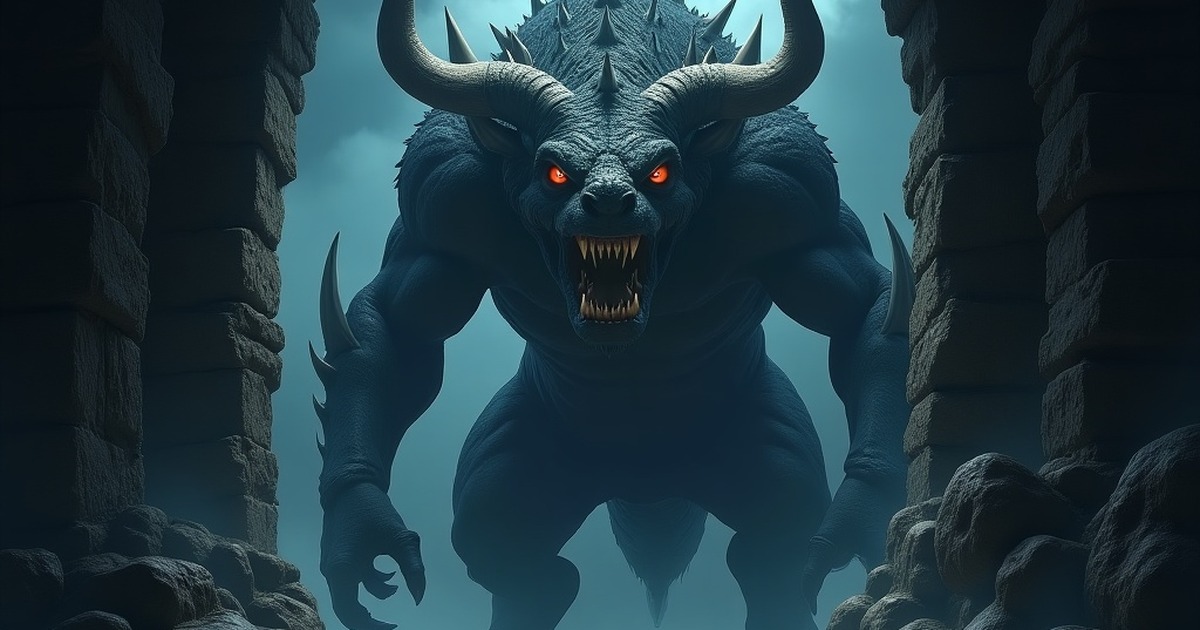
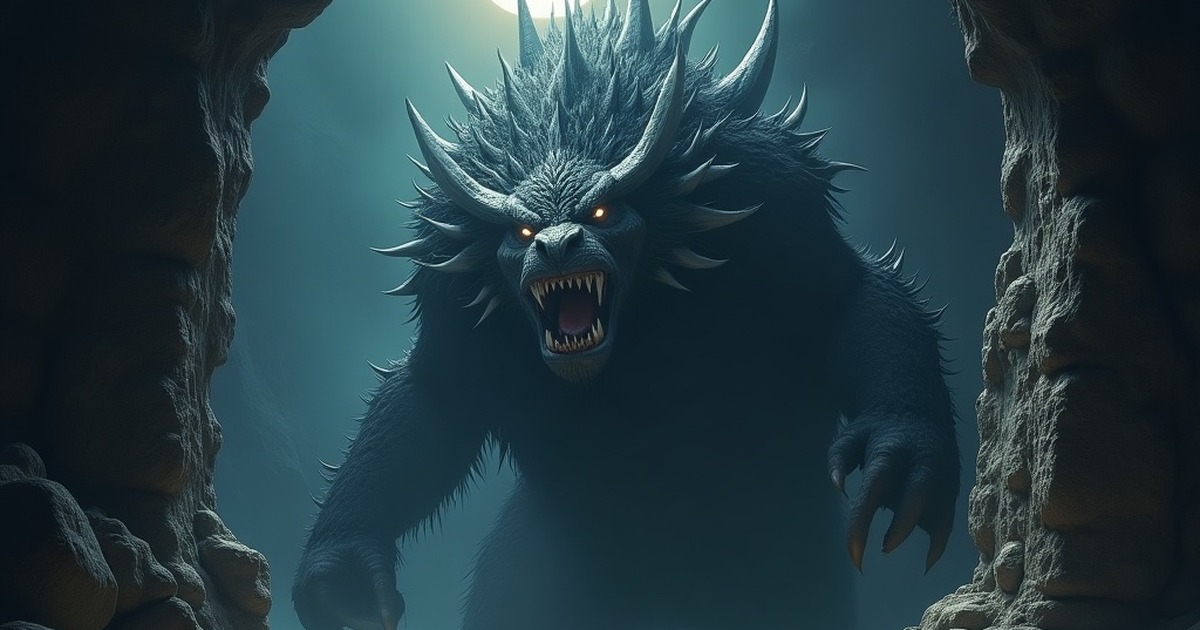
You'll encounter chimeric sentinels across death's threshold in civilizations worldwide: Anubis's jackal-headed form guarding Egyptian necropolises since 3100 BCE, weighing hearts against Ma'at's feather; hairless Xoloitzcuintli dogs buried with Aztec warriors to navigate Mictlan's nine perilous levels; Greece's three-headed Cerberus preventing unauthorized passage from Hades; Norse draugr rising as shapeshifting corpses to protect burial mounds; and Japan's onryo spirits demanding acknowledgment of injustices. These eldritch protectors alter mortality's terror into structured mythologies of cosmic order, their ancient vigil continuing through offerings at contemporary gravesites where you'll discover how grief changes into narratives of eternal protection.
Key Takeaways
- Anubis, the jackal-headed Egyptian god, guides souls through the afterlife and oversees mummification rituals ensuring safe passage through the Duat.
- Cerberus, the three-headed dog of Greek mythology, guards the gates of Hades and prevents unauthorized passage between life and death.
- Xoloitzcuintli dogs guided Aztec souls through Mictlan's nine levels and were buried with owners to provide spiritual protection during their journey.
- Norse draugr protect burial mounds and treasures, rising as undead guardians with supernatural strength and shapeshifting abilities to ward off intruders.
- Japanese onryo spirits act as guardians by ensuring the living acknowledge injustices faced by the deceased, demanding recognition and respect.
Guardians Between Life and Death

Since humanity first contemplated mortality, mythical guardians have emerged across civilizations to stand sentinel at the threshold between existence and oblivion—creatures neither wholly benevolent nor malevolent, but bound by sacred duty to uphold the cosmic order of death.
Between light and shadow, these ancient sentinels enforce death's sacred boundaries—neither friend nor foe, but eternal keepers of cosmic balance.
You'll find these eldritch protectors manifesting through spiritual symbolism that transcends cultural boundaries. Cerberus, that chimeric three-headed hound, prevents unauthorized passage across Hades' gates. Anubis guides Egyptian souls with jackal-headed wisdom. The great horned owl bridges worlds for North American tribes, altering from death's omen into protective spirit.
Norse Draugr rise from burial mounds, undead sentinels guarding treasures meant for the afterlife. Japan's Onryo guarantees the living can't ignore injustice suffered by the departed. Each guardian reflects profound cultural interpretations of death's necessary boundaries.
These aren't mere monsters—they're cosmic enforcers maintaining the delicate equilibrium between domains. You're witnessing humanity's universal recognition that death requires protection, oversight, governance. These mythical creatures symbolize humanity's deepest fears about mortality and the unknown, serving as metaphors for the struggles every culture faces when confronting the inevitable transition from life to death.
##
You'll discover that guardian entities manifest most powerfully in the liminal spaces where mortuary practices crystallize—Egyptian necropolises where Anubis's jackal-headed form presides over mummification chambers, Mesoamerican underworld passages navigated by the Xoloitzcuintli's hairless frame, Nordic burial mounds haunted by the corporeal Draugr's eldritch presence.
Each civilization's geography of death reveals unique custodial beings: the Aztec soul-guide dog who traverses Mictlan's nine levels, the Norse revenant who rises from its barrow to protect grave-goods, the Hindu Vetala who animates corpses within cremation grounds' ash-laden air.
These protectors don't merely symbolize death's threshold; they inhabit it, their forms shaped by specific funerary landscapes and the cultural anxieties surrounding decomposition, memory, and what remains when flesh surrenders to earth.
Anubis Guards Egyptian Tombs
The jackal-headed deity Anubis emerged from Egypt's predynastic period, around 3100 BCE, as the supreme guardian of necropolises and the divine sentinel who'd guarantee no mortal remained unprotected in death's vast territories.
You'll find his chimeric form—human musculature crowned by the elongated snout of Canis aureus—perpetually stationed at cemetery thresholds where wild jackals once prowled.
Anubis symbolism permeated funerary architecture through amulets, wall carvings, and dedicatory temples constructed adjacent to burial grounds. His jurisdiction extended beyond mere guardianship into mummification practices themselves, where priest-embalmers donned jackal masks while performing preservation rites.
The psychostasia ceremony revealed his ultimate authority: weighing deceased hearts against Ma'at's feather, determining whether souls deserved passage into the Field of Reeds.
Eternal vigilance. You'd want no other protector traversing the Duat's eldritch passages.
Xoloitzcuintli Guides Aztec Souls
Westward across the Atlantic, where Mesoamerica's volcanic plateaus replaced Egypt's desert necropoles, another canine guardian fulfilled parallel duties through radically different cosmological frameworks.
The Xoloitzcuintli—hairless, eldritch in appearance—bore the name of Xolotl himself, god of death's threshold. You'll find Aztec afterlife beliefs demanded more than ritual; they required companionship through Mictlan's nine treacherous levels.
Xoloitzcuintli symbolism pervaded burial customs: owners interred these sacred dogs alongside their own bodies, ensuring safe passage across churning rivers, through obsidian-blade winds, past chimeric beasts guarding each descending domain.
Their hairlessness wasn't mere genetic anomaly but spiritual armor, protecting souls from disease, both corporeal and metaphysical.
Like myths worldwide that explain natural world origins, these burial traditions provided the Aztecs a fundamental framework for understanding death's journey and the transition between realms.
Today Mexico honors them as living relics. Treasured guardians bridging worlds still.
Draugr Haunts Nordic Burial Mounds
Where Scandinavian frost carved fjords into granite coasts, draugr rose from burial mounds as corrupted inversions of psychopomp guardians—protectors twisted into parasites, defenders altered into desecrators of their own rest.
These eldritch revenants emerged when greed-consumed souls refused death's liberation, clinging to hoarded treasures with supernatural tenacity. Draugr legends describe shapeshifting corpses possessing chimeric strength, weather manipulation, and prophetic sight—abilities weaponized against those who'd dare disturb their gold-laden tombs.
You'll find burial mound rituals designed specifically to bind these creatures: iron placed upon flesh, decapitation severing will from form, disorienting ceremonies confounding their directional sense.
Unlike benevolent guides, draugr embodied consequence itself—rotting monuments to avarice punishing grave robbers with calculated vengeance. They weren't mindless. They remembered everything.
Vetala Dwells in Cremation Grounds
From Scandinavia's frozen barrows to India's smoldering cremation grounds, death's guardians manifest through culture-specific lenses—yet the vetala represents something philosophically distinct from Nordic greed-bound revenants.
You'll encounter this eldritch entity dwelling where pyres consume flesh, altering corpses into ash. Unlike mere haunts, Vetala symbolism embodies cremation's sacred threshold between worlds.
These cunning spirits reanimate the dead, testing boundaries of possession and madness. Vetala rituals emphasize respect for funeral rites—disturb cremation grounds, invite catastrophic possession.
Hindu texts reveal their dual nature: deceptive tricksters who torment the living, yet paradoxically guard against improper resurrection. They're cremation's sentinels, ensuring the deceased complete their journey through fire's purifying alteration.
Ancient wisdom. Modern warning. The vetala remains vigilant where smoke meets sky.
Ancient Egyptian Anubis Records

You'll find Anubis's eldritch influence embedded throughout Egypt's sacred texts, from the Pyramid Texts' funerary spells carved into Old Kingdom chambers to the corporeal evidence scattered across Nile Valley burial sites, where jackal-headed sentinels still guard threshold spaces between worlds.
These records—textual, architectural, material—reveal how the ancient Egyptians systematized death's mysteries through mummification rituals, altering mortal flesh into vessels worthy of divine protection.
The god's presence saturates every layer: incantations whispered over wrapped bodies, amulets pressed against linen, tomb walls painted with his watchful form standing before the scales of judgment.
Pyramid Texts Funerary Spells
When the pyramid builders of Egypt's Old Kingdom (circa 2686-2181 BCE) first inscribed hieroglyphic spells onto the interior walls of Pharaoh Unas's burial chamber at Saqqara, they weren't merely decorating stone—they were weaponizing language itself against the annihilation of death.
These funerary invocations summoned Anubis, the jackal-headed psychopomp, to guard each soul through eldritch passages where annihilation lurked. The pyramid spells changed words into shields, rebirth into certainty.
You'll find Anubis presiding over mummification rites within these texts, his chimeric form standing sentinel between dissolution and eternity. Each hieroglyph carried changing power—magical formulas that didn't request divine intervention but commanded it.
The deceased would navigate treacherous underworld domains armed with these incantations, their bodies preserved, their spirits liberated through proper burial rites that defied mortality's grip.
Nile Valley Burial Sites
Archaeological excavations along the Nile's western banks—where sunset's crimson descent mirrored death's symbolic journey—have revealed concentrated networks of necropoli stretching from Memphis to Thebes, each site bearing Anubis's unmistakable mark. You'll discover burial practices that altered the Nile Valley into sacred ground, where the jackal-headed deity's chimeric form guards eternal thresholds.
| Burial Site | Anubis Manifestation | Protective Function |
|---|---|---|
| Memphis Necropolis | Amulets pressed against wrapped hearts | Liberation from corporeal bonds |
| Theban Tombs | Painted guardians flanking passages | Freedom to traverse Duat's perils |
| Valley of Kings | Golden statuary at chamber thresholds | Emancipation into eternal existence |
| Saqqara Complex | Inscribed prayers invoking eldritch power | Release from mortality's constraints |
These deliberate placements weren't mere decoration. They embodied sovereignty over death itself—your ultimate escape from earthly limitations.
Mummification Rituals and Practices
Seventy days—precisely seventy—separated death's first breath from resurrection's promised dawn, each hour marked by Anubis's vigilant presence over bodies surrendering mortality's grip.
You'll find within these mummification techniques an eldritch science: organs extracted through ceremonial precision, preserved within canopic jars bearing protective deities.
The embalming rituals demanded natron's crystalline touch, desiccating flesh while Anubis's jackal-headed form watched from tomb walls, weighing hearts against Ma'at's feather.
Your ancestors wrapped linen strips around altered flesh, tucking chimeric amulets between layers—each symbol a ward against oblivion's hungry darkness.
They understood what you've perhaps forgotten: immortality requires preparation, protection, recognition.
The soul must identify its earthly vessel across death's threshold, guided by that ancient guardian standing sentinel at eternity's gate.
Aztec Xoloitzcuintli Underworld Guides

Among the most enigmatic guides of the ancient Mesoamerican afterlife, the Xoloitzcuintli—commonly known as the Xolo—served as both physical companion and spiritual protector, its hairless form marking it as a liminal creature dwelling between the world of flesh and the sphere of shadows. You'll find that Xoloitzcuintli symbolism permeated Aztec death practices, with these sacred canines buried alongside their human charges to guarantee safe passage through Mictlan's nine treacherous levels.
The Aztec afterlife demanded such guardians. Associated with Xolotl—god of the evening star and psychopomp of souls—these dogs possessed eldritch qualities that repelled malevolent entities.
| Xolo Characteristic | Spiritual Function |
|---|---|
| Hairless physiology | Channel between spheres |
| Placed in tombs | Eternal companionship |
| Divine connection | Protection from darkness |
Their presence wasn't merely symbolic. You'd need their guidance across the deadly river Apanohuacalhuia, their loyalty transcending mortality itself.
Animal Death Guardians Cross-Cultural Meanings
The Xoloitzcuintli's sacred duty in Aztec cosmology reveals merely one thread in humanity's vast tapestry of animal guardians—creatures whose forms and functions shift across continents yet whose purpose remains hauntingly constant.
These liminal beings transcend mere animal symbolism, embodying the spiritual significance cultures assign to death's threshold:
- Canine Sentinels: Cerberus's three heads perpetually watch Hades' gates, while jackals change into Anubis, each culture recognizing dogs' natural protective instincts as something eldritch, boundary-keeping.
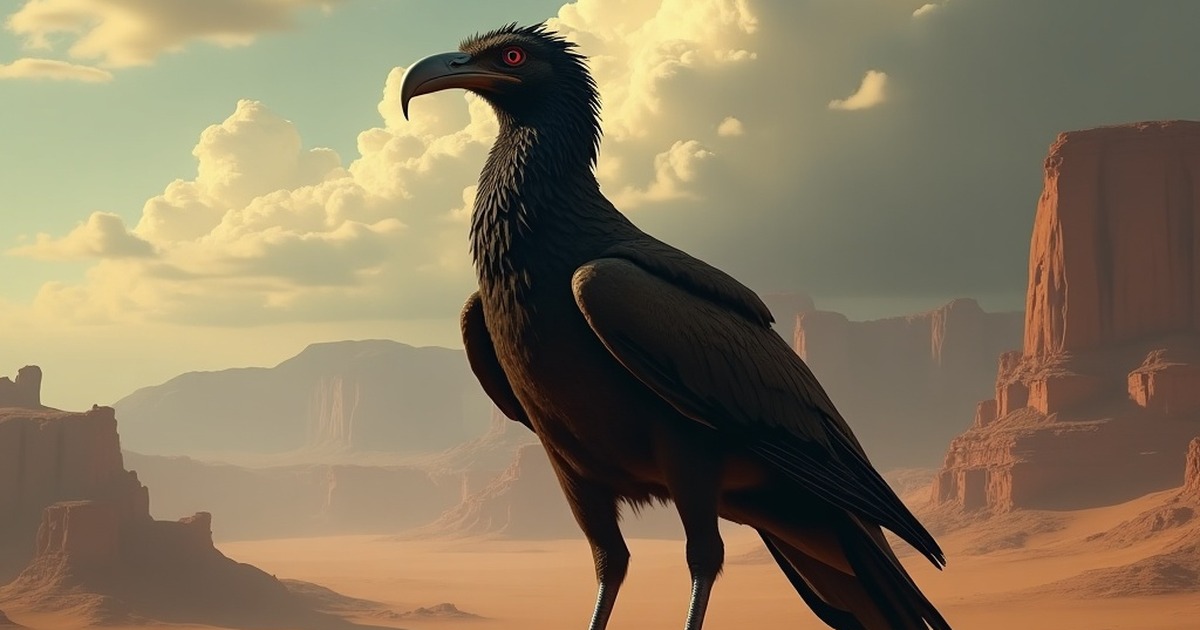
- Avian Psychopomps: Crows navigate between worlds with obsidian wings; owls, those nocturnal harbingers, shift from death omens into soul protectors through belief's alchemy.
- Undead Wardens: Norse draugr, chimeric guardians of burial mounds, blur distinctions between living protector and protected dead.
You'll find remarkable consistency: whether Mediterranean, Egyptian, or Nordic, these guardians share core functions—preventing transgression, ensuring passage, maintaining death's sanctity.
Ancient peoples understood what modern minds forget: death requires sentinels, and animals, existing between human and divine, serve perfectly.
Norse Draugr Mound Protectors
In the windswept burial mounds of medieval Scandinavia, you'll encounter the draugr—an eldritch guardian whose putrefying flesh and supernatural strength make it perhaps the most formidable protector of the dead in Norse tradition.
These undead sentinels, bound eternally to their barrows through a grim symbiosis of corpse and treasure, possess abilities that go beyond mere physical threat: shapeshifting into bestial forms, summoning tempests to repel grave robbers, crushing intruders with preternatural force.
Understanding the draugr requires examining its tripartite nature—its corpse-revenant origins, its tireless vigil over mound and hoard, and the weather-weaving powers that alter it from simple guardian into an atmospheric force of territorial dread.
What Are Norse Draugr?
Corpses that refuse death's finality, draugr emerge from Norse mythology as sentinels of burial mounds, their existence bound to the treasures and graves they're compelled to protect.
These revenants manifest the consequences of mortal avarice, their former greed altering them into eldritch guardians possessed of superhuman strength and necromantic powers.
You'll recognize draugr characteristics in their death-blue flesh, putrid emanations, and glowing phosphorescence—corporeal decay merged with supernatural essence.
They command shapeshifting abilities, assuming chimeric forms while manipulating atmospheric conditions and infiltrating dreams.
Draugr legends, particularly Glámr's tale in Grettis saga, illuminate their role as threshold beings between life's end and eternal vigilance.
Traditional preventative measures—decapitation, iron placements, feet-first burial processions—reveal humanity's desperate attempts to bind these sentinels permanently.
Guarding Burial Mounds Eternally
Bound by oaths that transcend mortality itself, draugr maintain their vigil over ancestral burial mounds through centuries of unbroken watchfulness—a sacred duty corrupted by the very greed that necessitates their existence.
You'll find these eldritch guardians emerging from Norse draugr folklore as evidence to humanity's eternal struggle between honor and avarice. Their chimeric forms shift between corporeal decay and spectral menace, adapting to threats with supernatural cunning.
The burial mound myths reveal societies that understood consequences: those who hoarded wealth in life become its eternal prisoners in death. Iron restraints, decapitation rituals, specific burial protocols—these weren't superstitious gestures but desperate attempts at containment.
You're witnessing humanity's recognition that some transgressions echo beyond the grave, altering the dead into monstrous sentinels who embody both warning and punishment.
Draugr Powers and Abilities
When faced with the draugr's arsenal of supernatural capabilities, you're confronting a synthesis of Norse metaphysical understanding—where the boundary between physical prowess and seiðr-infused sorcery dissolves into something far more terrifying than mere undeath.
Their *trollskapr* manifests through draugr shapeshifting abilities, allowing chimeric alterations that confuse intruders traversing burial mounds. You'll encounter not merely reanimated corpses but eldritch guardians wielding prescient sight, divining your intentions before you act.
Draugr weather control extends their dominion beyond earthly boundaries, summoning storms that mirror their wrath. That fetid miasma you smell? It's decay weaponized, announcing their proximity.
Their superhuman strength crushes grave robbers with ease. Only through decapitation and iron placement can you hope to bind them permanently, preventing their inevitable return.
Video Game Draugr Depictions
In contemporary digital domains, draugrs have evolved from their Icelandic saga origins to become quintessential guardians of virtual necropolises. Their eldritch presence manifesting most prominently in games like “The Elder Scrolls V: Skyrim” (2011), where these undead sentinels prowl the depths of Nordic barrows with singular purpose.
You'll encounter these undead warriors as formidable adversaries in “God of War” (2018), their supernatural prowess challenging your combat mastery through regenerative abilities and necromantic summonings.
Modern draugr lore emphasizes three defining characteristics in gaming:
- Decayed physicality: Withered flesh and spectral luminescence marking their liminal existence between death and unlife
- Guardian imperative: Eternal vigilance over ancient treasures and burial chambers, punishing those who disturb sacred spaces
- Supernatural arsenal: Health regeneration, undead ally summoning, and chimeric strength exceeding mortal limitations
These digital interpretations preserve the saga tradition of draugrs as consequences incarnate—vengeance against greed, protectors of ancestral rest. Their presence alters virtual tombs into tests of worthiness.
Grief Processing Through Death Mythology
Psychological archaeologies of mourning reveal how mythical guardians of the dead function as collective mechanisms for transmuting grief's raw devastation into narratives of protection and continuity.
You encounter this metamorphosis through grief rituals that invoke Cerberus at Hades' threshold, Anubis weighing hearts in Duat's chambers, chimeric sentinels standing eternal watch. These figures don't merely populate folklore—they anchor mythological symbolism that converts your unbearable loss into structured passage, your loved one's journey into sacred geography.
The eldritch presence of revenants and draugrs serves darker purposes. They embody unresolved mourning, forcing confrontation with abandonment's consequences.
Ancient cultures understood what you instinctively grasp: death mythology provides containment for grief's chaos. Through offerings to these guardians, through invocations and libations, you participate in frameworks millennia-old.
The three-headed dog doesn't just guard boundaries. It materializes your need to believe someone protects what you've lost, that death isn't abandonment but change—watched, tended, defended against oblivion's void.
Contemporary Funeral Customs Evolution
Where ancient guardians once materialized grief's architecture through myth, contemporary funeral practices forge new geographies of remembrance—equally ritualized, differently expressed.
You'll find today's ceremonies abandoning chimeric protectors for personalized memorials that convert the deceased into their own talismans. Technology streams rites across digital thresholds, connecting mourners through liminal electronic spaces where distance dissolves.
Eco friendly burials resurrect earth-veneration once reserved for chthonic deities—biodegradable vessels returning flesh to soil without chemical preservation's eldritch intervention.
Natural burial practices reclaim ancient earth-worship, surrendering bodies to soil through biodegradable means—no chemical barriers between flesh and elemental transformation.
The secular ceremony emerges. No prescribed liturgy.
These evolving customs don't abandon ritualization's protective function; they redistribute it. Where Anubis once weighed hearts, you now curate symbolic objects, themed décor, individualized narratives.
Each memorial constructs invisible guardianship through memory's persistence rather than mythological sentinels. Green practices invoke environmental stewardship as spiritual duty, positioning ecological consciousness as humanity's contemporary offering to death's mysteries.
You're witnessing ritual's alteration—protection manifesting through celebration, remembrance, and intentional return to elemental origins.
Modern Guardian Creature Beliefs
Guardian creatures persist in contemporary consciousness, their forms transmuted but their sentinel function undiminished. You'll find owls and crows dwelling in modern spiritual symbolism, their dark wings carrying ancestral duties into twenty-first-century understanding.
These avian psychopomps don't merely symbolize death—they actively patrol boundaries between domains, their presence signaling threshold moments when souls shift from corporeal existence.
Animal totems serve as personal guardians now, individualized protectors replacing collective mythological figures. You're witnessing evolution, not abandonment, of ancient beliefs.
Contemporary practices echo primordial rituals: offerings placed at gravesites, symbolic objects positioned to invoke protection, gestures acknowledging unseen sentinels.
The eldritch power attributed to Cerberus or the chimeric Draugr hasn't vanished—it's fragmented, dispersed across multiple guardian forms.
Eastern traditions maintain Jiang Shi mythology, enforcing boundaries between living and dead with unwavering vigilance.
These modern manifestations prove humanity's enduring need for supernatural wardens, beings ensuring death's sanctity remains inviolate. Protection persists. Boundaries hold.
Frequently Asked Questions
What Mythical Creatures Protect the Dead in Asian Cultures?
You'll encounter Asian guardians manifesting across diverse traditions—China's chimeric Pixiu, fierce lion-dogs guarding tomb complexes since the Han Dynasty; Japan's Shinigami, eldritch psychopomps guiding mortality's threshold.
Korea's Jangseung, wooden sentinels carved with protective visages. These beings don't merely watch; they actively defend souls traversing liminal domains.
Their cultural significance resonates through centuries of funerary architecture, ritual practice, ancestral veneration. You're witnessing humanity's ancient answer to death's mysteries—protectors standing eternal between worlds.
How Do Modern Horror Movies Portray Death Guardian Creatures?
Like Charon's ancient obol evolving into silver screen nightmare fuel, you'll find modern cinema corrupts death's protectors into eldritch antagonists.
Grim reapers emerge as skeletal hunters rather than psychopomps, their scythes gleaming with malevolent intent.
Spectral guardians—once revered threshold-keepers—now stalk protagonists through fog-drenched graveyards, their protective function inverted.
Hollywood's evolution reflects your culture's terror of mortality itself, weaponizing sacred guardians into chimeric threats that pursue rather than shepherd souls toward their liminal crossing.
Can Death Guardian Symbols Be Used in Contemporary Memorial Jewelry?
You'll find death guardian symbols perfectly suited for contemporary memorial jewelry, offering profound connection to ancient protective traditions.
Anubis amulets, chimeric griffins, and psychopomp motifs translate beautifully into pendants, rings, and lockets—honoring your deceased while claiming autonomy over grief's expression.
These talismanic pieces merge Victorian mourning aesthetics with eldritch symbolism from Egyptian, Greek, and Celtic cultures.
You're free to select representations resonating with your spiritual beliefs, creating deeply personal memento mori that transcend conventional remembrance constraints.
What Rituals Invoke Mythical Protectors During Burial Ceremonies Today?
You'll find protective rituals woven through contemporary burial traditions worldwide—lighting incense to summon guardian spirits, placing jade amulets invoking chimeric creatures within caskets, scattering salt circles around gravesites.
These eldritch practices persist. Modern families whisper ancient invocations, burn ancestor money for celestial protectors, plant rowan trees above burial plots.
The rituals adapt yet endure, honoring liminal guardians who've watched over the dead since Neolithic times, bridging mortality's threshold with sacred, unbroken continuity.
Do Any Religions Prohibit Belief in Mythical Death Guardians?
You'll find that monotheistic traditions—particularly orthodox Christianity, Islam, and Judaism—impose strict religious prohibitions against venerating psychopomps or eldritch guardians.
Picture a medieval bishop shattering chimeric tomb idols; that's theological enforcement. These belief systems demand exclusive devotion, viewing death-guardians as heretical distractions from divine authority.
Yet you're free to recognize how folk practices persist underground, weaving ancient protectors into sanctioned rituals. The liminal space between doctrine and practice remains permeable, shadowed, eternally contested—where your intellectual sovereignty matters most.
Conclusion
You've journeyed through eldritch domains where chimeric sentinels stand eternal watch over those who've crossed beyond. These psychopomps—from Anubis's jackal-headed vigilance to the Xoloitzcuintli's faithful companionship—aren't mere folklore. They're humanity's acknowledgment that change demands protection. When you encounter these guardians in ancient texts or modern reimaginings, you're witnessing our species' oldest comfort: that departure from this sphere doesn't mean abandonment. Someone watches. Something guides. Always.