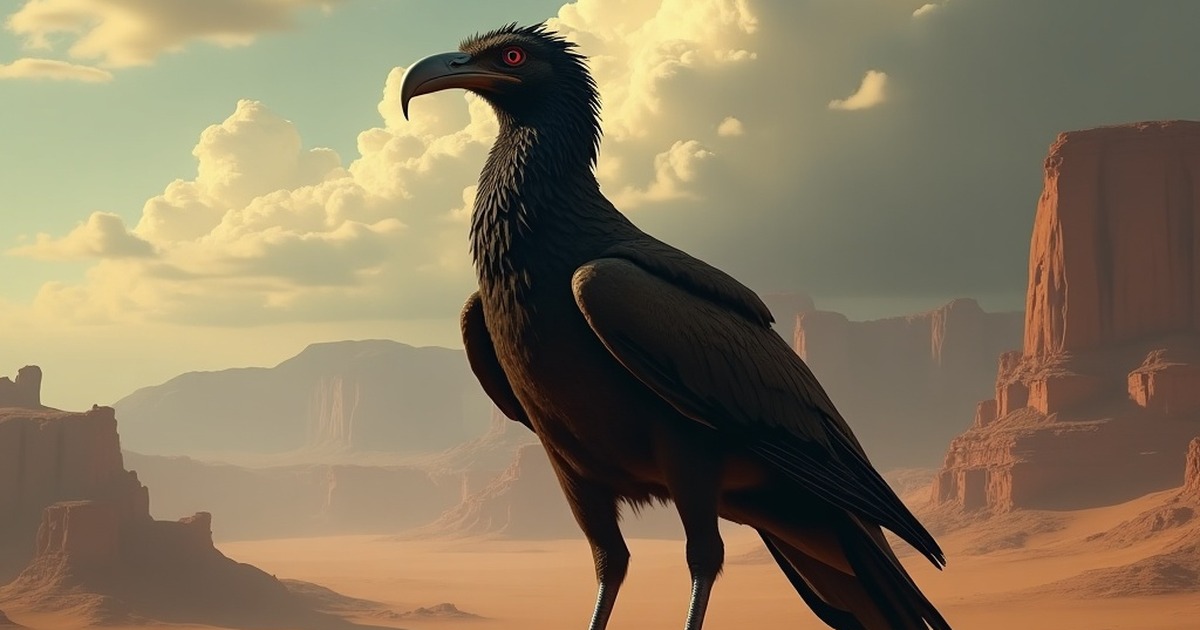
Mythical forest guardians manifest across civilizations as chimeric sentinels enforcing ecological boundaries—from Slavic Leshy shapeshifters who disorient disrespectful trespassers to Brazil's backward-footed Curupira confounding Amazonian exploiters, Japan's Kodama inhabiting ancient trees, and Mesopotamia's monstrous Humbaba protecting divine cedar groves until Gilgamesh's transgressive slaying. These entities embody neither pure malevolence nor benevolence but rather liminal enforcement of humanity's subordinate position within nature's hierarchy, their folkloric persistence reflecting neurologically-rooted ancestral memories of predation altered into conservation ethics. The mythology surrounding these woodland protectors reveals complex relationships between civilization and wilderness.
Key Takeaways
- Forests serve as liminal spaces across cultures where protective spirits enforce ecological ethics and nature's covenant with humanity.
- Slavic Leshy shape-shifts and disorients trespassers, demanding offerings like bread and tobacco at forest thresholds for safe passage.
- Brazilian Curupira confounds Amazonian exploiters, while Japanese Kodama inhabit ancient trees, both demanding reverence from human visitors.
- Māori Tāne Mahuta represents reciprocal obligation between humans and forests, symbolized by New Zealand's ancient kauri trees.
- Mesopotamian Humbaba guarded Cedar Forests until Gilgamesh's slaying illustrated humanity's destructive pursuit of resources over preservation.
Forests Whisper Ancient Protective Tales

Since humanity first gazed into the shadowed depths of primordial woodlands, forests have served as repositories for mythic consciousness—liminal spaces where the mundane dissolves into the numinous.
Forest myths across cultures reveal protective spirits emerging from bark and shadow, guardians whose eldritch presence enforces nature's covenant. The Slavic Leshy shape-shifts between forms, his chimeric nature embodying the forest's duality—sanctuary and snare.
Brazil's Curupira races through Amazonian darkness on backward feet, confounding those who'd wound the green cathedral. In Māori tradition, Tāne Mahuta fashioned the forest domain itself, binding humanity to woodland through sacred kinship.
Japanese Kodama inhabit ancient trees, their presence demanding reverence; harm befalls those who forget. Finland's Tapio commands beast and bower alike, accepting offerings from hunters who understand balance.
These protective spirits persist across geography and epoch, evidence of humanity's recognition that forests require defenders—beings neither wholly benevolent nor malevolent, but sovereign. Contemporary folklore stories continue to preserve these guardian traditions, serving as educational resources that connect modern audiences with ancient woodland wisdom.
##
Across disparate continents and millennia, forest guardians emerge from humanity's collective unconscious as liminal beings who enforce nature's sovereign boundaries through shapeshifting, trickery, and eldritch power.
The Slavic Leshy manipulates perception itself with chimeric alterations that reduce travelers to disoriented wanderers, while Tāne Mahuta presides over New Zealand's primordial groves as both creator-deity and ancestral presence.
From Celtic nemeton keepers who sanctified woodland thresholds to Humbaba—that fierce, fire-breathing sentinel whose terrible roar protected Mesopotamia's sacred cedar forests from Gilgamesh's hubris—these guardian figures manifest humanity's ancient recognition that wilderness demands respect, tribute, permission.
These tales, handed down through storytelling, preserve cultural values while explaining humanity's relationship with the natural world and its mysterious forces.
Slavic Leshy: Shape-Shifting Protector
Deep within the primordial forests of Slavic lands, where birch and pine interweave to form living labyrinths, the Leshy emerges as one of mythology's most enigmatic protectors—a chimeric guardian whose very essence mirrors the woodland's capacity for alteration.
Leshy folklore describes this entity draped in pale green, grey, or blue skin, manifesting as a towering figure marked by a missing right ear, a deliberate absence connecting spirit to soil. The Leshy commands forest illusions with absolute authority, confusing those who trespass with malicious intent while shepherding respectful wanderers toward safety.
His laughter reverberates through ancient groves—neither malevolent nor benign, simply elemental. Invocation requires sacred geometry: birch circles carved from living wood, offerings placed at liminal thresholds where civilization surrenders to wilderness, where humanity acknowledges its subordinate position within nature's hierarchy.
Māori Tāne Mahuta's Domain
Where the mists of Te Ika-a-Māui gather beneath canopies older than colonial memory, Tāne Mahuta stands as primordial architect—not guardian in the defensive sense of the Leshy, but generative force, the atua whose deliberate violence birthed existence itself.
He cleaved Ranginui from Papatūānuku, wrenching sky from earth despite their anguished protests, creating the breathing space where ngahere could flourish. His corporeal manifestation rises in Waipoua Forest: ancient kauri, titan of wood and chlorophyll.
Tāne Mahuta's symbolism transcends mere arboreal protection—he embodies reciprocal obligation between humanity and ecosystem. Modern Māori environmental practices, including the adopted shinrin-yoku methodology, honor this covenant through deliberate immersion, recognizing forests not as resources but as whakapapa itself.
Living genealogy. Sacred architecture. The eldritch permanence of separation altered into regeneration.
Celtic Woodland Spirit Keepers
The liminal threshold between Polynesian genesis and European woodland cosmology reveals not singularity but multiplicity—where Tāne Mahuta represents concentrated divine force, Celtic traditions fracture guardianship across a pantheon of spirits, each tethered to specific arboreal domains and seasonal cycles.
Celtic folklore manifests woodland spirits through the Green Man's foliate visage, marking perpetual rebirth. Dryads bind their essence to individual trees—their mortality intertwined with bark and root.
Arawn commands the Otherworld's shadowed groves, balancing predator and prey through eternal hunt. The Cailleach's eldritch presence governs winter's harshness and spring's mercy.
The Aos Sí dwell between worlds, their chimeric nature blessing and cursing those who'd claim dominion over untamed forests. Here, sovereignty fragments into multiplicities. Protection becomes covenant, not conquest.
Humbaba Guards Gilgamesh's Cedars
Millennia before Celtic fragmentation or Polynesian consolidation, Mesopotamian cosmology positioned singular dread at the threshold of civilization's greatest desire. Humbaba embodied that threshold—chimeric sentinel of the Cedar Forest, his leonine maw and eldritch countenance designed to repel mortal ambition.
The Cedar forest's significance transcended mere timber; these aromatic giants represented divine wealth, architectural immortality, the very scent of godhood. Yet Gilgamesh and Enkidu transgressed anyway, axes gleaming.
Humbaba's symbolism crystallizes humanity's eternal conflict: progress demands violation, glory requires desecration. His defeat wasn't triumph but forewarning—a Mesopotamian recognition that civilization builds its monuments from nature's corpses.
The guardian falls. The cedars fall. And something irretrievable vanishes with them, leaving only fragrant wood and hollow victory echoing through millennia.
Mesopotamian Cedar Forest Texts

The Epic of Gilgamesh, preserved on twelve cuneiform tablets dating to the Third Dynasty of Ur (circa 2100 BCE), chronicles humanity's primal encounter with the eldritch guardian Humbaba, whose dominion over the Cedar Forest established an inviolable boundary between mortal ambition and divine wilderness.
Ancient Uruk's kings coveted Lebanon's towering cedars—those aromatic giants whose wood possessed qualities both sacred and structural, their resinous heartwood capable of withstanding millennia while carrying the scent of the gods themselves.
This chimeric protector, whose seven terrors manifested as supernatural auras that paralyzed intruders, embodied the ancient Mesopotamian conviction that certain forests existed as thresholds where the Sacred Protection From Divine Domain rendered nature itself a conscious, vengeful force against those who'd desecrate its boundaries.
Epic of Gilgamesh Tablet
Among humanity's earliest written narratives, the Epic of Gilgamesh preserves within its cuneiform tablets a haunting account of the Cedar Forest—a primordial wilderness where divine sovereignty and earthly ambition collide beneath aromatic boughs.
Gilgamesh's journey alongside Enkidu penetrates this sacred domain, where Humbaba stands sentinel, embodying nature's guardianship in its most eldritch form. The chimeric guardian's terrifying countenance shields the cedars from mortal exploitation, representing Mesopotamian understanding of forests as threshold spaces between civilization and untamed divinity.
This confrontation transcends mere heroic conquest. It reveals humanity's ancient desire to dominate natural resources, despite recognizing forests as manifestations of divine power.
The subsequent slaying of Humbaba illustrates consequences that ripple through spiritual and material spheres—a sobering reflection to deforestation's costs, etched in clay circa 2100 BCE.
Ancient Uruk and Lebanon Cedar
Beyond myth's narrative architecture lies material reality—cedar logs floating down the Euphrates toward Uruk's ziggurats, their fragrant resin permeating the air of Bronze Age trade routes. Sacred timber altered temples into terrestrial approximations of divine domains. Cedar symbolism permeated Mesopotamian consciousness, each ring embodying immortality's promise against decay's entropy.
| Aspect | Significance |
|---|---|
| Trade Networks | Extensive maritime and overland routes connecting Lebanon's mountains to Mesopotamian city-states |
| Religious Function | Temple construction, divine statuary, ceremonial vessels requiring incorruptible materials |
| Economic Value | Premium commodity commanding tribute, warfare, diplomatic exchange across kingdoms |
| Symbolic Meaning | Immortality, divine favor, strength—protection against chaos's dissolution |
| Guardian Mythos | Humbaba's eldritch presence manifesting collective reverence for resource preservation |
The forest's chimeric protector embodied ancient ecological wisdom. Material necessity birthed transcendent meaning.
Sacred Protection From Divine Realm
When Enlil, storm-lord of heaven's council, appointed Humbaba to guard the Cedar Forest's seven-fold terraces, he didn't merely station a sentinel—he manifested divine will through corporeal monstrosity.
This chimeric protector embodied sacred landscapes altered into living barrier against human avarice. His face radiated eldritch terror, each feature calibrated to repel those who'd desecrate divine property.
The Mesopotamians understood this: nature wasn't theirs to plunder freely. Divine guardianship meant consequences. The cedars themselves—symbols of strength, purity, immortality—stood as witness to heavenly investment in earthly preservation.
Humbaba's violent resistance to Gilgamesh's expedition revealed uncomfortable truths about ecological boundaries. The gods had drawn lines. Cross them, face annihilation.
This wasn't metaphor but cosmological fact embedded within cuneiform tablets, warning that freedom without reverence breeds catastrophe.
Slavic Leshy Forest Guardians

Deep within the primordial forests of Eastern Europe, where birch and pine stretch toward leaden skies, the Leshy emerges as one of Slavic paganism's most enigmatic woodland deities—a shape-shifting guardian whose dominion encompasses every rustling leaf, every moss-covered stone, every creature that calls the taiga home.
Leshy symbolism manifests through its chimeric appearance: pale skin tinged green, grey, or blue, towering stature, and the distinctive absence of its right ear. This eldritch being doesn't merely inhabit the forest—it becomes the forest itself.
| Physical Manifestation | Behavioral Traits | Ritual Interaction |
|---|---|---|
| Pale grey-blue skin | Leads travelers astray | Birch circle protection |
| Missing right ear | Protects woodland creatures | Soul offerings required |
| Towering height | Mysterious laughter | Invocation ceremonies |
| Shape-shifting form | Guides respectful humans | Nature covenant binding |
Leshy rituals demand profound sacrifice: practitioners cut birch trees into protective circles, offering their very souls for the guardian's assistance. Respect determines fate—mockery brings eternal wandering, reverence grants safe passage home.
Leshy's Shape-Shifting Nature Explained
The Leshy's altering abilities operate through distinct mechanisms:
- Animal mimicry—adopting wolf, bear, or bird forms to navigate territorial boundaries.
- Human disguise—appearing as travelers while retaining distinctive markers like the absent right ear.
- Scale manipulation—towering above treetops or shrinking to moss-height.
- Environmental integration—becoming indistinguishable from bark, shadow, or mist.
This shape shifting symbolism represents freedom from fixed identity, challenging rigid categorization.
The Leshy's chimeric nature embodies the forest's eldritch wisdom: boundaries dissolve where wilderness reigns supreme.
Regional Leshy Encounter Stories
Across the Slavic territories, the Leshy's eldritch presence manifests through distinct regional lenses, each culture preserving its own chimeric interpretation of encounters with this ancient woodland guardian.
Traditional Russian forest tales document the spirit's most elaborate alterations—towering figures that matched the treetops themselves, grey-skinned entities whose laughter preceded either salvation or doom for lost hunters in the taiga's depths.
Polish woodland spirit accounts and Ukrainian Leshy manifestations, while sharing the core mythological framework, reveal subtle variations in the ritual protections employed and the specific environmental manipulations attributed to these liminal beings.
Traditional Russian Forest Tales
When Slavic villagers ventured beyond their settlements' protective boundaries, they entered domains governed by the Leshy—that enigmatic forest sovereign whose very essence embodied the wild's chimeric unpredictability.
These Leshy encounters revealed a being of protean nature: green-skinned, blue-veined, beard trailing moss and lichen, towering among ancient pines. The spirit shifted forms at will, confounding those who trespassed with malicious intent while guiding respectful travelers through tangled understory.
Forest rituals emerged as necessary protocols—offerings left at birch roots, branches cut with reverent precision, whispered acknowledgments of the Leshy's dominion. This dual-natured guardian punished ecological transgression mercilessly yet rewarded those who understood the woodland's unwritten codes.
The tales encoded essential wisdom: humanity's survival depended upon maintaining delicate equilibrium with these eldritch forces, these sentient manifestations of wilderness itself.
Polish Woodland Spirit Accounts
Polish territories harbored their own distinctive variations of woodland encounters, where the Leshy manifested with characteristics both familiar and uniquely regional.
These Leshy encounters described beings of chimeric appearance—pale green, grey, or blue skin marking them as creatures dwelling between mortal and eldritch dimensions. The spirit's earless form, particularly missing its right appendage, served as identifying testimony across testimonies. Recognition mattered.
These forest guardians operated through calculated ambiguity, leading travelers astray or homeward depending upon their demonstrated intentions toward the woodland domain. Woodland offerings required specific ritual precision: birch circles carved from living trees, accompanied by soul-pledges that bound supplicant to spirit.
The Leshy's laughter echoed through ancient groves, auditory manifestation of nature's consciousness. Such traditions embodied more than superstition—they represented covenant, establishing reciprocal respect between human communities and the autonomous, breathing wilderness.
Ukrainian Leshy Manifestations
Ukrainian Leshy traditions diverged from their Polish counterparts through distinct manifestations that emphasized the spirit's corporeal verdancy—green-skinned guardians whose emerald hair grew like moss across ancient bark.
These eldritch protectors commanded extraordinary shape-shifting powers, becoming wolves or chimeric forest dwellers to ensnare travelers who violated woodland sanctity. The Leshy's ability to communicate with animals established an ecological hierarchy where human intrusion required proper deference.
Leshy offerings—bread, salt, tobacco—appeared at tree bases, material acknowledgments of the liminal contract between civilization and wilderness. Such Leshy alterations weren't mere illusion but corporeal metamorphoses demonstrating the spirit's dominion over natural law.
He'd lead respectful wanderers safely homeward, yet those who desecrated his domain faced deliberate misdirection through familiar paths rendered suddenly, impossibly strange.
Contemporary Leshy in Gaming Media
As video game developers have increasingly mined the depths of global folklore for fresh narrative material, the Leshy has emerged from Slavic woodlands into digital domains, altered yet recognizable in its ancient essence. Within “The Witcher 3: Wild Hunt,” this eldritch guardian manifests as both protector and wrathful avenger, its Leshy gameplay mechanics emphasizing shapeshifting abilities and environmental manipulation that challenge players to respect nature's autonomy.
The cultural representation extends beyond mere aesthetic appropriation, incorporating authentic Slavic imagery—verdant skin, chimeric融合 with forest flora—into character designs that honor traditional depictions.
Contemporary indie developers have embraced this spirit's narrative potential through:
- Environmental storytelling that positions players as intruders in sacred groves
- Moral choice systems reflecting humanity's relationship with wilderness
- Gameplay loops demanding ecological mindfulness rather than exploitation
- Achievement systems rewarding preservation over destruction
This folkloric resurgence demonstrates gaming's capacity to transmit ancestral wisdom, converting entertainment into vehicles for cultural preservation.
Evolutionary Basis for Forest Fears
While contemporary urbanites dismiss primordial woodland terrors as superstitious remnants, neurological evidence reveals humanity's dread of forests as adaptive inheritance—a genetic memory etched through millennia of predation, starvation, and disorientation within arboreal labyrinths.
Evolutionary instincts hardwired survival mechanisms into ancestral consciousness, where dense canopies concealed saber-toothed predators and venomous serpents. The brain's processing of forest landscapes triggers simultaneous awe and anxiety, biophilia colliding with thanatophobic responses.
Our inherited terror persists because forests remember when they consumed us—biophilia forever shadowed by thanatophobia's ancient whisper.
Ancient humans navigated eldritch uncertainties within these verdant cathedrals, where chimeric shadows altered between tree and threat. Forest myths emerged as mnemonic devices, encoding life-preserving caution through narrative—the leshy's territorial wrath, dryads' vengeful protection, and countless guardian spirits warning against trespass.
These weren't mere superstitions but survival protocols wrapped in mysticism. Cultural narratives changed evolutionary fear into sacred knowledge, teaching children reverence for wilderness's dual nature.
The unknown remains terrifying precisely because it once devoured the unprepared. Freedom demands acknowledging these primal truths without domesticating them.
Environmental Conservation Through Folklore
The psychological inheritance of forest fear catalyzed something unexpected—cultures weaponized terror itself as conservation strategy, altering ancestral dread into ecological guardianship.
Forest spirits emerged as enforcers of ecological ethics, their eldritch presence constraining human exploitation through supernatural consequence. The Leshy of Slavic territories, the Curupira's backward-footed chimeric form in Amazonian domains—these entities weren't mere entertainment. They functioned as regulatory mechanisms.
Communities established protocols: offerings at woodland thresholds, ritualized requests before harvest, prohibitions against excess.
Violate these tenets? The guardian strikes. Tales circulated of greedy loggers lost forever, of hunters who took beyond need meeting gruesome fates. Morality embedded in narrative.
This folkloric framework persists in contemporary conservation movements, indigenous stewardship models drawing directly from ancestral wisdom.
The stories weren't primitive superstition—they were sophisticated resource management encoded in mythology, ensuring biodiversity through generations. Sacred groves remained untouched. Forests breathed.
Balance maintained through belief, fear reshaped into reverence, terror into preservation.
Guardians' Enduring Cultural Legacy
Though centuries have fractured oral traditions into fragments, forest guardians haven't diminished—they've metamorphosed, adapting their essence to contemporary consciousness while retaining primordial function.
The Leshy's eldritch presence now manifests in cultural preservation initiatives across Eastern Europe, while Tāne Mahuta's creation narrative fuels Māori sovereignty movements defending ancestral lands. These chimeric beings transcend mere mythology; they've become vessels for ecological education, their stories weaponized against extractive industries threatening biodiversity.
Modern environmental movements invoke Curupira's backward footprints, that ancient trickster logic now applied to corporate greenwashing. The Kodama's whispered warnings resonate in climate activism, their arboreal sanctity demanding recognition beyond folklore.
Finland's Tapio endures in forest management policies, ancient wisdom codified into law.
This isn't nostalgic resurrection—it's evolutionary survival. Forest guardians persist because humanity requires them, these liminal entities bridging ancestral knowledge and contemporary crisis.
They're freedom's advocates, reminding us that liberation from ecological collapse demands respect for powers older, stranger, more essential than human dominion.
Frequently Asked Questions
How Do African Cultures Depict Their Forest Guardian Spirits?
African cultures envision forest guardians through profoundly layered African symbolism—the Mami Wata's serpentine grace, the Yoruba's Osanyin dwelling within sacred groves, the Kikuyu's Mũriũ spirits haunting cedar thickets.
Forest spirit rituals demand libations, drumming, ancestral invocations. These entities aren't mere folkloric shadows but living presences: chimeric beings embodying nature's autonomous power, demanding respect rather than worship.
They guard liminal spaces where humanity's hubris dissolves, where ancient protocols still govern passage through eldritch woodlands untamed by colonial cartography.
What Role Do Forest Guardians Play in East Asian Mythology?
East Asian mythology reveals forest guardians as liminal mediators between humanity and the wild—sacred animals like the kirin and bakeneko, nature spirits dwelling in ancient trees.
These entities don't merely protect; they test, change, guide. In Japanese Shinto traditions, kodama inhabit centuries-old growth, their presence marked by ethereal whispers.
Chinese lore speaks of mountain gods and fox spirits maintaining cosmic balance. They're gatekeepers of forbidden knowledge, chimeric beings who reward those seeking harmony beyond civilization's constraints.
Are There Female Forest Guardian Figures in World Mythology?
Female deities and nature spirits pervade global forest traditions with fierce autonomy.
Slavic folklore reveres the rusalki, eldritch water-nymphs haunting woodland streams. Japan's yama-uba dwells in mountain forests, chimeric crone and protector merged.
Celtic lands honor dryads bound to ancient oaks, their essence intertwined with bark and root. Scandinavian huldra lures travelers deeper into primeval groves.
These feminine guardians don't merely protect woodlands—they *are* the forest itself, sovereign entities demanding respect from those who'd enter their verdant dominion.
How Do Indigenous Australian Cultures View Forest Protector Beings?
Like the dryads of Hellenic antiquity, Indigenous Australian cosmology recognizes ancestral Dreamtime beings who've shaped the landscape since creation.
These Nature spirits—Rainbow Serpents, Yara-ma-yha-who, Mimih—dwell within eucalyptus groves and sacred billabongs, maintaining equilibrium between human and wilderness.
Aboriginal traditions treat these entities not as mere guardians but as living ancestors whose essence permeates rock, bark, and shadow.
They're neither benevolent nor malevolent; they're elemental forces demanding reciprocal respect, their presence woven through songlines spanning millennia.
What Are Common Offerings Made to Forest Guardians Globally?
Ritualistic offerings span continents, cultures, territories. Rice cakes in Japanese Shinto shrines honor kodama spirits, while Slavic peoples leave bread, milk at ancient oaks for leshy.
Celtic traditions demand honey, cream for woodland fae. Indigenous Amazonian communities present tobacco, ayahuasca as symbolic gifts. Korean mountain gods receive rice wine, fruit.
These threshold exchanges—neither commerce nor supplication—acknowledge primal contracts between human wanderers and eldritch custodians who've haunted primordial groves since time's forgotten dawning.
Reverence demands reciprocity.
Conclusion
Some dismiss these guardians as primitive superstition, yet they've encoded ecological wisdom for millennia. The leshy's territorial fury, Humbaba's cedar dominion, the chimeric sentinels of countless traditions—they're not mere folklore. They're ancestral environmental ethics, eldritch warnings against desecration. Modern conservation movements echo what shamans intuited: forests demand reverence, not exploitation. These numinous protectors endure because they've always spoken truth. The trees still whisper. We've simply forgotten how to listen.