Did you know that nearly 95% of the ocean remains unexplored, fueling our fascination with mythical sea monsters like the Kraken and Leviathan? These legendary creatures have woven themselves into the fabric of human history, reflecting our complex relationship with the sea. From ancient sailors' tales to biblical accounts, sea monsters symbolize both fear and awe. Their enduring presence in cultural folklore invites you to explore how these myths have evolved over time and what they reveal about us.
Key Takeaways
- The Kraken, a legendary sea monster, is depicted as a giant tentacled creature in Scandinavian maritime lore.
- Leviathan represents chaos and divine power, appearing in biblical texts such as the Book of Job.
- Sea monsters symbolize humanity's fascination with the unknown and reflect ecological awareness.
- Modern narratives reimagine mythical sea creatures, blending ancient fears with exploration and wonder.
- Sea monsters have evolved from threats to symbols of exploration, reflecting cultural changes in nature perception.
The Origins of Sea Monster Myths

Throughout history, the origins of sea monster myths have intrigued scholars and enthusiasts alike. You might ask why these tales persist. Ancient sailors, navigating uncharted waters, often faced the unknown's vastness. Their encounters with strange sea creatures fueled myth origins, combining fear and curiosity. These narratives offered explanations for mysterious disappearances and perilous storms, reflecting a time when the sea represented both opportunity and danger.
Comparative mythology reveals that cultures worldwide developed similar tales, suggesting a universal human response to the sea's unpredictability. Norse sailors spoke of Jörmungandr, the World Serpent, encircling Midgard. Meanwhile, Greek mythology introduced you to Charybdis, a monstrous whirlpool threatening Odysseus. These stories aren't just relics; they're reflections of humanity's quest for freedom, grappling with nature's power. As you explore these myth origins, consider how they mirrored the courage and fears of those ancient sailors voyaging into the unknown.
The Kraken: Terror of the Deep
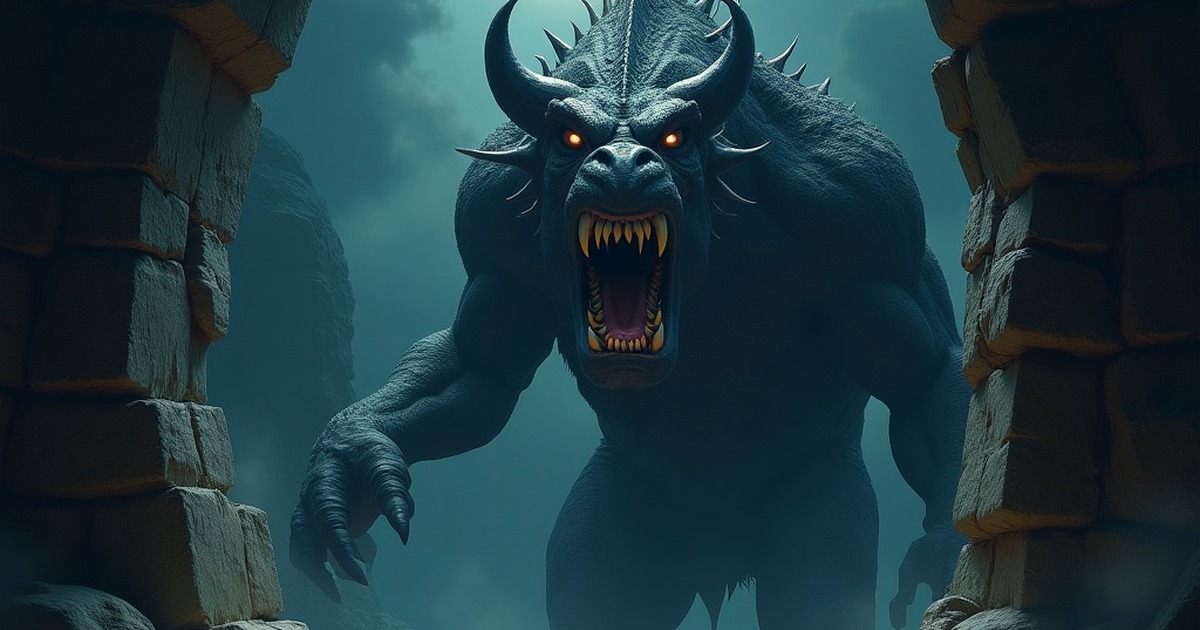
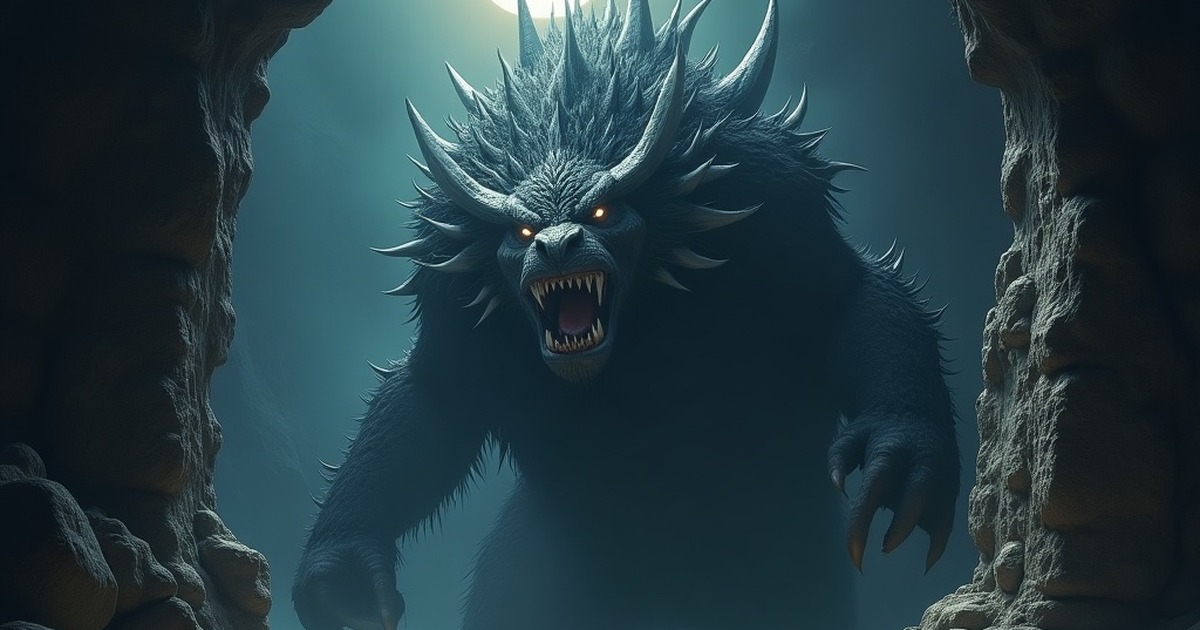
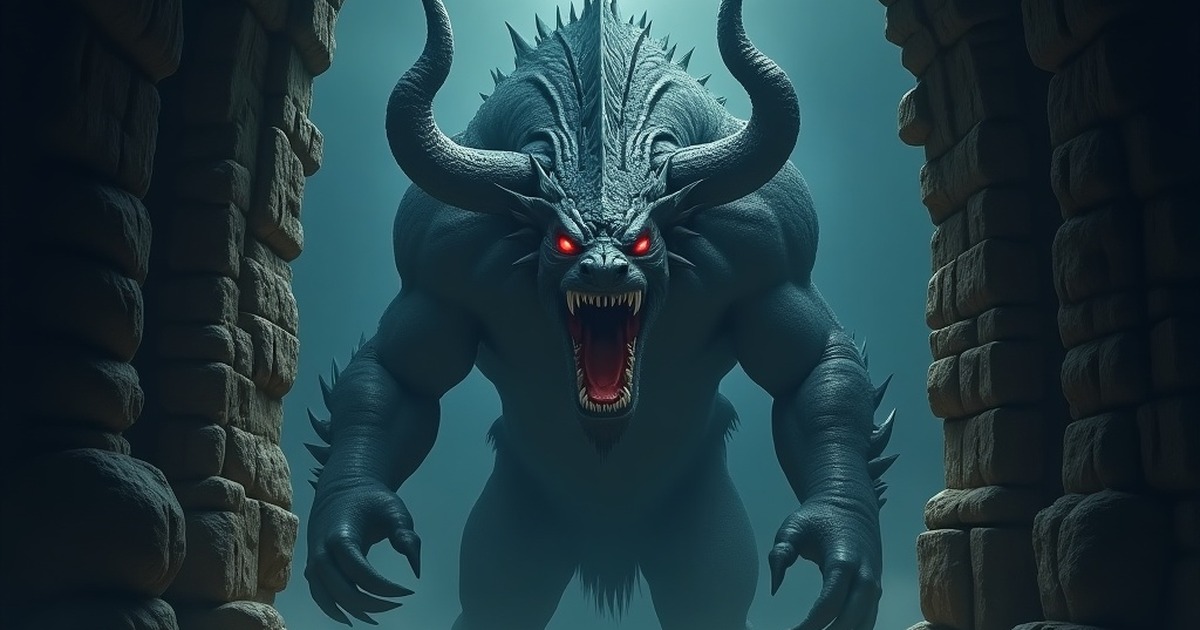
As you ponder the ancient tales of sea monsters, the legendary Kraken often stands out as a formidable figure in maritime lore. This gigantic creature, rooted in Kraken mythology, has terrorized imaginations for centuries. Emerging from the depths, the Kraken embodies true oceanic terror, a symbol of untamed freedom and power. Scandinavian sailors feared its massive tentacles, said to drag ships into the abyss.
In comparing mythology, the Kraken shares traits with other oceanic beasts, yet its unique scale and ferocity set it apart. Its legend endures, illustrating humanity's enduring fascination with the unknown.
| Mythological Creature | Notable Features |
|---|---|
| Kraken | Gigantic size, tentacled menace |
| Leviathan | Biblical, often serpent-like |
| Charybdis | Whirlpool-forming sea hazard |
In history, the Kraken's tales reflect a blend of fear and awe, inviting you to explore the mysterious depths where freedom and terror intertwine.
Leviathan: A Biblical Behemoth

The Leviathan, a creature steeped in biblical lore, emerges as a symbol of chaos and power in ancient texts. In the Book of Job, it's depicted as a fearsome sea monster, embodying untamed nature and divine strength. This isn't just a tale of might; it's a reflection on the struggle between order and chaos. Biblical interpretations often view the Leviathan as a representation of God's unmatched power, suggesting that only a deity could tame such a beast.
Yet, the Leviathan symbolism transcends religious texts, intertwining with various mythologies. In Jewish tradition, it's a primeval monster defeated by God, symbolizing liberation from oppression. Comparatively, in Mesopotamian myths, similar creatures represent cosmic battles, echoing humanity's desire for freedom from chaos. By exploring these narratives, you gain insight into how ancient cultures perceived the natural world, highlighting the enduring human spirit's quest for autonomy and understanding.
Sea Serpents: Guardians of the Abyss
You'll find that sea serpents, often depicted as guardians of the abyss, have long occupied a significant place in global mythology, symbolizing both danger and protection. Historically, these creatures served as legendary oceanic protectors, appearing in Norse, Chinese, and Native American lore, each culture attributing unique characteristics to them. By examining their roles across different traditions, you can appreciate how sea serpents embody cultural symbolism, reflecting humanity's complex relationship with the mysterious depths of the ocean.
Legendary Oceanic Protectors
When you delve into the depths of mythology, sea serpents often emerge not as mindless monsters but as revered guardians of the ocean's secrets. These oceanic guardians are woven into the fabric of numerous cultures, from the Norse Jörmungandr encircling Midgard to the Chinese dragon kings governing seas. They're not merely mythical protectors; they embody the delicate balance between chaos and order in the abyss. You'll find them celebrated in ancient texts and oral traditions, where they defend sacred waters from human transgressions and otherworldly threats. Unlike the fearsome Kraken or Leviathan, sea serpents depict wisdom and vigilance. Their presence assures that freedom within the seas is safeguarded, symbolizing the grandeur and mystery that lie beneath the waves.
Cultural Symbolism and Lore
Although sea serpents often embody fearsome aspects of the deep, their roles in cultural symbolism are profoundly nuanced and intricate. Across various mythologies, these enigmatic creatures become cultural archetypes that transcend mere terror. In Norse mythology, Jörmungandr, the Midgard Serpent, encircles the world, representing cyclical renewal and existential boundaries. This mythological representation isn't just about chaos but also balance and protection. In contrast, Asian lore often depicts sea serpents as guardians, embodying wisdom and benevolence. By examining these narratives, you'll uncover a tapestry where sea serpents are not merely threats but guardians of the abyss, reflecting humanity's complex relationship with the unknown. Embracing their dual nature offers insights into human resilience and the enduring quest for freedom amid life's vast, unpredictable seas.
The Role of Sea Monsters in Cultural Folklore

In exploring the role of sea monsters in cultural folklore, you'll find that these mythical creatures often symbolize the unknown dangers of the ocean, acting as both literal and metaphorical warnings to seafarers. Historically, they've served as cautionary tales, deterring sailors from venturing too far into uncharted waters where peril was believed to lurk. Today, their influence extends into modern storytelling, inspiring narratives that echo ancient fears and fascinations, bridging the mythical past with contemporary imagination.
Symbolism in Maritime Legends
Even as myths and legends diverge across cultures, sea monsters consistently emerge as powerful symbols within maritime folklore. They serve as mythic representations, embodying humanity's fascination and fear of the unknown. These entities often hold profound cultural significance, reflecting societal values and beliefs. Let's explore how sea monsters symbolize different aspects across various cultures:
- Mystery and the Unseen: They represent the vast, uncharted waters, inviting you to explore the unknown.
- Transformation and Chaos: In many legends, they illustrate the unpredictable nature of the sea.
- Guardianship and Protection: Some cultures view them as protectors of sacred waters.
- Power and Sovereignty: They often symbolize the might of nature, challenging human dominance.
Understanding these symbols reveals deeper connections with our cultural heritage.
Sea Monsters as Warnings
As you delve into the rich tapestry of maritime folklore, sea monsters often emerge as ominous harbingers, embodying warnings against the perils that lurk in the deep. In ancient cultures, these creatures served as oceanic warnings, a mythical caution against venturing too far into the unknown. Understanding their role means exploring their presence across different mythologies.
| Culture | Sea Monster | Warning Type |
|---|---|---|
| Norse | Kraken | Beware the deep sea |
| Hebrew | Leviathan | Chaos and destruction |
| Greek | Scylla | Navigational danger |
| Japanese | Umibōzu | Fear of the unknown |
| Polynesian | Taniwha | Respect the ocean |
These tales remind you of the delicate balance between exploration and respect for the ocean's vast mysteries, a theme resonant with those who cherish freedom.
Influence on Modern Stories
Although sea monsters have ancient origins, their influence on modern storytelling remains profound and pervasive, weaving through the fabric of cultural folklore with a timeless allure. You encounter these mythical creatures in various forms:
- Literary Adaptations: Authors reimagine beasts like the Kraken in novels, infusing terror and wonder into tales that challenge the boundaries of reality.
- Cinematic Portrayals: Films captivate audiences with visual spectacles of Leviathans, blending fear with fascination.
- Comparative Mythology: Juxtapose them against similar legends across cultures, highlighting universal themes of mystery and exploration.
- Symbolic Freedom: Sea monsters often embody the untamed, an enticing reminder of the unknown beyond societal constraints.
These adaptations and portrayals encapsulate the freedom to explore and redefine ancient myths within contemporary contexts.
Modern Interpretations of Ancient Beasts

Throughout history, the mysterious allure of sea monsters has sparked the imagination, leading to their reinterpretation in modern times. Ancient interpretations of these beasts often depicted them as divine punishments or omens, echoing humanity's fear of the unknown. In contrast, modern adaptations embrace the freedom to explore these creatures through scientific curiosity and artistic creativity. You'll find that today's interpretations shift from seeing them as mere threats to viewing them as symbols of the vast, untamed ocean.
In comparative mythology, parallels emerge between the Kraken, Leviathan, and other sea beasts, demonstrating a universal fascination. Ancient stories offered cautionary tales, while modern narratives allow you to examine these legends through the lens of ecology and the environment. This transformation reflects a broader cultural shift towards understanding rather than fearing nature's depths. Embrace this evolution as an invitation to explore the mysteries that lie beneath the waves with a sense of wonder.
Sea Monsters in Popular Media
In popular media, sea monsters captivate audiences by blending myth, imagination, and cultural storytelling, transforming these ancient legends into modern spectacles. Sea monster movies, mythical creature games, aquatic horror stories, and legendary sea tales all explore humanity's fascination with the unknown depths. You seek freedom through these narratives, an escape into worlds where imagination reigns and boundaries blur.
Consider the following media where sea monsters thrive:
- Sea Monster Movies: Films like “The Shape of Water” and “Pirates of the Caribbean” weave complex narratives around these enigmatic creatures.
- Mythical Creature Games: Games like “Sea of Thieves” engage players with interactive oceanic adventures, inviting you to conquer your fears.
- Aquatic Horror Stories: Lovecraftian tales like “Dagon” delve into psychological terror, using the sea's vastness to unsettle.
- Legendary Sea Tales: Stories from “20,000 Leagues Under the Sea” to “Moby Dick” explore existential themes through monstrous encounters.
These mediums echo ancient myths while shaping contemporary cultural landscapes.
Frequently Asked Questions
What Are the Most Famous Mythical Sea Monsters in History?
You're captivated by mythical sea monsters like mermaids and Leviathan, rooted in oceanic folklore. Historically, these creatures embody comparative mythology, symbolizing freedom and power, transcending cultures through detailed analysis of maritime legends and historical context.
How Did Ancient Sailors Describe Encounters With Sea Monsters?
You'd hear sailor tales filled with vivid, terrifying descriptions as ancient mariners encountered monstrous forms, fueling ocean fears. These narratives, blending factual observations with myth, highlight humanity's quest for understanding and awe in comparative mythology and historical context.
Are There Any Scientific Explanations for Sea Monster Sightings?
Imagine vast, uncharted waters where shadows deceive. Scientific theories in marine biology suggest massive squids or unfamiliar whales inspired these myths. Historical context and comparative mythology reveal how freedom-seeking sailors' tales blurred lines between reality and legend.
What Impact Did Sea Monster Myths Have on Navigation and Exploration?
You're navigating uncharted waters, and tales of sea monsters stoke fears, urging caution. These myths, rooted in historical context and comparative mythology, both limited and fueled exploration, as they shaped sailors' perceptions and their approach to the unknown.
How Do Different Cultures Interpret the Symbolism of Sea Monsters?
When exploring cultural interpretations of sea monsters, you'll find symbolic meanings vary widely. In Celtic myths, they symbolize chaos and transformation, while Japanese legends often depict them as protectors, reflecting each culture's unique historical context and mythology.
Conclusion
You've journeyed through time, unraveling the mystique of sea monsters like the Kraken and Leviathan. Where once they embodied seafaring dread and divine chaos, today they spark curiosity and wonder. In ancient myths, they were formidable foes; now, they're icons of exploration and creativity. By contrasting fear with fascination, these mythical beasts illustrate humanity's enduring dance with nature's power. Dive deeper, and you'll find these creatures reflect our evolving relationship with the unknown depths.