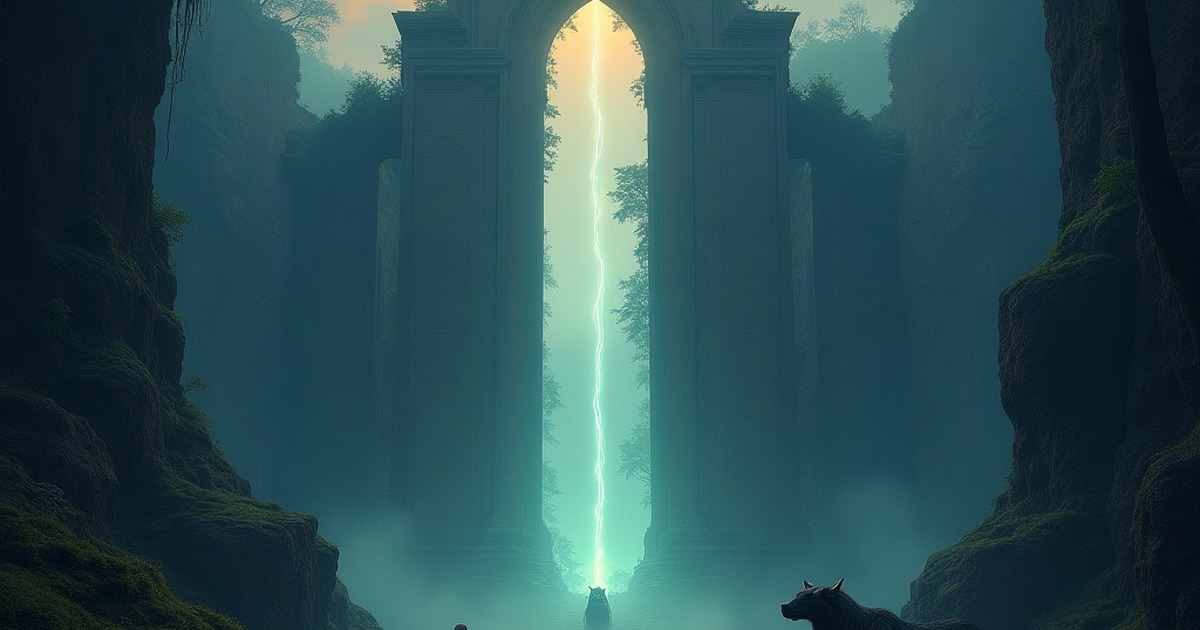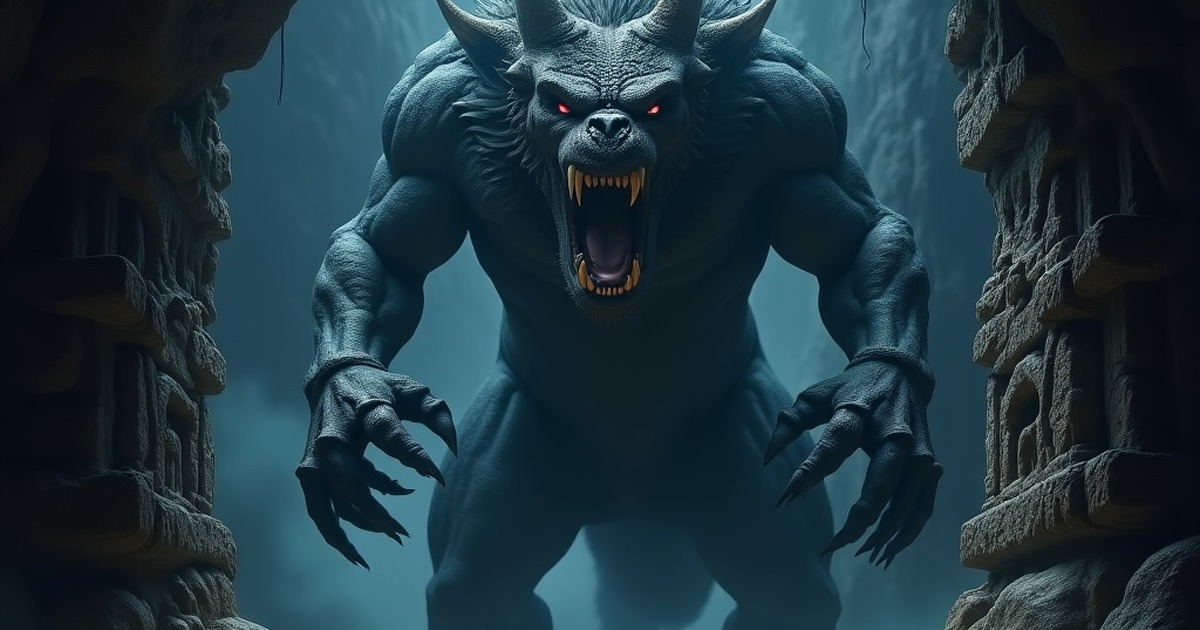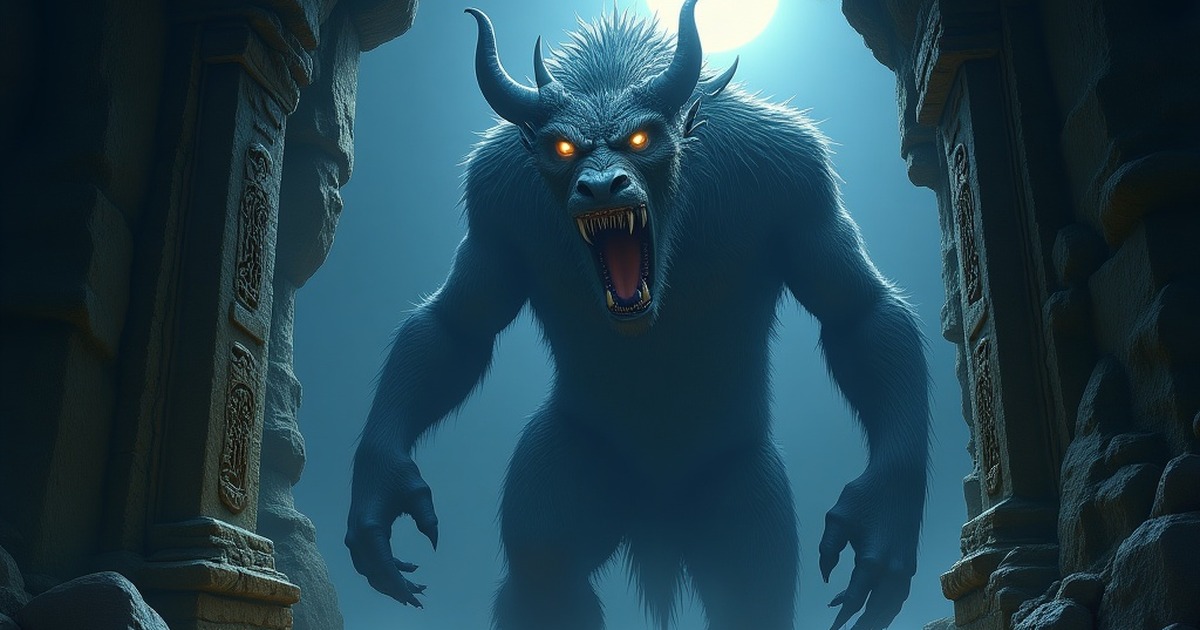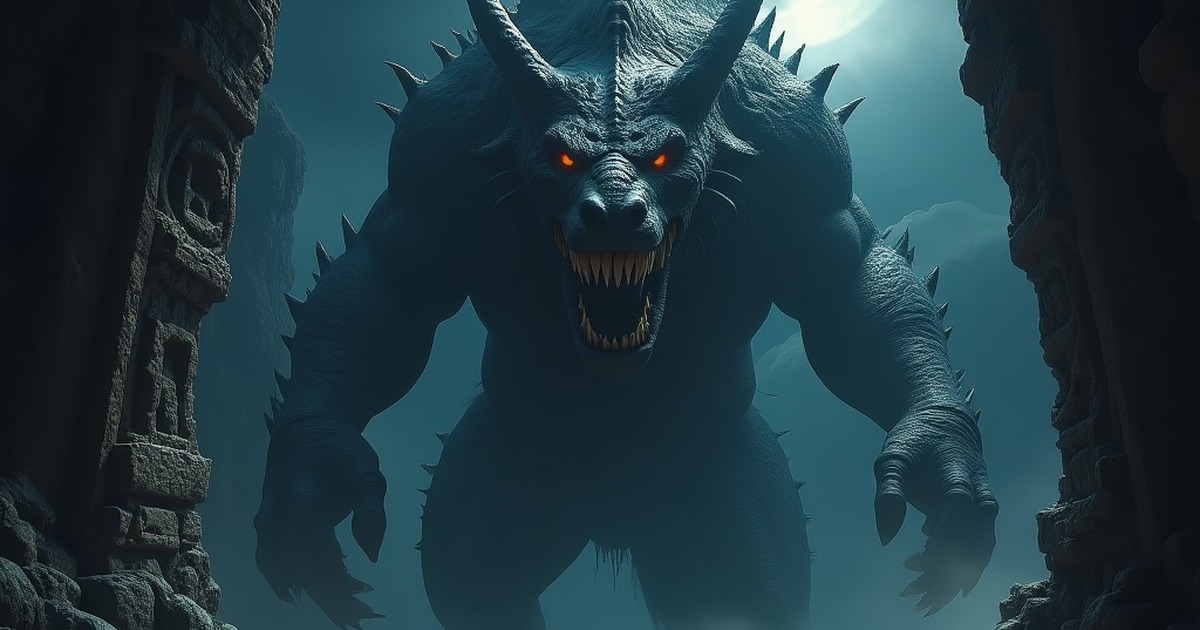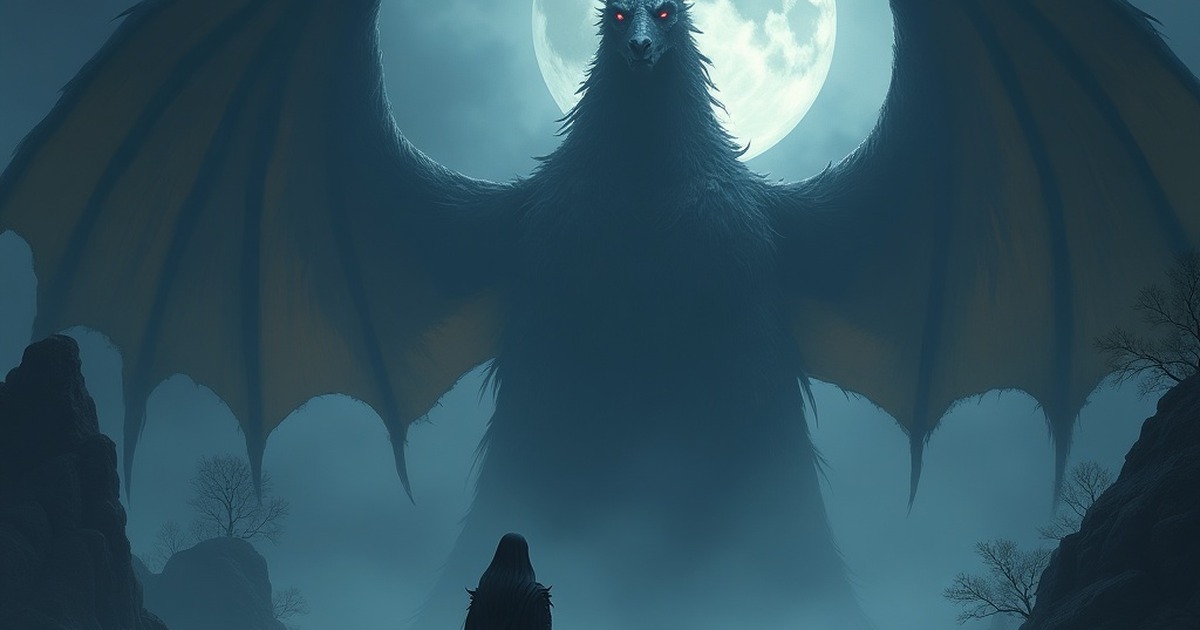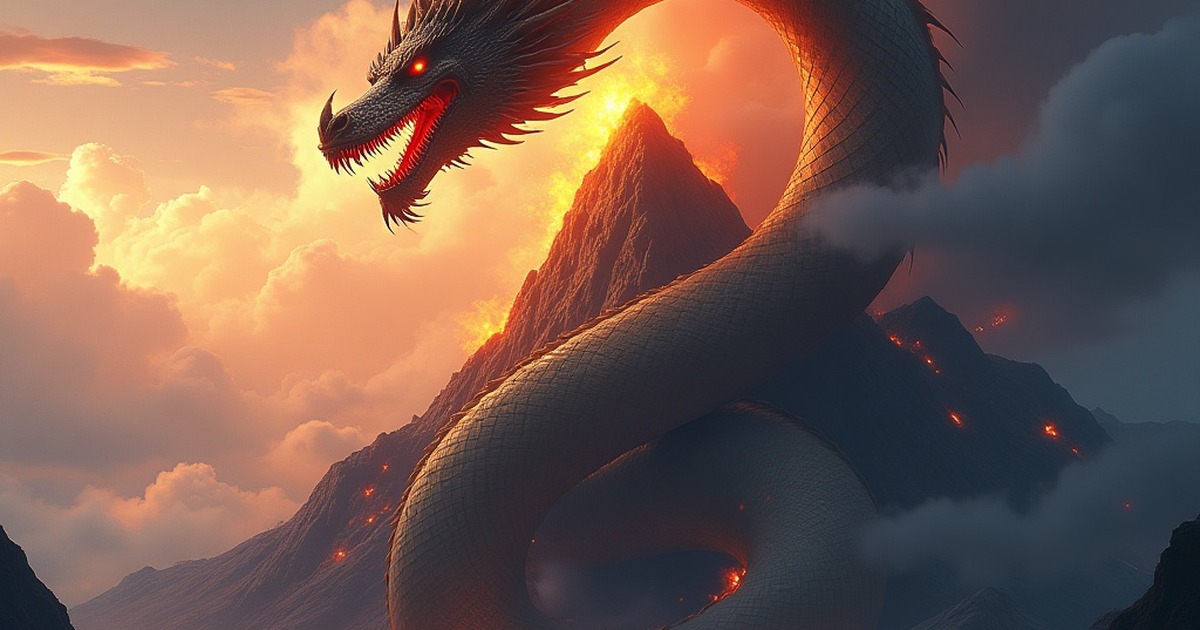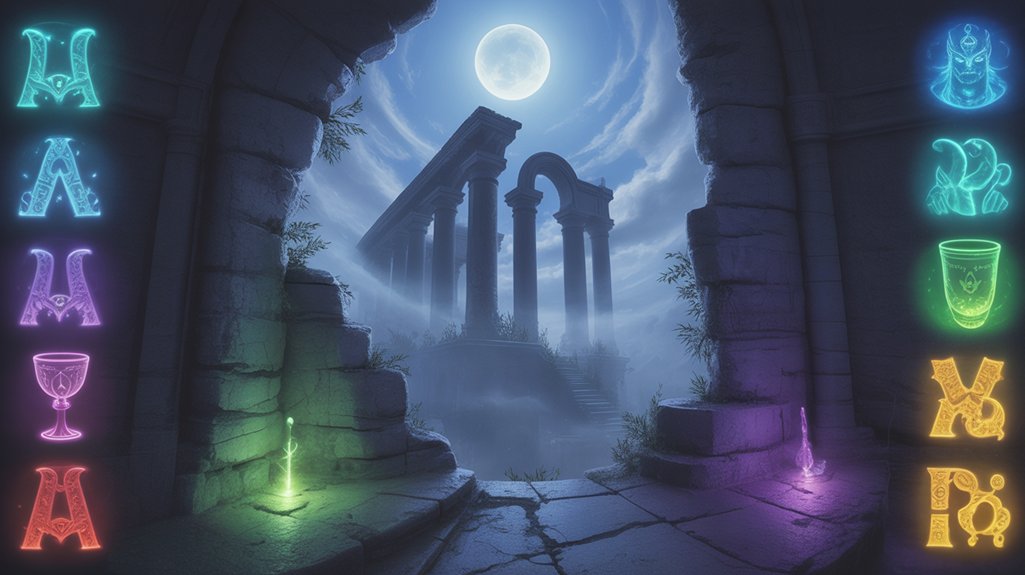
Underworld guardians—Cerberus with his tri-temporal heads, Anubis wielding Ma'at's feather, Charon demanding obols for Stygian passage—serve as humanity's appointed sentinels across death's threshold, altering mortality's terror into negotiable encounters through mythological architecture. These liminal beings enforce cosmic boundaries while administering judgment, their persistence across civilizations revealing universal anxieties about extinction's finality. From Mesopotamian Kur's documented hierarchies (circa 3200 BCE) to contemporary adaptations in gaming and cinema, these chimeric figures embody Jung's Shadow archetype, representing repressed instincts that cultures must confront. The mythological framework underlying these ancient protectors illuminates modern thanatophobia's clinical manifestations.
Key Takeaways
- Underworld guardians enforce boundaries between life and death, administering judgment and maintaining cosmic balance across civilizations.
- Charon ferries souls across the Styx for payment, while Anubis weighs hearts against Ma'at's feather in Egyptian judgment.
- Cerberus's three heads represent past, present, and future, preventing souls from escaping Hades and unauthorized living entry.
- Other prominent guardians include Hel of Norse Helheim, Aztec Mictlantecuhtli, Hindu Yama, and warrior-selecting Valkyries.
- These figures transform cultural death anxieties into tangible forms, reflecting each civilization's values regarding mortality and justice.
Death's Eternal Gatekeepers Revealed

Across civilizations separated by continents and millennia, humanity has populated the threshold between life and death with beings of immense power—creatures who don't merely inhabit the afterlife but actively govern its borders, judge its arrivals, and maintain cosmic order through their eternal vigil.
These gatekeepers embody profound afterlife symbolism, manifesting cultural anxieties about mortality's mysteries.
Death's gatekeepers transform our deepest fears about the unknown into tangible figures we can understand, negotiate with, and ultimately face.
Charon's skeletal hands grip the ferry pole, demanding coins from Greek corpses. Soul navigation requires payment. Anubis, chimeric guardian with jackal visage, weighs hearts against Ma'at's feather in Egyptian chambers—precision determining reincarnation or oblivion.
Norse Hel commands disease-claimed spirits in frost-bound Helheim, her eldritch domain contrasting warrior paradise. Mictlantecuhtli, skull-faced Aztec sovereign, presides over Mictlan's nine-level descent. Yama, Hinduism's first mortal death, judges karma's weight.
These beings share critical functions: boundary enforcement, judgment administration, cosmic balance preservation. They represent humanity's attempt to impose order upon death's chaos, altering unknowable void into navigable territory governed by comprehensible, if fearsome, authority.
As myths deal with supernatural beings and heroes, these underworld guardians serve as fundamental archetypes that explain both the natural world's ultimate transition and the societal ideals surrounding death's inevitable passage.
##
Between the mortal domain and death's shadowy dominion, civilizations across millennia have populated the threshold with chimeric sentinels—beings whose purpose transcends mere guardianship to embody the terrifying sanctity of passage itself.
From Cerberus, whose three slavering heads have barred Hades' gates since archaic Greece, to the psychopomps who ferry or collect souls with ritualistic precision, these entities enforce cosmic boundaries that mortals violate at their peril.
The underworld's architecture demands such custodians, for death's kingdom requires not walls of stone but watchers of eldritch authority, creatures whose very forms articulate the irreversible alteration awaiting all who cross their paths.
In Ancient Greek tradition, these underworld guardians existed alongside a pantheon of deities including Zeus, Poseidon, and Apollo, whose domain over the living world stood in stark contrast to the chthonic powers below.
Underworld Guardians: Mythical Creatures That Rule the Afterlife
While mortal civilizations have constructed elaborate architectures to honor their gods of light and sky, they've reserved their most fearsome guardians for the shadowed thresholds of death itself.
These eldritch sentinels—Charon demanding his obol, the chimeric Cerberus with triple-crowned vigilance, Anubis weighing hearts against Ma'at's feather—embody profound Underworld symbolism across cultures.
Each guardian manifests distinct Afterlife beliefs: Greek tradition emphasizes separation through physical barriers and payment, Egyptian cosmology prioritizes moral judgment and preservation, while Mictlantecuhtli represents death's inexorable sovereignty in Aztec consciousness.
These entities don't merely guard boundaries. They define them. Their presence alters death from abstract concept into navigable territory, offering structure to humanity's oldest terror.
Through jackal-headed psychopomps and three-headed hounds, civilizations mapped their collective fears into comprehensible forms—creatures both terrifying and necessary for cosmic order.
Cerberus: Three-Headed Gate Keeper
At the adamantine gates where Hades's dominion begins, stationed precisely where the river Styx's black waters pool before Dis's throne, Cerberus maintains his eternal vigil—a creature whose triple skulls scan simultaneously across temporal dimensions of death itself.
Past, present, future. Each head embodies mortality's inexorable march. His serpentine tail writhes. Snake-mane bristles with eldritch menace. The name “kerberos”—spotted one, demon—captures this chimeric guardian's essence perfectly.
Cerberus mythology positions him as ultimate threshold-keeper, barring escape for shades, denying unauthorized entry to mortals. Cerberus symbolism transcends mere physical barrier; his three aspects represent death's completeness, its total dominion over temporal existence.
When Heracles descended for his twelfth labor, capturing the beast weaponless, he confronted death's embodiment directly—proof that even freedom's champions must respect the Underworld's boundaries.
Charon: Ferryman of Souls
Upon the murky waters where life's final journey begins, where Styx and Acheron converge in twilight currents, Charon poles his ancient skiff—a gaunt psychopomp whose skeletal frame and tattered robes embody alteration's irreversible nature.
This eldritch sentinel demands payment. One coin. Charon's obol significance extends beyond mere exchange; it represents humanity's final liberation from mortal constraints, the ultimate freedom purchased through proper rites. Without this copper passage-token placed beneath the tongue, souls wander eternally—imprisoned between domains.
Charon's mythological evolution altered him from Etruscan origins into Greece's most unyielding threshold guardian, his stern countenance reflecting death's democratic impartiality. He accepts neither pleas nor promises, only cold metal against cold palm.
The ferryman embodies change's sacred necessity, that liminal crossing none escape, reminding mortals that proper preparation grants safe passage beyond.
Valkyries: Battlefield Soul Collectors
Where Charon's solitary vigil guards Mediterranean waters, the Norse conceived entirely different architects of death—the Valkyries, warrior-maidens whose thundering arrival altered battlefields into sacred selection grounds.
These “choosers of the slain” descended on horseback, armor gleaming with eldritch purpose, their presence changing carnage into ceremony. Valkyrie symbolism encompassed both destruction and honor, for they wielded absolute authority over mortality's threshold, determining which fallen warriors merited Valhalla's halls and which received oblivion.
Their dual nature—simultaneously beautiful and terrible—reflected Norse convictions about warrior afterlife, where death in battle wasn't tragedy but transcendence. They appeared in dreams, whispered prophecies, manipulated fate itself.
More than mere psychopomps, these figures embodied destiny's inexorable machinery, proving that Nordic peoples understood the afterlife not as passive destination but active selection process requiring divine judgment on bloodstained ground.
Sumerian Underworld Guardian Records
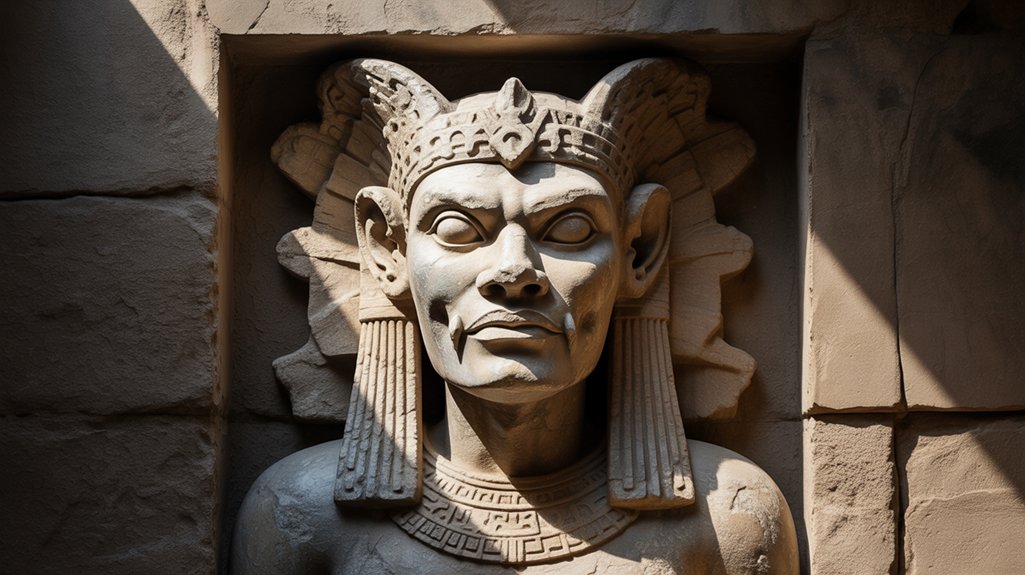
The ancient cuneiform tablets from Uruk's temple complexes, dating to approximately 3000 BCE, preserve haunting descriptions of the Galla demons—chimeric entities who served as psychopomps and sentinels at the seven gates of Irkalla.
These eldritch gatekeepers, neither wholly corporeal nor entirely spectral, enforced the boundary between the living world and Ereshkigal's domain with an authority that transcended the political boundaries of competing Mesopotamian city-states like Ur, Lagash, and Eridu.
The inscriptions reveal that these creatures operated under the command of the Anunnaki judges, their number varying between seven and fourteen depending upon the theological traditions preserved in each urban center's temple archives.
The Galla Demon Gatekeepers
When darkness descended upon ancient Sumer's consciousness around 4500 BCE, its people conceived of demons so profoundly terrifying that even the gods themselves acknowledged their eldritch authority—these were the Galla, the inexorable gatekeepers who patrolled the threshold between mortal existence and eternal oblivion.
Wild-haired and ferocious, these chimeric entities served Ereshkigal with absolute devotion, capturing wandering souls and dragging them through death's portal. Their primary mandate: prevent escape.
The Galla symbolism permeated every aspect of mortality's understanding—they weren't merely enforcers but cosmic arbiters maintaining equilibrium between worlds.
Sumerians developed elaborate Sumerian rituals, offering sacrifices to appease these boundary-walkers. Respect the threshold, and they'd remain indifferent guardians.
Violate it? They became merciless punishers, embodying death's non-negotiable finality. Neither good nor evil—simply inevitable.
Ancient Mesopotamian City-States
Across scattered city-states—Uruk, Ur, Eridu, Lagash—Mesopotamian scribes meticulously preserved guardianship hierarchies that governed Kur's impenetrable boundaries, etching cuneiform testimonies into clay tablets that'd survive millennia. These ancient city state beliefs formed civilization's first systematic theology of death, documenting the eldritch beings who patrolled shadow-gates between worlds.
| Guardian Entity | Domain | Sacred Function |
|---|---|---|
| Ereshkigal | Sovereign Darkness | Ultimate judge of departed souls |
| Nergal | War's Terminus | Disease-bringer, fierce sentinel |
| Lilitu | Gate-threshold | Soul-tester at Kur's entrance |
The Sumerian afterlife demanded reverence, not rebellion. Each city-state maintained identical cosmological maps—proof that freedom meant accepting cosmic law. Scribes recorded how souls traversed seven gates, stripped bare of earthly pretense. Dust awaited all. Silence consumed all. Liberation existed only through understanding death's chimeric guardians.
Uruk's First Temple Inscriptions
Countless styluses pressed into wet clay circa 3200 BCE, immortalizing Uruk's theological revolution—the first systematic documentation of Kur's guardian hierarchies that'd anchor Mesopotamian death-consciousness for three millennia.
These Uruk inscriptions catalogued eldritch wardens: Ereshkigal, sovereign of shadows, commanding chimeric attendants who weighed souls against cosmic law. The cuneiform wedges preserved ritual protocols—libations of beer, offerings of bread—designed to pacify these formidable sentinels.
No paradise awaited the dead in Sumerian beliefs, only dust-choked halls patrolled by beings neither merciful nor cruel, simply inexorable. Uruk's scribes captured this geography of dread with precision, mapping territories where breath ceased and different laws prevailed.
Their clay tablets converted ephemeral theology into permanent doctrine, binding generations to shared understanding of mortality's gatekeepers.
Egyptian vs. Greek Guardian Roles
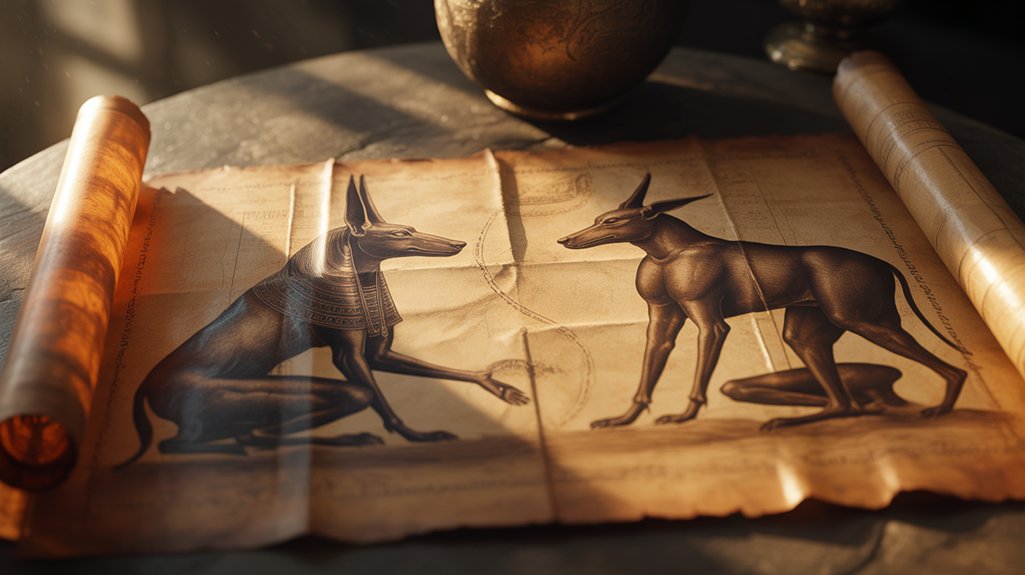
Though separated by the Mediterranean's azure expanse and centuries of divergent theological development, Egyptian and Greek guardian figures of the afterlife reveal profound distinctions in how these civilizations conceptualized death's threshold. Anubis, the jackal-headed psychopomp, didn't merely transport souls—he orchestrated their mummification, guided their passage, and prepared them for Osiris's ultimate judgment. His role encompassed alteration itself. Conversely, Charon operated as stern transactional functionary, demanding his obol before ferrying souls across the Styx's black waters toward Hades's domain. These mythical interpretations expose fundamentally different afterlife beliefs.
| Aspect | Egyptian Guardian | Greek Guardian |
|---|---|---|
| Primary Role | Alteration and preparation | Transportation and passage |
| Divine Authority | Anubis guides toward Osiris's judgment | Charon delivers to Hades's rule |
| Symbolic Essence | Regeneration through sacred ritual | Inevitable separation from life |
The jackal versus the ferryman. Metamorphosis versus transit. One culture saw death as alchemical threshold; the other, as irrevocable boundary requiring payment.
Guardian Threshold Between Life-Death
What changes a deity from mere mythological figure into the fundamental hinge upon which mortal existence pivots? The answer lies in their dominion over spiritual thresholds, those eldritch boundaries where life shifts into death's eternal embrace.
These guardians don't merely observe; they actively regulate passage between domains:
- Charon demands payment—a coin placed beneath the tongue, ensuring souls can't cross the Styx unbidden.
- Anubis weighs hearts—measuring each soul's worth against Ma'at's feather with precision that determines eternal fate.
- Hel receives the sick—claiming those who die without battle-glory, maintaining Helheim's somber equilibrium.
- Yama judges karma—determining whether souls achieve liberation or face reincarnation's endless wheel.
Each deity embodies sovereignty over life shifts, altering abstract mortality into navigable passages.
They aren't chimeric monsters guarding treasures; they're cosmic gatekeepers whose very presence sanctifies death's threshold, making the incomprehensible journey comprehensible through their divine arbitration.
Cerberus's Three-Headed Mythology
Born from the chimeric union of Typhon and Echidna—those primordial architects of monstrosity—Cerberus emerged as the Underworld's most formidable sentinel, his three heads eternally vigilant at Hades' gate.
Each cranium embodies a temporal dimension of mortality: past, present, and future converging in one eldritch form, serpentine mane writhing with the knowledge of death's inevitability.
This tripartite guardian serves not merely as obstacle but as cosmic threshold keeper, his very existence a demonstration of ancient Greek understanding of the liminal boundary where breath ceases and shadow-existence begins.
Origins in Greek Mythology
As the chthonic territories of ancient Greek cosmology took shape in the collective imagination of the Mediterranean world—roughly between the 8th and 5th centuries BCE—Cerberus emerged from the primordial darkness as the Underworld's most formidable sentinel.
This chimeric beast, offspring of the monstrous Typhon and Echidna, embodied the Greeks' profound understanding of mortality's threshold. His three heads weren't merely anatomical curiosities; Cerberus symbolism wove past, present, and future into an inescapable temporal trinity.
Serpents coiled from his flesh, creating an eldritch visage that reinforced his supernatural authority. Within Underworld myths, he served Hades and Persephone with singular purpose: containing the dead within their shadowed domain while repelling unauthorized living intruders.
This guardian stood as death's inevitable gatekeeper, an ancient acknowledgment that some boundaries demand respect, some passages permit no return.
Guardian of Hades' Gate
Where the River Styx's obsidian waters carved their final boundary between mortal domain and eternal shadow, Cerberus maintained his vigil with preternatural awareness—three skulls scanning simultaneously across temporal dimensions, ensuring no shade slipped backward toward the sun-touched world above.
This chimeric sentinel embodied perfect containment. His serpentine mane writhed with eldritch purpose, each scale a ward against transgression.
Cerberus symbolism extended beyond mere physical deterrence; the beast represented death's irreversible threshold, that liminal precipice where mortal agency surrendered to cosmic inevitability.
Within Hades mythology, his three heads perceived past lives, present deaths, and futures unmade—a temporal trinity guarding not merely gates but existential boundaries themselves.
When Heracles descended, even this formidable warden recognized superior force. Temporarily subdued, never conquered. His loyalty remained absolute.
Symbolic Meaning and Powers
Beyond his function as infernal gatekeeper, Cerberus manifested as pure symbolic architecture—a living hieroglyph encoding humanity's deepest anxieties about temporal existence and consciousness's termination.
His three heads embodied past, present, and future—the complete spectrum of temporal awareness that haunts mortal minds. These guardian characteristics weren't arbitrary embellishments but profound symbolic interpretations of death's nature: serpentine tail and snake-maned visage creating a chimeric form that channeled eldritch chaos itself.
Each head represented conscious existence across time's continuum, suggesting death transcends simple cessation. The creature's fearsome countenance warned against transgressing natural boundaries, his very anatomy a lesson in respecting mortality's finality.
Heroes like Heracles confronted this embodied threshold, their trials symbolizing humanity's eternal struggle against the unknown void. Cerberus therefore governed more than physical passage—he enforced cosmic order itself.
Cerberus in Contemporary Media
Through cinema's flickering shadows and digital domains' pixelated depths, Cerberus has clawed his way from ancient amphitheaters into the collective consciousness of modern audiences, evolving from a bronze-age chimeric sentinel into an enduring icon of boundary and doom.
These Cerberus adaptations span multiple mediums, manifesting in Disney's “Hercules” (1997), the “Harry Potter” franchise, and interactive mythscapes like “God of War” and “Hades,” where players confront or command this eldritch guardian.
Contemporary Cerberus symbolism manifests through:
- Cinematic guardianship – films portraying him as underworld protector
- Gaming adversaries – digital encounters testing mortality's threshold
- Literary resurrections – fantasy novels exploring life-death boundaries
- Commercial totems – merchandise converting ancient terror into accessible iconography
His triple-crowned visage now adorns album covers, graphic novels, and street art, each iteration channeling humanity's perpetual struggle against inexorable fate.
The beast's commercial ubiquity paradoxically liberates audiences to contemplate mortality without ecclesiastical intermediaries.
Jungian Shadow Archetype Analysis
As Cerberus guards death's threshold with slavering jaws and bone-crushing vigilance, he simultaneously embodies Jung's Shadow archetype—that primordial repository of repressed instincts, denied aggression, and untamed energy dwelling beneath civilization's veneer.
The three-headed hound's eldritch form manifests humanity's projection of its own ferocity, territoriality, and sovereign rejection of containment. Those who confront Cerberus must face their repressed traits: the snarling, possessive, boundary-enforcing aspects they've buried beneath social conditioning.
Shadow integration demands acknowledging these chimeric qualities without succumbing to their destructive potential. Cerberus doesn't merely guard against escape from Hades; he prevents unauthorized entry, revealing how repressed traits serve protective functions despite their terrifying appearance.
His vigilant presence suggests that confronting one's Shadow—accepting the beast within—changes raw aggression into discernment, changes rage into power. The creature's mythological permanence across millennia demonstrates Jung's assertion: the Shadow isn't conquered through denial but through conscious assimilation, liberating individuals from unconscious compulsion into authentic sovereignty.
Modern Death Anxiety Explored
While Cerberus once externalized humanity's terror into mythic flesh, contemporary society has internalized death's dread—transforming ancient psychopomps and threshold guardians into abstract psychiatric phenomena measured through diagnostic criteria and neurochemical imbalances.
Thanatophobia now afflicts ten percent of the population, manifesting through obsessive ruminations, avoidance behaviors, and panic's visceral eruptions. The digital age has severed communal mourning rites, leaving individuals adrift in technological landscapes where death becomes spectacle rather than sacred passage.
Cultural attitudes shape this eldritch anxiety, yet therapeutic interventions—cognitive-behavioral frameworks, mindfulness disciplines—offer pathways toward death acceptance. These modern practices echo ancient mystery traditions, guiding practitioners through existential reflection rather than physical underworlds.
Where Sumerian gates once demanded ritual passage, contemporary gateways require psychological traversal. The chimeric nature of mortality remains unchanged; only our vocabulary has shifted from mythological to clinical, from communal ritual to private struggle, from accepting death's guardians to medicating their memory away.
Eternal Guardians Beyond Cultural Boundaries
Beyond the fragmented modern psyche lies an astonishing cartography of death's threshold—a worldwide parliament of guardians whose common purpose transcends linguistic barriers and continental divides.
Charon's obol-collecting ferry finds its echo in Mictlantecuhtli's skeletal sovereignty over Mictlan's nine rivers, while Anubis's jackal-headed psychostasis mirrors the weighing functions performed across distant pantheons.
These mythical symbolism patterns reveal cultural parallels so profound they suggest humanity's shared confrontation with mortality's eldritch mysteries.
Across civilizations, death's guardians emerge—archetypal sentinels born from humanity's eternal struggle to comprehend the unknowable void.
The Norse Hel presides over her mist-shrouded domain with impartial authority. Tibetan Citipati dance their skeletal vigil.
Each guardian embodies justice, balance, respect—chimeric manifestations of civilizational values crystallized into protective forms.
From charnel grounds to underworld rivers, these figures stand sentinel at liminal thresholds where living breath surrenders to eternal passage.
Their persistence across millennia demonstrates death's universal requirement: trusted intermediaries who guarantee souls navigate safely, honoring the sacred contract between mortality and whatever lies beyond.
Frequently Asked Questions
Do Underworld Guardians Appear in Hindu or Buddhist Mythology?
Yes, both traditions manifest formidable death-dimension guardians.
Hindu deities like Yama, the primordial lord of death dwelling in his southern palace Yamaloka, and his buffalo mount judge souls with eldritch authority.
Buddhist protectors, particularly the dharmapālas—wrathful manifestations such as Yamāntaka who conquered Hindu Yama himself—guard threshold domains between existence and dissolution.
These chimeric beings, adorned with skull garlands and wielding bone implements, embody liberation's fierce compassion, protecting seekers from spiritual bondage rather than imprisoning them.
Can Underworld Guardians Be Defeated or Bypassed by Mortals?
Mortals rarely triumph against chthonic sentinels through brute force alone.
Ancient texts reveal mortal tactics centered on cunning, ritual offerings, and sacred knowledge—Orpheus's lyre charmed Cerberus, while Aeneas wielded the golden bough.
Divine intervention frequently proves essential; Hermes guided heroes past eldritch gatekeepers, and Sumerian priests invoked Shamash's protection.
These liminal encounters demand respect, preparation, and understanding that such guardians don't exist merely as obstacles but as sacred arbiters of cosmic order, fundamentally undefeatable without proper spiritual authority.
Are There Female Underworld Guardians in Any Mythological Traditions?
Female guardians absolutely dominate underworld mythology across countless civilizations.
Ancient Mesopotamia's Ereshkigal commanded the Irkalla domain with terrifying sovereignty, while Greece's Erinyes—eldritch beings born from Uranus's blood—pursued oath-breakers through shadowed depths.
Japan's Izanami, altered by death's corruption, ruled Yomi's putrid darkness.
Norse Hel governed her namesake territory, half-corpse manifestation embodying mortality's duality.
These mythological representations weren't mere gatekeepers but sovereign powers, their feminine authority challenging patriarchal constraints.
They offered liberation through acknowledged darkness, transcending conventional boundaries.
How Do Underworld Guardians Differ From Demons or Evil Spirits?
Guardian characteristics fundamentally distinguish psychopomps from malevolent entities—they shepherd, judge, and maintain cosmic order rather than corrupt souls.
While demons manifest chaos and torment, underworld guardians embody sacred duty.
Spirit roles differ dramatically: Egypt's Anubis weighs hearts with divine precision; Cerberus guards prescribed boundaries.
These liminal beings enforce Ma'at, dharma, cosmic law itself.
They're neither善 nor evil but necessary—eldritch functionaries who guarantee death's proper passage, protecting both living and dead from disorder's consuming darkness.
What Happens to Souls That Underworld Guardians Refuse Entry?
Like wanderers cast from sanctuary's threshold, souls rejected by underworld guardians face liminal exile—neither ascending nor descending.
Ancient Mesopotamian texts describe these shade-beings drifting through desolate wastes, while Egyptian papyri detail soul purification rituals enabling second afterlife judgment.
Greek tradition speaks of wanderers haunting riverbanks, eternally barred from Charon's ferry.
Some cultures offer redemptive paths through ancestor veneration or ritual intervention, suggesting cosmic justice isn't absolute but negotiable—freedom earned through spiritual metamorphosis, not predetermined fate.
Conclusion
These eldritch sentinels—whether Sumerian *galla*, Egyptian Ammit, or three-headed Cerberus—transcend mere mythology. They're humanity's shared acknowledgment of change's terrible threshold. Like shadows cast across millennia, these guardians persist in contemporary consciousness, their chimeric forms embodying what Jung recognized: death's inevitability demands witnesses. Across Mesopotamian ziggurats and Grecian necropolises alike, one truth crystallizes. Every culture stations watchers at oblivion's gate, eternal arbiters where mortal comprehension fractures against unknowable darkness. The guardians remain, patient. Waiting.