You might think you've seen it all, but Filipino mythology offers creatures so unique they'll make your imagination run wild. From the shape-shifting Aswang to the enigmatic Tiyanak, these mythical beings aren't just figments of imagination; they reflect deep cultural fears and values. Each creature, like the fearsome Tikbalang or mischievous Duwende, embodies specific societal anxieties and lessons. Discovering them unveils the profound connection Filipinos have with nature and folklore.
Key Takeaways
- The Aswang is a shape-shifting entity, often transforming into a large black dog or bat.
- The Manananggal separates its upper body to hunt at night and is vulnerable to sunlight.
- Duwendes are small, mischievous creatures inhabiting gardens, requiring respectful acknowledgment with “tabi-tabi po.
- Tikbalangs, horse-headed beings, roam forests and can mislead travelers with eerie laughter.
- Kapres are towering giants in treetops, acting as guardian spirits for respectful adventurers in nature.
The Elusive Aswang
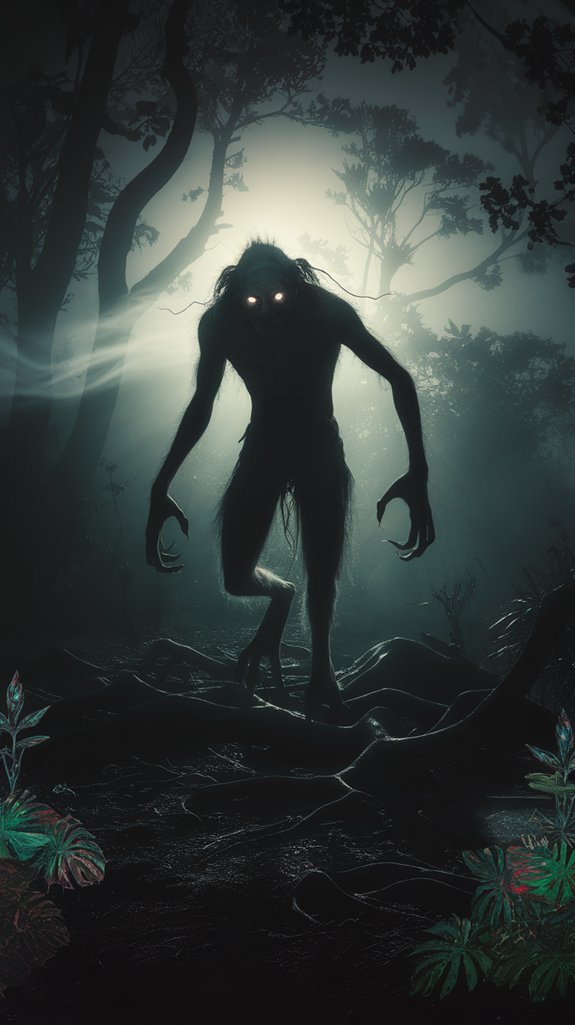
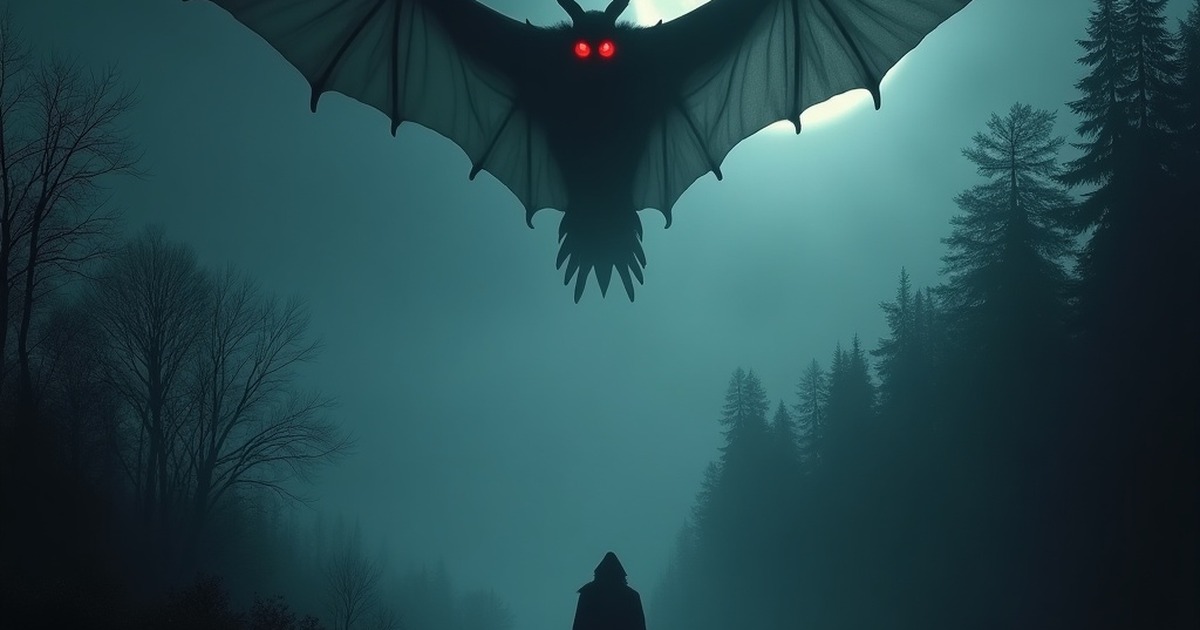
When you delve into the world of Filipino folklore, the Aswang stands out as one of the most feared and mysterious creatures. Its notoriety stems from its elusive nature, as the Aswang's appearances are as varied as they are unsettling. Traditionally, it's depicted as a shape-shifting entity, capable of transforming from human to animal form, often favoring the guise of a large, black dog or bat. This flexibility in form adds layers to its mystique, allowing it to adapt and evade capture.
Exploring the aswang variations, you'll find regional differences that enrich its legend. In some areas, the Aswang might appear more like a ghoul, while elsewhere, it's akin to a witch. Each variation reflects the cultural and social undercurrents of its origin, symbolizing the fears and hopes of communities. Freedom from fear often lies in understanding these nuances, as awareness demystifies the creature lurking in folklore's shadows.
The Mysterious Manananggal
As you explore the origins of the mysterious Manananggal, you'll find its roots embedded in Filipino folklore, often depicted as a terrifying creature that separates its upper body to hunt at night. This creature's abilities, such as flight and shape-shifting, contribute to its fearsome reputation, but it's not invincible—exposing it to sunlight or using salt and garlic can weaken it. Understanding these elements not only unveils its mythological significance but also reflects the cultural fears and social values of the communities that birthed this legend.
Origins and Folklore
Though shrouded in mystery, the origins of the Manananggal are deeply rooted in Filipino folklore, reflecting the rich tapestry of the country's cultural history. This enigmatic creature's mythical origins can be traced back to pre-colonial times, embodying the fears and beliefs of early Filipinos. You see, the Manananggal isn't just a tale of terror; it's a reflection of societal anxieties, particularly regarding women and power. Its folklore significance lies in its enduring presence in stories passed down through generations, serving as cautionary tales against night wanderings and moral transgressions.
Abilities and Weaknesses
Despite its terrifying reputation, the Manananggal possesses a fascinating set of abilities that elevate its status in Filipino mythology. This creature can separate its upper body from its lower half, sprouting bat-like wings for nocturnal flight, making it a formidable predator. Its keen senses enable it to locate prey with precision, often targeting unsuspecting victims as they sleep. However, understanding its weaknesses can empower you. The Manananggal's vulnerabilities include the inability to reattach if salt or garlic is applied to its severed lower half, leaving it exposed to sunlight's lethal embrace. This weaknesses explained approach is crucial for those desiring autonomy from fear. Knowing its abilities overview and vulnerabilities allows you to navigate this myth with both caution and confidence.
The Mischievous Duwende

While exploring the rich tapestry of Filipino folklore, you'll often encounter the enigmatic and playful duwende, small creatures known for their mischief-making antics. These tiny beings inhabit gardens, mounds, and various natural landscapes, with their presence often signaled by mysterious happenings. Understanding duwende habits is crucial; they're known to be both benevolent and mischievous. They might bless your household with good fortune or play tricks if you inadvertently disturb their homes.
Duwende interactions with humans are complex. Offer a simple “tabi-tabi po” (excuse me) when passing by their suspected abodes to maintain harmony. If you find your belongings misplaced or hear unexplained noises, it's likely the handiwork of these tricksters. Embracing a sense of respect and curiosity towards these creatures mirrors a desire for freedom, allowing you to engage with a world where the unseen influences daily life, encouraging a harmonious coexistence with nature's mysteries.
The Fearsome Tikbalang
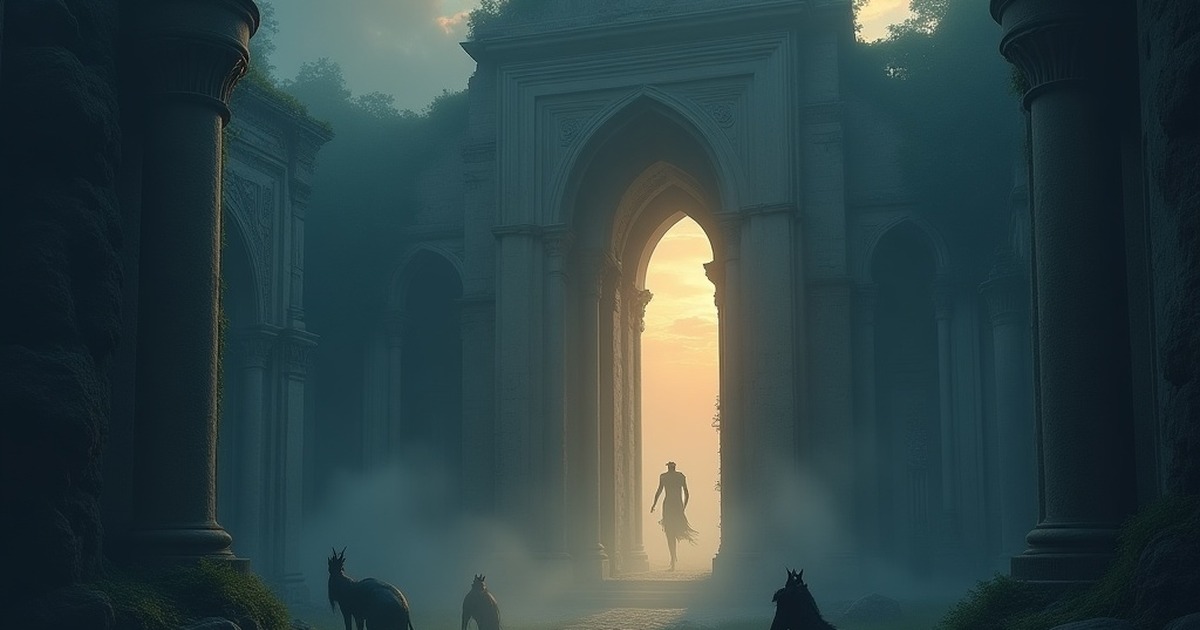
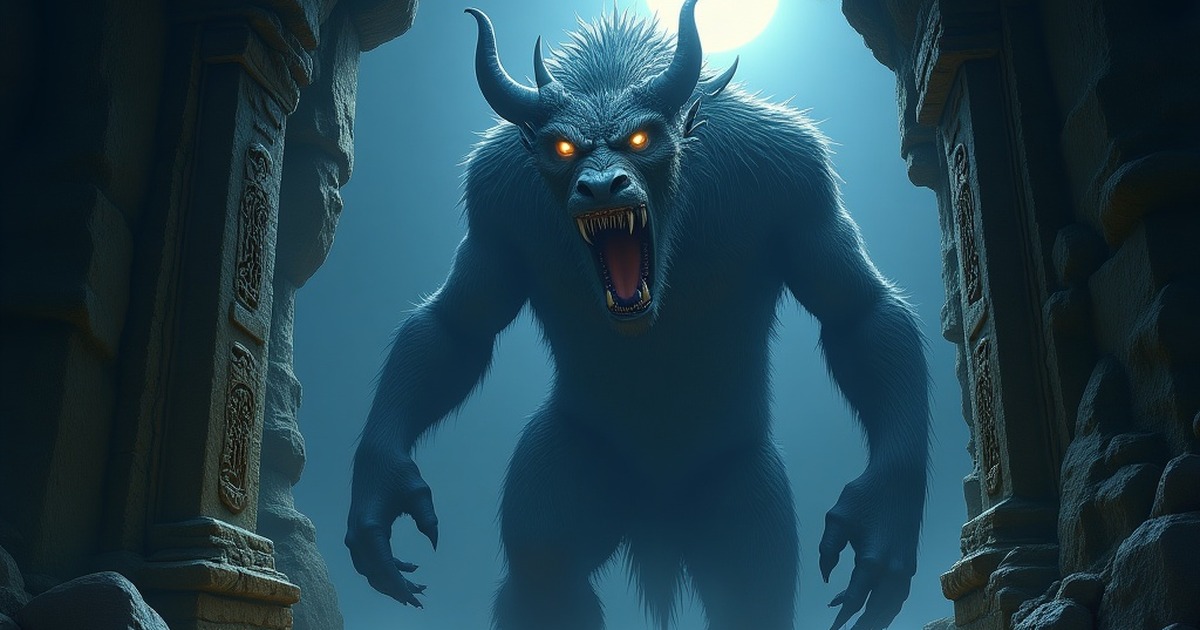
As you delve deeper into the captivating realm of Filipino folklore, the Tikbalang emerges as one of its most fearsome entities. Known for its tall, horse-headed form, this mythical creature roams the dense forests and mountainous regions of the Philippines. Tikbalang legends tell tales of travelers led astray, lost in endless circles, haunted by an eerie laughter. These encounters often carry a sense of mystery and fear, as they challenge your sense of direction and reality.
- Tikbalangs are believed to be guardians of the forest.
- They can be appeased by wearing your shirt inside out.
- Some legends suggest capturing a Tikbalang grants control over it.
- Their eerie laughter is said to echo through the trees.
- They symbolize the untamed and unpredictable aspects of nature.
In exploring these tikbalang encounters, you uncover a deeper understanding of the balance between humanity and the wilderness, urging you to question what true freedom entails.
The Protective Kapre

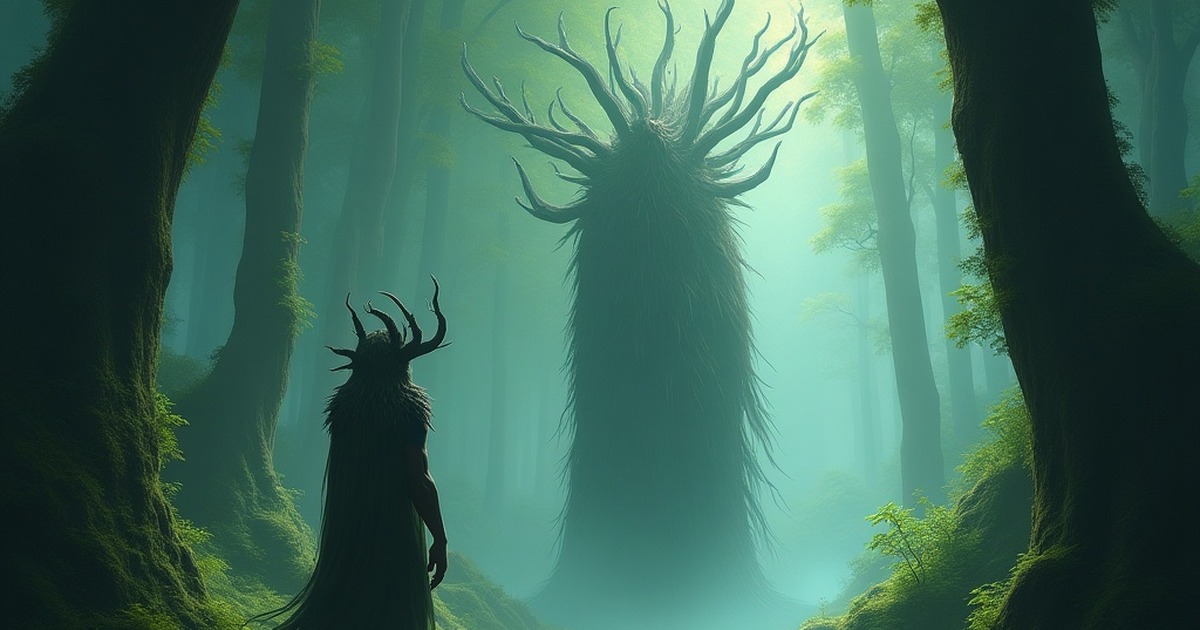
Though often overshadowed by more fearsome figures in Filipino mythology, the Kapre stands as a protective spirit with a presence that's both imposing and comforting. Imagine a towering, hairy giant perched in the treetops, often seen smoking a rustic tobacco pipe—a sentinel of the forest. These are the kapre characteristics that distinguish it in legends. Unlike creatures that inspire fear, the Kapre embodies a guardian role, sometimes befriending those who respect nature and the mystical realm.
Kapre legends tell stories of wanderers who find themselves lost, only to be guided back by the gentle but firm hand of this tree-dwelling giant. The Kapre's eyes, glowing like embers, remind you of a campfire's warmth, offering protection against malevolent spirits. In the heart of the jungle, the Kapre becomes a symbol of freedom, ensuring that those who seek adventure can roam without fear, so long as they tread lightly and respectfully.
The Enigmatic Tiyanak
In the tapestry of Filipino mythology, the Tiyanak stands out as a creature that captivates with its contradiction—innocence fused with malevolence. At first glance, it appears as a helpless infant, luring unsuspecting travelers through its cries. But approach with caution, for Tiyanak characteristics reveal a sinister transformation into a malevolent being.
Tiyanak myths paint it as a spirit of an unbaptized child, yearning for revenge. You'll find that the Tiyanak embodies:
- Deception: Its initial guise as a baby masks its true intent.
- Luring cries: These cries draw in those who would rescue the lost.
- Vengeful nature: It seeks to punish the living for its untimely demise.
- Shape-shifting: From baby to beast, it transforms swiftly.
- Terrifying laughter: Once revealed, its laugh echoes with an eerie chill.
Understanding the Tiyanak allows you to appreciate the interplay of innocence and darkness within Filipino folklore.
Frequently Asked Questions
How Did Filipino Mythical Creatures Influence Local Traditions and Customs?
You've seen how Filipino mythical creatures shape cultural significance and ritual practices. They influence traditions by embedding themselves into festivals and ceremonies, letting you explore freedom in belief and expression while maintaining deep-rooted connections to ancestral heritage.
What Are Common Signs of a Mythical Creature Presence in Filipino Folklore?
You might think creature sightings are just stories, but in Filipino folklore, folklore signs like sudden chills, eerie sounds, or animals behaving oddly often indicate a mythical presence. These signs tap into a deeper cultural awareness.
How Are These Creatures Depicted in Modern Filipino Media and Entertainment?
You'll notice mythical adaptations in modern Filipino media blending traditional tales with contemporary elements. These depictions often enhance cultural representation, offering a fresh perspective while preserving folklore, inviting you to explore a world where myth meets modernity.
Are There Specific Regions in the Philippines Where These Creatures Are More Prevalent?
Dive into creature hotspots like Bicol or Visayas, where regional variations flourish. You'll find these mythical beings weave through daily life, reflecting local lore. Each region's unique twist paints a broader picture of Filipino folklore's vibrant tapestry.
How Do Filipino Mythical Creatures Compare to Other Cultures' Mythical Beings?
You'll find that Filipino mythical creatures offer rich mythological symbolism, often paralleling other cultures' beings. Embrace the cross-cultural comparisons and discover how they reflect universal themes of mystery, morality, and humanity's unending quest for freedom.
Conclusion
You've explored some of the most captivating creatures in Filipino mythology. You might think these tales are just folklore, but they're more than that—they're windows into cultural fears and values. Each creature, from the shape-shifting Aswang to the protective Kapre, offers insights into the Filipino psyche and its connection to nature. Embrace these legends not just as stories, but as cultural artifacts that enrich your understanding of a vibrant heritage.