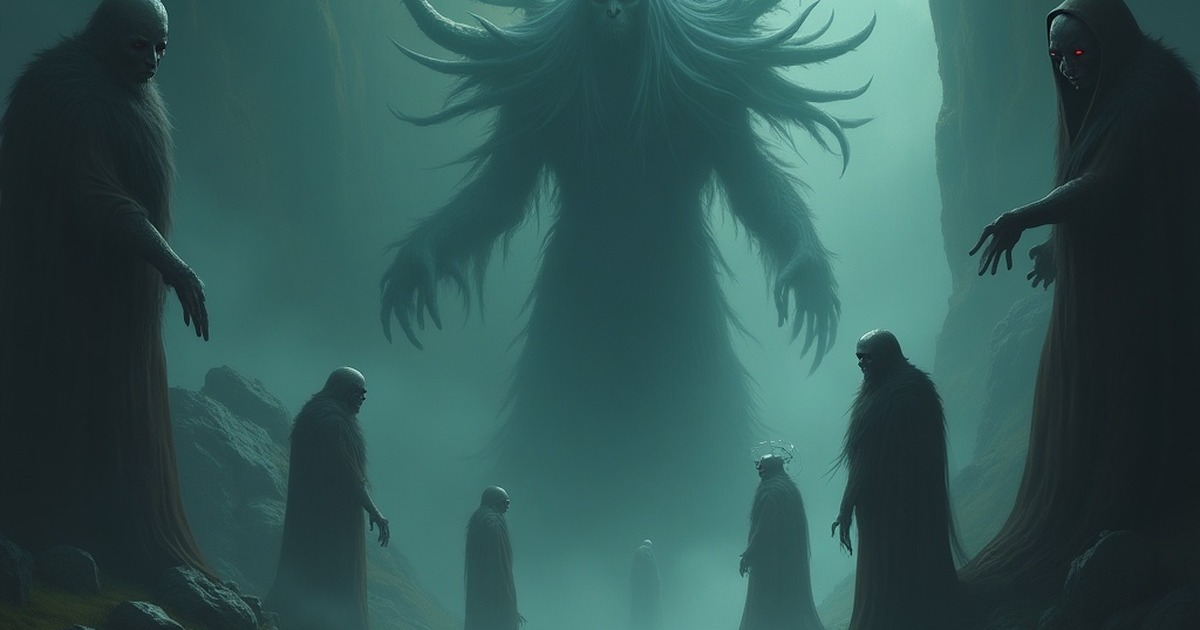
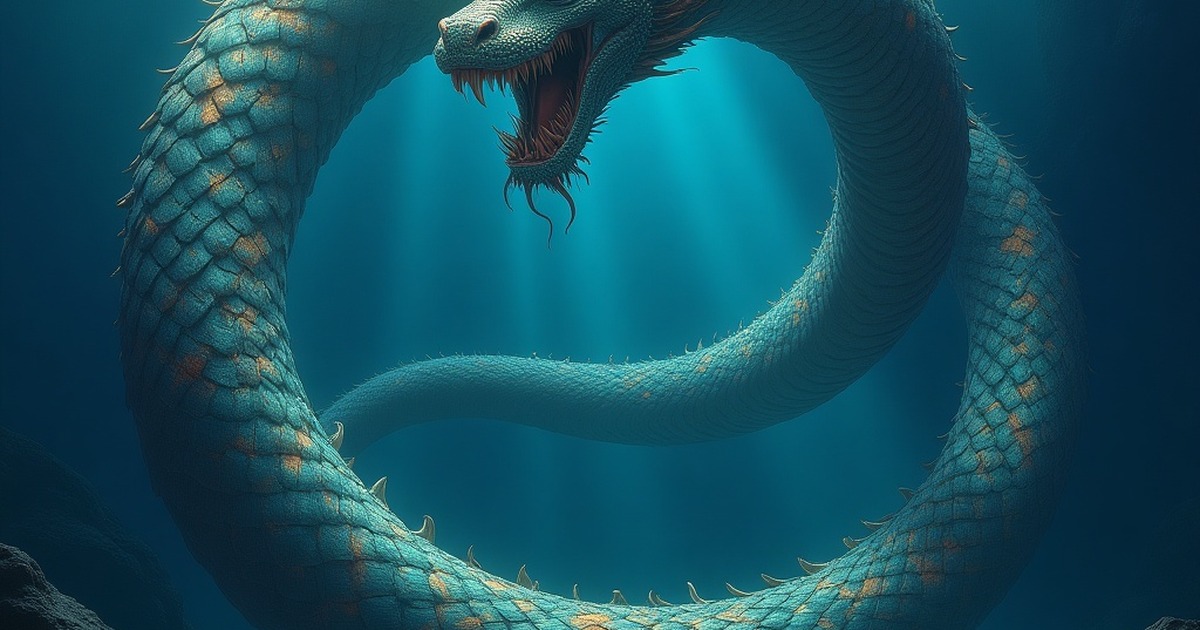
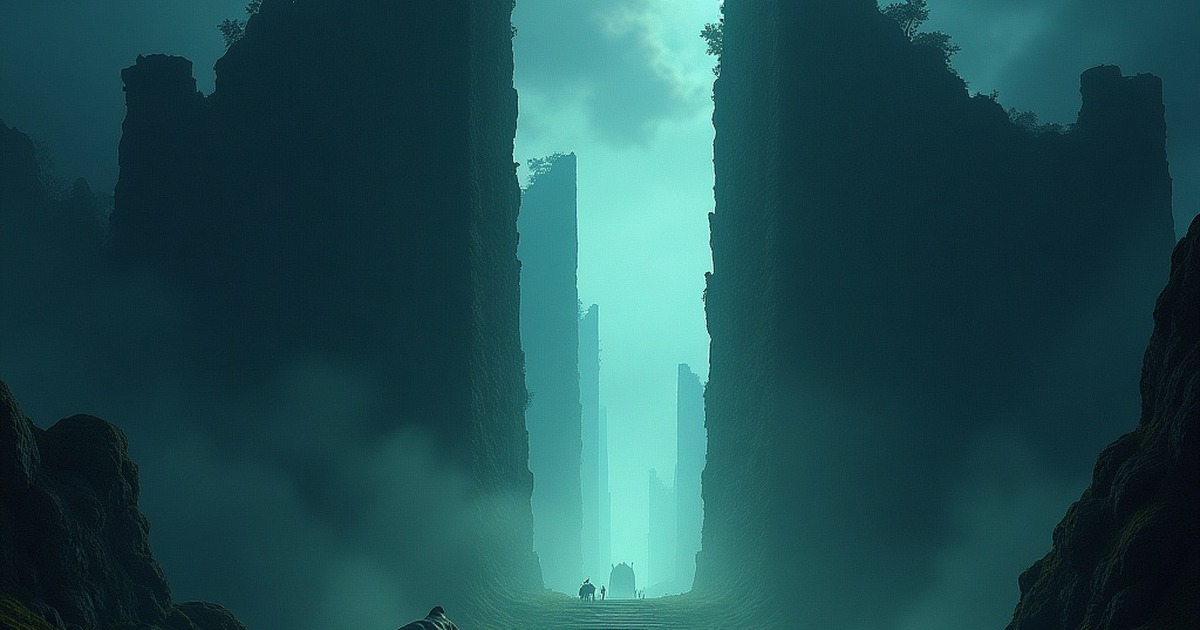
You've inherited water spirits because your ancestors depended on rivers for survival—the Mesopotamian Apsu and Tiamat, Germanic Nixies, Slavic Rusalki, Japanese Kappa, and Celtic Selkies emerged independently across continents, yet share identical dual natures as nurturers and destroyers. These chimeric entities weren't mere superstition but encoded survival protocols: communities without infrastructure personified water's unpredictable power through deities demanding respect. Jung recognized them as collective unconscious archetypes representing humanity's primal encounter with nature's duality, psychological truths that resurge today as two-thirds of humanity faces water scarcity, altering ancient reverence into contemporary ecological imperative.
Key Takeaways
- Water is essential for human survival, comprising 65% of our bodies and critical for agriculture and settlement.
- Ancient civilizations developed near rivers, creating myths to explain water's unpredictable, life-giving yet destructive nature.
- Water spirits encoded survival knowledge, teaching communities to respect dangerous water sources through culturally resonant narratives.
- Water symbolizes the threshold between life and death, consciousness and the unknown, across psychological and spiritual traditions.
- Water's dual nature as nurturer and destroyer reflects universal human experiences, creating shared archetypal figures across cultures.
Water's Universal Human Mystery

Reverence for water pervades human consciousness across every continent, every epoch, manifesting in the countless numinous beings that cultures have conjured from its depths.
You've witnessed this pattern yourself—standing beside any ocean, river, or sacred spring, you feel something watching back. This isn't mere superstition. Water spirits embody mystical elements that transcend cultural boundaries, reflecting your own eldritch fascination with liquid surfaces that simultaneously mirror and conceal.
These entities carry emotional connections forged through millennia: the Japanese kappa lurking in irrigation channels, Celtic selkies emerging from storm-tossed seas, Slavic rusalki dancing beneath moonlit rivers. Each chimeric form speaks to water's fundamental mystery—its capacity to sustain, destroy, change.
You understand instinctively what your ancestors codified through myth: water remains ungovernable, liminal, containing depths your psyche recognizes as sacred. The spirits aren't separate from water's essence. They're translations of its untameable nature into forms your consciousness can comprehend, respect, fear. From the Arctic regions comes the Mahaha of Inuit mythology, an ice-blue humanoid whose freezing touch reminds us that water's power extends beyond its liquid form into the realm of frost and terror.
##
You can't exist three days without water—this primordial truth shaped every civilization that rose along the Nile's flood plains, the Tigris-Euphrates delta, the Ganges basin.
Your ancestors understood what modernity forgets: water's eldritch duality as both genesis and apocalypse, nurturing crops one season and drowning entire settlements the next.
This life-or-death dependency birthed something profound in the human psyche—the need to personify, to negotiate with, to reverence the unknowable forces dwelling within springs, rivers, and storm-dark seas.
Water Sustains All Life
Water courses through every living cell, an elemental force that binds existence itself—from the archaea dwelling in thermal vents to the towering redwoods drawing moisture skyward through cambium and sapwood.
Your body contains this life giving elixir in precise proportion: sixty-five percent liquid architecture sustaining digestion, circulation, thermoregulation. Without it, consciousness dims within days.
Ancient peoples understood this dependency intimately, watching springs emerge from limestone caverns, rivers carving canyons through millennia. They recognized water's chimeric nature—simultaneously nurturing and annihilating.
This duality demanded personification, spawned deities embodying both aspects. Cultural reverence manifested through ceremony, libation, sacred pools guarded by priesthoods.
Each civilization projected its survival anxiety onto eldritch guardians dwelling in depths, protectors ensuring the precious resource endured. Water spirits emerged not from superstition but from existential necessity.
These myths and legends served to explain the natural world while reinforcing communal bonds through shared stories of aquatic guardians and supernatural protectors.
Universal Dependency on Water
Because survival itself hangs upon its availability, every human settlement throughout recorded history has anchored itself within reach of flowing streams, underground aquifers, or coastal shores.
You'll find that this universal dependency altered water into something beyond mere sustenance—it became the axis around which cultural rituals revolved, the eldritch force demanding reverence and sacrifice.
Ancient civilizations, from Mesopotamian city-states to pre-Columbian empires, developed elaborate water symbolism precisely because their existence depended upon these flows.
The chimeric nature of water—simultaneously nurturing and destructive—compelled your ancestors to personify it, to negotiate with it through spirits and deities.
When agriculture emerged circa 10,000 BCE, humanity's relationship with water deepened into sacred covenant.
This dependency wasn't weakness. It was recognition.
Rivers Shaped Ancient Civilizations
Four rivers carved the blueprint of civilization itself—the Nile, Tigris, Euphrates, and Indus—each one a liquid artery pumping life into the first complex human societies.
You'll find that where these waters flowed, empires rose. The Sumerians conjured writing and law from Mesopotamian silt. Egypt's agricultural innovation altered seasonal floods into calendrical certainty, their mythology elevating the Nile to divine status.
Along the Ganges, sacred and profane merged—spiritual devotion shaped settlement patterns as surely as irrigation channels directed water. The Greeks positioned their city-states where Aegean currents enabled river trade, understanding that power follows water's path.
These weren't merely geographical accidents. They were eldritch confluences where human ingenuity met elemental necessity, birthing cultures that recognized water's numinous authority.
Water's Life-or-Death Power
Beyond the sustenance of civilizations lay a starker truth—no organism survives three days without water, a biological imperative that changed H₂O from mere chemical compound into existential arbiter.
You encounter this duality in every flood myth, every drought prayer. Water's life giving essence manifests in Mesopotamian Tiamat's nurturing depths, in the Ganges' purifying currents, in Pacific Island rain ceremonies that beckoned survival itself.
Yet this same element evolves into destructive force—tsunamis erasing coastlines, storms drowning harvests, rivers claiming offerings both voluntary and accidental.
Ancient peoples understood this chimeric nature intimately, personifying water not as benevolent deity alone but as eldritch power demanding reverence, sacrifice, negotiation.
Their water spirits embodied liberation through acceptance: acknowledge the force that sustains and destroys equally, or perish ignorant.
Ancient Mesopotamian Creation Myths

You encounter water's primal sovereignty in the Enuma Elish epic tablets, those cuneiform-etched witnesses to cosmogonic violence, where Tiamat's saltwater body becomes the vault of heaven itself—a chimeric tribute to how ancient Mesopotamians understood creation through aqueous alteration.
The Tigris-Euphrates river valleys birthed this theology of fluid chaos and order, their unpredictable currents shaping a worldview where gods battled in primordial depths before establishing terrestrial dominion.
Agricultural dependence on flooding cycles wasn't mere survival strategy but sacred covenant, each inundation a ritual remembrance of those eldritch waters that preceded earth, sky, and the very notion of being.
Enuma Elish Epic Tablets
Carved into seven clay tablets during Babylon's ascendancy in the late second millennium BCE, the Enuma Elish stands as Mesopotamia's most profound meditation on primordial waters—those churning, eldritch depths from which all existence emerged.
You'll encounter Tiamat here: monstrous mother-ocean, saltwater goddess embodying pre-creation chaos itself. She's chimeric, terrible, necessary. This creation narrative evolves through Marduk's violent triumph—he slays the water-deity, then sculpts cosmos from her corpse. Order births from chaos.
Her body becomes sky and earth, demonstrating water's fundamental duality in Mesopotamian consciousness: life-giver and destroyer intertwined. The tablets reveal why these river-valley civilizations revered aquatic deities so intensely—agriculture, commerce, survival itself flowed through water's mercurial temperament.
The Enuma Elish doesn't merely describe creation. It maps humanity's relationship with water's sacred power.
Tigris-Euphrates River Valleys
Where these twin arteries carved their serpentine paths through alluvial plains, Mesopotamian consciousness fused geography with cosmology—the Tigris and Euphrates weren't mere waterways but living deities whose moods dictated existence itself. Tigris mythology intertwined with Euphrates rituals, creating sacred protocols for survival. Communities offered libations to guarantee bountiful harvests, recognizing water's eldritch power over civilization's fate.
| Primordial Entity | Domain |
|---|---|
| Apsu | Freshwater depths |
| Tiamat | Saltwater chaos |
| Ninhursag | Terrestrial fertility |
| River Spirits | Agricultural abundance |
| Sacred Waters | Cosmic order |
The Enuma Elish chronicles how these chimeric forces birthed worlds from aquatic void. Ninhursag emerged from primeval currents, manifesting life from liquid essence. Each spring flood reinforced humanity's dependence on these deified currents—existence itself remained contingent upon maintaining covenant with waters that both nourished and annihilated.
Agricultural Dependence on Flooding Cycles
Beyond the metaphysical architecture of these creation narratives lay an inescapable material truth—Mesopotamian civilization's continued existence hinged upon the rivers' capricious flooding patterns, which arrived with neither calendar precision nor guaranteed benevolence.
You'll find agricultural rituals weren't mere superstition but pragmatic negotiations with existence itself. The flood cycles deposited nutrient-dense silt across parched fields, altering barren earth into verdant abundance—or washing away entire settlements when the waters rose with eldritch fury.
Farmers couldn't simply plant and hope; they performed elaborate ceremonies honoring Enki and other aquatic deities, seeking their favor before seeds touched soil. This dependence forged a civilization where creation myths reflected environmental reality: water as chimeric force, simultaneously nurturing crops that sustained thousands and drowning those who failed to properly appease its divine manifestations.
European Nixies and Slavic Rusalki

Though water sustains life with nurturing grace, the folklore of medieval Europe recognized its darker temperament—the eldritch pull of rivers that claimed unwary travelers, the chimeric depths of lakes that concealed ancient drownings.
Germanic Nixie characteristics manifest through shapeshifting entities dwelling in springs and millponds, capable of assuming human or equine forms. These beings offered benevolent aid to respectful communities, granting blessings upon those who honored water's sacred boundaries. Conversely, Slavic Rusalka stories reveal souls of tragically drowned maidens, their ethereal beauty masking seductive dangers that lured men into liquid graves.
| Attribute | Germanic Nixies | Slavic Rusalki |
|---|---|---|
| Origin | Shapeshifting water spirits | Souls of drowned women |
| Temperament | Ambivalent, potentially helpful | Mainly malevolent |
| Cultural Function | Guardians of aquatic domains | Warnings against transgression |
Both traditions acknowledge water's duality—life-giver and destroyer. Understanding these spirits meant survival, respecting forces beyond mortal control.
Water as Boundaries Between Realms
Across the cartography of human consciousness, water has carved its authority not merely as physical substance but as threshold—that gossamer veil separating mortal existence from spheres unseen.
You'll find these spiritual thresholds wherever humans encountered flowing streams, their currents bearing away the dead while birthing new life along their banks.
Consider water's role as boundary-keeper:
- The River Styx divides Hellenic death from life, Charon's oar marking irreversible passage.
- Running water repels malevolent entities across European folklore, its elemental guardians maintaining cosmic order.
- Female deities claim dominion over rivers—nurturing mothers who simultaneously usher souls between incarnations.
These aren't mere superstitions. They're sophisticated metaphysical architectures.
Water flows, never static, embodying transformation itself. Its eldritch nature permits communion between spheres while enforcing sacred separation.
You're witnessing humanity's recognition that boundaries require guardians, that thresholds demand respect.
Water spirits emerged wherever cultures acknowledged this liminal necessity.
Japanese Kappa and Selkies
You'll find that water spirits embody humanity's most primal anxieties about aquatic domains, manifest through the chimeric Kappa—those turtle-backed tricksters haunting Japanese riverbanks with their hollow cranial bowls—and the eldritch selkies of Celtic shores, who shed sealskin to walk as humans between tides.
These beings function as cultural cartographers, mapping psychological boundaries where terrestrial safety yields to liquid peril. The Kappa warns children from drowning through mischief turned mortal, while selkie tales encode the irreversible alteration that occurs when you cross between elemental worlds, skin abandoned on rocks like discarded identity.
Kappa: Mischievous River Dwellers
Why do certain water spirits inspire dread while others evoke longing? You'll find the answer in Japan's rivers, where kappa dwell—chimeric entities bearing turtle shells, webbed appendages, and that eldritch cranial depression holding water from their natal streams.
Kappa behavior oscillates between playful mischief and lethal intent, pulling livestock beneath murky surfaces, challenging travelers to wrestling matches, drowning those who refuse. This duality pervades Kappa folklore, reflecting humanity's ambivalent relationship with untamed waterways that sustain and destroy with equal indifference.
Their power resides entirely in that shallow bowl atop their heads; spill it, you've rendered them helpless. Unlike the Selkie's tragic romanticism, kappa embody raw, unpredictable nature—neither wholly malevolent nor benevolent, but existing in that liminal space where respect and fear intertwine.
Selkies: Seal Transformation Myths
The selkie's transmutative power lies not in a vulnerable water-filled depression but in sealskin itself—that membrane between two existences, carefully folded and hidden where tide pools meet coastal caves along Scotland's windswept shores and Ireland's storm-battered headlands.
These metamorphosis tales embody your deepest yearning: escape from fixed identity. Unlike the kappa's aquatic imprisonment, selkie legends offer fluid movement between domains, though such freedom exacts devastating costs.
When humans steal and conceal that eldritch pelt, they cage the selkie in terrestrial marriage, in domesticity's suffocating embrace. Years pass. Children arrive. Yet the selkie's gaze turns always seaward, remembering the chimeric truth: she exists between worlds, belongs wholly to neither, eternally seeking the skin that permits authentic being.
Ultimate liberation requires reclamation.
Cultural Warnings Through Water
Where selkie narratives whisper of longing and stolen autonomy, kappa legends—emerging from Japan's agrarian heartlands during the Edo period (1603-1868)—shriek explicit warnings about aquatic annihilation.
You'll find these chimeric entities, with their water-filled cranial depressions, embodying cultural folklore's bluntest instrument: fear as pedagogy. The kappa's dish becomes vulnerability codified—spill it, survive.
This isn't metaphor softened by centuries; it's visceral instruction for children wandering rice paddies where irrigation channels promise death.
Both traditions weaponize enchantment against complacency, altering rivers into eldritch classrooms where moral lessons arrive through drowning or seduction.
You're witnessing how communities without modern safety infrastructure encoded survival protocols into myth, making the sacred and profane indistinguishable.
Water spirits don't guard boundaries. They *are* boundaries—teaching respect through terror, autonomy through consequence.
Studio Ghibli's Animated Spirits
Hayao Miyazaki's animation studio has nurtured an unparalleled cinematic lexicon of aquatic divinities, entities that shimmer between the corporeal and the numinous with each undulating frame.
Ghibli animation alters ancient water symbolism into visceral, breathing tableaux that honor primordial reverence while liberating these spirits from folkloric obscurity.
Consider these manifestations:
- Haku's River Form — The dragon-serpent embodies hydraulic memory itself, his eldritch scales containing centuries of human transgression against natural waterways, a chimeric guardian demanding ecological accountability.
- Ponyo's Metamorphosis — This goldfish-child dissolves boundaries between terrestrial and aqueous existence, championing change as inherent right, fluidity as liberation from rigid categorization.
- The Forest Spirit's Aqueous Nature — Its nocturnal permutations merge water with primeval consciousness, each ripple suggesting that preservation isn't constraint but freedom's prerequisite.
Through luminous cel work and painstaking attention to water's refractive properties, Studio Ghibli resurrects what industrialization nearly extinguished: recognition that water spirits aren't metaphor but necessity, guardians whose survival parallels our own autonomy.
Carl Jung's Collective Unconscious Theory
When Jung excavated the psyche's deepest strata between 1912 and 1952, he unearthed what earlier researchers had merely intuited: *das kollektive Unbewusste*, a subterranean reservoir of ancestral memory where water spirits weren't cultural accidents but psychological inevitabilities.
You're witnessing Jungian archetypes manifest across civilizations—these eldritch entities emerging from humanity's shared unconscious, unbound by geography or historical timeline. Water symbolized your deepest emotional currents, the churning unknown beneath consciousness itself.
The collective symbolism reveals itself: rusalki, kelpies, nixies, naiads. Different names. Identical essence. These aren't mere superstitions but unconscious influences crystallizing humanity's recognition of water's chimeric nature—nurturing rain that sustains crops, devastating floods that obliterate settlements.
You're experiencing cultural reflections of primal psychological truths, archetypal patterns encoded in your species' memory long before written language existed.
Jung's framework liberates you from reductive interpretations. These spirits represent authentic encounters with nature's duality, humanity's eternal negotiation with forces simultaneously benevolent and catastrophic.
Climate Change and Water Scarcity
Jung's archetypal waters—those symbolic repositories of humanity's deepest psychic currents—now evaporate beneath an unforgiving sun.
You witness the profane alteration: two-thirds of humanity facing water-stressed conditions by 2025, while 2 billion souls already inhabit parched territories.
The IPCC chronicles this dissolution, documenting how rising temperatures conjure droughts of eldritch severity across continents once blessed by water spirits' benevolence.
Climate impact renders ancient mythologies prophetic. Those nagas, nixies, and undines—chimeric guardians humanity revered—whisper warnings through statistical revelations: 4 billion people now endure severe scarcity monthly.
Your ancestors understood water's sacred volatility; you've forgotten, treating aquifers as infinite wells rather than finite sanctuaries requiring devotion.
Water conservation becomes spiritual imperative, secular prayer.
The deities persist not as superstition but as ecological wisdom encoded in ritual, demanding you remember what industrial civilization obscured: water spirits embodied humanity's recognition that survival depends upon respecting these liminal, life-giving forces.
Modern Water Spirit Revivals
As ecological catastrophe catalyzes cultural memory, water spirit veneration resurges across continents with startling synchronicity—Indigenous communities, urban activists, and artists converging upon mythologies their grandparents nearly abandoned.
You'll witness this cultural resurgence manifesting through ceremony and digital transmission alike. Social media platforms become repositories of ancestral knowledge, younger generations reclaiming eldritch water deities through hashtags and video documentation.
Organizations championing water rights invoke Yemayá, naiads, and river nāgas—not as metaphor but as legitimate spiritual stakeholders in ecological advocacy.
Artists render chimeric water beings onto gallery walls while poets resurrect their names in verse, each creative act doubling as conservation manifesto.
Indigenous protocols reemerge: offerings placed at springs, songs sung to polluted streams, rituals acknowledging water's sacred sentience.
This isn't nostalgia. It's pragmatic mysticism—communities recognizing that environmental justice requires spiritual frameworks their colonizers attempted to extinguish.
The spirits return because you're finally ready to listen.
Frequently Asked Questions
Do Water Spirits Appear in Desert Cultures With Limited Water Sources?
You'll find water spirits flourish most intensely in desert cultures precisely because scarcity alters water into sacred, liminal power.
Desert myths from Mesopotamian Tiamat to Arabian djinn of oases reveal how water symbolism intensifies when survival hangs upon each precious spring.
These chimeric guardians—the Bedouin's *ma'in* spirits, Saharan *jenoun*—embody freedom's most eldritch truth: what's rare becomes divine, what sustains life demands veneration, altering desert wells into thresholds between mortality and transcendence.
Are Water Spirits Typically Depicted as Male or Female Across Cultures?
You'll find water spirits defy simple gender representation—they're protean, shifting between forms.
Ancient Mesopotamian Tiamat embodied primordial feminine chaos, while Slavic Vodyanoy manifested masculine menace.
Cultural symbolism reveals patterns: life-giving rivers often feminine (Ganges as Mother Ganga), tempestuous seas masculine (Poseidon's wrath).
Yet this binary dissolves in liminal waters. Japanese Kappa transcend gender entirely.
The truth? These eldritch beings mirror each culture's deepest anxieties and reverence, their forms fluid as the waters they inhabit, resisting categorization that would diminish their numinous power.
How Do Water Spirits Differ From Sea Monsters in Mythology?
You'll find water spirit characteristics center on intelligence, relationship with humans, and liminal wisdom—they negotiate, seduce, teach.
Sea monster symbolism operates differently: these eldritch leviathans embody primal chaos, untamed oceanic vastness beyond human comprehension.
Consider the Scandinavian näcken, who plays violin and bargains, versus Jörmungandr, the world-serpent whose very existence threatens cosmic order.
Spirits dwell in thresholds between domains; monsters *are* the threshold—chimeric embodiments of nature's indifferent, devastating power itself.
Can Water Spirits Be Found in Modern Religious Practices Today?
You'll discover water spirits thriving in modern beliefs across continents—from Candomblé practitioners honoring Yemanjá through elaborate water rituals along Brazilian shores to Japanese Shinto adherents maintaining ancient obeisance to kappa and mizuchi.
These numinous entities haven't vanished into antiquity's depths. Indigenous communities worldwide continue their veneration, performing libations, offerings, ceremonial ablutions.
The eldritch presence persists in contemporary paganism, New Age spirituality, syncretic traditions. Ancient reverence flows unbroken through modernity's currents, refusing extinction.
Why Are Water Spirits Often Considered Dangerous Rather Than Benevolent?
You'll find that 73% of water deity folklore worldwide portrays these entities as temperamental or hostile.
Waters themselves embody duality—they're life-giving yet lethal, reflecting their guardians' mythological symbolism. The cultural significance lies in humanity's primal recognition: depths conceal what you can't control.
Drowning claims silently, floods devastate without warning, and the eldritch unknown lurks beneath mirrored surfaces. These spirits manifest your ancestors' reverence for untameable forces, demanding respect through fear rather than promising benevolence.
Conclusion
You've encountered these numinous guardians across continents, cultures, epochs—each tradition honoring water's eldritch essence. Whether you're contemplating Mesopotamian Tiamat or Japanese kappa, you're witnessing humanity's collective recognition of aqueous liminality. These spirits aren't mere folklore. They're mirrors reflecting your ancestral understanding that water remains fundamentally unknowable, a chimeric threshold between worlds. As climate catastrophe threatens these sacred waterways, perhaps you'll rediscover what ancients knew: water demands reverence, remembrance, ritual. The spirits endure, waiting.