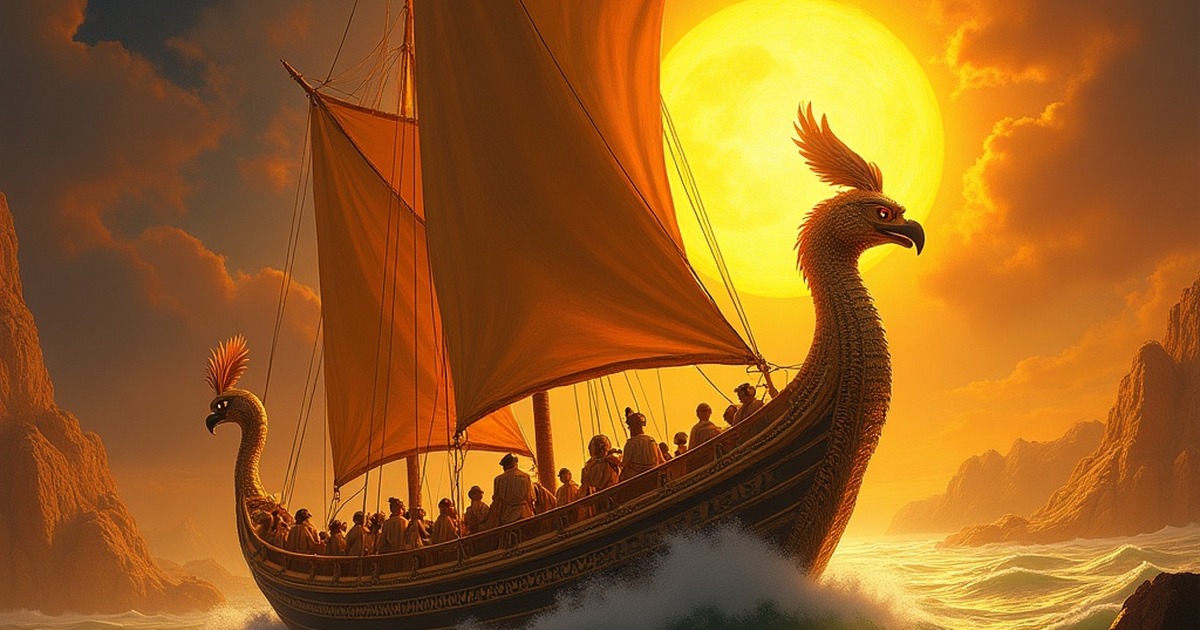
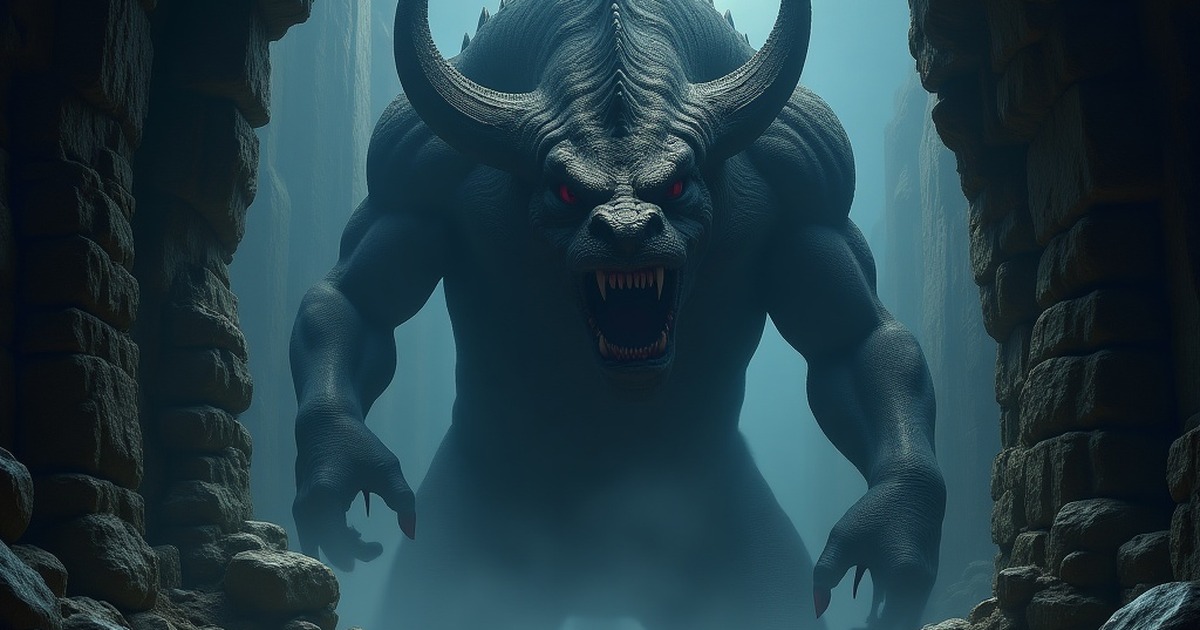
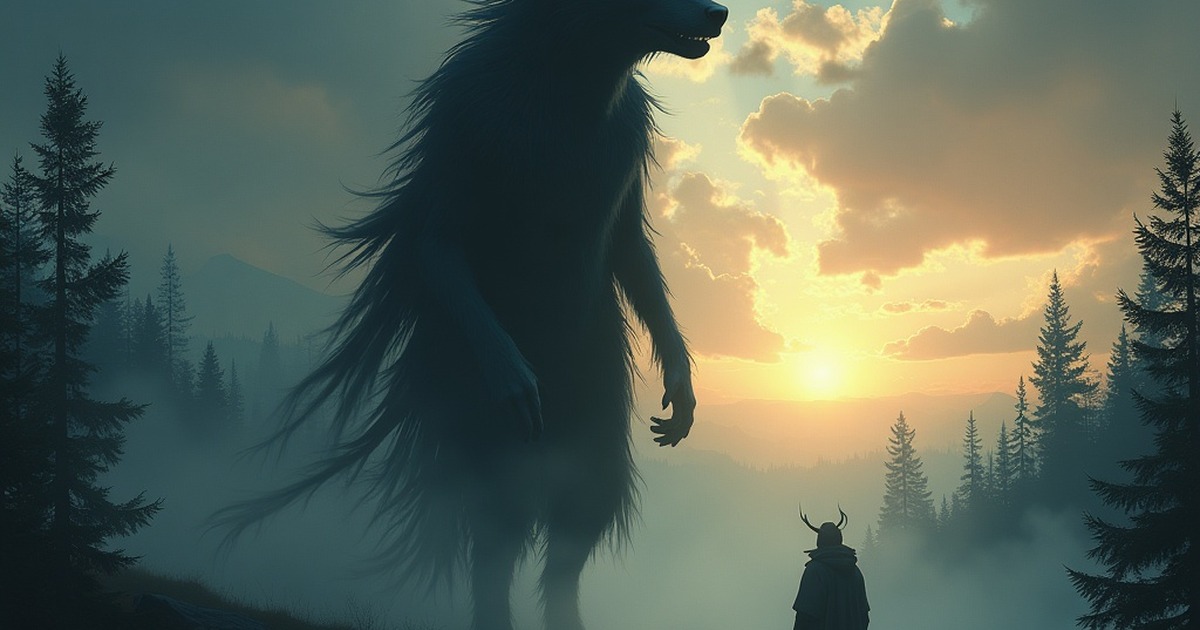
Mythical monsters emerged as humanity's primordial response to nature's incomprehensible violence—you've inherited narratives where Mesopotamian Tiamat embodied catastrophic floods, where Leviathan channeled oceanic chaos into divine cosmology, where serpentine forms translated environmental trauma into comprehensible archetypes. These chimeric beings functioned as mnemonic vessels, encoding survival wisdom through chaoskampf traditions that converted random devastation into ordered narrative frameworks. From ancient dragon-slaying cults to Godzilla's nuclear metaphor, you're witnessing humanity's persistent need to give scales and fangs to forces beyond control, creating symbolic architecture where terror becomes teachable, where cyclical destruction births renewal, and where today's climate anxieties echo Babylonian flood tablets through millennia.
Key Takeaways
- Ancient civilizations personified uncontrollable natural disasters like floods and storms as monsters to make catastrophic events comprehensible and manageable.
- Monsters such as Tiamat and Leviathan symbolized chaotic primordial forces, with their defeat representing humanity's psychological need to impose order over nature's disorder.
- Dragons and sea serpents embodied seasonal cycles and agricultural patterns, serving as symbolic frameworks for understanding destruction, renewal, and environmental change.
- Monster myths functioned as mnemonic devices encoding survival wisdom and environmental knowledge, teaching respect for natural forces across generations.
- Modern environmental fears like climate change invoke ancient monster vocabulary, with hurricanes and wildfires personified as Leviathans and dragons channeling ecological anxiety.
Ancient Floods Inspired Sea Monsters
When ancient civilizations confronted the catastrophic fury of floods—waters rising without warning, obliterating settlements, drowning livestock and kin alike—they didn't merely record meteorological phenomena.
Ancient peoples transformed flood chaos into mythic adversaries—giving the uncontrollable a face they could finally name and fear.
You'll find they conjured something far more potent: flood mythology that altered nature's chaos into tangible adversaries. The Mesopotamians personified devastation through Tiamat, whose serpent imagery embodied primordial waters threatening cosmic order. These weren't superstitious fables. They were sophisticated frameworks for processing trauma.
Consider the Leviathan. Eldritch. Coiled. Unknowable. Biblical texts didn't describe simple animals but chimeric manifestations of oceanic unpredictability—the same force that drowned coastlines during tidal surges.
Coastal societies wove cautionary tales around these monsters, encoding survival wisdom within narrative structures. The serpent's sinuous form mirrored water's devastating fluidity.
You're witnessing humanity's primal response to helplessness. When floods erased entire bloodlines, people needed opponents they could name, entities embodying nature's overwhelming violence.
Sea monsters became symbolic vessels for that eternal struggle—respect intertwined with existential dread. These myths served to explain natural phenomena while providing communities with shared narratives that transformed incomprehensible destruction into stories they could understand and pass down through generations.
##
You stand at the threshold where primordial forces—wind, fire, flood, earthquake—convert into scaled leviathans and chimeric terrors, each monster a vessel for nature's most devastating expressions.
Ancient peoples understood that the untamed wilderness harbored not mere animals but eldritch embodiments of chaos itself: the typhoon became serpent, the wildfire became drake, the avalanche became frost wyrm descending from mountain peaks.
Through this metamorphosis of raw elemental fury into beast, civilizations mapped their relationship with natural disasters, seasonal conversions, and the perpetual cycle of destruction and renewal that governed their agricultural existence.
These mythological creatures symbolized humanity's biggest fears, transforming abstract environmental threats into tangible adversaries that heroes could theoretically confront and conquer.
Ancient Forces and Elements
Before humanity erected its first temples or scratched its earliest script into clay, the elemental forces of nature—fire, water, earth, and wind—inspired both terror and reverence in the minds of our ancestors.
You'll find these mythical origins embedded deeply within Babylonian cosmology, where Tiamat—primordial dragon of chaos—embodied the uncontrollable seas themselves. These weren't mere stories. They were survival maps.
Ancient peoples altered incomprehensible natural phenomena into tangible, chimeric forms you could name, fear, and ultimately respect.
Dragons became elemental symbols: fire-breathers representing volcanic destruction and agricultural renewal simultaneously. The Chinese Long commanded rainfall and floods. Western wyrms hoarded gold within mountain caves, personifying earth's hidden treasures.
Through these monstrous intermediaries, you gained conceptual power over nature's eldritch might—not dominion, but understanding.
Framework. Meaning carved from chaos.
Untamed Wilderness and Chaos
Beyond civilization's fragile borders, where torchlight surrenders to primeval darkness, mythical monsters have always marked the threshold between order and entropy.
You'll find dragons coiled at these boundaries, chaos personified through serpentine scales and sulfurous breath. In Babylonian cosmology, Tiamat embodied the untamed landscapes of primordial oceans, her chimeric form writhing against Marduk's civilizing blade—this Chaoskampf dated to approximately 1800 BCE.
These eldritch guardians weren't mere fantasies. They manifested humanity's recognition that nature's power defies containment. Floods. Fires. Tempests. Ancient peoples attributed such catastrophes to draconic wrath, understanding intuitively what you've perhaps forgotten: wilderness remains fundamentally anarchic.
Yet these creatures also protected sacred treasures, acknowledging nature's dual essence—simultaneously threatening your survival and sustaining your prosperity through its raw, ungovernable abundance.
Natural Disasters as Beasts
When earthquake tremors rippled through ancient Anatolia circa 17 BCE, survivors didn't speak of tectonic plates—they witnessed Typhon writhing beneath Mount Etna, his hundred serpentine heads shrieking winds that preceded catastrophe.
You'll find this pattern worldwide: natural disasters altered into chimeric flesh. Mesopotamia's Tiamat embodied floods' chaos. Storm-breathing dragons personified typhoons across Asia.
This mythological symbolism wasn't primitive ignorance—it was radical freedom from helplessness. By naming destruction, ancient peoples reclaimed agency against forces that threatened annihilation.
When you encounter volcanic fury or seismic rupture through dragon-form, you're witnessing humanity's refusal to remain passive. These eldritch beasts gave shape to formless terror, altering environmental catastrophe into something you could understand, propitiate, perhaps survive.
Nature's wrath demanded mythological vessels worthy of its magnitude.
Seasonal Cycles and Transformation**
Catastrophe reveals nature's violent face, but cyclical change—that patient revolution of seasons—demanded equally potent mythological architecture.
You'll find dragons threading through agricultural societies, their serpentine forms embodying changing forces that governed planting, harvest, death, rebirth. These creatures weren't mere monsters. They were living calendars, their appearances synchronized with fertility rites, their scales glittering with seasonal symbolism that connected earth's dormancy to its explosive awakening.
Ancient Chinese festivals summoned dragon dancers during solstice shifts, honoring the eldritch power coiled within nature's wheel. Storm serpents brought floods that nourished rice paddies; their chimeric offspring represented spring's violent emergence from winter's tomb.
You recognize in these myths humanity's profound understanding: change requires destruction, renewal demands surrender to forces beyond mortal control.
Mesopotamian Flood Tablets Document Monsters

You'll find humanity's earliest documented struggle against nature's eldritch fury inscribed upon the Gilgamesh Epic, circa 2100 BCE, where the serpent-guardian and chimeric beasts emerged from the catastrophic inundations of the Tigris-Euphrates River Valley.
These cuneiform tablets altered the unpredictable violence of seasonal floods—which could obliterate entire settlements within hours—into narratives populated by monstrous entities whose defeat offered psychological mastery over uncontrollable forces.
Through these monster myths, Mesopotamian scribes encoded survival lessons: the serpent's venom mirrored contaminated floodwaters, Tiamat's chaotic form embodied the river's destructive overflow, and their ritualized defeats in myth provided templates for communal resilience.
Gilgamesh Epic Circa 2100 BCE
As humanity's earliest written epic crystallized on Mesopotamian clay tablets around 2100 BCE, the story of Gilgamesh preserved something more than mere heroic adventure—it encoded ancient wisdom about nature's ferocious sovereignty through encounters with primordial beings that dwelt at civilization's edge.
You'll find Gilgamesh's monsters aren't mere antagonists—they're nature's chaos given terrible form. Humbaba, guardian of the sacred Cedar Forest, embodies the eldritch terror lurking within untamed wilderness. The Bull of Heaven, dispatched by vengeful Ishtar, demonstrates how divine wrath manifests through catastrophic natural fury.
These chimeric entities weren't fantasy—they represented genuine environmental threats your ancestors faced daily. The flood narrative woven throughout reveals how unpredictable forces could annihilate entire civilizations.
Ancient scribes understood what you're rediscovering: nature demands respect, not dominion.
Tigris-Euphrates River Valley Floods
When torrential rains modified the Twin Rivers into instruments of apocalyptic devastation, Mesopotamian scribes etched their trauma into wet clay—preserving not just historical memory but chimeric embodiments of hydraulic terror that still resonate across four millennia. You'll discover within these flood narratives how dragon-like entities emerged as metaphors for nature's uncontrollable fury, their eldritch forms documenting humanity's vulnerability before cosmic forces.
| Natural Element | Monstrous Manifestation | Symbolic Function |
|---|---|---|
| Floodwaters | Dragon creatures | Chaos embodiment |
| River currents | Serpentine beings | Destructive power |
| Storm systems | Composite beasts | Divine wrath |
These river valley myths reveal water's paradoxical essence—simultaneously nurturing civilizations and obliterating them. Ancient Mesopotamians channeled inexplicable catastrophes through mythological frameworks, converting random devastation into comprehensible narrative structures that granted psychological sovereignty over overwhelming environmental forces.
Survival Lessons Through Monster Myths
Within the baked clay archives of ancient Mesopotamia lies an encoded pedagogy of survival—monster myths functioning as mnemonic devices that transmitted life-preserving wisdom across generations who inhabited flood-prone riverine landscapes.
When you encounter Gilgamesh battling the Bull of Heaven, you're absorbing survival strategies disguised as epic narrative. These eldritch confrontations weren't mere entertainment. They were instruction manuals.
Tiamat's chimeric form codified the ocean's mercurial temperament, teaching respect for nature's overwhelming force. The Chaoskampf tradition embedded cultural resilience within collective memory, ensuring communities understood flood patterns, recognized warning signs, maintained emergency protocols.
Each monstrous encounter preserved environmental knowledge that safeguarded existence. You inherited freedom through these cautionary chronicles—autonomy earned by ancestors who documented nature's fury, converted catastrophic experience into mythic pedagogy, and granted you sovereignty over unpredictable elements.
Japanese Vs Norse Water Beasts

Across the vast maritime cultures of medieval Japan and Viking-age Scandinavia, water beasts emerged as eldritch manifestations of humanity's primal terror before the ocean's unfathomable depths. You'll discover that Umibōzu symbolism and Jörmungandr significance reveal parallel threads in maritime folklore—both cultures personified tempestuous seas through mythological archetypes that demanded respect, caution, and humility.
| Aspect | Japanese Umibōzu | Norse Jörmungandr |
|---|---|---|
| Physical Form | Massive black humanoid rising from waves | World-encircling serpent in oceanic depths |
| Primary Manifestation | Sudden storms, capsized vessels | Ragnarök's apocalyptic chaos |
| Cultural Function | Warning against maritime hubris | Symbol of nature's inevitable destruction |
| Nature Personification | Ocean's unpredictable temperament | Cosmic forces beyond mortal control |
These cultural comparisons illuminate how disparate civilizations translated oceanic chaos into chimeric warnings. Nature personification through such creatures wasn't mere superstition—it was survival wisdom encoded in narrative form, reminding you that freedom on the seas requires acknowledging powers greater than yourself.
Chaos Versus Civilization Battles
Though humanity has chronicled its existence through countless narratives of progress and dominion, the Chaoskampf—that primordial battle between cosmic disorder and civilizing forces—remains civilization's foundational myth across disparate cultures.
You'll find these chaos mythology confrontations wherever settled peoples wrestled meaning from nature's eldritch fury.
Three Pillars of Civilization Struggles:
- Tiamat's Dismemberment (circa 1800 BCE): Babylonian cosmogony presents Marduk's violent triumph over the dragon-goddess, her corpse becoming heaven and earth—creation through conquest.
- European Dragon-Slaying Cults: Medieval Christianity altered serpentine adversaries into moral battlegrounds, where saints like George established divine order.
- Architectural Symbolism: Ancient cities positioned temples and walls as bulwarks against chimeric wilderness, physical manifestations of humanity's defiant stance.
These civilization struggles reveal your ancestors' desperate need to impose structure upon nature's overwhelming vastness.
Each victory represents not merely physical conquest but psychological necessity—the assertion that human consciousness could prevail against primordial entropy itself.
Leviathan in Biblical Texts
When you encounter Leviathan within Job's ancient verses, you're witnessing more than serpentine scales and eldritch majesty—you're confronting the primordial abyss itself, that churning darkness predating creation's first breath.
The creature's impenetrable armor represents nature's untamed ferocity, which Yahweh alone commands, establishing divine sovereignty over chaos through sheer cosmological authority.
Here stands the eternal tension: those roiling, formless waters versus the ordered world, the monster's thrashing coils held fast beneath the Creator's hand.
Chaos and Untamed Seas
In the depths of ancient Near Eastern cosmology, where primordial waters churned before creation's dawn, the Leviathan emerged as scripture's most fearsome embodiment of nature's chaotic supremacy over human ambition.
You'll find this eldritch serpent writhing through Job's verses, its impenetrable scales defying mortal weaponry, symbolizing the chaoskampf—that eternal struggle between divine order and aquatic entropy.
These chaotic waters weren't mere metaphor; they represented humanity's primordial fears of oceanic vastness, of depths that swallowed ships and lives without remorse.
The creature's chimeric form embodied everything you couldn't control: tempests, tsunamis, the sea's murderous indifference.
Yet here's the paradox—Leviathan simultaneously testified to liberation from human hubris, reminding you that nature's untamed power exists beyond your dominion, wild and sovereign.
Divine Power and Control
While chaos writhes through Leviathan's essence in ancient cosmology, the biblical writings—particularly Job 41, Psalms 74:14, and Isaiah 27:1—reimagine this primordial beast as witness to divine supremacy rather than cosmic disorder.
You'll find God wielding this eldritch serpent as evidence of His dominion over chaotic forces that once threatened creation's foundations. The creature's scales, impenetrable armor against mortal weapons, yield only to divine sovereignty—a demonstration you can't ignore when confronting nature's raw power.
This chimeric entity doesn't rebel; it serves. Ancient Hebrew scribes understood what you're discovering now: the untamed ocean's fury, channeled through Leviathan's form, proves God's mastery over every chaoskampf, every battle where order conquers primordial darkness.
True freedom emerges from recognizing this cosmic hierarchy.
Symbol of Cosmic Order
Beyond divine dominion lies paradox—Leviathan operates simultaneously as chaos incarnate and architect of cosmic equilibrium.
You'll find this duality embedded within Job 41's eldritch imagery, where the creature's invincibility doesn't merely terrify but establishes boundaries between ordered creation and primordial void. The beast maintains cosmic balance through its very existence, mirroring Tiamat's role in Enūma Eliš as catalyst for world-formation.
In Kabbalistic tradition, Leviathan becomes God's instrument of divine sovereignty, its chimeric form demonstrating celestial authority over untamed elements. The creature guards threshold spaces.
Ancient scribes understood this: chaos must exist for order to have meaning, and Leviathan embodies both principles simultaneously. You're witnessing humanity's recognition that nature's power isn't conquered but channeled, its overwhelming force integral to maintaining universal structure itself.
Godzilla Symbolizes Nuclear Anxiety
Born from the irradiated depths of postwar Japan's collective trauma, Godzilla—or Gojira in its original incarnation—emerged onto cinema screens in 1954 as something far more profound than mere entertainment: a chimeric embodiment of nuclear apocalypse itself.
You witness in this kaiju's atomic breath and keloid-scarred flesh the lingering horrors of Hiroshima and Nagasaki, altered into towering mythos.
The nuclear symbolism operates through three primordial channels:
- Physical manifestation: Radiation-spawned mutations render abstract atomic terror corporeal, visible, inescapable.
- Urban annihilation: Tokyo's systematic destruction mirrors firebombing memories, technological hubris returning as eldritch vengeance.
- Oceanic emergence: The unpredictable deep releases consequences humanity can't contain or comprehend.
This creature's cultural impact transcends entertainment. It converts nuclear anxiety into living mythology, granting your civilization a monster adequate to its unprecedented capacity for self-destruction.
Godzilla doesn't merely represent nature's power—it embodies humanity's darkest achievement made flesh, scales, fury.
Jung's Collective Unconscious Archetypes
Deep beneath conscious thought, in those primordial strata where individual memory dissolves into something older and shared, Carl Jung identified the collective unconscious—a psychological bedrock populated by archetypes that surface across cultures with uncanny consistency.
These mythical representations emerge from instinctual responses to nature's chaos, manifesting as serpents coiling through Mesopotamian clay tablets, as chimeric dragons breathing across Chinese scrolls. You'll find archetypal symbolism woven through cultural narratives worldwide, each society independently conjuring similar eldritch forms to externalize collective fears.
Across civilizations, serpents and dragons materialize independently—archetypal shadows cast by humanity's shared encounter with nature's untamed forces.
Jung's psychological insights revealed how these universal themes bridge conscious rationality and deeper psychic layers. Dragons embody nature's duality—destructive typhoons and life-giving rains compressed into scales and flame.
Through such creatures, you confront what can't be controlled: earthquakes, floods, wilderness beyond civilization's fragile boundaries. These archetypes aren't mere fantasies but evolutionary wisdom crystallized into story, allowing you to navigate existence's fundamental tensions without surrendering to paralysis or denial.
Climate Change Monster Metaphors
As industrial civilization's carbon exhalations thicken the atmosphere, contemporary discourse resurrects ancient monster vocabularies to articulate what statistical models and temperature graphs cannot—the visceral dread of nature turning adversarial.
You witness hurricanes personified as Leviathans, wildfires as dragons whose breath scorches entire ecosystems. These chimeric representations channel climate anxiety into archetypal forms your psyche recognizes: the uncontrollable, the catastrophic, the consequence of hubris.
The Kraken rises from warming oceans. Eldritch forces manifest in superstorms.
Yet these monster metaphors serve dual purposes—terrifying you into ecological responsibility while honoring nature's regenerative capacity.
Dragons symbolize both devastation and renewal, their mythic duality mirroring climate's altering violence. Literature and art deploy these creatures as moral warnings, cultural signals that environmental neglect births tangible horrors.
The metaphor grants agency to abstract threats, converting parts-per-million into scales and teeth. You're no longer confronting mere data but ancestral adversaries demanding immediate action before monsters escape containment entirely.
Monsters Mirror Environmental Fears
The monstrous imagination has always processed environmental volatility through flesh and fang, modifying atmospheric pressure systems into sentient predators, geological upheavals into winged catastrophes.
You'll find this mythical symbolism embedded within the Babylonian dragon-deity Tiamat, whose primordial chaos captured civilization's terror of uncontrollable cosmic forces. The Moche dragon-beings of Peru embodied agricultural uncertainty—environmental caution manifested as serpentine alteration deities governing harvest cycles.
When you confront these chimeric entities across cultures, you're witnessing humanity's attempt to comprehend elemental violence: volcanic eruptions becoming fire-breathing leviathans, seismic tremors spawning subterranean wyrms.
Carl Sagan understood this evolutionary imperative. Ancient encounters with apex predators, with geological phenomena beyond comprehension, demanded narrative frameworks granting autonomy over environmental dread.
Dragons became vessels containing your ancestors' deepest ecological anxieties—the eldritch recognition that nature remains fundamentally indifferent to human survival. These creatures weren't mere fantasy. They were survival mechanisms, translating overwhelming environmental threats into entities possessing intention, weakness, perhaps even negotiability.
Frequently Asked Questions
How Do Modern Filmmakers Decide Which Mythical Monsters to Feature in Movies?
You'll find filmmakers selecting creatures through calculated assessment of audience appeal and cultural relevance, weighing box-office potential against zeitgeist resonance.
They excavate ancient terrors—dragons, wendigos, chimeric beasts—from forgotten codices, measuring which eldritch forms speak to contemporary anxieties.
Freedom-seeking viewers crave monsters reflecting modern fears: environmental collapse, technological dread, social fracture.
Studios analyze demographic data, mythological recognition, and visual spectacle potential.
The choice becomes mercenary calculation meeting mystical inheritance, commerce dancing with sacred tradition.
Are There Cultural Differences in How Monsters Represent Natural Disasters Worldwide?
You'll discover that every culture's disaster representation diverges dramatically—Japanese tsunami-demons like Namazu embody seismic terror through chimeric catfish forms, while Norse Jörmungandr coils as oceanic chaos itself.
This cultural symbolism reveals profound truths: Mediterranean civilizations birthed Charybdis from whirlpool dread, Mesoamerican Tlaloc wielded floods as divine judgment.
Ancient peoples didn't merely observe disasters; they converted geological violence into eldritch entities you can comprehend, negotiate with, perhaps even appease.
Geography shapes mythology. Freedom demands understanding these primordial patterns.
What Psychological Impact Do Monster Stories Have on Children's Environmental Awareness?
You'll discover that monster empathy nurtures profound ecological consciousness in young minds.
Through eldritch narratives of dragons guarding forests, chimeric guardians protecting watersheds, the storytelling impact transcends mere entertainment—children internalize nature's sacred autonomy.
Ancient pedagogical traditions from Celtic to Polynesian cultures understood this: monsters embodied environmental consequences, teaching reverence without constraint.
When children fear the serpent's wrath for poisoned rivers, they're experiencing primordial wisdom. Direct engagement. Unmediated understanding.
This psychological imprinting creates environmental stewards who protect wilderness through internalized respect, not external mandate.
Do Indigenous Cultures Have Different Interpretations of Nature Monsters Than Western Societies?
Have you considered how indigenous narratives view monsters not as adversaries but as kin?
You'll find cultural symbolism diverges fundamentally—where Western traditions cast chimeric beasts as chaos requiring conquest, Indigenous cosmologies recognize these eldritch beings as teachers, ancestors, protectors.
The Haida's Thunderbird, Australia's Rainbow Serpent, Amazonian water spirits: they're sacred intermediaries demanding respect, not domination.
Your freedom lies in understanding monsters needn't be vanquished; they illuminate balance between humanity and wilderness's ancient, untamed power.
Can Studying Ancient Monster Myths Help Predict Future Environmental Concerns?
You'll discover that ancient narratives function as prophetic cartography, mapping ecological collapse through chimeric forms.
When Mesopotamian Tiamat embodied saltwater chaos circa 2000 BCE, she warned of marine devastation.
Environmental symbolism within these eldritch tales reveals ancestral pattern recognition—flood myths, drought demons, pestilence spirits.
They're diagnostic tools, really. By decoding what terrified your predecessors, you'll identify recurring planetary trauma: resource depletion, climate volatility, biodiversity loss.
The monsters never lied. They foretold what civilizations ignored.
Conclusion
You've witnessed how mythical monsters embody nature's terrible magnificence—from Tiamat's primordial waters to Godzilla's atomic fury. When Hurricane Katrina devastated New Orleans in 2005, survivors described the storm's eldritch power using the same language ancients reserved for leviathans. You cannot separate these chimeric beings from environmental truth. They're warnings, encoded in symbol and scale. Today's climate catastrophes resurrect these ancient archetypes, proving monsters never truly sleep—they merely wait beneath consciousness's surface, stirring when nature's wrath demands remembrance.