Throughout human history, mythical creatures that inspired legends have captivated our imagination and shaped the very fabric of cultural storytelling. These extraordinary beings, born from ancient fears, hopes, and observations of the natural world, have transcended their origins to become timeless symbols that continue to influence modern literature, art, and popular culture.
This post contains affiliate links. If you purchase through these links, we may earn a commission at no extra cost to you.
In decades of studying comparative mythology, researchers have discovered that these creatures aren't merely products of wild imagination. They represent humanity's attempt to understand and explain the mysterious forces of nature, the unknown dangers lurking beyond familiar territories, and the deepest psychological truths about our existence. Each creature carries within its mythic DNA the cultural fingerprints of the civilizations that created them.
What strikes scholars most deeply is how similar creatures emerge independently across cultures that had no contact with each other. Dragons slither through Chinese folklore while their serpentine cousins terrorize medieval European villages. Bird-spirits soar through Native American traditions while phoenix myths ignite in ancient Greece and Egypt. This universal language of mythical creatures that inspired legends suggests something fundamental about human consciousness-our shared need to personify the forces that both nurture and threaten us.
Dragons: The Universal Serpents of Power
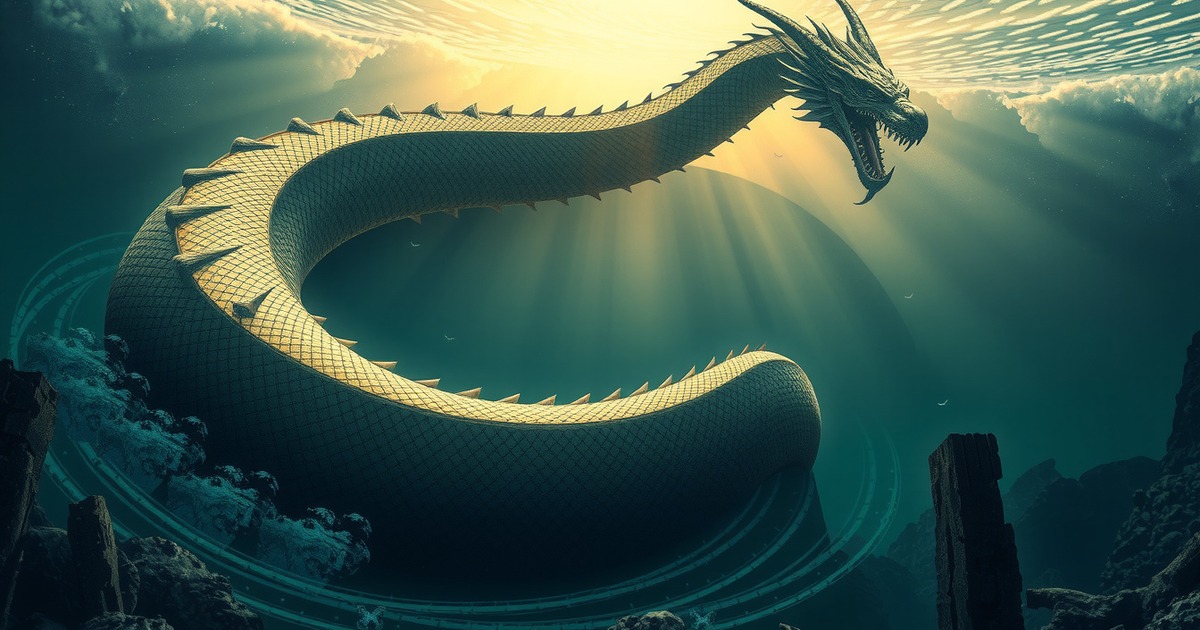
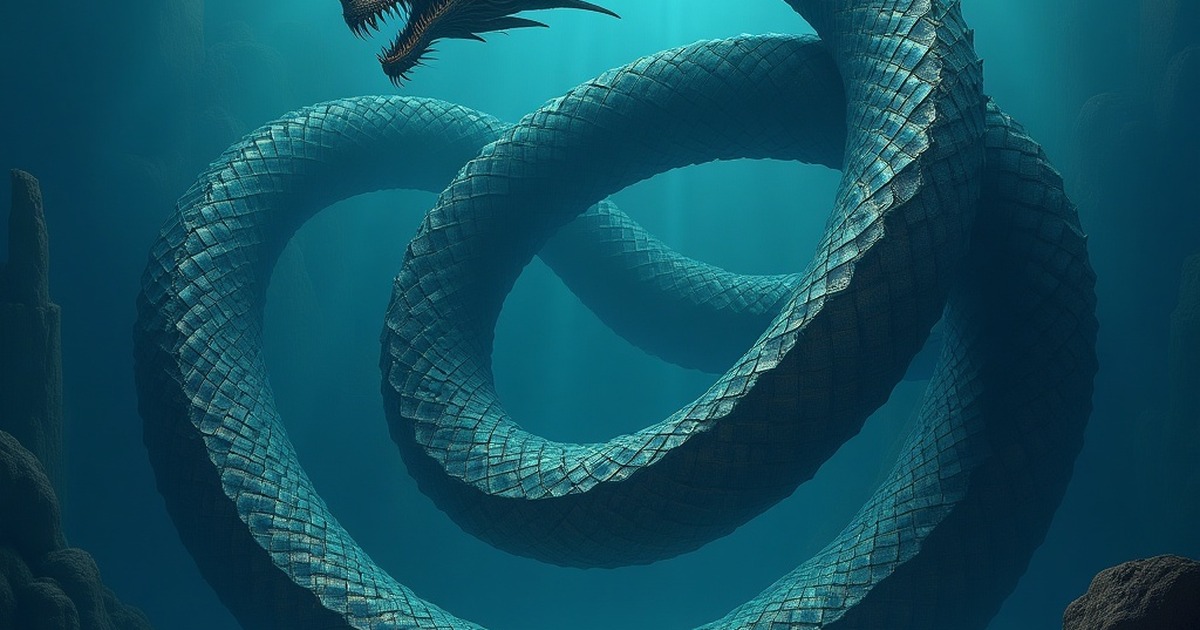
Dragons represent perhaps the most universally recognized mythical creatures, yet their manifestations vary dramatically across cultures.
Eastern Dragons: Benevolent Water Guardians
The Chinese dragon, or long, embodies wisdom, prosperity, and divine power. These benevolent serpents control rainfall, rivers, and harvests. Tang Dynasty scrolls depict dragons with:
- Four legs and flowing whiskers
- Antler-like horns
- Serpentine bodies of grace rather than terror
- Association with imperial power and good fortune
European Dragons: Fire-Breathing Terrors
European dragons tell a starkly different story. These winged beasts hoard treasure, breathe fire, and terrorize kingdoms until brave knights vanquish them. The Anglo-Saxon epic Beowulf, composed around 700 CE, features one of literature's most memorable dragons-a creature awakened by theft, whose rage destroys entire settlements.
Ancient Origins in Mesopotamia
Mesopotamian creation myths introduced the primordial dragon Tiamat, a chaos-goddess whose defeat by the god Marduk established cosmic order. This theme-dragons as primordial forces requiring conquest-echoes through countless Indo-European mythologies.
Scientific Explanations for Dragon Myths
Archaeological evidence suggests dragons may have originated from humanity's ancestral memory of large reptiles:
Fossil Discoveries:
- Sarcosuchus (“SuperCroc”) inhabited North Africa 112 million years ago, reaching 40 feet in length
- Ancient peoples discovering such remains might reasonably imagine winged versions terrorizing their ancestors
Living Inspirations:
- Cobra hoods, when viewed from below, resemble wings
- Reticulated pythons can exceed 30 feet in length-approaching dragon proportions
- Komodo dragons possess venomous bites and aggressive temperaments matching legendary descriptions
Phoenix and Thunderbirds: Creatures of Sky and Fire
The phoenix myth demonstrates notable consistency across disconnected cultures, making these among the most widespread mythical creatures that inspired legends.
Cultural Variations of the Phoenix
Egyptian Bennu Birds:
- Symbolized resurrection and solar renewal
- Connected to the sun god Ra's daily rebirth
Greek Phoenix:
- Historians Herodotus and Pliny described 500-year life cycles
- Consumed themselves in sacred flames before emerging reborn from ashes
Persian Simurgh:
- Massive birds with healing powers and prophetic wisdom
- Featured prominently in epic literature
Chinese Fenghuang:
- Represent virtue and grace
- Appear only during peaceful, prosperous reigns
Thunderbird Traditions
Native American thunderbird traditions span from Pacific Northwest to Great Plains cultures:
- Haida thunderbirds battle undersea serpents, creating thunder with wing-beats
- Lakota Wakinyan Oyate are thunder beings protecting earth from evil spirits
- Lightning flashes from their eyes during storms
Natural Phenomena Behind Fire Bird Myths
Ball Lightning:
- Rare atmospheric phenomenon creating glowing fields that float through air
- Ancient observers might interpret these as supernatural birds of fire
Extinct Megabirds:
- Argentavis magnificens possessed 23-foot wingspans (Argentina, 6 million years ago)
- Teratornis merriami had 12-foot wingspans and survived until 10,000 BCE
- Indigenous peoples discovering such remains might envision larger spiritual versions
Living Birds:
- Golden eagles with 8-foot wingspans create thunderous sounds while diving
- California condors once ranged across North America with 10-foot wingspans
Water Spirits: Mermaids, Kelpies, and Sea Serpents
Aquatic mythical creatures reflect humanity's complex relationship with water-source of life yet area of drowning death. Mermaid traditions span every maritime culture, from Mesopotamian Oannes to Caribbean Aycayia.
Evolution of Mermaid Mythology
Ancient Origins:
- Assyrian Atargatis: First mermaid, transformed from goddess after accidentally killing her human lover
- Greek sirens: Originally bird-like before evolving into seductive fish-women
Regional Variations:
- Celtic Water Spirits: Scottish kelpies appear as beautiful horses that trap riders with adhesive skin
- Irish Merrows: Possess green hair and webbed fingers, sometimes marry fishermen
- Slavic Rusalka: Vengeful spirits of drowned women who drag men underwater
Scientific Basis for Mermaid Sightings
Manatees and Dugongs:
- Surface to breathe while holding infants upright-creating human-like silhouettes
- Christopher Columbus's mermaid reports were likely manatee encounters
- Dugongs reach 10 feet in length with arm-like flippers
- Mothers nursing while floating vertically appear notably human-like
Shapeshifters: Werewolves, Skinwalkers, and Were-creatures
Lycanthropy myths emerge from every culture that coexisted with predatory animals, representing some of the most feared mythical creatures that inspired legends.
European Werewolf Traditions
Historical events fueled werewolf beliefs:
- Beast of Gévaudan (1764-1767): Killed over 100 people in southern France
- Medieval wolf attacks on villages created widespread shapeshifter fears
- Slavic volkodlak: Men cursed to become wolves during new moons
- Scandinavian úlfhéðnar: Berserker warriors wearing wolf pelts in battle
Native American Skinwalker Traditions
Navajo and other tribal traditions describe medicine practitioners who transform into:
- Wolves and coyotes
- Bears and large cats
- Birds of prey
- Other powerful animals
These practices remain deeply sacred and secret within tribal contexts.
Medical Explanations for Lycanthropy
Physical Conditions:
- Hypertrichosis: Excessive hair growth across entire body
- Clinical lycanthropy: Psychiatric condition involving belief in animal transformation
- Rabies infection: Creates aggressive behavior, hydrophobia, and altered consciousness
Environmental Factors:
- Ergot poisoning: Contaminated grain produces hallucinations and convulsions
- Community ergot outbreaks might create mass shapeshifting perceptions
Undead and Vampiric Entities: Death Defied
Vampire legends transcend cultural boundaries, reflecting universal fears about death, disease, and parasitic relationships.
Global Vampire Traditions
Ancient Origins:
- Mesopotamian lamashtu: Drank children's blood, haunted new mothers
- Greek vrykolakas: Undead beings rising from graves to plague communities
- Chinese jiangshi: Stiff-limbed undead that hop and drain life force
Slavic Vampire Mythology:
- Romanian strigoi: Living witches or reanimated corpses
- Serbian vampir: Required specific destruction methods (decapitation, heart-staking, cremation)
Historical Vampire Cases and Disease
Vampire beliefs often correlated with disease outbreaks:
Plague Epidemics:
- Mass exhumations revealed decomposition phenomena interpreted as vampiric activity
- Blood-like fluids around mouths, apparent nail/hair growth, gas-induced body movement
19th Century Tuberculosis:
- New England vampire panics during TB epidemics
- Families performed heart-burning rituals to stop supernatural contagion
Medical Conditions Explaining Vampire Myths
Porphyria Symptoms:
- Extreme photosensitivity
- Receding gums making teeth appear fang-like
- Pale complexion and blood disorder
Catalepsy:
- Death-like comas followed by sudden revival
- Explained some “undead” resurrections
Guardian Creatures: Griffins, Sphinxes, and Protective Beasts
Guardian mythologies represent humanity's desire for supernatural protection combined with recognition that power requires wisdom.
Ancient Guardian Traditions
Egyptian Sphinxes:
- Human heads with lion bodies guarded sacred spaces
- The Great Sphinx of Giza (4,500 years old) embodies architectural guardian spirits
- Greek versions added wings and deadly riddle consequences
Mesopotamian Lamassu:
- Winged bulls with human heads protected palace entrances
- Massive stone guardians weighing up to 30 tons
- Demonstrated royal power while serving protective functions
Cultural Guardian Variations
Griffins:
- Combine eagle and lion attributes-ultimate predator fusion
- Persian, Egyptian, and Greek traditions feature treasure protection
- Medieval European heraldry adopted them as divine power symbols
Japanese Komainu:
- Lion-dogs guard Shinto shrines in pairs
- Open mouth (a-gyō) and closed mouth (un-gyō) represent cosmic cycles
- Create protective barriers against malevolent spirits
Gargoyles:
- Began as architectural water spouts
- Gothic cathedrals feature hundreds protecting from demons
- Each unique design serves specific protective functions
Fossil Inspirations for Guardian Creatures
Protoceratops skulls discovered along Silk Road trade routes may have inspired griffin legends:
- Prominent beaks resembling bird features
- Eye ridges and quadrupedal body structure
- Ancient peoples might have combined bird and mammal characteristics
The Science Behind the Legends
Modern scientific analysis reveals how natural phenomena create mythical creature sightings and experiences.
Psychological Explanations
Pareidolia:
- Tendency to perceive meaningful patterns in random stimuli
- Floating logs become sea serpents
- Cloud formations become sky creatures
- Forest shadows become mysterious beasts
Environmental Factors:
- Sleep deprivation and stress increase misidentification likelihood
- Cultural conditioning primes mythological interpretations
- Expectation bias influences perception of ambiguous phenomena
Natural Phenomena Creating “Supernatural” Events
Bioluminescence:
- Dinoflagellate algae create blue-green lights when disturbed
- Large marine mammals swimming through bioluminescent waters appear as glowing monsters
Atmospheric Conditions:
- Fata morgana mirages make distant objects appear floating
- Ball lightning creates unpredictable glowing orbs
Infrasound Effects:
- Sound frequencies below human hearing create unease and dread
- Large animals and geological activity produce infrasound triggering supernatural feelings
Historical Mass Events
Community Hysteria:
- The 1938 “War of the Worlds” broadcast demonstrated fictional event panic
- Similar mechanisms explain historical creature “outbreaks” in isolated communities
Disease and Social Stress:
- Epidemic periods increase supernatural beliefs
- Community trauma manifests through shared creature experiences
Extinct Megafauna and Ongoing Discoveries
Paleontological discoveries continue revealing inspiration sources for mythical creatures that inspired legends:
Ground Sloth Remains:
- Massive claws and upright posture inspire giant creature myths
- Discovered in caves alongside human artifacts
Cave Bear Skulls:
- Larger than modern bears, fuel monster legends
- Found by ancient peoples exploring cave systems
Marine Reptile Fossils:
- Plesiosaur remains suggest sea monster origins
- Long-necked aquatic reptiles match many lake monster descriptions
The enduring power of mythical creatures lies not in their literal existence but in their symbolic resonance. Dragons represent chaos requiring heroic conquest. Phoenix myths embody renewal hope during dark periods. Guardian creatures reflect our need for protection and divine favor. These symbols remain psychologically relevant regardless of their factual basis.
Understanding natural explanations for mythical creatures that inspired legends doesn't diminish their cultural importance. Instead, it reveals the notable human capacity to transform environmental encounters into meaningful narratives addressing fundamental existential concerns. Our mythical creatures remain alive not in hidden forests or ocean depths, but in the stories we continue telling about courage, transformation, protection, and the eternal struggle between order and chaos.