Phoenix Mythology Origins: Tracing the Ancient Roots of the Immortal Firebird
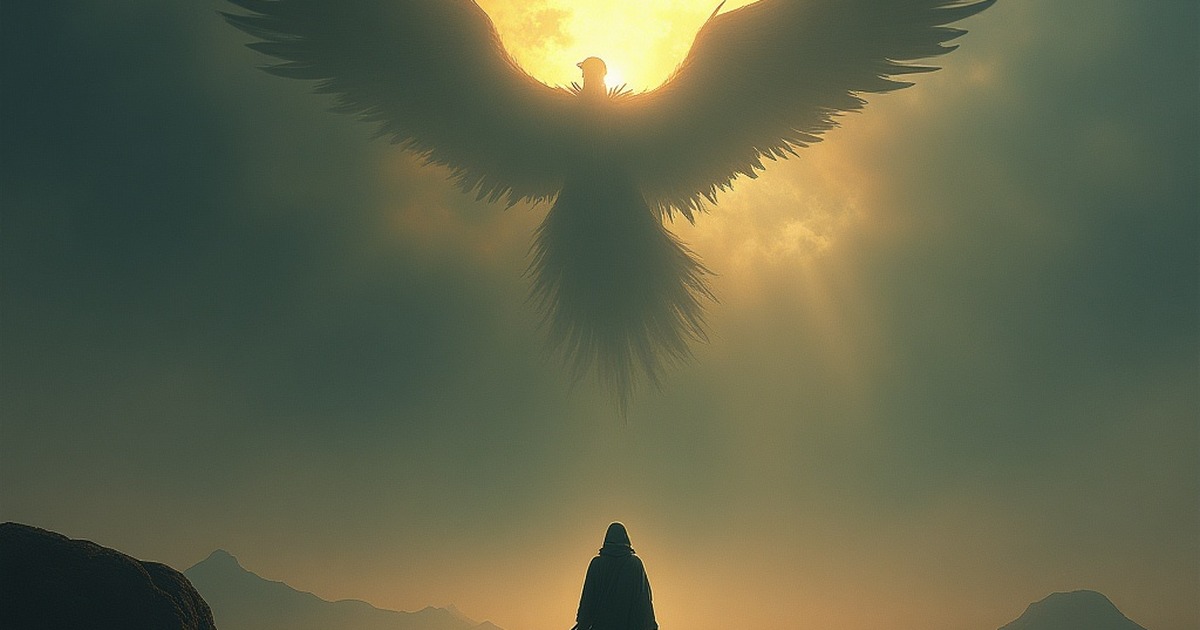
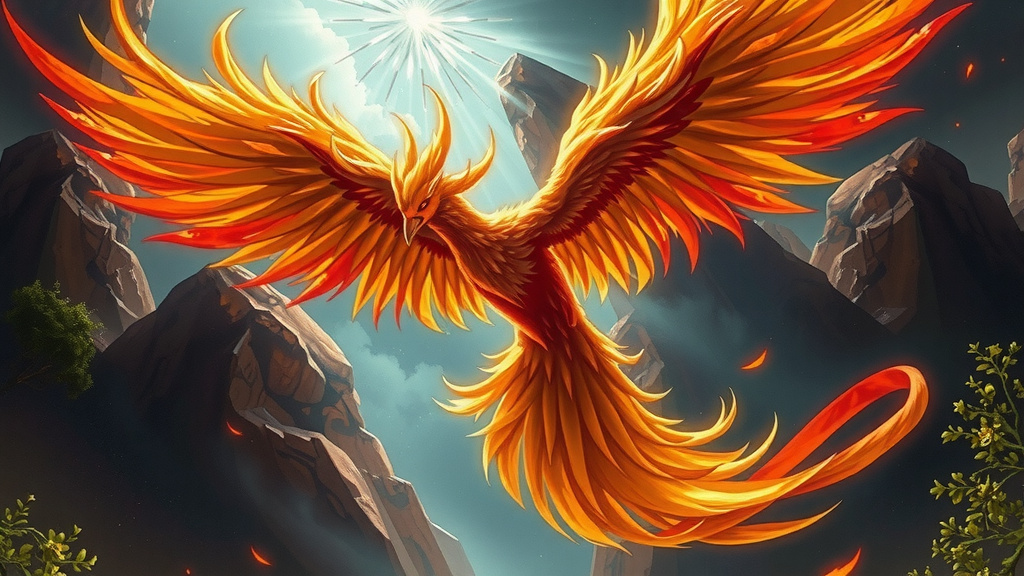
Picture this: a magnificent bird, its feathers gleaming with golden fire, rises triumphantly from a pile of smoldering ash. Here is the thing: There's something deeply stirring about this image that speaks to something fundamental in your spirit—your belief that even in destruction, there's hope for renewal.
This post contains affiliate links. If you purchase through these links, we may earn a commission at no extra cost to you.
The phoenix has captivated imaginations across virtually every culture on Earth. Want to know the secret? From ancient Egyptian temples to modern Hollywood blockbusters, this immortal firebird continues to symbolize resurrection, eternal life, and the endless cycle of death and rebirth. But here is what You probably miss: where did this powerful mythology actually begin?
After spending years researching cross-cultural mythology, I have found that phoenix origins are far more complex and fascinating than you might realize. Here is the truth: These aren't just variations of a single story that spread across the globe. You will appreciate this. Instead, they represent humanity's shared fascination with transformation and renewal, expressed through notably similar yet distinctly unique cultural lenses that you will discover throughout this guide.
Ready for this? Let me explain how different civilizations gave birth to their own versions of the immortal firebird, and what these ancient stories mean for you today.
In This Article
- The Ancient Egyptian Foundation: The Bennu Bird
- Greek and Roman Adaptations of the Phoenix Legend
- Persian and Middle Eastern Phoenix Traditions
- Asian Phoenix Variants and Cultural Significance
- Christian Symbolism and Medieval Interpretations
- Archaeological and Historical Evidence
- Symbolism and Cultural Impact Throughout History
- Modern Interpretations and Contemporary Relevance
- Frequently Asked Questions
The Ancient Egyptian Foundation: The Bennu Bird
Here is where it gets interesting: When you think of the phoenix, you probably imagine an eagle-like creature engulfed in flames. But wait, there is more. You will find that the earliest phoenix-like mythology looked nothing like what you might expect.
Sacred Symbolism in Egyptian Religion
When I first encountered hieroglyphic representations of the Bennu bird in Cairo's museums, I was struck by how different it looked from our modern phoenix. Here is what nobody tells you: This wasn't the eagle-like creature you might imagine—it was a graceful heron, standing tall with distinctive curved neck and elegant plumage.
The Bennu represents your earliest recorded phoenix-like mythology, dating back over 5,000 years. This matters to you because But here is the catch: Ancient Egyptians didn't see this as just another mythological creature. You will find that the ancient texts tell us that the Bennu was sacred, deeply woven into their understanding of cosmic order and daily existence.
Think about it: Every morning when you watch the sun rise, you are witnessing the same cycle that ancient Egyptians connected to the Bennu's eternal presence.
Physical Description and Characteristics
Egyptian texts describe the Bennu as a large heron with brilliant blue and gold plumage, though some accounts mention purple and red coloring. But here is what You probably miss: What made this bird special wasn't just its beauty—it was its connection to the very foundation of existence itself.
Pro tip: Unlike later phoenix versions you may know, the Bennu didn't self-immolate. Instead, Egyptian mythology portrayed it as a bird that appeared cyclically, marking important transitions in cosmic and earthly time. The annual flooding of the Nile, which brought life to Egypt's agricultural lands, was connected to the Bennu's appearances.
Connection to Solar Deities and Creation Myths
Now here is the problem: You probably think phoenix mythology is just about rebirth. What you should remember is And that is not all. The Bennu was connected to Ra, the sun god, and played a crucial role in Egyptian creation mythology. What this means for you: according to ancient texts, the Bennu emerged from the waters of chaos, perched on the primordial mound, and spoke the first word—bringing light and order to the universe.
This bird didn't just represent rebirth; it was literally present at the moment of creation. Here is the good news: You can still see this symbolism today when you watch the sun rise each morning and witness natural cycles of renewal around you.
The sacred city of Heliopolis served as the center of Bennu worship, where priests maintained elaborate rituals celebrating the bird's role in both daily solar cycles and annual renewal. Fair warning: These weren't abstract ceremonies—they were practical acknowledgments of natural forces that determined life or death for Egyptian civilization.
Greek and Roman Adaptations of the Phoenix Legend
Plot twist: The phoenix story you know today didn't come from Egypt at all—it came from how Greeks and Romans changed the original Bennu mythology to fit their own cultural values.
Herodotus and Early Greek Accounts
When Greek historian Herodotus encountered Egyptian phoenix mythology in the 5th century BCE, he did what many travelers do—he adapted the story to fit Greek cultural sensibilities. You can see how But here is what nobody tells you: Herodotus was honest about his limitations. He admitted he'd never seen the bird himself and was relying on Egyptian accounts and artwork.
This is where you first see the phoenix transforming from a heron-like Bennu into something more eagle-like. Here is why this matters for you: Greek culture prized the eagle as a symbol of power and divinity, so it makes sense they'd reshape the phoenix to match their preferences.
Roman Literary Interpretations
But it gets better. Roman writers like Ovid, Pliny the Elder, and Tacitus took the Greek adaptations even further. You will notice that they introduced the concept of a 500-year life cycle and developed the dramatic self-immolation narrative that defines modern phoenix mythology you recognize today.
Ovid's “Metamorphoses” gives you a top detailed classical accounts. As you might expect, Want to know the secret? He describes how the aging phoenix builds a nest of spices and aromatic wood, then fans the flames with its own wings until both nest and bird are consumed. From these ashes emerges a new phoenix, ready to begin another 500-year cycle.
Evolution of the Self-Immolation Narrative
The real question is: Why did Greeks and Romans add the self-immolation element that wasn't present in Egyptian sources? In my experience, it reflects their cultural values around heroism and sacrifice. Greek mythology is full of heroes who achieve immortality through noble self-sacrifice. The phoenix's willing death to achieve renewal fits perfectly into this narrative tradition that you might recognize from other Greek myths.
Roman emperors particularly embraced phoenix symbolism, featuring it on coins and imperial regalia as a symbol of Rome's eternal nature. Think about it: What empire wouldn't want to associate itself with a creature that couldn't truly die?
Persian and Middle Eastern Phoenix Traditions
Here is the truth: Persian mythology gives you the Simurgh—a creature that's both similar to and distinctly different from the Egyptian Bennu or Greco-Roman phoenix you have learned about.
The Simurgh: Persia's Mythical Bird
The Simurgh appears in the epic “Shahnameh,” where it's portrayed as a wise, benevolent bird with healing powers and prophetic knowledge. You will find that But here is the catch: What fascinates me about the Simurgh is its role as a teacher and guide rather than just a symbol of renewal. This is something you should know: reflects Persian cultural values that emphasized wisdom and learning alongside physical strength and beauty.
Quick note: If you have ever wondered why some phoenix stories focus more on wisdom than destruction, you are seeing Persian influence in action.
Islamic Interpretations and Adaptations
Here is where it gets interesting: Islamic scholars preserved and transmitted phoenix legends through their wide translation and commentary work. You will notice that they didn't just copy existing stories—they integrated phoenix mythology with Islamic theology and philosophy, creating rich new interpretations that you can still study today.
Medieval Islamic texts often portray the phoenix as a symbol of the soul's journey toward divine unity. The bird's death and rebirth become metaphors for spiritual purification and the believer's relationship with Allah. So what does this mean for you? These interpretations show how phoenix symbolism can adapt to different spiritual traditions while maintaining its core power.
Cross-Cultural Exchange Along Trade Routes
The bottom line? The Silk Road wasn't just a path for goods—it was a superhighway for ideas and stories. For you, this means Phoenix variations spread and evolved as merchants, scholars, and pilgrims carried these tales across vast distances. As you explore, each culture that encountered phoenix mythology adapted it to local beliefs and values.
This explains why you find phoenix-like creatures in cultures that had no direct contact with ancient Egypt. The core symbolism—death, renewal, eternal life—connected across cultural boundaries because these themes address concerns you can relate to as a human being.
Asian Phoenix Variants and Cultural Significance
Mind-blowing, right? The Chinese Fenghuang represents perhaps the most dramatically different interpretation of phoenix mythology you will encounter.
Chinese Fenghuang: The Immortal Bird of Virtue
Here is what You probably miss: Unlike Western versions that emphasize death and rebirth, the Fenghuang symbolizes virtue, prosperity, and harmony. Across cultures, we find that Chinese phoenix mythology includes both male (Feng) and female (Huang) birds, representing yin-yang balance.
Their five-colored plumage symbolizes Confucian virtues that you can apply to your own life: benevolence (red), righteousness (black), propriety (white), wisdom (blue), and sincerity (yellow). Here is the good news: You don't need to wait for death and rebirth to embody phoenix qualities—you can practice these virtues daily.
Japanese Ho-o and Cultural Adaptation
Japanese Ho-o mythology borrowed heavily from Chinese sources but developed its own unique characteristics that you can observe in Buddhist temples today. Notice how you can Here is the truth: Japanese Buddhist temples feature elaborate Ho-o sculptures and paintings, where the bird represents enlightenment and spiritual transcendence.
What strikes me about Japanese phoenix interpretation is its integration with architectural principles. The Ho-o isn't just a mythological creature—it's a living symbol incorporated into sacred spaces where people worship and meditate. Have you ever wondered why certain spaces feel spiritually powerful? You might be experiencing this integration of symbolic and physical elements.
Buddhist and Confucian Philosophical Connections
But wait, there is more. Asian phoenix variants serve different philosophical functions than their Western counterparts you have studied. Rather than focusing on dramatic death and resurrection, they emphasize gradual transformation, wisdom acquisition, and spiritual development.
This reflects broader differences between Eastern and Western philosophical traditions that you should understand. Think about how you would Eastern thought often emphasizes process and gradual change, while Western traditions tend to value dramatic transformation and decisive action.
Christian Symbolism and Medieval Interpretations
Let me explain how early Christian theologians faced an interesting challenge with phoenix mythology.
Early Christian Adoption and Adaptation
Here was a powerful symbol of resurrection that predated Christianity by thousands years. So what does this mean for you? How should they handle it? Rather than reject it, Church Fathers like Clement of Rome embraced the phoenix as evidence that God had planted resurrection symbolism throughout creation.
They argued that the phoenix was a natural testament to the truth of Christ's resurrection. Think about it: This approach allowed Christians to connect their new faith with ancient wisdom traditions that people already understood and respected.
Medieval Bestiaries and Religious Texts
Medieval bestiaries—those wonderful illustrated books of real and mythical creatures—featured detailed phoenix entries complete with moral interpretations. Here is what nobody tells you: These weren't scientific texts; they were spiritual guidebooks that used natural imagery to teach religious lessons you could apply to your daily life.
Medieval phoenix descriptions became increasingly elaborate and symbolic. You might observe that some texts describe phoenix blood as having healing properties, while others claim phoenix tears could resurrect the dead. You might wonder why But here is the catch: These embellishments reflect medieval Christianity's comfort with miraculous and supernatural elements.
Phoenix as Christ Symbol and Resurrection Metaphor
Christian phoenix symbolism reached its peak in medieval and Renaissance art that you can still visit in museums today. Explained manuscripts, cathedral sculptures, and religious paintings frequently featured phoenixes as Christ symbols. The bird's willing death and resurrection perfectly paralleled Christian understanding of Jesus's sacrifice.
What I find particularly moving is how medieval Christians used phoenix imagery in funeral contexts. Here is the good news: Gravestones and tomb sculptures often included phoenix motifs as expressions of hope for resurrection and eternal life—hope that you can find meaningful whether you share their specific religious beliefs or not.
Archaeological and Historical Evidence
The kicker? The archaeological record provides fascinating insights into how phoenix mythology actually functioned in ancient societies.
Ancient Artifacts and Artistic Representations
Egyptian tomb paintings show Bennu birds associated with resurrection scenes, while Greek pottery depicts more eagle-like phoenixes in mythological contexts. But here is what You probably miss: Roman coins and medallions frequently feature phoenix imagery, particularly during periods of imperial transition.
Pro tip: These weren't just decorative choices—they were political statements about continuity and renewal that you can still observe in modern political symbolism today.
Textual Sources and Historical Documentation
Comparing textual sources across cultures reveals both similarities and striking differences in phoenix mythology. You will appreciate this. While you consider this, the core themes remain consistent, details like appearance, lifespan, and resurrection methods vary significantly.
Here is the truth: These variations aren't corruptions of an “original” story. They're evidence of how different cultures adapted phoenix symbolism to their own needs and values—just as you might adapt ancient wisdom to your modern life.
Modern Archaeological Discoveries
Recent archaeological discoveries continue to enhance your understanding of phoenix origins. Excavations in Heliopolis have found temple complexes dedicated to Bennu worship, while papyrus texts provide new details about Egyptian phoenix rituals.
Carbon dating and improved historical timeline establishment help you trace how phoenix mythology spread and evolved across cultures and time periods. The deeper symbolism reveals that these discoveries are ongoing—you are living during a time when new phoenix-related artifacts are still being found.
Symbolism and Cultural Impact Throughout History
Ready for this? The reason phoenix mythology has persisted across so many cultures and historical periods goes deeper than you might expect.
Universal Themes of Death and Rebirth
Why has phoenix mythology captured your imagination across cultures? I believe it's because these stories address fundamental human concerns about mortality, meaning, and hope that you face in your own life.
Every culture grapples with death and seeks ways to understand or transcend it. The phoenix offers you a powerful metaphor for transformation that doesn't deny death's reality but insists it's not the final word. This matters to you because Have you ever faced a situation that felt like the end of everything? The phoenix reminds you that endings can become beginnings.
Political and Imperial Symbolism
But it gets better. Rulers throughout history have embraced phoenix symbolism to legitimize their authority and promise eternal governance. From Roman emperors to Chinese dynasties to modern nations, the phoenix represents continuity and renewal that transcends individual mortality.
This political usage reveals something important about phoenix mythology that you should understand—it's not just personal symbolism. It's also social and collective, representing community survival and renewal that you might recognize in your own society's symbols and stories.
Influence on Literature and Arts
Phoenix imagery appears throughout world literature that you can still read today, from Dante's “Divine Comedy” to modern fantasy novels. Artists across cultures and centuries have found in the phoenix a rich source of visual and symbolic inspiration.
What makes this work for you? this myth enduring is how consistently these artistic representations maintain core phoenix characteristics while adapting to local aesthetic traditions and contemporary concerns that you face today.
Modern Interpretations and Contemporary Relevance
Here is where it gets interesting: Modern phoenix interpretations show up everywhere in your daily life—from Harry Potter's Fawkes to X-Men's Jean Grey to countless corporate logos and brand identities.
Phoenix in Popular Culture and Media
These contemporary versions often emphasize themes of personal enablement and overcoming adversity that you can apply to your own challenges. What you should remember is Social media has created new platforms for phoenix symbolism, where you can share stories of personal transformation using phoenix hashtags and imagery.
This represents a democratization of mythological symbolism that would have been impossible in earlier eras. Now here is the problem: With so many interpretations available, you might wonder which version is “authentic.” The real question is: What does the phoenix mean to you?
Psychological and Therapeutic Applications
Modern psychology has embraced phoenix metaphors for describing recovery and personal growth that you might find helpful. Addiction recovery programs frequently use phoenix imagery to represent the journey from destruction to renewal.
Trauma therapy often employs phoenix symbolism to help people reconceptualize their experiences. Rather than being permanently damaged by traumatic events, you can understand yourself as a phoenix—wounded but capable of transformation and renewal. Have you ever needed to rebuild your life after a major setback? The phoenix offers you a structure for understanding this process.
Environmental and Social Justice Symbolism
Environmental movements have adopted phoenix imagery to represent ecological recovery and species restoration that you can support. You can see how Cities rebuilding after disasters often use phoenix symbolism to express resilience and hope.
Social justice movements employ phoenix metaphors to describe community renewal and systemic change. This is something you should know: represents an evolution from individual to collective phoenix symbolism that reflects contemporary concerns about social transformation you might share.
Frequently Asked Questions
What is the oldest known phoenix mythology you can study?
The Egyptian Bennu bird represents the oldest phoenix-like mythology you can trace, dating back over 5,000 years. However, you should know that the Bennu was quite different from modern phoenix interpretations—it was a heron-like bird associated with solar cycles and creation, not self-immolation and rebirth.
How did the phoenix myth spread to so many different cultures?
You can thank ancient trade routes, particularly the Silk Road, for spreading phoenix mythology across cultures. However, many cultures developed similar bird-rebirth myths independently because these stories address universal human concerns about death and renewal that you can relate to regardless of your cultural background.
Why do different cultures have such different phoenix descriptions?
Each culture adapted phoenix symbolism to fit their own values and aesthetic preferences. When you study these variations, you are seeing how universal themes get expressed through local cultural lenses. As you might expect, The Egyptian heron, Greek eagle, and Chinese peacock-like bird all serve similar symbolic functions while reflecting different cultural priorities.
Is there any scientific basis for phoenix mythology you should know about?
While phoenixes are mythical, you might be interested to know that some real birds inspired these legends. The Egyptian sacred ibis and various birds of paradise may have contributed to phoenix descriptions. Also, natural phenomena like volcanic activity and seasonal migration patterns provided metaphors for death and rebirth cycles.
How can you apply phoenix symbolism to your modern life?
You can use phoenix symbolism as a structure for understanding personal transformation and recovery. Whether you are dealing with career changes, relationship endings, health challenges, or other major life transitions, the phoenix reminds you that destruction can lead to renewal and that you have the capacity to rebuild yourself stronger than before.
What makes this work for you? phoenix mythology so enduringly popular across cultures?
Phoenix mythology addresses fundamental human experiences that you share with people across all cultures and time periods: the fear of death, the hope for renewal, and the belief that suffering can lead to transformation. These are elements you will encounter: themes remain relevant whether you are facing personal challenges or observing broader social changes.
Conclusion: Your Connection to the Eternal Firebird
The phoenix myth continues to evolve, adapting to new challenges while maintaining its core message of hope, renewal, and transcendence that speaks directly to you today. You will find that From ancient Egyptian temples to modern social media, this immortal firebird remains one of humanity's most enduring and powerful symbols that you can draw upon in your own life.
What draws you to the phoenix isn't just its beauty or dramatic story—it's the promise that endings can be beginnings, that destruction can lead to creation, and that hope can emerge from even the darkest ashes. For you, in a world that often feels chaotic and uncertain, you might need the phoenix more than ever.
The multicultural origins of phoenix mythology remind you that certain human experiences and aspirations transcend cultural boundaries. While you consider this, each civilization has shaped the phoenix according to its own values and needs, the underlying themes of resilience, transformation, and renewal speak to something universal in your human condition.
Legends speak of the phoenix's power to inspire hope across cultures and centuries. That's the real magic you can access—not fictional powers, but the very real ability to find strength in the promise of renewal. Whether you are facing personal struggles or witnessing broader social challenges, the phoenix offers you a timeless symbol of humanity's capacity to rise from adversity stronger and wiser than before.
Your journey through phoenix mythology origins reveals more than just ancient stories—it shows you a mirror reflecting your own potential for transformation and growth. For you, this means The next time you face what feels like an ending, remember the lessons of the phoenix. You carry within yourself the same capacity for renewal that has inspired humanity for over 5,000 years.