Terror of the Deep
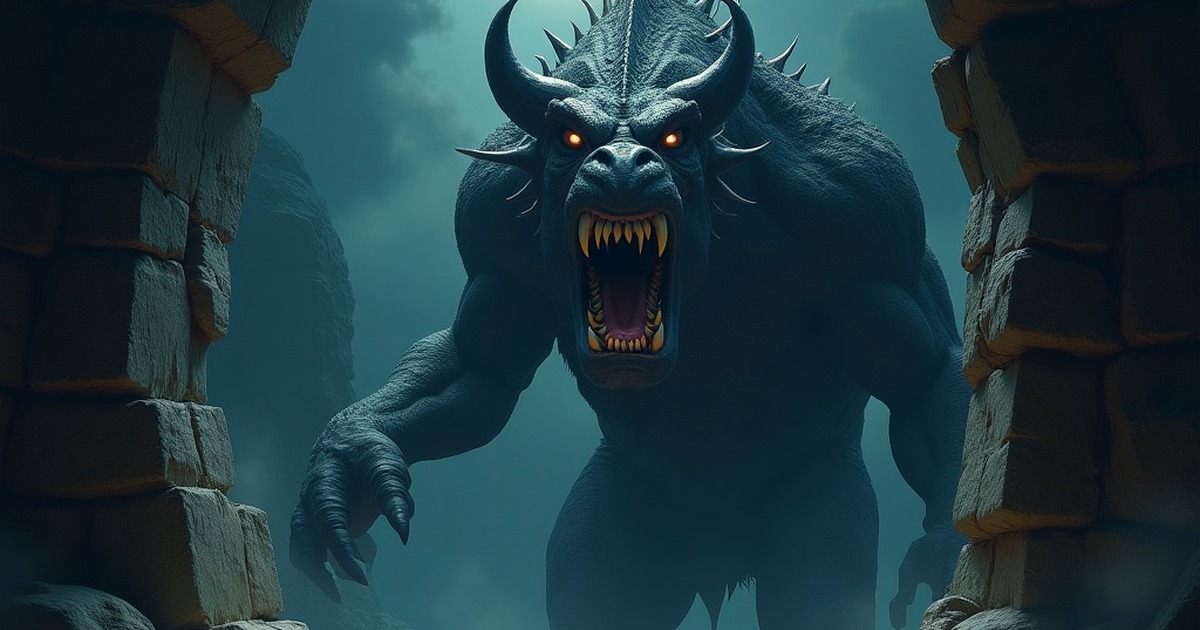
The Kraken lurks in maritime folklore as the ultimate sea monster – a creature so vast it was mistaken for islands, so powerful it could drag entire ships to the depths. Born in Scandinavian tradition, the Kraken has grown to dominate global sea monster lore.
Scandinavian Origins
Norwegian and Icelandic sailors first described the Kraken, a creature dwelling in the deep waters off Norway. Early accounts by Erik Pontoppidan described it as a mile and a half in circumference. Sailors told of waters suddenly rich with fish – a sign the Kraken lurked below, driving prey upward.
Physical Description
Most modern depictions show the Kraken as a giant squid or octopus, with massive tentacles capable of wrapping around ships. Earlier descriptions varied – sometimes crab-like, sometimes resembling a collection of floating islands. All agreed on its inconceivable size and destructive potential.
Attack and Aftermath
The Krakens rising created whirlpools that swallowed vessels. Its tentacles could pluck sailors from decks or splinter masts like twigs. Even its descent proved deadly – as it submerged, it created massive whirlpools dragging ships under. Some claimed the creature attacked deliberately; others said ships simply came too near while it fed.
Scientific Connections
Giant squid and colossal squid, reaching lengths of 40 feet or more, likely inspired Kraken legends. Sailors encountering these rarely-seen deep-water creatures would have had no framework to understand them except as monsters.
Cultural Impact
The Kraken appears throughout modern media, from Tennysons poem to Pirates of the Caribbean. It remains the definitive sea monster, embodying humanitys fear of the unknown depths.
Explore More Mythology
Discover the rich world of myths and legends from cultures around the globe with these highly recommended books: