The Foundation of Egyptian Divine Power
Understanding Ma'at: The Cosmic Order
At the heart of Egyptian gods' powers lay Ma'at, the fundamental principle of cosmic order, truth, and justice. This divine concept wasn't merely philosophical—it was the active force that governed how egyptian gods powers mythology manifested throughout the ancient world. Ma'at represented the delicate balance between chaos and order, and every divine power exercised by the Egyptian pantheon served to maintain this cosmic equilibrium.
The goddess Ma'at herself embodied this principle, wielding the power to measure the worthiness of souls in the afterlife. Her ostrich feather became the ultimate standard against which human hearts were weighed, demonstrating how divine powers directly influenced moral and spiritual realms. This cosmic order meant that even the most powerful creator gods couldn't act arbitrarily—their abilities were bound by the need to preserve universal harmony.
Divine Hierarchy and Power Distribution
Egyptian divine power operated through a complex hierarchical system that evolved over three millennia. At the apex stood creator deities like Ra and Amun, whose powers encompassed universal creation and cosmic governance. These supreme beings possessed the ability to grant or withdraw divine authority from lesser gods, creating a dynamic power structure that reflected earthly political systems.
Regional and local deities occupied middle tiers, wielding specialized powers over specific domains like cities, natural features, or human activities. This distribution ensured that divine influence permeated every aspect of Egyptian life, from the grandest cosmic cycles to the most intimate household concerns. The system's flexibility allowed new gods to emerge and existing deities to absorb additional powers through syncretism.
The Relationship Between Gods and Pharaohs
Pharaohs served as the crucial link between divine and mortal realms, claiming direct descent from the gods and channeling their powers on earth. This divine kingship concept meant that royal authority derived from the gods' own abilities, particularly those of Horus and Ra. Pharaohs performed daily rituals to maintain Ma'at and ensure the continued flow of divine power throughout Egypt.
The concept of divine ka—the life force that animated both gods and pharaohs—explained how mortal rulers could wield supernatural abilities. This spiritual essence allowed pharaohs to communicate directly with deities, perform miraculous healings, and command natural forces. Many mythology books detail how this divine connection legitimized royal power and created a theocratic system where religious and political authority merged seamlessly.
Major Creator Gods and Their Supreme Powers
Ra: Master of Solar Power and Creation
Ra's dominion over solar energy represented one of the most fundamental powers in Egyptian mythology. As the sun god, Ra possessed the ability to create life through his daily journey across the sky, bringing light, warmth, and time itself to the world. His golden solar barque carried not just the physical sun but the very essence of creative power that sustained all existence.
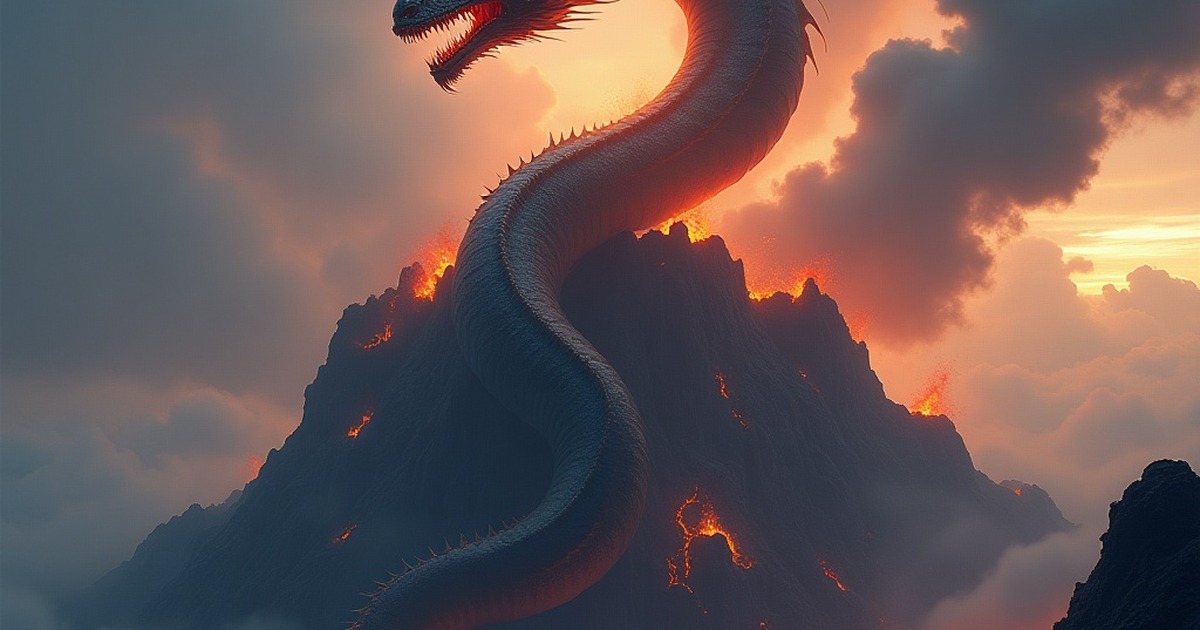
The god's tears were said to form the first humans, while his words brought forth other deities and cosmic forces. Ra's power extended beyond mere illumination—he controlled the cycles of day and night, the changing seasons, and the measurement of time itself. His nightly voyage through the underworld demonstrated his authority over both life and death, as he battled the chaos serpent Apophis to ensure the sun's daily rebirth.
Ra's solar powers also manifested in his role as a healing deity, with his light capable of purifying illness and evil. Temples dedicated to Ra often featured specialized chambers designed to focus and amplify solar energy for therapeutic purposes, making him accessible to ordinary Egyptians seeking divine intervention.
Amun: The Hidden One's Universal Authority
Amun's power derived from his invisible, omnipresent nature—he was quite literally “the hidden one” whose influence permeated all existence without being directly observable. This unique attribute made Amun's abilities particularly mysterious and comprehensive, as he could manifest anywhere and influence any situation without warning or apparent cause.
As a god of air and wind, Amun controlled the breath of life itself, making him essential to all living beings. His power over fertility extended to both human reproduction and agricultural abundance, positioning him as a crucial deity for Egypt's survival. When merged with Ra to form Amun-Ra, his powers expanded to encompass both visible solar energy and invisible life force.
Amun's oracular abilities allowed him to communicate divine will through priests and sacred animals, making his temples centers of prophetic power. His responses to questions about everything from military campaigns to personal relationships demonstrated the practical applications of his universal authority.
Ptah: Divine Craftsman and Creation Through Word
Ptah's creative powers operated through divine speech and thought, representing a more intellectual approach to cosmic creation than other creator gods. His ability to bring things into existence simply by speaking them demonstrated the Egyptian belief in the fundamental power of words and names. This made Ptah particularly important to scribes, architects, and craftsmen who worked with both physical materials and creative concepts.
As patron of Memphis, Ptah's powers manifested in the city's magnificent architecture and artistic achievements. His divine workshop was believed to be the source of all human craftsmanship, with skilled artisans drawing directly on his creative abilities. The famous Ptah figurine artifacts found in Egyptian tombs often served as conduits for accessing his powers in the afterlife.
Ptah's role in mummification rituals, particularly the “opening of the mouth” ceremony, demonstrated his power to restore function and consciousness to the deceased. This ability to bridge the gap between life and death through skillful craftsmanship made him essential to Egyptian funerary practices.
Gods of Death and the Underworld
Osiris: Lord of the Dead and Resurrection
Osiris wielded the most profound power in Egyptian mythology—the ability to grant eternal life through resurrection. His own death and resurrection established the template for human afterlife, demonstrating that death was not an ending but a transformation. This power made Osiris the ultimate judge of human souls, with authority to grant or deny access to the blessed afterlife.
The god's dominion over the underworld encompassed not just judgment but active governance of the deceased. His powers included the ability to restore consciousness and identity to the dead, allowing them to continue existing as complete beings rather than mere shadows. This resurrection power extended to the annual flooding of the Nile, which Egyptians saw as Osiris's life force renewing the land.
Osiris's green skin symbolized his power over regeneration and rebirth, connecting him to agricultural cycles and plant life. His authority over grain production made him essential to Egyptian survival, as his favor determined whether crops would flourish or fail.
Anubis: Guardian of Mummification and Judgment
Anubis possessed unique shapeshifting abilities that allowed him to move between the world of the living and the dead as a jackal or human-headed deity. His mastery over mummification processes gave him power over the physical preservation necessary for successful afterlife transition. This included the ability to protect corpses from decay and to guide the complex ritual procedures that prepared souls for judgment.
During the weighing of the heart ceremony, Anubis's powers ensured accurate judgment by preventing any deception or corruption of the process. His keen senses could detect moral impurities that might otherwise go unnoticed, making him an incorruptible guardian of divine justice. His presence guaranteed that only those who truly lived according to Ma'at would pass into the blessed afterlife.
Anubis also wielded protective powers that guarded tombs and burial sites from desecration. His ability to curse tomb robbers and protect the dead made him a fearsome opponent of those who would disturb the eternal rest of the deceased.
Thoth: Keeper of Divine Records and Wisdom
Thoth's powers centered on knowledge, writing, and divine judgment, making him the intellectual authority of the underworld. His ability to record and remember every deed performed by the living gave him comprehensive knowledge of human character and moral worth. This perfect memory made him an ideal assistant to Osiris during judgment proceedings.
The god's mastery over hieroglyphic writing extended beyond mere literacy to encompass the fundamental power of written words to shape reality. Thoth could alter fate itself by modifying divine records, though his commitment to truth prevented him from abusing this ability. His invention of writing gave humans access to divine knowledge and the ability to communicate with the gods.
Thoth's mathematical powers allowed him to calculate time, measure cosmic cycles, and maintain the precise order necessary for universal function. His lunar associations gave him authority over monthly cycles and the complex calendar systems that governed Egyptian religious and agricultural activities.
Nature Gods and Elemental Powers
Isis: Magic, Motherhood, and Healing
Isis commanded the most extensive magical powers in the Egyptian pantheon, with abilities that encompassed healing, protection, and transformation. Her mastery of heka (magic) allowed her to manipulate natural laws, resurrect the dead, and create powerful spells that could influence any situation. This magical authority made her the patron goddess of magicians and healers throughout Egypt.
Her maternal powers extended far beyond ordinary motherhood to encompass the nurturing of all life. Isis could grant fertility to barren women, protect children from harm, and provide the emotional and spiritual sustenance necessary for healthy development. Her milk was believed to confer divine protection and wisdom upon those who received it.
The goddess's healing abilities operated on multiple levels, addressing physical ailments, emotional trauma, and spiritual corruption. Her powers could cure diseases that baffled human physicians, restore sanity to the mentally ill, and cleanse souls of moral contamination. These comprehensive healing abilities made Isis one of the most beloved and widely worshipped deities in Egyptian religion.
Set: Chaos, Storms, and Desert Forces
Set's powers embodied the necessary forces of chaos and destruction that balanced the ordered cosmos. His control over desert storms, sandstorms, and drought demonstrated the raw, untamed power of nature that existed beyond human control. While often viewed negatively, Set's abilities were essential for maintaining cosmic balance by preventing stagnation and forcing renewal.
The god's strength was legendary, with physical powers that surpassed all other deities except possibly Horus during their eternal conflict. His ability to take multiple animal forms—including hippopotamus, crocodile, and an unidentified “Set animal”—demonstrated his mastery over wild, dangerous creatures that threatened human civilization.
Set's dominion over foreign lands and exotic territories gave him power over trade routes, military campaigns, and diplomatic relations with neighboring peoples. His protection was sought by merchants venturing into dangerous territories and soldiers facing foreign enemies.
Sobek: Nile's Power and Crocodilian Strength
Sobek wielded the awesome power of the Nile River, controlling both its life-giving floods and its dangerous predators. His crocodilian nature embodied the dual aspect of water as both creator and destroyer, capable of nourishing crops or devastating communities with equal ease. This duality made Sobek both feared and revered throughout Egypt.
The god's powers included the ability to control water flow, determine flood levels, and influence the timing of the annual inundation that sustained Egyptian agriculture. His favor could bring abundant harvests, while his anger might result in insufficient floods or destructive torrents that damaged rather than nourished the land.
Sobek's protective abilities manifested in his role as guardian of the Nile and its travelers. His presence deterred both natural predators and human bandits who might threaten those dependent on river transport. Many Egyptian mythology books describe how travelers would offer prayers and gifts to Sobek before undertaking river journeys, seeking his protection against the very crocodiles he commanded.
Protective and Warrior Deities
Horus: Royal Protection and Sky Dominion
Horus commanded the vast expanse of the sky, wielding powers that encompassed weather control, aerial surveillance, and divine protection of royal authority. His falcon form allowed him to soar above earthly conflicts while maintaining constant vigilance over Egypt and its people. This elevated perspective gave Horus the ability to see threats approaching from any direction and respond with swift, decisive action.
The god's connection to pharaonic power manifested through his role as divine protector of royal bloodlines. Each pharaoh was considered a living embodiment of Horus, inheriting his powers of leadership, warrior prowess, and divine judgment. This connection meant that royal authority derived directly from Horus's sky dominion, legitimizing pharaonic rule through divine mandate.
Horus's eternal conflict with Set demonstrated his powers in cosmic warfare, where his victories maintained the triumph of order over chaos. His ability to regenerate his lost eye—torn out during battle with Set—symbolized the power of renewal and the eternal nature of divine authority that could overcome any temporary defeat.
Sekhmet: Lioness Power and Divine Vengeance
Sekhmet embodied the terrifying power of divine wrath, wielding abilities that could devastate entire armies or unleash plagues upon wrongdoers. Her lioness nature represented the peak of predatory power, with strength, speed, and hunting instincts that made her nearly invincible in combat. This fearsome reputation made her the patron goddess of warriors and the protector of pharaohs in battle.
The goddess possessed dual powers over both disease and healing, capable of sending plagues to punish enemies while simultaneously offering cures to the faithful. This duality reflected the Egyptian understanding that the same divine forces responsible for destruction could also provide salvation when properly appeased.
Sekhmet's protective abilities extended to guarding Egypt's borders against foreign invasion and internal rebellion. Her presence on the battlefield could inspire Egyptian troops while striking terror into enemy forces, effectively multiplying the combat effectiveness of those who served under her patronage.
Bastet: Feline Grace and Household Protection
Bastet's powers centered on domestic protection, fertility, and the subtle magics of feline intuition. Her cat nature gave her the ability to see in darkness, move silently through dangerous situations, and sense threats that escaped human detection. These abilities made her the perfect guardian for homes, families, and the vulnerable members of society.
The goddess's fertility powers encompassed both human reproduction and the abundance of domestic life. Her favor could ensure healthy births, protect children from infant mortality, and maintain harmony within family relationships. This domestic focus made Bastet one of the most personally relevant deities for ordinary Egyptians.
Bastet's evolution from a fierce lioness to a gentler cat goddess reflected changing Egyptian values and the increasing importance of domestic tranquility. Her later powers emphasized joy, music, and celebration, making her festivals among the most popular and well-attended religious events in ancient Egypt.
Divine Powers in Egyptian Daily Life
Temple Rituals and Divine Manifestation
Egyptian temples served as active centers where divine powers manifested through carefully orchestrated daily rituals. Priests performed elaborate ceremonies designed to awaken the gods each morning, feed them throughout the day, and prepare them for rest each evening. These rituals weren't merely symbolic—Egyptians believed they were essential for maintaining the gods' presence and ensuring continued access to their powers.
The daily “opening of the mouth” ceremonies performed on divine statues were thought to activate the gods' consciousness within their earthly vessels. Through proper ritual procedures, priests could channel specific divine powers for healing the sick, blessing crops, or protecting the community from harm. This direct manipulation of divine energy made temples crucial infrastructure for Egyptian society.
Sacred barques carrying divine statues during processions allowed gods to exercise their powers throughout their territories. These mobile shrines enabled deities to bless fields, judge disputes, and provide oracular guidance to communities that might otherwise lack access to major temple complexes. The careful scheduling of these processions ensured that divine power circulated regularly throughout Egyptian society.
Amulets and Talismans: Channeling Divine Power
Egyptian amulets served as portable conduits for divine power, allowing individuals to carry specific godly abilities for personal protection and enhancement. Each amulet design corresponded to particular deities and their associated powers—ankh symbols channeled life force, wedjat eyes provided protection and healing, and scarab beetles ensured resurrection and renewal.
The creation of effective amulets required precise knowledge of divine names, hieroglyphic formulas, and ritual procedures. Skilled craftsmen who produced these items were considered intermediaries between gods and humans, capable of embedding genuine divine power within physical objects. Modern collectors of Egyptian figurine artifacts often seek these pieces for their historical significance and purported spiritual properties.
Personal names incorporating divine elements allowed individuals to claim ongoing connection to specific gods and their powers. Children named after deities were thought to receive special protection and abilities related to their divine namesakes, creating a permanent bond that lasted throughout life and into the afterlife.
Festivals and Seasonal Divine Celebrations
Major Egyptian festivals provided opportunities for communities to witness and participate in massive displays of divine power. The annual Opet festival demonstrated the renewal of royal divine authority through elaborate ceremonies connecting the pharaoh to Amun's creative powers. These celebrations reinforced the connection between cosmic cycles and human society.
Seasonal festivals aligned divine powers with agricultural cycles, ensuring that gods' abilities supported crucial farming activities. The Wep Ronpet (New Year) festival coincided with the Nile's flood, celebrating the life-giving powers of water deities while preparing for the coming agricultural season. These timing correlations demonstrated Egyptian understanding of divine power as both spiritual and practical force.
Local festivals allowed regional deities to display their particular powers for community benefit. These smaller celebrations often focused on specific needs like healing epidemics, ensuring successful harvests, or protecting against natural disasters. The diversity of local festivals reflected the comprehensive nature of Egyptian divine power and its relevance to every aspect of daily life.
Evolution and Legacy of Egyptian Divine Powers
Changes in Divine Authority Across Dynasties
Egyptian divine powers evolved significantly across three millennia of dynastic rule, reflecting changing political circumstances, foreign influences, and shifting cultural priorities. During the Old Kingdom, pyramid-building pharaohs emphasized solar deities like Ra, whose creative powers legitimized massive construction projects and centralized royal authority.
The Middle Kingdom witnessed the rise of Amun's universal powers as Theban rulers sought to unify Upper and Lower Egypt under a single divine mandate. This period saw increased democratization of divine power access, with ordinary citizens gaining greater ability to petition gods directly rather than solely through royal intermediaries.
The New Kingdom's imperial expansion brought Egyptian divine powers into contact with foreign mythologies, resulting in syncretic combinations that enriched the pantheon while adapting to international political realities. Deities absorbed new attributes and powers from conquered territories, demonstrating the flexible nature of Egyptian religious thought.
Influence on Later Mythologies and Religions
Greek colonization of Egypt resulted in fascinating combinations of Egyptian divine powers with Hellenic religious concepts. Isis-Demeter syncretism merged Egyptian magical abilities with Greek agricultural powers, while Serapis combined Osiris's resurrection powers with Greek healing traditions. These hybrid deities carried Egyptian divine concepts throughout the Mediterranean world.
Roman adoption of Egyptian religious practices spread knowledge of divine powers across their vast empire, with Isis worship becoming particularly popular among women seeking her maternal and magical protection. The mystery religions that flourished in late antiquity drew heavily on Egyptian concepts of divine transformation and resurrection power.
Early Christianity incorporated numerous Egyptian divine power concepts, particularly regarding resurrection, judgment of the dead, and divine protection. Many scholars trace Christian angelology and demonology to Egyptian precedents, while iconographic traditions show clear influences from Egyptian divine imagery.
Modern Understanding and Archaeological Evidence
Contemporary archaeological discoveries continue to reveal new aspects of how Egyptians understood and accessed divine powers. Recent papyrus finds have provided detailed magical formulas and ritual procedures that demonstrate the practical application of theological concepts in daily life. These discoveries show that belief in divine power was far more sophisticated and systematic than previously understood.
Modern scholarly analysis of temple inscriptions and religious texts has revealed the complex philosophical framework underlying Egyptian divine power concepts. Computer analysis of mythological narratives has identified consistent patterns in how different gods' abilities interacted and complemented each other within the larger cosmic system.
The continued popularity of Egyptian mythology in contemporary culture demonstrates the enduring fascination with these ancient divine power concepts. From Hollywood films to modern pagan religious movements, Egyptian gods continue to inspire new interpretations and applications of their traditional abilities. Many modern mythology books attempt to reconstruct authentic Egyptian religious practices for contemporary spiritual seekers.

Check each product page for other buying options. Price and other details may vary based on product size and color.
Highly rated by customers for quality and value. Click to see current pricing and customer reviews.