Understanding the Norse Pantheon
The Structure of Norse Cosmology
The norse mythology gods existed within a complex cosmological framework centered around Yggdrasil, the mighty World Tree that connected nine distinct realms. This ash tree served as the cosmic axis, with its roots extending deep into various worlds while its branches reached toward the heavens. Among these nine realms, Asgard housed the primary gods, Midgard contained humanity, and Jotunheim served as the domain of the giants who often opposed the divine order.
This intricate system reflected the Norse understanding of existence as interconnected layers of reality, each influencing the others. The gods didn't exist in isolation but were part of a grand cosmic web where their actions had far-reaching consequences across all realms. Understanding this structure is essential for anyone studying Norse mythology, whether through academic sources or a comprehensive mythology book that explores these ancient beliefs.
Æsir vs. Vanir: The Two Divine Tribes
The Norse pantheon comprised two distinct groups of deities: the Æsir and the Vanir. The Æsir, including Odin, Thor, and Loki, were primarily warrior gods associated with war, power, and governance. The Vanir, including Freyr and Freyja, focused on fertility, prosperity, and the natural world's abundance.
These two divine tribes once waged war against each other in a conflict that ultimately ended in a peace treaty and the exchange of hostages. This mythological war likely reflected historical religious practices, where different Germanic tribes may have worshipped different pantheons before cultural integration merged these belief systems. The resolution of this conflict created the unified Norse pantheon that dominated Scandinavian religious thought during the Viking Age.
Asgard: The Realm of the Gods
Asgard stood as the fortified stronghold of the gods, connected to Midgard by the rainbow bridge Bifrost. Within Asgard's walls lay magnificent halls, including Valhalla where Odin welcomed fallen warriors, and Vingólf where the goddesses held council. This divine realm represented order and civilization in contrast to the chaotic forces that constantly threatened cosmic stability.
The concept of Ragnarök, the prophesied end of the gods, permeated Norse mythology with a sense of inevitable doom. Unlike many mythological systems that portrayed gods as eternal, Norse mythology acknowledged that even the divine was subject to fate. This fatalistic worldview reflected Viking Age society's harsh realities, where survival required constant vigilance against external threats and internal conflicts.
Odin: The All-Father and His Divine Powers
The Pursuit of Wisdom and Knowledge
Odin's relentless quest for wisdom defined his character among the norse mythology gods. His most famous sacrifice involved trading his eye for a drink from Mimir's well of wisdom, demonstrating his willingness to pay any price for knowledge. This act established Odin as a god who valued wisdom above physical perfection, setting him apart from other mythological figures who typically maintained their divine beauty.
The All-Father's pursuit of knowledge extended to his discovery of the runes, achieved through a harrowing self-sacrifice where he hung himself from Yggdrasil for nine days and nights, pierced by his own spear. This shamanic ordeal granted him access to the runic alphabet, which Norse peoples believed contained magical properties. Modern practitioners and scholars studying Norse traditions often commemorate this story, with many owning an Odin figurine positioned in a pose reflecting this crucial mythological moment.
Odin's Magical Abilities and Artifacts
Odin wielded numerous magical artifacts that amplified his divine powers. His eight-legged horse Sleipnir, offspring of Loki's shapeshifting, could travel between the nine realms faster than any other steed. Gungnir, his spear crafted by the dwarves, never missed its intended target and became a symbol of his authority as war leader.
Perhaps most iconic were his ravens, Huginn and Muninn (Thought and Memory), who flew across all realms each day to gather information for their master. These birds represented Odin's role as a god of knowledge and his connection to the battlefield, where ravens fed on the corpses of fallen warriors. His mastery of seidr magic, traditionally associated with women in Norse society, demonstrated his willingness to transcend conventional boundaries in his pursuit of power.
His Role as War God and Leader
As leader of the Æsir, Odin guided the gods in their ongoing struggle against the forces of chaos. He led the Wild Hunt, a ghostly procession that swept across the sky during winter storms, collecting the souls of the dead. Warriors who died bravely in battle were chosen by his valkyries to join the einherjar in Valhalla, where they would feast and fight until called to defend Asgard during Ragnarök.
Odin's approach to leadership often involved cunning and manipulation rather than straightforward heroism. He was known to break oaths when it served his purposes and to stir up conflicts between human kings to ensure a steady supply of worthy warriors for his final army. This morally complex character made him a fascinating figure for study, whether through primary sources or a detailed mythology book exploring Norse divine psychology.
Thor: The Thunder God's Mighty Powers
Mjolnir: The Legendary Hammer
Thor's hammer Mjolnir stands as one of the most recognizable weapons in all of mythology. Forged by the dwarven brothers Eitri and Brokkr, this magical weapon possessed extraordinary properties that made Thor nearly invincible in battle. The hammer never missed its target, could level mountains, and always returned to Thor's hand after being thrown, regardless of the distance.
Mjolnir's creation story reveals the competitive nature of dwarven craftsmanship and Loki's role in both creating problems and solutions for the gods. The hammer's shortened handle, result of Loki's interference during its forging, actually made it more practical for close combat. The weapon became so associated with Thor that modern depictions, from ancient carvings to contemporary collectible figurines, invariably show the thunder god wielding his iconic hammer.
Thor's Role as Protector of Midgard
Among the norse mythology gods, Thor held a special responsibility as humanity's protector. His domain encompassed not just thunder and lightning, but the active defense of cosmic order against chaotic forces. The giants constantly threatened to overwhelm Midgard and Asgard, and Thor served as the primary bulwark against their incursions.
His strength was legendary even among the gods, enhanced by his magical belt Megingjörð which doubled his already immense power, and his iron gloves Járngreipr which allowed him to safely wield Mjolnir's incredible energies. Unlike his father Odin, who relied on cunning and magic, Thor represented straightforward heroism and physical prowess. This made him particularly beloved among common people who saw him as their divine champion.
His Battles Against Giants and Monsters
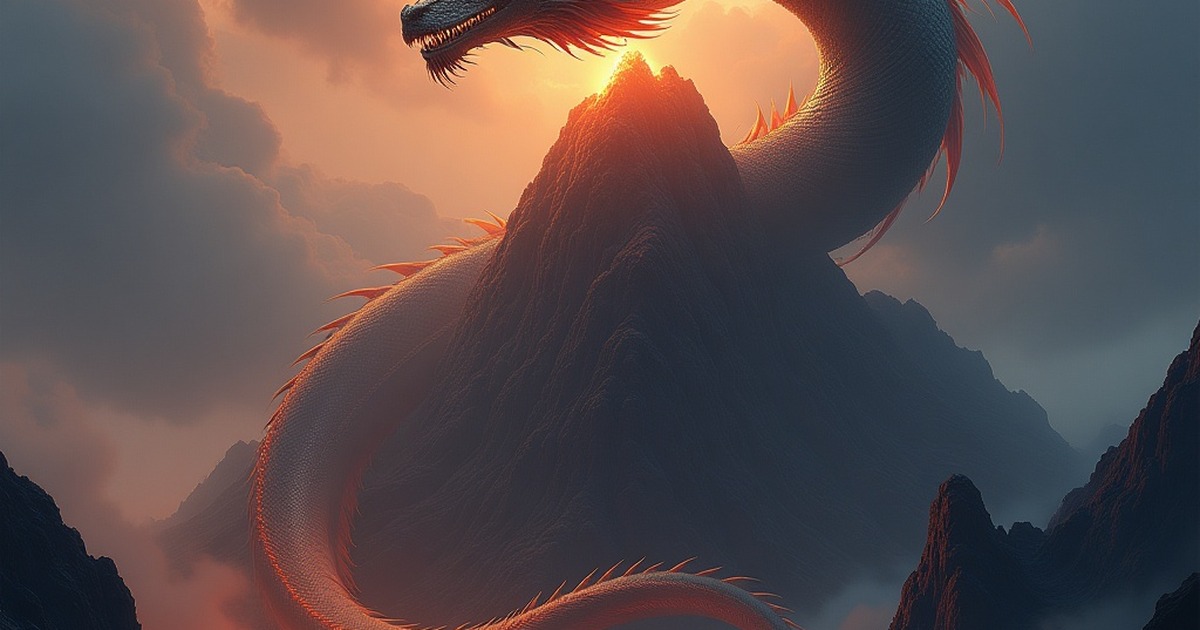
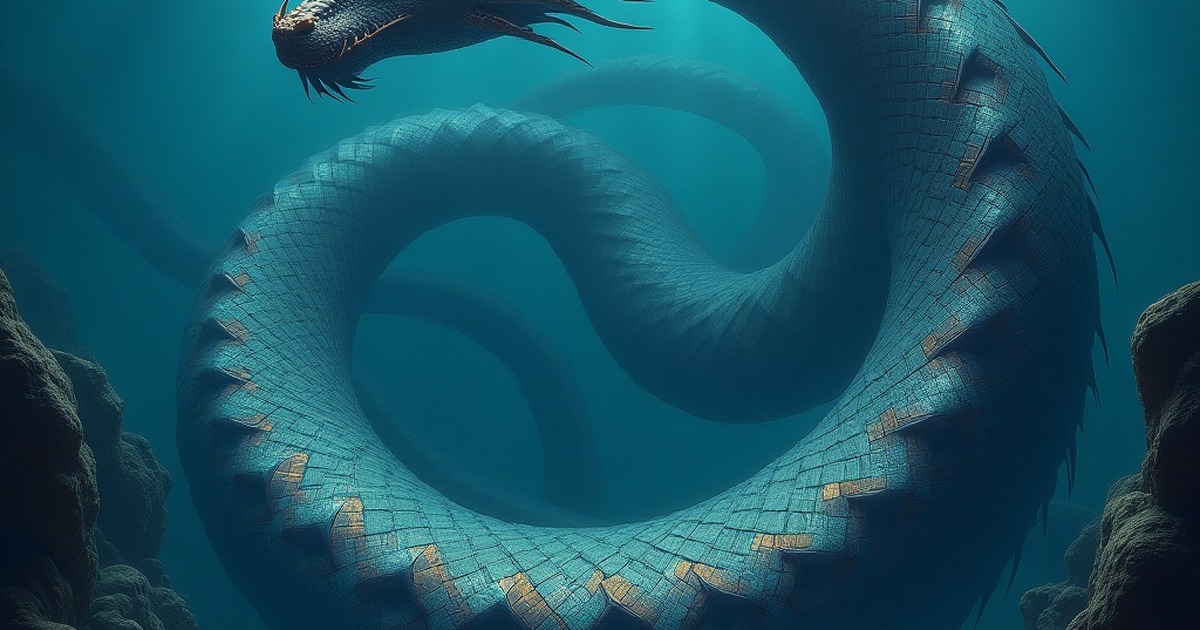
Thor's most famous adversary was Jörmungandr, the World Serpent that encircled Midgard. Their enmity was prophesied to culminate in mutual destruction during Ragnarök, but Thor encountered the serpent multiple times throughout his mythological career. One famous tale describes his fishing expedition where he nearly pulled the serpent from the ocean depths, only to have his giant companion cut the line in fear.
The thunder god's battles extended to numerous other giants and monsters that threatened cosmic stability. His adventures often took him to Jotunheim, where his hammer served as both weapon and tool for maintaining divine order. These stories, preserved in sources like the Prose Edda and Poetic Edda, continue to inspire modern adaptations and remain popular subjects for anyone interested in Norse mythology, whether through scholarly research or entertainment media.
Loki: The Trickster's Shapeshifting Abilities
Master of Transformation and Deception
Loki's shapeshifting abilities set him apart from other norse mythology gods through their scope and creativity. Unlike simple animal transformation, Loki could change not just his appearance but his fundamental nature, including his gender. His transformation into a mare that bore Sleipnir represents perhaps the most famous example of his complete metamorphosis, resulting in offspring that became Odin's mount.
His repertoire included transformations into salmon, flies, seals, and various other creatures, each serving specific purposes in his complex schemes. These abilities reflected his liminal nature as a being who existed between categories—neither fully god nor giant, neither completely helpful nor entirely harmful. Modern interpretations often struggle to capture this complexity, though scholarly mythology books provide deeper insight into his multifaceted character.
Loki's Complex Relationship with the Æsir
Despite being a giant by birth, Loki became Odin's blood brother and lived among the Æsir as one of their own. This unique position allowed him to serve as a mediator between the gods and their enemies, though his loyalties remained perpetually questionable. His relationships with other gods were characterized by a mixture of genuine affection, mutual dependence, and underlying tension.
Loki's interactions with Thor exemplify this complexity—while he often accompanied the thunder god on adventures and helped resolve crises, he also created many of the problems they faced. His marriage to the goddess Sigyn and his children with various beings further complicated his position within the divine hierarchy. These relationships demonstrate how Norse mythology embraced contradiction and ambiguity rather than simple moral categories.
From Helper to Enemy of the Gods
The transformation of Loki from occasional helper to ultimate enemy represents one of Norse mythology's most compelling character arcs. His role in Baldr's death marked the turning point where his destructive nature overwhelmed his beneficial aspects. The gods' decision to bind him in torment beneath the earth reflected their recognition that his chaotic nature could no longer be contained within their ordered society.
During his binding, Loki's wife Sigyn remained loyal, holding a bowl to catch the venom that dripped onto his face from a serpent placed above him. When she emptied the bowl, the venom's touch caused earthquakes throughout Midgard. This punishment would last until Ragnarök, when Loki would break free to lead the forces of chaos against the gods. His prophesied role in the final battle, including his destined mutual destruction with Heimdall, completes his transformation from trickster to apocalyptic enemy. Many collectors value a Loki figurine that captures his dual nature, representing both his charm and his dangerous unpredictability.
Other Significant Norse Gods and Their Powers
Frigg and the Goddesses of Asgard
Frigg, Odin's wife and queen of the gods, possessed prophetic abilities that rivaled her husband's wisdom-seeking efforts. Unlike Odin, who actively pursued knowledge through sacrifice and cunning, Frigg's foresight came naturally, though she rarely shared her visions. Her domestic sphere encompassed marriage, motherhood, and household management, but her influence extended far beyond these traditional roles.
Freyja, often confused with Frigg in later sources, commanded respect as a goddess of love, fertility, and war. She possessed a falcon cloak that allowed flight between the realms and claimed half of all warriors who died in battle, the other half going to Odin's Valhalla. Her hall Sessrúmnir rivaled Valhalla in magnificence, and her magical abilities included seidr practices that she taught to Odin himself.
Other goddesses like Iðunn, keeper of the apples of youth, and Sif, Thor's wife known for her golden hair, played crucial roles in maintaining cosmic order. These divine women demonstrated that power among the norse mythology gods wasn't limited to masculine displays of strength but included wisdom, foresight, and the maintenance of life itself.
Baldr, Freyr, and Other Notable Male Deities
Baldr the Beautiful represented purity, light, and goodness among the Æsir. His mother Frigg extracted oaths from all things in existence to never harm her son, making him seemingly invulnerable. However, she overlooked mistletoe, which Loki exploited to orchestrate Baldr's death, triggering a chain of events that would lead to Ragnarök.
Freyr, one of the Vanir hostages who remained with the Æsir after their war, controlled fertility, prosperity, and fair weather. His magical ship Skíðblaðnir could hold all the gods yet fold small enough to carry in a pocket, while his golden boar Gullinbursti could run through air and water faster than any horse. His sacrifice of his magical sword for love would prove costly during Ragnarök when he faced enemies without his greatest weapon.
Tyr's courage defined him among the war gods, demonstrated most clearly when he placed his hand in Fenrir's mouth as surety while the gods bound the wolf. When Fenrir realized he'd been tricked, he bit off Tyr's hand, making Tyr the one-handed god of justice and honorable warfare. This sacrifice represented the cost of maintaining order against chaotic forces.
Gods of War, Love, and Nature
Heimdall, guardian of Bifrost, possessed senses so acute he could hear grass growing and see for hundreds of miles. His role as watchman required eternal vigilance, as he could sleep less than a bird yet remained perpetually alert for threats to Asgard. His destiny involved mutual destruction with Loki during Ragnarök, representing order's final confrontation with chaos.
Njörðr, Freyr's father and another Vanir transplant, ruled over the sea, wind, and fishing. His marriage to the giantess Skadi represented a compromise between different natural forces—she preferred the mountains and hunting, while he loved the sea's shores. Their incompatible lifestyles led to an arrangement where they spent time in both realms, symbolizing seasonal changes.
Víðarr, known as the Silent God, possessed a thick shoe destined to help him survive Ragnarök by killing the wolf Fenrir after it devoured Odin. Váli, born specifically to avenge Baldr's death, represented swift justice, growing to adulthood in a single day to fulfill his purpose. These gods demonstrate how Norse mythology encompassed both immediate concerns and long-term cosmic destiny, themes that continue to fascinate readers of any comprehensive mythology book exploring Scandinavian religious traditions.
The Powers and Magic Systems in Norse Mythology
Seidr: Norse Magical Practices
Seidr represented the primary magical tradition in Norse society, encompassing divination, shapeshifting, and spirit communication. This practice was traditionally associated with women, particularly the völur (seeresses) who served communities as spiritual advisors and magical practitioners. The gender association made Odin's mastery of seidr somewhat controversial, as it challenged conventional masculine roles in Viking Age society.
Practitioners of seidr could manipulate fate, send their spirits traveling to other realms, and communicate with the dead. The magic involved both beneficial applications, such as healing and weather control, and harmful uses including curses and mind control. Archaeological evidence suggests seidr practices involved ritual staffs, special clothing, and ceremonial platforms, indicating their importance in Norse religious life.
The relationship between seidr and the norse mythology gods reflected broader themes about power, gender, and the acceptable means of achieving one's goals. Freyja's teaching of these arts to Odin demonstrated the exchange of knowledge between different divine traditions and the complexity of Norse magical systems.
Runes and Divine Knowledge
The runic alphabet represented more than mere writing—each symbol contained magical properties and divine wisdom. Odin's discovery of the runes through self-sacrifice established them as sacred knowledge accessible only through proper understanding and sacrifice. The word “rune” itself meant “secret” or “whisper,” emphasizing their mysterious nature.
Different runic systems evolved over time, from the Elder Futhark's 24 symbols to later variations. Each rune possessed individual meanings and magical applications, allowing practitioners to cast spells, divine the future, and communicate with supernatural forces. The Hávamál preserves Odin's teachings about runic magic, describing eighteen different runic spells and their applications.
Modern archaeological discoveries continue to reveal runic inscriptions on weapons, jewelry, and memorial stones throughout Scandinavia and areas of Viking influence. These findings demonstrate the practical application of runic knowledge in daily life, from simple identification marks to complex magical formulas designed to protect the bearer or curse enemies.
Prophecy and Fate in Norse Belief
The Norns—Urðr (Past), Verðandi (Present), and Skuld (Future)—wove the threads of fate for gods and mortals alike. Their dwelling beside the Well of Urd beneath Yggdrasil positioned them as arbiters of cosmic destiny. Unlike some mythological systems where fate could be changed through divine intervention, Norse mythology presented fate as largely inevitable.
The concept of wyrd (fate) permeated Norse thinking about individual and cosmic destiny. Even Odin, despite all his wisdom and power, could not prevent Ragnarök but could only prepare for it. This fatalistic worldview didn't encourage passivity but rather emphasized the importance of facing destiny with courage and honor.
Prophetic traditions, preserved in poems like the Völuspá, detailed the events leading to Ragnarök and beyond. These prophecies weren't intended to inspire despair but to provide meaning and context for current struggles. Understanding one's fate allowed for proper preparation and the cultivation of appropriate virtues, themes that continue to resonate with readers exploring these concepts through scholarly works or accessible mythology books covering Norse belief systems.
Legacy and Modern Influence of Norse Gods
Norse Mythology in Popular Culture
The influence of norse mythology gods extends far beyond ancient Scandinavia into contemporary popular culture. Richard Wagner's Ring Cycle brought Norse themes to opera in the 19th century, while J.R.R. Tolkien drew heavily on Norse mythology for his Middle-earth legendarium. Modern comic books, particularly Marvel's Thor series, have introduced millions to Norse mythological concepts, though often with significant creative liberties.
Video games, television series, and novels continue to mine Norse mythology for compelling characters and storylines. The popularity of shows like “Vikings” and movies featuring Norse themes demonstrates the enduring appeal of these ancient stories. However, popular adaptations often simplify or misrepresent the complex moral and philosophical dimensions of the original myths, making scholarly resources and authentic mythology books essential for understanding the source material.
The commercialization of Norse imagery has led to widespread availability of related merchandise, from jewelry featuring runic inscriptions to detailed figurines representing major gods. While this accessibility helps spread interest in Norse culture, it also risks trivializing the religious significance these symbols held for ancient practitioners.
Archaeological and Historical Evidence
Archaeological discoveries continue to illuminate the historical context of Norse mythological beliefs. Excavations at sites like Gamla Uppsala in Sweden reveal temple complexes where Norse gods were worshipped, while runestones throughout Scandinavia preserve contemporary references to mythological figures and concepts. The Oseberg ship burial and similar finds demonstrate the material culture associated with Norse religious practices.
Contemporary written sources, particularly Snorri Sturluson's Prose Edda and the anonymous Poetic Edda, preserve detailed accounts of Norse mythology. However, these sources were compiled during or after the conversion to Christianity, raising questions about their accuracy and completeness. Archaeological evidence helps corroborate and contextualize these literary sources, providing a more complete picture of pre-Christian Scandinavian religion.
Recent discoveries, such as the Lewis chessmen and various gold bracteates featuring mythological scenes, continue to expand our understanding of how Norse mythology functioned in daily life. These findings demonstrate that knowledge of the gods and their stories permeated all levels of society, from royal courts to farming communities.
Contemporary Spiritual Practices
Modern Heathenry and Ásatrú represent contemporary attempts to reconstruct and practice Norse religion. These movements draw on historical sources, archaeological evidence, and scholarly research to create meaningful spiritual practices based on pre-Christian Scandinavian traditions. Practitioners honor the norse mythology gods through rituals, seasonal celebrations, and ethical frameworks derived from ancient sources.
These modern movements face the challenge of separating authentic historical practices from romanticized or politically motivated interpretations. Scholarly work continues to refine our understanding of historical Norse religion, providing better foundations for contemporary practice. The growing academic field of Old Norse studies contributes valuable research that benefits both scholars and modern practitioners.
Educational initiatives, including university courses, museums, and cultural centers, work to preserve and transmit knowledge of Norse mythology and culture. These efforts help distinguish between historical reality and popular misconceptions, ensuring that future generations have access to accurate information about this rich cultural tradition. Whether through academic study or personal interest, exploring Norse mythology through reliable sources, including well-researched mythology books and scholarly articles, provides insights into both ancient and contemporary human spiritual experience.

Check each product page for other buying options. Price and other details may vary based on product size and color.
Highly rated by customers for quality and value. Click to see current pricing and customer reviews.