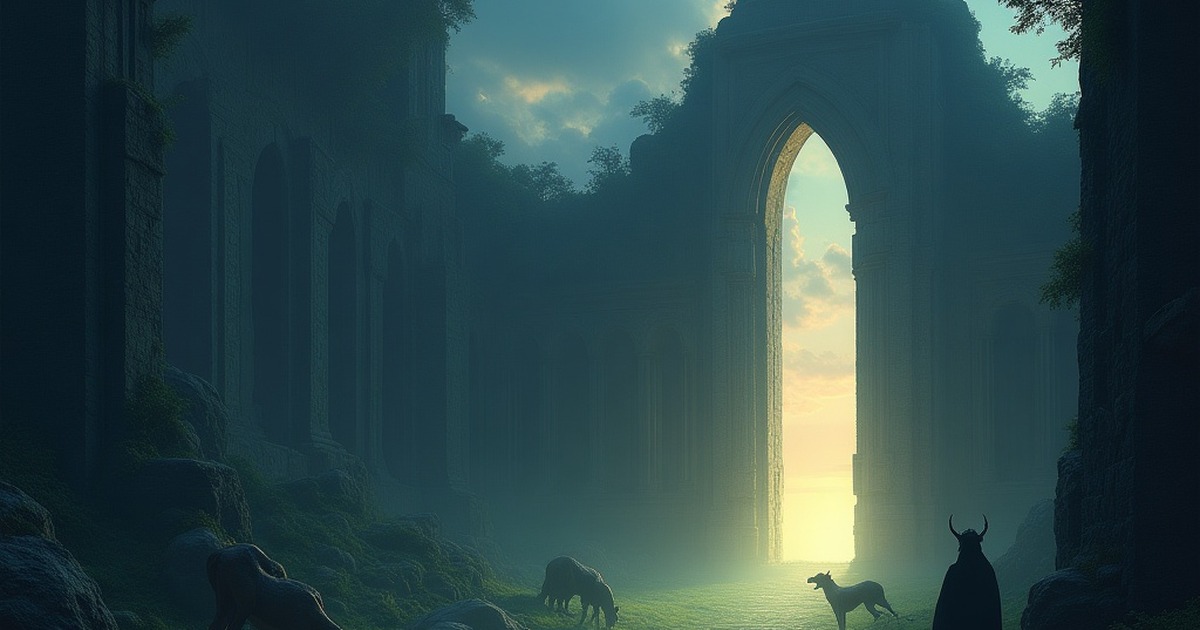
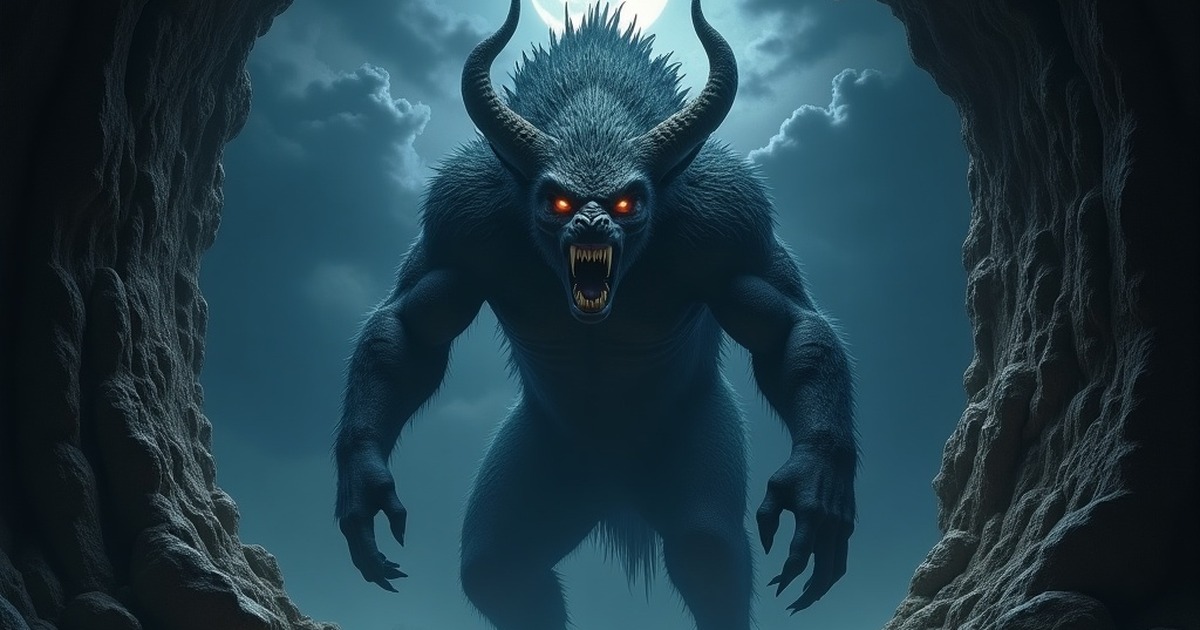
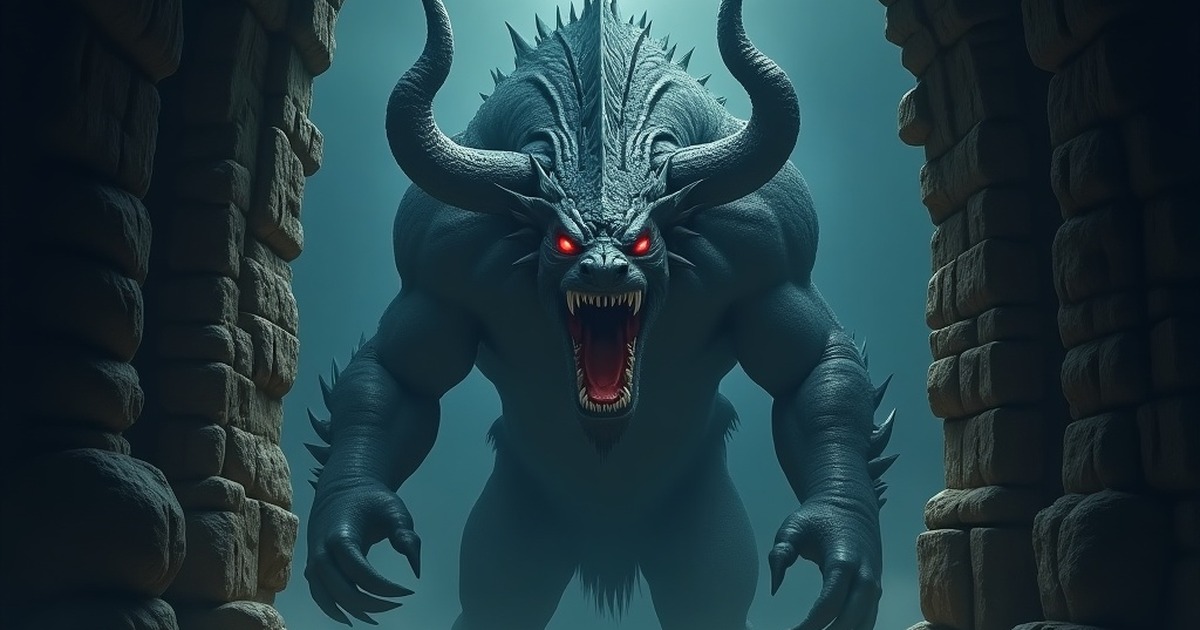
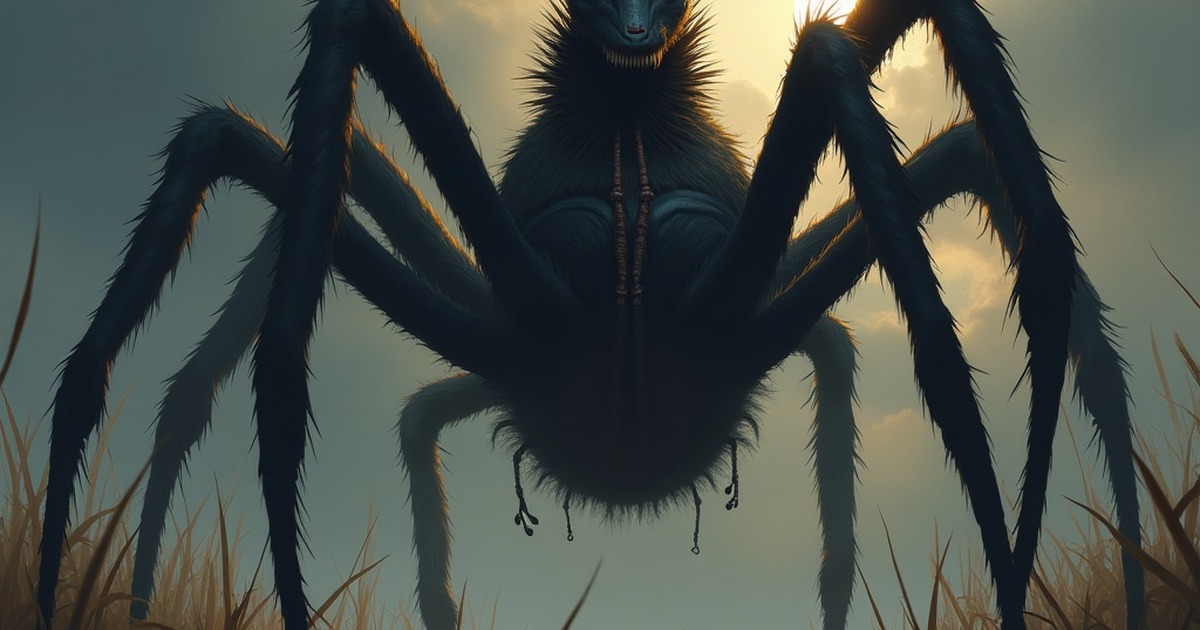
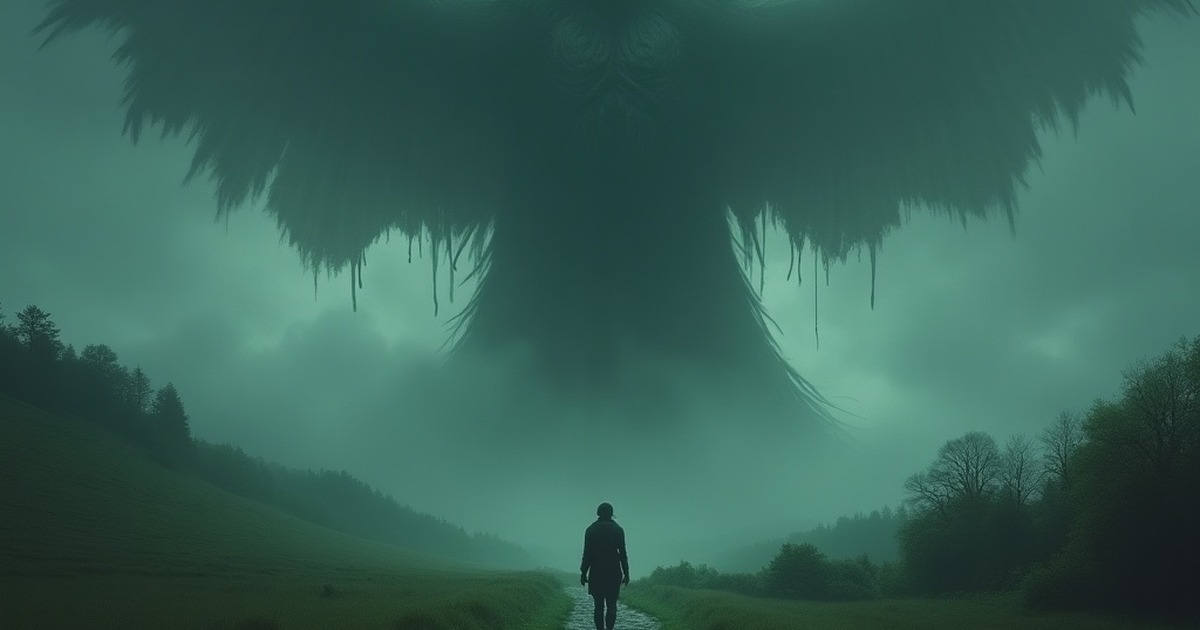
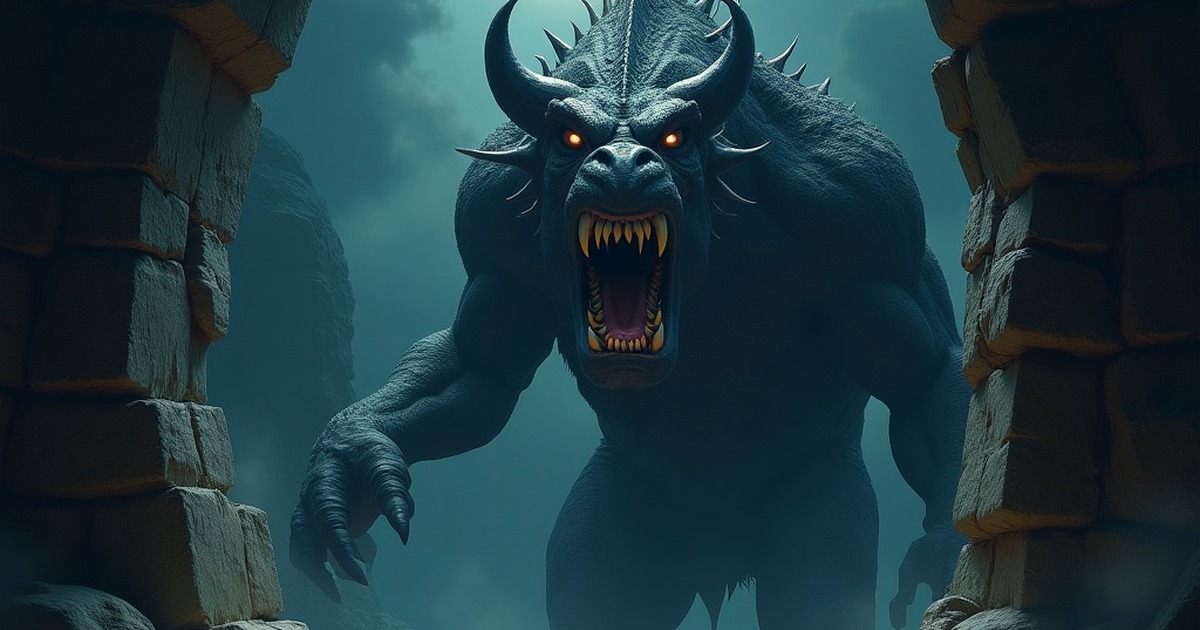
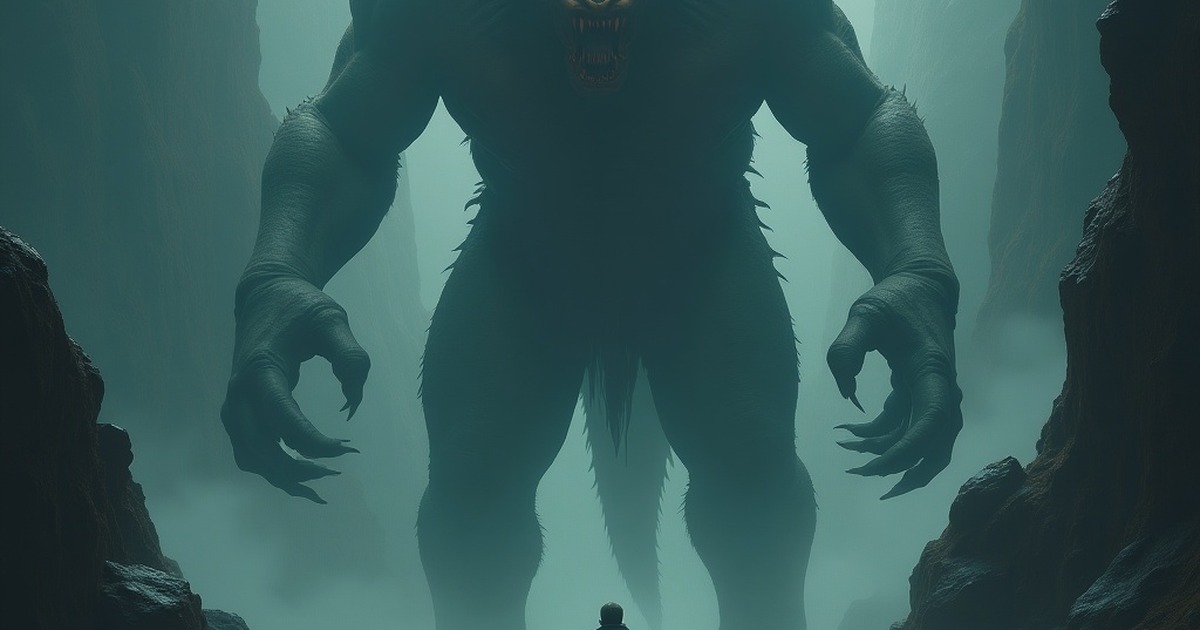
In the frozen wilderness of the northern forests, where winter winds howl through endless stands of pine and the cold bites deep enough to crack bone, the Algonquian peoples spoke in hushed tones of a creature that embodied humanity's darkest hunger. The Wendigo (also spelled Windigo, Witiko, or Wihtikow) represents far more than a monster lurking in the woods—it is a profound cultural warning against the corruption of greed, the madness of isolation, and the ultimate taboo of cannibalism.
Quick Facts About the Wendigo
| Origin | Algonquian peoples (Ojibwe, Cree, Innu, Naskapi) |
| Also Known As | Windigo, Witiko, Wihtikow, Atchen, Chenoo |
| Type | Malevolent spirit / Cannibalistic entity |
| Domain | Northern forests, winter wilderness |
| First Recorded | Pre-colonial Algonquian oral traditions |
| Associated With | Starvation, winter, greed, cannibalism, madness |
Origins and Cultural Context
The Wendigo emerges from the oral traditions of Algonquian-speaking peoples, whose territories stretched across the boreal forests of Canada and the northern United States. These nations—including the Ojibwe, Cree, Innu, and Naskapi—faced the brutal reality of northern winters where temperatures plummeted to deadly lows and food sources vanished beneath feet of snow.
In this harsh environment, the Wendigo served as both supernatural threat and moral lesson. The creature represented the consequences of succumbing to desperate hunger—specifically, the horror of consuming human flesh to survive. For peoples who valued community survival and sharing resources, the Wendigo embodied the ultimate betrayal: prioritizing one's own hunger over the lives of others.
Unlike many mythological creatures that existed from the beginning of time, the Wendigo was once human. This origin makes it particularly terrifying—any person, under the right (or wrong) circumstances, could become one. The transformation wasn't merely physical but spiritual, representing a complete corruption of the human soul.
Physical Description: A Horror Beyond Human
Traditional descriptions of the Wendigo vary among different Algonquian nations, but several features remain consistent across accounts:
- Emaciated Frame: Despite its constant feeding, the Wendigo appears skeletal—skin stretched tight over bones, ribs visible, perpetually starving no matter how much it consumes. This paradox represents insatiable greed.
- Towering Height: The creature stands far taller than any human, sometimes described as fifteen feet or more. Some accounts suggest it grows larger with each victim consumed.
- Ashen or Corpse-like Skin: Its skin ranges from deathly gray to the pallor of frostbite, sometimes described as translucent enough to see the creature's bones beneath.
- Sunken, Glowing Eyes: Deep-set eyes that burn with an unholy light, reflecting the endless hunger that drives the creature.
- Lipless Mouth: Bloodstained teeth exposed by lips that have been chewed away or rotted off, giving it a permanent death's-head grin.
- Overpowering Stench: The smell of death and decay precedes the Wendigo, mixing with the copper scent of blood.
Some traditions describe the Wendigo as having antlers like a great stag, though this imagery became more prominent in modern interpretations. Others speak of a heart made of ice—a literal manifestation of the cold that drives its existence.
The Transformation: How One Becomes a Wendigo

The most chilling aspect of Wendigo mythology is that the creature was once human. Several paths lead to this terrible transformation:
Cannibalism: The most direct route to becoming a Wendigo is consuming human flesh, particularly during times of starvation. The act of cannibalism, even when committed for survival, opens the door to possession by the Wendigo spirit. Once human flesh has been tasted, the craving never stops.
Possession: A Wendigo spirit can enter a person during dreams or moments of weakness, slowly consuming their humanity from within. Victims experience increasing hunger, antisocial behavior, and violent thoughts before the transformation completes.
Extreme Greed: In some traditions, those who hoard resources while others starve, or who place personal gain above community welfare, risk Wendigo transformation. This interpretation extends the creature's symbolism beyond literal cannibalism to economic and social predation.
Cursed by a Shaman: Powerful medicine people could allegedly curse enemies with Wendigo transformation as punishment for severe transgressions against the community.
Powers and Abilities
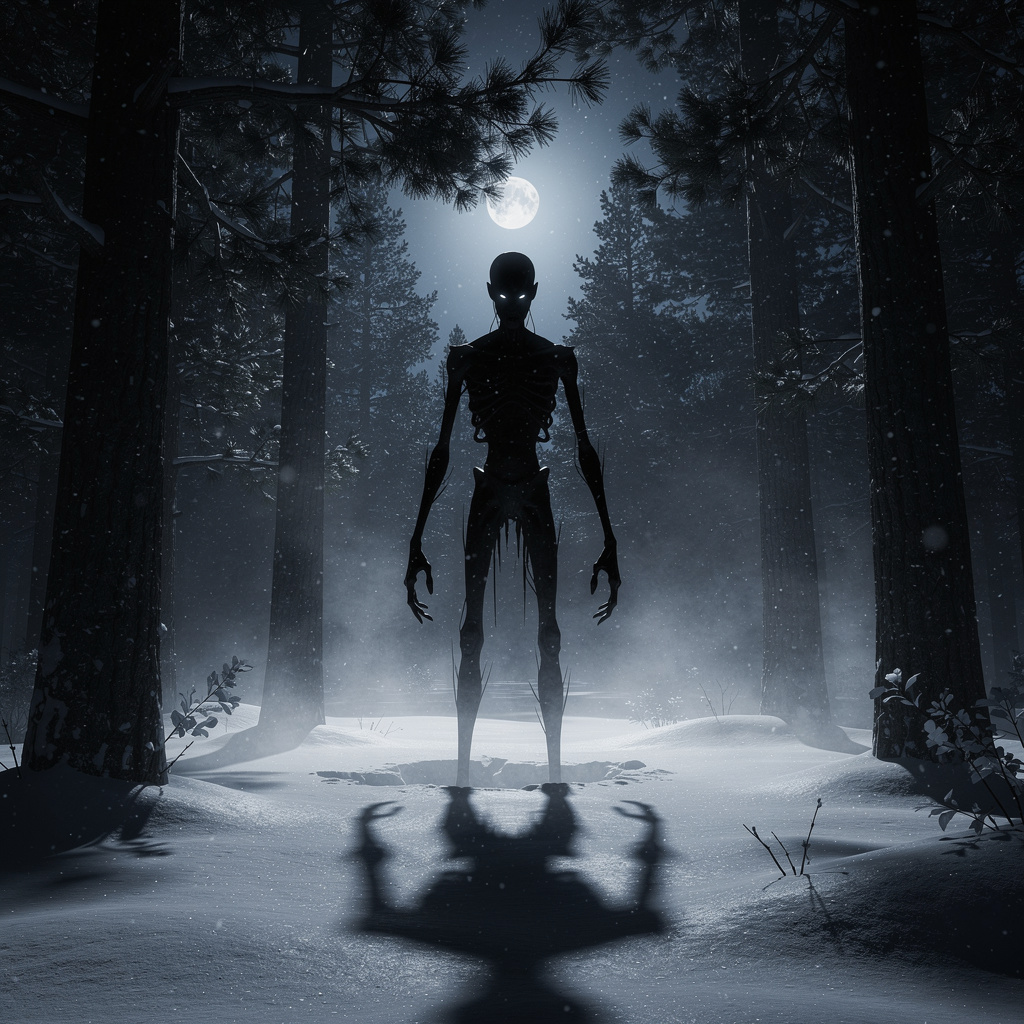
The Wendigo possesses terrifying supernatural capabilities that make it nearly impossible to escape:
- Superhuman Speed and Strength: The Wendigo can outrun any human and possesses strength enough to tear people apart with its bare hands.
- Perfect Tracking: Once a Wendigo has your scent, it will follow you across any distance. No matter how far you run, it will find you.
- Voice Mimicry: The creature can perfectly imitate human voices, calling out in the tones of loved ones to lure victims into the wilderness.
- Weather Manipulation: Associated with winter storms, some accounts suggest the Wendigo can summon blizzards to disorient and weaken prey.
- Immunity to Cold: While humans freeze, the Wendigo thrives in the deadliest cold. It is a creature of winter, at home in conditions that kill.
- Psychological Terror: The Wendigo induces overwhelming fear in its victims, often paralyzing them with dread before the kill.
Wendigo Psychosis: When Myth Meets Medicine
The Wendigo's influence extended beyond mythology into what anthropologists and psychiatrists have termed “Wendigo Psychosis” (sometimes called Windigo Psychosis). This culture-bound syndrome was reported among Algonquian peoples and involved:
- Intense cravings for human flesh
- Fear of becoming a cannibal
- Depression and anxiety
- Feelings of being possessed or transformed
- Violent thoughts toward family members
Several documented historical cases describe individuals convinced they were transforming into Wendigos, sometimes leading to violence or requests to be killed before they could harm others. The most famous case involved Swift Runner, a Cree man who murdered and consumed his family during the winter of 1878-79, later claiming Wendigo possession.
Modern anthropologists debate whether Wendigo Psychosis represents a genuine psychiatric condition or a cultural framework for understanding extreme behavior during survival situations. Regardless, the existence of such cases demonstrates the profound psychological impact of Wendigo beliefs.
Defeating the Wendigo
Traditional accounts offer several methods for destroying a Wendigo, though none are easy:
Fire: Because the Wendigo's heart is made of ice, fire represents its greatest weakness. The creature must be completely burned, and its heart of ice must melt entirely. Some accounts specify that silver must be used to kill the creature before burning.
Shattering the Ice Heart: A warrior brave enough to face the Wendigo could theoretically kill it by shattering its frozen heart, though this required getting close enough to strike—something few survived.
Starvation: Some traditions suggest that if a Wendigo can be trapped without food long enough, it will eventually weaken and can be destroyed.
Intervention by Holy People: Shamans and medicine people possessed rituals and spiritual power that could sometimes drive out Wendigo possession before transformation became complete, or protect communities from the creature's predation.
Cultural Significance
The Wendigo serves multiple functions within Algonquian cultures:
Moral Warning: The creature reinforces cultural taboos against cannibalism and serves as a cautionary tale about the consequences of abandoning community values during hardship.
Explanation for the Unexplainable: Disappearances in the vast northern wilderness, strange behavior during starvation winters, and acts of violence could all be attributed to Wendigo influence.
Environmental Teaching: Stories about the Wendigo taught respect for the dangerous winter environment and the importance of proper preparation and community cooperation for survival.
Anti-Greed Symbol: The Wendigo's insatiable hunger despite constant feeding makes it a powerful symbol against greed and exploitation. Some Indigenous scholars have applied Wendigo symbolism to colonial and capitalist exploitation—systems that consume endlessly while remaining perpetually hungry for more.
The Wendigo in Modern Media
The Wendigo has experienced a significant revival in contemporary horror and popular culture:
- Until Dawn (2015): This video game features Wendigos as primary antagonists, exploring the transformation mythology.
- Pet Sematary (Stephen King): The Wendigo appears as a malevolent presence in the cursed burial ground.
- Supernatural (TV Series): The show dedicated multiple episodes to Wendigo encounters.
- Antlers (2021): A horror film directly centered on Wendigo mythology and possession.
- Hannibal (TV Series): While not explicitly about Wendigos, the show's exploration of cannibalism draws heavily on Wendigo symbolism.
- Marvel Comics: The Wendigo appears as a recurring villain, particularly in Wolverine and Hulk storylines.
Modern interpretations often add elements not present in traditional accounts, such as the antlered appearance that has become iconic in contemporary horror. While these adaptations spread awareness of the creature, they sometimes strip away the deeper cultural meanings in favor of simple monster horror.
Wendigo Compared to Other Cannibalistic Legends
| Creature | Culture | Key Difference |
|---|---|---|
| Wendigo | Algonquian | Human transformation, ice heart, winter association |
| Ghoul | Arabian | Born as monsters, haunt graveyards, eat corpses |
| Rakshasa | Hindu | Demonic beings, shape-shifters, varied diet |
| Vampire | European | Drinks blood specifically, undead, many weaknesses |
| Skinwalker | Navajo | Witch transformation, animal forms, different taboo |
Frequently Asked Questions About the Wendigo
Is the Wendigo based on a real creature?
The Wendigo is a spiritual and mythological entity from Algonquian tradition, not a biological creature. However, the psychological phenomenon of “Wendigo Psychosis” was documented in historical cases, suggesting the myth had real psychological and behavioral impacts on some individuals.
Can you become a Wendigo by eating human flesh?
According to traditional Algonquian belief, consuming human flesh—especially during times of starvation—could open a person to Wendigo possession or transformation. The taboo served as a cultural safeguard against survival cannibalism.
What's the difference between a Wendigo and a Skinwalker?
While both are Native American supernatural beings, they come from different cultures with different characteristics. Wendigos are Algonquian spirits associated with cannibalism and winter. Skinwalkers are Navajo witches who can transform into animals. They should not be confused or conflated.
Why does the Wendigo have antlers in modern depictions?
The antlered Wendigo is largely a modern interpretation, popularized by artwork and media from the late 20th century onward. Traditional Algonquian descriptions don't consistently mention antlers, though some accounts reference a deer-like or elk-like appearance.
How do you protect yourself from a Wendigo?
Traditional protections include staying with your community (Wendigos hunt the isolated), maintaining moral integrity and sharing resources, seeking protection from medicine people, and carrying sacred items blessed for protection. Fire is the Wendigo's primary weakness.
The Hunger That Never Ends
The Wendigo endures as one of North America's most compelling supernatural entities because it speaks to something universal: the fear of what we might become when pushed beyond our limits. It represents not just the horror of cannibalism but the broader terror of losing one's humanity—of becoming a creature driven entirely by appetite, incapable of satisfaction, forever hungry in a cold and empty world.
For the Algonquian peoples who created these stories, the Wendigo was never merely entertainment. It was a guardian of cultural values, a warning against the path of selfish consumption, and a reminder that survival must never come at the cost of one's soul. In an age of climate change, resource depletion, and economic inequality, the Wendigo's message may be more relevant than ever: beware the hunger that can never be satisfied, for it will consume everything—including you.
Sources and Further Reading
- Brightman, Robert A. “The Windigo in the Material World.” Ethnohistory, 1988.
- Colombo, John Robert. “Windigo: An Anthology of Fact and Fantastic Fiction.” Western Producer Prairie Books, 1982.
- Johnston, Basil. “The Manitous: The Spiritual World of the Ojibway.” HarperCollins, 1995.
- Podruchny, Carolyn. Werewolves and Windigos: Narratives of Cannibal Monsters in French-Canadian Voyageur Oral Tradition.” Ethnohistory, 2004.
- Smallman, Shawn. “Dangerous Spirits: The Windigo in Myth and History.” Heritage House, 2014.