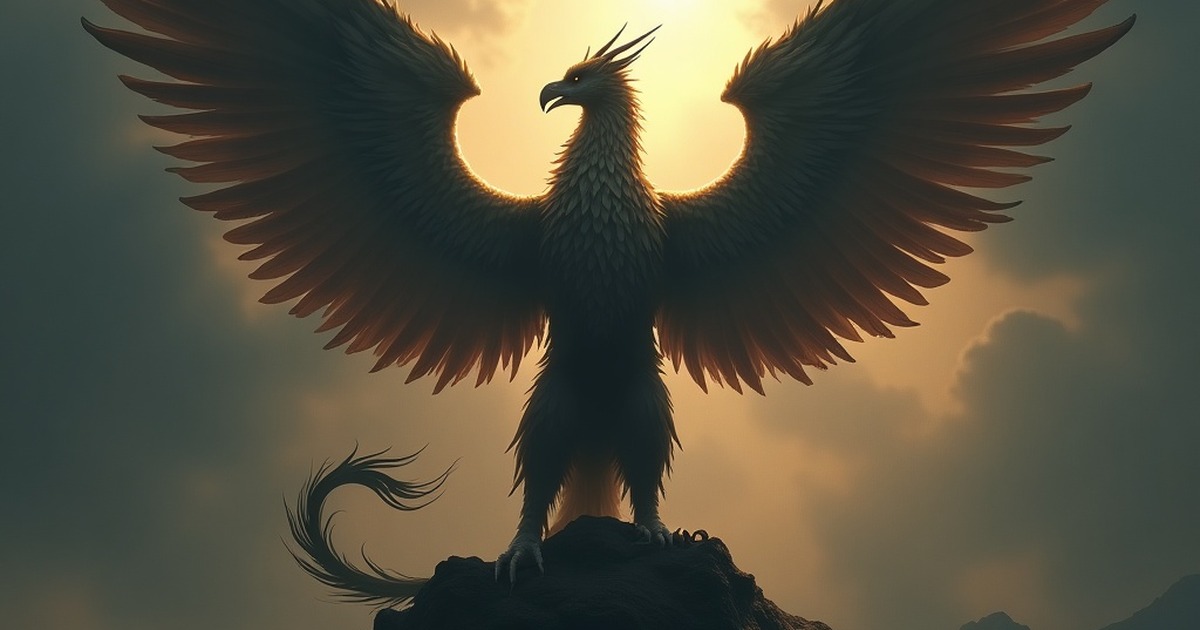
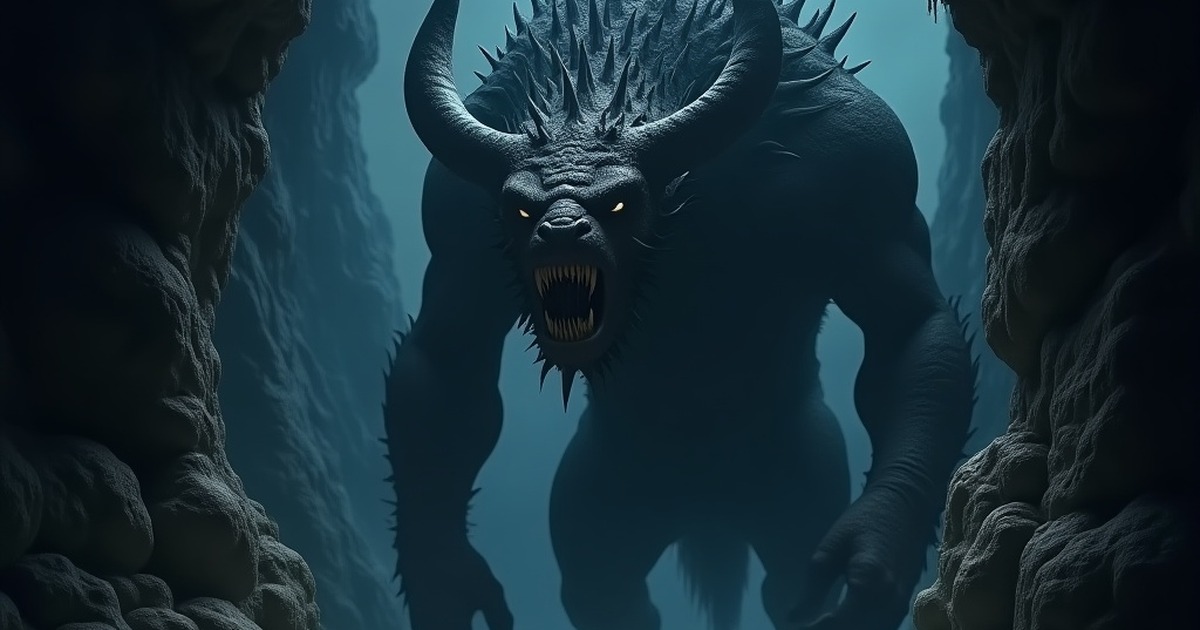
Picture this: you're standing before a well that contains all the wisdom of the universe. The guardian offers you a drink, but the price is your eye. Would you pay it?
Most of us would hesitate. Maybe walk away. But Odin, the All-Father of Norse mythology, didn't even blink—well, he did blink once, permanently.
This moment captures everything essential about Odin's character and the Norse understanding of wisdom. Unlike many mythological figures who stumble into power or inherit divine knowledge, Odin actively pursues it. He hunts wisdom like a starving wolf. And he's willing to sacrifice anything—his eye, his comfort, even his life—to gain deeper understanding.
I've spent years studying mythological figures across cultures (trust me on this), and few embody the pursuit of knowledge as dramatically as Odin. He's not content to rule from a golden throne. Instead? He's out there in the world, suffering for secrets, trading pieces of himself for cosmic truths.
This relentless quest reflects something profound about Norse values: wisdom isn't handed down freely. You earn it through sacrifice, struggle, and an almost obsessive dedication to learning.
What makes Odin's wisdom journey so compelling isn't just the dramatic sacrifices—it's how these ancient stories speak to our modern struggles with knowledge, leadership, and the price of understanding. Let's dive into the All-Father's greatest adventures in learning and see what they can teach us about wisdom itself.

Odin's Identity as the All-Father and God of Wisdom
The Many Names and Faces of Odin
Odin didn't just collect wisdom. He collected identities. The Norse called him by over 170 different names, many reflecting his role as a seeker and keeper of knowledge. Fjölnir means “much-knowing.” Hár translates to “high one” or “one-eyed.” Grimnir, “the hooded one,” speaks to his tendency to wander in disguise, gathering information.
These aren't just fancy titles—they're job descriptions.
Each name captures a different aspect of how Odin approached wisdom. Sometimes he was the scholar, sometimes the spy, sometimes the shaman experiencing mystical visions. This shape-shifting nature wasn't just mythological creativity. It reflected the Norse understanding that true wisdom required multiple perspectives.
Odin's Role in the Norse Pantheon
As ruler of Asgard and leader of the Æsir gods, Odin held ultimate authority. But here's what's fascinating: his power didn't come from brute strength or inherited divine right.
It came from his superior knowledge and strategic thinking.
While Thor wielded his hammer and Freyr commanded fertility, Odin's weapon was information. This made him a complex figure—part king, part scholar, part magician. He practiced seidr, a form of Norse magic often associated with women, showing his willingness to cross cultural boundaries for knowledge.
He consulted with völvas (seeresses) and wasn't too proud to learn from anyone who possessed wisdom he lacked.
The Symbolism of Wisdom in Viking Culture
Why was wisdom so crucial in Norse society? Life in medieval Scandinavia was harsh, unpredictable, and often short. Survival depended on making smart decisions with incomplete information.
Whether you were planning a raid, navigating treacherous waters, or managing limited resources through a brutal winter, wisdom meant the difference between life and death.
The Norse understood something we sometimes forget: intelligence without experience is just cleverness, and experience without reflection is just repetition. True wisdom combined both, along with the judgment to know when and how to act. Odin embodied this complete approach to knowledge.

The Sacrifice at Mimir's Well: Trading an Eye for Cosmic Knowledge
The Well of Wisdom Beneath Yggdrasil
Deep beneath Yggdrasil, the world tree that connected all nine realms, bubbled Mimir's well. This wasn't ordinary water—it contained the wisdom of ages, the memories of what was, and the shadows of what might be.
The well sat at one of the tree's three roots. In a sacred space where cosmic knowledge pooled like liquid starlight.
Mimir himself was no ordinary guardian. Once a wise god who'd lost his physical form, he existed as a severed head that spoke prophecies and remembered everything that had ever happened near the well. When Odin approached seeking a drink, Mimir didn't refuse outright. But he named his price.
Mimir, the Guardian of Ancient Knowledge
“Your eye,” Mimir said.
Not gold, not a favor, not a promise of future service. An eye. The organ of sight, of perception, of the very sense through which Odin experienced much of his world.
Think about that demand for a moment. Mimir was asking Odin to literally sacrifice his vision to gain insight. The symbolism cuts deep: sometimes you have to give up one way of seeing to gain another. The physical eye perceives surfaces; the mind's eye penetrates to deeper truths.
The Significance of Odin's Sacrifice
Odin's response tells us everything about his priorities. He plucked out his eye without hesitation and cast it into the well. The physical pain was temporary. The knowledge was eternal.
From that moment forward, he gained access to cosmic wisdom—understanding of the past that shaped the present and glimpses of the future that awaited all the nine realms.
But here's what strikes me as profound: Odin didn't gain omniscience. He gained perspective. The wisdom from Mimir's well didn't make him all-knowing; it made him better at understanding what he already knew and more capable of learning what he didn't.
This myth appears in cultures worldwide—the sacrifice of something precious for wisdom. But Norse tradition makes the price particularly stark and personal. Other mythologies might demand gold or years of service. The Norse demanded flesh and blood, making wisdom literally part of who you become.

Hanging from Yggdrasil: The Discovery of the Runes
The Nine-Day Ordeal
If trading an eye for wisdom seems extreme, Odin's next major sacrifice pushes the boundaries of what anyone would endure for knowledge. He hung himself from Yggdrasil for nine days and nine nights, pierced by his own spear, without food or water.
This wasn't execution or punishment—it was self-imposed mystical ordeal.
The number nine resonates throughout Norse cosmology: nine realms, nine nights, nine sacred objects. It represented completion, the fullness of cosmic cycles. By hanging for nine days, Odin was symbolically experiencing the complete cycle of death and rebirth. Traveling to the edge of existence to peer into mysteries hidden from the living.
The Power and Meaning of Runes
On the ninth day, as Odin hovered between life and death, he looked down and saw the runes. These weren't just letters—they were cosmic symbols containing the fundamental forces that shaped reality.
Each rune embodied specific powers: protection, change, strength, mystery, journey.
Odin's discovery of the runes represents one of mythology's most dramatic knowledge transfers. He didn't learn them from a teacher or inherit them as divine privilege. He extracted them from the cosmos itself through suffering and sacrifice. The runes became tools of both writing and magic, allowing their wielders to shape reality through understanding its hidden structures.
Shamanic Practices in Norse Tradition
This hanging ordeal closely parallels shamanic initiation practices found across many cultures. Shamans often undergo symbolic death experiences—isolation, fasting, physical trials—to gain access to spiritual knowledge.
Odin's nine-day hanging reads like a textbook shamanic journey: the willing sacrifice, the threshold between life and death, the revelation of hidden knowledge, and the return with power to help others.
What makes Odin's version unique is its intellectual focus. Many shamanic traditions emphasize healing or communication with spirits. Odin's journey was specifically about acquiring the runes—a system of knowledge that combined mystical power with practical application.
You could use runes for magic, but you could also use them to write contracts, send messages, or record important information.
The Theft of the Mead of Poetry
The Origin of Kvasir and the Mead
The story begins with Kvasir, perhaps the wisest being ever created. Born from the combined saliva of the Æsir and Vanir gods after their war ended, Kvasir possessed perfect wisdom and could answer any question.
Naturally, someone murdered him—two dwarfs who mixed his blood with honey to create the mead of poetry.
This magical mead granted whoever drank it the ability to compose beautiful verses and speak with divine eloquence. But the dwarfs lost it to giants, who hid it away in the mountains of Jotunheim. For the Norse, this was like locking up the library of Alexandria or shutting down the internet. A critical resource for wisdom and culture had been stolen.
Odin's Cunning Plan and Shapeshifting
Odin's retrieval plan showcased his talent for long-term strategy and deception. He didn't storm the giants' stronghold or challenge them to combat. Instead, he got himself hired as a farmworker, seduced the giant's daughter, and convinced her to let him drink the mead.
Then he transformed into an eagle and flew back to Asgard, regurgitating the mead for the gods and worthy humans.
This theft reveals another dimension of Odin's wisdom—the understanding that sometimes knowledge must be liberated from those who would hoard it. The giants weren't using the mead of poetry; they'd locked it away like misers counting gold. Odin redistributed this wisdom to those who would use it to create beauty and preserve culture.
Poetry as Divine Wisdom
Why did the Norse consider poetry a form of divine wisdom?
In a largely oral culture, poets were the keepers of history, law, and cultural memory. They didn't just entertain—they preserved and transmitted the knowledge that held society together. A skilled poet could sway kings, preserve heroic deeds, and teach moral lessons that lasted generations.
Odin's theft of the mead connects poetic inspiration directly to divine knowledge. When a skald composed verses that moved hearts and changed minds, they were channeling the same wisdom that Odin sacrificed his eye to obtain. Poetry became a technology for transmitting wisdom across time and space.
Odin's Ravens: Huginn and Muninn as Symbols of Thought and Memory
The Daily Journey of the Ravens
Every morning, Odin sent his ravens Huginn (thought) and Muninn (memory) to fly across all nine realms. They observed everything—conversations, battles, schemes, discoveries—then returned each evening to whisper their findings into Odin's ears.
This gave him a divine intelligence network that spanned the entire Norse cosmos.
But Odin worried about his ravens. Each morning, he feared they might not return. For a god who'd sacrificed so much for knowledge, the possibility of losing his sources of information represented his greatest anxiety.
What good was wisdom if you couldn't maintain and update it?
Thought and Memory in Norse Philosophy
The names Huginn and Muninn reveal sophisticated Norse psychology. Huginn represents active thinking—analysis, planning, problem-solving. Muninn embodies memory—the storage and retrieval of past experience.
Together, they create the foundation of wisdom: the ability to learn from the past and apply those lessons to present challenges.
This partnership between thought and memory appears throughout Odin's wisdom-seeking adventures. His sacrifice at Mimir's well gained him access to cosmic memory. His discovery of the runes provided tools for preserving and manipulating thought. The ravens gave him daily updates to keep his knowledge current and relevant.
The Importance of Information Gathering
Odin's ravens represent something often overlooked in discussions of wisdom: the importance of good information. All the philosophical insight in the world won't help you if you're working with outdated or inaccurate data.
The ravens ensured that Odin's decision-making was grounded in current reality, not just ancient knowledge.
This reflects a pragmatic streak in Norse wisdom traditions. Knowledge wasn't pursued for its own sake but for its practical applications. Whether you were planning a voyage, negotiating a treaty, or preparing for battle, success depended on understanding both eternal principles and immediate circumstances.
Lessons from Odin's Wisdom: Key Teachings and Their Applications
The Hávamál: Odin's Words of Wisdom
The Hávamál, or “Sayings of the High One,” preserves Odin's practical philosophy in poetry form. These aren't abstract theological principles but concrete advice for daily living.
Odin teaches about hospitality (“Cattle die, kinsmen die, you yourself will also die, but the reputation never dies of one who has earned a good name”), friendship (“Be your friend's true friend, return gift for gift”), and strategic thinking (“The unwise man stays awake all night worrying about everything; he's tired when morning comes and all his troubles are just as they were”).
Practical Philosophy for Daily Life
What strikes me about Odin's teachings is their blend of idealism and realism. He advocates for generosity and loyalty while warning against naivety and excessive trust. He values courage but counsels careful observation before action.
These aren't contradictions—they're the complex wisdom of someone who's lived long enough to see how simple principles play out in complicated situations.
Take his advice about speech: “Praise no day until evening, no wife until buried, no sword until tested, no maid until married, no ice until crossed, no ale until drunk.” This reflects hard-won understanding that appearances deceive and first impressions mislead.
True judgment requires patience and complete information.
Leadership and Decision-Making Principles
As ruler of Asgard, Odin modeled leadership through knowledge rather than force. He consulted widely, gathered intelligence continuously, and made decisions based on long-term strategic thinking rather than immediate emotional reactions.
His willingness to sacrifice for wisdom demonstrated that leaders must invest in their own development before expecting others to follow.
His example suggests that effective leadership requires intellectual humility—the recognition that no one person can know everything needed for good decisions. That's why he had the ravens, consulted with seeresses, and even learned from his enemies. Pride was a luxury he couldn't afford when the welfare of the nine realms depended on his choices.
The Paradox of Odin's Wisdom: Knowledge and Its Burdens
The Weight of Prophecy and Foreknowledge
Here's the cruel irony of Odin's wisdom quest: the more he learned, the heavier his burdens became. His knowledge of Ragnarök—the prophesied end of the gods—gave him terrible foresight into his own destruction and that of everything he loved.
Imagine knowing exactly how and when you'll die, being powerless to prevent it, yet having to continue making decisions and leading others.
This foreknowledge created an existential paradox. Odin's wisdom told him that fate was fixed, yet his nature as a leader and protector compelled him to keep fighting against the inevitable. He recruited fallen warriors to Valhalla, knowing they'd fall again at Ragnarök. He sought alliances and magical weapons, knowing they wouldn't ultimately save him.
Wisdom as Both Power and Curse
Odin's story illustrates something we don't often discuss about the pursuit of knowledge: sometimes ignorance really is bliss. The more deeply you understand complex situations, the more you become aware of constraints, trade-offs, and unintended consequences that limit your options.
Simple solutions become impossible once you see their hidden costs.
This burden of knowledge explains why wise leaders often seem melancholy or detached. It's not that they don't care—it's that they see too clearly the full implications of every choice. Odin's sacrifices for wisdom cost him not just an eye and physical comfort. They also cost him the peace that comes with not knowing how the story ends.
The Price of Understanding Ragnarök
Knowing about Ragnarök fundamentally changed how Odin approached everything. Every friendship, every alliance, every moment of joy was shadowed by awareness of its temporary nature. Yet this knowledge also gave his actions deeper meaning.
If everything was destined to end, then how you faced that ending became the measure of your worth.
This reflects a sophisticated Norse understanding of wisdom: true knowledge includes acceptance of limits, mortality, and the cyclical nature of existence. Odin's wisdom wasn't about controlling outcomes but about understanding your role in larger patterns and playing that role with dignity and purpose.
Modern Relevance: Odin's Wisdom in Contemporary Context
Leadership Lessons from the All-Father
Odin's approach to leadership offers surprising relevance for modern executives, politicians, and anyone managing complex organizations. His emphasis on information gathering translates directly to the importance of data-driven decision making.
His willingness to consult diverse sources mirrors current best practices in team-building and stakeholder engagement.
His personal investment in learning—literally sacrificing for knowledge—challenges modern tendencies to delegate all thinking to advisors or rely entirely on inherited expertise. Effective leaders must continuously update their own understanding, not just manage others who possess specialized knowledge.
The Pursuit of Knowledge in the Information Age
We live in an era of overwhelming information availability, which makes Odin's selective, purposeful approach to knowledge particularly relevant. He didn't seek knowledge for its own sake but pursued specific wisdom needed for his responsibilities.
His willingness to sacrifice for truly important insights contrasts sharply with our culture's expectation that all information should be freely and immediately available.
The ravens' daily intelligence gathering resonates with modern needs for continuous learning and environmental scanning. In rapidly changing industries or political landscapes, yesterday's knowledge becomes outdated quickly. The key is developing systems—like Huginn and Muninn—that keep you informed without overwhelming you with irrelevant data.
Personal Development and Self-Sacrifice
Odin's sacrifices for wisdom challenge contemporary self-help culture's promise of easy transformation. His example suggests that meaningful personal growth requires genuine sacrifice—time, comfort, old assumptions, familiar ways of seeing.
You can't gain the runes without hanging on the tree. You can't drink from Mimir's well without paying the price.
This doesn't mean literally sacrificing body parts, but it does mean being willing to give up something valuable for something more valuable. Maybe it's leaving a comfortable job to pursue meaningful work, or spending money on education instead of entertainment, or enduring the discomfort of having your beliefs challenged.
The eternal appeal of Odin's character in modern literature, movies, and popular culture suggests that his archetype still resonates. We admire his relentless pursuit of knowledge, his strategic thinking, and his willingness to pay personal costs for larger purposes.
In an age of information overload and short-term thinking, his example of patient, purposeful wisdom-seeking offers a compelling alternative model.
The Eternal Quest for Wisdom
Odin's journey from power-hungry young god to wise All-Father maps a transformation available to anyone willing to pay wisdom's price. His major adventures—the sacrifice at Mimir's well, the ordeal on Yggdrasil, the theft of the mead of poetry—weren't separate incidents but stages in a lifetime devoted to understanding.
What makes his quest eternal isn't that he achieved perfect knowledge but that he never stopped learning. Even facing certain destruction at Ragnarök, he continued gathering intelligence, making alliances, and seeking new sources of insight.
The pursuit itself became his defining characteristic.
This reflects perhaps the deepest truth about wisdom: it's not a destination but a way of traveling. Odin's sacrifices didn't make him omniscient; they made him better at learning from experience, more skilled at seeing patterns, more capable of making difficult decisions with incomplete information.
These are exactly the abilities we need in our own complex, uncertain times.
The Norse understanding that wisdom requires sacrifice challenges our culture's promise of effortless self-improvement. Real learning often hurts. It demands giving up comfortable illusions, confronting hard truths, and accepting responsibility for acting on what you discover.
Odin's willingness to pay these prices—literally giving pieces of himself for knowledge—demonstrates how much he valued understanding over comfort.
His story suggests that the pursuit of wisdom isn't just personally fulfilling but morally necessary. In positions of responsibility—whether as parents, professionals, or citizens—we owe it to others to seek the knowledge needed for good decisions.
Odin's example reminds us that leadership without wisdom is just well-intentioned destruction.
So here's the question Odin's story poses to each of us: What are you willing to sacrifice to become wiser? What comfortable assumptions are you ready to surrender? What difficult truths are you prepared to face?
The All-Father's ravens are still flying. Thought and memory still circle the world each day, and wisdom still waits for those bold enough to seek it at any cost.
The well of knowledge bubbles beneath the world tree. Mimir still guards its depths. The question isn't whether wisdom exists—it's whether you're willing to pay the price to drink deeply and see clearly.
Odin showed us the way. The rest is up to us.