The Norse pantheon stands as one of history's most fascinating and complex mythological systems, filled with powerful gods, fierce goddesses, and complex relationships that shaped Viking culture for centuries. This complete Norse mythology gods and goddesses guide explores the divine figures who continue to captivate modern audiences through literature, film, and scholarly research.
This post contains affiliate links. If you purchase through these links, we may earn a commission at no extra cost to you.
From the All-Father Odin's relentless pursuit of wisdom to Thor's thunderous battles against giants, these deities possess a raw, human-like quality that distinguishes them from their Greek or Roman counterparts. They bleed, they die, they make mistakes. They're warriors facing an inevitable doom called Ragnarök, yet they continue fighting with fierce determination.
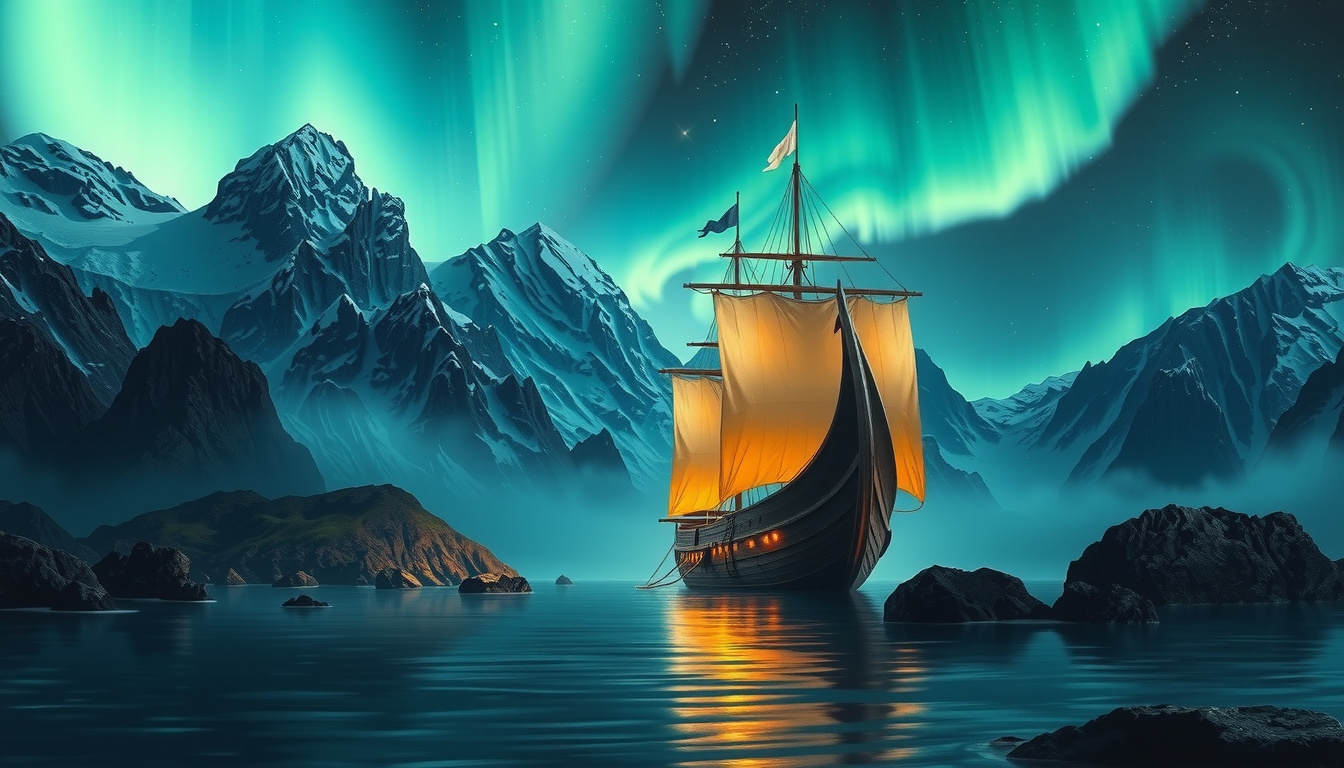
The Nine Areas and Norse Cosmology
The Norse cosmos consists of nine interconnected areas, all supported by Yggdrasil, the World Tree-an enormous ash tree that serves as the axis of all existence. Understanding this cosmological structure provides essential context for where these gods live and rule.
Primary Divine Areas
- Asgard – Primary area of the Æsir gods, connected to Midgard by the rainbow bridge Bifrost
- Vanaheim – Home of the Vanir gods, an older pantheon that merged with the Æsir
- Alfheim – Domain of the light elves
- Midgard – The human world, encircled by the massive serpent Jormungandr
Other Significant Areas
- Jotunheim – Land of the giants
- Svartalfheim or Nidavellir – Area of the dwarves
- Helheim – Area of the dead
- Muspelheim – Land of fire
- Niflheim – Primordial area of ice and mist
Each area maintains distinct characteristics and inhabitants, creating a rich mix of interconnected worlds. The number nine held special significance in Norse culture, appearing repeatedly in their myths, rituals, and sacred practices.
The Æsir: Principal Norse Gods
Odin – The All-Father
Odin stands as the king of the Æsir and arguably the most complex figure in Norse mythology. Known by over 200 names including Woden, Wotan, and the Raven God, Odin embodies wisdom, war, death, and poetry.
Key Attributes:
- Sacrificed his eye for wisdom from Mimir's well
- Hung himself from Yggdrasil for nine days to learn the runes
- Two ravens, Huginn (thought) and Muninn (memory), serve as his scouts
- Rides the eight-legged horse Sleipnir
- Wields the spear Gungnir that never misses its target
Odin's relentless pursuit of knowledge stems from his awareness of Ragnarök. He knows the gods will fall, yet continues preparing for that final battle.
Thor – God of Thunder
Thor represents strength, protection, and the common people's champion. Armed with his hammer Mjolnir, which always returns to his hand after being thrown, Thor battles giants who threaten both gods and humans.
Thor's Equipment:
- Mjolnir – His legendary hammer that never misses
- Járngreipr – Iron gloves that allow him to grip Mjolnir
- Megingjörð – A belt that doubles his already incredible strength
- Goat chariot – Pulled by Tanngrisnir and Tanngnjóstr, which he can kill for food and resurrect
The red-bearded god's popularity among common Vikings reflected their need for a protector who understood their daily struggles. Thursday (Thor's Day) remains embedded in our weekly calendar.
Baldr – God of Light and Purity
Baldr, son of Odin and Frigg, embodies light, purity, and beauty. His death represents one of Norse mythology's most tragic tales and a harbinger of Ragnarök.
After Baldr began having prophetic dreams of his death, Frigg extracted promises from everything in existence not to harm her son-everything except mistletoe, which seemed too insignificant to pose a threat.
Loki discovered this oversight and crafted a dart of mistletoe, giving it to the blind god Höðr. When Höðr threw the dart during the gods' game of hurling objects at the seemingly invulnerable Baldr, it killed him instantly. This event triggered a chain reaction leading to the twilight of the gods.
Tyr – God of War and Justice
Tyr represents courage, honor, and sacrifice in Norse mythology. His most famous act involves binding the monstrous wolf Fenrir.
When the gods realized Fenrir would eventually devour Odin during Ragnarök, they decided to bind him with Gleipnir, an unbreakable chain crafted by dwarven smiths from impossible materials:
- The sound of a cat's footfall
- The breath of a fish
- The roots of a mountain
- The sinews of a bear
- The spittle of a bird
- The beard of a woman
Fenrir agreed to be bound only if one god placed their hand in his mouth as a pledge of good faith. Tyr volunteered, knowing the gods intended treachery. When Fenrir couldn't break free, he bit off Tyr's hand. This sacrifice demonstrates the Norse value of honor over personal safety.
Freyr – God of Fertility and Prosperity
Originally a Vanir deity who joined the Æsir through a peace treaty, Freyr governs fertility, prosperity, and fair weather.
Freyr's Possessions:
- Skidbladnir – A magical ship that can be folded and carried in a pocket
- Gullinbursti – A golden boar faster than any horse, capable of running through air and water
Freyr's downfall comes through love. When he sits on Odin's throne Hlidskjalf and gazes across the nine areas, he falls desperately in love with the giant maiden Gerðr. To win her hand, he trades away his magical sword-the same weapon he'll need during Ragnarök.
Norse Goddesses: Feminine Divine Power
Frigg – Queen of the Æsir
Frigg, Odin's wife and queen of Asgard, possesses the power of prophecy but rarely shares what she knows. She's associated with marriage, motherhood, and domesticity, yet her political influence extends throughout the nine areas.
Her hall, Fensalir, serves as a place where married couples can reunite after death. Frigg's silence about future events-despite knowing Odin's fate and Ragnarök's approach-reflects wisdom that understands some knowledge brings only suffering.
Freyja – Goddess of Love and War
Freyja stands as a top prominent goddesses in Norse mythology, embodying both love and war. A Vanir member who joined the Æsir, she leads the Valkyries and receives half of all warriors who die in battle-the other half go to Odin's Valhalla.
Freyja's Attributes:
- Brísingamen – A magnificent necklace crafted by four dwarven brothers
- Falcon cloak – Allows transformation and flight
- Cat chariot – Pulled by two large cats
- Golden tears – Her tears turn to gold when shed
Her hall Sessrúmnir serves as a warrior's paradise equal to Valhalla itself.
Hel – Goddess of Death
Hel, daughter of Loki and the giant Angrboda, rules Helheim, the area of the dead. Her appearance reflects her dual nature-half living woman, half corpse. She governs you who die of sickness, old age, or accidents, as opposed to warriors who die gloriously in battle.
Despite her fearsome appearance, Hel proves surprisingly fair in her judgments. When the gods plead for Baldr's return from death, she agrees on condition that everything in existence must weep for him. Only one being refuses-Loki in disguise-ensuring Baldr remains in Helheim until after Ragnarök.
Sif – Goddess of Fertility and Harvest
Sif, Thor's wife, possesses golden hair representing ripe wheat fields. When Loki maliciously cuts off her hair as a prank, Thor threatens him with violence. Loki travels to Svartalfheim and commissions dark elves to create new hair from spun gold, more beautiful than the original.
This myth connects directly to agricultural cycles and Norse understanding of seasonal change. Sif's hair represents the harvest that must be cut each year but grows back more abundant than before.
Trickster and Shapeshifter: Loki's Complex Role
Loki defies simple categorization. Neither fully god nor giant, neither wholly good nor entirely evil, he serves as the catalyst for change in Norse mythology. His shape-shifting abilities allow him to become animals of both genders-he once transformed into a mare, was impregnated by the stallion Svadilfari, and gave birth to Sleipnir, Odin's eight-legged horse.
Loki's Monstrous Children
His children with the giant Angrboda include three significant figures in Norse eschatology:
- Fenrir the wolf – Destined to devour Odin during Ragnarök
- Jormungandr the World Serpent – Encircles Midgard and will battle Thor
- Hel – Goddess of death who rules the area of the dead
These offspring will play crucial roles in bringing about Ragnarök, making Loki both the gods' greatest ally and their ultimate destroyer.
Loki's intelligence and cunning frequently save the gods from poor decisions, yet his growing resentment transforms him into their primary antagonist. His punishment after Baldr's death-being bound beneath a serpent that drips poison while his wife Sigyn catches most of the venom-demonstrates the gods' recognition of his dangerous potential.
Lesser-Known but Significant Deities
Heimdall – Guardian of Bifrost
Heimdall maintains eternal watch at the rainbow bridge Bifrost, possessing senses so acute he can hear grass growing and see for hundreds of miles. Born of nine mothers (likely the nine daughters of the sea giant Ægir), he requires less sleep than a bird.
He owns Gjallarhorn, which he'll sound to announce Ragnarök's beginning. During the final battle, he and Loki will kill each other in single combat, representing the confrontation between order and chaos.
Vidar – The Silent God
Vidar, known for incredible strength and his thick boot, rarely speaks in Norse texts. His primary role occurs during Ragnarök when he avenges Odin's death by killing Fenrir. His thick boot, made from leather scraps collected throughout history, allows him to step on Fenrir's jaw and tear the wolf apart.
As one of few gods destined to survive Ragnarök, Vidar represents continuity and renewal.
Váli – God of Vengeance
Váli was born specifically to avenge Baldr's death by killing his blind brother Höðr. Conceived by Odin and the giant Rindr, Váli grew to full adulthood in a single day and accomplished his grim task. This myth reflects Norse legal concepts requiring family members to avenge kinsmen's deaths.
Ullr – God of Skiing and Archery
Ullr excels at skiing, archery, and single combat. Stepson to Thor through marriage to Sif, Ullr's name appears in numerous Norwegian place names, suggesting greater historical prominence. His skills prove valuable for hunting and winter survival in Scandinavia's harsh climate.
Divine Relationships and Family Trees
Norse divine relationships create complex webs of marriages, affairs, and blood ties that blur lines between different groups of beings. The Æsir frequently marry giants, creating hybrid offspring embodying both order and chaos.
Odin's Complex Family
Odin's relationships exemplify this complexity:
- Frigg (wife) – Mother of Baldr and Höðr
- Jörð (giant, personification of Earth) – Mother of Thor
- Rindr (giant) – Mother of Váli
- Gríðr (giant) – Mother of Vidar
These relationships suggest Norse views of permeable boundaries between gods and giants rather than absolute separation.
The integration of Vanir into Æsir through marriages demonstrates how Norse mythology incorporated different cultural traditions, reflecting historical processes where Scandinavian tribes unified religious practices.
Symbols, Attributes, and Sacred Animals
Norse deities maintain close associations with specific symbols, weapons, and animals reflecting their domains and personalities.
Major Divine Symbols
Odin's Associations:
- Ravens and wolves
- The Valknut (three interlocked triangles)
- Spear Gungnir
- Hanged men (connecting to his self-sacrifice and role as death god)
Thor's Symbols:
- Hammer Mjolnir (worn as protective amulets by Vikings)
- Oak trees
- Goats
- Thunder and lightning
Freyja's Emblems:
- Cats (valuable in Norse society for protecting grain stores)
- Falcon cloak (representing freedom and transcendence)
- Gold and amber
- Battle-dead warriors
Sacred Natural Elements
Trees and groves held special significance throughout Norse religion:
- Ash trees (associated with Odin and Yggdrasil)
- Oak trees (connected to Thor)
- Sacred groves (sites of pre-Christian Germanic outdoor worship)
Modern Interpretations and Cultural Impact
Norse mythology's influence on modern culture extends far beyond popular entertainment, though films and television have introduced these gods to worldwide audiences. The mythological themes of courage facing inevitable doom, heroism's complex nature, and wisdom's value over pure strength continue connecting today.
Contemporary Adaptations
Different media emphasize various aspects of these ancient stories:
Literature:
- Neil Gaiman's “Norse Mythology” focuses on literary beauty and psychological complexity
- J.R.R. Tolkien drew widely from Norse mythology for Middle-earth, including world-trees, twilight of gods concepts, and relationships between different races
Entertainment:
- Marvel's Thor films introduce mythological elements to mainstream audiences
- “God of War” (2018) explores fatherhood and redemption themes through Norse settings
- Vikings” television series demonstrates mythological influence on medieval Scandinavian culture
Academic and Spiritual Applications
Modern practitioners of Heathenry and Ásatrú work to reconstruct historical Norse religious practices, emphasizing values like honor, hospitality, and courage rather than literal mythological belief.
Psychological interpretations, particularly Carl Jung's archetypal analysis, continue influencing therapeutic and self-development practices. The myths provide powerful metaphors for understanding:
- The shadow self (Loki)
- The wise elder (Odin)
- The protective parent (Thor)
- Inevitable change and renewal (Ragnarök)
Understanding Norse Divine Legacy
This Norse mythology gods and goddesses guide reveals deities representing more than ancient superstitions-they embody timeless human concerns about mortality, relationships, power, and meaning. Their stories continue speaking to modern audiences because they address fundamental questions about living courageously in uncertain worlds, balancing wisdom with action, and finding honor even in defeat.
The Norse pantheon's enduring appeal lies in its unflinching honesty about existence's challenges. These gods don't promise easy victories or eternal happiness. Instead, they demonstrate how to face difficulties with strength, humor, and dignity-lessons as relevant today as they were a thousand years ago in Viking longhouses, where skalds first shared these powerful stories with eager audiences gathered around crackling fires.