12 Death Deities Across Cultures: Ancient Gods of the Underworld
Death has fascinated humanity since we first gazed at the stars and wondered what lies beyond. Every civilization, from the pyramids of Egypt to the misty highlands of Celtic Ireland, has crafted elaborate mythologies around death and the afterlife.
These aren't just spooky stories told around campfires—they're profound reflections of how entire cultures understood mortality, justice, and the cosmic order.
Death gods in mythology serve as psychopomps, judges, and rulers of underworld realms across cultures. From Greek Hades to Aztec Mictlantecuhtli, these deities embody different aspects of death—some as gentle guides, others as fierce guardians. Modern interpretations continue through films, literature, and spiritual practices, showing their enduring relevance in 2025.
Disclosure: This article contains affiliate links. We may earn a commission at no extra cost to you.
The Encyclopedia of Mythology
Most comprehensive reference for exploring death deity traditions across cultures
Who are the most powerful death gods in mythology?
Power in mythology isn't measured by superhero standards. It's about cosmic authority, cultural influence, and the scope of dominion over death itself.
Hades: The Reluctant Ruler
Greek Domain: Lord of the Dead and the Underworld
Symbols: Helmet of Invisibility, Cerberus, Cypress trees
Cultural Role: Judge and administrator of the afterlife
Unlike his Hollywood portrayals, Hades wasn't evil—just incredibly serious about his job. Greeks saw him as stern but fair, managing the complex bureaucracy of the dead. His kidnapping of Persephone created the seasonal cycle, making him indirectly responsible for agriculture and renewal.
The Romans knew him as Pluto, emphasizing his wealth (all precious metals come from underground, after all). Modern pop culture has transformed him into everything from a Disney villain to a misunderstood romantic lead in video games like Hades by Supergiant Games.
Anubis: Guardian of the Scales
Egyptian Domain: Mummification, afterlife judgment, protection of graves
Symbols: Jackal head, scales of justice, ankh
Cultural Role: Psychopomp and divine embalmer
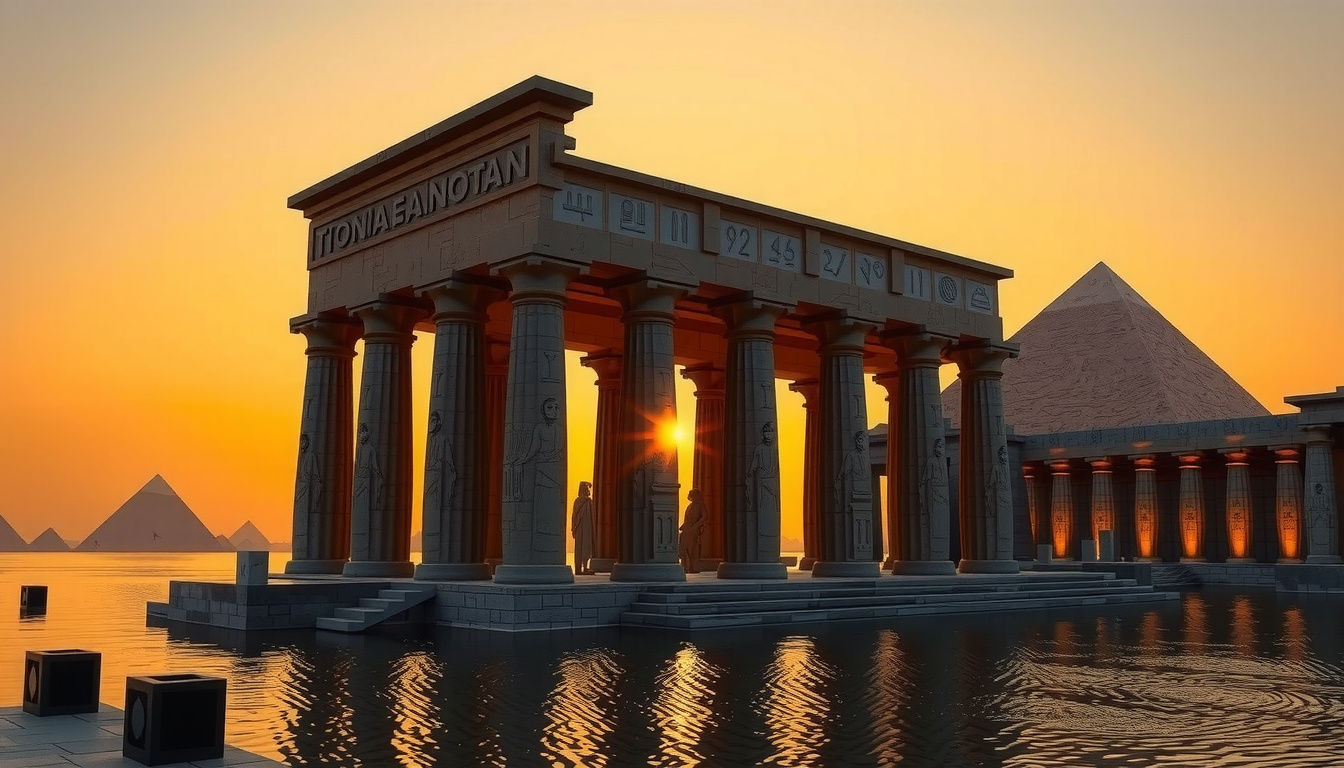
Anubis pioneered the concept of moral judgment after death. His famous weighing of hearts against the feather of Ma'at determined whether souls achieved immortality or faced annihilation by the monster Ammit.
Archaeological evidence from 2024 tomb discoveries in Saqqara shows Anubis worship persisted well into the Roman period, proving his enduring appeal across millennia.
Mythology Oracle Cards
Beautiful illustrated deck featuring death deities for study and meditation
Mictlantecuhtli: Lord of Bones
Aztec Domain: Mictlan (realm of the dead), skeletal imagery
Symbols: Skull decorations, owls, spiders
Cultural Role: Ruler of the fleshless dead
Mictlantecuhtli ruled the majority of dead souls—those who died natural deaths rather than in battle or childbirth. His bone-covered appearance inspired modern Día de los Muertos imagery, though that celebration blends Aztec and Catholic traditions.
Recent archaeological work at Teotihuacan has revealed elaborate Mictlantecuhtli murals, showing his continued worship across Mesoamerican cultures long before the Aztec empire.
How do different cultures view death deities?
The way societies imagine their death gods reveals everything about their values, fears, and hopes for what comes next.
European Perspectives: Order and Judgment
Hel (Norse): Half-living, half-corpse goddess who rules those who die of sickness or old age. Her realm isn't punishment—it's simply different from Valhalla's warrior paradise.
The Morrígan (Celtic): Triple goddess of war, fate, and death who appears as crow or raven. She doesn't cause death but predicts it, embodying the Celtic view that death and battle are intertwined with prophecy.
European death deities often emphasize moral order. They're administrators of cosmic justice rather than arbitrary destroyers.
Asian Approaches: Karmic Balance
Yama (Hindu/Buddhist): Originally mortal, Yama became death's first king. He judges souls based on karma, sending them to appropriate realms for rebirth or punishment.
Kali (Hindu): While primarily a mother goddess, Kali's destructive aspect represents death as transformation. She destroys ego and ignorance, not life itself.
Asian death deities typically operate within cyclical cosmologies where death enables rebirth and spiritual progress.
African Traditions: Community and Transition
Baron Samedi (Haitian Vodou): Derived from West African traditions, the Baron guards cemeteries and guides souls to the afterlife. He's approachable, even playful—death as community elder rather than distant judge.
African-derived traditions often portray death deities as accessible family members who maintain connections between living and ancestral communities.
What symbols represent death gods across cultures?
Death god iconography speaks a universal visual language, even across vastly different cultures.
Animal Symbolism
- Jackals and Dogs: Anubis, various European hell-hounds
- Ravens and Crows: The Morrígan, Odin's ravens
- Owls: Mictlantecuhtli, various night-death associations
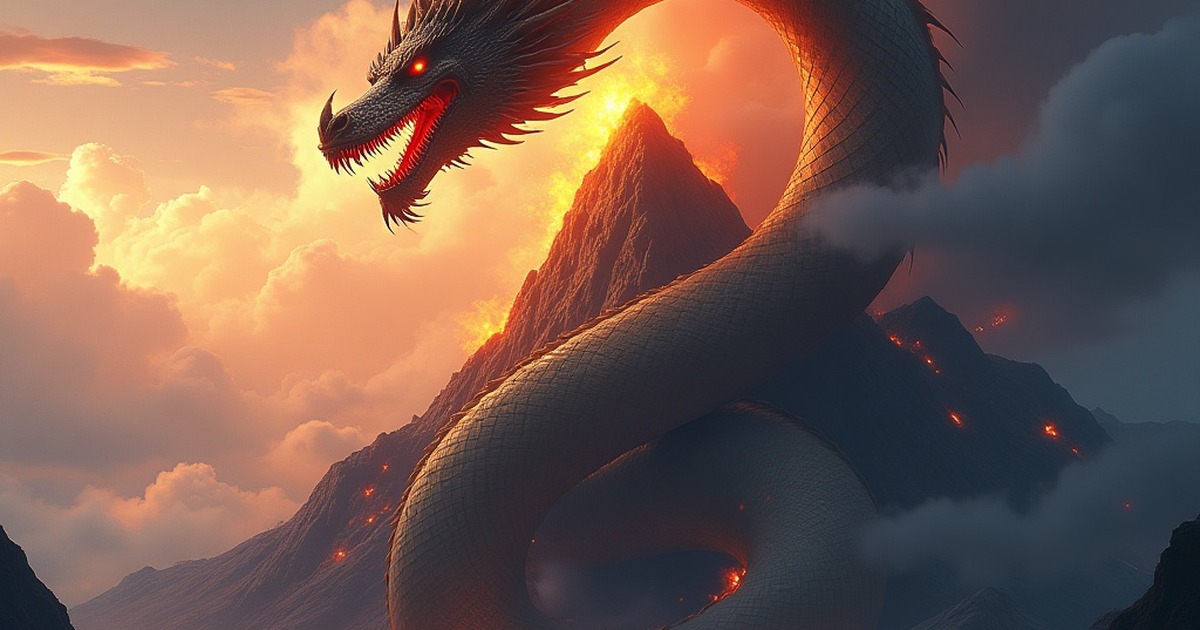
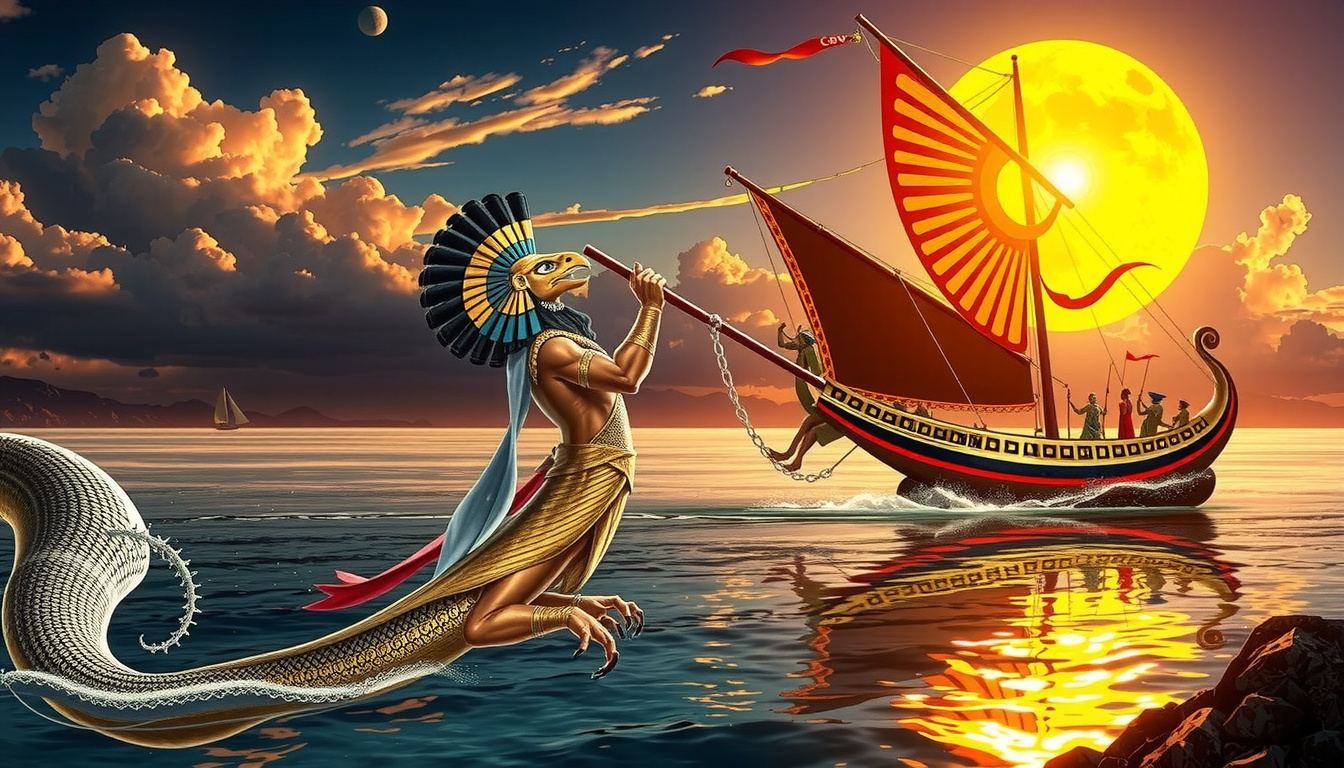
- Serpents: Underworld guardians across cultures
These animals share characteristics: they're scavengers, nocturnal, or associated with battlefields where they feed on the dead.
Objects of Power
- Scales: Judgment and moral weighing (Anubis, Osiris)
- Keys: Control over death's gates (Hades, various European traditions)
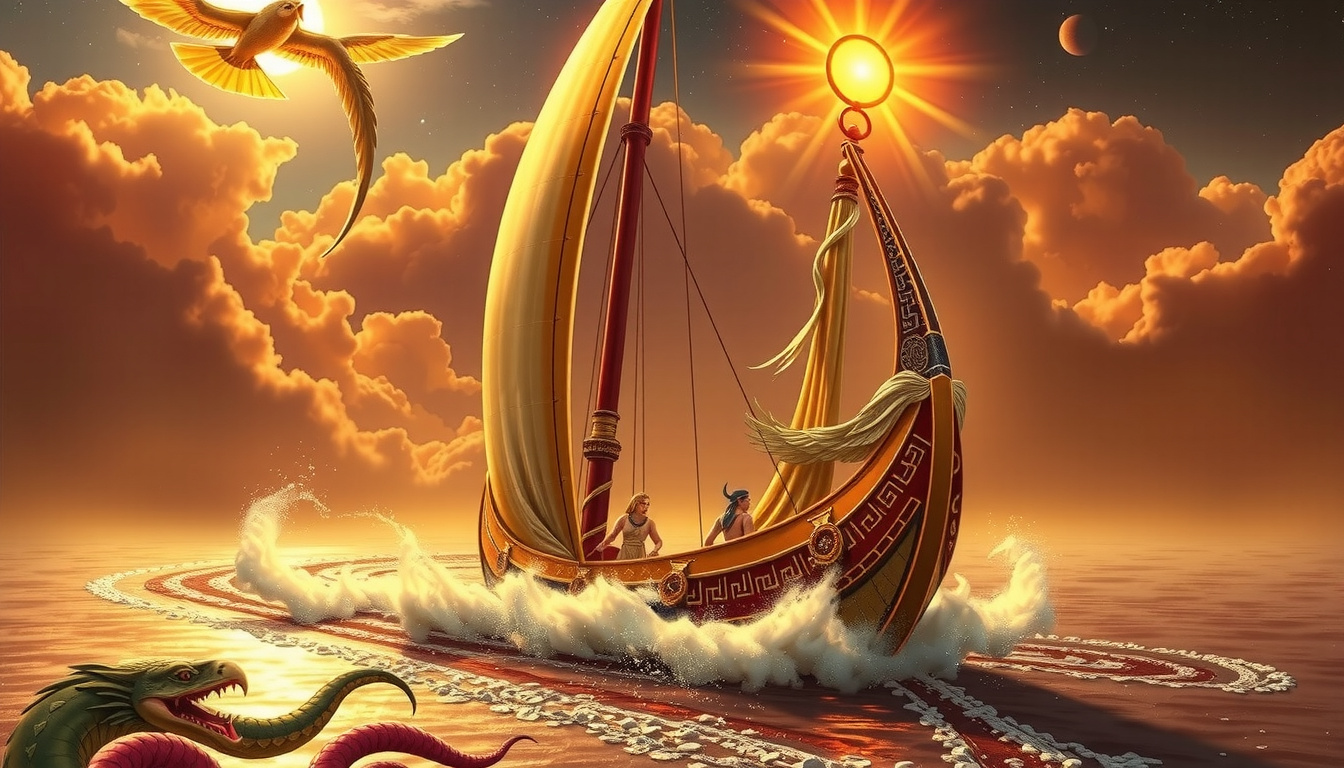
- Boats: Transportation to afterlife realms (Egyptian, Greek, Norse)
- Weapons: Authority over life and death (various war-death deities)
Are death gods evil in ancient mythology?
This might be the biggest misconception about death deities. Most ancient cultures didn't view death gods as evil—they were necessary.
The Necessity Principle
Death gods maintain cosmic order. Without them:
- Souls would wander aimlessly
- Justice for earthly crimes couldn't be administered
- The cycle of life and renewal would break down
- Moral behavior would lack ultimate consequences
Osiris (Egyptian): Murdered by his brother Set, Osiris became a compassionate ruler of the dead. His own death and resurrection made him empathetic to human suffering.
Thanatos (Greek): The personification of peaceful death, often shown as a beautiful winged youth. Greeks distinguished between violent death (Ker) and natural death (Thanatos).
Modern Misconceptions
Christian influence transformed many death deities into demonic figures. Pre-Christian Hades became conflated with Satan, despite being completely different concepts.
Hollywood amplifies this confusion. Death gods make convenient villains because audiences already associate death with evil, even though ancient peoples rarely did.
How do modern movies portray ancient death deities?
Contemporary media has a complex relationship with death mythology, swinging between respectful adaptation and complete reimagining.
Accurate Portrayals
Coco (2017): Pixar's celebration of Día de los Muertos draws heavily on Mictlantecuhtli imagery while respecting Mexican cultural traditions.
Moana (2016): Te Kā represents death and destruction in Polynesian tradition, though the film focuses on renewal rather than finality.
Creative Liberties
Marvel's Thor series: Hela is reimagined as Thor's sister and Odin's daughter, drastically different from Norse Hel but creating compelling modern mythology.
Percy Jackson series: Hades appears as a misunderstood figure rather than villain, closer to ancient Greek perspectives.
Emerging Trends in 2025
Recent films and series show increased cultural sensitivity. Studios now consult with cultural advisors when adapting mythologies, especially from marginalized communities.
The success of mythology reference books suggests audiences want authentic information alongside entertainment.
✅ Pros of Modern Adaptations
- Introduces global mythologies to new audiences
- Preserves cultural stories in accessible formats
- Encourages deeper research into source materials
- Creates space for diverse storytelling
❌ Cons of Modern Adaptations
- Risk of cultural appropriation or misrepresentation
- Oversimplification of complex belief systems
- Commercial interests may override cultural accuracy
- Can perpetuate harmful stereotypes
Lesser-Known Death Deities Worth Exploring
Beyond the famous names lie fascinating death deities that deserve wider recognition.
Ereshkigal: Queen of the Great Earth
Mesopotamian Domain: Ruler of Irkalla, the underworld
Significance: One of the oldest recorded death deities in human literature
Ereshkigal appears in the Epic of Gilgamesh and predates most other death mythologies. Her sister Inanna's descent into the underworld creates one of literature's first resurrection narratives.
Santa Muerte: The Holy Death
Mexican Folk Religion: Syncretic saint combining Aztec and Catholic elements
Modern Relevance: Growing devotion across the Americas
Santa Muerte represents death as protector and miracle-worker. Her cult has exploded in the 21st century, especially among marginalized communities seeking powerful spiritual intercession.
Unlike ancient deities, Santa Muerte worship is happening now, in real-time, showing how death mythology continues evolving.
Comparative Analysis: Patterns Across Cultures
Studying death deities reveals universal human concerns about mortality, justice, and what lies beyond.
Common Functions
- Psychopomp: Guiding souls between worlds
- Judge: Determining post-mortem fates
- Guardian: Protecting the boundaries between life and death
- Transformer: Facilitating rebirth or renewal
Cultural Variables
- Moral emphasis: Some cultures stress judgment, others focus on natural transition
- Accessibility: Deities range from distant administrators to approachable family figures
- Gender roles: Both male and female death deities appear, often with different specializations
- Aesthetic presentation: From beautiful to terrifying, reflecting cultural attitudes toward death
Frequently Asked Questions
Q: Which death god is the oldest in recorded mythology?
A: Ereshkigal appears in Sumerian texts dating back to roughly 2100 BCE, making her among the earliest recorded death deities. However, oral traditions likely preserve much older concepts.
Q: Do any cultures have entirely benevolent death gods?
A: Many Buddhist and Hindu traditions portray death deities as ultimately compassionate guides helping souls achieve liberation. Tibetan Buddhism's peaceful and wrathful deities serve protective rather than punitive functions.
Q: How accurate are video games like Hades in portraying Greek mythology?
A: Supergiant Games' Hades takes creative liberties but captures the Greek spirit of family dysfunction among gods. The characterization of Hades as misunderstood rather than evil aligns well with ancient sources.
Q: Are there modern religions that worship ancient death deities?
A: Neo-pagan movements, Reconstructionist religions, and syncretic traditions like Vodou maintain active relationships with death deities. Santa Muerte devotion represents perhaps the fastest-growing example.
Q: What's the difference between death gods and war gods?
A: Death gods typically govern the afterlife and natural mortality, while war gods focus on violent death in battle. Some deities like the Morrígan combine both aspects, representing the intersection of fate, war, and death.
The Enduring Power of Death Mythology
As we advance deeper into the 21st century, death deities remain surprisingly relevant. They offer frameworks for processing mortality in an age where technology promises—but can't deliver—immortality.
Modern psychology recognizes what ancient peoples knew intuitively: healthy death mythology helps societies cope with existential anxiety. Whether through traditional religious practice, neo-pagan revival, or popular entertainment, these ancient figures continue guiding us through humanity's greatest mystery.
The gods of death aren't going anywhere. As long as humans face mortality, we'll need stories that make sense of that final journey. These twelve deities represent just a fraction of humanity's creative response to death—each one a testament to our species' refusal to let the unknown have the final word.
In 2026, expect continued growth in mythology-based entertainment, spiritual practices, and academic research. The ancient gods are finding new life in our digital age, proving that some stories truly are immortal.