Dokkaebi
The Mischievous Goblins of Korean Legend
Supernatural tricksters born from discarded objects, wielding magical clubs that can summon anything—except life itself.
Origins & Nature
The Dokkaebi (도깨비) are supernatural beings unique to Korean folklore. Unlike the oni of Japan or the gui of China, Dokkaebi are not spirits of the dead but rather creatures born from inanimate objects that have been imbued with spiritual energy—typically old, discarded household items stained with human blood or emotions.
Common origins include old brooms, worn-out farming tools, or blood-stained clothing. After decades of use and emotional imprinting, these objects can spontaneously transform into Dokkaebi, gaining consciousness and supernatural abilities.
Appearance
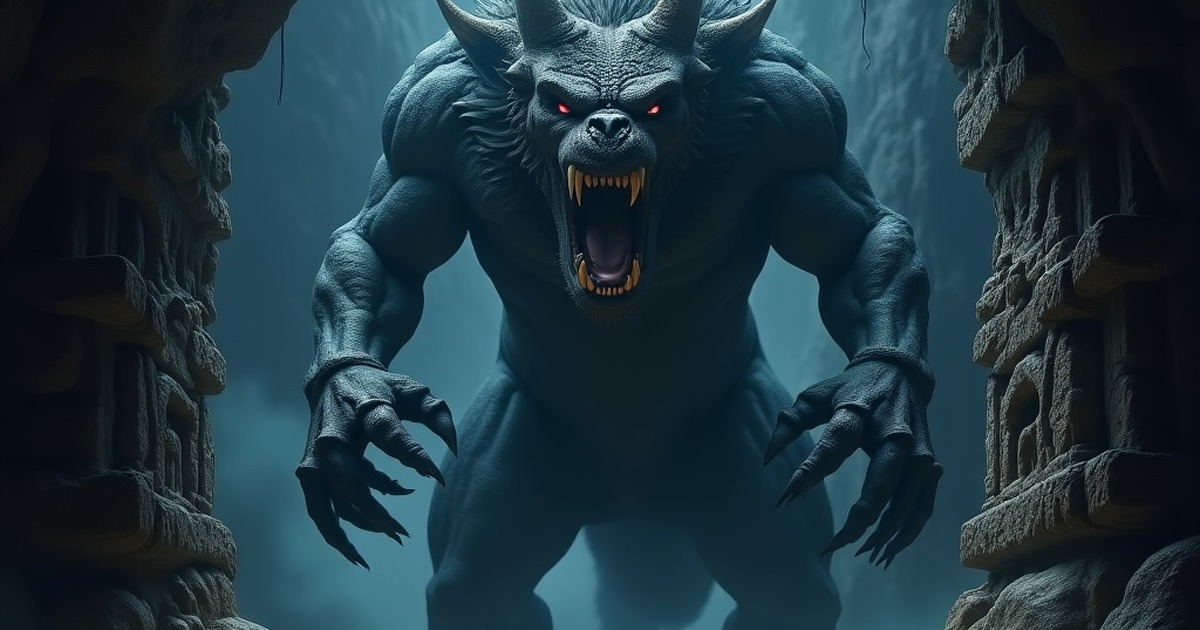
Dokkaebi are typically depicted as:
- Humanoid figures with a single horn (or sometimes two)
- Wild, unkempt hair often standing on end
- Red, blue, or green skin depending on their nature
- Large, expressive eyes and prominent features
- Dressed in traditional Korean clothing or tiger-skin garments
They always carry their signature Dokkaebi Bangmangi—a magical club that grants wishes and summons objects.
The Magical Club
The Dokkaebi Bangmangi (도깨비 방망이) is perhaps the most famous artifact in Korean folklore. This magical club can:
- Summon gold, treasure, or any desired object
- Make things appear or disappear
- Grant wishes (with typical trickster complications)
- Create powerful storms and winds
However, the club has one crucial limitation: it cannot create life. This reflects the Dokkaebi's own nature as beings that arose from lifeless objects.
Personality & Behavior
Dokkaebi are characterized by their love of:
- Games and contests: Especially ssireum (Korean wrestling) and drinking games
- Mischief: Playing pranks on humans, though rarely with malicious intent
- Buckwheat: They are strongly attracted to buckwheat and buckwheat products
- Fire: They are drawn to bonfires and cooking fires
They can be warded off with horse blood (which they despise) and are vulnerable to being outsmarted in their beloved games.
Cultural Legacy
The Dokkaebi has experienced a cultural renaissance in modern Korea. The 2016 K-drama “Goblin” (도깨비) introduced these creatures to global audiences, though it took creative liberties with the mythology. Traditional Dokkaebi masks remain important in Korean folk festivals and shamanic rituals.
Explore Korean Mythology
Discover more legendary creatures from the Land of Morning Calm.
Explore Korean Creatures✦ Similar Creatures Across Cultures
Explore similar mythological beings: Oni, Kitsune & Kappa: Unraveling Japan’s Most Intriguing Yokai, Kappa Legends: Japan’s Mischievous Water Spirit
Recommended Korean Folklore Books
Explore the enchanting world of Korean mythology and folklore: