Table of Contents
- Greek Mythical Beasts: Revealing Their Ancient Origins and Legends
- The Role of Mythical Beasts in Greek Mythology
- Iconic Greek Mythical Beasts and Their Legends
- The Minotaur: The Beast of the Labyrinth
- The Hydra: The Multi-Headed Serpent
- Medusa: The Gorgon with a Deadly Gaze
- The Chimera: A Monstrous Hybrid
- Origins and Cultural Significance
- Modern Interpretations and Legacy
- Key Takeaways
Greek Mythical Beasts: Revealing Their Ancient Origins and Legends
Greek mythology is a treasure trove of fascinating stories, larger-than-life heroes, and awe-inspiring creatures. Among its most captivating elements are the mythical beasts that populate its tales. These creatures, often embodying the fears, hopes, and imagination of ancient Greek society, have left an indelible mark on literature, art, and culture. In this article, we will delve into the origins, characteristics, and enduring legends of some of the most iconic Greek mythical beasts.
The Role of Mythical Beasts in Greek Mythology
Mythical beasts in Greek mythology served multiple purposes. They were not merely fantastical creations but also symbolic representations of natural forces, human emotions, and moral lessons. These creatures often acted as obstacles for heroes to overcome, reflecting the eternal struggle between order and chaos.
Some of the key roles played by mythical beasts in Greek mythology include:
- Guardians: Many beasts were tasked with guarding sacred places or treasures, such as the dragon Ladon who protected the golden apples of the Hesperides.
- Challenges for Heroes: Creatures like the Minotaur and the Hydra were central to the heroic quests of Theseus and Heracles, respectively.
- Symbols of Divine Wrath: Beasts like the Chimera and the Gorgon Medusa were often seen as manifestations of divine punishment or chaos.
Iconic Greek Mythical Beasts and Their Legends
The Minotaur: The Beast of the Labyrinth
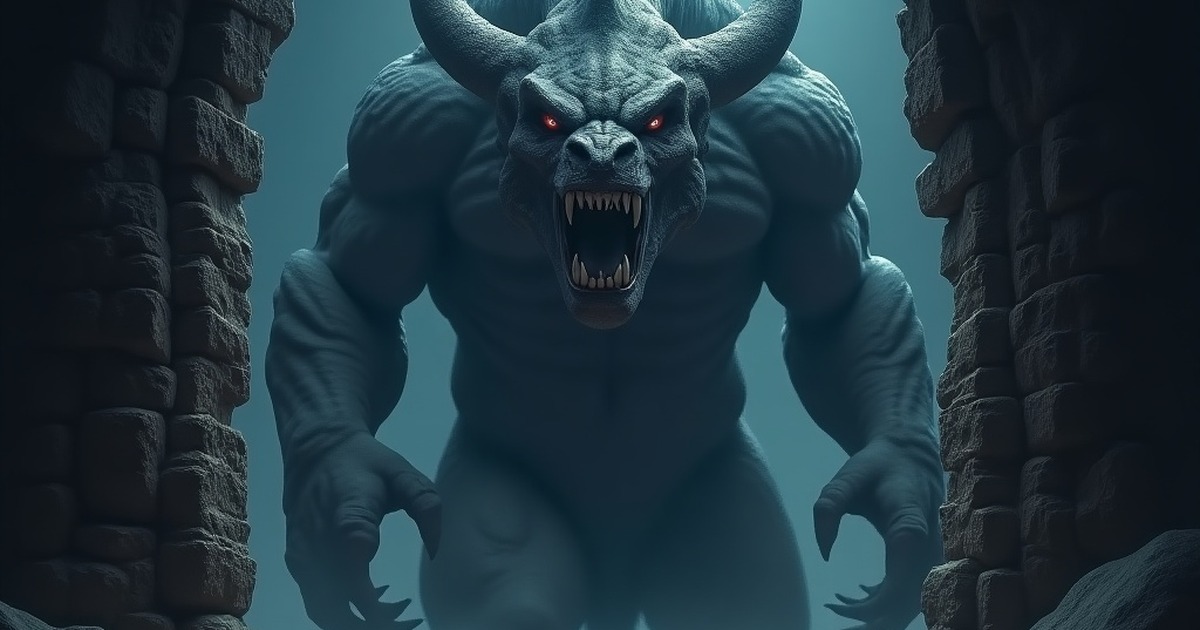
The Minotaur, a creature with the body of a man and the head of a bull, is one of the most famous mythical beasts in Greek mythology. According to legend, King Minos of Crete imprisoned the Minotaur in a labyrinth designed by the master craftsman Daedalus. The beast was born from the union of Pasiphaë, Minos' wife, and a divine bull sent by Poseidon.
The Minotaur's story is closely tied to the hero Theseus, who volunteered to enter the labyrinth and slay the beast. With the help of Ariadne, Minos' daughter, who provided him with a ball of thread to navigate the maze, Theseus successfully killed the Minotaur and escaped. This tale symbolizes the triumph of human ingenuity and courage over brute force and chaos.
The Hydra: The Multi-Headed Serpent
The Hydra, a serpent-like creature with multiple heads, is another iconic beast from Greek mythology. According to legend, the Hydra lived in the swamps of Lerna and was known for its deadly venom and regenerative abilities—when one head was cut off, two more would grow in its place.
The Hydra was famously defeated by Heracles as part of his Twelve Labors. To overcome the creature's regenerative powers, Heracles enlisted the help of his nephew Iolaus, who cauterized the neck stumps with fire after each head was severed. The Hydra's defeat is often interpreted as a metaphor for overcoming seemingly insurmountable challenges through persistence and strategy.
Medusa: The Gorgon with a Deadly Gaze
Medusa, one of the three Gorgons, is perhaps the most well-known of all Greek mythical beasts. With snakes for hair and a gaze that could turn anyone to stone, Medusa was both terrifying and tragic. Unlike her immortal sisters, Medusa was mortal, and her story is deeply intertwined with themes of transformation and vengeance.
Medusa's legend culminates in her encounter with the hero Perseus, who was tasked with bringing back her head. Using a polished shield as a mirror to avoid her deadly gaze, Perseus successfully beheaded Medusa. Her severed head retained its petrifying power and was later used by Perseus as a weapon. Medusa's story has been interpreted as a cautionary tale about the dangers of unchecked power and the consequences of divine wrath.
The Chimera: A Monstrous Hybrid
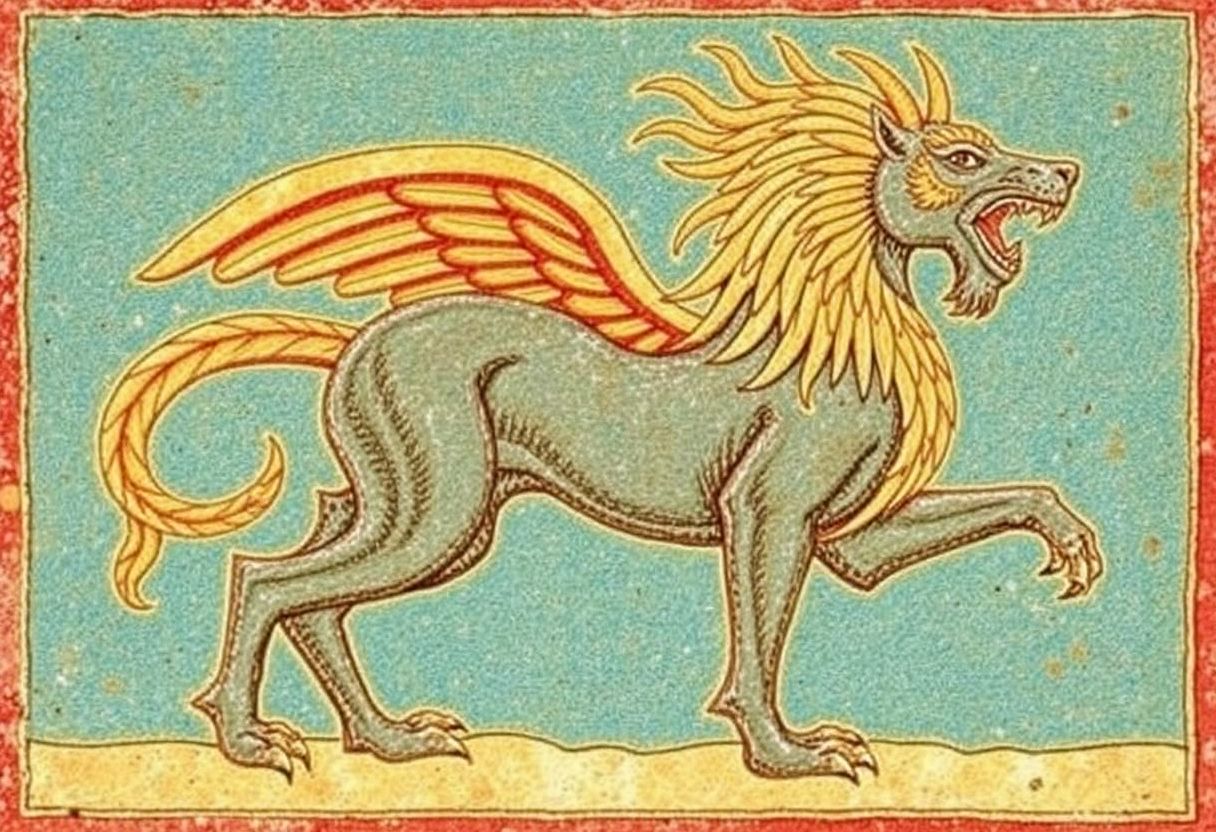
The Chimera is a fearsome creature described as part lion, part goat, and part serpent. According to legend, the Chimera terrorized the region of Lycia, breathing fire and wreaking havoc wherever it went. The beast was eventually slain by the hero Bellerophon, who rode the winged horse Pegasus into battle.
The Chimera's hybrid nature has made it a symbol of chaos and unpredictability. Its story also highlights the importance of divine assistance in overcoming seemingly invincible foes, as Bellerophon could not have succeeded without Pegasus, a gift from the gods.
Origins and Cultural Significance
The origins of Greek mythical beasts can often be traced back to earlier mythologies and cultural influences. For example, the concept of hybrid creatures like the Chimera and the Minotaur may have been inspired by ancient Near Eastern art and mythology, which frequently depicted composite beings.
These creatures also held significant cultural and religious importance in ancient Greece. They were often featured in art, such as pottery, sculptures, and frescoes, serving as both decorative elements and storytelling devices. Additionally, their stories were used to convey moral lessons, explore human psychology, and explain natural phenomena.
Modern Interpretations and Legacy
Greek mythical beasts continue to captivate modern audiences, appearing in literature, film, and popular culture. From Rick Riordan's “Percy Jackson” series to blockbuster movies like “Clash of the Titans,” these creatures have been reimagined and adapted for contemporary storytelling.
Moreover, their symbolic meanings remain relevant today. The Hydra, for instance, is often used as a metaphor for problems that seem to multiply when addressed, while Medusa has become a symbol of female empowerment and resilience in modern feminist interpretations.
Key Takeaways
Greek mythical beasts are more than just fantastical creatures; they are deeply symbolic figures that reflect the values, fears, and aspirations of ancient Greek society. From