The Role of Mythological Creatures in Ancient Civilizations
Ancient mythology creatures served as far more than mere entertainment in early civilizations—they were fundamental pillars supporting entire worldviews and social structures. These legendary beings emerged from humanity's deep-seated need to understand and explain the inexplicable forces that shaped their daily lives.
Cultural Significance and Symbolism
In ancient societies, mythological creatures functioned as powerful symbols representing abstract concepts that were otherwise difficult to communicate. The griffin, with its lion's body and eagle's head, embodied the union of terrestrial strength and celestial wisdom. Similarly, the sphinx represented the riddle of existence itself, challenging mortals to prove their intellectual worthiness. These creatures became cultural touchstones, appearing on coins, temples, and royal insignia as markers of identity and power.
Archaeological evidence reveals that ancient mythology creatures were deeply embedded in daily life. Pottery fragments, wall paintings, and carved figurines depicting these beings have been discovered across virtually every ancient civilization, suggesting their universal importance. A well-researched mythology book often reveals how these symbols crossed cultural boundaries through trade and conquest, creating shared mythological vocabularies between distant peoples.
Religious and Spiritual Functions
The spiritual dimension of ancient mythology creatures cannot be overstated. These beings served as intermediaries between the mortal and divine realms, often possessing qualities that made them ideal messengers or guardians of sacred knowledge. In Egyptian mythology, the jackal-headed Anubis guided souls through the treacherous journey to the afterlife, while in Greek tradition, the winged horse Pegasus carried heroes to Mount Olympus.
Many creatures were believed to be manifestations of gods themselves, capable of intervening in human affairs. The Norse wolf Fenrir represented divine retribution, while Chinese dragons embodied imperial divine mandate. Religious ceremonies often involved invoking these creatures' protection or appeasing their potential wrath, making them central to spiritual practice rather than mere folklore.
Moral and Educational Purposes
Ancient mythology creatures served as powerful teaching tools, embedding moral lessons within memorable narratives that could survive oral transmission across generations. The cautionary tale of the sirens warned against the dangers of unchecked desire, while the phoenix demonstrated the possibility of redemption and renewal after destruction.
These stories functioned as psychological frameworks, helping ancient peoples process complex emotions and experiences. The dual nature of creatures like centaurs—part human, part beast—reflected humanity's eternal struggle between civilization and primal instincts. Parents and educators used these tales to instill cultural values, with each book or oral recounting reinforcing societal norms and expectations.
Legendary Creatures of Greek and Roman Mythology
Greek and Roman civilizations produced some of the most enduring and influential ancient mythology creatures, many of which continue to captivate modern audiences through their complex symbolism and dramatic narratives.
Hybrid Beasts and Monsters
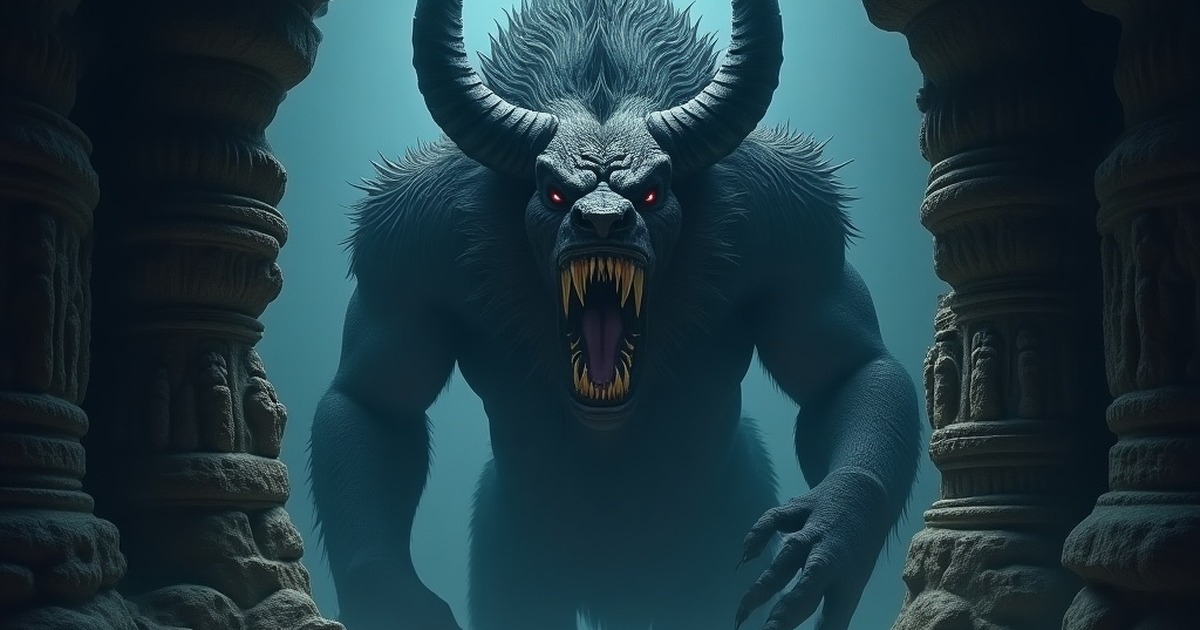
The ancient Greeks possessed an extraordinary imagination for creating hybrid creatures that combined familiar animals with terrifying or divine attributes. The Minotaur, with its human body and bull's head, represented the consequences of divine punishment and unnatural desire. Imprisoned within the labyrinth of Crete, this creature became a symbol of hidden shame and the price of defying the gods.
Medusa stands among the most psychologically complex figures in ancient mythology. Originally a beautiful maiden transformed into a monster with serpentine hair and a petrifying gaze, she embodies themes of transformation, feminine rage, and the power of the victim to become the victor. Her image appeared on shields, coins, and architectural elements as both protection and warning.
The Sphinx, borrowed from Egyptian mythology but thoroughly integrated into Greek tradition, challenged travelers with deadly riddles. This creature represented the dangerous intersection of knowledge and death, suggesting that some wisdom came at an ultimate price. Modern collectors often seek out a detailed figurine of the Sphinx to capture its enigmatic presence and symbolic complexity.
Divine and Semi-Divine Creatures
Pegasus exemplifies the divine messenger archetype, born from Medusa's blood when Perseus slayed her. This winged horse represented inspiration, poetic genius, and the soul's ability to transcend earthly limitations. Artists and writers throughout history have drawn upon Pegasus as a symbol of creative flight and divine inspiration.
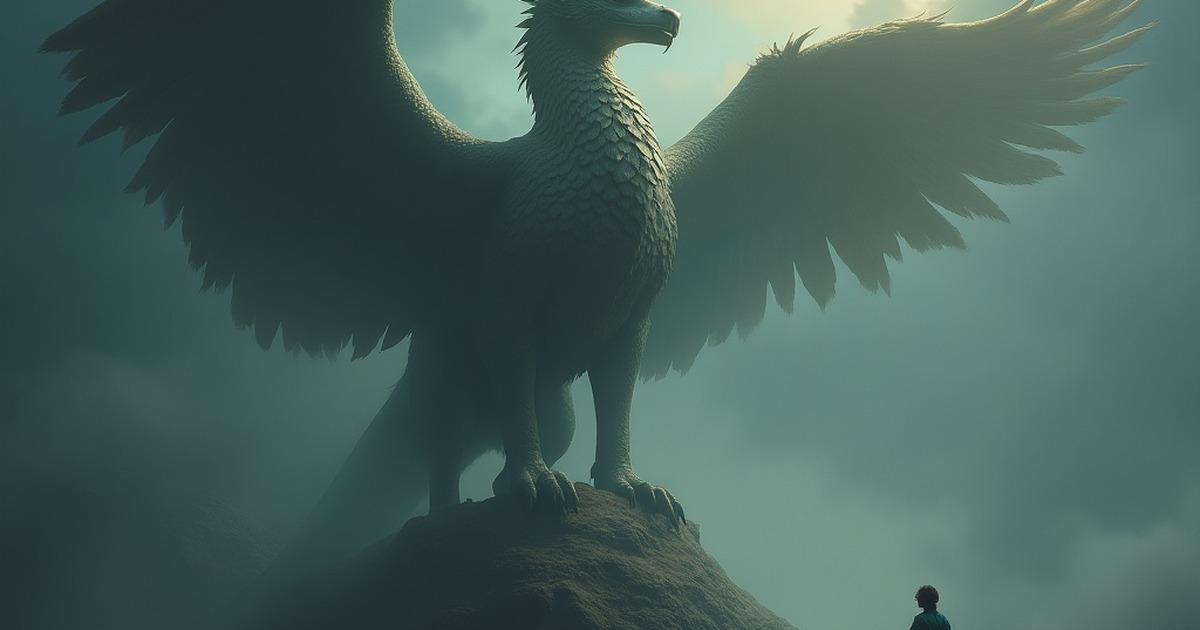
The Griffin commanded respect as a guardian of divine treasures and sacred spaces. With an eagle's head and wings combined with a lion's powerful body, this creature was said to be eight times stronger than a lion and could carry off an entire horse with its rider. Ancient texts describe griffins as symbols of divine power and guardians of the Tree of Life, making them popular subjects for royal heraldry and religious art.
Guardians and Protectors
Cerberus, the three-headed hound guarding the gates of Hades, represents one of mythology's most fearsome yet necessary guardians. Each head was said to represent past, present, and future, suggesting that confronting death requires acknowledging time's full scope. This creature's role as both barrier and protector illustrates the complex relationship between life and death in ancient Greek thought.
The Cyclopes served dual roles as both fearsome monsters and skilled craftsmen. These one-eyed giants forged Zeus's thunderbolts and other divine weapons, demonstrating that great power often emerges from seemingly monstrous sources. Their story appears in numerous ancient texts, most famously in Homer's Odyssey, where they represent the dangers of hubris and the importance of hospitality customs.
Dragons and Serpentine Beings Across Cultures
Dragons represent perhaps the most universally recognized category of ancient mythology creatures, yet their interpretation varies dramatically across cultures, revealing fundamental differences in worldview and values.
Eastern Dragons: Wisdom and Fortune
Chinese dragons embody entirely different characteristics from their Western counterparts, representing wisdom, power, and good fortune rather than destruction and chaos. These serpentine beings controlled weather, rivers, and rainfall, making them essential to agricultural success. The Chinese dragon possessed four legs, antler-like horns, and the ability to fly without wings, symbolizing mastery over all elements.
Imperial Chinese culture closely associated dragons with royal authority, believing emperors to be dragon descendants. The dragon's image appeared on royal robes, palaces, and ceremonial objects, with specific dragons assigned to different ranks within the imperial hierarchy. A comprehensive mythology book examining Eastern traditions reveals how dragons functioned as symbols of legitimate political power and divine blessing.
Japanese dragons, or ryū, similarly represented water deities and weather control, often dwelling in underwater palaces or mountain lakes. These creatures were generally benevolent, offering protection to worthy humans and punishment to those who polluted their domains. The Japanese tradition emphasizes dragons' role as guardians of Buddhist temples and sacred sites.
Western Dragons: Chaos and Destruction
European dragons evolved from ancient Mesopotamian and Greek traditions, developing into symbols of primordial chaos that heroes must overcome to establish civilized order. These creatures typically possessed four legs, massive wings, and the ability to breathe fire, making them formidable opponents requiring exceptional courage and skill to defeat.
Medieval European Christianity transformed dragons into symbols of Satan and paganism, with dragon-slaying saints like Saint George representing the triumph of faith over evil. These narratives served multiple purposes: entertainment, religious instruction, and cultural identity formation. The defeated dragon often guarded immense treasures, suggesting that the greatest rewards required facing one's greatest fears.
Norse mythology contributed the apocalyptic dragon Níðhöggr, which gnawed at the roots of Yggdrasil, the World Tree. This creature represented entropy and inevitable destruction, contrasting sharply with Eastern dragons' creative and protective roles. Such differences highlight how ancient mythology creatures reflected their cultures' fundamental attitudes toward nature, authority, and cosmic order.
Serpent Deities and World-Serpents
Jörmungandr, the Midgard Serpent of Norse mythology, encircled the entire world beneath the ocean's surface. This massive serpent represented the boundary between the known world and cosmic chaos, with its movements causing earthquakes and tidal waves. During Ragnarök, the Norse end-times, Jörmungandr would emerge to battle Thor in mutual destruction, symbolizing the cyclical nature of cosmic renewal.
Egyptian mythology featured Apep, the serpent of chaos who battled the sun god Ra each night as he traveled through the underworld. This eternal struggle represented the daily victory of order over chaos, light over darkness, ensuring the sun's return each morning. Ancient Egyptian texts describe elaborate rituals designed to assist Ra in his nightly battle, making Apep central to Egyptian religious practice.
The Aztec Quetzalcoatl combined serpent and bird characteristics, representing the union of earth and sky, matter and spirit. This feathered serpent served as a creator deity, cultural hero, and symbol of wisdom, demonstrating how ancient mythology creatures could embody complex philosophical concepts within single beings.

Check each product page for other buying options. Price and other details may vary based on product size and color.
Highly rated by customers for quality and value. Click to see current pricing and customer reviews.
More Top-Rated Options




Shapeshifters and Trickster Creatures
Transformation myths appear across all ancient cultures, featuring creatures capable of changing form to interact with humans, often blurring the boundaries between animal, human, and divine realms.
Celtic and Norse Shapeshifters
Celtic selkies exemplify the tragic shapeshifter archetype, appearing as seals in the ocean but capable of shedding their skins to become beautiful humans on land. These creatures often became involved in doomed love affairs with mortals, with their seal skins serving as symbols of their true nature and freedom. When humans stole their skins, selkies became trapped in human form until they could reclaim their oceanic identity.
Norse berserkers represented voluntary transformation, warriors who channeled bear or wolf spirits to gain supernatural strength and fearlessness in battle. These shape-shifting warriors occupied a liminal space between human and animal consciousness, accessing primal power at the cost of civilized restraint. Archaeological evidence, including bear-claw amulets and wolf-skin garments, suggests that berserker transformation involved both psychological and ritualistic elements.
The Norse god Loki frequently employed shapeshifting abilities, transforming into various animals to accomplish his trickster schemes. His transformations often resulted in unintended consequences, teaching lessons about the dangers of deception and the complexity of identity. Modern figurine collections often feature Loki in his various forms, capturing his mercurial nature and symbolic significance.
Native American Spirit Animals
Native American traditions feature numerous shapeshifting spirits that embody the permeable boundary between human and animal consciousness. The wendigo of Algonquian folklore represented the ultimate transgression—humans transformed into cannibalistic monsters through desperation and moral corruption. These creatures served as powerful warnings against isolation, greed, and the abandonment of community values.
Skinwalkers in Navajo tradition represent harmful shamans capable of transforming into various animals to cause mischief or harm. These beings highlight the potential for spiritual power to corrupt those who seek personal gain over community welfare. The secretive nature of skinwalker lore reflects deep cultural beliefs about the responsibility that accompanies spiritual knowledge.
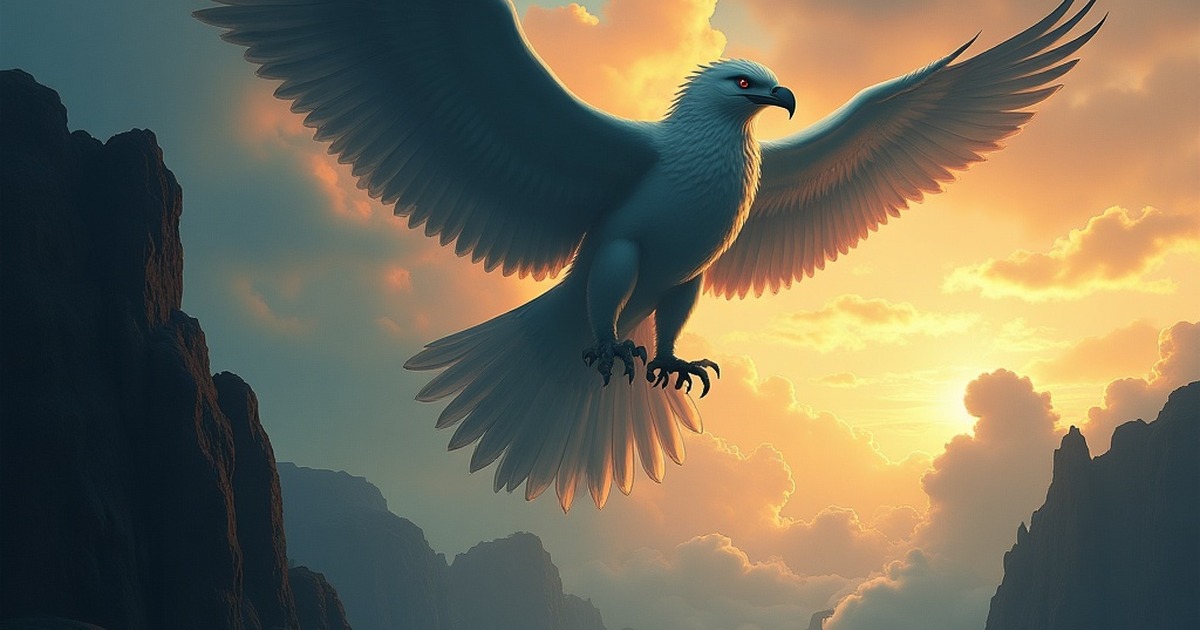
Thunderbirds appear across numerous Native American cultures as massive, eagle-like creatures capable of generating storms with their wingbeats. These beings often battled underwater serpents or horned snakes, representing the eternal conflict between sky and water powers. Their shapeshifting abilities allowed them to appear as human warriors when necessary, bridging the gap between natural forces and human society.
Asian Fox Spirits and Demons
Japanese kitsune represent one of the most sophisticated shapeshifter traditions in world mythology. These fox spirits grow additional tails as they age and increase in power, with nine-tailed foxes achieving near-divine status. Kitsune can be benevolent messengers of the Shinto deity Inari or mischievous tricksters who seduce humans for their own purposes.
The complexity of kitsune mythology reflects Japanese attitudes toward the natural world and spiritual development. White or golden kitsune typically serve divine purposes, while red or black foxes often pursue selfish goals. Their ability to take human form, particularly as beautiful women, explores themes of desire, deception, and the hidden wildness within civilized society.
Chinese huli jing share many characteristics with Japanese kitsune but emphasize different moral and spiritual lessons. These fox spirits must cultivate virtue over centuries to achieve enlightenment, with their shapeshifting abilities serving as both gift and test. Many stories feature huli jing learning human emotions and moral behavior through their interactions with mortals, suggesting that spiritual development requires understanding multiple perspectives and forms of existence.
Underworld and Death-Associated Creatures
Ancient mythology creatures associated with death and the afterlife served crucial roles in helping cultures process mortality and establish frameworks for understanding existence beyond physical life.
Guardians of the Afterlife
Anubis, the jackal-headed Egyptian deity, presided over mummification and guided souls through the complex journey to the afterlife. This creature's jackal form connected to observations of these scavengers around burial sites, transforming a potentially negative association into a protective symbol. Anubis weighed hearts against the feather of Ma'at to determine souls' worthiness, making him central to Egyptian concepts of justice and moral accountability.
Egyptian mythology also featured Ammit, the “Devourer of Hearts,” a composite creature with a crocodile's head, lion's torso, and hippopotamus's hindquarters. This being consumed the hearts of those found unworthy in the afterlife judgment, representing the ultimate spiritual death. Ammit's terrifying appearance reinforced the importance of living according to Ma'at's principles of truth and justice.
The Greek Cerberus served similar guardian functions but emphasized prevention rather than judgment. This three-headed hound prevented the living from entering Hades and the dead from escaping, maintaining the cosmic order that separated life and death. Each head possessed different abilities—one could see the past, one the present, and one the future—making Cerberus a temporal as well as spatial guardian.
Harbingers of Death
Celtic banshees exemplify the death-herald archetype, appearing as keening women whose cries warned of impending death in particular families. These spirits maintained connections to specific bloodlines, often appearing as elderly crones, beautiful maidens, or washer-women at river fords. Their mourning songs served both warning and comfort, acknowledging death's inevitability while honoring the deceased's life.
Norse Valkyries occupied a unique position as both death-bringers and honor-bestowers, choosing which warriors would die in battle and escorting the worthy to Valhalla. These warrior-maidens on flying horses represented the nobility possible in death, transforming battlefield mortality into spiritual elevation. Any quality mythology book examining Norse culture reveals how Valkyries embodied the warrior society's values and aspirations.
The Morrigan of Irish mythology appeared as both crow and woman, haunting battlefields to prophesy outcomes and claim the slain. This shape-shifting deity represented war's dual nature—both destructive force and catalyst for heroic achievement. Her presence assured warriors that their deaths would be witnessed and remembered, providing meaning within mortality's apparent meaninglessness.
Judges and Guides
Mesopotamian Ereshkigal ruled the underworld with absolute authority, determining the fate of all souls entering her realm. Unlike many death deities, Ereshkigal possessed neither cruelty nor compassion—she embodied death's fundamental impartiality. Her court included various monster-servants who tortured the wicked while providing peace to the righteous, establishing one of humanity's earliest concepts of moral afterlife consequences.
Greek Charon ferried souls across the river Styx, but only those properly buried with coins for payment. This psychopomp represented the importance of proper funeral rites and family obligations to the deceased. Charon's services reminded the living that death required preparation and that the afterlife journey depended partly on earthly relationships and responsibilities.
Aztec Xochiquetzal guided certain souls through the underworld's multiple levels, each presenting different challenges and tests. This flower-adorned deity particularly protected women who died in childbirth, honoring them as warriors who gave their lives for creation. Her guidance system emphasized that different deaths merited different honors, creating complex hierarchies within afterlife experiences.
Water Spirits and Sea Monsters
Aquatic ancient mythology creatures reflect humanity's complex relationship with water—simultaneously source of life and realm of mystery, providing sustenance while harboring unknown dangers.
Oceanic Giants and Leviathans
The Norse Kraken represents the ultimate ocean monster, described as so massive that sailors mistook its back for an island. This colossal squid could create whirlpools by submerging and generate storms with its movements, embodying the ocean's unpredictable and overwhelming power. Scandinavian fishermen reported the Kraken's presence actually improved fishing, as smaller sea creatures fled its approach, creating dense schools near the surface.
Mesopotamian Tiamat predates most oceanic mythology as the primordial saltwater goddess whose body became the heavens and earth after her defeat by Marduk. This ancient creature represented the chaotic, feminine principle of original creation, requiring defeat and ordering by masculine divine forces to create civilized existence. Tiamat's mythology establishes patterns found throughout ancient cultures—the ocean as feminine, chaotic, and requiring heroic conquest.
Biblical Leviathan appears in various forms throughout ancient Near Eastern mythology, sometimes as dragon, sometimes as whale, always as the ultimate symbol of God's power over chaotic forces. Job's encounter with Leviathan demonstrates divine authority over creation's most fearsome elements, while Psalms describe Leviathan as God's pet, emphasizing the relative nature of power and fear.
River and Lake Spirits
Slavic rusalka emerged from the souls of drowned women, particularly those who died by suicide or violence near water. These spirits appeared as beautiful maidens who lured men into lakes and rivers, seeking either revenge or companionship in their watery realm. Rusalka mythology served practical purposes, warning against dangerous swimming areas while providing explanations for drowning accidents.
Greek naiads inhabited specific freshwater sources, from tiny springs to major rivers, serving as protective spirits who maintained water purity and availability. These nymphs could grant or withdraw their waters' life-giving properties, making them essential deities for agricultural communities. Offerings to naiads ensured continued water access and protection from floods or droughts.
Celtic kelpies appeared as beautiful horses near Scottish lochs, inviting riders onto their backs before diving underwater to drown their victims. These shape-shifting water spirits warned against trusting appearances near dangerous waters while expressing cultural anxieties about the untamed Scottish landscape. A detailed figurine of a kelpie often captures both its seductive beauty and underlying menace.
Merfolk and Aquatic Humanoids
Greek sirens originally appeared as bird-women before evolving into the mermaid-like beings more familiar today. Their irresistible songs lured sailors to shipwreck on rocky shores, representing the dangerous allure of forbidden knowledge or pleasure. Odysseus's encounter with the sirens established the archetypal pattern of temptation overcome through preparation and self-restraint.
Slavic vodyanoy inhabited rivers and ponds as elderly, bearded men with green hair and fish-like tails, collecting the souls of drowning victims in pots beneath their underwater homes. These water-spirits could be negotiated with through proper offerings, reflecting ancient beliefs about maintaining relationships with natural forces rather than simply conquering them.
Japanese kappa combined humanoid and turtle characteristics, dwelling in rivers where they challenged humans to wrestling matches or demanded formal politeness protocols. These mischievous creatures taught important lessons about water safety and social etiquette, with their greatest weakness being their politeness—they couldn't resist returning bows, causing the water in their head-bowls to spill and weakening them.
Regional Variations and Lesser-Known Creatures
Beyond the well-documented traditions of classical antiquity, ancient mythology creatures flourished in every corner of the world, shaped by local environments, cultural values, and historical experiences.
African Mythological Beings
African impundulu, or lightning birds, appear across various southern African cultures as massive birds capable of summoning storms and lightning strikes. These creatures often serve as familiars to traditional healers or witches, providing supernatural power in exchange for specific services or sacrifices. The impundulu's ability to take human form, particularly as handsome men, creates complex relationships with human communities that blend fear, respect, and practical cooperation.
West African Mokele-mbembe traditions describe a massive, long-necked creature dwelling in remote river systems, possibly inspired by ancestral memories of extinct megafauna or encounters with large crocodiles. These beings represent the untamed wilderness beyond human settlement, serving as guardians of sacred spaces and reminders of humanity's place within larger natural systems.
Egyptian Bennu birds, predecessors to the Greek phoenix, embodied cycles of renewal and resurrection associated with the Nile's annual flooding. These heron-like creatures carried souls to the afterlife while symbolizing the eternal return of life from apparent death. Modern research suggests the Bennu cycle may have been inspired by observations of actual bird migration patterns combined with astronomical events.
Pre-Columbian American Creatures
Aztec Ahuitzotl combined dog and monkey characteristics with human hands and a grasping tail, dwelling in lakes and rivers around Tenochtitlan. These creatures drowned swimmers and fishermen, dragging victims to underwater caves where they consumed fingernails, teeth, and eyes while leaving the body intact. Ahuitzotl served Tlaloc, the rain god, collecting sacrificial victims for underwater ceremonies that ensured continued rainfall.
Mayan Kukulkan appeared as a feathered serpent deity combining bird and snake attributes, representing the union of earth and sky powers. This creature taught humanity agriculture, calendar systems, and architectural techniques, embodying the positive potential of divine intervention in human affairs. Kukulkan's pyramid at Chichen Itza demonstrates sophisticated astronomical knowledge encoded in architectural form.
Inca Amaru took the form of a two-headed serpent with wings, representing the underworld's connection to surface reality. These creatures guarded subterranean treasures and water sources, requiring proper ceremonies and offerings from communities seeking access to these resources. Amaru mythology emphasizes reciprocal relationships between humans and natural forces rather than simple exploitation or domination.
Slavic and Baltic Folklore
Slavic domovoi functioned as household protective spirits, appearing as small, hairy men who maintained domestic harmony and prosperity. These beings required respectful treatment and regular offerings, rewarding good housekeeping with protection while punishing neglect or disrespect with mischief or misfortune. Any comprehensive mythology book examining Slavic traditions reveals how domovoi beliefs reinforced cultural values about home maintenance and family responsibility.
Baltic lauma appeared as beautiful women associated with specific natural locations—forests, springs, or meadows—where they protected wildlife and punished those who violated natural laws. These beings could grant fertility, healing, or prosperity to respectful humans while cursing those who damaged their territories. Lauma traditions maintained environmental awareness and sustainable resource use through supernatural enforcement.
Slavic firebirds possessed magical feathers that glowed with their own light, often serving as quest objects for heroes seeking to prove their worthiness. These creatures represented inspiration, beauty, and the transformative power of pursuing seemingly impossible goals. Their capture always came with significant costs, teaching lessons about the price of achieving one's deepest desires.
Evolution and Modern Interpretations
The journey of ancient mythology creatures from oral traditions to contemporary culture demonstrates their enduring psychological and artistic relevance, continually adapting to serve new cultural needs while maintaining core symbolic functions.
From Ancient Tales to Modern Media
Contemporary fantasy literature and film have transformed ancient mythology creatures into complex characters with psychological depth and moral ambiguity. Dragons in modern narratives often serve as wise mentors or misunderstood beings rather than simple antagonists, reflecting changing attitudes toward nature and authority. Popular series like “Game of Thrones” and “How to Train Your Dragon” reimagine these creatures as partners and allies, suggesting contemporary desires for cooperation rather than conquest.
The superhero genre extensively borrows from ancient mythology creatures, transforming their attributes into modern powers and origin stories. Comic book characters like Thor, Wonder Woman, and Doctor Strange directly reference mythological beings while adapting their stories for contemporary audiences. This evolution demonstrates how ancient symbols continue providing meaningful frameworks for exploring human potential and moral responsibility.
Video game culture has created interactive experiences with mythology creatures, allowing players to encounter, battle, or befriend these legendary beings in virtual environments. Games like “God of War,” “Assassin's Creed,” and “The Elder Scrolls” series introduce new generations to ancient mythological concepts while encouraging active exploration rather than passive consumption of these cultural treasures.
Archaeological Discoveries and Reinterpretations
Recent archaeological discoveries continue revealing new information about ancient mythology creatures and their cultural contexts. Excavations in Greece, Egypt, and Mesopotamia uncover artwork, figurines, and texts that expand our understanding of how these beings functioned in daily life rather than just religious ceremonies. These findings often challenge previous interpretations, revealing more complex and nuanced relationships between humans and their mythological creatures.
Scientific analysis of ancient artwork and sculptures provides insights into the practical inspirations behind some mythology creatures. Fossilized remains of extinct megafauna may have influenced dragon legends, while unusual animal behaviors or rare hybrid births might have inspired shapeshifter stories. However, these discoveries complement rather than diminish the symbolic and psychological functions these creatures served in ancient cultures.
Modern technology enables new approaches to studying ancient mythology creatures through digital reconstruction, comparative analysis, and cross-cultural database creation. Scholars can now identify common patterns and unique variations across cultures more effectively, revealing both universal human needs and specific cultural adaptations that shaped these legendary beings.
Contemporary Fascination and Revival
The modern revival of interest in ancient mythology creatures reflects contemporary spiritual and psychological needs. Neopagan movements often incorporate these beings into religious practices, seeking connection with pre-Christian spiritual traditions and alternative approaches to understanding natural forces. This revival emphasizes personal relationship with mythological creatures rather than fear or worship, reflecting modern values of individual empowerment and environmental consciousness.
Psychological therapy increasingly recognizes the value of mythological creatures as archetypal symbols for exploring personal growth and healing. Jungian analysis extensively uses dragon symbolism for understanding unconscious fears and integration challenges, while animal spirit guides help individuals connect with instinctual wisdom and authentic self-expression.
Contemporary art continues finding inspiration in ancient mythology creatures, with artists creating new interpretations that address modern concerns like environmental destruction, social inequality, and technological transformation. Museum exhibitions featuring ancient mythology creatures draw record crowds, while artisan communities produce high-quality figurines, jewelry, and artwork celebrating these timeless symbols.
The internet has democratized access to information about ancient mythology creatures while creating global communities of enthusiasts who share research, artwork, and personal interpretations. Online databases, forums, and educational resources ensure these cultural treasures remain accessible to future generations while encouraging continued exploration and creative adaptation.