Table of Contents
- Mermaids of Legend: Unveiling Their Oceanic Lore
- The Origins of Mermaid Mythology
- Global Variations of Mermaid Legends
- Mermaids in Literature and Art
- The Science Behind the Myth
- Modern Interpretations and Cultural Impact
- Case Study: The Mermaid Parade
- Mermaids and Environmental Awareness
- Conclusion: The Enduring Allure of Mermaids
Mermaids of Legend: Unveiling Their Oceanic Lore
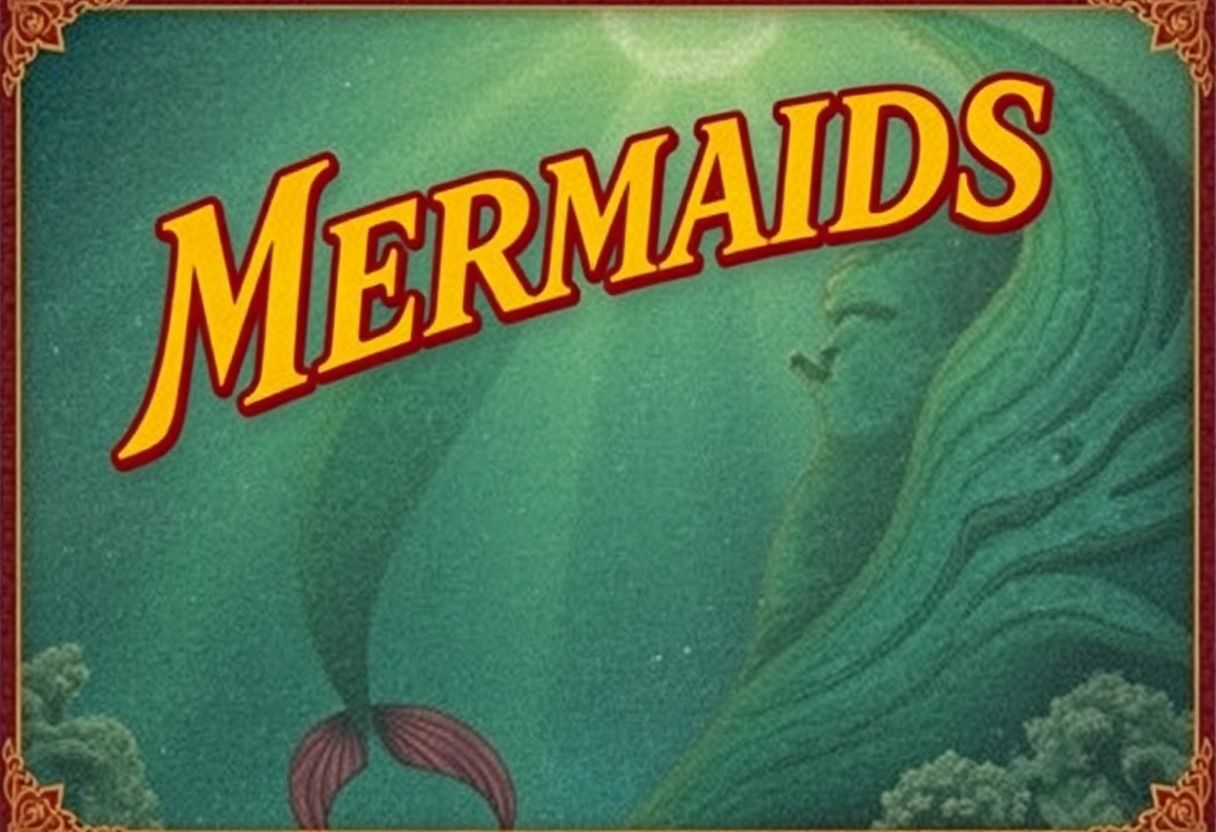
For centuries, mermaids have captured the imagination of cultures around the world. These mythical beings, often depicted as half-human and half-fish, have been the subject of countless stories, artworks, and even scientific speculation. But where did the legend of mermaids originate, and why do they continue to enchant us? In this article, we dive deep into the oceanic lore of mermaids, exploring their historical roots, cultural significance, and enduring presence in modern storytelling.
The Origins of Mermaid Mythology
The concept of mermaids dates back thousands of years, with some of the earliest references found in ancient Mesopotamian mythology. The Assyrian goddess Atargatis, often considered the first mermaid figure, was said to have transformed herself into a fish out of shame. However, her divine nature prevented her from fully becoming a fish, leaving her with a human upper body and a fish-like tail.
Mermaid-like creatures also appear in Greek mythology. The sirens, often conflated with mermaids, were dangerous beings who lured sailors to their doom with enchanting songs. While sirens were originally depicted as bird-like creatures, their association with the sea eventually led to their transformation into mermaid-like figures in later folklore.
Global Variations of Mermaid Legends
Mermaid myths are not confined to Western cultures. Similar beings appear in the folklore of many other regions:
- Japan: The “ningyo” is a fish-like creature with a human face. Unlike the romanticized Western mermaid, the ningyo is often seen as a harbinger of misfortune.
- Africa: The “Mami Wata” is a water spirit revered in many African cultures. She is often depicted as a mermaid and is associated with wealth, fertility, and healing.
- Scotland: The “selkies” are mythical beings that can transform from seals into humans. While not true mermaids, their stories share similar themes of love and longing.
- Caribbean: The “La Sirène” is a figure in Haitian Vodou and other Caribbean traditions. She is a powerful spirit of the sea, often depicted as a mermaid.
Mermaids in Literature and Art
Mermaids have been a popular subject in literature and art for centuries. One of the most famous literary works featuring a mermaid is Hans Christian Andersen's “The Little Mermaid,” published in 1837. This tale of love, sacrifice, and transformation has inspired countless adaptations, including Disney's animated film of the same name.
In art, mermaids have been depicted in various forms, from medieval manuscripts to Renaissance paintings. Artists like John William Waterhouse and Gustav Klimt have created iconic images of mermaids, capturing their beauty and mystery. These artistic representations often reflect the cultural attitudes and beliefs of their time, ranging from fear and fascination to romantic idealization.
The Science Behind the Myth
While mermaids are firmly rooted in mythology, some scientists and historians have attempted to explain their origins through natural phenomena. One theory suggests that early sailors mistook manatees or dugongs for mermaids. These marine mammals have a vaguely human-like appearance when viewed from a distance, especially in poor lighting conditions.
Another explanation lies in the psychological effects of long sea voyages. Isolation, fatigue, and malnutrition could have led sailors to hallucinate or misinterpret what they saw. These factors, combined with the human tendency to create stories to explain the unknown, may have contributed to the proliferation of mermaid legends.
Modern Interpretations and Cultural Impact
In modern times, mermaids have become a symbol of mystery, freedom, and femininity. They appear in movies, television shows, and even as mascots for brands like Starbucks. The enduring appeal of mermaids can be attributed to their dual nature: they are both human and otherworldly, embodying the allure of the unknown.
Mermaids have also become a popular subject in contemporary art and fashion. From mermaid-inspired makeup trends to elaborate cosplay costumes, these mythical beings continue to inspire creativity and self-expression. Social media platforms like Instagram and TikTok are filled with images and videos of “mermaid enthusiasts” showcasing their love for these enchanting creatures.
Case Study: The Mermaid Parade
One notable example of modern mermaid culture is the annual Mermaid Parade in Coney Island, New York. This event, which began in 1983, celebrates the art and mythology of mermaids with elaborate costumes, floats, and performances. The parade attracts thousands of participants and spectators each year, highlighting the enduring fascination with these mythical beings.
Mermaids and Environmental Awareness
In recent years, mermaids have also become a symbol for ocean conservation. Organizations like “Save the Mermaids” use the image of mermaids to raise awareness about issues such as plastic pollution and overfishing. By associating mermaids with the health of the oceans, these initiatives aim to inspire people to take action to protect marine ecosystems.
Statistics from the United Nations show that over 8 million tons of plastic enter the oceans each year, threatening marine life and habitats. Campaigns featuring mermaids help to humanize these issues, making them more relatable and engaging for the public.
Conclusion: The Enduring Allure of Mermaids
Mermaids have journeyed from ancient mythology to modern pop culture, captivating people across generations and cultures. Their stories reflect our fascination with the sea, our fears of the unknown, and our longing for transformation and freedom. Whether as symbols of beauty, danger, or environmental stewardship, mermaids continue to hold a special place in our collective imagination.
As we look to the future, the legend of mermaids reminds us of the importance of storytelling in understanding ourselves and the world around us. By exploring their oceanic lore, we not only uncover the rich tapestry of human culture but also gain