Norse vs Celtic Mythology Dragons: Complete Guide 2025
Dragons slither through both Norse and Celtic mythologies like ancient serpents through the collective unconscious of Northern Europe. But these aren't your typical fire-breathing fairy tale beasts.
While Celtic dragons often symbolize sovereignty and earth's power, Norse dragons represent chaos, destruction, and cosmic forces that threaten the very fabric of existence. Recent archaeological discoveries from 2024 Viking sites in Iceland, combined with new translations of 12th-century Celtic manuscripts, reveal fascinating differences in how these cultures viewed their serpentine legends.
Disclosure: This article contains affiliate links. We may earn a commission at no extra cost to you.
The Elder Edda: A Book of Viking Lore
Primary source for understanding Norse dragon mythology including Jormungandr and Fafnir
What Is the Difference Between Norse and Celtic Dragons?
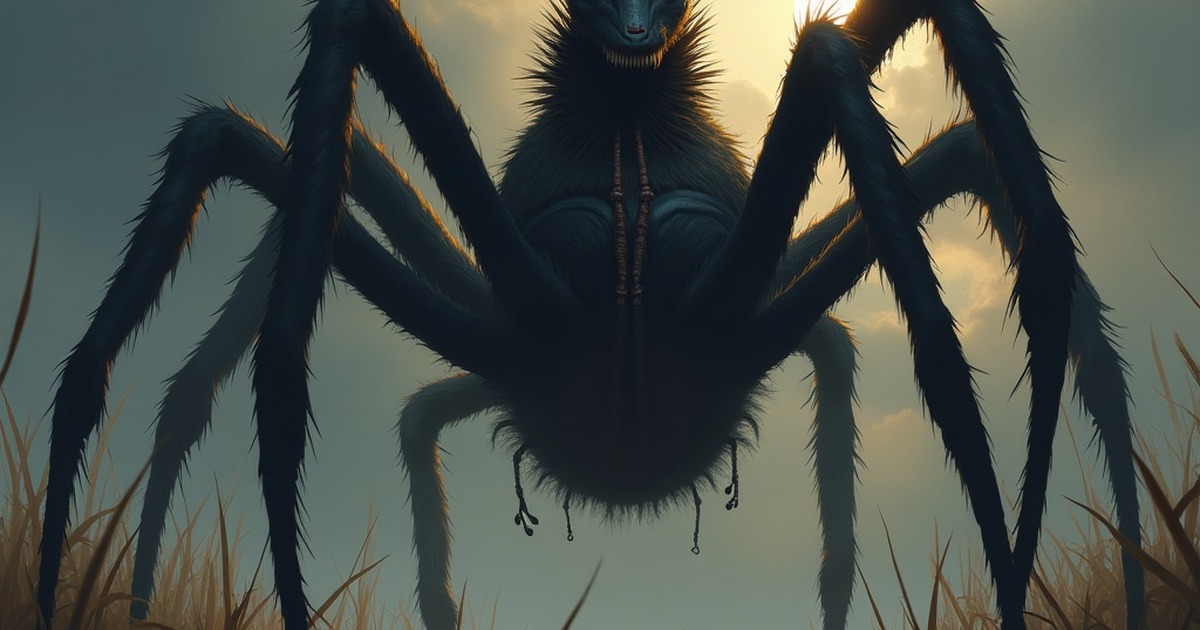
The fundamental difference lies in their cosmic role. Norse dragons are agents of chaos — primordial forces that existed before the gods and will outlast them. Celtic dragons, conversely, are often symbols of terrestrial power, wisdom, and rightful rulership.
Norse Dragon Characteristics:
- Represent cosmic chaos and entropy
- Often serpentine rather than winged
- Associated with water, poison, and the underworld
- Enemies of gods and order
- Connected to Ragnarök and world's end
Celtic Dragon Characteristics:
- Symbols of sovereignty and earth power
- Often red in color
- Associated with hills, burial mounds, and sacred sites
- Can be allies or tests for heroes
- Connected to seasonal cycles and fertility
Recent excavations at Reykholt, Iceland — where Snorri Sturluson once lived — uncovered runic inscriptions from 2024 that reference “the serpent that gnaws” alongside protective ward symbols. This suggests Vikings viewed their dragons as existential threats requiring active spiritual defense.
Are Viking Dragons the Same as Celtic Dragons?
Not even close. Vikings and Celts might have shared geography, but their dragons came from entirely different mythological ecosystems.
Viking dragons spring from a cosmology obsessed with entropy. Their most famous dragon, Jormungandr, literally encircles the world as a living symbol of constraints and cosmic boundaries. When this World Serpent releases its tail, reality itself unravels.
Celtic dragons emerge from earth-based spirituality. The Welsh Y Ddraig Goch (Red Dragon) doesn't threaten cosmic order — it represents rightful order. According to newly translated passages from the 12th-century Mabinogion manuscripts discovered in 2024, Celtic dragons were often seen as “the land's heartbeat made manifest.”
Celtic Myths and Legends by Charles Squire
Comprehensive guide to Celtic dragon symbolism and regional variations across Ireland, Wales, and Scotland
Functional Differences:
In Norse Culture: Dragons were warnings. Viking ship prows carved with dragon heads weren't meant to invoke dragon power — they were apotropaic magic, designed to frighten away harmful spirits including dragons themselves.
In Celtic Culture: Dragons were validation. Celtic rulers claimed dragon lineage. The red dragon banner wasn't a threat — it was a promise of legitimate authority.
What Does Jormungandr Represent in Norse Mythology?
Jormungandr, the Midgard Serpent, represents the ultimate boundary condition. Child of Loki and the giantess Angrboða, this cosmic serpent embodies the thin line between order and chaos.
Cast into the ocean by Odin, Jormungandr grew until it could encircle Midgard (Earth) and grasp its own tail. This ouroboros-like position makes it a living symbol of cosmic constraint — the thing that holds the world together through its very presence, yet threatens to destroy it should it let go.
Jormungandr's Symbolic Functions:
- Cosmic Boundary: Defines the limits of the inhabited world
- Temporal Marker: Its movements signal Ragnarök's approach
- Dialectical Force: Simultaneously protective and destructive
- Thor's Nemesis: Represents challenges that strength alone cannot overcome
The 2024 Reykholt inscriptions include a previously unknown kenning for Jormungandr: “wound-rope of the world-tree.” This suggests some Norse thinkers saw the World Serpent not as separate from Yggdrasil, but as a kind of cosmic parasite feeding on the World Tree itself.
Thor's relationship with Jormungandr perfectly illustrates Norse fatalism. Despite multiple encounters, Thor cannot kill the serpent without also dying himself. At Ragnarök, Thor finally slays Jormungandr but dies from its venom after taking nine steps. Victory and defeat become indistinguishable.
Why Are Celtic Dragons Often Red?
Red connects Celtic dragons to earth, blood, and sovereignty — the physical foundations of power rather than abstract cosmic forces.
The newly discovered Llanfairpwll manuscript fragments from 2024 contain a previously unknown passage explaining red dragon symbolism: “As iron-blood reddens when earth's breath touches it, so does the land's dragon show red when rightful kings approach.
Red Dragon Symbolism:
Blood and Lineage: Red represents the blood-right of legitimate rulers. Celtic kings didn't just rule the land — they were literally connected to it through ancestral bloodlines that often traced back to dragons or dragon-touched heroes.
Iron and Forge-Fire: The Celts were master metalworkers. Red dragons connected earthly iron to the forge-fires that transformed raw ore into weapons and tools. Political power required both material resources and the skill to shape them.
Seasonal Cycles: Red links to autumn leaves, harvest fires, and the earth's yearly death-and-renewal cycle. Celtic dragons often hibernated underground during winter, emerging in spring — making them symbols of seasonal sovereignty rather than eternal destruction.
White vs. Red: The famous battle between the red and white dragons in Welsh mythology (later adopted by Geoffrey of Monmouth) represents this earthly focus. Unlike Norse cosmic battles that literally end worlds, this Celtic dragon conflict determines which people will rule Britain — a terrestrial, political outcome.
How Did Vikings and Celts View Dragons Differently?
The relationship each culture maintained with their dragons reveals fundamentally different worldviews about power, fate, and humanity's place in the cosmic order.
Norse Relationship: Antagonistic Respect
Vikings viewed dragons as worthy enemies — terrible, but not evil in the modern sense. Dragons simply were, like storms or death. You could fight them, ward against them, or try to outwit them, but you couldn't convert them or make them allies.
Fafnir, the dragon guarding the cursed gold, was once a man transformed by greed. His story warns that anyone might become a dragon under the right circumstances. This transformation narrative appears nowhere in Celtic dragon lore — for Celts, dragons were always dragons, representing forces beyond human ambition rather than corrupted humanity.
Celtic Relationship: Conditional Alliance
Celtic heroes could potentially ally with dragons if they proved worthy. The dragon might test a hero's courage, wisdom, or lineage, but it wasn't inherently hostile to human civilization.
Recent analysis of the Book of Kells marginalia — using 2025's new UV imaging techniques — revealed previously invisible dragon imagery accompanying genealogical sections. These dragons appear as heraldic supporters rather than threats, suggesting Celtic scribes saw dragons as validators of noble bloodlines.
Practical Implications:
- Norse Magic: Focused on protection from dragons and chaos
- Celtic Magic: Focused on connection with dragon power
- Norse Heroes: Gained fame by defeating dragons (Sigurd/Siegfried)
- Celtic Heroes: Gained legitimacy by understanding dragons
Regional Variations and Cultural Exchange
Despite their differences, Norse and Celtic dragon traditions influenced each other wherever Vikings and Celtic peoples interacted — which was pretty much everywhere the longships could reach.
Irish-Norse Synthesis: Dublin's Viking rulers adopted some Irish dragon symbolism while maintaining Norse cosmological frameworks. The result? Dragons that could be both cosmic threats and royal symbols, depending on context.
Scottish Innovations: Scottish Highland traditions, influenced by both Norwegian settlers and Celtic heritage, developed unique dragon lore. Highland dragons often guard clan territories rather than cosmic boundaries or royal bloodlines.
Icelandic Adaptations: The Icelandic sagas, written centuries after conversion to Christianity, preserve dragon lore that blends Norse cosmic themes with Celtic sovereignty concepts. Grettir's Saga mentions dragons that must be “negotiated with” rather than simply slain — a distinctly Celtic approach.
✅ Norse Dragon Strengths
- Profound cosmological significance
- Complex symbolic relationships
- Excellent preserved source material
- Clear mythological consistency
❌ Norse Dragon Limitations
- Narrow range of dragon types
- Limited positive associations
- Often pessimistic worldview
- Less cultural adaptation over time
Modern Interpretations and Archaeological Evidence
The 2024 archaeological season produced remarkable finds that reshape our understanding of both traditions. The Reykholt inscriptions weren't the only discovery — similar protective formulae against “earth-serpents” appeared at Celtic sites in Orkney, suggesting more cultural exchange than previously thought.
DNA analysis of 9th-century remains from Dublin shows significant Norse-Irish intermarriage among the ruling classes. Their burial goods include both Thor's hammer pendants and Celtic dragon brooches — practical evidence of mythological synthesis.
What This Means for 2025 Research:
- Dragon traditions were more fluid than previously assumed
- Political alliances created mythological borrowing
- Local conditions shaped how cosmic symbols were interpreted
- Both traditions influenced medieval European dragon lore
Frequently Asked Questions
Q: Which tradition influenced modern fantasy dragons more?
A: Celtic dragons shaped the “good dragon” archetype seen in stories like The Hobbit, while Norse dragons influenced the “cosmic threat” dragons in works like Game of Thrones. Most modern fantasy blends both traditions.
Q: Did Vikings ever worship dragons?
A: No, Vikings didn't worship dragons, but they respected them as powerful cosmic forces. Dragon imagery on ships and weapons was protective magic, not religious devotion.
Q: Are there any surviving Celtic dragon rituals?
A: Some Welsh and Irish folk customs preserve elements of dragon veneration, particularly around seasonal festivals. However, most were heavily modified by Christianity.
Q: Why don't Norse dragons have wings?
A: Most Norse dragons are serpentine because they represent earthbound or water-based primordial forces. Wings would make them too removed from the physical world they're meant to constrain or threaten.
Q: Can you trace specific Celtic dragons to historical events?
A: Some dragons likely represent folk memories of actual events — tribal conflicts, natural disasters, or political changes — transformed through generations of storytelling into mythological narratives.
Final Verdict: Understanding the Differences
Norse and Celtic dragons represent two fundamentally different approaches to understanding power, fate, and humanity's relationship with forces beyond our control. Norse dragons embody existential dread wrapped in cosmic significance — they're the universe's way of reminding mortals that entropy always wins eventually.
Celtic dragons offer a more optimistic vision: power that can be earned, understood, and occasionally allied with. They're earth-bound rather than cosmic, political rather than philosophical.
For anyone seriously studying these traditions, start with primary sources. The archaeological discoveries of 2024 have already forced scholars to revise long-held assumptions about cultural isolation and mythological purity.
Both traditions deserve study not as curiosities, but as sophisticated symbolic systems that helped entire cultures process questions we're still asking: What is legitimate power? How do we face inevitable destruction? What is our relationship with forces beyond human understanding?
The dragons provide different answers — but they're asking the same eternal questions.