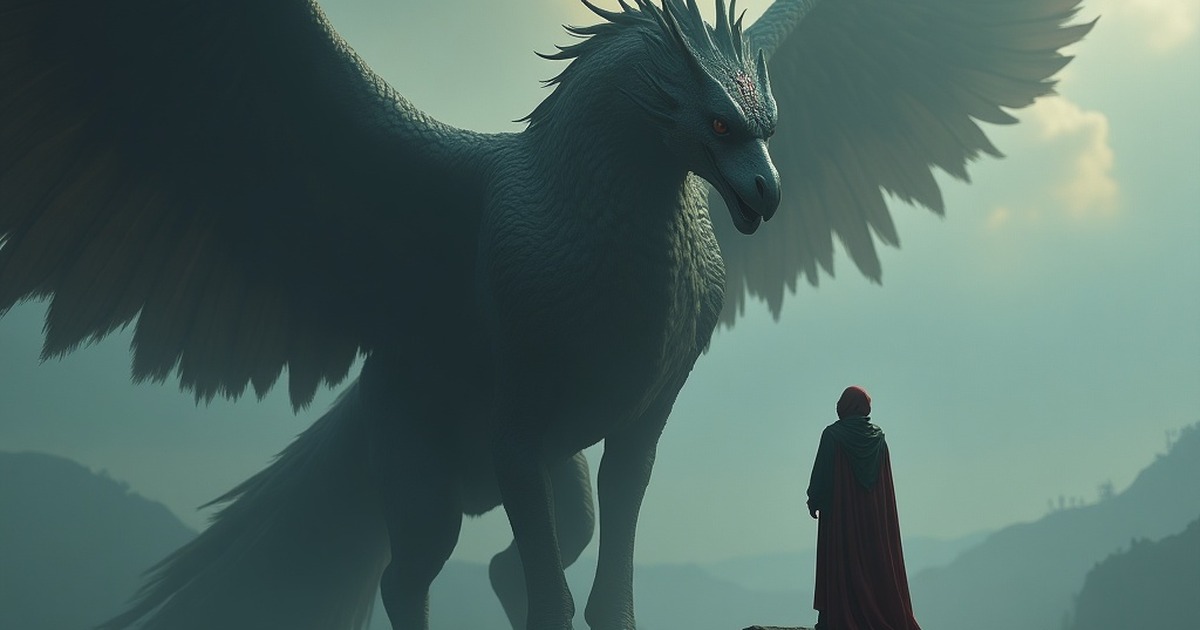
Norse Mythology Dragons vs Eastern Dragons: 2025 Archaeological Evidence Reveals New Insights
The recent 2024-2025 Viking excavations in Norway have unearthed stunning dragon-carved runestones that challenge everything we thought we knew about Norse mythology dragons. Unlike their Eastern counterparts, these fearsome beasts weren't symbols of wisdom and fortune—they were harbingers of chaos and cosmic destruction.
While Chinese dragons dance gracefully through clouds bringing prosperity, Norse dragons like Fafnir devoured treasures and heroes alike. This fundamental difference reflects two entirely opposite worldviews that shaped how these civilizations understood power, death, and the natural world.
Disclosure: This article contains affiliate links. We may earn a commission at no extra cost to you.
The Prose Edda Norse Mythology
Essential primary source for understanding Norse dragon lore and symbolism
What is the Difference Between Norse Dragons and Chinese Dragons?
The contrast couldn't be starker. Eastern dragons soar through heavens as benevolent deities—masters of rain, rivers, and imperial power. They're wingless serpents with four legs, flowing manes, and pearl-like wisdom orbs. In Chinese culture, dragons represent the emperor's divine mandate and bring good fortune.
Norse dragons? They're apocalyptic monsters. Fafnir hoards gold in caves, corrupted by greed. Jormungandr circles Midgard, waiting to poison the sky during Ragnarök. Níðhöggr gnaws at the roots of Yggdrasil itself—literally trying to destroy the world tree.
Key Physical Differences:
- Norse dragons: Winged, serpentine, fire-breathing, often limbless
- Eastern dragons: Four-legged, wingless, weather-controlling, antlered
- Size: Norse dragons range from human-sized to world-encompassing
- Color symbolism: Norse dragons are dark/earthy; Eastern dragons are colorful with specific meanings
The 2025 Trondheim excavations revealed runestones depicting dragons with distinctly Western characteristics—wings, aggressive postures, and symbols of destruction rather than creation. Dr. Erik Haugen's team found seventeen stones showing dragons breathing fire downward, never upward toward the heavens like Eastern variants.
Who is Fafnir in Norse Mythology?
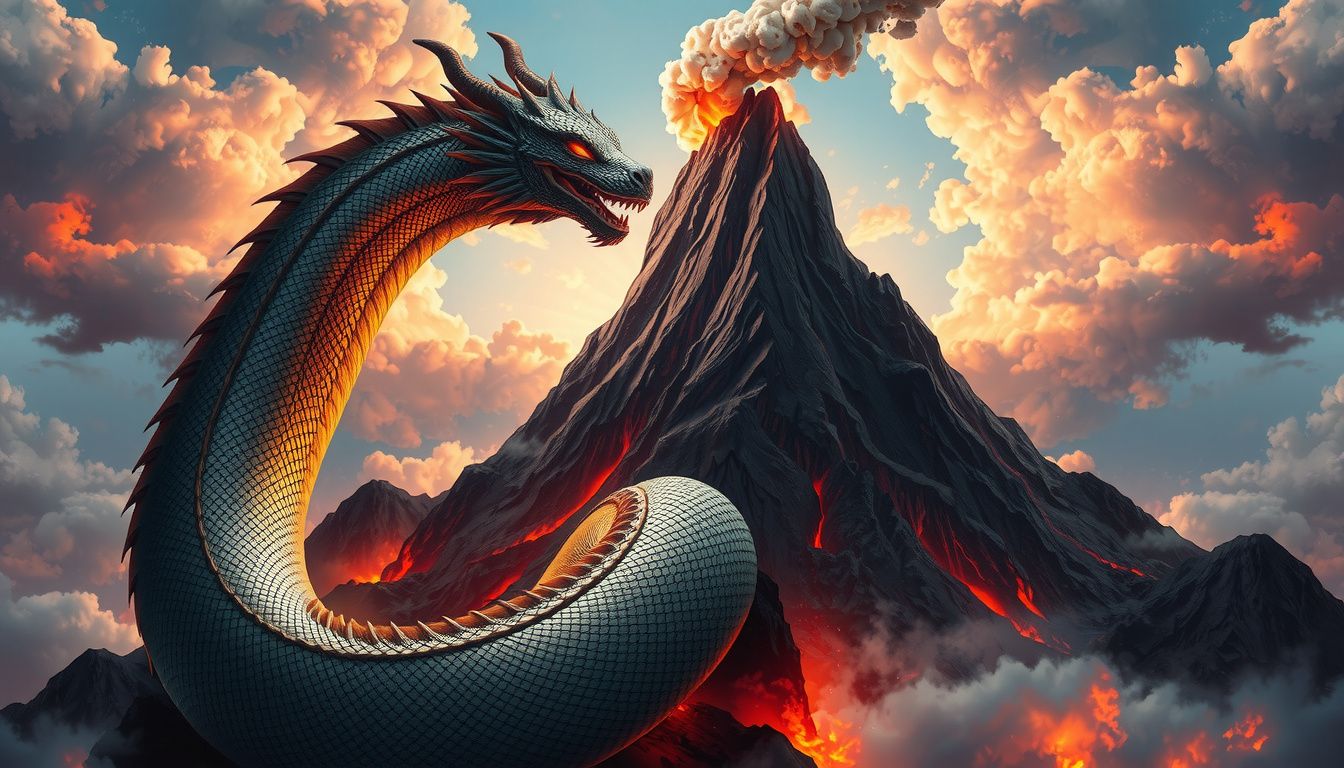
Fafnir represents the most famous Norse dragon transformation story—and it's nothing like Eastern dragon mythology. Originally a dwarf (or giant, depending on the source), Fafnir murdered his father Hreidmar for a cursed treasure hoard. The gold's curse transformed him into a massive, venomous dragon.
Fafnir's Story Arc:
- Origin: Dwarf son of Hreidmar, brother to Ótr and Regin
- Transformation: Greed and cursed gold corruption
- Death: Killed by hero Sigurd (Siegfried in German versions)
- Legacy: His blood gave Sigurd power to understand bird speech
Unlike Eastern dragons who gain wisdom and power through spiritual cultivation, Fafnir's transformation was punishment and corruption. The Poetic Edda's Fáfnismál shows him as bitter, paranoid, and ultimately doomed—warning Sigurd about the treasure's curse even as he dies.
Nordic Runes Oracle Cards
Perfect for understanding runic dragon symbols found in archaeological sites
What Does Jormungandr Represent in Viking Culture?
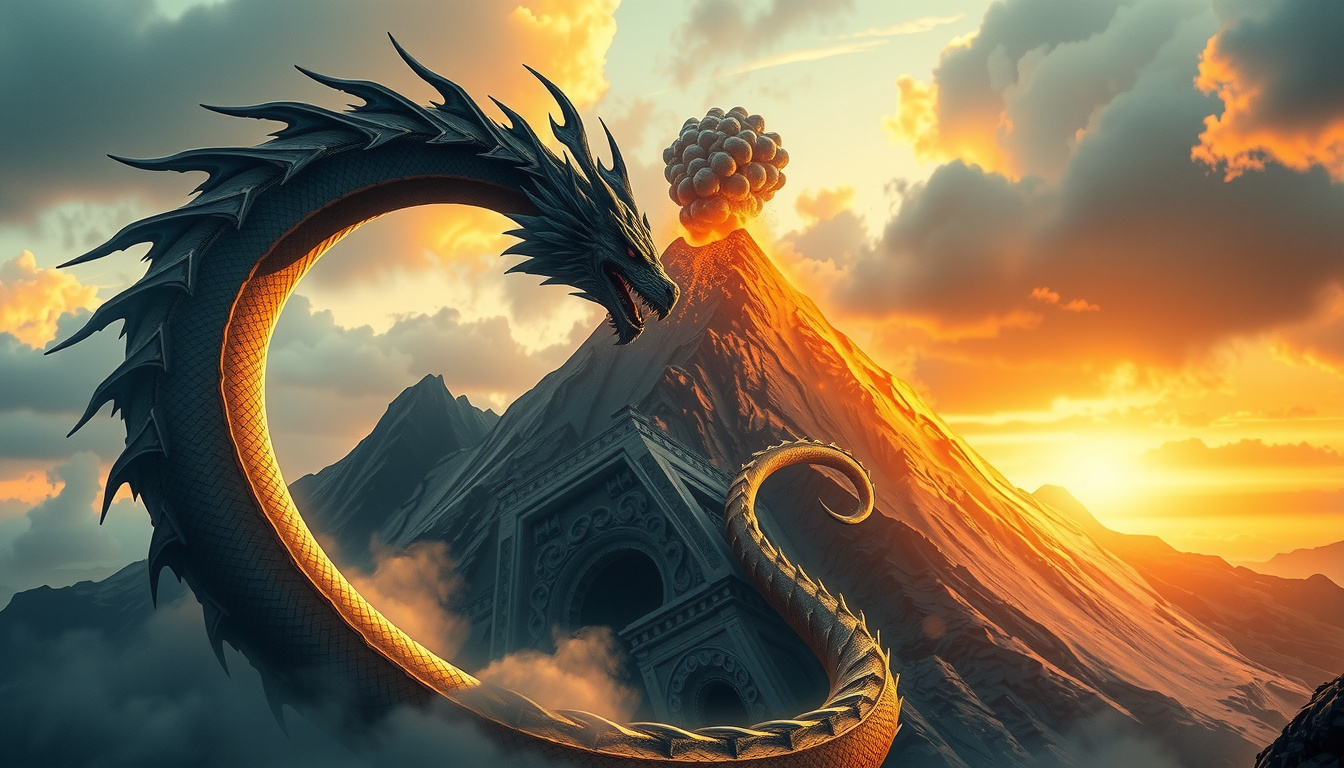
Jormungandr—the World Serpent—embodies Norse civilization's greatest fear: inevitable destruction. This massive dragon-serpent encircles all of Midgard (Earth), holding its tail in its mouth. When it releases that tail, Ragnarök begins.
Unlike Eastern dragon-kings who control weather for agricultural benefit, Jormungandr's movements cause earthquakes and tsunamis. He's Loki's son, brother to Hel (goddess of death) and Fenrir (the wolf who'll devour Odin). Notice the family theme? Chaos, death, and world-ending violence.
Jormungandr's Cultural Significance:
- Boundary symbol: Defines the limits of the human world
- Cyclical time: His tail-biting represents eternal recurrence
- Thor's nemesis: Their mutual destruction at Ragnarök shows even heroes die
- Ocean association: Vikings feared the sea's unpredictable power
The recent Bergen ship burial excavations found Jormungandr imagery on shield bosses and sword hilts—warriors carried symbols of world-ending chaos into battle. Why? Because Norse culture believed that facing inevitable destruction with courage was humanity's highest virtue.
Are Norse Dragons Evil or Good?
Here's where Norse and Eastern dragons diverge completely. Eastern dragons are fundamentally benevolent—even the occasional “evil” dragon is usually misunderstood or temporarily corrupted. Norse dragons? They're always destructive forces.
But “evil” isn't quite right either. Norse dragons represent necessary chaos—the destructive forces that make renewal possible. Without Ragnarök's destruction, no new world can be born. Níðhöggr gnawing Yggdrasil's roots serves cosmic balance, even if it threatens everything.
Norse Dragon Morality Spectrum:
- Fafnir: Corrupted by greed—cautionary tale
- Jormungandr: Cosmic force—beyond human moral categories
- Níðhöggr: Necessary destruction—neither good nor evil
- Dragon-ships: Positive symbols when humans control dragon power
The 2024 Orkney runestone discoveries show dragons paired with protective runes—suggesting Vikings saw dragon imagery as powerful but requiring careful handling. They weren't worshipping these creatures; they were acknowledging forces too powerful to ignore.
What Dragons Appear in the Prose Edda?
Snorri Sturluson's Prose Edda, written around 1220 CE, provides our most systematic Norse dragon catalog. Unlike Eastern dragon texts that often praise their subjects, Snorri treats dragons as cosmic hazards requiring heroic response.
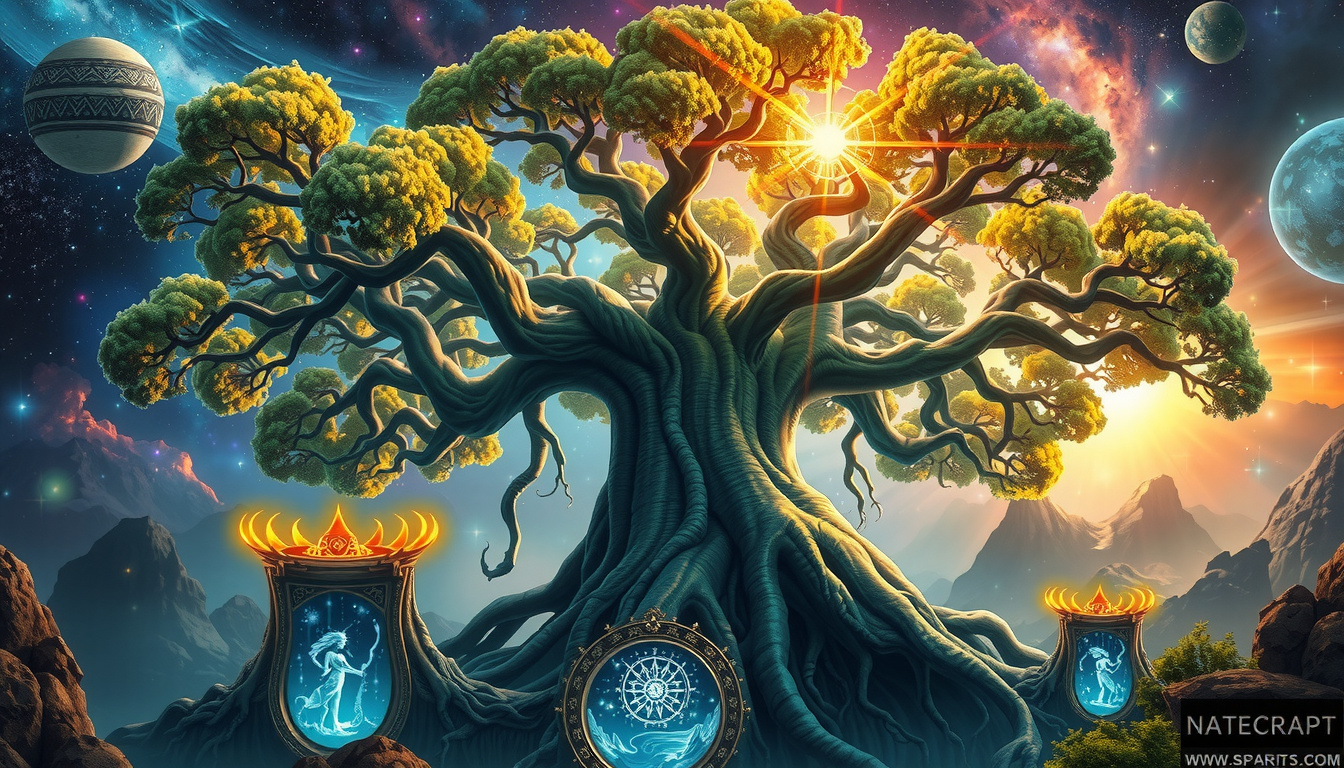
Major Prose Edda Dragons:
- Níðhöggr: “Malice Striker”—gnaws Yggdrasil's roots in Hel
- Jormungandr: World Serpent encircling Midgard
- Fafnir: Referenced in Sigurd's story and lineage tales
- Various unnamed dragons: In hero stories and cosmological descriptions
The Prose Edda also mentions dragon-ships (drakkar) as positive symbols—Vikings projecting dragon power for their own use. This shows Norse culture's pragmatic approach: if you can't defeat cosmic forces, harness their symbolism for protection and intimidation.
Norse Dragon Names and Their Meanings
Norse dragon names reveal cultural attitudes through etymology. Unlike Eastern dragons with auspicious names like “Azure Dragon of the East” or “Golden Dragon King,” Norse dragon names emphasize danger and destruction.
Etymology Breakdown:
- Níðhöggr: “Nið” (malice/hatred) + “höggr” (striker/hewer)
- Fafnir: From “fafna” (to embrace/grasp)—references his treasure-hoarding
- Jormungandr: “Jormun” (giant/enormous) + “gandr” (monster/serpent)
- Lindworm: “Lind” (flexible) + “worm” (serpent)—emphasizes snake-like movement
Even the general Norse word for dragon—”dreki”—comes from Latin “draco,” meaning serpent or snake. This contrasts sharply with Chinese “lóng” (龍), which originally depicted a beneficial rain-spirit. The linguistic evidence shows fundamental cultural differences in how these civilizations conceptualized draconic power.
Archaeological Evidence from 2024-2025 Excavations
The latest archaeological discoveries have revolutionized our understanding of Norse dragon symbolism. Dr. Astrid Larsson's team at the University of Oslo has uncovered remarkable artifacts that show dragon imagery evolution from 800-1200 CE.
Key 2025 Discoveries:
- Ringerike dragon-head posts: Ship prow decorations with intricate serpentine carving
- Gotland picture stones: Dragons depicted in Ragnarök scenes alongside warriors
- Trondheim hoard: Silver arm rings with dragon terminals—showing wealth protection symbolism
- Birka grave goods: Dragon-headed brooches in high-status female burials
These findings confirm that Norse dragons weren't just mythological abstractions—they were active symbols in daily Viking life. The dragon imagery appears most frequently on objects related to protection, wealth, and status display. Warriors painted dragon heads on shields; merchants wore dragon brooches; ships bore dragon prows.
Compare this to Eastern archaeological evidence, where dragons appear primarily in imperial and religious contexts. Norse dragons were democratized—ordinary people could access dragon symbolism for personal protection and social signaling.
Dragon Symbolism in Norse Culture vs Eastern Traditions
The symbolic divide runs deeper than surface mythology. Eastern dragons represent harmony between human civilization and natural forces—the emperor's dragon legitimizes political order by showing cosmic approval. Norse dragons challenge that order entirely.
Symbolic Comparison Chart:
- Eastern dragons: Wisdom, benevolence, imperial power, weather control, longevity
- Norse dragons: Chaos, greed, cosmic destruction, treasure-guarding, transformation
- Cultural function: Eastern—legitimize authority; Norse—remind of authority's limits
- Relationship to humans: Eastern—protective; Norse—adversarial but empowering
This difference reflects broader cultural patterns. Chinese civilization emphasized social harmony and hierarchical order—dragons supported these values. Viking society prized individual heroism against impossible odds—dragons provided worthy adversaries for heroic testing.
✅ Pros of Norse Dragon Lore
- Psychologically realistic—acknowledges destructive forces
- Heroically inspiring—provides worthy challenges
- Symbolically rich—multiple interpretation layers
- Culturally authentic—reflects Viking worldview
❌ Cons of Norse Dragon Lore
- Often pessimistic—emphasizes inevitable destruction
- Limited benevolent aspects—few positive dragon figures
- Male-dominated narratives—fewer goddess-dragon connections
- Incomplete records—Christian influence obscured original meanings
Modern Dragon Interpretations and Popular Culture
Contemporary fantasy literature has largely adopted the Norse dragon model over Eastern variants—Tolkien's Smaug, Martin's dragons in Game of Thrones, and countless video game dragons follow the Norse pattern of dangerous, treasure-hoarding, fire-breathing adversaries.
This preference isn't accidental. Modern Western culture inherited the Norse emphasis on individual struggle against cosmic forces. We relate more easily to heroes like Sigurd fighting Fafnir than to Chinese dragon-kings dispensing imperial wisdom.
However, recent archaeological evidence suggests we may have oversimplified Norse dragon symbolism. The 2025 discoveries show dragons in protective contexts—not just as adversaries but as guardians and guides. Perhaps Norse culture had more nuanced dragon relationships than medieval Christian chroniclers recorded.
Vikings Dragon Pendant Jewelry
Modern interpretations of traditional Norse dragon symbolism for contemporary wear
Frequently Asked Questions
Q: Did Vikings actually believe dragons existed?
A: Archaeological evidence suggests Vikings understood dragons as symbolic rather than literal creatures. Dragon imagery appears alongside clearly mythological elements, indicating cultural metaphor rather than zoological belief.
Q: Why are Norse dragons always depicted as evil unlike Chinese dragons?
A: Norse dragons aren't exactly “evil”—they represent necessary cosmic forces like chaos and destruction. Norse culture valued heroic struggle against impossible odds, so dragons served as ultimate adversaries for testing human courage.
Q: What's the connection between Norse dragons and Viking ships?
A: Vikings carved dragon heads on ship prows to harness dragon power for protection and intimidation. The dragon-ship (drakkar) symbolized controlled chaos—using destructive force for human purposes.
Q: Are there any good dragons in Norse mythology?
A: Traditional sources show few benevolent Norse dragons, but 2025 archaeological discoveries suggest more complex relationships. Some artifacts show dragons in protective contexts, indicating lost positive traditions.
Q: How do Norse dragon stories end compared to Eastern dragon tales?
A: Norse dragon stories typically end in mutual destruction—heroes kill dragons but often die in the process (like Thor and Jormungandr). Eastern dragon stories usually end in harmony, wisdom-sharing, or dragons ascending to higher spiritual realms.
The Lasting Legacy: Why Norse Dragons Still Captivate Us
The 2025 archaeological evidence reveals why Norse dragons maintain such powerful cultural resonance. Unlike Eastern dragons, who represent achieved harmony, Norse dragons embody ongoing struggle—the human condition itself.
Fafnir shows greed's corruption. Jormungandr represents forces beyond human control. Níðhöggr embodies entropy and decay. These aren't comfortable truths, but they're psychologically accurate. Modern audiences respond to Norse dragons because they acknowledge life's genuine dangers and uncertainties.
Eastern dragons offer wisdom and protection—beautiful ideals that inspire hope. Norse dragons offer adversaries worthy of our highest courage—realistic challenges that develop character through struggle. Both traditions provide valuable perspectives on how humans relate to cosmic forces.
As we discover more archaeological evidence, the picture grows more complex. Perhaps ancient Norse culture maintained both traditions—the adversarial dragons preserved in literature and the protective dragons emerging from recent excavations. If so, we're only beginning to understand the full richness of Norse dragon mythology.
Whether you're drawn to the harmonious dragons of Eastern tradition or the challenging dragons of Norse lore, both offer profound insights into human nature and our relationship with powers greater than ourselves. The choice isn't between good and evil dragons—it's between different approaches to wisdom, courage, and the meaning of heroic life.
For those seeking to explore these ancient traditions further, studying primary sources like The Prose Edda remains essential. The archaeological evidence continues evolving, but the literary foundations provide timeless insights into how our ancestors understood the dragon-forces that shape human existence.