- Norse Mythology by Neil Gaiman
- Who is More Powerful: Hel or Hades?
- Key Differences Between Norse and Greek Afterlife Systems
- Norse Afterlife: Honor-Based Destinations
- Greek Afterlife: Justice-Based Judgment
- How Norse and Greeks Viewed Death Differently
- Norse Death Philosophy: Fatalistic Acceptance
- Greek Death Philosophy: Natural Transition
- Which Mythology Has Scarier Death Gods?
- Norse Death Gods: Existential Terror
- Greek Death Gods: Active Malevolence
- Powers and Abilities: Complete Breakdown
- Hel's Divine Powers
- Hades' Divine Powers
- Supporting Cast Powers
- Cultural Impact and Modern Interpretations
- Norse Influence in 2025
- Greek Influence in 2025
- Frequently Asked Questions
- Final Verdict: Which Death Gods Reign Supreme?
- Related Posts
Norse vs Greek Death Gods: Complete Guide 2025
Death has fascinated humanity since our earliest stories were carved into stone. But how different cultures viewed death—and the gods who ruled over it—reveals profound truths about their values, fears, and hopes for what lies beyond.
The Norse and Greek mythologies present two dramatically different approaches to death deities, each reflecting their societies' unique worldviews and spiritual beliefs.
Quick Answer: Norse death gods like Hel embody inevitability and cosmic balance, ruling over realms where honor determines your afterlife experience. Greek death gods such as Hades focus on justice and order, maintaining strict boundaries between life and death while offering potential redemption through proper rituals.
Disclosure: This article contains affiliate links. We may earn a commission at no extra cost to you.

Norse Mythology by Neil Gaiman
Masterful retelling that brings Norse death gods to vivid life
Who is More Powerful: Hel or Hades?
Power in mythology isn't just about raw strength—it's about influence, domain control, and cosmic significance. Both Hel and Hades wield immense authority, but in fundamentally different ways.
Hel's Power Structure: As daughter of Loki and ruler of Helheim, Hel commands authority over all who die of sickness or old age. Her power stems from inevitability—even the gods fear her realm because they know Ragnarök will send most of them there. She can deny entry to Valhalla and has refused gods' requests, including Odin's plea to release Baldr.
Hades' Power Structure: Hades rules the entire Greek underworld with absolute authority. He commands legions of spirits, controls the judges of the dead, and possesses the Helm of Darkness that grants invisibility. Unlike Hel, Hades has active dominion over punishment and reward systems.
In terms of raw power, Hades likely wins. He's a full Olympian god with control over precious metals and gems from beneath the earth. But Hel's power is more existentially terrifying—she represents the ultimate equalizer that even gods cannot escape.
Mythology by Edith Hamilton
Comprehensive guide to Greek mythology with detailed coverage of Hades and the underworld
Key Differences Between Norse and Greek Afterlife Systems

The differences between Norse and Greek afterlife concepts run deeper than just different names for similar places. They represent entirely different philosophical approaches to death, justice, and the continuation of existence.
Norse Afterlife: Honor-Based Destinations
Norse afterlife operates on a merit system based primarily on how you died, not how you lived. This reflects a warrior culture where courage in death mattered more than moral behavior in life.
Primary Destinations:
- Valhalla: For those who die gloriously in battle
- Fólkvangr: Freya's hall for half the battle-dead
- Helheim: For those dying of sickness, old age, or accident
- Náströnd: Punishment hall for oath-breakers and murderers
What's fascinating here? Helheim isn't necessarily punishment. It's described as cold and dreary, but not torturous. The Norse viewed it more as a continuation of existence rather than reward or punishment.
Greek Afterlife: Justice-Based Judgment
Greek afterlife focuses heavily on moral judgment and proportional consequences. This reflects a civilization that valued justice, philosophy, and ethical behavior.
Primary Destinations:
- Elysium: Paradise for the heroic and virtuous
- Asphodel Fields: Neutral zone for ordinary souls
- Tartarus: Punishment for the wicked and enemies of gods
- Islands of the Blessed: Ultimate paradise for those reincarnated to Elysium three times
The Greek system includes formal judgment by Minos, Rhadamanthus, and Aeacus—an actual trial system that weighs your life's actions.
How Norse and Greeks Viewed Death Differently
These mythologies reveal fundamental cultural differences about death's meaning and humanity's relationship with mortality.
Norse Death Philosophy: Fatalistic Acceptance
Norse mythology embraces death as inevitable and cyclical. Even gods die—Ragnarök ensures that. This creates a culture of fatalistic acceptance where the focus shifts from avoiding death to facing it with honor.
Key Norse Death Concepts:
- Wyrd (Fate): Death comes when the Norns decree it
- Glorious Death: How you die matters more than when
- Cyclical Time: Death and rebirth are cosmic constants
- Honor Code: Your reputation survives death
Greek Death Philosophy: Natural Transition
Greeks viewed death as a natural transition requiring proper management. They developed elaborate funeral rites and believed correct procedures could influence your afterlife experience.
Key Greek Death Concepts:
- Psychopomp Guidance: Hermes guides souls to proper judgment
- Ritual Importance: Proper burial affects afterlife placement
- Moral Consequences: Your actions directly determine punishment or reward
- Divine Justice: Death serves cosmic order and balance
Which Mythology Has Scarier Death Gods?

Scariness is subjective, but Norse and Greek death gods certainly inspire different types of fear. Let's examine what made each pantheon's death deities genuinely terrifying to their respective cultures.
Norse Death Gods: Existential Terror
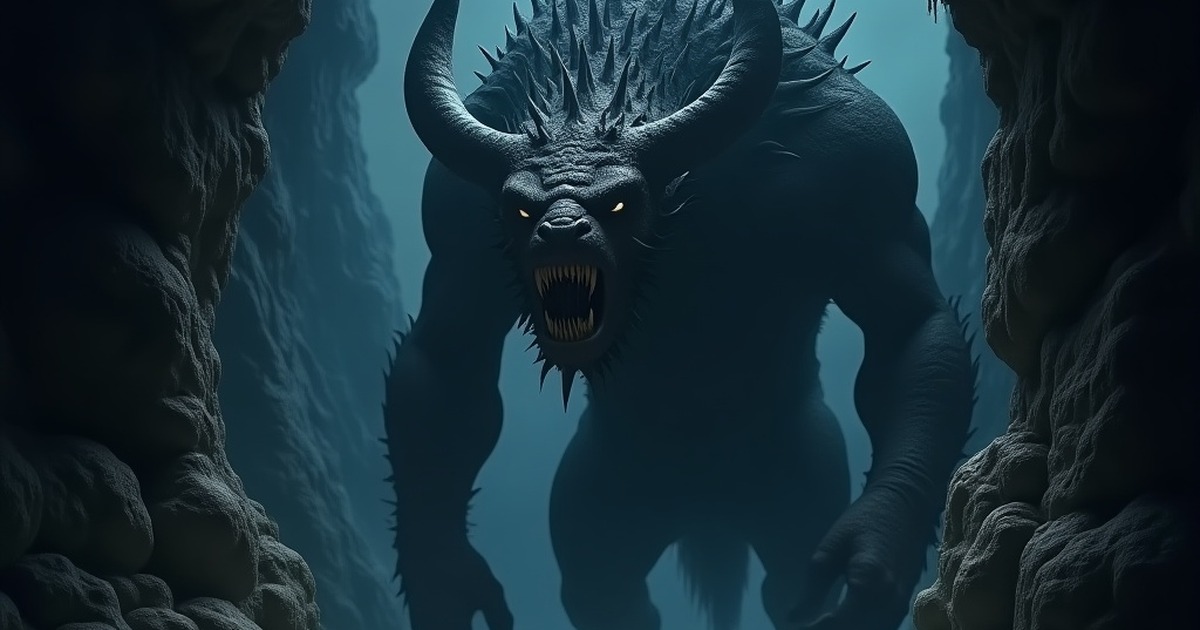
Hel: Half-living, half-corpse, Hel embodies the horror of decay and inevitability. Her appearance—beautiful on one side, rotting on the other—represents life's fragility. She's not evil, which somehow makes her more terrifying. She's just inevitable.
The Norns: These fate-weaving sisters determine when everyone dies, including gods. You can't bargain with fate itself.
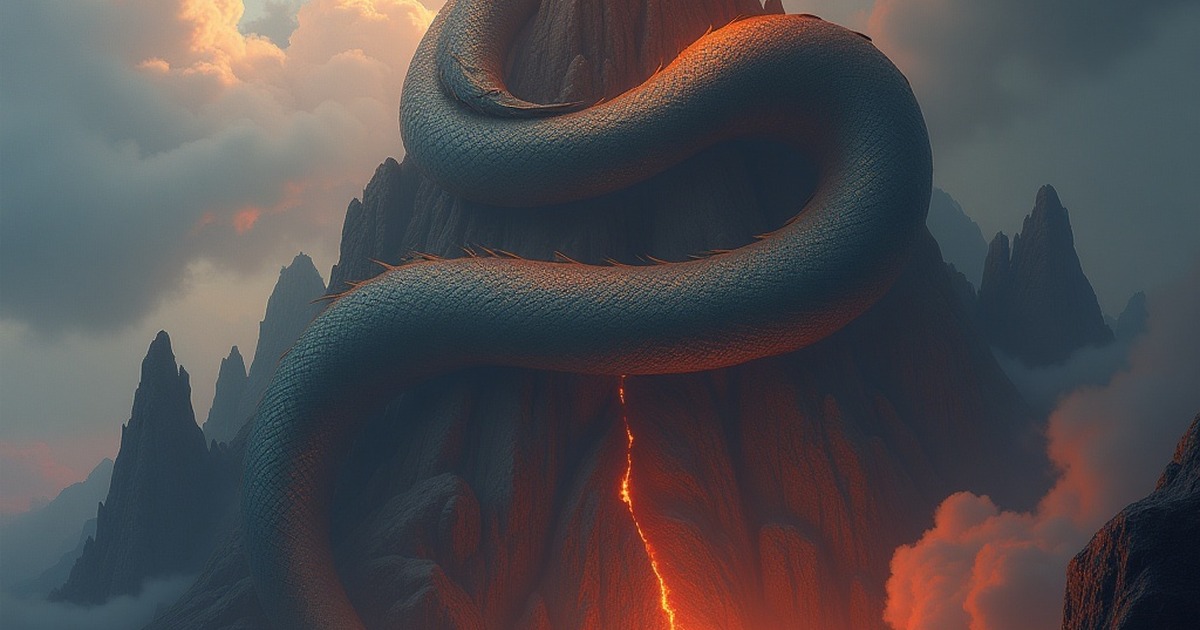
Jormungandr (World Serpent): Though not strictly a death god, this massive serpent will poison the sky during Ragnarök, killing even Thor. He represents apocalyptic, unstoppable death.
Greek Death Gods: Active Malevolence
Hades: While not evil, Hades can be merciless and jealous. His abduction of Persephone shows he'll take what he wants. He's actively involved in punishing wrongdoers.
Thanatos: The personification of death itself—gentle but absolutely inescapable. When your time comes, Thanatos comes for you.
The Erinyes (Furies): These vengeful spirits pursue murderers and oath-breakers relentlessly, driving them mad with guilt and terror.
Norse death gods inspire existential dread—the fear that nothing you do ultimately matters. Greek death gods inspire moral terror—the fear that your actions have inescapable consequences.
Powers and Abilities: Complete Breakdown
Understanding the specific powers of Norse and Greek death gods reveals how each culture conceptualized death's role in cosmic order.
Hel's Divine Powers
Domain Control: Absolute authority over Helheim and all who enter
Life/Death Vision: Can see both the living and dead simultaneously
Plague Spreading: Can send diseases and pestilence to Midgard
Resurrection Denial: Can prevent the dead from returning to life
Prophetic Knowledge: Knows the fate of gods during Ragnarök
Hades' Divine Powers
Underworld Mastery: Complete control over all aspects of the afterlife
Helm of Darkness: Grants invisibility and terror-inducing presence
Wealth Control: Commands all precious metals and gems from underground
Soul Binding: Can prevent spirits from leaving his realm
Judicial Authority: Final say in afterlife punishments and rewards
Supporting Cast Powers
Both mythologies feature extensive supporting casts of death-related deities and creatures:
Norse Supporters:
- Valkyries: Choose who dies in battle and escort souls to Valhalla
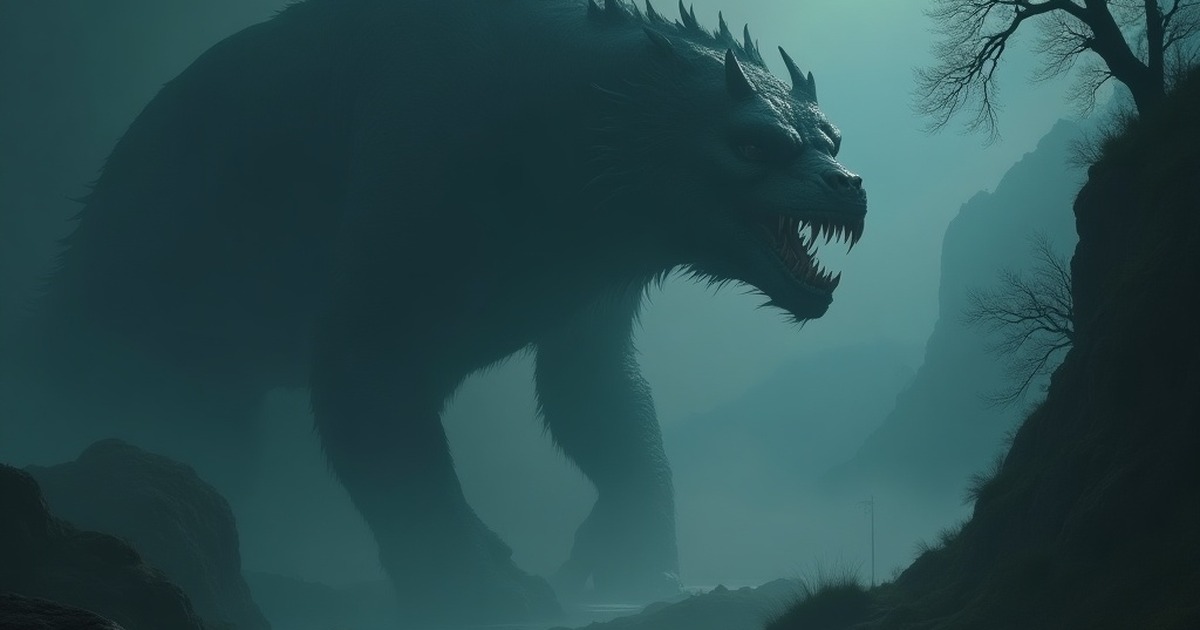
- Garm: Hellhound guarding Helheim's gates
- Modgud: Bridge-keeper who questions dead souls
Greek Supporters:
- Cerberus: Three-headed dog preventing escape from Underworld
- Charon: Ferryman who transports souls across the Styx
- Hermes Psychopomp: Guides souls to their judgment
✅ Norse Death Gods Pros
- Philosophically complex and existentially meaningful
- Reflect realistic acceptance of mortality
- Honor-based system rewards courage
- Cyclical worldview offers hope through renewal
❌ Norse Death Gods Cons
- Fatalistic approach can seem depressing
- Limited moral judgment system
- Emphasis on warrior culture excludes many
- Apocalyptic endpoint (Ragnarök) feels hopeless
Cultural Impact and Modern Interpretations
Both Norse and Greek death gods continue influencing modern culture, appearing in everything from Marvel movies to video games. But their deeper philosophical implications matter more than their entertainment value.
Norse Influence in 2025
Norse mythology's fatalistic acceptance of death resonates strongly with contemporary audiences facing climate change, pandemics, and social upheaval. The idea that how we face inevitable challenges matters more than avoiding them entirely speaks to modern anxieties.
Popular culture has embraced this, with Neil Gaiman's Norse Mythology topping bestseller lists and shows like “American Gods” exploring these themes.
Greek Influence in 2025
Greek mythology's emphasis on justice and moral consequences appeals to societies grappling with accountability and ethical behavior. The idea that your actions determine your fate—not just how you die—offers both comfort and warning.
Modern interpretations often focus on Hades as a misunderstood figure rather than a villain, reflecting changing attitudes toward death as natural rather than evil.
Frequently Asked Questions
Q: Can Hel and Hades be killed or defeated?
A: Both are extremely difficult to defeat permanently. Hel will survive Ragnarök according to some sources, while Hades is immortal as an Olympian god. However, both can be temporarily bound or restricted under specific circumstances.
Q: Do Norse and Greek death gods interact with the living?
A: Greek death gods, especially Hades, occasionally interact with mortals—think Orpheus and Eurydice. Norse death gods rarely appear directly to living humans, preferring to work through intermediaries like Valkyries.
Q: Which afterlife system is more fair?
A: Greek afterlife emphasizes moral justice, judging your entire life's actions. Norse afterlife focuses on courage and honor, particularly in death. Neither is objectively “fair”—they reflect different cultural values about what matters most.
Q: Are there any good death gods in either mythology?
A: Neither mythology presents death gods as purely good or evil. Hel maintains cosmic balance, while Hades ensures justice. They're neutral forces serving necessary functions rather than malevolent entities.
Q: Can you escape Norse or Greek underworlds once there?
A: Extremely rare in both systems. Greek mythology includes stories like Orpheus attempting to rescue Eurydice, while Norse mythology focuses more on accepting your fate. Both underworlds are designed to be permanent destinations.
Final Verdict: Which Death Gods Reign Supreme?
Choosing between Norse and Greek death gods isn't about declaring winners—it's about understanding what different cultures valued when facing mortality's universal challenge.
Norse death gods excel at existential depth and philosophical complexity. They force us to confront mortality's inevitability while emphasizing how we face death matters more than avoiding it. If you're drawn to stories about courage, fate, and cosmic cycles, Norse mythology offers unparalleled richness.
Greek death gods shine in their systematic approach to justice and moral consequences. They provide clear frameworks for understanding how actions connect to outcomes, offering both comfort and motivation for ethical behavior. If you prefer structured morality tales with clear cause-and-effect relationships, Greek mythology delivers satisfying narratives.
For modern readers seeking to understand both traditions deeply, starting with Neil Gaiman's Norse Mythology provides accessible entry into Norse concepts, while Edith Hamilton's Mythology offers comprehensive Greek coverage.
Ultimately, both mythological systems offer profound insights into humanity's eternal questions about death, meaning, and what—if anything—awaits us beyond this life. Rather than competing, they complement each other, providing different lenses through which to explore mortality's mystery and meaning.