Norse vs Greek Mythology Comparison 2025: Complete Guide
Ever wondered why Odin and Zeus both rule pantheons but feel so different? The contrast between Norse and Greek mythology runs deeper than just geography — it's a tale of two fundamentally different worldviews that continue shaping our entertainment today.
Norse mythology emerged from harsh Scandinavian winters and seafaring cultures, creating stories of inevitable doom and heroic struggle. Greek mythology, born in Mediterranean sunshine, celebrated human potential and divine beauty. These differences echo through everything from Marvel movies to God of War games in 2025.
Disclosure: This article contains affiliate links. We may earn a commission at no extra cost to you.

Norse Mythology by Neil Gaiman
Masterful storytelling that brings ancient Norse tales to life for modern readers
What Are the Main Differences Between Norse and Greek Gods?
The gods themselves tell the story. Greek gods are immortal — Zeus will never die, Athena will never age, Poseidon will always rule the seas. Norse gods? They're living on borrowed time.
Odin knows exactly when he'll die at Ragnarok. Thor will perish fighting the World Serpent. Even Asgard itself is temporary. This creates fundamentally different mythologies:
- Greek gods: Perfect, eternal, representing idealized human traits
- Norse gods: Flawed, mortal, struggling against inevitable fate
- Greek heroes: Achieve immortal glory through great deeds
- Norse heroes: Die gloriously to join the gods' final battle

You see this in modern adaptations. Marvel's Thor struggles with mortality and family dysfunction — very Norse. Wonder Woman's Olympian gods embody eternal ideals — classically Greek. The Hamilton mythology text remains the gold standard for understanding these Greek divine hierarchies.
Mythology by Edith Hamilton
The definitive introduction to Greek mythology that's influenced generations of readers
Which Mythology Is Older: Norse or Greek?
Greek mythology wins by centuries. The Iliad and Odyssey date to 8th century BCE, while our earliest Norse sources — the Poetic Edda — come from the 13th century CE. But here's the twist: oral Norse traditions likely stretch back just as far.
The difference? Greeks wrote everything down early. Norse cultures prioritized oral storytelling until Christian scholars like Snorri Sturluson finally recorded the tales. Many Norse myths probably existed alongside early Greek stories — we just lost the written evidence.
Timeline breakdown:
- 1200-800 BCE: Early Greek mythological traditions develop
- 800-500 BCE: Homer, Hesiod establish written Greek canon
- 500 BCE-200 CE: Roman adoption spreads Greek myths
- 200-1000 CE: Norse oral traditions flourish
- 1220-1280 CE: Snorri Sturluson records Prose Edda
This chronological gap explains why Greek mythology feels more polished. Centuries of written tradition refined the stories. Norse mythology retains rawer, more primal energy.
How Do Norse and Greek Creation Myths Compare?
Both mythologies begin in chaos, but they imagine creation differently.
Greek Creation: Starts with Chaos (void), then Earth (Gaia) emerges. Titans arise, Zeus overthrows them, establishes divine order. It's a progression from chaos to cosmic hierarchy.
Norse Creation: Begins with Ginnungagap (yawning void) between fire and ice. The first being, Ymir, emerges from melting ice. Odin and his brothers kill Ymir, creating the world from his body. Creation through violence.
The worldviews couldn't be more different:
- Greek: Order emerges from chaos, gods establish eternal rule
- Norse: World created through cosmic murder, destined for destruction
- Greek: Humans made by Prometheus from clay
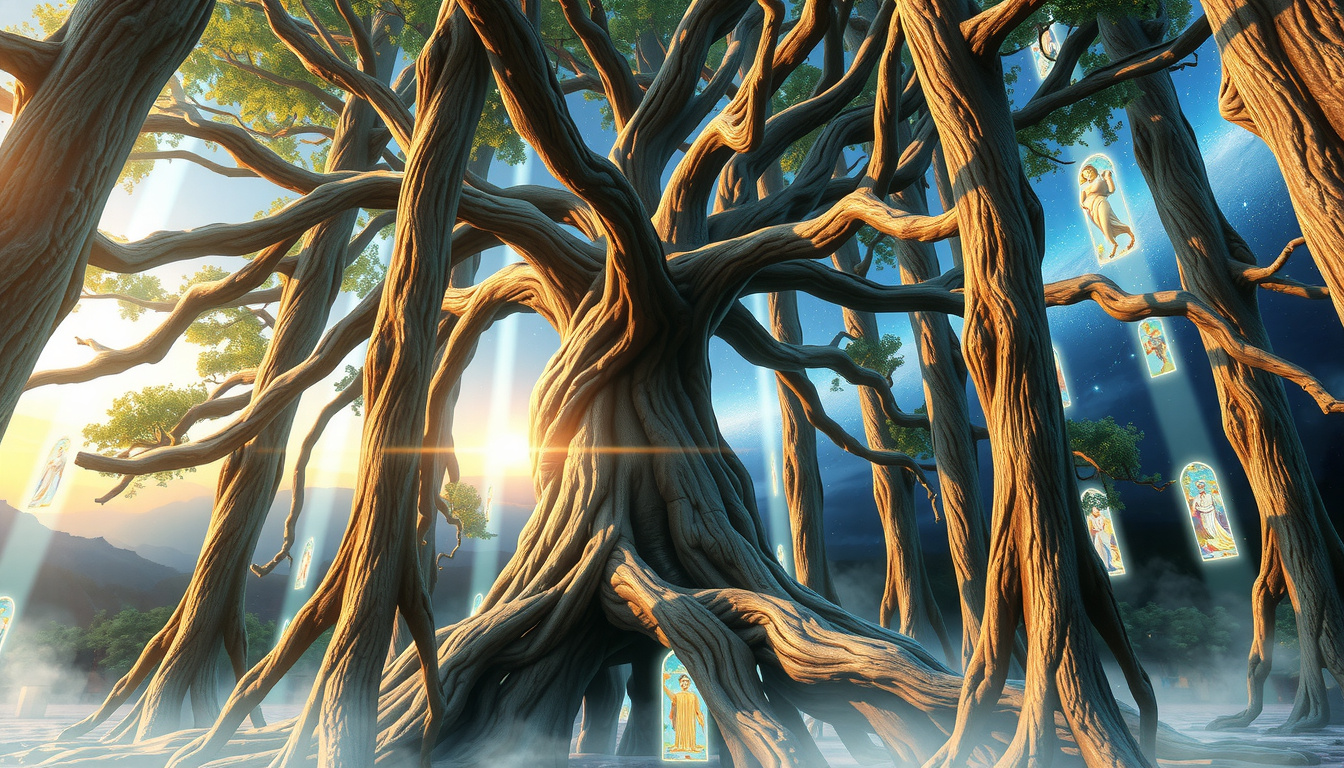
- Norse: Humans carved from ash and elm trees
Modern fantasy reflects these differences. Lord of the Rings draws heavily on Norse cosmology — Middle-earth faces inevitable decline. Percy Jackson embraces Greek optimism — heroes can change fate through cleverness and courage.
What Are the Similarities Between Odin and Zeus?
Both lead their pantheons, but their leadership styles reveal cultural priorities.
Zeus: Sky father, wielder of lightning, upholder of justice and order. He's powerful, sometimes petty, but ultimately maintains cosmic stability. Think CEO of the universe.
Odin: All-father, seeker of wisdom, manipulative strategist preparing for Ragnarok. He sacrifices everything — his eye, his comfort, even his honor — for knowledge. Think wartime general.
Shared traits:
- Patriarchal rulers of divine families
- Complex relationships with wives (Hera/Frigg)
- Multiple children across different relationships
- Shape-shifting abilities
- Association with war and wisdom
Key differences:
- Zeus: Maintains eternal order
- Odin: Prepares for inevitable chaos
- Zeus: Rules through divine authority
- Odin: Leads through personal sacrifice
Marvel's cinematic interpretations nail this distinction. MCU Odin (Anthony Hopkins) carries weight of terrible knowledge. Zeus (Russell Crowe in Thor: Love and Thunder) appears more concerned with maintaining appearances than confronting hard truths.
✅ Pros of Greek Mythology Study
- Rich literary tradition spanning millennia
- Clear moral frameworks and archetypal stories
- Extensive modern adaptations and references
- Well-documented historical sources
❌ Cons of Greek Mythology Study
- Sometimes feels distant from modern concerns
- Complex family trees can confuse newcomers
- Roman versions sometimes conflict with Greek originals
- Heavy focus on male perspectives in classical sources
Which Mythology Influenced Modern Culture More?
Greek mythology dominated Western education for centuries, but Norse mythology is having a major moment in 2025.
Greek influence (traditional):
- Academic foundation — psychology (Oedipus complex, narcissism)
- Literary references throughout Western canon
- Scientific naming conventions (planets, elements, species)
- Architectural and artistic traditions
Norse influence (contemporary surge):
- Marvel Cinematic Universe — $23 billion franchise
- God of War (2018/2022) — gaming's Norse mythology masterpiece
- Vikings TV series and cultural fascination
- Fantasy literature boom (Tolkien's influence)
The Greek Gods by Bernard Evslin
Accessible introduction perfect for readers new to Greek mythology
The shift reflects changing cultural anxieties. Post-2008 financial crisis, post-pandemic uncertainty — Norse mythology's themes of resilience against inevitable hardship resonate more than Greek confidence in human excellence.
But Greek mythology isn't disappearing. Percy Jackson's Disney+ series launches in 2026, Wonder Woman remains culturally relevant, and Hades (the video game) proved Greek myths still captivate when told with fresh energy.
Modern Entertainment Showdown: Norse vs Greek
Norse Mythology in 2025:
- Marvel: Thor, Loki, and Norse cosmology central to MCU Phase 5
- God of War: Kratos and Atreus explore Norse realms with unprecedented detail
- Assassin's Creed Valhalla: Viking culture meets modern gaming
- The Northman: Robert Eggers' brutal, authentic Norse revenge tale
Greek Mythology in 2025:
- Percy Jackson: Disney+ adaptation targeting Gen Z audiences
- Hades: Supergiant's roguelike revolutionized Greek mythology gaming
- Wonder Woman: Ongoing DCEU presence keeps Olympian gods visible
- Hadestown: Broadway musical proves Greek myths translate across mediums
The Children of Odin collection offers traditional Norse tales for readers wanting authentic sources behind these modern adaptations.
FAQ: Norse vs Greek Mythology
Q: Which mythology is easier for beginners to understand?
A: Greek mythology typically proves more accessible. The gods have clearer domains (Poseidon = sea, Athena = wisdom), and centuries of Western education have made the basic stories familiar. Norse mythology requires understanding concepts like wyrd (fate) and the nine realms that feel more foreign to modern readers.
Q: Do Norse and Greek mythologies share any common origins?
A: Both stem from Indo-European roots, explaining similarities like sky father figures (Zeus/Odin) and thunder gods (Thor/Zeus's lightning). However, they developed independently for over a millennium, creating distinctly different mythologies despite shared ancestral elements.
Q: Which mythology has better female representation?
A: Both mythologies reflect patriarchal societies, but Norse mythology features more prominent warrior goddesses like Freyja and the Valkyries. Greek mythology offers powerful female figures like Athena and Artemis, but they're often defined in relation to male gods. Neither feels particularly progressive by modern standards.
Q: How accurate are Marvel's depictions of Norse mythology?
A: Marvel takes significant liberties — comic book Asgard resembles science fiction more than ancient mythology. However, core character relationships and the concept of Ragnarok remain surprisingly faithful. The films capture Norse mythology's family dysfunction and inevitable doom better than most adaptations.
Q: Which mythology offers better stories for modern fantasy writers?
A: Both provide rich material, but for different reasons. Greek mythology offers archetypal hero's journeys and clear moral frameworks. Norse mythology provides complex family dynamics, morally gray characters, and themes of sacrifice that resonate with contemporary audiences seeking nuanced storytelling.
Best Books for Exploring Both Mythologies
Whether you're Team Zeus or Team Odin, quality books make all the difference in understanding these complex mythological systems.
Children of Odin by Padraic Colum
Classic collection of traditional Norse tales, perfect for understanding authentic source material
For Norse Mythology:
- Neil Gaiman's Norse Mythology: Modern storytelling meets ancient wisdom
- The Prose Edda: Snorri Sturluson's 13th-century masterpiece
- Children of Odin: Traditional tales with timeless appeal
For Greek Mythology:
- Edith Hamilton's Mythology: The gold standard for 80+ years
- Stephen Fry's Mythos series: Witty, accessible modern retellings
- Bernard Evslin's collections: Perfect for newcomers
✅ Pros of Norse Mythology Study
- Highly relevant to modern entertainment
- Complex, psychologically realistic characters
- Themes of resilience and sacrifice resonate today
- Rich cosmology with interconnected realms
❌ Cons of Norse Mythology Study
- Fewer surviving source texts than Greek mythology
- Can feel overwhelmingly pessimistic
- Complex cosmology confuses some readers
- Less academic infrastructure for serious study
The Verdict: Norse vs Greek Mythology in 2025
Both mythologies offer irreplaceable cultural value, but they serve different purposes in 2025.
Choose Greek mythology if you want:
- Academic foundation for Western literature
- Clear moral frameworks and archetypal stories
- Optimistic worldview celebrating human potential
- Rich artistic and architectural connections
Choose Norse mythology if you prefer:
The real answer? Study both. Greek mythology provides the foundational literacy every educated person needs. Norse mythology offers the emotional resonance our uncertain age craves.
Start with Gaiman's Norse Mythology for an accessible entry into the world of Asgard, then explore Hamilton's classic Greek collection. By 2026, you'll understand why both mythologies continue shaping our stories — and why the debate between Norse and Greek will never truly end.
After all, some questions are more interesting than their answers. The real magic happens when Thor's hammer meets Athena's wisdom in your imagination.