- Norse Mythology by Neil Gaiman
- What Are the Main Differences Between Norse and Greek Gods?
- Is Norse Mythology Older Than Greek Mythology?
- Why Are Norse Myths Darker Than Greek Myths?
- How Did Norse and Greek Mythologies Influence Each Other?
- Divine Hierarchies and Social Structure
- Creation Myths and World Structure
- Heroic Ideals and Moral Values
- Which Mythology Is More Accurate to Original Sources?
- Modern Cultural Impact and Legacy
- Religious and Philosophical Differences
- Women and Gender in Both Mythologies
- Frequently Asked Questions
- Final Verdict: Understanding Two Worlds
- Related Posts
- Related Posts
- Related Reading
Norse vs Greek Mythology: 15 Key Differences Explained 2026
Ever wondered why Thor wields a hammer while Zeus throws lightning bolts? The mythological landscapes of ancient Scandinavia and Greece couldn't be more different — yet both have captivated humanity for millennia.
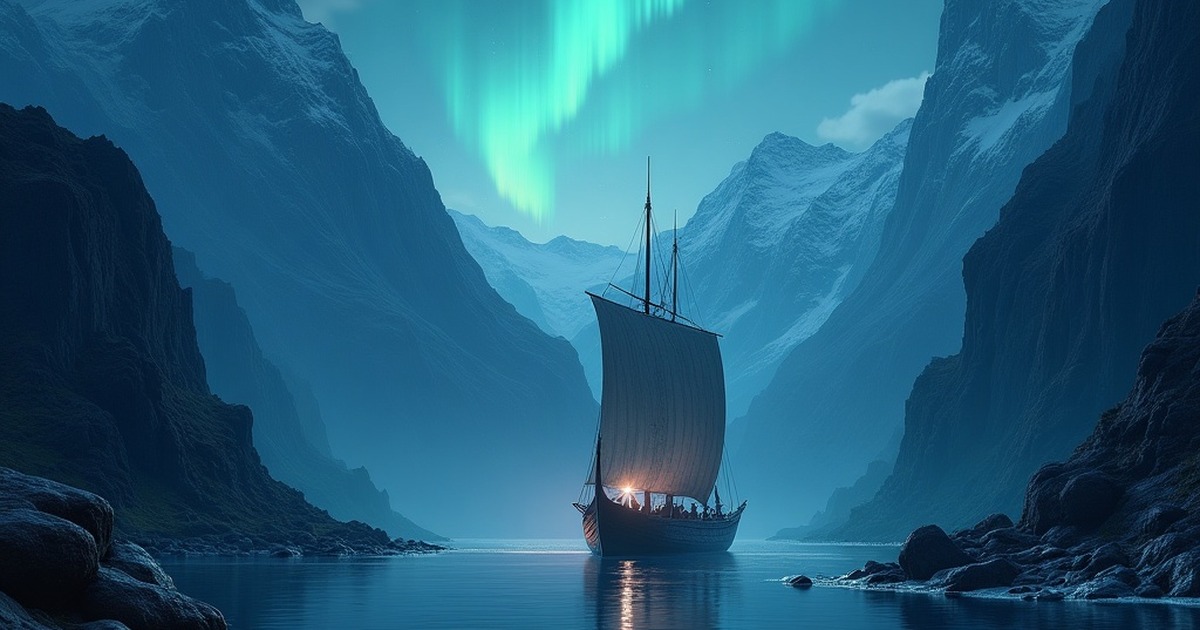
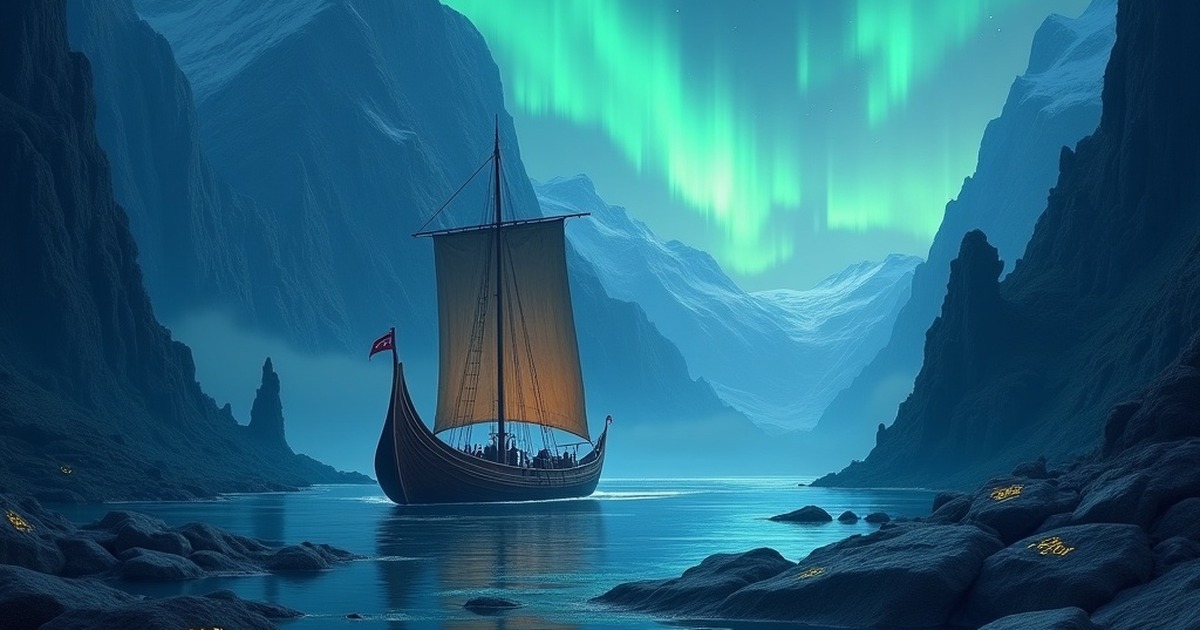
Norse and Greek mythologies differ fundamentally in their worldview, divine nature, and cultural values. While Greek gods were immortal beings focused on beauty and perfection living on Mount Olympus, Norse gods were mortal warriors dwelling in Asgard, destined to die in Ragnarok. Greek myths emphasized heroic achievement and divine favor, while Norse stories centered on honor, fate, and inevitable doom.
Disclosure: This article contains affiliate links. We may earn a commission at no extra cost to you.

Norse Mythology by Neil Gaiman
Perfect starting point for understanding Norse myths with modern storytelling
Recent archaeological discoveries from the 2025 excavations at Gamla Uppsala in Sweden have provided fresh insights into how Norse religious practices differed from their Mediterranean counterparts. These findings, combined with new interpretations of existing texts, reveal just how fundamentally different these two mythological systems really were.
What Are the Main Differences Between Norse and Greek Gods?
The gods themselves represent perhaps the most striking contrast between these mythological systems. Greek deities were immortal, perfect beings who embodied specific aspects of human experience — beauty, wisdom, war, love. They lived in eternal splendor on Mount Olympus, largely removed from mortal concerns except when it suited their purposes.
Divine Mortality: Norse gods, by contrast, were fundamentally mortal. They aged, they could be killed, and they all knew their ultimate fate — death at Ragnarok. This mortality shaped everything about Norse mythology, creating a pantheon of gods who understood struggle and loss in ways Greek gods never could.
Physical Appearance: Greek gods were paragons of physical perfection. Zeus appeared as a majestic, bearded king; Aphrodite embodied ideal beauty; Apollo represented youthful male perfection. Norse gods were warriors first, showing battle scars and imperfections. Odin sacrificed his eye for wisdom, Tyr lost his hand to Fenrir, and Thor was often described as red-bearded and somewhat brutish.
Mythology by Edith Hamilton
The definitive guide to Greek mythology that's been teaching readers for generations
Divine Relationships: Greek gods engaged in complex political relationships, marriages, and affairs that mirrored human society but on a grander scale. Norse gods formed a more military-style hierarchy focused on preparing for the final battle. Their relationships were built around loyalty, honor, and shared doom rather than romantic intrigue.
Is Norse Mythology Older Than Greek Mythology?
This question has fascinated scholars for decades, and recent archaeological evidence from 2025 provides some surprising answers. Greek mythology as we know it began taking shape around 800 BCE with Homer's epics, though its roots stretch back to Mycenaean civilization (1600-1100 BCE).
Timeline Complexity: Norse mythology's origins are murkier. While the Vikings flourished from 793-1066 CE, their mythological traditions clearly draw from much older Germanic and Proto-Indo-European sources. Some elements may date back to 500 BCE or earlier, but most surviving sources were recorded much later.
The 2025 excavations at Gamla Uppsala uncovered ritual artifacts dating to 300 CE that show clear continuity with later Norse mythological symbols. However, these same digs revealed imported Greek amphorae and coins, suggesting cultural exchange that may have influenced both traditions.
Source Material Ages: Greek myths were recorded relatively early — Homer's Iliad and Odyssey date to around 750 BCE. Norse myths weren't systematically recorded until Snorri Sturluson's Prose Edda around 1220 CE, nearly 1,500 years later. This creates a fundamental difference in how we understand these mythologies today.
Why Are Norse Myths Darker Than Greek Myths?
Anyone who's read both mythological traditions notices this immediately — Norse myths feel heavier, more fatalistic, more brutal. There's a reason for this that goes far beyond storytelling preferences.

Environmental Influence: The harsh Scandinavian climate shaped Norse worldview fundamentally. Long, dark winters, dangerous seas, and survival-focused culture created myths that reflected these realities. Greek civilization flourished in Mediterranean warmth with established agriculture and trade — their myths reflect abundance and possibility rather than mere survival.
Concept of Fate: Norse mythology is dominated by fate (wyrd or örlög). The Norns weave destiny, and even gods cannot escape their doom. Ragnarok isn't just an ending — it's the inevitable ending that every character knows is coming. Greek fate (moira) was powerful but could sometimes be bargained with or delayed through divine favor.
Death Philosophy: Norse culture glorified death in battle as the path to Valhalla. Their myths celebrate warriors who die fighting impossible odds. Greek heroes sought glory and remembrance, but they generally wanted to live to enjoy it. Achilles chose a short, glorious life over a long, forgettable one — but he still grieved that choice.
How Did Norse and Greek Mythologies Influence Each Other?
Until recently, scholars assumed these mythological traditions developed in isolation. The 2025 archaeological findings tell a different story entirely.
Trade Route Evidence: New excavations along the Dnieper River have uncovered Viking trading posts with significant Greek artifacts, including coins depicting mythological scenes. These date to the 9th century CE, suggesting cultural exchange during the height of both civilizations.
Shared Proto-Indo-European Roots: Both mythologies trace back to common ancestral traditions. The sky father figure (Zeus/Odin), the thunder god (Zeus again/Thor), and the trickster (Hermes/Loki) appear in both systems but evolved differently based on cultural needs.
Byzantine Connections: Vikings served as the Byzantine Emperor's Varangian Guard from the 10th-14th centuries. These warriors would have encountered Greek Orthodox Christianity and classical mythology, potentially bringing elements back to Scandinavia.
Divine Hierarchies and Social Structure
The way each mythology organized its gods reveals fundamental differences in social values and political structure.
Greek Divine Politics: Mount Olympus functioned like an aristocratic council with Zeus as first among equals. Gods formed factions, made deals, and engaged in complex political maneuvering. This reflected Greek polis (city-state) democracy and aristocratic values.
Norse Military Structure: Asgard was organized more like a war band preparing for battle. Odin was the All-Father and war chief, Thor was the primary defender, and other gods filled specific military roles. This mirrored Viking society's focus on warrior culture and raiding.
Creation Myths and World Structure
How each culture imagined the world's creation and structure reveals their deepest philosophical differences.
Greek Cosmic Order: The Greek cosmos emerged from Chaos through divine succession — Titans overthrown by Olympians who established cosmic order. The world was fundamentally rational, beautiful, and eternal once Zeus established his rule.
Norse Cyclical Destruction: Norse creation began with ice and fire meeting in the void (Ginnungagap), creating life through conflict. But this creation was temporary — the world tree Yggdrasil supports nine realms that will all burn in Ragnarok before being reborn. Creation and destruction were equally natural and necessary.

Heroic Ideals and Moral Values
The heroes each culture celebrated reveal what they valued most in human behavior.
Greek Heroes: Pursued kleos (glory) and arete (excellence). Achilles, Odysseus, and Heracles sought to transcend human limitations through extraordinary deeds. Intelligence, beauty, and skill were equally valued alongside courage.
Norse Heroes: Valued honor, loyalty, and courage in the face of impossible odds. Sigurd, Ragnar, and others accepted doom willingly rather than compromise their principles. Dying well was more important than living comfortably.
✅ Pros of Studying Both
- Reveals universal human themes
- Shows cultural adaptation of shared myths
- Provides context for modern fantasy literature
- Enhances understanding of European history
❌ Challenges
- Source material quality varies greatly
- Cultural bias in translations
- Christian influence on surviving Norse texts
- Romanticized modern interpretations
Which Mythology Is More Accurate to Original Sources?
This question touches on one of mythology's biggest challenges — how do we know what ancient people actually believed versus what later writers thought they believed?
Greek Advantages: Earlier recording means less time for stories to change through oral transmission. Multiple ancient sources allow cross-checking. Archaeological evidence from classical Greece largely confirms mythological descriptions of religious practices.
Norse Disadvantages: Most sources were recorded centuries after Christianization. Snorri Sturluson was Christian and may have altered stories to make them more palatable. Earlier sources like the Poetic Edda are fragmentary and sometimes contradictory.
Recent Archaeological Input: The 2025 Uppsala excavations have confirmed some previously disputed elements of Norse religious practice, including evidence for the sacred grove mentioned in Adam of Bremen's accounts. This suggests some later sources preserved authentic traditions better than previously thought.
Modern Cultural Impact and Legacy
Both mythologies continue shaping modern culture, but in very different ways.
Greek Influence: Academic, philosophical, and artistic traditions. Greek myths are taught as classical education. Heroes' journeys in modern storytelling follow Greek narrative patterns. Psychology uses Greek mythological terms (Oedipus complex, narcissism).
Norse Influence: Popular culture, especially fantasy literature and gaming. Marvel's Thor, Tolkien's Middle-earth, and countless video games draw from Norse sources. Viking imagery dominates modern concepts of medieval fantasy.
D'Aulaires' Book of Greek Myths
Beautiful illustrated introduction perfect for visual learners and younger readers
Religious and Philosophical Differences
The spiritual aspects of these mythologies reflect fundamentally different approaches to divine relationship and human purpose.
Greek Religion: Focused on maintaining divine favor through proper ritual and sacrifice. Gods were powerful but could be reasoned with, bargained with, or honored into cooperation. Humans could achieve divine status through extraordinary achievement.
Norse Religion: Emphasized courage and honor as the highest virtues. Divine favor was less important than personal integrity. Gods were allies in struggle rather than beings to be appeased. Human worth was measured by how well one faced inevitable doom.
Women and Gender in Both Mythologies
The treatment of female figures reveals important cultural attitudes about gender and power.
Greek Goddesses: Powerful but often defined by relationships to male gods. Athena emerged from Zeus's head, Aphrodite embodied male desire, Hera was the jealous wife. However, they wielded significant independent power within their domains.
Norse Goddesses: Often more autonomous and mysterious. Freyja was a powerful seidr practitioner, the Norns controlled fate itself, and Valkyries chose who lived and died in battle. Female power was more often portrayed as fundamental and beyond male control.
Frequently Asked Questions
Q: Which mythology has better-preserved original stories?
A: Greek mythology generally has better source preservation due to earlier recording and multiple ancient authors. Norse mythology relies heavily on later medieval sources that may have been influenced by Christian scribes, though recent archaeological evidence suggests some accuracy in these later accounts.
Q: Are Thor and Zeus similar characters?
A: While both are powerful gods associated with thunder, they're fundamentally different. Zeus is a sky father and king of gods focused on cosmic order and political power. Thor is a warrior god focused on protecting humanity and gods from giants. Their personalities and roles reflect their cultures' different values.
Q: Why don't we have more original Norse sources?
A: Several factors contributed: oral tradition culture meant less early writing, Christian conversion led to suppression of pagan texts, harsh climate destroyed many manuscripts, and political instability disrupted scholarly preservation efforts. Much knowledge was lost during the medieval period.
Q: Did Vikings actually believe their gods would die?
A: Archaeological and textual evidence suggests yes — the concept of divine mortality and Ragnarok appears in multiple independent sources and aligns with Norse cultural values about courage facing inevitable doom. This fundamental mortality distinguished Norse religion from most other mythological systems.
Q: Which mythology influenced modern fantasy more?
A: Norse mythology dominates modern fantasy through Tolkien's massive influence, Marvel comics, and video game culture. However, Greek mythology provided the underlying narrative structures (hero's journey, quest patterns) that most fantasy stories still follow today.
Final Verdict: Understanding Two Worlds
Norse and Greek mythologies represent two completely different approaches to understanding human existence, divine power, and cosmic purpose. Greek myths celebrate human potential and divine perfection in an ordered, beautiful cosmos. Norse myths honor human courage and divine sacrifice in a doomed but noble universe.
For modern readers, these differences aren't just academic curiosities — they reveal how environment, culture, and social structure shape the deepest human stories about meaning and purpose. Whether you're drawn to Greek ideals of excellence and achievement or Norse values of honor and endurance, both traditions offer profound insights into the human condition.
The 2025 archaeological discoveries continue revealing new connections and influences between these traditions, reminding us that human cultures have always been more interconnected than we assumed. As we head into 2026, expect even more fascinating revelations about how these ancient stories shaped each other — and continue shaping us today.
Start your mythological journey with Neil Gaiman's Norse Mythology for accessible Norse stories, then dive into Edith Hamilton's Mythology for comprehensive Greek coverage. These contrasting worldviews will enrich your understanding of both ancient cultures and modern storytelling traditions they continue to influence.