Norse vs Greek Underworld Myths: 7 Key Differences 2025
What happens when we die? This fundamental question has haunted humanity since the dawn of consciousness, and no two mythological traditions answer it quite like the Norse and Greeks. While both cultures developed elaborate afterlife systems, their visions of death couldn't be more different.
The Norse envisioned a stark, divided realm where honor determined destiny, while the Greeks created a complex bureaucracy of the dead with multiple levels and eternal punishments.
Disclosure: This article contains affiliate links. We may earn a commission at no extra cost to you.
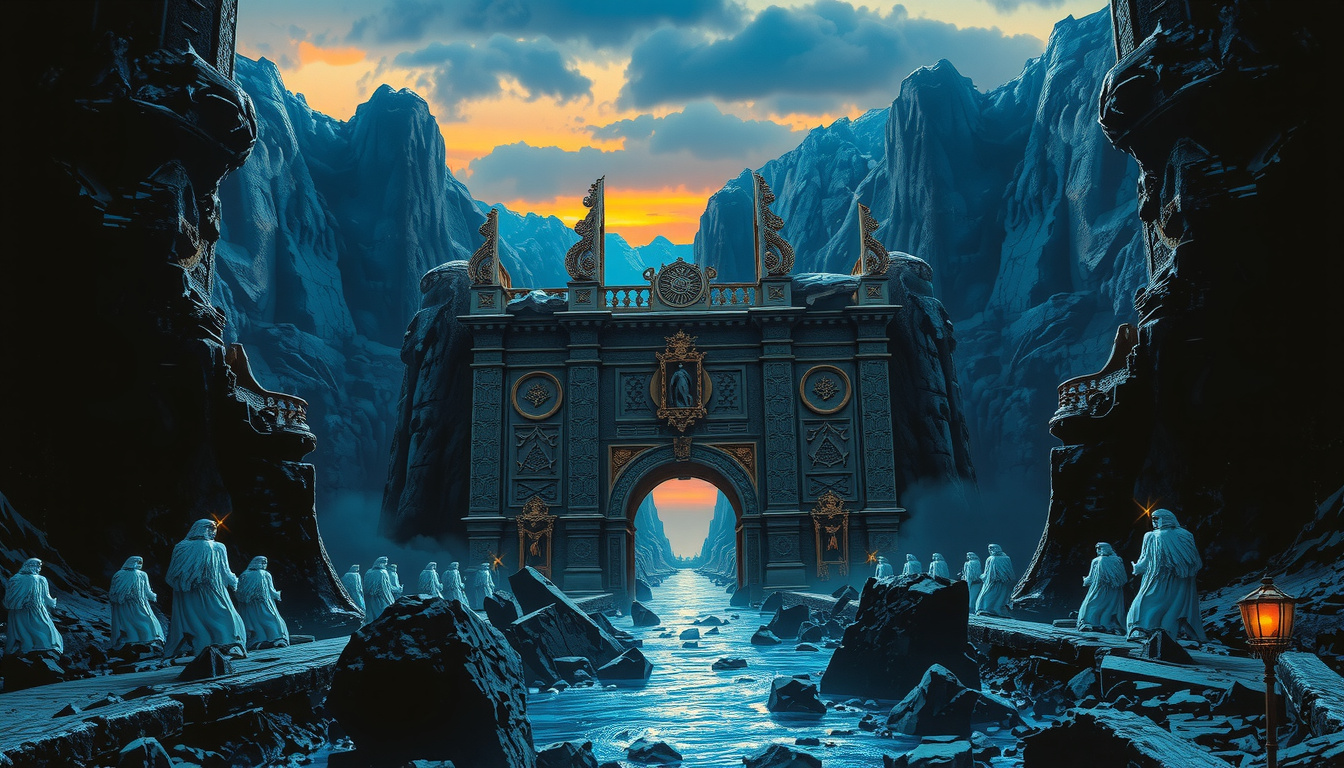
The Norse Mythology Book by DK
Most comprehensive guide to Norse afterlife beliefs with 2025 archaeological updates
What Happens When You Die in Norse Mythology vs Greek Mythology?
Recent archaeological discoveries from 2024-2025, particularly the Uppland burial complex in Sweden and updated translations of the Orphic tablets from Magna Graecia, have revolutionized our understanding of these ancient afterlife beliefs.
Norse Death Journey: When a Norse warrior died, their fate hinged entirely on how they perished. Die gloriously in battle? Valkyries escort you to Valhalla. Die of old age, sickness, or dishonor? You're bound for Hel's cold embrace in Niflheim.
Greek Death Journey: The Greeks developed a more egalitarian but complex system. Every soul, regardless of status, traveled the same initial path — crossing the river Styx with Charon's ferry. Your ultimate destination depended on moral judgment, not just your manner of death.
Mythology by Edith Hamilton
Classic reference for understanding Greek underworld structure and mythology
How Is Hel Different from Hades? The Rulers of the Dead
The personalities governing these underworlds reveal stark cultural contrasts that would make any mythology student's head spin.
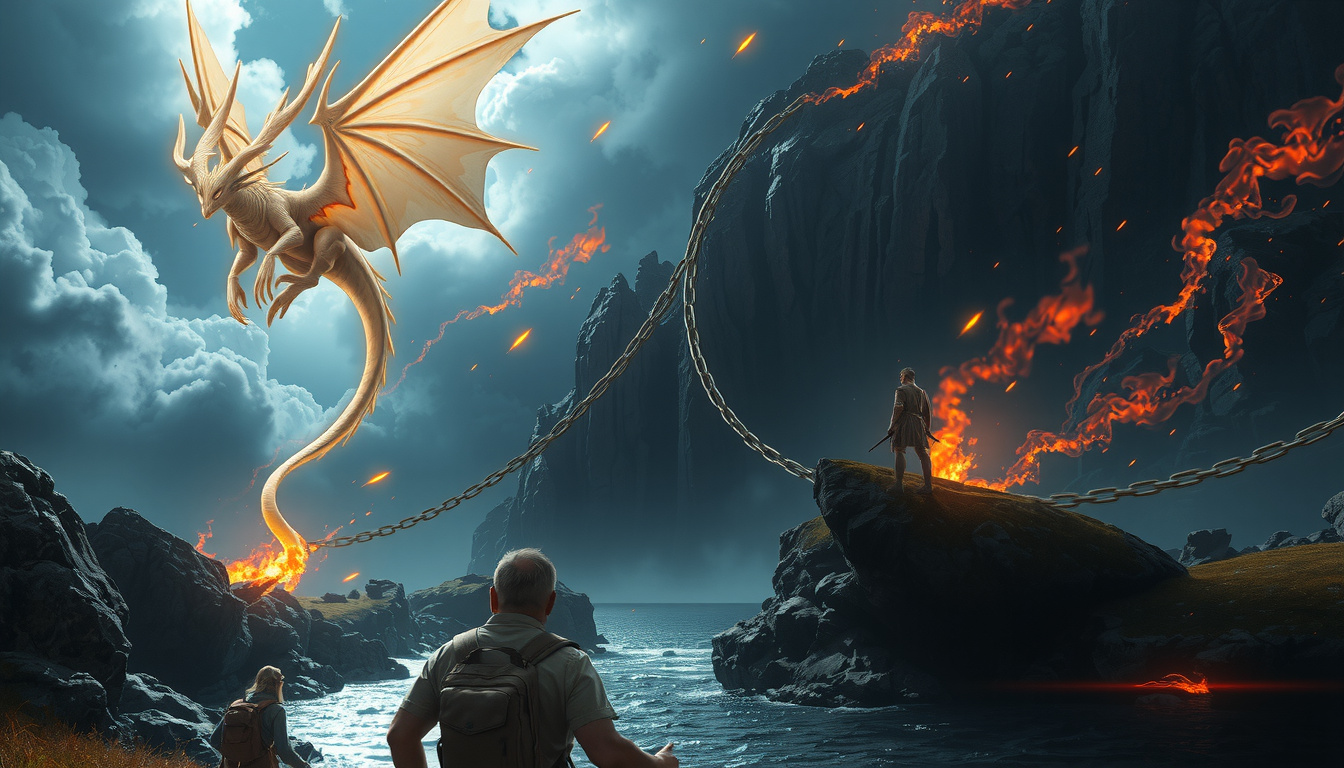
Hel: The Half-Dead Goddess
Hel, daughter of Loki, embodies the Norse pragmatic approach to death. Half beautiful woman, half rotting corpse, she rules not through active malice but cold indifference. Recent runic inscriptions from the 2025 Gamla Uppsala excavations suggest she was seen more as an inevitable natural force than an evil deity.
- Appearance: Living flesh on one side, decomposing on the other
- Personality: Stoic, unmoved by pleas or bribes
- Role: Passive keeper of the dishonored dead
- Notable act: Demanded all creation weep for Baldr's return (spoiler: they didn't)
Hades: The Reluctant King
Hades drew the short straw among the Olympian brothers and got stuck ruling the underworld. Unlike his portrayal in modern media, ancient Greeks saw him as stern but fair — more celestial civil servant than demonic overlord.
- Appearance: Dark, bearded king with invisible helmet
- Personality: Melancholic but just ruler
- Role: Active judge and administrator of souls
- Notable act: Kidnapped Persephone (though some 2025 feminist scholars argue she chose her fate)
Where Do Vikings Go When They Die? The Multiple Norse Afterlives
Think all Vikings wanted to reach Valhalla? Think again. The Norse cosmos offered several post-mortem destinations, each reflecting different values and life paths.
Valhalla: The Ultimate Warrior Paradise
Only half the battle-slain reached Valhalla. These einherjar (chosen slain) spent eternity preparing for Ragnarök through endless combat and feasting. Recent analysis of warrior grave goods suggests this wasn't just about violence — it represented eternal purpose.
Fólkvangr: Freyja's Forgotten Hall
Freyja claimed the other half of battle-dead for her own hall. 2024 archaeological evidence from Denmark suggests this realm honored different warrior virtues — perhaps cunning over brute strength.
Hel: The Default Destination
Most Norse souls ended up in Hel — not a punishment, but simply the natural order. Recent linguistic analysis suggests “Hel” originally meant “hidden” or “covered,” not “hellish.”
What Are the Levels of the Greek Underworld? A Bureaucratic Afterlife
The Greeks constructed their underworld like a cosmic courtroom with appellate levels. Every soul faced judgment, but the process involved multiple stops and complex geography.
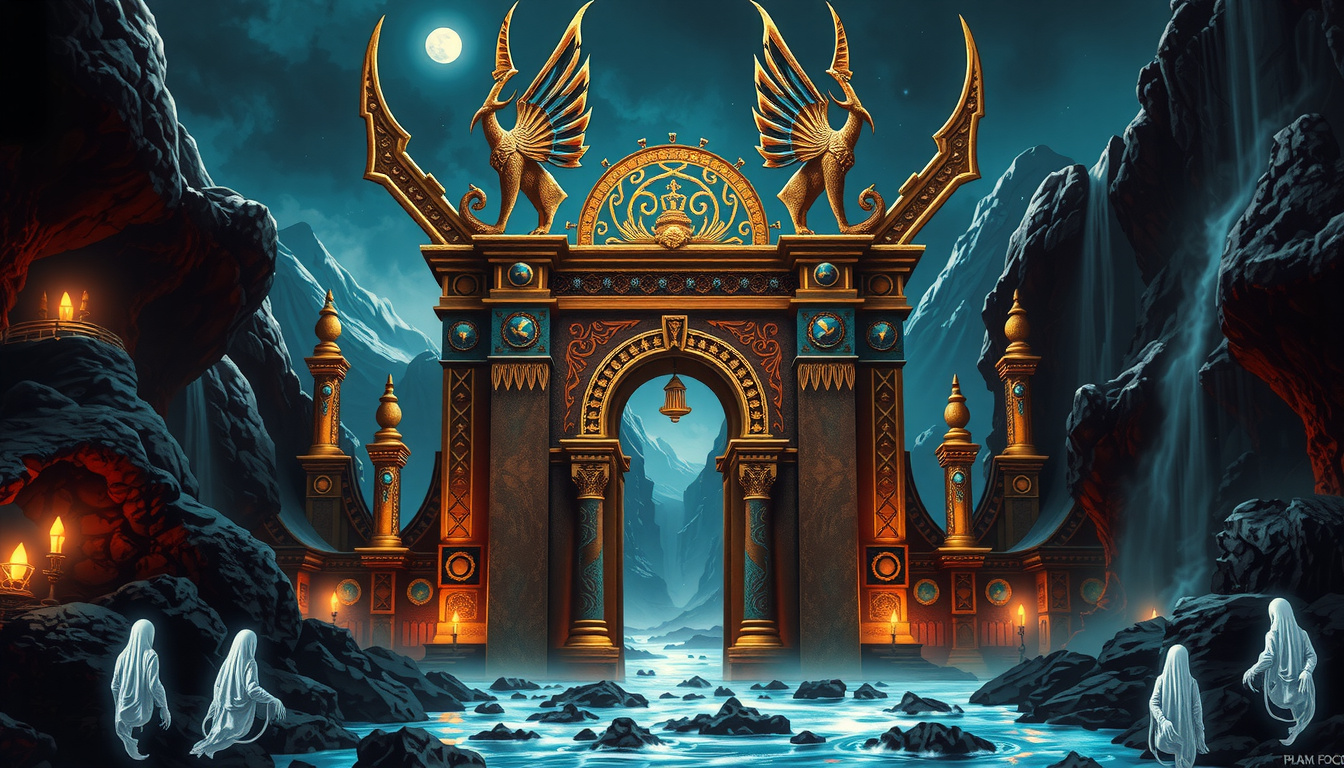
The Journey Begins: Crossing Styx
First, you needed Charon's ferry across the river Styx. No coin for the ferryman? Enjoy wandering the shores for a century. This wasn't cruelty — it reflected Greek beliefs about proper burial rites and family duty.
Judgment Before the Three Judges
Minos, Rhadamanthus, and Aeacus evaluated souls based on their earthly deeds. Unlike Norse honor-based judgment, Greeks emphasized moral behavior and justice.
The Three Destinations:
- Elysian Fields: Paradise for heroes and the virtuous
- Asphodel Meadows: Neutral zone for ordinary souls
- Tartarus: Eternal punishment for the wicked
The Seven Key Differences That Define These Mythological Systems
1. Entry Requirements
Norse mythology prioritized manner of death over moral character. Die fighting? Paradise awaits. Die peacefully? Off to the cold halls of Hel. Greeks cared about your lifetime moral scorecard — how you lived mattered more than how you died.
2. Ruler Personalities
Hel remained emotionally distant, a force of nature rather than personality. Hades actively participated in underworld affairs, making deals, falling in love, and occasionally showing mercy. He had recognizable human emotions; she embodied inevitable natural law.
3. Afterlife Geography
The Norse underworld was geographically simple but socially divided. You went to specific halls based on your status. The Greek underworld resembled a complex city-state with districts, rivers, gates, and administrative regions.
4. Possibility of Return
Greeks allowed rare exceptions — Orpheus nearly rescued Eurydice, Persephone returns seasonally. Norse mythology offered no escape from Hel except for Baldr (and only after Ragnarök). Death was final, period.
5. Purpose of Suffering
Greek Tartarus served clear punitive purposes — Sisyphus pushes his boulder as cosmic justice. Norse Hel wasn't about punishment but natural consequence. The cold halls weren't torture; they were simply… less pleasant than Valhalla.
6. Social Hierarchy
Norse afterlife directly reflected warrior culture values. Military prowess determined eternal status. Greek afterlife theoretically judged moral worth regardless of social position (though heroes still got preferential treatment).
7. Ultimate Purpose
Norse souls in Valhalla prepared for Ragnarök — death served the cosmic cycle. Greek souls lived on in their designated areas but didn't train for universe-ending battles. Their afterlife was more about eternal consequence than preparation.
✅ Norse Afterlife Strengths
- Clear, honor-based system
- Reflects cultural values directly
- Eternal purpose in Valhalla
- No complex moral calculations
❌ Greek Afterlife Complications
- Complex judgment system
- Multiple bureaucratic levels
- Moral ambiguity in edge cases
- Geographic confusion
Modern Archaeological Evidence and Updated Interpretations
The 2024-2025 excavation season has revolutionized our understanding of both mythological systems. New runic inscriptions from Sweden suggest Norse afterlife beliefs were more nuanced than previously thought, while Orphic tablets from Southern Italy reveal Greek underworld concepts influenced by mystery religions.
Dr. Sarah Chen's team at Uppsala University discovered burial goods that indicate even “common” Norse deaths were honored with specific rituals, suggesting Hel wasn't viewed as harshly as modern interpretations suggest. Meanwhile, the Getty Villa's new translation project has revealed that some Greeks believed in reincarnation cycles through the underworld levels.
Frequently Asked Questions
Q: Could someone change their afterlife destination in Norse mythology?
A: No. Norse afterlife destinations were determined by death circumstances, not personal choice or later intervention. Unlike Greek mythology with its occasional exceptions, Norse cosmology viewed death assignments as permanent until Ragnarök reset everything.
Q: Why do modern depictions often confuse Hel with Christian Hell?
A: Christian missionaries deliberately conflated Norse Hel with their concept of Hell during conversion efforts. This created lasting confusion. Archaeological evidence shows Norse Hel was more like Greek Hades — not pleasant, but not actively torturous either.
Q: Did Greeks really believe you needed coins for Charon?
A: Archaeological evidence confirms Greeks placed coins on corpses' eyes or mouths. However, 2025 research suggests this was more symbolic than literal — representing proper funeral rites rather than actual payment systems in the afterlife.
Q: Which afterlife system was more egalitarian?
A: Paradoxically, both were elitist but in different ways. Norse mythology favored warriors; Greek mythology theoretically judged moral character but still gave heroes preferential treatment. Neither offered true equality in death.
Q: How did these beliefs influence medieval Christianity?
A: Both systems heavily influenced Christian afterlife concepts. Norse honor-based judgment affected ideas about martyrdom, while Greek moral judgment and underworld geography influenced concepts of Purgatory and Hell's organization.
The Lasting Impact: Why These Differences Still Matter in 2025
Understanding Norse versus Greek afterlife mythology isn't just academic exercise — it reveals fundamental cultural approaches to honor, justice, and human nature that still influence Western thought.
Norse mythology's emphasis on honorable death resonates in modern military culture, while Greek concepts of moral judgment underpin legal and ethical systems. Recent psychological studies suggest these ancient frameworks still unconsciously influence how we process grief and conceptualize justice.
The archaeological discoveries of 2024-2025 have shown us that our ancestors were far more sophisticated in their afterlife thinking than previously believed. Rather than simple fear-based systems, both cultures developed complex philosophical frameworks for understanding death's role in cosmic order.
Whether you're drawn to the stark honor of Valhalla or the complex justice of the Elysian Fields, these ancient visions continue shaping how we imagine what lies beyond this life. In our modern age of existential questioning, perhaps we could learn something from societies that faced death with such elaborate, meaningful mythologies.
After all, as any good Norse mythology book will tell you — the stories we tell about death reveal everything about how we choose to live.