- The Phoenix: A Fiery Emblem of Eternal Rebirth
- The Serpent and the Sun: Quetzalcoatl's Spring Ascent
- Osiris: The Underworld Journey and the Nile's Rebirth
- The Celtic God Cernunnos: Lord of the Wild and Spring Awakening
- Persephone and Hades: The Underworld's Gift to the Earth
- The Norse God Baldur: A Symbol of Light's Triumphant Return
- Frequently Asked Questions
- What are the most common symbols of spring rebirth?
- How did ancient cultures mark the spring equinox?
- Are there specific creatures associated with the spring equinox in folklore?
- Related from our network
The vernal equinox, that fleeting moment when day and night stand in perfect, ephemeral balance, has for millennia been a celestial herald of profound change. Far from being a mere astronomical curiosity, this cosmic pivot point has been woven into the very fabric of human spirituality, igniting tales of resurrection and renewal that echo across continents and epochs. Consider the ancient Mesopotamian myth of Inanna’s descent into the underworld, a harrowing journey from which she emerged, reborn, mirroring the very earth shedding its winter shroud. This isn't just a story; it's a testament to humanity's deep-seated need to find meaning in the cyclical rhythm of nature, a need that manifested in spectacular mythological narratives. From the fiery rebirth of the Egyptian Phoenix to the serpentine ascension of Mesoamerican deities, the creatures and deities associated with this time of year offer us a window into the primal human experience of hope, transformation, and the enduring promise of life's return. These ancient cosmologies didn't just observe the equinox; they imbued it with potent symbolic power, crafting creatures that embodied the very essence of spring's miraculous resurgence.
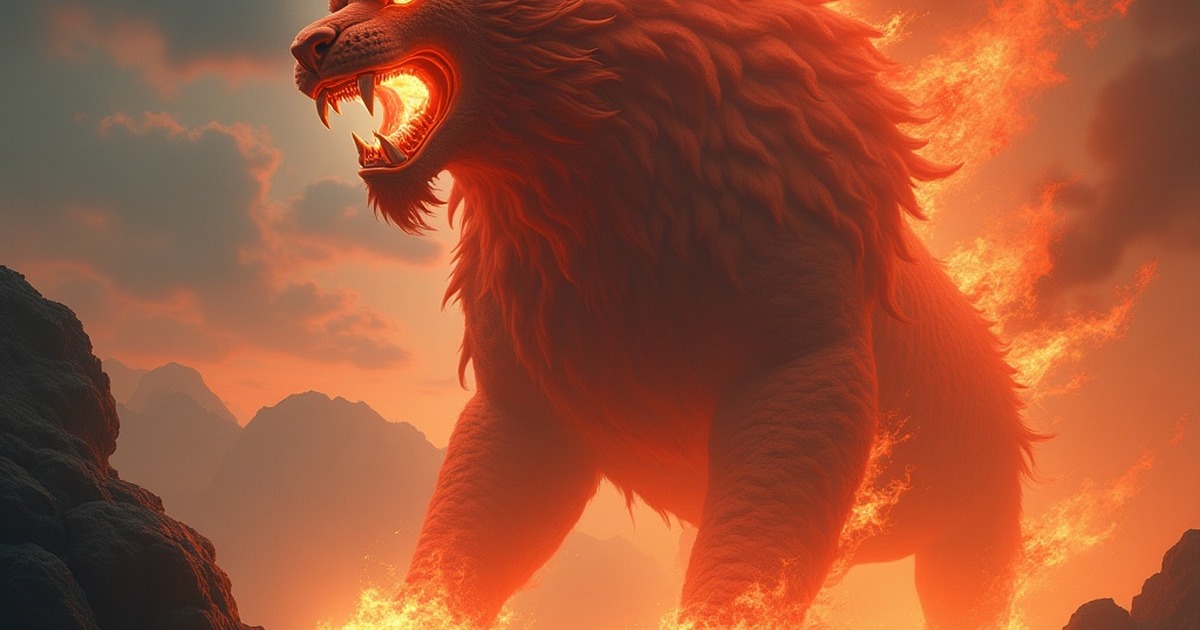
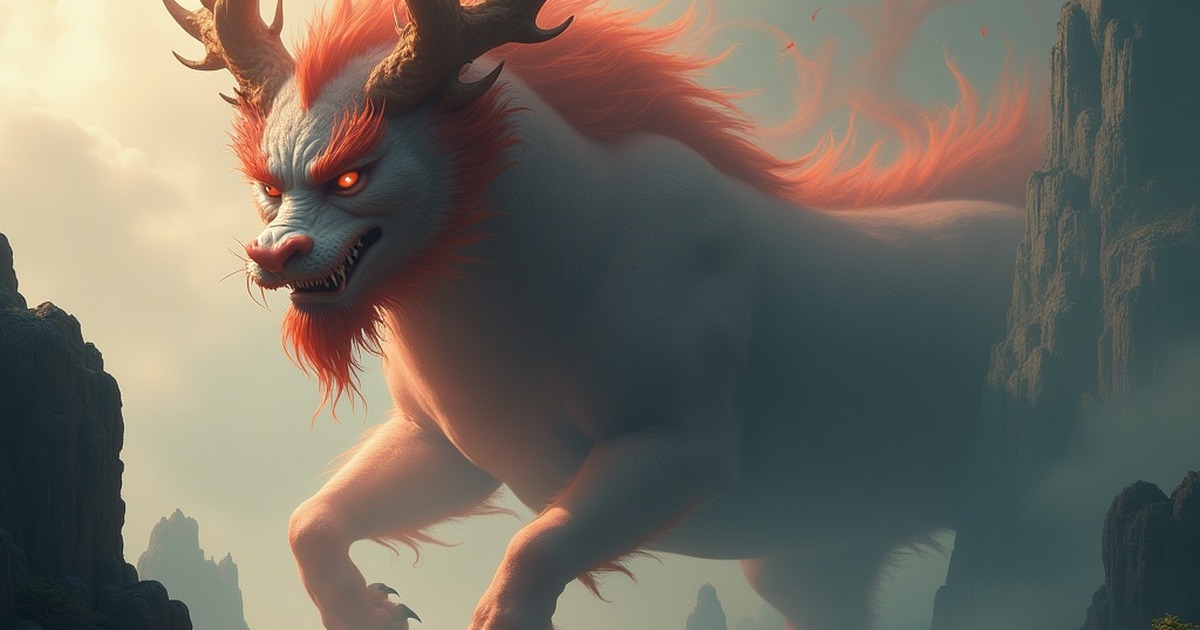
The Phoenix: A Fiery Emblem of Eternal Rebirth
Perhaps no creature is more universally synonymous with the vernal equinox and the concept of rebirth than the Phoenix. This magnificent avian, described by the Roman natural historian Pliny the Elder in his *Naturalis Historia* (Book 10, Chapter 2), is said to live for an astonishing 500 years. As its life draws to a close, it constructs a nest of aromatic spices—cinnamon, myrrh, and nard—and ignites itself in a spectacular blaze. From the ashes, a new, young Phoenix arises, vibrant and immortal, ready to begin its next cycle. This fiery resurrection perfectly mirrors the sun's increasing strength after the dormancy of winter, its light and warmth coaxing life back into a slumbering world. The sheer visual drama of the Phoenix’s self-immolation and subsequent rebirth resonated deeply with ancient peoples, serving as a potent symbol for the cyclical nature of existence, the triumph of life over death, and the promise of renewal inherent in the spring equinox. Its legend, found in various forms across Hellenistic Egypt, ancient Greece, and later Roman culture, speaks to a fundamental human yearning for continuity and transcendence.
The ancient Greeks, in particular, embraced the Phoenix as a symbol of the sun and its cyclical journey. Herodotus, in his *Histories* (Book 2, Chapter 73), recounts tales of a bird that visits Egypt every 500 years, bringing its father's body to the Temple of the Sun at Heliopolis. While his account is tinged with the skepticism of his time, it highlights the bird's deep association with solar worship and renewal. The sheer scale of its lifespan—500 years, a number often imbued with mystical significance in ancient numerology—underscores its extraordinary nature. This creature wasn't just a symbol; it was a divine messenger, a living testament to the universe's capacity for perpetual regeneration, a concept that aligns perfectly with the burgeoning life that the spring equinox heralds. Its legend has persisted through the ages, appearing in medieval bestiaries and continuing to capture the imagination as a powerful emblem of hope and renewal.
The Serpent and the Sun: Quetzalcoatl's Spring Ascent
In the vibrant cosmologies of Mesoamerica, the feathered serpent deity Quetzalcoatl embodies the transformative power of spring. This deity, whose name translates to “feathered serpent” or “precious serpent,” is intricately linked to the cycles of creation, knowledge, and the dawn. His appearance is often associated with the wind and the morning star, both harbingers of a new day and, by extension, a new season. The serpent, a creature that sheds its skin, is a potent symbol of renewal and rebirth in many cultures, and Quetzalcoatl elevates this symbolism to a cosmic level. His cyclical death and rebirth, often depicted in intricate reliefs and codices, mirrors the earth's emergence from winter's grip. The equinox, with its balanced light, would have been a significant time for rituals honoring Quetzalcoatl, celebrating the return of life and the promise of abundance that the growing sun would bring to the agricultural societies of Mesoamerica. The intricate glyphs and feathered imagery associated with him speak to a sophisticated understanding of celestial movements and their spiritual significance.
The cyclical nature of Quetzalcoatl's myths is deeply intertwined with Mesoamerican calendrical systems, which were remarkably precise. For instance, the Mesoamerican Long Count calendar tracked vast cycles of time, and deities like Quetzalcoatl were understood to be active participants in these grand cosmic dramas. His association with the planet Venus, which appears as both the morning and evening star, further emphasizes his role as a bringer of cycles and transitions. The shedding of his skin is a powerful metaphor for the earth shedding its winter barrenness, and his association with the wind signifies the stirring of new life. The elaborate ceremonies dedicated to him, particularly around the equinoxes, would have involved offerings, dances, and astronomical observations, all aimed at appeasing the deity and ensuring a prosperous agricultural season. The sheer complexity of his iconography, featuring both serpentine and avian elements, hints at a multifaceted deity embodying the interconnectedness of earth and sky, death and rebirth, darkness and light.
Osiris: The Underworld Journey and the Nile's Rebirth
In the ancient Egyptian pantheon, the myth of Osiris provides a profound narrative of death and resurrection that resonates deeply with the themes of the spring equinox. Osiris, a benevolent king murdered and dismembered by his jealous brother Set, is eventually reassembled and resurrected by his devoted wife Isis, though he remains king of the underworld. His resurrection, however, is intrinsically linked to the fertility of Egypt. The annual inundation of the Nile River, which brought life-giving silt and water to the parched land, was seen as a direct manifestation of Osiris’s enduring power. The period of flooding, typically occurring in late spring and summer, symbolized the renewal of life that his resurrection promised. The myth of Osiris, preserved in texts like the *Pyramid Texts* and later the *Book of the Dead*, speaks to the Egyptians' understanding of life, death, and the cyclical nature of existence, a cycle powerfully mirrored by the seasonal rebirth heralded by the spring equinox. The meticulous preservation of Osiris's body, a process that became the foundation for mummification, further underscores the Egyptian obsession with life's continuity beyond death.
The Egyptian obsession with rebirth and the afterlife is vividly illustrated by the elaborate rituals and funerary practices surrounding Osiris. His death and resurrection were not merely symbolic; they were believed to have tangible effects on the land and its people. The fertile black soil deposited by the Nile flood, known as *kemet*, was directly associated with the resurrection of Osiris and the promise of agricultural abundance. This connection between the deity's fate and the land's fertility is crucial. The myth explains the natural world, providing a divine framework for the agricultural calendar. The annual cycle of planting, growth, harvest, and dormancy was understood through the lens of Osiris's journey. His rule over the underworld also meant he was a god of fertility and the afterlife, a dual role that made him central to Egyptian religious life. The sheer scale of the temples dedicated to Osiris, such as the one at Abydos, and the countless depictions of his resurrection in tombs and papyri, attest to his paramount importance in the Egyptian psyche for over 3,000 years.
The Celtic God Cernunnos: Lord of the Wild and Spring Awakening
Within the rich tapestry of Celtic mythology, the enigmatic figure of Cernunnos, often depicted with antlers, represents the untamed spirit of nature and the burgeoning life of spring. While his exact role and myths are less clearly documented than those of other pantheons, archaeological evidence, particularly the Pillar of the Boatmen from Notre Dame in Paris (dating to around 15-10 BCE), portrays him as a powerful deity associated with fertility, the wild, and the animal kingdom. His antlers, symbols of regeneration and the cyclical shedding and regrowth of life, are particularly significant. They connect him directly to the awakening of the natural world after winter. As spring unfolds, the forests and fields come alive with new growth, and the animal populations begin to reproduce, mirroring the regenerative power embodied by Cernunnos. His presence in Celtic spiritual beliefs likely served to honor and appease the vital forces of nature that were essential for survival and prosperity, especially as the days lengthened and the earth began to bloom again. The sheer number of his depictions found across Gaul and Britain suggests a widespread veneration.
Cernunnos's association with abundance and the wild is further emphasized by the objects often depicted with him: a torc (a neck ring symbolizing status and divinity) and a stag, the king of the forest. The stag's antlers, which are shed and regrown annually, serve as a potent symbol of cyclical renewal, directly aligning with the themes of spring and rebirth. His presence suggests a reverence for the untamed forces of nature and the vital cycles of life and death that govern the natural world. The spring equinox, marking the resurgence of life and fertility, would have been a prime time to honor Cernunnos, seeking his blessings for a bountiful harvest and the continued vitality of the land. While direct textual accounts are scarce, the visual evidence from artifacts spanning centuries, from the 1st century BCE to the 3rd century CE, paints a picture of a deity deeply connected to the earth's regenerative powers. His cult likely involved rituals tied to the changing seasons, celebrating the return of warmth and the promise of new life.
Persephone and Hades: The Underworld's Gift to the Earth
The Greek myth of Persephone, Queen of the Underworld, offers a poignant narrative of seasonal change and rebirth. Abducted by Hades, god of the underworld, Persephone spends part of the year in his subterranean realm and the other part on the surface with her mother, Demeter, the goddess of agriculture. When Persephone is in the underworld, Demeter grieves, and the earth becomes barren, leading to winter. However, her return to the surface each spring signifies the earth's revival, the blooming of flowers, and the return of life. This myth directly explains the agricultural cycle and the transition from winter to spring. The pomegranate seeds, which bind Persephone to Hades for a portion of the year, represent the cyclical nature of life and death, and the promise of return. The vernal equinox, marking the sun's ascendance and the earth's awakening, is intrinsically linked to Persephone's annual ascent and the subsequent flourishing of the natural world. Homer's *Hymn to Demeter* vividly recounts this foundational myth, detailing the sorrow of the earth during Persephone's absence and its joyous reawakening upon her return.
The myth of Persephone and Demeter is not just a story; it's a profound explanation for the very rhythm of life on Earth. Demeter's grief, manifesting as winter's frost and barrenness, and her joy upon Persephone's return, bringing forth life and abundance, directly correlates with the seasonal changes observed around the spring equinox. The number of months Persephone spends in the underworld varied in different tellings, but the core narrative remains: her time below signifies dormancy, and her return signifies renewal. This cyclical journey highlights the interconnectedness of life and death, the underworld and the surface world. The Eleusinian Mysteries, ancient initiation rites held in honor of Demeter and Persephone, focused heavily on the promise of rebirth and a blessed afterlife, demonstrating the profound spiritual significance of this myth for the ancient Greeks. The ritualistic reenactment of Persephone's journey, culminating in her joyous return, would have been a powerful way to celebrate the spring equinox and the renewed promise of life.
The Norse God Baldur: A Symbol of Light's Triumphant Return
In Norse mythology, the radiant god Baldur embodies purity, beauty, and light. His tragic death, orchestrated by the trickster god Loki, plunges the cosmos into a period of deep sorrow and darkness. However, Baldur's story is not solely one of tragedy; it is also one of hope and eventual resurrection. The myths, particularly as recorded in the *Prose Edda* by Snorri Sturluson (specifically the *Gylfaginning* section), describe how the gods mourn Baldur's passing, and Frigg, his mother, extracts oaths from all things not to harm him. Loki's cunning exploits a single loophole—the mistletoe—leading to Baldur's demise. Yet, the saga continues with the promise of Baldur's return after Ragnarök, the twilight of the gods, signifying the dawn of a new, purified world. This eventual resurrection, the triumph of light and goodness over darkness and treachery, resonates powerfully with the spirit of the spring equinox, when the sun's light steadily overcomes the darkness of winter, heralding a period of renewal and hope. The sheer brilliance of Baldur, often described as the fairest of the gods, makes his association with light and its eventual return all the more potent.
The narrative of Baldur's death and the subsequent hope for his return is a central theme in Norse eschatology. While his resurrection is not tied to a specific seasonal event in the same way as some other myths, the overarching theme of light's victory over darkness provides a strong parallel to the spring equinox. The sorrow that engulfs Asgard after Baldur's death can be seen as a symbolic representation of winter's gloom, while the hope for his return mirrors the anticipation of spring's warmth and light. The *Prose Edda* details the elaborate funeral rites for Baldur, including the burning of his magnificent ship, Hringhorni, a vessel so grand it could carry all the gods. The eventual return of Baldur after Ragnarök signifies a cosmic renewal, a cleansing fire that purifies the world and ushers in a new era. This concept of a cyclical universe, where destruction is followed by creation, is a hallmark of many ancient mythologies and aligns perfectly with the cyclical rebirth celebrated during the spring equinox. The specific mention of the mistletoe, a plant associated with fertility and rebirth in other traditions, adds another layer of symbolic resonance to Baldur's story.
As the days lengthen and the earth awakens, we are reminded of the ancient human impulse to find meaning in the cycles of nature. The spring equinox, a time of perfect balance and burgeoning life, has inspired myths of resurrection and renewal across countless cultures. From the fiery rebirth of the Phoenix to the serpentine dance of Quetzalcoatl, these stories offer solace and hope, connecting us to the primal forces of creation. To deepen your connection with these themes, consider the following actions: First, observe the spring equinox with a personal ritual. This could be as simple as a sunrise meditation focusing on gratitude for life's renewal or planting seeds in your garden. Second, explore the specific myths mentioned in this article further by seeking out primary texts like Homer's *Hymn to Demeter* or Snorri Sturluson's *Prose Edda*. Third, engage with the symbolism of rebirth in your own life by decluttering your living space or setting intentions for personal growth. For a tangible connection, I recommend acquiring a piece of carnelian, a crystal often associated with vitality, courage, and the renewal of energy, to keep with you during this season.
Frequently Asked Questions
What are the most common symbols of spring rebirth?
The most common symbols of spring rebirth are often drawn directly from nature's awakening. These include the sprouting seed, symbolizing new beginnings and potential; the blooming flower, representing beauty and the unfolding of life; the returning migratory bird, signifying the cyclical nature of life and endurance; and young animals, embodying innocence and the continuation of the species. In mythology, creatures like the Phoenix, the serpent shedding its skin, and deities associated with agriculture and fertility, such as Demeter and Quetzalcoatl, are powerful emblems of this renewal. These symbols collectively represent the triumph of life over dormancy and the promise of growth and abundance.
How did ancient cultures mark the spring equinox?
Ancient cultures marked the spring equinox with a variety of rituals and celebrations, often tied to agricultural cycles and astronomical observations. Many erected megalithic structures, such as Stonehenge, which align with the equinox sunrise, demonstrating a sophisticated understanding of celestial movements. Festivals honoring deities of fertility and rebirth, like Demeter in Greece or Quetzalcoatl in Mesoamerica, were common. These celebrations frequently involved offerings, feasting, dancing, and symbolic acts of renewal, such as planting new crops or lighting bonfires to welcome the sun's increasing power. The equinox was a time to seek blessings for a prosperous growing season and to acknowledge the cosmic balance of light and darkness.
Are there specific creatures associated with the spring equinox in folklore?
While many mythological creatures embody the spirit of spring renewal, some are more directly linked. The Phoenix, with its fiery rebirth from ashes, is a prime example, symbolizing the sun's return and the cyclical nature of life. The serpent, due to its shedding of skin, is a universal symbol of transformation and rebirth found in many cultures, often associated with spring. In some European folklore, creatures like the hare, known for its prolific breeding in spring, became associated with fertility and the season. The concept of a “Green Man,” a figure often depicted with foliage and representing the spirit of vegetation and new growth, also emerges in folklore around this time, embodying the wild, untamed aspect of spring's awakening.
Related from our network
- Best Webcam For Remote Work: Complete Guide (2026) (deskgearreviews)
- I Tested the Best Dash cam — Here's What Stood Out (partpickerauto)
- Harness Spring Energy with These Powerful Green Witch Tips (witchcraftforbeginners)
Your Weekly Dose of Inspiration
Journaling ideas, family tips, and gentle inspiration.