Table of Contents
- The Phoenix Myth Explained: Symbolism of Fire and Rebirth
- Origins of the Phoenix Myth
- Egyptian Bennu: The Earliest Phoenix
- Greek and Roman Interpretations
- Eastern Variations
- Symbolism of Fire and Rebirth
- Fire as a Symbol of Transformation
- Rebirth and Renewal
- The Phoenix in Modern Culture
- Literature and Film
- Corporate and National Symbols
- Personal Growth and Self-Help
- Scientific and Psychological Perspectives
- Ecological Renewal
- Psychological Resilience
- Lessons from the Phoenix Myth
- Embracing Change
- Finding Strength in Adversity
The Phoenix Myth Explained: Symbolism of Fire and Rebirth
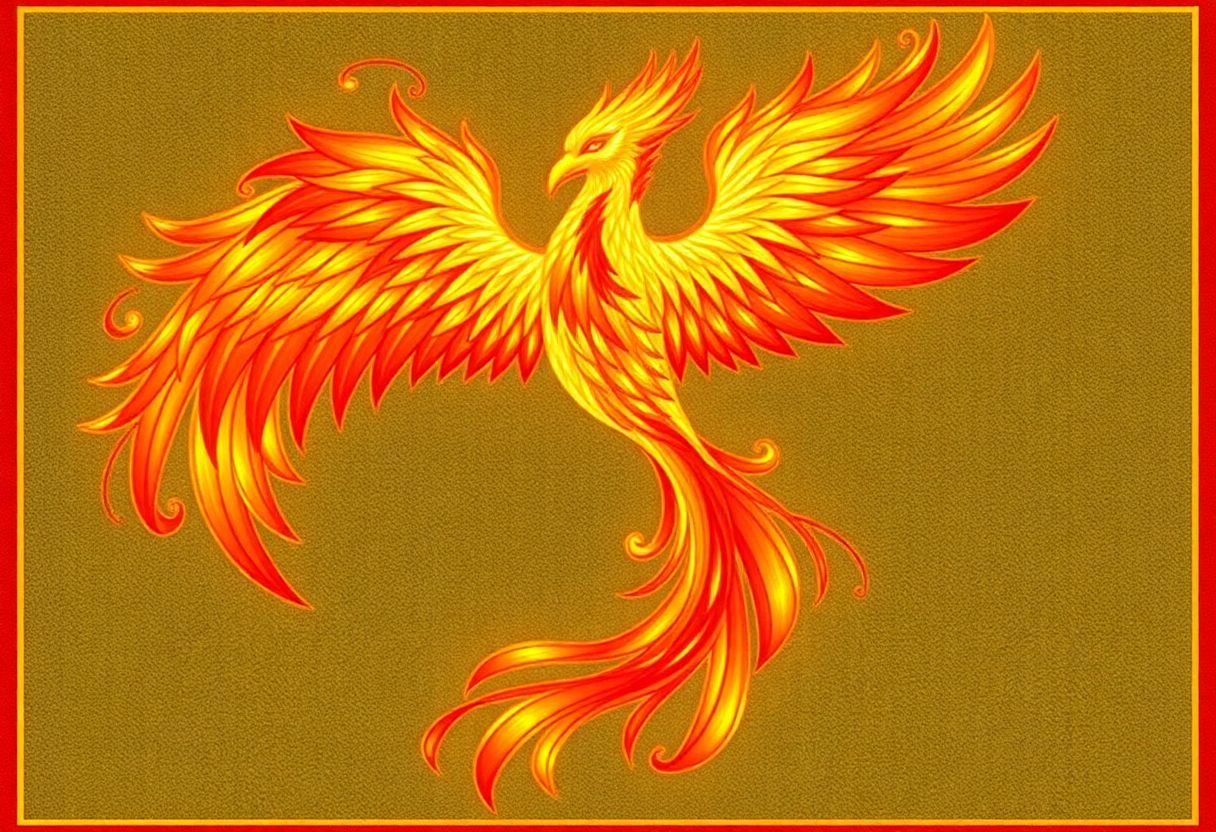
The Phoenix, a mythical bird that rises from its own ashes, has captivated human imagination for centuries. Its story is one of fire, destruction, and renewal, symbolizing the cyclical nature of life, death, and rebirth. This article delves into the origins of the Phoenix myth, its symbolism, and its enduring relevance in modern culture.
Origins of the Phoenix Myth
The Phoenix myth has roots in ancient civilizations, with variations appearing in Egyptian, Greek, Roman, Chinese, and Indian cultures. While the details differ, the core theme of a bird that regenerates itself through fire remains consistent.
Egyptian Bennu: The Earliest Phoenix
In ancient Egypt, the Bennu bird is often considered the precursor to the Phoenix. Associated with the sun god Ra and the concept of creation, the Bennu was believed to rise from the waters of chaos to bring order. It was often depicted as a heron and symbolized the cyclical nature of time and the sun's daily rebirth.
Greek and Roman Interpretations
The Greeks and Romans adopted the Phoenix myth, adding their own interpretations. Herodotus, the ancient Greek historian, described the Phoenix as a bird that lived for 500 years before building a nest of aromatic wood, setting it on fire, and being reborn from the ashes. The Romans, particularly through the writings of Ovid and Pliny the Elder, further popularized the myth, emphasizing its connection to immortality and renewal.
Eastern Variations
In Chinese mythology, the Fenghuang is often compared to the Phoenix. While not identical, the Fenghuang represents harmony, virtue, and prosperity. In Indian mythology, the Garuda, a divine bird, shares some thematic similarities with the Phoenix, symbolizing strength and renewal.
Symbolism of Fire and Rebirth
The Phoenix's association with fire and rebirth is rich with symbolic meaning. Fire, often seen as a destructive force, is also a purifier and a catalyst for transformation. The Phoenix embodies this duality, using fire as a means to destroy its old self and emerge anew.
Fire as a Symbol of Transformation
Fire has long been a symbol of transformation in various cultures. In alchemy, for example, fire is used to purify and transform base metals into gold. Similarly, the Phoenix uses fire to shed its old form and achieve a higher state of being. This process mirrors personal growth, where individuals must often endure challenges to emerge stronger and wiser.
Rebirth and Renewal
The Phoenix's rebirth from its ashes symbolizes renewal and the cyclical nature of life. This theme resonates across cultures and religions. For instance:
- In Christianity, the Phoenix is sometimes used as a symbol of resurrection and eternal life.
- In Hinduism, the concept of reincarnation aligns with the Phoenix's cycle of death and rebirth.
- In modern psychology, the Phoenix represents resilience and the ability to overcome adversity.
The Phoenix in Modern Culture
The Phoenix continues to inspire art, literature, and popular culture. Its symbolism of resilience and renewal makes it a powerful metaphor for personal and collective transformation.
Literature and Film
The Phoenix has appeared in numerous literary works, from ancient texts to modern novels. In J.K. Rowling's “Harry Potter” series, the Phoenix Fawkes serves as a loyal companion to Dumbledore, symbolizing hope and healing. Similarly, in Ray Bradbury's “Fahrenheit 451,” the Phoenix represents the potential for society to rebuild itself after destruction.
Corporate and National Symbols
Many organizations and nations have adopted the Phoenix as a symbol of resilience and renewal. For example:
- The city of Atlanta, Georgia, uses the Phoenix in its seal to represent its recovery after being burned during the American Civil War.
- Several companies in industries like technology and finance use the Phoenix in their branding to convey innovation and adaptability.
Personal Growth and Self-Help
In the realm of self-help and personal development, the Phoenix is often used as a metaphor for overcoming challenges and emerging stronger. Its story inspires individuals to view setbacks as opportunities for growth and transformation.
Scientific and Psychological Perspectives
While the Phoenix is a mythological creature, its themes of destruction and renewal have parallels in science and psychology.
Ecological Renewal
In nature, fire plays a crucial role in ecological renewal. Forest fires, while destructive, often lead to the growth of new vegetation and the rejuvenation of ecosystems. This natural process mirrors the Phoenix's cycle of destruction and rebirth.
Psychological Resilience
Psychologists often use the Phoenix as a symbol of resilience. Studies have shown that individuals who experience adversity and overcome it often develop greater emotional strength and adaptability. This phenomenon, known as “post-traumatic growth,” aligns with the Phoenix's journey of renewal.
Lessons from the Phoenix Myth
The Phoenix myth offers valuable lessons that remain relevant in today's world. Its story encourages us to embrace change, view challenges as opportunities for growth, and recognize the cyclical nature of life.
Embracing Change
Change is often accompanied by fear and uncertainty. The Phoenix teaches us that change, while difficult, is necessary for growth and renewal. By embracing change, we can transform ourselves and our circumstances.
Finding Strength in Adversity
The Phoenix's ability to rise from its ashes serves as a powerful reminder of human resilience. It inspires us to find strength in adversity and