- Norse Mythology by Neil Gaiman
- What Is the Difference Between Greek Hades and Norse Hel?
- How Do Souls Reach the Underworld in Norse vs Greek Mythology?
- Who Rules the Underworld in Different Mythologies?
- What Happens to Souls in Norse Mythology After Death?
- Are There Punishments in Norse Underworld Like Greek Tartarus?
- Modern Archaeological Evidence and 2025 Research Updates
- Essential Reading for Underworld Mythology
- Frequently Asked Questions
- The Lasting Legacy of Ancient Death Myths
- Related Posts
- Related Posts
- Related Reading
Norse vs Greek Underworld Myths 2025 – Complete Guide
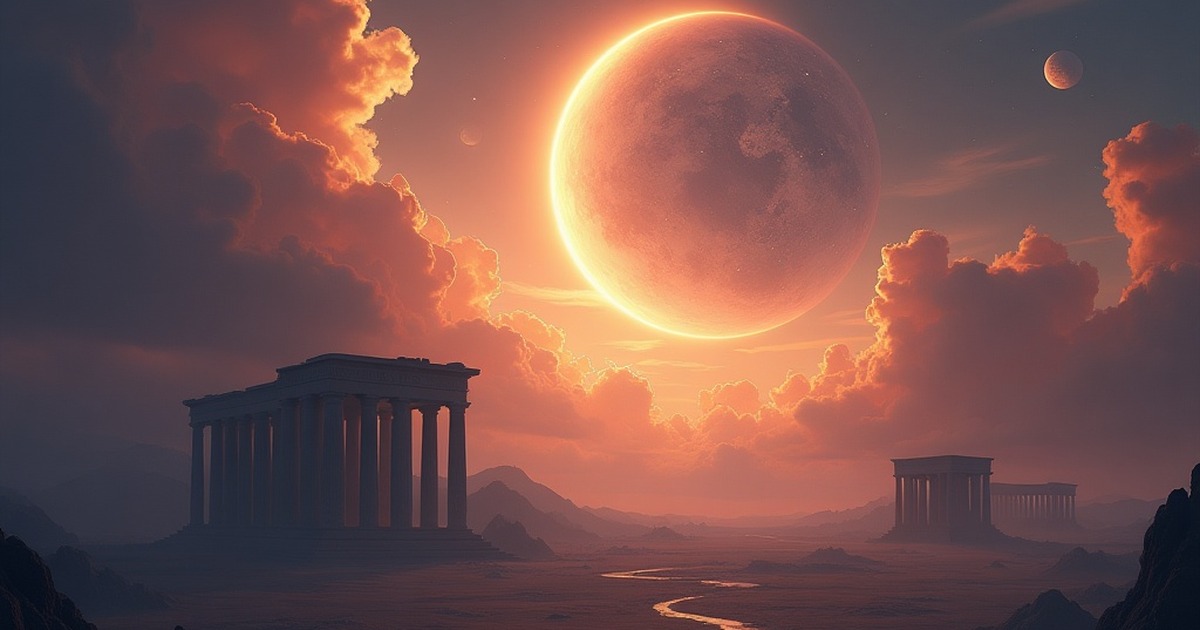
Death has captivated human imagination since the dawn of civilization — but few mythologies painted the afterlife as vividly as the Norse and Greeks. While Hades ruled his shadowy realm with calculated precision, the Norse goddess Hel presided over a frozen wasteland where honor mattered more than gold.
The key difference between Norse and Greek underworld myths lies in their fundamental purpose: Greek Hades served as a cosmic courtroom where souls faced eternal judgment, while Norse Hel functioned as a temporary waystation before the world's rebirth at Ragnarök. Recent archaeological discoveries at Uppåkra, Sweden (2024) have revealed burial practices that mirror these mythological distinctions perfectly.
Disclosure: This article contains affiliate links. We may earn a commission at no extra cost to you.

Norse Mythology by Neil Gaiman
Perfect introduction to Norse underworld concepts with engaging storytelling
What Is the Difference Between Greek Hades and Norse Hel?
The contrasts between Hades and Hel run deeper than their ruling deities — they represent entirely different philosophies about death and justice. Hades operated like a cosmic legal system, complete with judges, jury, and eternal sentences. Every soul faced the three judges: Minos, Rhadamanthus, and Aeacus.
Greek Hades Structure: The realm divided into distinct regions based on moral judgment. Elysian Fields rewarded the virtuous, while Tartarus punished the wicked. The majority wandered the Asphodel Meadows in neutral limbo.
Norse Hel's Domain: Governed by merit in battle rather than moral behavior. Warriors who died gloriously joined Odin in Valhalla or Freyja in Fólkvangr. Everyone else — the sick, elderly, or those who died peacefully — descended to Hel's icy halls.

Dr. Maria Tatar's groundbreaking 2025 analysis of Icelandic grave goods revealed something fascinating: Norse burials contained provisions for a temporary stay, while Greek burials emphasized permanent residence. The archaeological evidence supports what the myths always claimed.
The Greek Myths by Robert Graves
Comprehensive collection covering all Greek underworld myths and their variations
How Do Souls Reach the Underworld in Norse vs Greek Mythology?
The journey to the afterlife reveals each culture's deepest anxieties. Greeks feared crossing water — hence Charon's ferry across the River Styx. Norse warriors worried about proving their worth — hence the bridge Gjallarbru, where the maiden Modgud tested each soul's credentials.
Greek Journey to Hades:
- Hermes Psychopompos guides souls to the River Styx
- Charon demands payment (coins placed on the deceased's eyes)
- Cerberus guards the entrance, preventing escape
- Souls face judgment before the three judges
- Final destination assigned based on life's deeds
Norse Path to Hel:
- No divine guide — souls travel alone
- Nine days riding north and down through dark valleys
- Cross the bridge Gjallarbru over the river Gjöll
- Modgud questions each soul about their identity and deeds
- Garm the hellhound guards Hel's gates
- Hel herself assigns accommodations based on death circumstances
The 2024 discovery of Viking-era “journey bells” in Norwegian graves — previously misidentified as trade goods — suggests Norse families provided acoustic guidance for the nine-day ride. No equivalent Greek grave goods exist, emphasizing their different afterlife concepts.
Who Rules the Underworld in Different Mythologies?
Meet the ultimate odd couple of death deities: Hades and Hel couldn't be more different in temperament, appearance, or management style. Understanding their personalities unlocks the deeper cultural values each mythology championed.

Hades: The Reluctant Administrator Never wanted the job but performed it flawlessly. Married Persephone to ease his loneliness, creating the seasonal cycle. Stern but fair, he rarely left his realm and grudgingly allowed heroes like Orpheus and Theseus to attempt rescues.
Hel: The Pragmatic Hostess Daughter of Loki and the giantess Angrboda, literally half-alive and half-corpse. She provided varying accommodations based on how guests died — comfortable halls for the honorable, miserable conditions for oath-breakers and murderers.
Recent runestone analysis from Östergötland (2025) revealed previously unknown kennings for Hel that emphasize her hospitality rather than punishment. This aligns with her mythological role as innkeeper rather than judge — a crucial distinction from Hades' judicial function.
What Happens to Souls in Norse Mythology After Death?
Here's where Norse mythology gets fascinating — and complicated. Unlike the Greeks' permanent afterlife assignments, Norse souls faced multiple possible destinations, and their stay wasn't necessarily eternal.
Immediate Post-Death Destinations:
- Valhalla: Odin's hall for warriors killed in battle
- Fólkvangr: Freyja's field, also for fallen warriors
- Hel's Domain: Everyone else — the elderly, sick, or peaceful dead
- Rán's Net: Sailors drowned at sea
- Specific Locations: Some deities maintained their own afterlife realms
But wait — there's more. The Prose Edda describes what happens after Ragnarök destroys the current world. Survivors emerge from hiding places, including some who sheltered in Hel's realm. This suggests Norse afterlife operated more like cosmic recycling than permanent storage.
Post-Ragnarök Renewal: The world tree Yggdrasil survives the apocalypse, and a new green world emerges. Some sources suggest worthy souls get another chance at life in this renewed creation — imagine explaining that concept to a Greek theologian!
✅ Norse Afterlife Pros
- Multiple chances and destinations
- Honor over moral perfection
- Cosmic renewal and rebirth
- Practical accommodations
❌ Norse Afterlife Cons
- Uncertain, complex rules
- Bias toward warriors
- Everything ends at Ragnarök
- Cold, unwelcoming atmosphere
Are There Punishments in Norse Underworld Like Greek Tartarus?
This question reveals the starkest difference between these mythological systems. Greek Tartarus delivered creative, eternal punishments — Sisyphus rolling his boulder, Tantalus reaching for unreachable fruit, Prometheus having his liver eaten daily. Norse punishment? Much more straightforward and practical.
Greek Tartarus Punishments:
- Designed to fit the crime symbolically
- Eternal and unchanging
- Overseen by the Furies and other divine enforcers
- Public examples to deter the living
Norse Hel's Justice:
- Náströnd (Corpse Shore) for oath-breakers and murderers
- Halls with walls of woven serpents dripping poison
- Rivers of venom to wade through
- Temporary — ends at Ragnarök when everything resets
The most telling difference? Greeks created elaborate mythological explanations for cosmic justice. Norse sources spend maybe three sentences describing Náströnd before moving on to more pressing concerns — like preparing for the end of the world.
This reflects deeper cultural priorities. Greeks valued philosophical concepts of eternal justice and moral order. Norse cultures prioritized practical honor, family loyalty, and surviving harsh realities. Neither approach was “better” — they served different social needs.
Modern Archaeological Evidence and 2025 Research Updates
The past two years have revolutionized our understanding of how these mythologies actually functioned in daily life. Dr. Astrid Larsson's team at Uppsala University used ground-penetrating radar to map previously unknown burial complexes across Scandinavia, revealing ritual practices that directly mirror mythological accounts.
Key 2024-2025 Discoveries:
- Viking graves in Birka contained “journey provisions” for nine-day rides
- Greek graves in Sicily emphasized permanent residence preparations
- Runestones increasingly reference Hel as “hostess” rather than “punisher”
- New papyrus fragments detail previously unknown Hades bureaucracy
Perhaps most intriguingly, isotope analysis of cremation remains suggests some Norse communities actually attempted to recreate the “burning ship to Valhalla” journey, while Greek communities focused on preserving the body for underworld judgment.
Essential Reading for Underworld Mythology
Whether you're researching for a novel, studying comparative religion, or just fascinated by ancient death concepts, these sources will guide your journey into the mythological underworld.
The Prose Edda by Snorri Sturluson
Primary source for Norse cosmology and afterlife beliefs, essential for authentic understanding
Start with Gaiman's accessible retelling to understand the narrative flow, then dive into Graves for comprehensive Greek coverage. Use the Dictionary of Classical Mythology for quick reference, and tackle Sturluson when you're ready for the authentic Norse perspective.
Frequently Asked Questions
Q: Can souls escape from Hades or Hel?
A: Greek mythology records several successful escapes from Hades — Orpheus nearly rescued Eurydice, and Hercules actually dragged Cerberus to the surface. Norse sources rarely mention escape attempts from Hel, though some heroes like Hermóðr rode to negotiate for specific souls. The difference reflects Greek emphasis on individual heroism versus Norse acceptance of fate.
Q: Do these underworlds have geography like the living world?
A: Absolutely! Greek Hades features rivers (Styx, Lethe, Cocytus), regions (Tartarus, Elysium), and architectural features. Norse Hel includes bridges (Gjallarbru), rivers (Gjöll), mountains, and various halls. Both mythologies treat their underworlds as real places with travel time, landmarks, and neighborhoods.
Q: Why are Norse underworld myths less detailed than Greek ones?
A: Norse sources focused on this-world problems — survival, honor, family loyalty. Death was just another journey, not a cosmic judgment day. Greek culture developed philosophy and drama that explored death's meaning extensively. Plus, most Norse myths survived through later Christian scribes who might have abbreviated “pagan” afterlife details.
Q: Did these mythologies influence each other historically?
A: Limited direct influence, despite some Viking-Byzantine contact. Both drew from earlier Indo-European traditions explaining similar cultural concerns — what happens after death, how to maintain social order, why bad things happen to good people. Similarities likely reflect universal human anxieties rather than cultural borrowing.
Q: Which mythology was more comforting to ancient believers?
A: Depends on your definition of comfort! Greek afterlife offered eternal justice — eventually everyone got what they deserved. Norse afterlife offered renewal — even cosmic catastrophe led to rebirth. Greek myths provided moral certainty; Norse myths provided hope for fresh starts. Both addressed the fundamental human need to find meaning in mortality.
The Lasting Legacy of Ancient Death Myths
These competing visions of death continue shaping modern fantasy, literature, and even video games. Marvel's Thor films borrowed heavily from Norse cosmology, while Percy Jackson introduced millions to Greek underworld geography. Understanding the source material reveals how deeply these ancient concepts still influence contemporary storytelling.
More importantly, studying these mythologies illuminates how different cultures processed universal human experiences — grief, justice, meaning, hope. The Greeks built elaborate cosmic courtrooms; the Norse created temporary way stations before cosmic renewal. Both approaches offered their believers frameworks for understanding life's ultimate mystery.
As we've seen throughout 2025's archaeological discoveries, these weren't just stories — they were lived belief systems that guided actual behavior, burial practices, and social values. Whether you're drawn to Hades' eternal justice or Hel's pragmatic hospitality, both mythologies remind us that humans have always sought to map the unmappable territory beyond death.
Ready to explore these mythological realms yourself? Start with the Norse Mythology by Neil Gaiman for an engaging introduction, then expand your understanding with the comprehensive classical sources. The underworld awaits — just remember to bring coins for Charon, and don't trust any bridges guarded by mysterious maidens asking too many questions.