In This Article
- Origins and Cultural Significance of Celtic Mythical Creatures
- Water Spirits and Sea Creatures
- Fairy Folk and Otherworldly Beings
- Shapeshifters and Transformation Beings
- Giants, Demons, and Dark Entities
- Protective Spirits and Benevolent Guardians
- Modern Legacy and Cultural Impact
- The Enduring Magic of Celtic Mythical Creatures
- Frequently Asked Questions
# Celtic Mythology Creatures Guide: Legendary Beings from Ancient Ireland, Scotland, and Wales
This post contains affiliate links. If you purchase through these links, we may earn a commission at no extra cost to you.
Picture yourself walking through the mist-shrouded hills of ancient Ireland at twilight. Ready for this? The wind whispers through standing stones older than memory, and somewhere in that ethereal fog, you sense you are not alone. For thousands of years, the Celtic lands have been home to creatures that exist at the boundary between our world and something far more mysterious.
Here is the thing: I have spent decades studying mythology across cultures, and I can tell you this – Celtic mythical creatures possess a complexity and emotional depth that sets them apart. They are not just monsters to be slain or fairies granting wishes. But here is what most people miss: These beings reflect the profound spiritual connection the Celtic peoples had with their landscape – every lough, mountain, and sacred grove pulsing with supernatural life.
Want to know the secret? Celtic mythology spans the ancient territories of Ireland, Scotland, Wales, Brittany, and Cornwall. While each region developed its own variations, they share a common thread: the belief that the natural and supernatural dimensions are not separate areas, but overlapping spaces where mortals and otherworldly beings constantly interact.
Here is the truth: These creatures were not mere entertainment. They were cultural DNA, encoding wisdom about survival, morality, and humanity's relationship with forces beyond our control. From the shape-shifting Morrigan to the tragic selkies, each being carries layers of meaning that continue to resonate in your modern world.
Origins and Cultural Significance of Celtic Mythical Creatures
But here is where it gets interesting: Celtic culture lived through its stories. Before Christianity arrived, druids served as the keepers of knowledge, memorizing vast cycles of myths, legends, and genealogies. They understood that creatures were not just characters in tales – they were teachers, warnings, and bridges to understanding cosmic forces.
Here is what nobody tells you: I am always struck by how these oral traditions adapted across generations. A story told in a fishing village would emphasize different aspects than the same tale shared by mountain shepherds. This flexibility kept the mythology alive, relevant, and deeply connected to each community's lived experience.
The Role of Oral Tradition
Celtic culture lived through its stories. But wait, there is more. Before Christianity arrived, druids served as the keepers of knowledge, memorizing vast cycles of myths, legends, and genealogies. They understood that creatures were not just characters in tales – they were teachers, warnings, and bridges to understanding cosmic forces.
In my experience, these oral traditions adapted across generations in fascinating ways. Here is where it gets interesting: A story told in a fishing village would emphasize different aspects than the same tale shared by mountain shepherds. This flexibility kept the mythology alive, relevant, and deeply connected to each community's lived experience.
Think about it: When you hear these stories today, you are connecting with thousands of years of human wisdom passed down through countless voices, each adding their own understanding to these timeless tales.
Symbolism and Spiritual Beliefs
Celtic mythology operates on multiple levels simultaneously. Pro tip: Take the banshee, for instance. On the surface, she is a harbinger of death. But here is the catch: Dig deeper, and you will find a complex figure representing ancestral memory, the cyclical nature of existence, and the thin veil between life and death that the Celts understood so well.
Here is what I discovered: These creatures often embodied natural phenomena that could be both beneficial and destructive. The sea could provide fish and trade routes, but it could also claim lives in sudden storms. Enter the selkies and merrows – beings that perfectly capture this duality through their tragic, beautiful stories.
Fair warning: When you explore these symbols, you will encounter worldviews that challenge modern assumptions about the separation between natural and supernatural forces.
Regional Variations Across Celtic Lands
Now here is the problem: Many people assume Celtic mythology was uniform across all regions. But it gets better. While Irish merrows wore red caps to breathe underwater, Scottish selkies transformed using sealskins. Welsh mythology gave us the Cwn Annwn – spectral hounds that hunt souls – while Breton folklore developed its own unique take with the Ankou, a personification of death.
The bottom line? These variations were not random. They reflected each region's specific geography, climate, and cultural priorities. Coastal communities developed rich traditions around sea spirits, while inland populations focused more on forest guardians and mountain giants.
What this means for you is that when you study Celtic creatures, you are also learning about how environment shapes culture and belief systems.
Water Spirits and Sea Creatures
Here is where it gets interesting: Celtic water spirits represent some of the most emotionally powerful creatures in all of mythology. You will discover that these beings embody the sea's dual nature – beautiful yet dangerous, nurturing yet alien.
Selkies: The Seal-People of Scottish Lore
Let me explain why selkies remain among the most emotionally powerful creatures in Celtic mythology. These beings could shed their seal skins to become human, but here is the catch: their stories rarely end happily. The typical tale? A fisherman steals a selkie woman's skin, forcing her to marry him. She bears his children, but when she finally recovers her seal skin, she returns to the sea forever.
Here is what nobody tells you: I have always found selkie stories particularly poignant because they explore themes that feel remarkably contemporary. You will recognize the tension between duty and desire, the pain of feeling trapped in an identity that does not fit, and the devastating choice between love and freedom.
The kicker? The Orkney and Shetland Islands have the richest selkie traditions, which makes perfect sense. These isolated communities depended entirely on the sea's moods, and selkies embodied both its allure and its alienness.
But wait, there is more. If you have ever felt caught between two worlds – perhaps your professional identity and your authentic self – you will understand the profound appeal of selkie mythology. These stories speak to anyone who has felt the pull of an identity they cannot fully embrace.
Merrows: Irish Mermaids and Their Magic Caps
Fair warning: Do not confuse Irish merrows with Disney's Ariel. These creatures were far more complex and dangerous. Female merrows were described as breathtakingly beautiful from the waist up, with long green hair they combed with golden combs. But here is what most people miss: they needed their red caps – called cohuleen druith – to breathe underwater.
Plot twist: Male merrows? Completely different story. They were typically described as ugly, with green teeth and pig-like features. They spent their time herding fish and collecting the souls of drowned sailors in lobster pots. Not exactly romantic.
Here is the truth: What captivates me about merrow lore is how it reflects Irish coastal communities' ambivalent relationship with the sea. Beautiful but alien, providing but potentially deadly – these creatures embody the ocean's dual nature perfectly.
Quick note: When you encounter merrow stories, you are learning about how coastal peoples processed their complex relationship with the waters that both sustained and threatened them.
Kelpies and Each-Uisge: Deadly Water Horses
Now here is the problem: We are entering darker territory. Kelpies and each-uisge were shapeshifting water spirits that typically appeared as beautiful horses. Travelers would be tempted to mount them, only to find themselves stuck to the creature's hide as it plunged into deep water to devour its prey.
Here is where it gets interesting: The distinction between kelpies and each-uisge matters. Kelpies usually inhabited rivers and streams, while each-uisge preferred lochs and coastal waters. Each-uisge were considered more dangerous – they would eat everything except the liver, which would float to shore as a grisly warning.
The real question is: What can you learn from these terrifying creatures? These beings served as practical warnings about water safety, but they also represented something deeper – the idea that natural forces could be deceptive, appearing benevolent while hiding deadly intent.
Mind-blowing, right? When you study kelpie lore, you are examining how ancient peoples taught essential survival skills through storytelling that was both memorable and emotionally impactful.
Fairy Folk and Otherworldly Beings
Ready for this? Celtic fairy lore is infinitely more sophisticated than most people realize. You are about to discover a complex moral universe where supernatural behavior exists on a spectrum from benevolent to malevolent.
The Seelie and Unseelie Courts
Here is what nobody tells you: The division between Seelie (blessed) and Unseelie (unblessed) courts created a complex moral universe where fairy behavior existed on a spectrum from benevolent to malevolent. Seelie fairies might help lost travelers or reward kindness, but here is the catch: they still operated by alien logic. Cross them, and their retribution could be swift and creative.
But wait, there is more. Unseelie fairies were more consistently dangerous, but even they followed certain rules and could occasionally be bargained with. This moral complexity reflects Celtic understanding that the universe does not operate on simple good-versus-evil dynamics.
Think about it: When you encounter these fairy courts in stories, you are learning about a worldview that recognized forces of nature – and supernatural beings – exist beyond human moral categories.
Banshees: Harbingers of Death
Here is the truth: The banshee might be Ireland's most misunderstood mythical creature. She is not evil – she is a mourner, bound to specific Irish families to herald deaths with her keening wail. Different regions described her differently: sometimes a beautiful woman, sometimes an ancient hag, sometimes a gray lady combing her hair by a stream.
But here is what most people miss: Having a banshee attached to your family was actually considered an honor. It meant your lineage was old and important enough to warrant supernatural attention. The banshee's presence acknowledged your family's deep roots in Irish soil.
Here is where it gets interesting: I have always been moved by the banshee's tragic role. She is compelled to announce deaths but powerless to prevent them – a figure caught between knowledge and helplessness that resonates with anyone who has experienced grief.
So what does this mean for you? When you understand the banshee properly, you encounter a profound meditation on mortality, family bonds, and the weight of ancestral memory.
Leprechauns and Their Pot of Gold
Pro tip: Modern leprechaun imagery bears little resemblance to original Irish folklore. Early leprechauns were solitary fairies known for their shoemaking skills – you would often hear their tiny hammers before seeing them. But here is the catch: They were not jolly mascots but cunning tricksters who would go to elaborate lengths to avoid sharing their wealth.
Plot twist: The “three wishes” trope came later. Traditional leprechaun lore focused more on the difficulty of outsmarting these clever beings. Even if you caught one, you had better have an ironclad deal – leprechauns were master lawyers who could find loopholes in any agreement.
The bottom line? When you study authentic leprechaun folklore, you discover stories about wit, cunning, and the challenges of seeking shortcuts to wealth.
The Changeling Phenomenon
Fair warning: Changeling beliefs had profound real-world consequences. Families believed fairies would steal healthy human babies, leaving fairy substitutes that would be sickly or developmentally different. This belief system provided a tragic explanation for infant mortality, illness, and what you would now recognize as various developmental conditions.
Here is what I discovered: The psychological function is clear – changeling beliefs helped communities process the devastating reality of child loss while maintaining hope that the “real” child was safe and happy in fairy land.
What this means for you is understanding how mythological beliefs helped people cope with tragedies they could not otherwise explain or control.
Shapeshifters and Transformation Beings
Here is where it gets interesting: Celtic shapeshifters represent some of mythology's most complex characters. You will discover beings that challenge simple categories of good and evil, human and animal, mortal and divine.
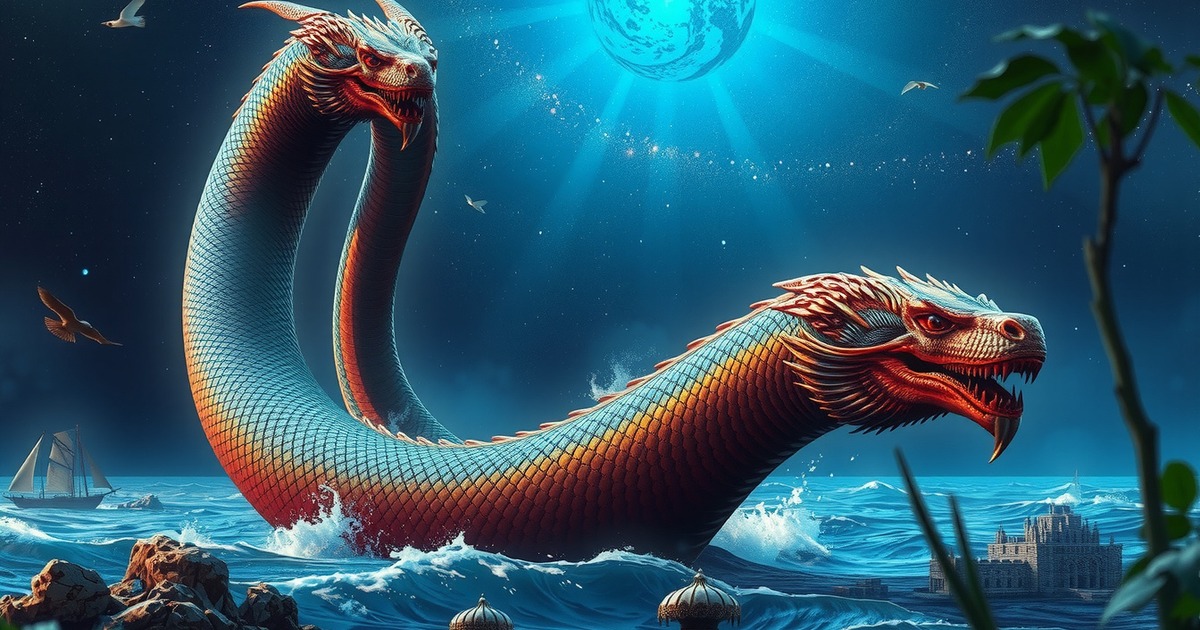
Celtic Dragons: Guardians and Destroyers
Want to know the secret? Celtic dragons differed significantly from their European counterparts. While medieval Christian dragons were typically evil creatures to be slain, Celtic dragons were more complex – simultaneously destructive and protective, chaotic and wise.
Here is what nobody tells you: Many Celtic dragons were associated with sovereignty and the land itself. The red dragon of Wales, for instance, represented the rightful rulers of the land in conflict with foreign invaders (symbolized by the white dragon). These were not just monsters – they were political and spiritual symbols.
But wait, there is more. I am particularly fascinated by Irish dragons like the Péist, which were often depicted as ancient, primordial beings connected to specific landscapes. They embodied the wild, untamed power of the natural world that could not be fully controlled or domesticated.
Think about it: When you encounter Celtic dragons in stories, you are learning about power that serves the land rather than individual ambition.
The Morrigan: War Goddess and Crow Shapeshifter
Let me explain why the Morrigan stands among the most complex figures in Celtic mythology. Part goddess, part prophetic spirit, she could appear as a beautiful woman, a crone, or most famously, a crow or raven feeding on battlefield corpses.
Here is the truth: She was not simply a war deity – she was the sovereignty of the land itself, testing heroes and kings to determine their worthiness. Her prophecies could be blessings or curses, depending on how mortals responded to her challenges.
But here is what most people miss: What strikes me most about the Morrigan is her agency. She is not a passive figure waiting to be rescued or conquered. She is an active force shaping destiny, making choices that ripple through generations of heroes and legends.
The real question is: What can you learn from a figure who embodies both creation and destruction, wisdom and war?
Werewolves and Beast Transformations
Now here is the problem: Celtic werewolf traditions often differed from later European folklore. Transformation was not always a curse – it could be a gift, a punishment, or a natural ability inherited through bloodlines. Here is where it gets interesting: The Laignach Faelad of Ireland were an entire werewolf clan who fought alongside human warriors.
But it gets better. These stories explored the boundary between civilization and wildness, the human and animal aspects of our nature. They asked uncomfortable questions: What separates us from beasts? Under what circumstances might you choose to abandon human society?
So what does this mean for you? These transformation stories invite you to examine the wild aspects of your own nature and question where you draw lines between civilized and savage behavior.
Giants, Demons, and Dark Entities
Ready for this? Celtic dark entities represent forces that go beyond simple evil – they embody cosmic chaos and the primordial powers that threaten ordered existence.
The Fomorians: Ancient Chaos Beings
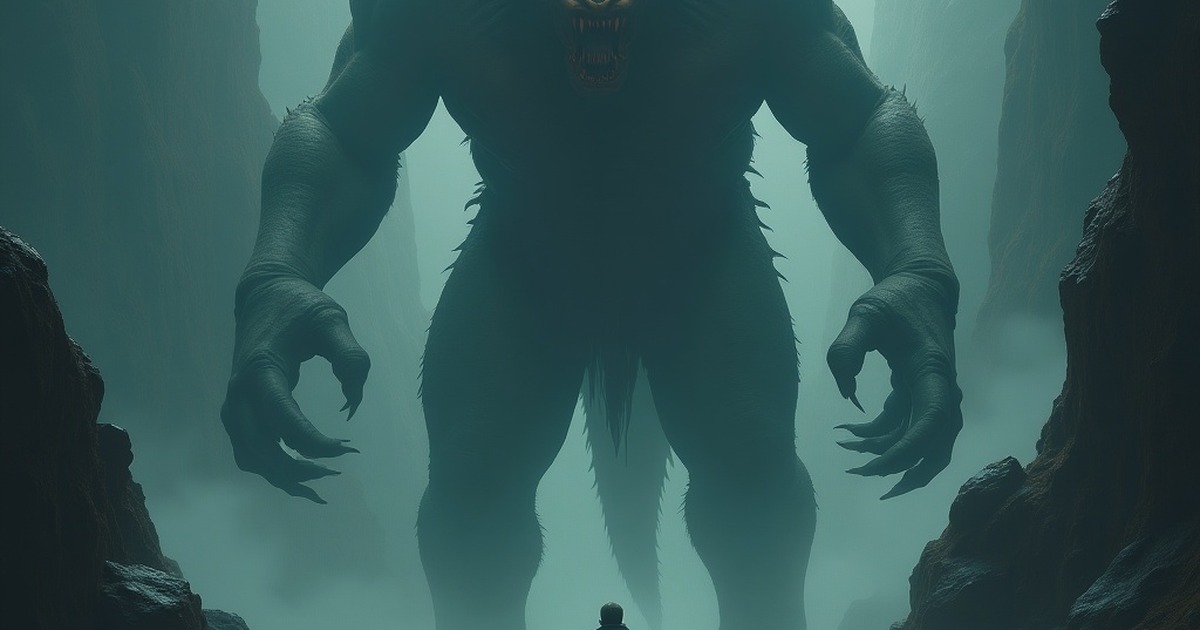
Here is the thing: The Fomorians represent primal chaos in Irish mythology – ancient beings associated with the destructive aspects of nature like storms, winter, and disease. But here is what nobody tells you: They were not evil in a simple sense, but they embodied forces that threatened cosmic order.
Here is where it gets interesting: Their conflicts with the Tuatha Dé Danann (the divine tribe of Ireland) were not straightforward good-versus-evil battles. They represented the eternal struggle between order and chaos, cultivation and wilderness, civilization and the untamed forces that constantly threaten to overwhelm it.
Think about it: When you study Fomorian mythology, you are exploring how ancient peoples understood the destructive forces that could sweep away everything they had built.
Balor of the Evil Eye
Pro tip: Balor stands as the most famous Fomorian, a giant whose gaze could kill armies. But here is the catch: His story contains one of mythology's great ironies – despite his terrible power, he is ultimately defeated by his own grandson, fulfilling a prophecy he had tried desperately to prevent.
Plot twist: The symbolism runs deep. Balor's evil eye represents the destructive power of unchecked authority and the fear that paralyzes rather than protects. His defeat suggests that tyrannical power contains the seeds of its own destruction.
What this means for you is understanding how mythological stories encode wisdom about power, authority, and the self-defeating nature of tyranny.
Dullahan: The Headless Horseman
Fair warning: Long before Washington Irving created the Headless Horseman, Irish folklore featured the Dullahan – a headless rider who served as death's messenger. He would appear at crossroads and bridges, places that symbolized transitions and choices.
Here is what most people miss: Unlike many supernatural beings, the Dullahan could not be bargained with or deterred. He represented the inevitability of death – not evil, but implacable natural law. Gold was reportedly the only thing that could turn him away, perhaps symbolizing how wealth might delay but never prevent your final destination.
The bottom line? The Dullahan teaches you about accepting mortality while still fighting to make your time meaningful.
Fear Dubh and Other Shadow Creatures
Here is what nobody tells you: The Fear Dubh (Dark Man) and similar shadow beings represented depression, despair, and psychological darkness long before you had clinical terms for these conditions. These entities would follow people, drain their energy, and whisper discouraging thoughts.
Mind-blowing, right? What is remarkable is how these mythological concepts anticipated modern understanding of mental health. The Celtic worldview recognized that psychological suffering had a reality as concrete as physical ailments – and required equally serious attention.
Protective Spirits and Benevolent Guardians
But here is the good news: Not all Celtic supernatural beings posed threats. You will discover creatures that offered protection, guidance, and support to those who understood how to interact with them respectfully.
Household Spirits and Brownies
Here is where it gets interesting: Brownies and similar household spirits provided a fascinating counterpoint to more dangerous supernatural beings. These small folk would perform household chores in exchange for simple offerings – a bowl of cream or porridge left by the fire.
But wait, there is more. Brownies had strict rules. Direct payment would offend them, causing them to leave forever. They demanded respect, not servitude. This relationship modeled ideals of reciprocity and mutual respect that extended beyond the supernatural into human social relations.
Here is what I love about brownie lore: It acknowledges that maintaining a household requires more work than any family can easily manage. These spirits represented the community cooperation necessary for survival – even if that cooperation came from otherworldly sources.
So what does this mean for you? Brownie stories teach lessons about gratitude, reciprocity, and recognizing help wherever it comes from.
Sacred Grove Guardians
Want to know the secret? Celtic spirituality was deeply connected to specific landscapes, and many creatures served as guardians of sacred spaces. Tree spirits, dryads, and grove guardians protected holy sites from defilement and destruction.
Here is the truth: These beings were not abstract concepts but practical environmental protectors. Their stories taught respect for natural resources and the consequences of thoughtless exploitation. Cross a grove guardian, and your crops might fail or your livestock sicken.
Quick note: When you encounter grove guardian stories, you are learning about sustainable relationships with natural environments thousands of years before modern ecology.
Animal Spirit Guides
Let me explain how Celtic animal spirits offered guidance, protection, and wisdom to those who understood their languages. Ravens brought messages from the Otherworld, while salmon carried ancient knowledge in their travels between sea and river.
But here is the catch: These relationships required reciprocity. Hunters made offerings to animal spirits, acknowledging that taking life carried spiritual obligations. This worldview recognized animals as persons with their own agency rather than mere resources for human use.
The real question is: How might your relationship with the natural world change if you viewed animals as guides and teachers rather than resources?
Modern Legacy and Cultural Impact
Here is where it gets interesting: Celtic mythology's influence on modern fantasy literature cannot be overstated. You will find these ancient patterns everywhere from Tolkien's elves to modern urban fantasy's fae courts.
Celtic Creatures in Literature and Film
But here is what most people miss: Adaptation often simplifies complex mythological beings. Hollywood selkies become tragic romance figures, losing their deeper meanings about identity and belonging. Modern leprechauns become cartoon mascots, stripped of their cunning and otherworldly power.
Here is what I appreciate: Adaptations that maintain the moral complexity of original Celtic creatures – stories that recognize these beings as alien forces operating by their own logic rather than simple heroes or villains.
Think about it: When you encounter Celtic creatures in modern media, you can choose to dig deeper and discover the rich cultural traditions behind simplified popular versions.
Contemporary Pagan and Neo-Celtic Movements
Fair warning: Modern Celtic spiritual movements have rekindled interest in these mythological beings, though not without controversy. Some practitioners approach these creatures as literal beings worthy of worship or working relationships. Others see them as psychological symbols representing natural forces and inner experiences.
Here is the truth: What matters is respect for the cultural contexts these beings emerged from. Celtic mythology is not a spiritual buffet where you can pick and choose appealing elements while ignoring their deeper cultural meanings.
Tourism and Cultural Preservation
Now here is the problem: Celtic mythology has become a major tourism draw for Ireland, Scotland, and Wales. While this brings economic benefits and helps preserve cultural knowledge, it also risks commodification that strips away deeper meanings.
But it gets better. The challenge lies in sharing these stories authentically while making them accessible to modern audiences. The best cultural preservation efforts involve local communities as active participants rather than passive subjects of tourist consumption.
The Enduring Magic of Celtic Mythical Creatures
Here is the thing: After decades of studying mythological traditions worldwide, I remain consistently amazed by the psychological sophistication and emotional depth of Celtic creatures. These beings do not offer simple answers or comfortable morals. They challenge you to think more deeply about your relationships with nature, death, desire, and the unknown.
But here is what most people miss: What makes Celtic mythology particularly relevant is its recognition that life is complex, that forces beyond your control shape your destinies, and that wisdom often comes from learning to navigate rather than conquer these mysterious powers.
Want to know the secret? These creatures continue influencing your stories because they address eternal human concerns: How do you find meaning in suffering? What do you owe the natural world? How do you balance individual desires with community obligations? When should you resist authority, and when should you accept forces beyond your control?
Here is the truth: Celtic mythology reminds you that wonder and terror often walk hand in hand, that the most profound truths cannot be reduced to simple formulas, and that some questions are more important than their answers.
The bottom line? Whether you encounter these beings through academic study, spiritual practice, or pure storytelling curiosity, approach them with respect for the cultures that created and preserved these remarkable traditions. They offer you glimpses into worldviews that understood mystery as a feature, not a bug, of human existence.
The ancient texts tell us that the mist-covered Celtic lands may seem distant from your modern world, but the creatures that inhabit their stories remain as relevant as ever – patient teachers waiting to share their ancient wisdom with anyone brave enough to listen.
Frequently Asked Questions
Q: What are the most dangerous Celtic mythical creatures you should know about?
A: The most dangerous Celtic creatures you will encounter in folklore include kelpies and each-uisge (deadly water horses), the Dullahan (headless horseman), and the Fear Dubh (shadow beings that drain life energy). These creatures were not simply evil but represented natural forces that could destroy you if you did not understand their nature and respect their power.
Q: How can you tell the difference between Seelie and Unseelie fairies?
A: You can distinguish between these fairy courts by their general disposition toward humans. Seelie fairies might help you if you show respect, though they can be dangerous if offended. Unseelie fairies are more consistently hostile, but even they follow rules you can sometimes work with. The key is understanding that both courts operate by alien logic that does not match human moral categories.
Q: Are Celtic dragons different from other European dragons you might know?
A: Yes, Celtic dragons differ significantly from later European versions. While medieval Christian dragons were typically evil monsters for heroes to slay, Celtic dragons represented complex forces – both destructive and protective. You will find they were often associated with sovereignty and the land itself, serving as political and spiritual symbols rather than simple antagonists.
Q: What should you do if you encounter a banshee according to Celtic folklore?
A: If you hear a banshee's wail, you should understand that she is announcing a death in a family she is bound to serve – this is not something you can prevent or bargain against. The banshee is not evil but fulfills a sacred duty as a mourner. You should treat this encounter with respect and prepare yourself for the loss she foretells.
Q: Can you actually catch a leprechaun and get their gold?
A: Traditional folklore suggests that while you might catch a leprechaun, getting their gold is nearly impossible. These creatures are master tricksters and lawyers who can find loopholes in any agreement you make with them. Even if you manage to capture one, you would need an extremely clever and airtight contract to actually benefit from the encounter.
Q: How did Celtic people use mythical creature stories in their daily lives?
A: You should understand that these stories served multiple practical purposes beyond entertainment. They taught survival skills (like water safety through kelpie stories), encoded moral lessons, explained natural phenomena, and provided psychological tools for dealing with tragedy and loss. The stories helped you navigate both physical and spiritual dangers in the Celtic world.
Q: Are selkies only found in Scottish folklore, or do you find them elsewhere?
A: While selkies are most strongly associated with Scottish folklore, particularly in the Orkney and Shetland Islands, you will find similar seal-people stories throughout Celtic coastal regions. Each area developed its own variations based on local geography and cultural needs, but the core themes of transformation and the tension between sea and land remain consistent.