When you think of dragons, what comes to mind? Fire-breathing monsters hoarding gold in dark caves? Well, you're thinking like a Westerner. In Chinese culture, dragons couldn't be more different. They're benevolent beings of immense wisdom, symbols of imperial power, and bringers of good fortune who've shaped an entire civilization for over 5,000 years.
This post contains affiliate links. If you purchase through these links, we may earn a commission at no extra cost to you.
I've spent years studying mythological creatures across cultures, and I'll tell you this: no creature has influenced a society quite like the Chinese dragon. These aren't the evil beasts of European folklore—they're divine entities that control the weather, guard heavenly spaces, and embody the very essence of Chinese identity.
From ancient jade carvings to modern blockbuster films, dragons have woven themselves into every aspect of Chinese life. They've crowned emperors, guided spiritual practices, and inspired countless works of art. Ready to discover how these magnificent creatures became the soul of a civilization?
In This Article
- Origins and Ancient Foundations of Chinese Dragon Mythology
- The Nine Types of Chinese Dragons
- Legendary Dragons in Chinese Mythology
- Dragons as Imperial Symbols and Political Power
- Cultural Significance and Spiritual Beliefs
- Artistic Representations Through the Ages
- Dragons in Modern Chinese Culture
- Frequently Asked Questions
- Final Thoughts
Origins and Ancient Foundations of Chinese Dragon Mythology
Archaeological Evidence and Early Depictions
Here's where it gets interesting. The story of Chinese dragons begins in the mists of prehistory. I'm always amazed when I look at artifacts from the Hongshan culture, dating back to 4700-2900 BCE. These Neolithic peoples were already carving jade dragons with remarkable sophistication. The famous “pig-dragon” pendants found in Inner Mongolia show creatures with coiled, serpentine bodies that would become the template for all future dragon imagery.
What strikes me most about these early depictions? They're not fearsome. Even 6,000 years ago, Chinese artisans were creating dragons that looked powerful yet benevolent.
The ancient texts tell us that these early dragons weren't just decorative objects. Archaeological evidence suggests they served as spiritual intermediaries between earthly and divine forces. Compare this to the earliest European dragon imagery—it's night and day.
Totemic Beginnings and Tribal Symbolism
But wait, there's more. Dragon origins get fascinating when you look at their totemic beginnings. The prevailing theory suggests Chinese dragons emerged from ancient totemic worship, combining features from multiple animals revered by different tribes. Picture this: as tribes united under early Chinese civilization, their totems merged too.
Think about it: The dragon's serpentine body came from snake totems. Those powerful legs? Tiger tribes. The distinctive antler-like horns originated from deer worship. Fish scales represented aquatic clans. When these groups came together, they didn't abandon their spiritual symbols—they combined them into something greater.
I find this origin story particularly compelling because it mirrors how Chinese civilization itself formed: through the gradual unification of diverse peoples under a shared cultural identity.
Evolution from Natural Phenomena to Divine Beings
Now, here's what matters: Early Chinese observers were keen students of nature. They noticed how mist rose from rivers at dawn, how clouds gathered before storms, how lightning split the sky. These weren't random events—they were the movements of invisible dragons.
Dragons controlled the life-giving rains that made agriculture possible. They stirred in underground springs and manifested as floods during their anger. The rumbling of earthquakes? That was earth dragons shifting in their subterranean lairs.
During the Shang and Zhou dynasties (roughly 1600-256 BCE), Chinese dragon mythology evolved as these beings transformed from nature spirits into symbols of divine authority. Rulers claimed dragon ancestry to legitimize their power. The concept of qi—that fundamental life force flowing through all things—became associated with dragon energy coursing through the land.
The Nine Types of Chinese Dragons
Imperial Dragons and Celestial Hierarchy
Here's the thing: Chinese dragon mythology organizes dragons into a complex hierarchy that mirrors the imperial bureaucracy. At the top sit the Tianlong, or Celestial Dragons. These magnificent beings guard the palaces of heaven and serve as steeds for the gods themselves.
I've always found it interesting how Chinese dragons reflect the culture's love of order and classification. Unlike Western traditions where dragons are generally just “dragons,” Chinese mythology specifies exactly which type you're dealing with and what their cosmic responsibilities are.
The Dragon King's nine sons each inherited different aspects of their father's power:
- Bixi: The turtle-dragon who loves carrying heavy loads (you'll see him supporting stone tablets)
- Qiuniu: The music-loving dragon whose image adorns musical instruments
- Yazi: The warrior dragon who appears on sword hilts and weapons
- Chaofeng: The risk-taking dragon decorating roof corners
- Pulao: The loud-voiced dragon whose roar calls through temple bells
Elemental Dragons and Natural Forces
Want to know the secret? Shenlong, the Spiritual Dragons, control weather patterns across China. These are the dragons farmers pray to during droughts and the ones blamed for devastating floods. Each province has its own Shenlong responsible for local weather conditions.
Underground, the Fucanglong guard buried treasures and precious metals. They're why traditional Chinese miners performed dragon ceremonies before digging—you needed permission to enter their domain. These earth dragons also control volcanic activity and the formation of precious gems.
And the best part? The Dilong, Earth Dragons, rule over rivers, seas, and waterways. Every major body of water in China has its resident dragon. The Yellow River dragon differs in temperament from the Yangtze River dragon, which explains why these rivers behave so differently.
| Dragon Type | Domain | Primary Role | Worship Purpose |
|---|---|---|---|
| Tianlong (Celestial) | Heaven | Guard divine palaces | Imperial legitimacy |
| Shenlong (Spiritual) | Weather/Sky | Control rain and storms | Agricultural prayers |
| Dilong (Earth) | Rivers/Seas | Govern waterways | Safe travel, fishing |
| Fucanglong (Treasure) | Underground | Guard precious metals | Mining protection |
Guardian Dragons and Protective Spirits
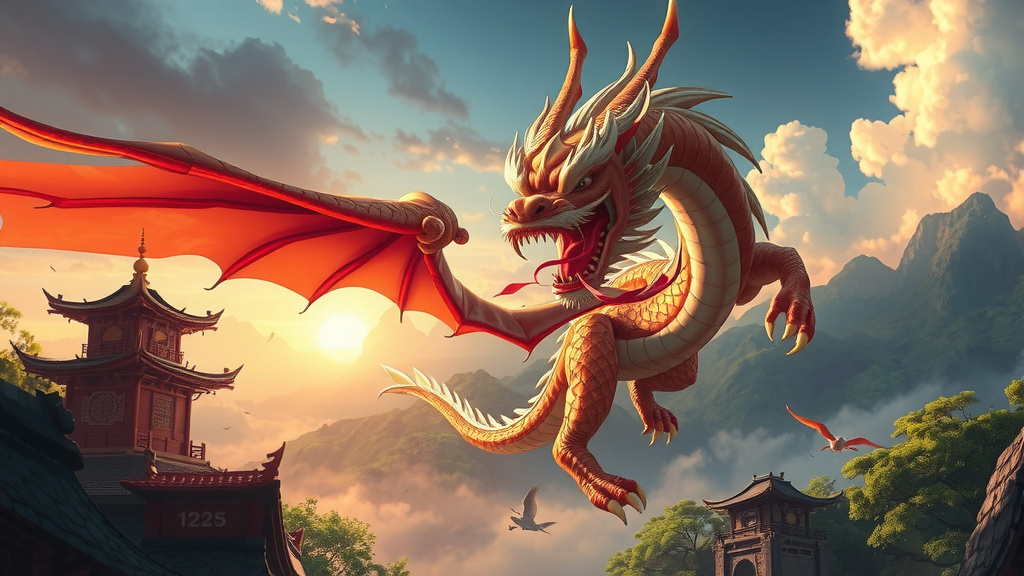
But here's the catch: The most powerful of all Chinese dragons is Yinglong, the Winged Dragon. This is the only Chinese dragon type that possesses wings, and according to legend, Yinglong served the Yellow Emperor himself in battles against chaos monsters.
What makes Yinglong special? This dragon bridges the gap between earthly and celestial spaces. While most Chinese dragons achieve flight through magical power rather than wings, Yinglong's wings mark it as transcendent—a being that has evolved beyond the need for magic to achieve the impossible.
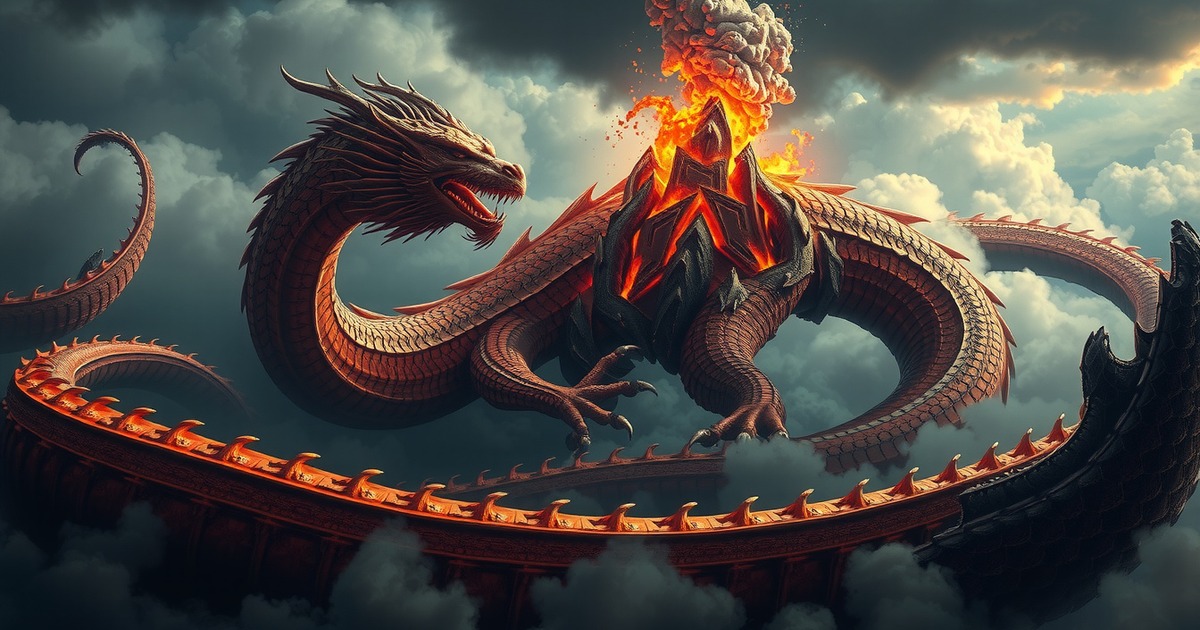
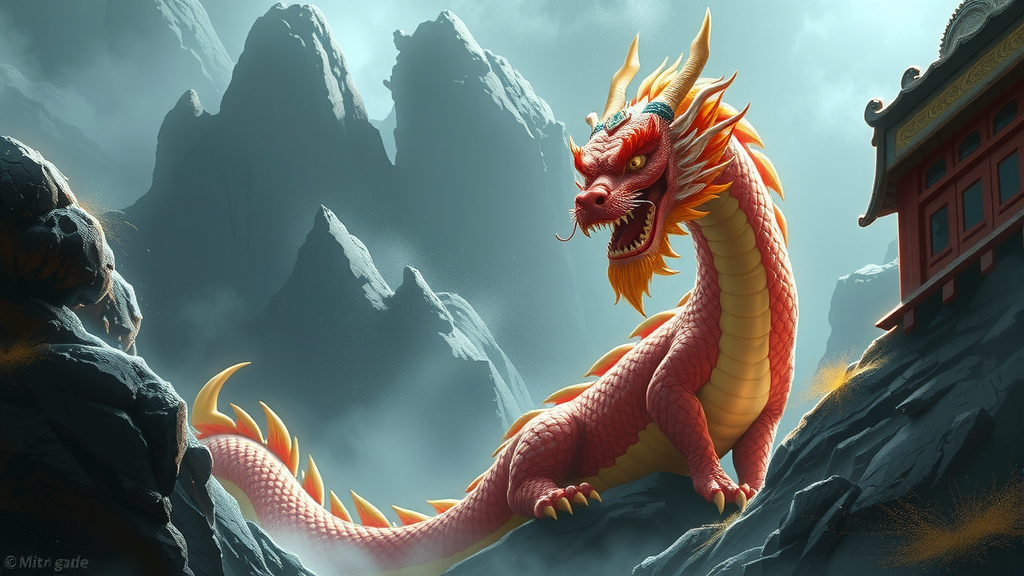
Physically, all Chinese dragons share certain characteristics that set them apart from their Western cousins. They have serpentine bodies stretching incredible lengths, four powerful legs ending in eagle-like talons, and those distinctive antler-like horns.
Most importantly, they possess the pearl of wisdom—either held in their claws or embedded in their throats—which grants them their supernatural abilities.
Legendary Dragons in Chinese Dragon Mythology
The Dragon Kings and Celestial Bureaucracy
Let me explain. The Four Dragon Kings rule from crystal palaces beneath the seas surrounding China. Each commands vast underwater kingdoms complete with dragon soldiers, fish ministers, and turtle generals. Ao Guang, the Eastern Sea Dragon King, is their leader and appears in countless Chinese stories.
These aren't just mythical figures—they're active participants in Chinese religious life. Coastal communities still build temples to Dragon Kings and perform ceremonies requesting calm seas for fishing. During my travels in coastal China, I've witnessed elaborate processions where entire villages carry Dragon King statues into the ocean.
Here's what most people miss: The Dragon Kings' palaces rival heaven itself in splendor. Crystal halls stretch for miles, filled with treasures from every shipwreck and offerings from millennia of worshippers. The kings hold court daily, deciding weather patterns and answering petitions from both mortals and immortals.
Famous Dragon Tales and Epic Adventures
One of my favorite Chinese legends is the Dragon Gate story. Picture the Yellow River rushing through a narrow gorge where waterfalls crash down from incredible heights. Every spring, thousands of carp swim upstream, fighting against the current in a desperate attempt to leap these falls.
Most fail. But legend says that any carp successfully leaping the Dragon Gate transforms instantly into a dragon. This story became the foundation for Chinese beliefs about perseverance and achievement. When someone succeeds against impossible odds, Chinese speakers still say they've “leaped the Dragon Gate.”
The deeper symbolism reveals something profound about Chinese values. Success isn't just about talent—it's about determination, struggle, and transformation. The carp must prove worthy through effort before achieving dragon status.
The Yellow Emperor's dragon Yinglong plays a crucial role in Chinese creation mythology. During the cosmic battle between order and chaos, Yinglong helped defeat Chi You, a demon with a bull's head and bronze skin. The dragon's victory ensured civilization could flourish.
Dragons in Classical Literature
Pro tip: Chinese classical literature overflows with dragon encounters. In “Journey to the West,” the Monkey King regularly tangles with Dragon Kings, sometimes borrowing magical weapons, other times causing underwater mayhem. The Dragon King of the Eastern Sea provides Sun Wukong with his famous staff—a pillar from the dragon's own palace.
The White Snake legend presents one of Chinese literature's most beautiful dragon transformations. Bai Suzhen, a white snake spirit who achieves dragon status through centuries of cultivation, falls in love with a human scholar. Their tragic romance explores themes of transformation, redemption, and the boundaries between human and divine love.
Across cultures, we find that regional variations add incredible richness to dragon mythology. Southern Chinese dragons differ from northern ones in temperament and appearance. Coastal dragons behave differently from mountain dragons. Each province has local dragon legends reflecting regional geography, climate, and cultural concerns.
Dragons as Imperial Symbols and Political Power
The Mandate of Heaven and Dragon Throne
Here's where it gets really interesting: Chinese emperors weren't just rulers—they were “Sons of Dragons,” divine beings with direct connections to heavenly power. This wasn't mere propaganda; it was fundamental political theology that governed China for over two thousand years.
The concept worked through the Mandate of Heaven. Dragons, as intermediaries between heaven and earth, chose worthy rulers and withdrew support from corrupt ones. Natural disasters weren't random events—they were dragons expressing displeasure with imperial governance. Smart emperors paid attention to these signs.
I find it fascinating how this system created accountability. Emperors couldn't simply claim divine right and ignore consequences. If floods, droughts, or earthquakes struck during their reign, the people interpreted these as dragon warnings. Persistent natural disasters could justify rebellion against an “unworthy” emperor who'd lost the dragons' favor.
Imperial Dragon Iconography and Regalia
The bottom line? The five-clawed dragon became the exclusive symbol of Chinese emperors. Count the claws carefully when examining Chinese art—it tells you exactly who could own that piece. Emperors used five-clawed dragons. Princes and high nobles got four claws. Lower nobility made do with three.
This wasn't just artistic convention—it was law. Using unauthorized dragon imagery could cost you your life. The emperor's dragon robes, throne designs, and architectural elements throughout the Forbidden City all featured five-clawed dragons in specific colors and poses that reinforced imperial authority.
Fair warning: Dragon symbolism permeated every aspect of court life. The emperor sat on the Dragon Throne, wore dragon robes, and lived in halls decorated with dragon motifs. Even his face was called the “Dragon Face,” and his commands were “Dragon Edicts.”
Forbidden Uses and Sacred Restrictions
But here's the truth: The restrictions on dragon imagery created a complex system of visual hierarchy. Common people could use dragon-like creatures—but they had to be clearly different from imperial dragons. Craftsmen developed ingenious variations: dragons with different numbers of claws, different body proportions, or different facial features.
What happened if you violated these rules? Historical records document numerous executions for “dragon crimes.” During the Ming Dynasty, a merchant was beheaded for selling robes with five-clawed dragon patterns to wealthy customers. The message was clear: dragons belonged to the emperor alone.
These restrictions lasted until 1912, when China's last emperor abdicated. Suddenly, anyone could use dragon imagery. The flood of dragon-decorated items that followed shows just how deeply this symbolism resonated with ordinary Chinese people.
Cultural Significance and Spiritual Beliefs
Dragons in Traditional Chinese Religion
Here's what you need to know: Dragons occupy unique positions in Chinese religious practice because they predate organized religion in China. When Buddhism arrived from India, it adapted to existing dragon beliefs rather than replacing them. Taoist practice incorporated dragons as manifestations of natural forces. Even Confucianism acknowledged dragons as symbols of virtuous leadership.
In Buddhist temples, you'll often find dragon statues alongside Buddha images. These aren't conflicting beliefs—they're complementary aspects of Chinese spirituality. Dragons represent the natural world that Buddhism seeks to understand and transcend.
Taoist practitioners see dragons as embodiments of yin and yang forces in perfect balance. Dragon meditation techniques focus on cultivating “dragon energy” within the body, promoting health and spiritual development.
Feng Shui and Dragon Energy
Now, here's what matters: Feng shui practitioners map “dragon lines” (long mai) across landscapes—channels where dragon energy flows through the earth. These aren't metaphorical concepts but practical guidelines for building placement, garden design, and city planning.
Traditional Chinese architecture positions buildings to harmonize with local dragon energy. The Forbidden City's layout follows feng shui principles designed to concentrate dragon power around the emperor's residence. Even today, many Chinese developers consult feng shui masters about dragon line placement before breaking ground.
Mountain ridges are considered dragon spines, with energy flowing along their contours. Rivers represent dragon breath, bringing life-giving water but potentially causing destruction if not properly channeled. Understanding local dragon geography was essential for traditional Chinese urban planning.
Festivals and Dragon Worship Practices
Want to experience this yourself? Dragon Boat Festival ranks among China's most important celebrations, commemorating the poet Qu Yuan while honoring water dragons. The racing boats themselves represent dragons, with carved dragon heads and tails. Teams drum furiously to awaken the dragons and ensure good fortune.
But dragon festivals happen year-round. Coastal communities celebrate Dragon King birthdays with elaborate ocean ceremonies. Mountain villages honor earth dragons during planting seasons. Urban areas perform dragon dances during Chinese New Year to bring prosperity for the coming year.
I've participated in dragon dance ceremonies, and the experience is electrifying. The dragon costume requires dozens of performers moving in perfect coordination. When done properly, the fabric dragon seems to come alive, twisting and turning with supernatural grace. Spectators often report feeling genuine spiritual presence during these performances.
Artistic Representations Through the Ages
Evolution of Dragon Art Styles
Here's the thing about Chinese dragon mythology in art: it has evolved dramatically across dynasties, reflecting changing aesthetic preferences and political needs. Han Dynasty dragons (206 BCE – 220 CE) appear relatively simple and naturalistic. They look like they could be real animals—if real animals happened to be magical.
Tang Dynasty dragons (618-907 CE) become more elaborate and decorative. This was China's golden age, when international trade brought new artistic influences. Tang dragons show Persian and Central Asian stylistic elements while maintaining distinctly Chinese characteristics.
The kicker? Ming and Qing dragons (1368-1912) reached peak artistic sophistication. These dragons writhe with incredible energy, their bodies twisting through clouds and flames with mathematical precision. Every scale, every whisker, every claw receives meticulous attention.
Architecture and Dragon Motifs
Chinese architecture uses dragons as both decorative and structural elements. Temple columns often feature dragons spiraling around their surfaces, symbolically supporting the building through dragon strength.
Roof decorations include dragon figures positioned to guard against evil influences. These aren't just ornaments—they're functional spiritual elements designed to protect building occupants. The number and style of roof dragons indicate the building's importance and the occupant's social status.
Garden design incorporates dragon symbolism through winding paths that follow “dragon spine” principles. Water features represent dragon breath, while carefully positioned rocks symbolize dragon bones. Master garden designers create spaces where visitors can experience dragon energy directly.
Contemporary Dragon Art and Media
What makes this myth enduring is how modern Chinese artists continue developing dragon imagery for contemporary audiences. Digital artists create dragons for video games and movies that honor traditional symbolism while appealing to international viewers.
Chinese cinema has produced spectacular dragon films that showcase traditional mythology using cutting-edge special effects. Movies like “Chinese Odyssey” and “Legend of the White Snake” introduce global audiences to authentic Chinese dragon lore rather than Western stereotypes.
Contemporary sculptors work in traditional materials like jade and bronze while experimenting with modern media like glass and steel. Their dragons bridge ancient wisdom and modern aesthetic sensibilities, proving these mythical beings remain relevant for new generations.
Dragons in Modern Chinese Culture
Contemporary Symbolism and National Identity
Here's what most people don't realize: Dragons remain powerful symbols of Chinese identity worldwide. Chinese diaspora communities use dragon imagery to maintain cultural connections across generations and geographic distances. Dragon dances at international festivals introduce non-Chinese audiences to authentic Chinese culture.
The Chinese government strategically employs dragon symbolism in cultural diplomacy. Official state gifts often feature dragon motifs. Olympic ceremonies and international exhibitions showcase dragon performances as distinctly Chinese contributions to world culture.
But modern dragon symbolism isn't just governmental—it's deeply personal. Many Chinese people, regardless of where they live, feel genuine emotional connections to dragon imagery. It represents their cultural heritage in ways that transcend political boundaries.
Dragons in Popular Media and Entertainment
Chinese video game developers create dragon-themed games that introduce players to traditional mythology through interactive experiences. Games like “Honor of Kings” feature historically accurate dragon characters alongside modern gameplay mechanics.
And the best part? Animated films aimed at children teach dragon legends to new generations. These productions face interesting challenges: how do you make ancient myths relevant for kids growing up in digital environments? The most successful approaches blend traditional storytelling with contemporary themes.
Chinese television produces dragon-themed series that explore historical periods when dragon beliefs shaped political events. These shows help modern audiences understand how mythology influenced real historical decisions.
Global Influence and Cultural Exchange
Chinese restaurants worldwide use dragon imagery, though often simplified for international audiences. While sometimes these representations stray from traditional accuracy, they've introduced millions of people to the concept of benevolent Eastern dragons.
Martial arts films have spread Chinese dragon concepts globally, though often mixed with action movie requirements that don't always serve mythological accuracy. Still, these movies have created international curiosity about authentic Chinese dragon traditions.
Academic programs in Chinese studies increasingly include dragon mythology as essential cultural knowledge. Universities recognize that understanding Chinese dragons is crucial for understanding Chinese civilization itself.
Frequently Asked Questions
What's the main difference between Chinese and Western dragons?
Chinese dragons are benevolent divine beings that bring good fortune, control weather, and symbolize wisdom and power, while Western dragons are typically portrayed as evil, treasure-hoarding monsters that heroes must defeat. Chinese dragons also lack wings (except Yinglong) and have more serpentine bodies with four legs.
How many types of Chinese dragons exist in mythology?
Chinese dragon mythology recognizes nine main types, including Tianlong (Celestial Dragons), Shenlong (Spiritual Dragons), Dilong (Earth Dragons), and Fucanglong (Treasure Dragons). Each type has specific roles and responsibilities within the cosmic order.
Why do Chinese dragons have different numbers of claws?
The number of claws indicated social rank in imperial China. Five claws were reserved exclusively for emperors, four claws for princes and high nobility, and three claws for lower nobility. Using the wrong number of claws could result in execution for treason.
Do Chinese people still worship dragons today?
While formal dragon worship is less common, dragon symbolism remains deeply embedded in Chinese culture through festivals like Dragon Boat Festival, feng shui practices, and cultural celebrations. Many coastal communities still hold ceremonies honoring Dragon Kings.
What does it mean when someone “leaps the Dragon Gate”?
This phrase comes from the legend that carp who successfully leap the waterfalls at Dragon Gate transform into dragons. It symbolizes achieving success through perseverance and hard work, often used to describe someone who overcomes great obstacles to achieve their goals.
Can foreigners use Chinese dragon symbols respectfully?
Yes, as long as you understand their cultural significance and avoid stereotypes. Chinese dragons represent wisdom, good fortune, and positive energy. Using them respectfully in art, decoration, or cultural appreciation is generally welcome, but avoid mixing them with negative Western dragon stereotypes.
Final Thoughts
Chinese dragons represent something unprecedented in world mythology: divine beings who've maintained relevance across millennia without losing their essential character. They've adapted to changing times while preserving ancient wisdom, evolved with artistic trends while maintaining spiritual significance, and spread globally while remaining authentically Chinese.
What makes this continuity possible? I believe it's because Chinese dragons embody principles that transcend specific historical moments. They represent the balance between power and benevolence, the connection between earthly and divine spaces, and the possibility of transformation through wisdom and perseverance.
These aren't just ancient stories—they're living traditions that continue shaping how Chinese people understand themselves and their place in the world. Dragons bridge China's magnificent past with its dynamic future, offering guidance for navigating modern challenges while honoring ancestral wisdom.
Whether you encounter dragons in classical literature, modern films, or traditional festivals, remember: you're witnessing one of humanity's most enduring spiritual traditions. Chinese dragons invite us to imagine a world where power serves wisdom, where transformation is always possible, and where the divine moves through the natural world with both majesty and compassion.
The dragons are still dancing. The question is: are you wise enough to learn their steps?