In This Article
- Understanding Egyptian Mythology: Foundation and Structure
- Major Egyptian Gods and Goddesses: The Great Ennead
- Essential Deities of Daily Life and Natural Forces
- Gods of Chaos, War, and Destruction
- Lesser-Known But Significant Deities
- Symbols, Sacred Animals, and Divine Representations
- Egyptian Mythology in Modern Culture and Legacy
- Continuing Mysteries and Eternal Relevance
Picture yourself standing before the Great Pyramid of Giza, sand swirling at your feet, wondering about the civilization that created these monuments to eternity. Here's the thing: What drove the ancient Egyptians to build on such a magnificent scale? The answer lies in their complex relationship with their gods—a collection of divine beings so fascinating that it continues to captivate us thousands of years later.
This post contains affiliate links. If you purchase through these links, we may earn a commission at no extra cost to you.
I have spent decades studying mythology across cultures, and I will tell you this: Here is what You probably miss: Egyptian mythology stands apart. Ready for this? It is not just the sheer number of deities—though with over 2,000 documented gods and goddesses, that is impressive enough. It is how deeply these divine beings were woven into every aspect of Egyptian life, from the pharaoh's crown to a farmer's daily prayers for the Nile's flood.
The ancient texts tell us that Egyptians did not compartmentalize religion the way we do now. But here is what nobody tells you: Their gods were not distant figures you visited on weekends. They were present in the rising sun, the flooding river, the ibis bird stalking through marsh reeds, the very breath in your lungs. Understanding these deities means understanding a civilization that thrived for over three millennia—longer than any empire before or since.
Want to know the secret? You will explore the major players in this divine drama, from Ra's daily journey across the sky to Anubis's careful preparation of the dead. You will discover how these myths shaped one of history's greatest civilizations and why they still connect with us in 2025.
Understanding Egyptian Mythology: Foundation and Structure
Here is where it gets interesting: Egyptian mythology was not just a belief system—it was the foundation that held an entire civilization together for over three thousand years.
The Role of Gods in Ancient Egyptian Society
Think about it: Here is what strikes me most about Egyptian religion—it was simultaneously deeply personal and utterly cosmic. Every Egyptian, from the mightiest pharaoh to the humblest grain worker, lived in constant relationship with the divine. The gods were not abstract concepts—they were your neighbors, your protectors, sometimes your adversaries.
But wait, there is more. The pharaoh served as the crucial bridge between mortal and divine areas. Here is the truth: He was not just a political leader; he was literally considered a living god, the earthly embodiment of Horus. This divine kingship concept gave Egyptian rulers first authority but also tremendous responsibility. Pro tip: They had to maintain Ma'at—cosmic order and balance—or risk the collapse of civilization itself.
Here is what nobody tells you: Imagine if every natural disaster, every failed harvest, every military defeat was seen as a direct result of your spiritual inadequacy. That is the weight Egyptian kings carried. The deeper symbolism reveals how political power and religious authority were inseparable in ancient Egypt.
Creation Myths and Cosmology
Quick note: Egyptian creation stories fascinate me because they are anything but uniform. Unlike monotheistic traditions with a single creation account, Egypt developed multiple origin stories, each centered on different religious centers.
But here is the catch: The Heliopolitan tradition from ancient Heliopolis tells of Atum emerging from the primordial waters of Nun, creating the first divine couple—Shu (air) and Tefnut (moisture)—through his own divine essence.
The Memphite theology, centered on Memphis, presents Ptah as the supreme creator who spoke the world into existence. Mind-blowing, right? This concept predates similar ideas in other religious traditions by millennia. The Hermopolitan system describes eight primordial deities—the Ogdoad—representing the chaotic forces before creation.
Here is the good news: What makes this work for you? this notable is that Egyptians did not see these as contradictory. They understood that truth could have multiple sides, that different regions might experience the divine differently. This theological flexibility helped Egyptian religion adapt and survive through countless political changes.
Pantheon Organization and Divine Hierarchies
Let me explain. Egyptian divine hierarchy was not a rigid corporate structure. It was more like a vast, extended family with complex relationships, shifting alliances, and regional variations. Ra typically held supreme position as the sun god, but his importance waxed and waned depending on political circumstances.
Plot twist: During the Middle Kingdom, Amun rose to prominence, eventually merging with Ra to become Amun-Ra. Regional gods could achieve national significance through political success. When Thebes became Egypt's capital, its patron deity Amun shot up the divine ranks. When Memphis dominated, Ptah's influence expanded.
The bottom line? This shows how Egyptian religion remained active, responding to social and political changes while maintaining core theological principles.
Major Egyptian Gods and Goddesses: The Great Ennead
Here is where it gets interesting: The major Egyptian deities formed a complex web of relationships that governed every aspect of existence.
Ra: The Supreme Sun God
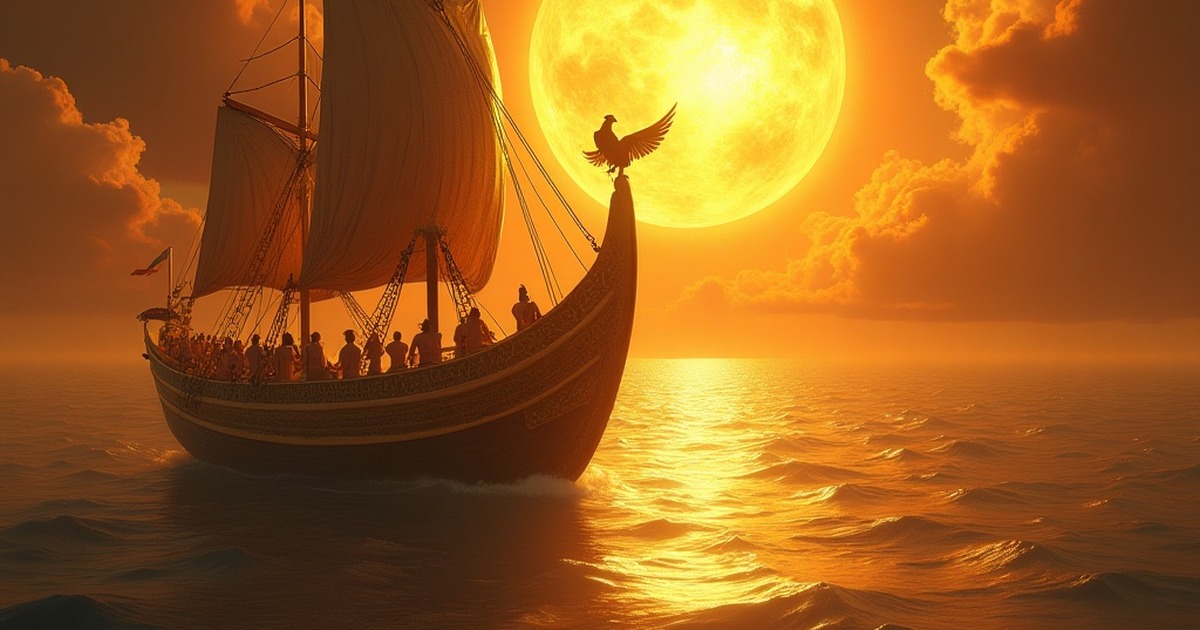
Here is the thing: Every morning, Ra begins his eternal journey across the sky in his solar barque, bringing light and life to the world. Every evening, he dies and travels through the underworld, battling the forces of chaos to be reborn at dawn. This daily cycle represented the ultimate triumph of order over chaos, life over death.
Want to know the secret? Ra's importance can not be overstated. He was not just a sun god—he was the king of gods, the ultimate source of divine authority. Pharaohs called themselves “Son of Ra,” legitimizing their rule through solar connection. The famous Great Pyramid contains shafts aligned with stars sacred to Ra, ensuring the deceased pharaoh's journey to join the sun god in his eternal voyage.
But here is what You probably miss: Ra was not static. He appeared in multiple forms throughout the day: Khepri (the scarab beetle) at dawn, Ra-Horakhty (Ra-Horus of the Horizon) at midday, and Atum at sunset. This shape-shifting ability reflects Egyptian understanding that divine essence could manifest in various forms while remaining fundamentally unchanged.
In my experience, What makes this work for you? Ra's mythology fascinating is how it influenced later religious traditions. The concept of a dying and resurrecting deity, the association of divine kingship with solar symbolism, the idea of judgment after death—these themes echo through cultures worldwide.
Osiris: Lord of the Underworld
Here is what nobody tells you: The Osiris myth remains one of mythology's greatest stories of death and resurrection. Osiris, the green-skinned god of vegetation and rebirth, was murdered by his jealous brother Set, dismembered, and scattered across Egypt. His devoted wife Isis gathered the pieces and used her magical powers to resurrect him, but here is the catch: Osiris chose to rule the underworld rather than return to the land of the living.
This story operated on multiple levels for ancient Egyptians. Agriculturally, it explained the annual cycle of crops dying and returning. Personally, it offered hope for life after death. Politically, it established the divine succession from Osiris to his son Horus, legitimizing pharaonic rule.
But it gets better. What moves me about this myth is its emotional depth. It is not just about cosmic forces—it is about love, betrayal, grief, and hope. Isis's determination to restore her husband, her protection of their son Horus, her role as the ideal wife and mother—these themes connected powerfully in Egyptian society and continue to speak to us now.
The kicker? Osiris also introduced the concept of moral judgment after death. Unlike many ancient religions that focused primarily on proper ritual observance, Osirian theology emphasized ethical behavior. Your heart would be weighed against the feather of Ma'at. Live justly, and join Osiris in eternal bliss. Live wickedly, and face annihilation.
Isis: The Divine Mother and Magician
The real question is: If I had to choose the most beloved deity in the Egyptian pantheon, it would be Isis. She represented everything Egyptians valued: maternal love, magical power, loyalty, wisdom, and protection. Her worship spread far beyond Egypt's borders, reaching throughout the Roman Empire and competing seriously with early Christianity.
Here is the truth: Isis's magical abilities were legendary. She tricked Ra into revealing his secret name, gaining power over the king of gods himself. She protected her infant son Horus from Set's attempts to kill him. She healed the sick, guided travelers, and aided women in childbirth. Her temples served as hospitals, schools, and sanctuaries for the oppressed.
And that is not all. The imagery associated with Isis—the protective mother holding her child, the compassionate goddess extending her wings over devotees—influenced artistic and religious traditions for centuries. Some scholars see clear connections between Isis iconography and later depictions of the Virgin Mary.
Here is the good news: What strikes me about Isis is her accessibility. While Ra remained distant and cosmic, Isis felt personal, immediate, caring. She understood human suffering because she had experienced loss and fear herself. This emotional connection helped her worship survive long after Egypt's political independence ended.
Horus: The Sky God and Divine Pharaoh
Fair warning: Horus actually represents two distinct deities that merged over time: Horus the Elder, a sky god whose eyes were the sun and moon, and Horus the Younger, son of Osiris and Isis. This younger Horus fought epic battles with Set to avenge his father's murder and reclaim the throne of Egypt.
Pro tip: The Eye of Horus became one of Egypt's most powerful protective symbols. According to myth, Set tore out Horus's eye during their conflict, but the god Thoth restored it. The healed eye represented wholeness, protection, and royal power. You will find this symbol on everything from jewelry to tomb walls to medical prescriptions.
But here is what You probably miss: Every pharaoh was considered the living embodiment of Horus, making the throne itself divine. When a pharaoh died, he became Osiris, and his successor became the new Horus. This created an unbroken chain of divine kingship stretching back to the gods themselves.
What makes this work for you? this enduring is Horus's falcon form connected him with the sky and with keen vision that could see across vast distances. Pharaohs wore the uraeus—the rearing cobra—on their crowns to represent this divine oversight and protection. The message was clear: the king sees all, knows all, and acts with divine authority.
Essential Deities of Daily Life and Natural Forces
Now here is the problem: You might think Egyptian gods were distant cosmic forces, but many deities directly influenced daily life and natural phenomena.
Thoth: God of Wisdom and Writing
Here is what I have found: As someone who spends life surrounded by books and ancient texts, I have special appreciation for Thoth. This ibis-headed god invented hieroglyphic writing, making civilization possible. He recorded the deeds of the dead, maintained the universe's equilibrium, and served as Ra's secretary and advisor.
But wait, there is more. Thoth's most crucial role occurred in the Hall of Judgment, where he recorded the results of each soul's heart-weighing ceremony. His careful documentation determined who achieved eternal life and who faced destruction. Scribes throughout Egypt considered him their patron, offering prayers before beginning important documents.
The deeper symbolism reveals that the Greeks identified Thoth with their god Hermes, creating Hermes Trismegistus (Thrice-Great Hermes), a figure who became central to medieval alchemy and magic. This shows how Egyptian deities continued evolving and influencing other cultures long after Egypt's golden age ended.
Anubis: Guardian of the Dead
Here is where it gets interesting: Before Osiris rose to prominence, Anubis ruled the underworld. This jackal-headed god's association with death made perfect sense to Egyptians—jackals were often seen scavenging around cemeteries, so they naturally became connected with the afterlife.
Let me explain. Anubis perfected the mummification process, ensuring the dead would have intact bodies for their eternal journey. He protected graves from robbers and guided souls through the dangerous underworld. Even after Osiris became lord of the dead, Anubis retained his crucial role as embalmer and guardian.
You probably do not realize that the sight of Anubis bending over a mummy, performing the opening of the mouth ceremony that restored the deceased's senses, appears in countless tomb paintings. This ritual was essential—without it, the dead could not eat, drink, or speak in the afterlife. Anubis made eternal life possible.
Bastet: Protector Goddess and Feline Deity
Quick note: Cats held special status in ancient Egypt, and Bastet embodies everything Egyptians loved about these animals. Originally depicted as a fierce lioness, she gradually transformed into a gentler domestic cat goddess, protector of homes and families.
But here is the catch: Bastet's great festival at Bubastis was one of Egypt's most popular celebrations. According to Herodotus, hundreds of thousands of people traveled there annually for music, dancing, and general revelry. The contrast between solemn religious ceremonies and Bastet's joyful festivals shows Egyptian religion's emotional range.
Here is What makes this work for you? this myth enduring: The goddess protected women during childbirth, defended households against evil spirits, and brought joy and sensuality into daily life. Her dual nature—nurturing mother and fierce protector—reflected how Egyptians saw feminine power.
Sobek: The Crocodile God of the Nile
Think about it: Living alongside the Nile meant coexisting with crocodiles, and Egyptians chose to worship rather than simply fear these apex predators. Sobek embodied the river's life-giving and destructive potential. He could grant fertility and abundance or release devastating floods.
Here is the truth: Sobek's main cult centers, Crocodilopolis and Kom Ombo, housed sacred crocodiles pampered with gold jewelry, fine food, and careful attention. When these animals died, they received mummification and elaborate burials. This practice continued for centuries, showing how seriously Egyptians took their crocodile worship.
And that is not all. The god's military associations made him popular with pharaohs. Several Middle Kingdom rulers incorporated Sobek into their names, seeking his fierce protection for Egypt's borders. His presence in royal titulary demonstrates how political and religious power intertwined.
Gods of Chaos, War, and Destruction
Fair warning: Not all Egyptian gods were benevolent protectors. Some embodied the destructive forces that threatened order and civilization.
Set: The God of Chaos and Desert
Plot twist: Set might be Egyptian mythology's most complex figure. Yes, he murdered his brother Osiris and fought viciously with Horus, but here is what nobody tells you: he also defended Ra's solar barque against the chaos serpent Apophis every night. Without Set's strength, the sun would not rise each morning.
This paradox reflects sophisticated Egyptian theological thinking. They understood that chaos was not purely evil—it was necessary for renewal and change. Set represented foreign lands, storms, violence, and disorder, but also strength, protection, and necessary destruction.
Here is what I have discovered: Set's worship was controversial even in ancient times. During periods when Egypt faced foreign invasion or internal strife, his cult suffered. But he never disappeared entirely, because Egyptians recognized that order without chaos becomes stagnation.
Sekhmet: The Lioness of War
Here is where it gets interesting: When pharaohs went to war, they invoked Sekhmet, the fierce lioness whose breath created the desert winds and whose fury could destroy armies. But she was also a healer—Egyptian medicine recognized that the power to destroy disease was connected to the power to destroy enemies.
Want to know the secret? The myth of Sekhmet's near-destruction of humanity reveals Egyptian concerns about divine wrath. Ra sent her to punish rebellious humans, but she became drunk on blood and nearly exterminated the human race. Only trickery stopped her rampage, as the gods flooded her path with beer dyed red to look like blood. She drank it, became intoxicated, and forgot her murderous mission.
The real question is: What does this story establish? Important theological principles: divine power needed limits, gods could make mistakes, and wisdom sometimes required deception to preserve life.
Apophis: The Serpent of Chaos
Here is the truth: Every night, as Ra traveled through the underworld, he faced his greatest enemy: Apophis, the massive serpent who embodied primordial chaos. This was not a battle that could be won permanently—it had to be fought anew each night to ensure the sun's return.
But here is the catch: Apophis represented everything Egyptians feared: darkness, disorder, the collapse of civilization, the end of existence itself. He could not be killed, only temporarily defeated. This eternal struggle reflected Egyptian understanding that maintaining order required constant vigilance and effort.
Here is the good news: Solar eclipses were interpreted as temporary victories for Apophis, times when the serpent briefly swallowed Ra. The fact that the sun always returned proved the ultimate supremacy of order over chaos, but the temporary darkness reminded everyone how fragile that victory could be.
Lesser-Known But Significant Deities
But it gets better. Beyond the famous names, you will discover countless other deities who played crucial roles in Egyptian religious life.
Ptah: The Creator God of Memphis
Here is what You probably miss: When Memphis served as Egypt's capital, its patron deity Ptah achieved tremendous importance. Unlike other creator gods who used physical acts or bodily fluids to create, Ptah created through thought and speech alone—”He who spoke and it came to be.”
This theological concept influenced religious thinking throughout the ancient world. The idea that divine word could create reality appears in multiple traditions, but Ptah's version predates most others. His priests developed sophisticated theological arguments that competed with other creation accounts.
Pro tip: Ptah's association with craftsmanship made him patron of artists, architects, and metalworkers. The finest Egyptian artwork was created “under Ptah's guidance,” and his priests maintained workshops that produced some of ancient Egypt's greatest treasures.
Hathor: Goddess of Love and Music
Here is where it gets interesting: Hathor brought joy into Egyptian religion through music, dance, love, and celebration. Often depicted as a cow or woman with cow horns, she nurtured both gods and humans with her milk. Her temples featured some of Egypt's most beautiful music and most joyous festivals.
But here is what nobody tells you: Hathor had a fierce side too—she was sometimes identified with Sekhmet, showing how Egyptian deities could embody seemingly contradictory aspects. Love and war, nurture and destruction, joy and fury—all were part of Hathor's complex nature.
The kicker? Her role as protector of women, especially during childbirth, made her extremely popular in daily religious practice. Countless amulets and household shrines honored Hathor, making her one of Egypt's most personally beloved deities.
Khnum: The Potter God of Creation
Let me explain. At Elephantine Island, where the Nile's annual flood began its journey through Egypt, Khnum was believed to create human beings on his potter's wheel. Each person was individually crafted from Nile clay, explaining both human uniqueness and connection to the sacred river.
Ready for this? Khnum controlled the flood's timing and intensity, making him crucial for Egyptian agriculture. His temples received elaborate offerings before each flood season, as communities sought his favor for their crops and livelihood.
What makes this work for you? this myth enduring is the potter metaphor connected deeply with Egyptians, who understood how skilled craftsmanship could transform raw materials into things of beauty and utility. Humans were divine artworks, carefully shaped and imbued with life.
Symbols, Sacred Animals, and Divine Representations
Now here is the problem: Modern You might misunderstand how Egyptian religious symbolism actually worked.
Animal Symbolism in Egyptian Religion
Here is what I have found: Egyptian animal symbolism was not random—it reflected careful observation of natural behavior and characteristics. Falcons soared high and had keen vision, making them perfect symbols for sky gods like Horus. Jackals scavenged around cemeteries, connecting them with death and the underworld. Cats protected homes from vermin and had mysterious nighttime habits, linking them with protective household deities.
This system allowed Egyptians to see the divine everywhere in their natural environment. Every animal potentially carried divine essence, making the world itself a sacred space filled with spiritual significance.
But wait, there is more. Sacred animals lived in temples and received elaborate care. When they died, they were mummified and buried with honors. The Serapeum at Saqqara contains massive sarcophagi for sacred bulls, each weighing many tons—Shows how seriously Egyptians took these divine relationships.
Sacred Symbols and Their Meanings
Here is the truth: Egyptian religious symbols carried layers of meaning that modern You might miss. The ankh represented life and divine power. The djed pillar symbolized stability and endurance. The was scepter indicated dominion and authority. These were not just decorative elements—they were concentrated expressions of theological concepts.
You probably do not realize that hieroglyphic writing itself was considered divine invention, given by Thoth to humanity. Writing down a god's name made that deity present and accessible. This belief gave Egyptian scribes tremendous religious as well as social importance.
Mind-blowing, right? The uraeus cobra on pharaohs' crowns was not just royal regalia—it was the goddess Wadjet herself, providing divine protection and authority. Royal symbols were literally divine presences, not merely representations of abstract concepts.
Temple Architecture and Divine Presence
Think about it: Egyptian temples were designed as earthly houses for the gods, complete with bedrooms, dining areas, and reception halls. The deity's statue lived in the innermost sanctuary, receiving daily care from priests who acted as divine servants.
Here is what nobody tells you: Each morning, priests would wake the god, wash and dress the statue, offer food and incense, and conduct ceremonies to maintain divine favor. These were not symbolic acts—Egyptians believed their gods actually inhabited these statues and required physical care.
The deeper symbolism reveals that temple architecture created a journey from the chaotic outer world to the sacred inner sanctuary. Pylons, courtyards, hypostyle halls, and finally the holy of holies represented progressive purification and approach to divine presence. Only the highest-ranking priests could enter the innermost areas and directly serve the gods.
Egyptian Mythology in Modern Culture and Legacy
Here is where it gets interesting: Egyptian mythology did not die with the fall of the pharaohs—it transformed and continues influencing us today.
Influence on Later Civilizations
Quick note: Egyptian religious concepts spread throughout the ancient world through trade, conquest, and cultural exchange. The Greeks identified Egyptian deities with their own gods, creating hybrid theologies that influenced Roman religion and early Christianity. The concept of judgment after death, resurrection mythology, and divine kingship all show Egyptian influence.
But here is the catch: Isis worship reached as far as Britain and India during the Roman period. Her mysteries competed directly with Christianity and influenced how people understood divine feminine power. Some scholars argue that certain aspects of Marian devotion show clear Isis influence.
And that is not all. Medieval alchemy and magic drew heavily on Egyptian symbolism and mythology. The figure of Hermes Trismegistus, combining Thoth with Greek Hermes, became central to Western esoteric traditions that continue influencing modern spirituality.
Modern Popular Culture and Egyptian Gods
Plot twist: Egyptian mythology never really died—it just transformed. From 19th-century Gothic novels to modern superhero comics, Egyptian deities continue appearing in popular culture. Video games like “Assassin's Creed: Origins” let players explore carefully recreated ancient Egypt while interacting with its gods.
Here is What makes this work for you? this enduring: The lasting appeal lies partly in Egyptian mythology's visual richness. Animal-headed deities, elaborate symbolism, and exotic settings capture imaginations in ways that more abstract mythologies sometimes do not. But there is deeper attraction too—Egyptian gods feel both alien and familiar, powerful yet accessible.
In my experience: Modern neo-pagan and New Age movements often incorporate Egyptian elements, though usually in simplified or romanticized forms. While these contemporary interpretations differ significantly from ancient practice, they demonstrate how Egyptian religious concepts continue connecting with people seeking spiritual meaning.
Archaeological Discoveries and Ongoing Research
The bottom line? Recent archaeological discoveries continue revealing new aspects of Egyptian religion. Digital technology allows scholars to read papyri and tomb inscriptions that were previously illegible. DNA analysis of mummies provides insights into how religious practices affected daily life and health.
Here is the good news: The discovery of new tombs and temples regularly adds to our understanding of regional variations in Egyptian religion. What seemed uniform from a distance reveals notable diversity when examined closely. Different cities, time periods, and social classes practiced Egyptian religion in distinctly different ways.
So what does this mean for you? Modern Egyptology faces interesting challenges as Egyptian scholars reclaim their heritage from Western academic traditions. Contemporary research increasingly incorporates Egyptian perspectives and challenges colonial-era interpretations of ancient religion. This shift promises richer, more detailed understanding of how these beliefs actually functioned in their original contexts.
Continuing Mysteries and Eternal Relevance
Here is the thing: Standing in the shadow of the pyramids or walking through temple ruins at Karnak, you can not help but wonder: what drove ancient Egyptians to create monuments that still inspire awe after four millennia?
Want to know the secret? The answer lies in their absolute conviction that the divine was real, present, and demanding of humanity's best efforts. Egyptian mythology offers something increasingly rare in our secular age: a vision of existence where everything—from the grandest cosmic forces to the humblest daily tasks—carries spiritual significance.
But here is what You probably miss: These were not primitive people inventing stories to explain natural phenomena. They were sophisticated thinkers developing complex theological systems that addressed fundamental questions about life, death, meaning, and purpose.
Their gods reflect the full range of human experience: Ra's consistent reliability, Isis's nurturing love, Set's necessary destruction, Thoth's pursuit of wisdom, Hathor's joyous celebration. They understood that divinity, like humanity, must encompass contradiction, complexity, and change.
Here is what nobody tells you: What moves me most about Egyptian religion is its ultimate optimism. Despite acknowledging chaos, death, and suffering, Egyptian mythology insists that order can triumph, that love conquers separation, that consciousness survives bodily death, that human beings can become divine themselves through righteous living.
The real question is: These ancient stories continue speaking to us because the questions they address have not changed: How should we live? What happens when we die? How do we find meaning in suffering? What is our relationship to the natural world and to each other?
Here is the truth: The gods of ancient Egypt do not offer easy answers, but they provide detailed structures for thinking about life's deepest mysteries. In our age of rapid change and spiritual uncertainty, their enduring wisdom reminds us that human beings have always grappled with these questions—and sometimes found answers worth preserving for eternity.
Mind-blowing, right? Is that not why we still find ourselves drawn to their monuments, their stories, their eternal journey toward the light?
Frequently Asked Questions
What are the most important Egyptian gods you should know about?
You should know these major deities: Ra (the supreme sun god), Isis (divine mother and magician), Osiris (lord of the underworld), Horus (sky god and divine pharaoh), Anubis (guardian of the dead), and Thoth (god of wisdom and writing). These six gods formed the core of Egyptian religious practice and influenced every aspect of ancient Egyptian life.
How many Egyptian gods were there and why did you need so many?
You will find over 2,000 documented Egyptian deities in the historical record. Here is why you needed so many: Egyptian religion developed over 3,000 years across different regions, each with local gods that sometimes merged with national deities. You also had gods for specific functions—harvest, childbirth, protection, crafts—making the pantheon incredibly detailed and specialized.
What powers did Egyptian gods have and how did you worship them?
Egyptian gods possessed powers over natural forces, human destiny, and cosmic order. You worshiped them through daily temple rituals, personal prayers, festivals, and offerings. If you were a priest, you would care for divine statues as if they were living beings—feeding, clothing, and housing the gods in their temple homes.
How did Egyptian mythology influence other religions you might know?
You will discover Egyptian influences in Greek, Roman, and early Christian traditions. The Isis cult spread throughout the Roman Empire and may have influenced Marian devotion. Concepts like judgment after death, resurrection, and divine kingship that you see in other religions often trace back to Egyptian sources.
What symbols from Egyptian mythology can you still recognize today?
You probably recognize the ankh (life symbol), the Eye of Horus (protection), and the scarab beetle (rebirth). You will also find Egyptian symbolism in modern jewelry, tattoos, and popular culture. The pyramid shape itself became a universal symbol of mystery and ancient wisdom that you see everywhere today.
Why should you care about Egyptian gods in 2025?
You should care because Egyptian mythology addresses timeless questions about meaning, death, power, and spirituality that you still face today. These stories offer sophisticated ways of thinking about human nature, moral responsibility, and our relationship with forces beyond our control—insights that remain relevant in your modern life.